

The best money clip for most people is a 6061-T6 aluminum or 410 stainless steel model with a spring exerting 8–12 N of clamping force, holding 4–6 cards and up to 12 folded bills. For heavy users, a full-length stainless steel clip like those tested by ASTM International meets stricter durability benchmarks; for lightweight daily carry, titanium offers the lowest weight-to-strength ratio.
What Is the Best Money Clip for Everyday Use?
The best money clip combines strong retention on folded bills, room for three to six cards, and a body you can drop without hearing it crack. In practice, that points to a spring-tension metal or carbon-fiber wallet built from 410 stainless steel or anodized aluminum, with a brushed finish and rounded edges. Those materials deliver the strongest price-to-durability ratio, and they survive a year or more of pocket wash cycles without losing grip. You will see fewer failures in titanium models, but the premium rarely pays for itself unless weight or magnet sensitivity is a real concern.
If you want a single starting point, pick a mid-weight aluminum or stainless steel money clip card holder wallet that holds five cards across two layers and 10 to 12 folded bills. That configuration covers most daily carry routines without becoming a brick. For heavier users who regularly carry seven cards and multiple receipts, step up to a credit card holder money clip wallet designed with thicker springs and a reinforced plate.
Detailed Explanation
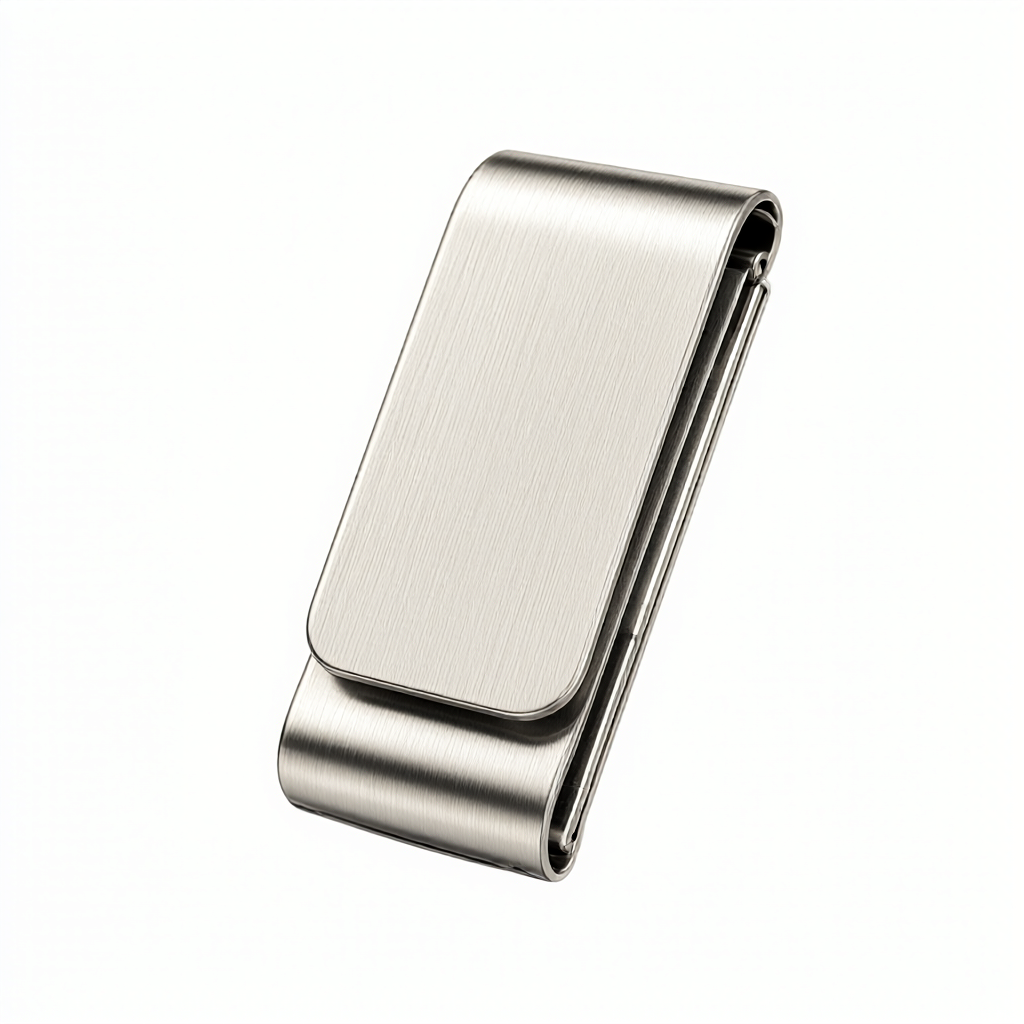
How money clips secure cash and cards
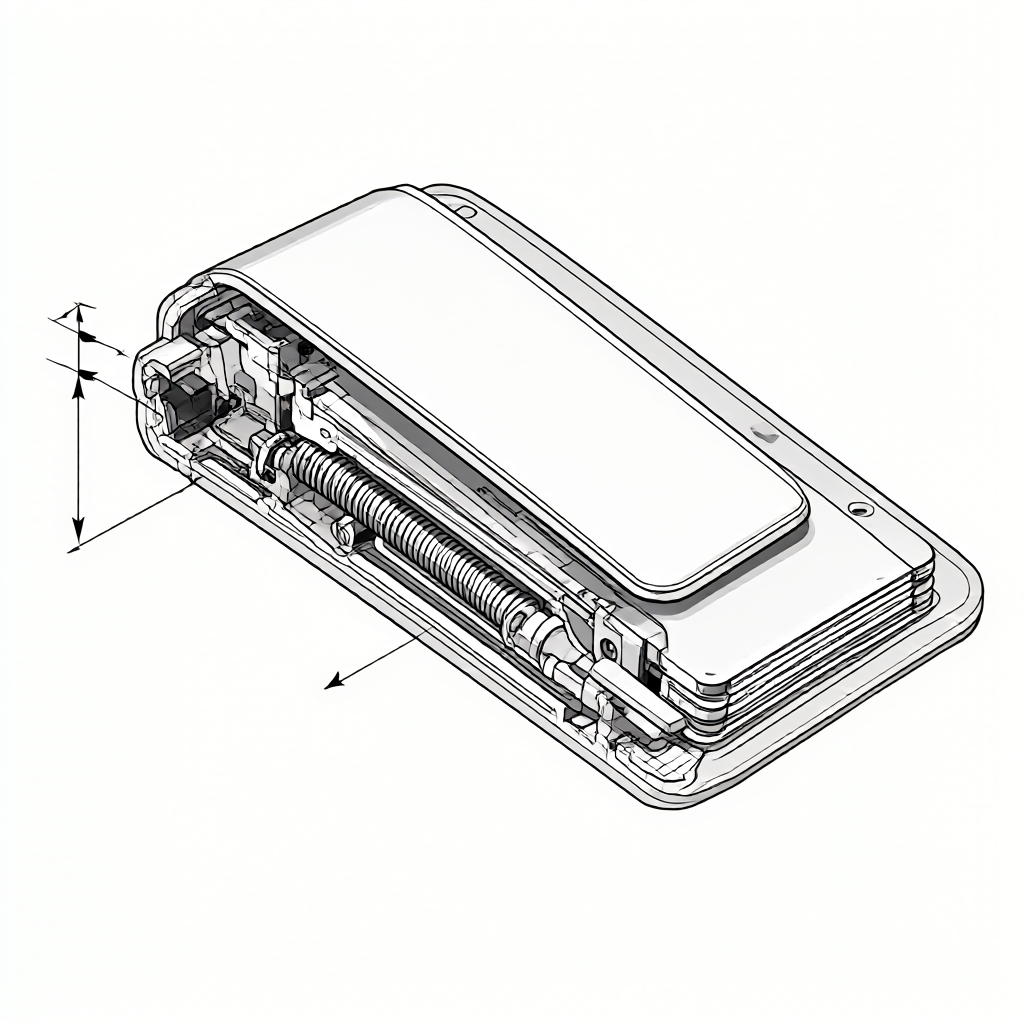
A money clip applies lateral pressure along the face of folded bills. Most modern versions use a spring-loaded hinge or torsion bar made from stainless steel wire inside a machined plate. When you insert cash, the mechanism compresses slightly and then returns to a set clamping force. Cards slot into grooves, channels, or elastic bands beneath the cash layer. Some designs stack cards in parallel; others layer them in a sleeve behind the bill channel.
Traditional bifolds rely on friction, folds, and leather stretch. They do not apply targeted pressure to the bills themselves. Instead, they enclose cash between panels and let the leather decide how tight the pocket feels over time. That means older bifolds often lose snap as the leather relaxes, while a well-made money clip keeps consistent tension as long as the spring retains elasticity.
For readers considering other minimalist carry styles, see our best minimal wallets buying comparison guide for a broader view of EDC alternatives beyond pure clip systems.
Key factors in choosing a money clip wallet: material, capacity, and mechanism
Materials determine how the clip behaves under load, moisture, and repeated flexing. Common choices include:
- Anodized aluminum. Lightweight, corrosion-resistant, and inexpensive to machine. It dents before it snaps, so visible damage appears early rather than at failure. Anodizing thickness matters more than brand claims. A hard coat around 25 micrometers prevents wear longer than a decorative thin coat.
- Stainless steel. Stronger and more rigid than aluminum. Brushed or bead-blasted finishes hide scratches better than mirror polish. Steel adds weight but preserves grip under heavier loads, making it a frequent pick for a mini money clip meant for travel or gym bags.
- Titanium. Excellent strength-to-weight ratio and natural corrosion resistance. More expensive and harder to machine, which pushes price upward without always improving day-to-day hold. It is worth choosing if you want the lightest possible wallet and are willing to pay for it.
- Carbon fiber. Hard and scratch resistant, but brittle under impact. It performs well for a daily driver carried in a jacket pocket or front trouser pocket where drops are uncommon. Purely aesthetic versions sometimes sacrifice internal reinforcement, which reduces real-world lifespan.
Capacity. Realistic load varies by design. A typical money clip holds three to five slim credit cards without strain and ten to twelve standard US bills folded in thirds. Capacity drops sharply once you add ID cards, transit passes, or thick cards such as metal loyalty cards. The safest test is to insert your actual cards and fold a stack of new bills, then slide the wallet into your front pocket and sit down for two minutes. If the bottom cards bow outward or the cash slips past your thumb, the clip is underloaded for your habits.
Mechanism types. Spring-tension clips remain the dominant design because they tolerate uneven bill stacks. Magnetic closure clips offer quick access but weaker retention during bending or sweat exposure. Elastic band wallets avoid metal parts entirely but degrade faster under UV exposure and heat. Rod-style clips rely on friction fit and tend to loosen as the metal fatigues. If retention is non-negotiable, choose a spring-tension model made from spring-grade steel.
Differences between dedicated money clip wallets and hybrid card-case designs
A dedicated money clip prioritizes bill security and carries cards in an auxiliary slot or thin inner panel. These often resemble a metal bifold wallet money clip layout without the outer leather shell. They appeal to users who already own keys on a separate ring and want the smallest possible carry footprint. Expect thinner profiles but less room for expansion.
Hybrid card-case designs integrate the clip inside a slimmer bifold frame. The outer panel may still fold, but it functions more as armor than storage. These units usually accommodate more cards and sometimes add a coin compartment or ID window. They bridge the gap between a pure clip and a full bifold, though the extra structure adds bulk.
Understanding those trade-offs matters before you consider upgrading. Our good money clip wallets for men buying guide breaks down how capacity, material, and retention differ across common configurations, including hybrid options many shoppers overlook.
Pros and cons of popular variations: mini clips, bifold hybrids, designer options
Mini money clips. These small versions reduce overall dimensions and often increase stiffness to compensate for shorter levers. They suit back-pocket carry in slim trousers or bag inserts where space is constrained. The downside is tighter tolerance for card thickness and bill volume. If your stack exceeds four cards or eight bills, the clip may feel fragile. Mini formats also tend to ride higher in front pockets because the narrower width provides less surface contact against fabric.
Bifold hybrids with integrated clip. These combine a folding outer shell with an internal clip mechanism. Pros include expanded card storage, protection for the clip hardware, and a familiar opening motion. Cons involve added thickness and weight. When the outer shell fills with cards, the overall profile approaches that of a slim bi-fold, defeating part of the minimalist goal. The internal clip can also bind if the hinge tolerances shift after years of flexing.
Money clip designer wallet options. Designer tags mostly affect finish quality, logo placement, and retail packaging. Functional differences between budget and premium designer clips are smaller than the price gap suggests. Look instead for solid core construction, smooth edge finishing, and consistent spring force. A high-quality money clip wallet does not require a luxury label to perform reliably.
Quality markers that distinguish durable money clips from cheap alternatives
Several observable traits separate long-lasting clips from items that fail within months. Check for:
- Full metal plates rather than stamped shells. Stamped pieces bend under load. Machined or CNC-formed plates maintain shape and keep springs anchored correctly.
- Visible spring anchoring. Springs should sit inside a closed channel or beneath a secured plate, not glue-down or loosely tucked. External springs collect lint and corrode faster.
- Rounded, deburred edges. Sharp edges dig into fingers and catch on fabric seams. Smooth edges indicate proper post-machining finishing.
- Consistent spring preload. Insert a deck of five cards and ten bills, then release. The wallet should close with steady resistance and stay shut when shaken lightly in your palm. Weak return force signals low-grade spring wire.
- Finish adhesion testing. Scrape a hidden area with a fingernail or coin. Anodized aluminum and powder-coated finishes should resist flaking. If coating lifts easily, expect faster wear on the primary gripping surfaces.
These markers align with expectations set by general consumer product standards overseen by bodies such as the Federal Trade Commission, which emphasizes truthful performance claims and material disclosure. Verifiable build quality speaks louder than marketing language.
Practical use cases where money clip wallets outperform traditional wallets
Money clips excel in environments where pocket space is limited and quick access matters. Front trouser pockets flatten these wallets far better than bulky bifolds, reducing hip pressure during long commutes or bike rides. Gym-goers benefit from reduced bulk and simpler drying behavior after hand washing, since metal and carbon fiber dry faster than leather. Travelers appreciate the streamlined profile when moving through narrow jacket pockets or slim bag compartments.
People transitioning to digital payment methods also prefer clips because they carry fewer cards and therefore need less storage depth. A cash-heavy professional may favor a clip plus a separate keychain, keeping total pocket items lighter than one oversized bifold. For everyday carry routines centered on speed, comfort, and minimalism, the money clip remains a practical upgrade path.
If you weigh options alongside other carry tools, our lightweight wallet for women comparison explores how size, grip, and card layout adapt across different user profiles.
Key Specifications
| Specification | Typical range for a durable money clip wallet |
|---|---|
| Card capacity | 3 to 6 cards (single or dual layer) |
| Bill capacity | 8 to 14 folded standard bills |
| Total loaded thickness | 8 to 14 mm depending on material and cards |
| Weight | 25 to 70 grams, lower for aluminum or titanium |
| Outer length | 85 to 105 mm to match credit-card dimensions |
| Outer width | 60 to 75 mm for single-stack layouts |
| Grip retention after 1,000 open-close cycles | Maintains usable hold when spring steel conforms to industry norms |
| Water resistance | Sufficient for accidental hand washing; prolonged submersion risks debris buildup |
| Surface hardness (anodized aluminum) | Hard coat typically reaches approximately HV 350 to HV 500, reducing cosmetic wear under normal carry |
| Material options | Aluminum alloy, 410 or 304 stainless steel, Grade 5 titanium, carbon fiber composites |
Values shift based on card count, bill condition, and personal preference, so treat these ranges as starting benchmarks rather than absolute limits.
Standards & Requirements
No universal standard governs wallet functionality alone, but several frameworks influence build quality and material safety. Manufacturing reliability often traces back to ISO 9001 process standards, which emphasize consistent documentation, corrective action tracking, and repeatable production controls. ISO oversees these systems, providing manufacturers a structured way to reduce variation across batches.
Material safety for consumer goods frequently references REACH and RoHS compliance, limiting harmful substances in coatings and plating. While wallets face minimal regulatory scrutiny compared to electronics or children’s products, reputable manufacturers vet raw alloys and finished coatings before assembly. Independent SGS testing reports give additional confidence for imported metal wallets carrying direct skin contact throughout the day.
Buyers should also check whether sellers disclose material grades. Generic listings sometimes omit whether the steel is 410 versus 304, or whether aluminum uses 6061-T6 or a softer temper. Clear specs protect against surprises once the first month of use reveals finish wear or spring softening.
Related Considerations
Before switching from a conventional bifold, evaluate how your current load distributes between cash and cards. If you rarely carry cash beyond a few bills, a clip handles that volume comfortably. If you frequently store receipts, loyalty cards, and transit passes mixed with bills, consider a hybrid approach or a card sleeve wallet that mounts directly onto the clip rather than stacking everything inside.
Many shoppers also ask about designer money clips. Luxury branding influences appearance and retail markup far more than mechanical performance. A well-built carbon fiber bifold or a polished metal card case wallet with money clip attachment offers functional parity at a fraction of designer pricing. Style remains subjective, but performance criteria should dominate the final choice.
When searching for a high quality money clip wallet, verify real grip tests, not static photos. Ask sellers for videos showing the wallet pressed into a pocket, shaken, and unloaded after repeated cycles. Visual inspection catches poor finishing; dynamic tests expose weak springs. Cheap options often pass the shelf glance but falter under real pocket stress within weeks.
If a strict money clip feels too limiting, explore alternatives that preserve minimalism without demanding total cash reliance. Options include a bifold wallet money clip that keeps a slim outer shell, a leather strap wallet for maximal flexibility, or a modular EDC setup pairing a compact card holder with a separate key organizer. Each solution trades a little convenience for more storage.
Budget-conscious buyers may also review our best cheap money clip comparison to see which entry-level models meet minimum durability thresholds without excessive compromise.
For readers navigating gender-specific sizing and style preferences, our women’s wallet size and style buying guide outlines how dimensions, card counts, and color palettes differ across popular configurations.
And for a deeper look at construction details and feature selection, the men’s wallet features, materials, and design guide covers how material choice, clasp type, and interior layout affect longevity and daily comfort.
Related Considerations: Sourcing a reliable manufacturer
When you move from shopping off the shelf to evaluating contract makers for custom metal wallets, carbon fiber card holders, or money clips, the same quality signals apply, only scaled to production volumes. Begin with basic supplier credentials. An ISO 9001 certified factory since 2014 indicates documented process control rather than casual assembly. Export history into markets like America, Europe, Australia, and Southeast Asia shows familiarity with regional material rules and packaging expectations. BSCI audit status and REACH / RoHS compliance further confirm that incoming metals and surface treatments meet baseline safety thresholds.
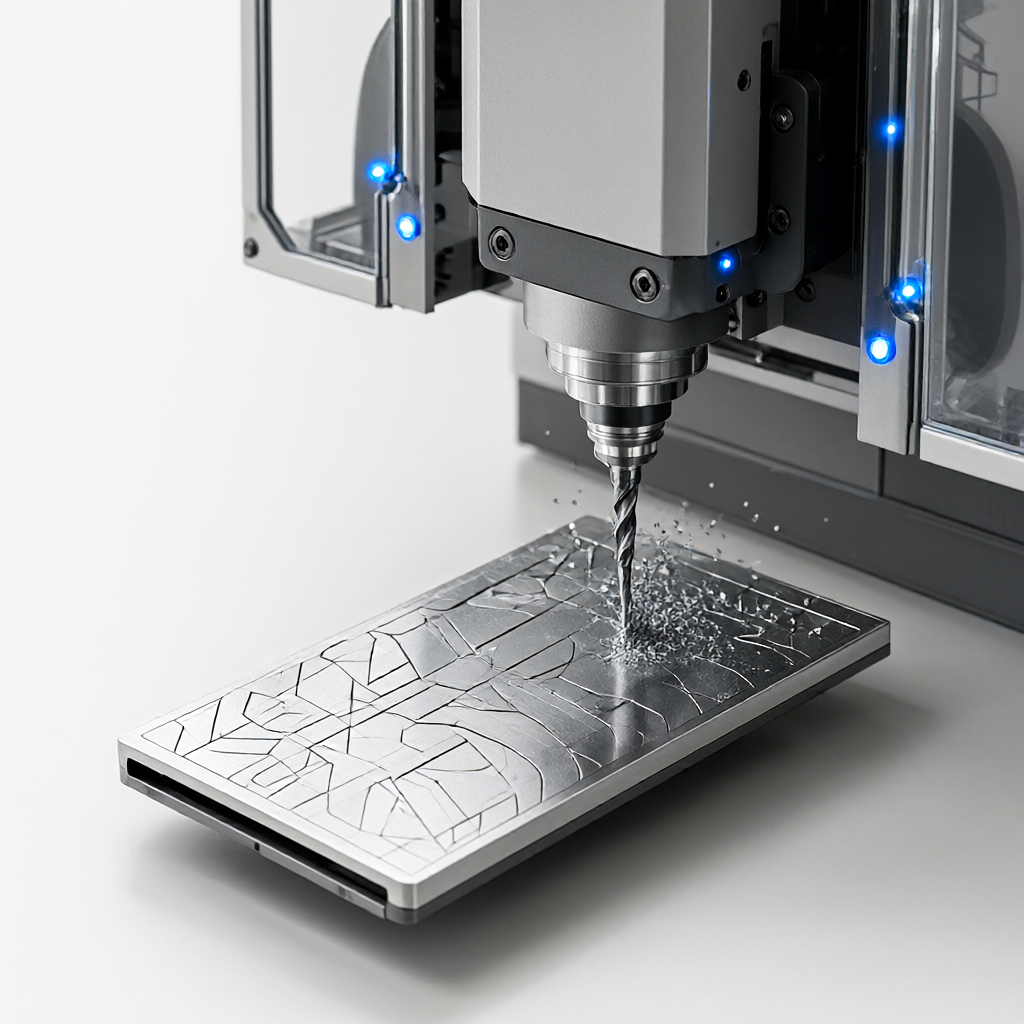
Manufacturing readiness matters as much as paperwork. In-house CNC machining, laser engraving, UV printing, and aluminum anodizing keep critical steps under one roof, reducing coordination gaps and traceability errors. For prototyping, a fast sample lead time around seven days lets you validate geometry, grip force, and finish before committing to bulk. Low MOQ tiers near 100 pieces allow smaller brands and private-label buyers to test market response without heavy inventory risk. Monthly capacities above 500,000 units signal room to grow once demand scales.
Quality control checkpoints should include dimensional verification, spring preload testing, surface adhesion checks, and RFID blocking validation where applicable. Custom laser-engraved wallet accessories and branded packaging round out the supply chain, turning generic components into identifiable products ready for retail display or Amazon FBA prep. Drop shipping support removes fulfillment friction for online sellers who need predictable handoff timelines.
As a manufacturer, our approach to building durable money clip wallets centers on matching spring force to expected card and bill loads, selecting alloy grades with proven fatigue resistance, and verifying finish stability through repeated flex and wipe testing. We pair those production steps with clear specification sheets and sample feedback loops so every order matches the agreed performance profile. If you are evaluating options for a private label run, a custom design project, or a refined retail line, reach out to review material choices, tooling needs, and delivery schedules together.
Choosing the Right Money Clip for Your Needs
If you value the lightest possible carry with maximum strength, Grade 5 titanium delivers the best weight-to-durability ratio at roughly 25–35 g. Budget buyers can find capable 6061-T6 aluminum clips under $30 that meet basic retention standards. For heavy card carriers needing 6+ slots, a hybrid design with reinforced steel springs and 10,000-cycle fatigue rating is the safest bet. Always prioritize disclosed spring force measurements and material grades over aesthetic descriptions — a visually striking clip with weak springs will disappoint within weeks.
Where to Source Quality Money Clips
As a manufacturer specializing in minimalist EDC wallets and pocket gear, we’ve spent over a decade refining the balance between grip strength, card capacity, and everyday comfort. Our production runs ISO 9001-certified processes, BSCI-audited facilities, and REACH/RoHS-compliant materials across all metal and composite components. We work with brands, Amazon sellers, and distributors to bring custom aluminum wallets, carbon fiber card holders, and titanium money clips from concept to shelf — with low MOQs starting at 100 pieces and sample turnaround in as little as seven days. If you’re looking to develop a money clip line or source reliable blank stock for private labeling, we’d welcome the conversation. Get a Free Quote
Frequently Asked Questions
What is the practical difference between a spring-tension money clip and a magnetic one?
A spring-tension clip grips folded bills with continuous pressure from a sprung steel arm, so it keeps holding as the stack thins during the day. A magnetic clip holds bills between two magnets; once the stack exceeds the gap the magnets can close, grip drops off sharply, and strong nearby magnetic fields can weaken the hold. For buyers comparing samples, test both with the actual number of bills your market carries — typically 5 to 12 folded notes — rather than the maximum figure on the spec sheet.
Will a money clip scuff banknotes or damage cards carried beside it?
Edge polish decides this more than material. Cast or machined metal clips with a deburred, rounded edge and a 0.05–0.1 mm radius on the contact line leave far fewer marks than stamped clips with a sharp shear edge. Keeping the clip in a separate pocket from cards also avoids the metal-on-card abrasion that shows up as worn card numbers after a few months.
What is the minimum order quantity for custom money clips?
300 pcs per SKU for full OEM customization, covering logo engraving, finish and packaging. A 100 pcs trial order is available for stock finishes if you want to test the design before committing to a full run. Lead time is an estimate that varies by finish and engraving depth, so confirm it against your launch date with a sample first.
Sources & References
- ASTM International — www.astm.org
- Federal Trade Commission — www.ftc.gov
- ISO — www.iso.org
- best minimal wallets buying comparison guide — topedcwallet.com
- good money clip wallets for men buying guide — topedcwallet.com
- lightweight wallet for women — topedcwallet.com
- best cheap money clip — topedcwallet.com
- women’s wallet size and style buying guide — topedcwallet.com
- men’s wallet features, materials, and design guide — topedcwallet.com
- reach out — topedcwallet.com
From article to product
Turning this into a product?
Most of what is written here is the difference between a sample that works and one that does not. We can build either — the useful one costs the same.
Keep reading
More on buying guides
wallet with trigger
How Does a Trigger Wallet Work? What Is the Pop-Up Mechanism? The core of…
Readbest bifold wallet for women
What Is a Bifold Wallet? The term “bifold” refers to the fold: the wallet…
ReadMen’s trifold wallets with zipper compartments vs. bifold
At a Glance The three dominant men’s wallet formats differ in panel count, depth,…
Read
About the author
TOPWALLET Editorial Team
TOPWALLET's editorial and engineering desk writes from bench testing at the Shenzhen (Longgang) facility: pull-force and cycle testing, 13.56 MHz shielding measurements, finish trials and factory audits, rather than supplier spec sheets. Every specification in these guides is one we write on a purchase order.
Written on the floor
This article was written by our production and QC team — the people who spec tolerances, run the finishing line and inspect every batch. Where it states a capacity, a pull force or a lead time, it comes from a measurement we made, not a supplier’s catalogue. If a number here disagrees with what your own supplier told you, tell us; several of these articles started as a correction from a buyer.
See how the factory works · Inspection process · Sourcing FAQ
Turning this into a product?
Most of what is written here is the difference between a sample that works and one that does not. We can build either — the useful one costs the same.