

How Does a Trigger Wallet Work?
What Is the Pop-Up Mechanism?
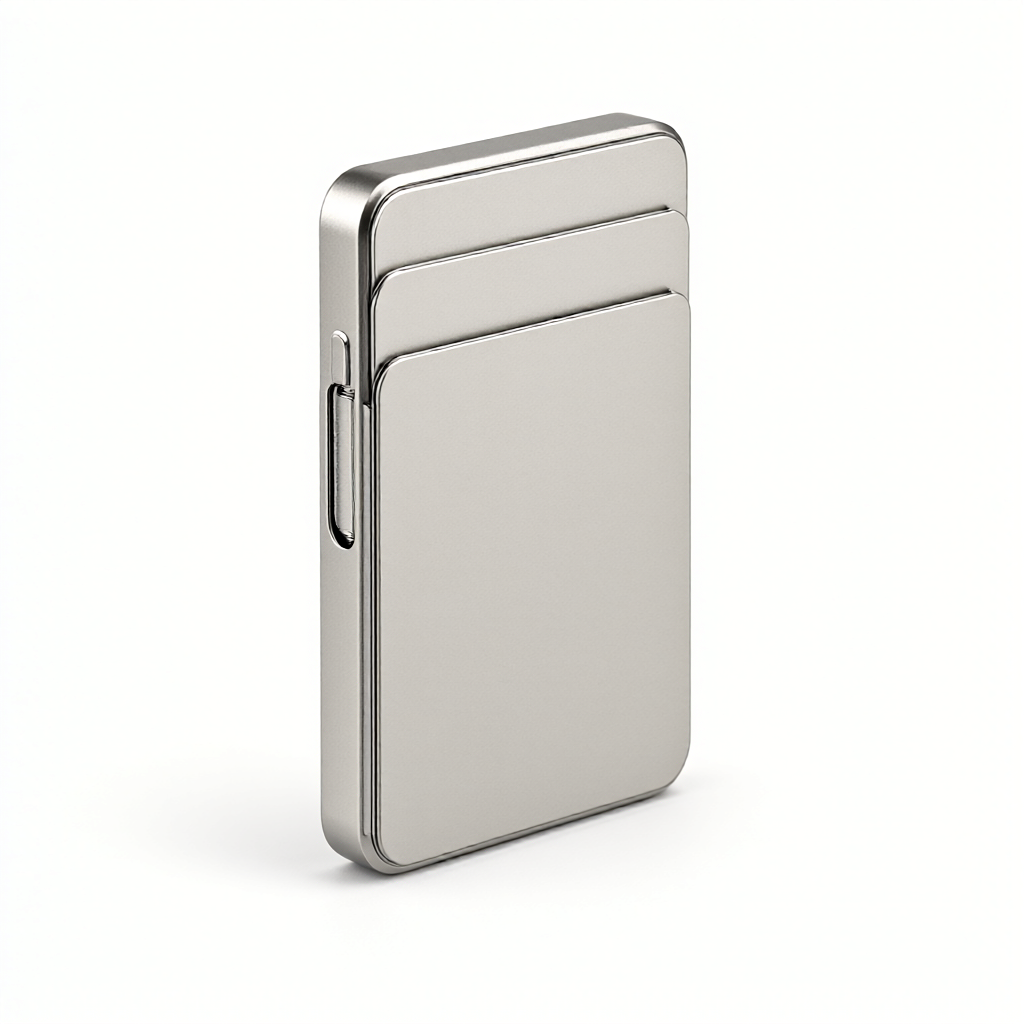
The core of any trigger-style card holder is a two-part shell. A lower plate holds the cards in a stacked channel, while an upper flip card or metal cap sits on top. When the user lifts the flip card, a small torsion spring (in metal models) or a flexible leather tab (in leather models) pushes the card stack apart at a controlled angle of roughly 30 to 60 degrees. Each card edge becomes visible and reachable. Releasing the top card lets the stack settle back under the weight of the upper plate.
In metal versions, the spring is a coiled or bent-leaf mechanism welded into the hinge. Leather versions rely on scored or layered cut tabs: pulling the top card creates enough tension to separate the others. Both designs aim for the same result: one-hand, two-second card selection.
Why Does the Fan-Out Design Matter for Everyday Carry?
A traditional bifold requires opening, flipping, and scanning a slot. A trigger card holder compresses that into a single motion. For a driver pulling a credit card at a toll booth or a commuter tapping a transit card, the speed gain is practical, not cosmetic. The slim profile also means the wallet sits flat against a front or back pocket without the bulge a folded billfold creates.
That said, the fan-out design trades capacity for speed. A pop-up holder typically accommodates four to eight cards plus a small bill fold. If you carry cash regularly, plan on a separate sleeve or coin pouch.
What Are the Key Specs for a Trigger Card Holder?
Dimensions and Card Fit
Standard credit and debit cards follow the ISO 7810 ID-1 format: 85.6 × 54.0 mm with a 3.18 mm corner radius. Any pop-up card holder is engineered around that footprint. The finished wallet body usually measures 90 to 105 mm in length, 62 to 72 mm in width, and 8 to 15 mm in thickness, depending on card count and shell material.
A slim leather men’s card holder pop-up with four cards sits near 8 mm thick; eight cards with a small bill section pushes it to 12 mm. Metal and carbon-fiber bodies tend to run 10 to 14 mm regardless of card count because the shell walls add material.
Materials and Construction
| Material | Typical Specs | Weight (Full) | Durability Note |
|---|---|---|---|
| Stitch-and-bond leather | 0.8–1.2 mm full-grain, flexible liner | 45–70 g | 2–3 years daily use before edge wear |
| Anodized aluminum (6061/7075) | 1.0–1.5 mm walls, CNC-machined | 35–55 g | Scratch-resistant anodized finish |
| Carbon fiber | 1.5–2 mm woven sheet, epoxy laminate | 30–45 g | Stiff, very light, limited repair options |
| Titanium (Grade 5) | 1.0–2.0 mm walls | 50–75 g | Most dent-resistant, heaviest option |
A fan-out credit card wallet with an auto pop-up RFID-blocking layer includes a copper or aluminized mesh woven into the inner panel, attenuating 13.56 MHz signals used by contactless cards and transponder chips.
Capacity and Price Ranges
For the best trigger wallets for men, the decision usually narrows to material feel, pocket thickness tolerance, and whether you need RFID shielding. A four-card slim leather holder is the lightest daily option. A titanium model is the longest-lasting but adds 20 grams or more to your pocket. Typical retail pricing runs from $18 to $45 for leather, $25 to $60 for aluminum, $35 to $80 for carbon fiber, and $60 to $120 for titanium.
What Standards and Material Requirements Apply?
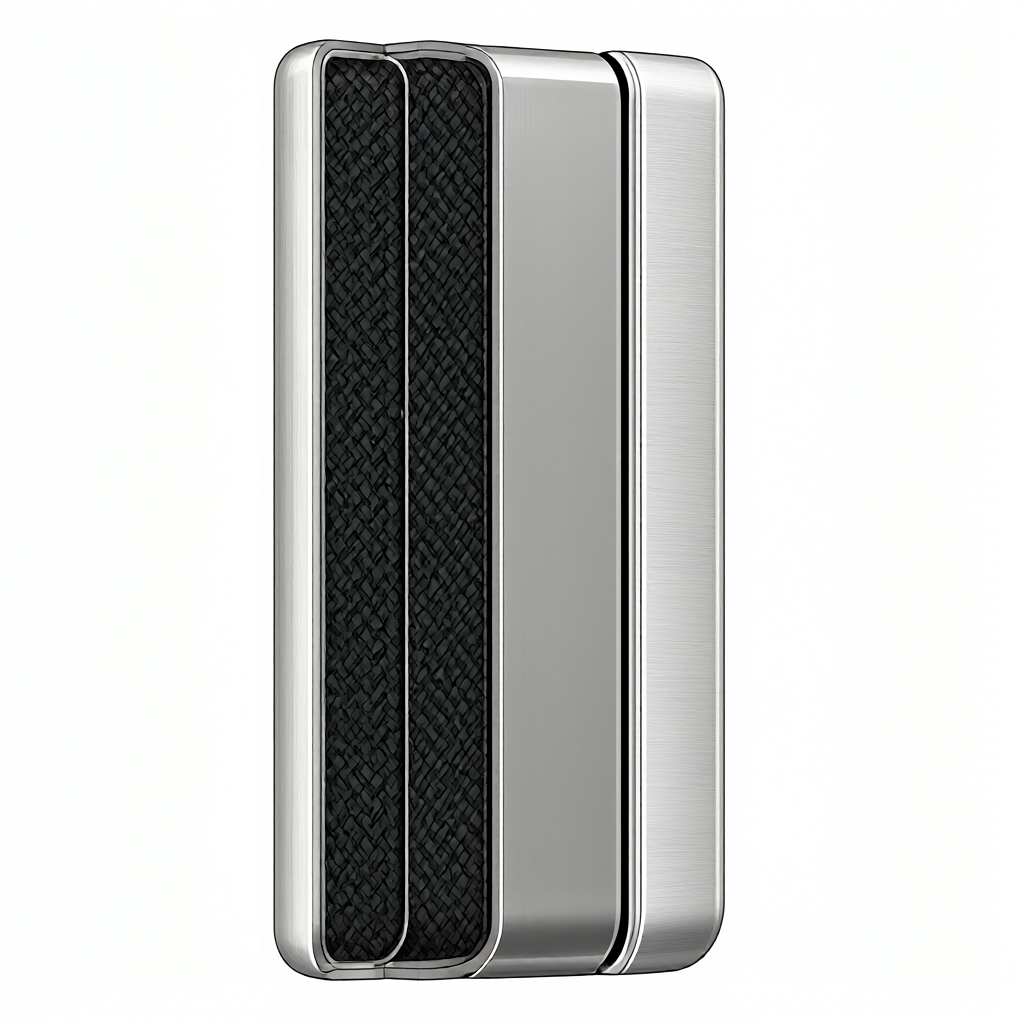
Manufacturers of pop-up card cases with metal or composite shells are expected to comply with REACH and RoHS chemical-safety regulations, which limit hazardous substances in consumer products sold in the EU and, increasingly, in other markets. ISO 9001 quality-management certification is the baseline audit standard most importers and brand owners request from a wallet factory before placing a production order.
For material performance, ASTM International publishes test methods for coating adhesion, salt-spray corrosion resistance, and tensile strength of metals and composites. Anodized aluminum shells are typically evaluated against ASTM B5 (chemical composition) and ASTM B6 (mechanical properties). Carbon-fiber sheets may reference ASTM D5518 for tensile testing. These standards rarely appear on a consumer product label, but they shape what a credible manufacturer can claim about finish life and structural integrity.
Card dimensions follow the ISO 7810 ID-1 standard. Any card holder marketed as “standard card size” should accept cards within that 85.6 × 54.0 mm envelope without forcing the edges or leaving excessive slack.
What Should You Consider Before Choosing a Pop-Up Wallet?
Trigger Plus Wallet vs. Other Slim Options
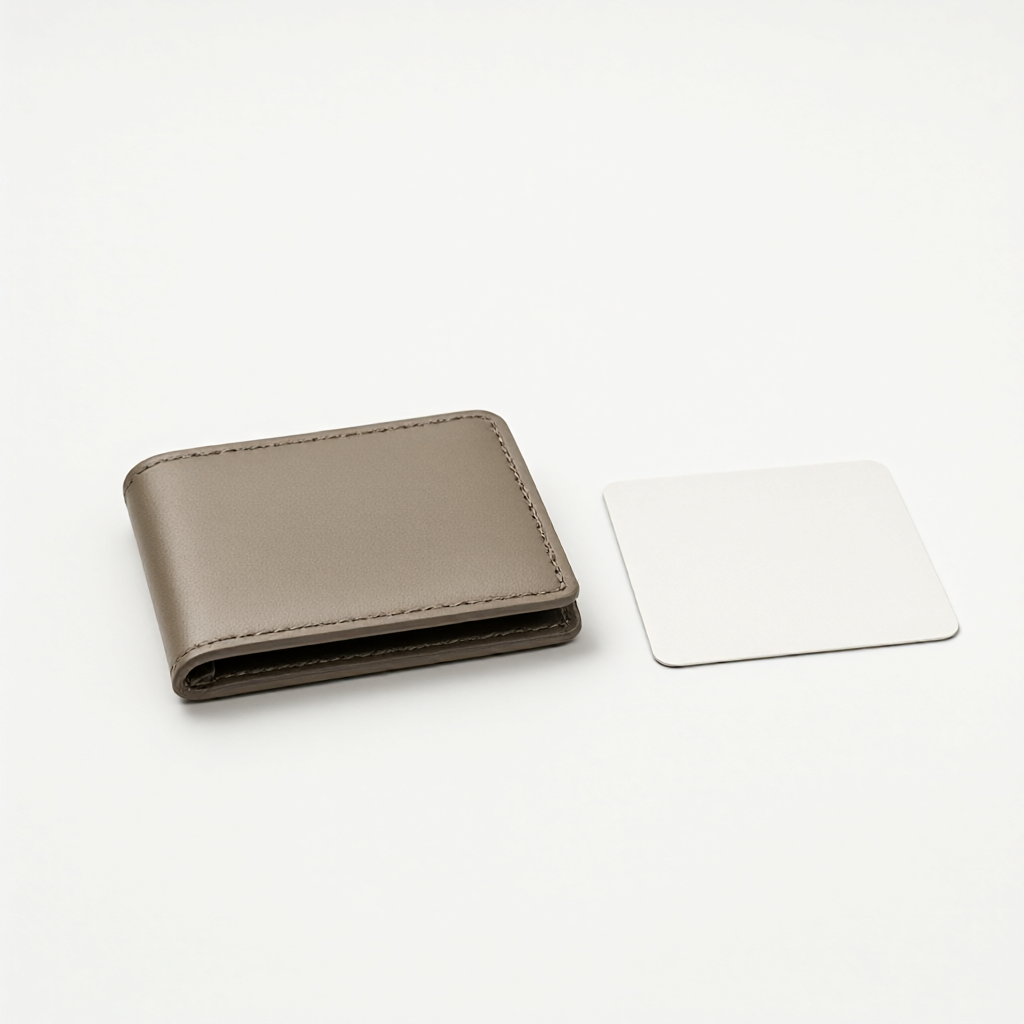
A trigger plus wallet is a pop-up holder with an added cash sleeve or a second card bank on the back. It gives you one extra function without losing the fan-out speed. If you carry a few folded notes, look for a model with a small bill fold on the rear panel.
An anti-theft RFID auto pop-up leather card wallet adds the shielding layer discussed above. If you travel through regions with unattended card readers or rely on contactless transit payments, the shielding is a practical upgrade rather than a marketing add-on. For cards that do not use contactless technology, the layer simply adds 1 to 2 mm of thickness.
Where the Pop-Up Design Falls Short
A card holder for men who need to carry more than eight cards, a passport, or a large number of folded bills will outgrow the format. A trigger wallet is a card-first product. Pair it with a separate coin pouch or slim billfold if your routine requires more.
Comparison: Trigger Wallet vs. Nearest Alternatives
| Criterion | Trigger / Pop-Up Card Holder | Slim Card Sleeve (No Mechanism) | Traditional Bifold |
|---|---|---|---|
| Card selection speed | One flick, all cards visible | Remove and reseat manually | Open, flip, scan a slot |
| Pocket profile | 8–14 mm flat | 3–5 mm | 15–20 mm when folded |
| Cash capacity | 0–4 folded notes | 0 | 6–8 folded notes |
| Best use | Daily driver, transit, one-hand access | 2–3 card minimal carry | Cash-heavy routines |
| Typical cost | $18–$80 | $8–$25 | $15–$50 |
Before You Decide
Match the wallet to your actual card count. If you carry six cards and two folded notes, a six-card aluminum trigger holder with a bill fold is the right size. Buying an eight-card model you will never fill adds weight and thickness for no benefit.
Check the mechanism before you commit. A spring-loaded metal hinge should open and close with a consistent, quiet snap. A leather tab should separate cards cleanly without fraying after a few hundred cycles. If you are evaluating a custom or OEM order, ask the supplier for a wear-cycle count on the pop-up joint.
Confirm whether you need RFID shielding. If none of your cards or your daily routine involves contactless payment, the mesh layer is unnecessary weight.
Measure your pocket before ordering. A 105 × 72 mm wallet will not sit comfortably in a slim trouser front pocket that is 95 mm wide. Check the actual interior width of the pocket you plan to use.
How a Manufacturer Meets These Standards
As a contract manufacturer of minimalist EDC wallets and pocket gear, our approach is to engineer the pop-up mechanism around the card dimensions and the one-hand operation goal before selecting a shell material. In-house CNC machining lets us hold tolerances on spring pockets and card channels to within 0.1 mm, which is what keeps the fan-out angle consistent across a production run.
We operate a 50,000 sq ft facility, ISO 9001 certified, with REACH- and RoHS-compliant material sourcing and BSCI-audited processes. Samples ship in seven days, and minimum order quantities start at 100 units, which suits private-label brands and small EDC retailers testing a new product line.
For brands, distributors, or corporate gift buyers looking to develop a custom trigger card holder with engraving, packaging, or private-label branding, visit the contact page at topedcwallet.com/contact for a direct sales inquiry.
Frequently Asked Questions
How many cards does a standard trigger wallet hold?
Most pop-up card holders are built for four to eight cards. The mechanism and channel width are designed around the standard 85.6 × 54.0 mm card size, so anything beyond eight cards forces the body too wide for a slim pocket profile.
Is a pop-up card holder worth switching to from a bifold?
If you carry four to eight cards and little cash, the one-hand fan-out saves time at every transaction and keeps your pocket flat. If you fold and store many banknotes or coupons, a bifold or accordion wallet still makes more sense.
Do trigger wallets block RFID signals?
Only models that include a copper mesh or aluminized shielding layer do. A plain leather or aluminum pop-up holder without that layer will not block 13.56 MHz RFID or NFC signals. Check the product spec for “RFID-blocking” or “RFID-shielding” before assuming protection.
Can you fit a phone or a smart card in a trigger wallet?
No. The channel is cut to 85.6 × 54.0 mm card thickness (up to about 1 mm per card). A phone is far too thick, and most smart-card modules do not fit the standard envelope. Carry them separately.
How long does a leather pop-up wallet last with daily use?
A full-grain leather trigger wallet typically shows edge wear and color shift after 18 to 36 months of daily use. The internal spring tab or stitching is the first point of failure. Metal and titanium versions last considerably longer but feel heavier in the pocket.
Sources & References
- ISO — www.iso.org
- ASTM International — www.astm.org
- Get a Free Quote → — topedcwallet.com
From article to product
Turning this into a product?
Most of what is written here is the difference between a sample that works and one that does not. We can build either — the useful one costs the same.
Keep reading
More on buying guides
best bifold wallet for women
What Is a Bifold Wallet? The term “bifold” refers to the fold: the wallet…
ReadMen’s trifold wallets with zipper compartments vs. bifold
At a Glance The three dominant men’s wallet formats differ in panel count, depth,…
Readwomens bifold wallets
How Does a Women’s Bifold Wallet Work? Why Does the Bifold Design Matter for…
Read
About the author
TOPWALLET Editorial Team
TOPWALLET's editorial and engineering desk writes from bench testing at the Shenzhen (Longgang) facility: pull-force and cycle testing, 13.56 MHz shielding measurements, finish trials and factory audits, rather than supplier spec sheets. Every specification in these guides is one we write on a purchase order.
Written on the floor
This article was written by our production and QC team — the people who spec tolerances, run the finishing line and inspect every batch. Where it states a capacity, a pull force or a lead time, it comes from a measurement we made, not a supplier’s catalogue. If a number here disagrees with what your own supplier told you, tell us; several of these articles started as a correction from a buyer.
See how the factory works · Inspection process · Sourcing FAQ
Turning this into a product?
Most of what is written here is the difference between a sample that works and one that does not. We can build either — the useful one costs the same.