

How Does a Women’s Bifold Wallet Work?
Why Does the Bifold Design Matter for Women?
The bifold layout divides storage into two zones. One half holds folded bills, while the other carries credit cards, loyalty cards, and a small zip or snap pocket for coins. The fold line acts as a hinge, so the wallet closes to roughly 10 cm in width—thin enough to fit in a crossbody bag, tote interior, or even a structured jacket pocket without creating a hard bump.
Women’s bifold wallets differ from a billfold for women in one key way: the billfold opens flat to show both panels at once, giving a wider internal layout. The bifold stays more compact when closed, which suits the smaller interior spaces typical of women’s handbags. A cute bifold wallet in a pastel or printed finish can also double as a fashion accessory, whereas a plain leather or nylon wallet bifold leans toward minimalism.
What Happens to Cards and Bills Inside?
When you insert a card into a bifold slot, the card rides against the interior lining. With a credit card bifold wallet, the slots are cut at roughly 0.8–1.0 mm thickness to accommodate standard PVC cards while keeping the wallet slim. Bills fold in half and rest in the back panel; a women’s bifold wallet with ID window adds a clear plastic or mesh window on one panel so you can see a driver’s license or ID card without fully opening the wallet.
How Does a Ladies Trifold Compare?
Ladies trifold wallets fold into three panels instead of two, creating an extra storage zone. That extra panel adds 1–2 cm of closed thickness but gains a dedicated section for receipts, a phone, or a small mirror. If you carry more than eight cards or want to slot a compact smartphone, a wallet for women trifold gives more room at the cost of a slightly bulkier profile.
What Are the Key Specs for Women’s Bifold Wallets?
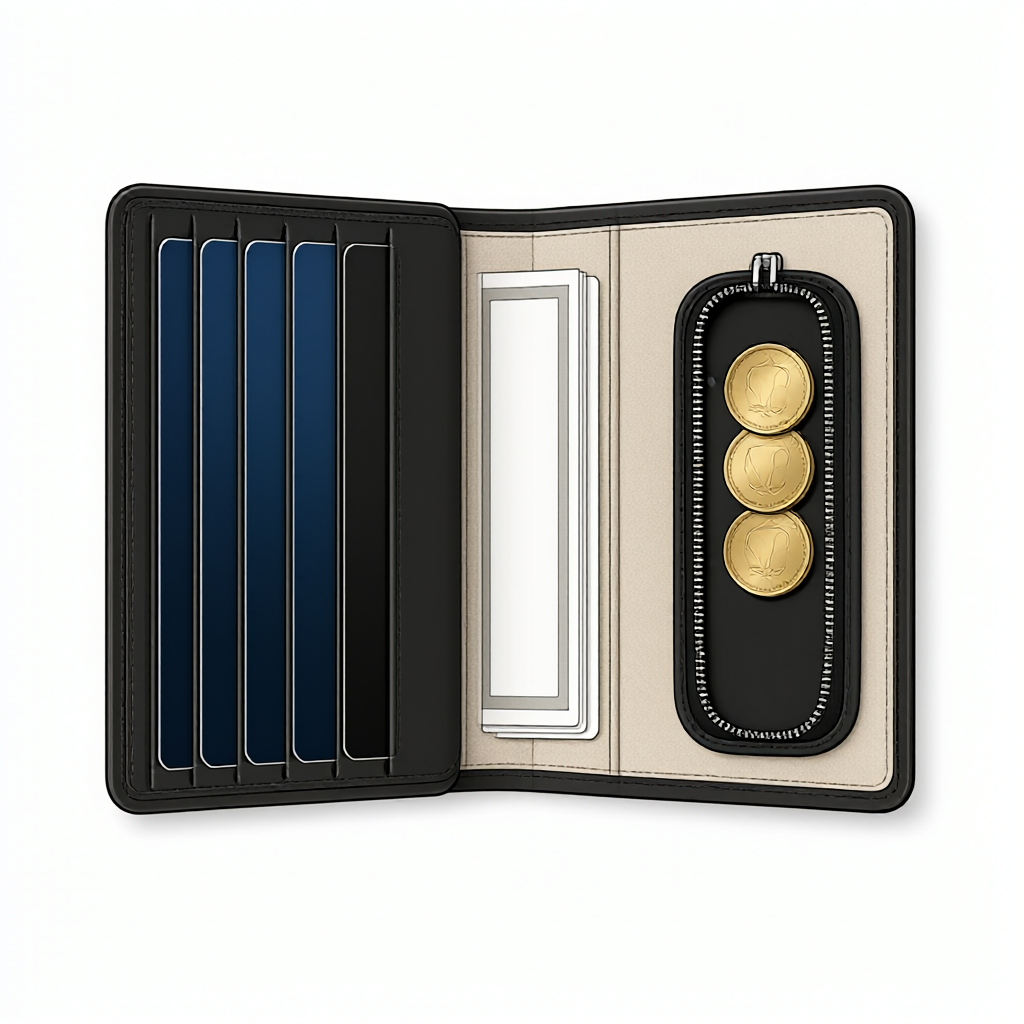
Dimensions are the first number to check. Most women’s bifold wallets measure 10–13 cm in height and 20–24 cm when opened. The closed thickness typically ranges from 1.5 to 3.0 cm depending on card capacity and material. A card holder or bifold designed for six to eight cards sits near the thinner end; a version with a zip coin purse and extra note slot pushes toward 3 cm.
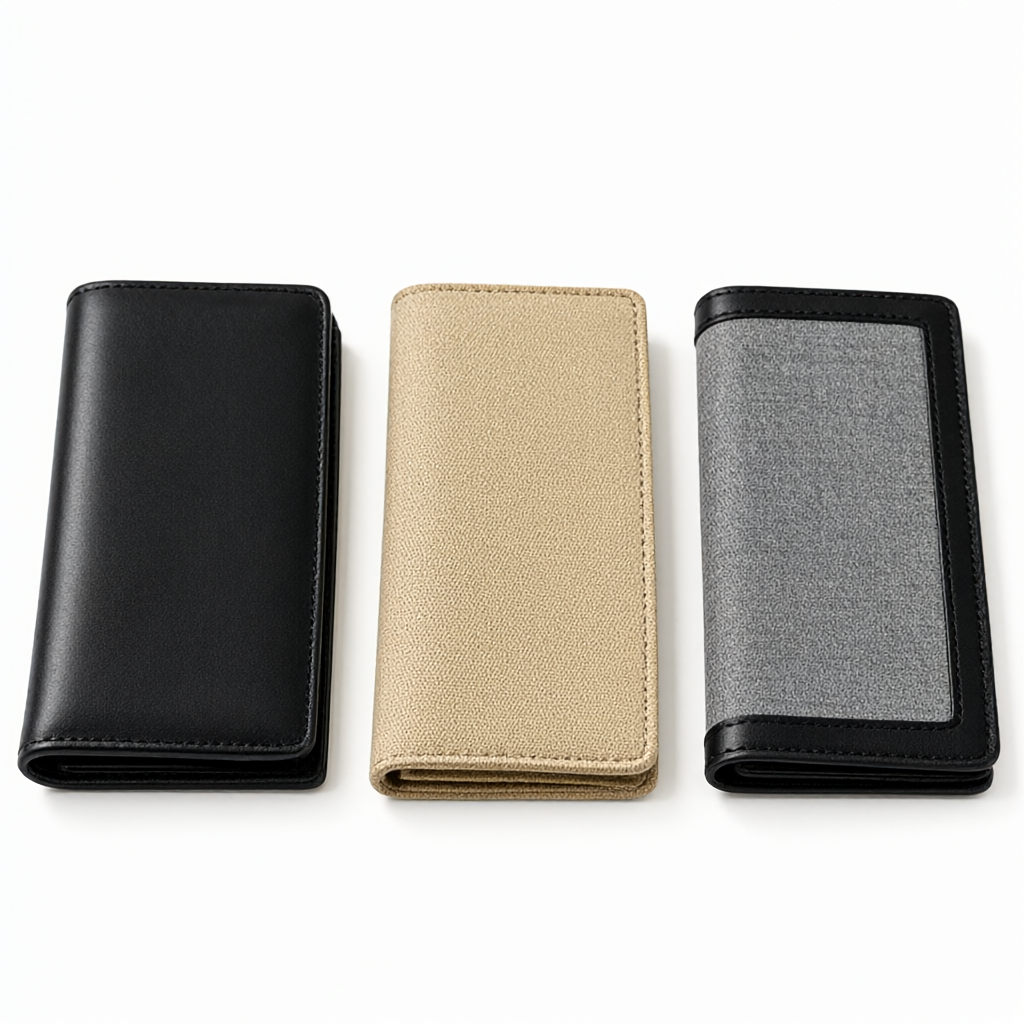
Material determines weight and feel. Full-grain leather adds 30–50 g over an equivalent nylon piece, but ages with visible wear rather than cracking. A nylon wallet bifold runs lighter (often under 60 g total) and resists water better, making it a practical pick for outdoor or travel use. Stainless-steel or aluminum shell bifold wallets add rigidity and RFID protection but sacrifice the soft drape of fabric or leather.
For context, men’s bifold wallets and men’s billfolds run 24–28 cm wide when opened, sized for larger banknote denominations and deeper card stacks. A men’s bifold card case is essentially a slimmer version with two to four card slots and no bill compartment—useful if you only carry three or four cards. Luxury bifold wallets in the $80–$200 range typically feature hand-stitched full-grain leather, magnetic or snap closures, and interior suede lining, whereas everyday options start around $15–$30.
What Standards Apply to Women’s Bifold Wallets?
What Quality and Safety Benchmarks Matter?
There is no single global “wallet standard,” but several frameworks govern materials and manufacturing. Leather products sold in the EU must meet REACH chemical limits for azo dyes and heavy metals. For buyers ordering in volume, a facility’s ISO 9001 quality-management certification—administered through ISO—signals audited consistency in cutting, stitching, and finishing. ASTM International publishes material-performance test methods (ASTM International) that manufacturers use for abrasion, tear, and color-fastness testing on fabric and leather components.
At the consumer level, look for:
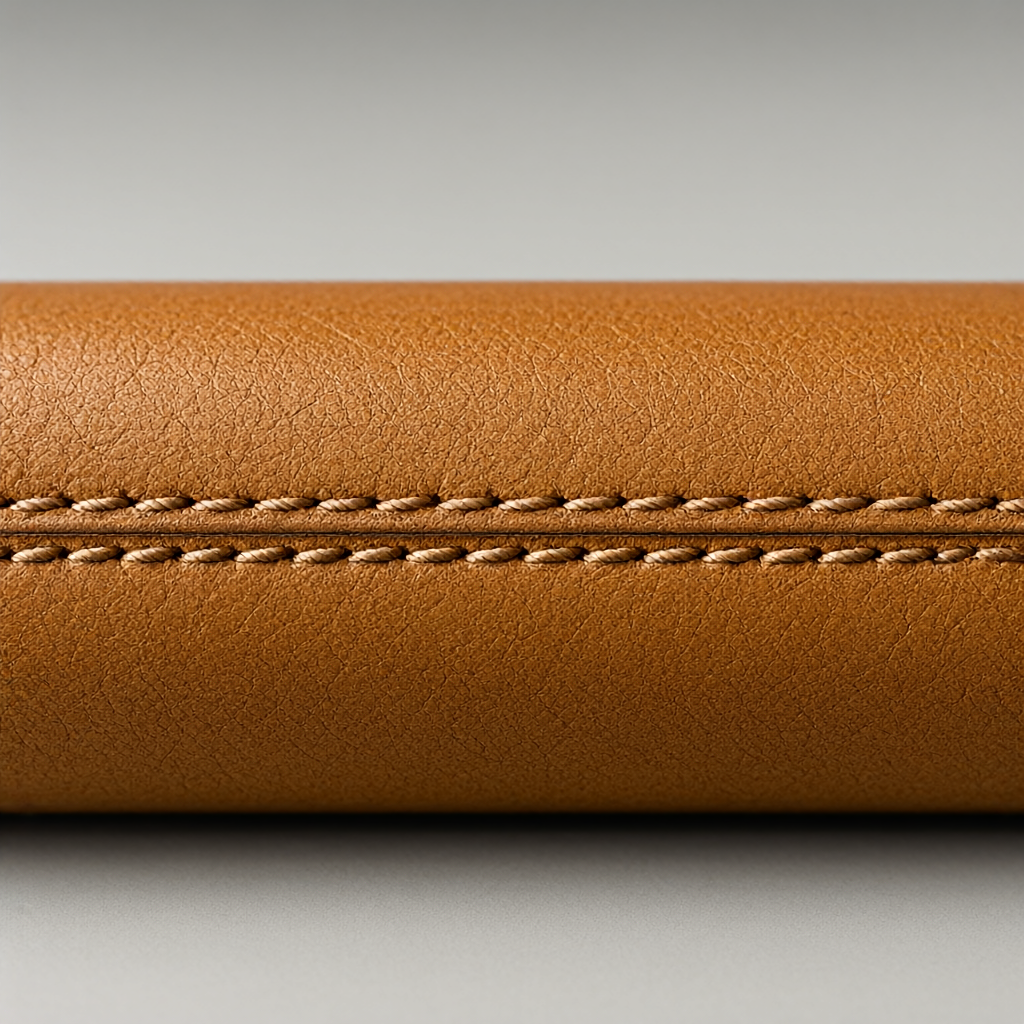
- Stitch density of at least 7–8 stitches per inch on load-bearing seams (the fold hinge and card-slot edges)
- Grommets or rivets on strap attachments rated to the wallet’s expected weight (typically 200–400 g loaded)
- RFID-blocking foil or mesh if the wallet markets wireless-card security; the layer should sit between the card and the outer shell, not just in a corner
Are There Sizing or Compatibility Rules?
No regulatory sizing applies. However, card slots must accept the ISO/IEC 7810 ID-1 card form factor (85.60 × 53.98 mm, up to 1.00 mm thick) to work with standard credit, debit, and loyalty cards. If a wallet is marketed for a specific phone model, the phone pocket dimensions must match that device’s width and thickness with a 0.5–1 mm clearance.
What Should You Consider Before Buying?
How Many Cards Do You Actually Carry?
Count your active cards, not your total holdings. Most women keep five to seven cards in daily rotation: two to three credit or debit cards, one to two ID or transit cards, and a loyalty or membership card. A six-slot bifold covers that set. If you also carry a small phone, a trifold or a bifold with a phone pocket makes more sense.
Does the Closure Style Fit Your Routine?
A snap or magnetic closure keeps the wallet shut in a crowded bag. An open-edge bifold is faster for one-hand card retrieval at a checkout. A zip-around add-on adds coin storage but increases thickness by 1–2 cm. Think about whether you open your wallet five times a day or once or twice; the closure should match that pace.
Material Longevity and Maintenance
Full-grain leather develops a patina over one to two years but needs occasional conditioning to prevent drying. Nylon and canvas resist stains and wipe clean with a damp cloth, making a nylon wallet bifold a low-maintenance pick for travel or wet-weather use. Synthetic PU leather looks like real leather for the first year or two but tends to crack at fold lines by the third year. If you want a cute bifold wallet that lasts, genuine leather or a high-denier nylon outperforms a bonded or printed PU shell.
What Other Factors Worth Checking?
Weight matters if the wallet lives in a jacket pocket or a small clutch. A loaded leather bifold with eight cards and a bill typically adds 40–60 g to your bag; a metal-shell version can push past 100 g. For daily carry, aim for under 70 g total.
Interior lining quality separates a wallet that lasts three years from one that frays in eight months. Suede, micro-suede, or a brushed polyester lining glides cards in and out without catching. Check that card slots are blind-stitched or laser-cut rather than open slots, which can let a card pop out when the wallet tilts.
A women’s bifold wallet with an ID window saves time at security checkpoints, but the window adds a small visual clutter. If you rarely show your license or passport, skip the window and keep the interior clean.
How a Manufacturer Meets These Specs
As a manufacturer working in the EDC wallet space, our approach centers on in-house CNC machining for metal shells, consistent laser-engraving for custom branding, and controlled stitching for leather and fabric panels. We hold ISO 9001 certification and operate a BSCI-audited facility, so quality checkpoints run from incoming material inspection through final packaging.
For brands and retail buyers evaluating material options—aluminum, carbon fiber, titanium, or nylon—our production line supports low minimums starting at 100 pieces and a 7-day sample lead time, which lets a buyer test stitch strength, card-slot fit, and closure feel before committing to a full run.
Frequently Asked Questions
How many cards fit in a standard women’s bifold wallet?
Most women’s bifold wallets hold six to eight cards in dedicated slots. Some designs add a clear ID window and a small zip coin pouch, which reduces card capacity by one or two slots.
Is a bifold or a trifold better for women?
A bifold stays slimmer (under 3 cm closed) and suits five to seven cards plus a folded bill. A trifold adds a third panel for a phone, receipts, or extra cash at the cost of 1–2 cm in thickness. Choose based on how much you carry daily.
What material lasts longest in a women’s bifold?
Full-grain leather and high-denier nylon (300D or above) both outlast bonded PU or thin fabric. Leather lasts five to ten years with periodic conditioning; quality nylon resists abrasion and water for an equally long service life.
Do bifold wallets block RFID signals?
Not by default. An RFID-blocking bifold includes a metal-foil or copper-mesh layer between the card slot and the outer shell. Without that layer, contactless cards can be read through the wallet.
How do I care for a leather bifold wallet?
Wipe with a dry cloth after use, condition with a small amount of leather balm every three to four months, and avoid leaving it in direct sunlight or near heat sources for extended periods. Store flat, not rolled, to preserve the fold line.
Sources & References
- ISO — www.iso.org
- ASTM International — www.astm.org
From article to product
Turning this into a product?
Most of what is written here is the difference between a sample that works and one that does not. We can build either — the useful one costs the same.
Keep reading
More on buying guides
wallet with trigger
How Does a Trigger Wallet Work? What Is the Pop-Up Mechanism? The core of…
Readbest bifold wallet for women
What Is a Bifold Wallet? The term “bifold” refers to the fold: the wallet…
ReadMen’s trifold wallets with zipper compartments vs. bifold
At a Glance The three dominant men’s wallet formats differ in panel count, depth,…
Read
About the author
TOPWALLET Editorial Team
TOPWALLET's editorial and engineering desk writes from bench testing at the Shenzhen (Longgang) facility: pull-force and cycle testing, 13.56 MHz shielding measurements, finish trials and factory audits, rather than supplier spec sheets. Every specification in these guides is one we write on a purchase order.
Written on the floor
This article was written by our production and QC team — the people who spec tolerances, run the finishing line and inspect every batch. Where it states a capacity, a pull force or a lead time, it comes from a measurement we made, not a supplier’s catalogue. If a number here disagrees with what your own supplier told you, tell us; several of these articles started as a correction from a buyer.
See how the factory works · Inspection process · Sourcing FAQ
Turning this into a product?
Most of what is written here is the difference between a sample that works and one that does not. We can build either — the useful one costs the same.