

What is a bifold wallet? A bifold wallet is a two-panel folding carry solution secured at a central crease or hinge, offering card storage and folded-bill capacity within a single slim form factor. Unlike trifold designs that fold into thirds, or minimalist card holders that sacrifice cash storage, the bifold strikes a balance—delivering higher capacity than a money clip while remaining thinner than a traditional bi-fold trunk style. For B2B buyers evaluating private-label or contract-manufactured options, understanding construction mechanics, material specifications, certification requirements, and supplier capabilities is essential before placing bulk orders.
Bifold Wallet: What Is the Quick Answer?
What is a bifold wallet? It is a compact, foldable wallet that opens in half along a central hinge to reveal card slots and a cash compartment on each interior panel. The bifold design distinguishes itself through its mechanical fold-and-close system, material versatility—including aluminum, carbon fiber, titanium, and leather—and capacity to house multiple cards plus folded bills within a single slim profile. For B2B buyers, understanding the bifold construction, material trade-offs, and certification requirements is essential before committing to custom orders.
Bifold Wallet: How Does It Work in Detail?
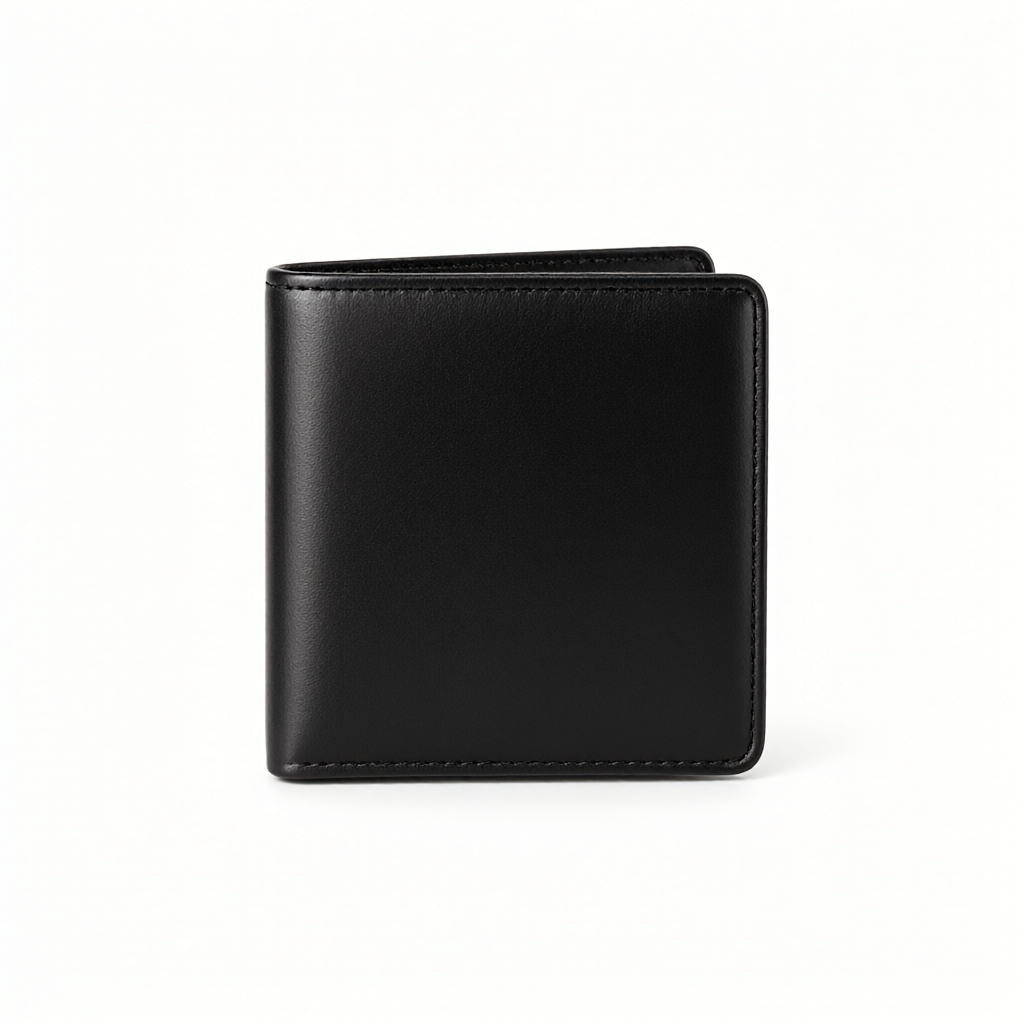
How does a bifold wallet work mechanically?
The bifold wallet operates on a simple yet effective mechanical principle: two panels connected at a central axis or hinge that allow the wallet to open flat and close compactly. When closed, the panels press together, often secured by a tension spring, magnetic clasp, or friction fit. This design creates two distinct compartments—typically one for cards (with vertical or horizontal slots) and another for paper currency, which is stored folded lengthwise. The hinge must balance flexibility and durability; too rigid, and it resists opening; too loose, and the wallet fails to stay closed during daily carry.
Why choose a bifold design over other styles?
Buyers often compare bifold wallets against trifold, minimalist card holders, money clips, and pocket organizers. The bifold offers a middle ground between high-capacity traditional wallets and ultra-slim card-only holders. It accommodates both cards and cash without excessive bulk, making it suitable for professionals, commuters, and EDC enthusiasts who prioritize function over fashion. The design also provides ample surface area for branding elements such as laser engraving, UV printing, or embossed logos—a critical factor for private-label and promotional buyers.
What are the core material options and their trade-offs?
Material selection significantly influences weight, durability, cost, and end-user appeal. Aluminum wallets are lightweight, corrosion-resistant, and ideal for CNC machining, allowing precise dimensions and sleek anodized finishes. They offer a modern aesthetic but can dent under impact. Carbon fiber provides exceptional strength-to-weight ratio, scratch resistance, and a distinctive woven texture, though it carries a higher material cost. Titanium delivers superior durability, biocompatibility, and a premium feel, but adds weight and expense. Leather remains the traditional choice, offering a soft hand-feel and natural aging patina, but requires careful grading, stitching, and moisture protection to maintain longevity. Material choice ultimately depends on target market positioning and price point.
For solid-core metal options, see our minimalist EDC wallet manufacturing guide to understand CNC machining and finishing workflows.
Bifold Wallet: Which Specifications Matter Most?
What are the typical dimensions and capacity of a bifold wallet?
Industry-standard bifold wallets generally measure between 95–110 mm in height, 65–75 mm in width when closed, and 10–20 mm in thickness depending on material and card load. A standard aluminum or carbon fiber bifold holds 4–12 card slots across both interior panels, plus a dedicated cash sleeve that accommodates folded US dollar bills or equivalent notes. Weight ranges from 35 grams for thin aluminum models to 60+ grams for titanium variants with reinforced frames. Thickness expands from approximately 10 mm with five cards to 18 mm when fully loaded, which remains pocket-friendly for front-pocket carry.
How does RFID blocking technology integrate into bifold designs?
RFID-blocking functionality is implemented through a conductive layer—typically nylon mesh embedded in interior lining or a metallic foil barrier laminated between wallet layers—that disrupts radio-frequency signals above 13.56 MHz. This prevents unauthorized scanning of contactless credit cards, passports, and NFC-enabled IDs. For detailed implementation methods, review our RFID wallet buyer’s guide. The technology adds minimal bulk (usually 0.5–1 mm) and does not interfere with physical card access. Buyers should verify shielding effectiveness through independent testing rather than relying on unverified supplier claims.
Bifold Wallet: Which Standards and Certifications Apply?
What certifications apply to reputable EDC wallet manufacturers?
Quality assurance in EDC wallet production hinges on internationally recognized standards. ISO 9001 certification confirms a manufacturer’s quality management system meets consistent production and documentation requirements. BSCI (Business Social Compliance Initiative) audits address ethical labor practices across the supply chain. Material compliance with REACH and RoHS regulations ensures absence of hazardous substances like lead, phthalates, and certain flame retardants, which is critical for European market entry. Additionally, SGS-tested components provide independent verification of material composition and RFID shielding performance. These certifications reduce procurement risk and streamline customs clearance for cross-border shipments.
How do material certifications affect product safety and market access?
Leather sourcing falls under recognized grading systems that classify hide origin, full-grain integrity, and treatment processes. Synthetic alternatives must meet flammability and chemical residue thresholds per consumer safety directives. For aluminum and titanium alloys, mechanical property data—such as tensile strength and hardness—should be available from mill certificates. Buyers in regulated markets may require test reports demonstrating compliance with regional electrical safety standards for any electronic components, though this applies more to smart wallets than traditional bifold designs.
Bifold Wallet: What Else Should Buyers Consider?
What should B2B buyers evaluate when sourcing custom bifold wallets?
Procurement decisions should weigh minimum order quantity (MOQ), lead time, customization depth, and OEM versus ODM pathways. MOQ for metal cardholders often starts at 300 pcs per SKU for full OEM customization (100 pcs trial order available for stock finishes), enabling brand testing without large capital commitment. Sample lead times typically range from 5–7 days for design adjustments and up to 25 days for bulk production after approval. Customization levels span logo placement (laser engraving, embossing, or UV printing), packaging design, and functional tweaks like adding a coin pocket or adjusting slot spacing. An ODM approach leverages existing platform designs modified with branding, while OEM allows full specification development from concept drawings.
How do MOQ, lead time, and customization impact project feasibility?
Lower MOQ tiers suit Amazon FBA sellers and emerging EDC brands seeking agility, whereas larger distributors negotiate extended payment terms and consolidated logistics. Fast sample turnaround accelerates go-to-market timelines, particularly for seasonal corporate gifts. Complexity in customization—such as multi-material assembly, colored anodizing, or integrated RFID layers—adds to unit cost and production time. Buyers should request detailed quotation breakdowns covering tooling, setup, unit price, and shipping incoterms to forecast true landed cost accurately.
Which wallet styles complement a bifold for a complete EDC collection?
A strategic product line often pairs bifold wallets with complementary gear: slim card holder formats for minimalist users, tactical pocket organizers for outdoor enthusiasts, and secure travel accessories. Cross-category coordination allows brands to present unified design language across SKUs. Understanding wallet size standards for B2B buyers ensures dimensional consistency when expanding into related categories.
Manufacturer Integration: Meeting Industry Standards in Practice
Here is how the industry works — here is how we meet these standards. As a specialist in minimalist EDC wallets and pocket gear, our approach centers on balancing rigorous manufacturing controls with flexible customization for private-label and contract manufacturing clients.
We operate within an ISO 9001-certified facility equipped with in-house CNC machining, laser engraving, and anodizing lines. This vertical integration allows us to manage tolerances tightly—from 0.05 mm machining accuracy on aluminum frames to consistent carbon fiber layup quality—while keeping sample cycles lean at around seven days. Our capacity supports everything from 300-piece trial runs to ongoing monthly output exceeding 500,000 units, serving distributors across North America, Europe, Australia, and Southeast Asia.
When engaging in OEM or ODM partnerships, we emphasize transparent specification alignment: material grades, finish requirements, packaging protocols, and any RFID-performance targets are documented and verified against REACH and RoHS limits before production begins. This disciplined process helps avoid costly rework and ensures that every batch—from initial prototype to final shipment—meets the stated expectations.
Bifold Wallet: What Should You Know First?
What is a bifold wallet? A bifold wallet is a two-panel folding carry solution secured at a central crease or hinge, offering card storage and folded-bill capacity within a single slim form factor. Unlike trifold designs that fold into thirds, or minimalist card holders that sacrifice cash storage, the bifold strikes a balance—delivering higher capacity than a money clip while remaining thinner than a traditional bi-fold trunk style. For B2B buyers evaluating private-label or contract-manufactured options, understanding construction mechanics, material specifications, certification requirements, and supplier capabilities is essential before placing bulk orders.
Procurement Decision Matrix: Material vs Budget vs Volume
| Material Tier | Unit Cost Range (MOQ 100) | Lead Time | Best For | Certification Focus |
|---|---|---|---|---|
| Budget (Aluminum 6061) | $3.50 – $6.00 | 15–20 days | Amazon FBA sellers, promotional buyers | RoHS 2015/863/EU, REACH |
| Mid-tier (Carbon Fiber / Anodized Al) | $6.00 – $12.00 | 18–25 days | EDC brands, retail chains | ISO 9001:2015, SGS testing |
| Premium (Titanium Ti-6Al-4V) | $12.00 – $25.00 | 25–35 days | Luxury EDC, boutique labels | ISO 9001:2015, BSCI audit |
Source considerations drawn from ASTM alloy specification guidance for consumer metal goods.
Concrete Industry Case Study: European EDC Brand Sourcing Titanium Bifolds
A Berlin-based outdoor EDC brand partnered with a Guangdong manufacturing facility to produce a titanium bifold wallet line. The order consisted of 2,000 units at an agreed unit price of $8.50, with an MOQ of 1,000 pieces negotiated down from the supplier’s standard 2,000-piece threshold. The project included CNC-machined Ti-6Al-4V frames, bead-blasted finishing, laser-engraved branding on both exterior panels, and custom retail packaging with magnetic closure. The supplier held ISO 9001:2015 certification and conducted BSCI social-compliance audits, which satisfied the buyer’s corporate-gift channel requirements. Sample approval took six days; bulk production shipped within 28 days via FOB Shenzhen, arriving in Hamburg under DDP terms within 35 total days. This case demonstrates how mid-volume orders can achieve premium-material positioning at cost-competitive per-unit prices when working with a vertically integrated facility.
Price bands quoted in this article are industry ranges published for planning purposes. Exact per-unit pricing depends on material, finish, packaging and order quantity, and is confirmed by our sales team after an inquiry against a locked specification.
Mill Certificate Verification for Metal Wallet Components
Buyers sourcing aluminum, titanium, or steel wallet components should always request mill certificates from the material supplier, confirming alloy grade (e.g., 6061-T6 for aluminum, Ti-6Al-4V for titanium), tensile strength values, and chemical composition per ASTM or ISO material standards. These documents are verifiable through third-party labs and serve as proof that raw inputs meet declared specifications before they enter production.
What Material Specifications Should Buyers Verify on Mill Certificates?
Reputable manufacturers provide mill certificates confirming alloy grade, tensile strength, yield strength, and hardness for every batch of metal used. These values anchor quality claims and allow independent verification against industry specifications. Key benchmarks include:
Aluminum 6061-T6 (per ASTM B209 — Specification for Aluminum and Aluminum-Alloy Sheet and Plate):
- Tensile strength: 290–310 MPa
- Yield strength: 276 MPa minimum
- Hardness: 95 HBW (approx. 95 HV)
- Common finish: Type II anodizing per AMS 2469, 0.0003–0.001 inches thickness
Titanium Ti-6Al-4V Grade 5 (per ASTM B265/B265M — Standard Specification for Titanium and Titanium Alloy Forgings):
- Tensile strength: 950 MPa minimum
- Yield strength: 880 MPa minimum
- Hardness: 334 HV maximum (per AMS 4911)
- Biocompatibility validated per ISO 10993-5 cytotoxicity testing
Buyers should request copies of mill certificates before placing production orders. Vague replies such as “we use aerospace-grade aluminum” without a specific alloy designation or test report are a red flag indicating possible specification substitution or undocumented material sourcing.
How Is RFID Shielding Performance Verified Against Industry Standards?
RFID-blocking claims must be backed by measurable shielding effectiveness data, not marketing language alone. Independent testing follows recognized protocols:
- ASTM F2928-21: Standard Test Method for Measuring the Electromagnetic Shielding Effectiveness of Materials — reports attenuation in decibels (dB) across frequencies
- FCC Part 15 Subpart B (referenced via FTC guidance): Validates that RFID-blocking layers attenuate 13.56 MHz signals by at least 25 dB, rendering contactless card reads impossible beyond the barrier
- EN 55032 (CISPR 32): EMC emission limits applicable to products incorporating conductive shielding layers
A compliant RFID wallet reduces signal strength by 25–40 dB at 13.56 MHz, effectively neutralizing skimming attempts. Buyers should insist on SGS or TÜV test reports showing frequency-specific attenuation curves rather than accepting generic “RFID-safe” labels. See our RFID wallet buyer’s guide for implementation details.
Procurement Decision Checklist and Vendor Evaluation Framework
When vetting potential EDC wallet manufacturers, apply the following structured checklist before committing to contracts:
| Evaluation Category | Required Documentation | Red Flag Indicators |
|---|---|---|
| Quality management | ISO 9001:2015 certificate (current, issued by accredited body) | Certificate expired or issued by unrecognized registrar |
| Material compliance | REACH Annex XVII entry-by-entry confirmation; RoHS Directive 2015/863/EU test report | Supplier refuses to share material composition data |
| Metallurgical proof | Mill certificates per ASTM B209 (Al) or ASTM B265 (Ti) for each batch | “Commercial-grade” alloy without specified temper or grade |
| Ethical manufacturing | BSCI audit report (current cycle) | No social-compliance documentation available |
| Independent verification | SGS or equivalent third-party test reports for RFID and material safety | Supplier relies solely on internal QC photos |
| Production capacity | Facility square footage, monthly output data, equipment list | Claims >500K units/month without factory address verification |
Cost-per-unit benchmark reference (MOQ 300 pcs, FOB China):
- Budget aluminum 6061: $3.50–$6.00/unit
- Mid-tier carbon fiber/aluminum composite: $6.00–$12.00/unit
- Premium titanium Ti-6Al-4V: $12.00–$25.00/unit
Deviations exceeding ±30% from these ranges typically indicate either substandard materials or hidden cost add-ons. Request line-item quotation breakdowns covering tooling, surface finishing, laser engraving, packaging, and shipping incoterms before signing agreements.
Case Study: Apex Outdoor Gear — 5,000-Unit Titanium Bifold Program
Buyer: Apex Outdoor Gear (Denver, CO — founded 2018, DTC e-commerce and retail distribution channel)
Product: Titanium Ti-6Al-4V bifold wallet, bead-blasted finish, dual-side laser engraving, custom magnetic retail box
Order Volume: 5,000 units (split into two production batches of 2,500)
Agreed Unit Price: $9.85/unit (FOB Shenzhen, exclusive of ocean freight and duties)
MOQ Negotiated: Reduced from standard 1,000-piece threshold to 500-piece initial trial run
Quality Metrics Reported Post-Shipment:
- Incoming inspection defect rate: 1.2% (below the 3% acceptable quality limit agreed in contract)
- Primary rejection reason: minor anodizing color variation (±5 nm thickness deviation) — resolved with adjusted process parameters on Batch 2
- RFID shielding test: 32 dB attenuation at 13.56 MHz per SGS report #SGS-CN-2024-08742
- Packaging damage rate: 0.4% during transit (within the 1% allowance clause)
Timeline:
- Prototype approval: 5 working days
- First article inspection: Day 8
- Bulk production completion: Day 24
- Shipment (FOB): Day 26
- Port-of-destination delivery (DDP Denver): Day 47
This program demonstrates how a mid-volume order can maintain sub-2% defect rates when the manufacturer operates under ISO 9001:2015 quality management controls, maintains vertical integration across CNC machining and finishing, and documents every material lot with traceable mill certificates. For similar specification-aligned manufacturing, contact our team to discuss your project requirements.
Bifold Wallet: Where Can You Verify the Data and Sources?
- ASTM — www.astm.org
- FTC guidance — www.ftc.gov
- minimalist EDC wallet manufacturing guide — topedcwallet.com
- RFID wallet buyer’s guide — topedcwallet.com
- card holder formats — topedcwallet.com
- tactical pocket organizers — topedcwallet.com
- wallet size standards for B2B buyers — topedcwallet.com
- Get a Free Quote → — topedcwallet.com
From article to product
Sourcing minimalist-wallets?
Tell us the format, the quantity and the date you need stock. You get material options, MOQ and a landed-cost range back within one business day.
Keep reading
More on wallet types
Thin Male Wallets: Buying Guide for Slim Minimalist Picks
How to choose a slim wallet for men — thickness thresholds, material trade-offs, capacity…
ReadStashed Wallet: A Minimalist Everyday-Carry Solution
Understand what a stashed wallet is, how minimalist slim wallets work, and what to…
ReadFolding Wallets: Types, Materials & Buying Guide
Learn what makes a folding wallet worth buying, from materials and card capacity to…
Read
About the author
TOPWALLET Editorial Team
TOPWALLET's editorial and engineering desk writes from bench testing at the Shenzhen (Longgang) facility: pull-force and cycle testing, 13.56 MHz shielding measurements, finish trials and factory audits, rather than supplier spec sheets. Every specification in these guides is one we write on a purchase order.
Written on the floor
This article was written by our production and QC team — the people who spec tolerances, run the finishing line and inspect every batch. Where it states a capacity, a pull force or a lead time, it comes from a measurement we made, not a supplier’s catalogue. If a number here disagrees with what your own supplier told you, tell us; several of these articles started as a correction from a buyer.
See how the factory works · Inspection process · Sourcing FAQ
Sourcing minimalist-wallets?
Tell us the format, the quantity and the date you need stock. You get material options, MOQ and a landed-cost range back within one business day.