

A folding wallet is a slim, structured pocket organizer that uses hinged or accordion-style construction to hold cards, cash, and occasionally keys in a compact footprint — typically 40–70 grams and 8–15 millimeters thick — compared to 90–160 grams for traditional bi-fold wallets. By constraining capacity through rigid outer shells and intentional slot design, folding wallets reduce pocket bulge by up to 50%, protect cards from bending and RFID skimming, and cater to buyers who prioritize everyday carry efficiency over high capacity. This guide covers materials, specifications, buyer segments, sourcing frameworks, and quality standards so you can choose or procure the right folding wallet confidently.
What Is a Folding Wallet?
A folding wallet is a compact carrying solution that uses one or more fold lines to organize cards, cash, and sometimes keys without the bulk of traditional bi-fold or tri-fold leather designs. Unlike conventional wallets built around long rectangles of leather that fold once or twice, folding wallets prioritize slim profiles, modern materials, and minimalist organization. They work by using rigid or semi-rigid outer shells — aluminum, carbon fiber, canvas, or lightweight leather — held together with a center hinge, elastic band, or snap mechanism so the entire unit folds flat against the body.
You choose between front-pocket wear and back-pocket comfort depending on thickness, material stiffness, and how many cards you need to carry daily. Most users report that a well-designed folding wallet reduces pocket bulge by half compared to traditional leather models while keeping essential cards accessible. The difference comes down to prioritizing form factor over capacity. If you carry twelve cards and a roll of bills, a standard bi-fold makes sense. If you carry three cards and folded cash, a folding wallet becomes the smarter choice.
How Does a Folding Wallet Work?
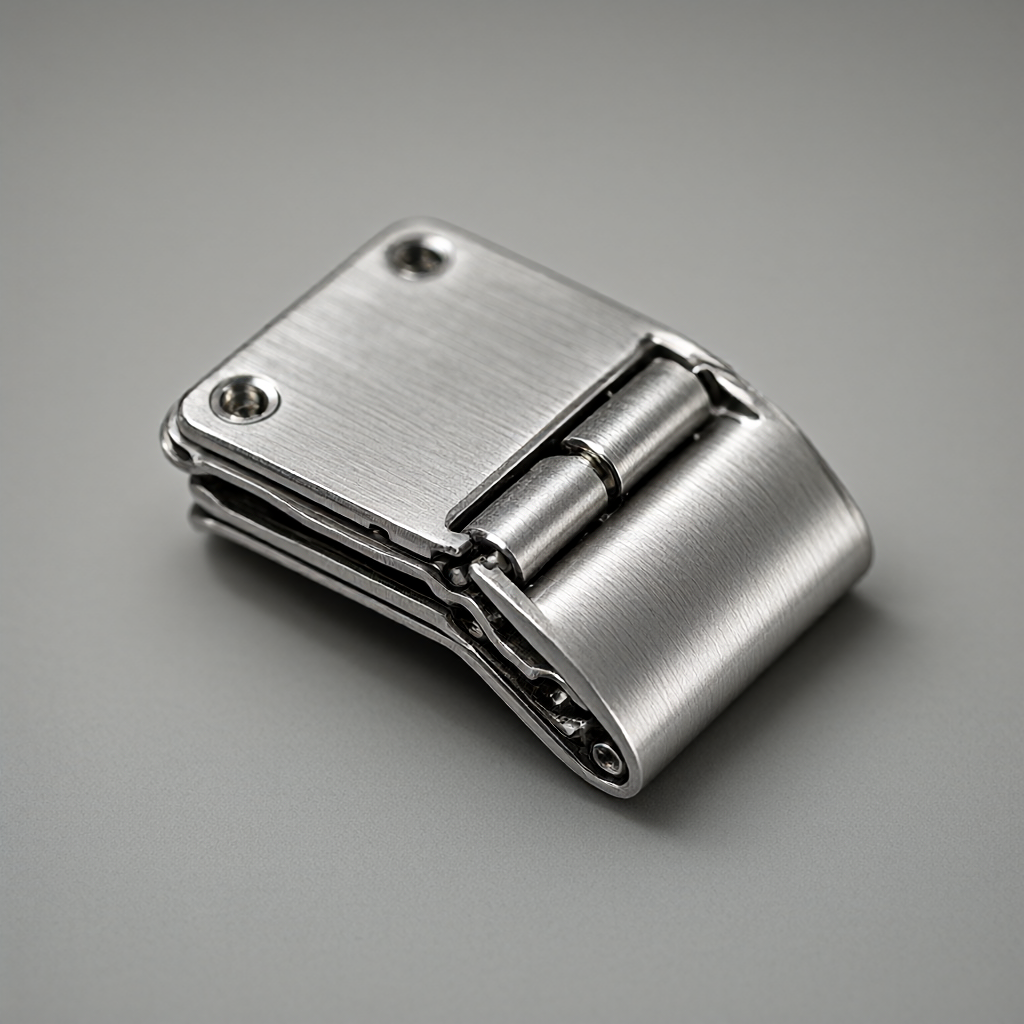
A folding wallet works through two principles: structural rigidity and intentional constraint. Rigid outer panels keep the contents flat and organized without collapsing into a loose pile. That structure also limits how much you can stuff inside — which forces better habits around what you actually carry day to day. The fold itself acts as both closure and organizational separator. One side holds cards; the other may hold folded bills, receipts, or a small slot for a spare key. Some models use a central bar or spring clip to lock the fold closed, while others rely on friction fit or magnetic closures.
The trade-off is clear: you gain slimness and durability but lose the ability to throw in junk receipts, loyalty cards you never use, and an excessive stack of plastic. Buyers should expect their wallet capacity to shrink unless they intentionally choose higher-capacity models. This isn’t a limitation — it’s a design feature. A true minimalist approach means fewer items, better organization, and less weight in your pocket throughout the day. For those starting out, see our guide to minimalist wallets explaining why constrained capacity often leads to better daily habits.
Key Specifications for a Folding Wallet
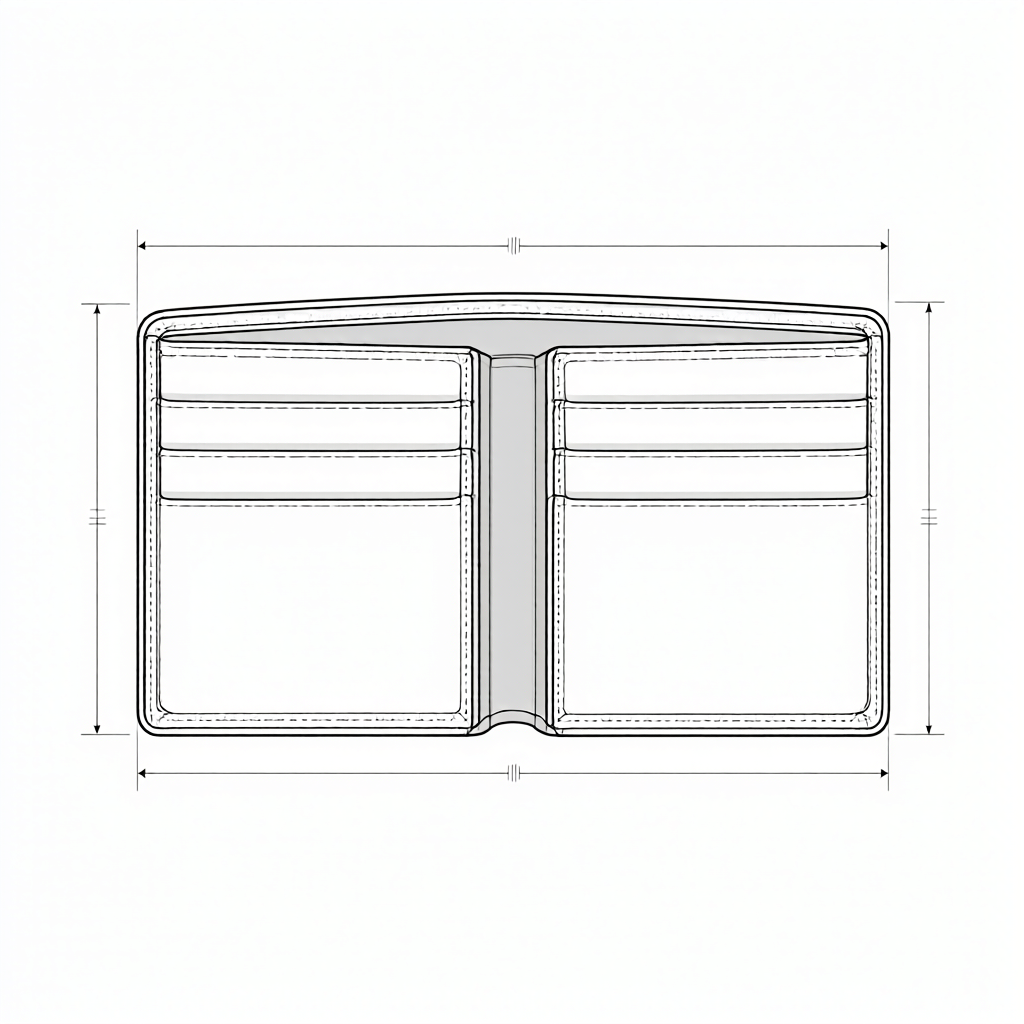
Understanding specifications helps buyers compare real products instead of guessing based on photos or marketing language. Here are the specs that matter most when evaluating a folding wallet.
Card Capacity
Most folding wallets hold between four and eight cards. Slim single-panel models cap out at four to six cards, while dual-compartment designs can accommodate eight to twelve. Capacity depends on card thickness — standard credit cards measure 0.76 millimeters, but gift cards, IDs, and metal cards add bulk. A wallet rated for six cards will feel cramped if every slot contains a thick metal access card.
Weight
Aluminum wallets typically weigh between 45 and 75 grams. Carbon fiber versions range from 30 to 55 grams, making them the lightest option available. Canvas and nylon folding wallets fall in the 35-to-60-gram range. Leather models vary widely depending on construction but generally sit between 50 and 90 grams. Heavier doesn’t mean better — a 40-gram carbon fiber wallet often feels more premium than a 70-gram aluminum model with thicker walls.
Thickness
Folding wallets measure anywhere from 8 to 18 millimeters when fully loaded. Ultra-slim models aim for under 12 millimeters and sacrifice some capacity. Standard models land between 12 and 15 millimeters. Budget models that claim slim profiles often compress poorly and become stiff and uncomfortable. Thickness also affects pocket compatibility — jeans with smaller pockets demand a thinner profile.
Material Options and Their Trade-offs
| Material | Typical Weight | Durability | Best Use Case |
|---|---|---|---|
| Aluminum | 45–75g | High — scratch-resistant, dent-resistant with proper coating | Everyday carry, outdoor environments |
| Carbon Fiber | 30–55g | Very high — lightweight yet extremely rigid | Travel, athletic use, weight-conscious users |
| Canvas/Nylon | 35–60g | Moderate — abrasion-resistant but water-sensitive | Casual daily use, budget-conscious buyers |
| Leather | 50–90g | Varies by quality — full-grain lasts years, bonded leather degrades faster | Formal settings, traditional aesthetic preference |
Each material has distinct maintenance requirements. Aluminum needs occasional cleaning to prevent oxidation buildup in crevices. Carbon fiber requires almost no maintenance beyond wiping with a dry cloth. Canvas benefits from water-repellent treatments over time. Leather demands conditioning every few months depending on exposure to elements.
For men specifically looking at style considerations, explore our detailed comparison of money clip wallets for men where material choice and closure mechanisms play a major role in long-term satisfaction.
Standards and Safety Considerations
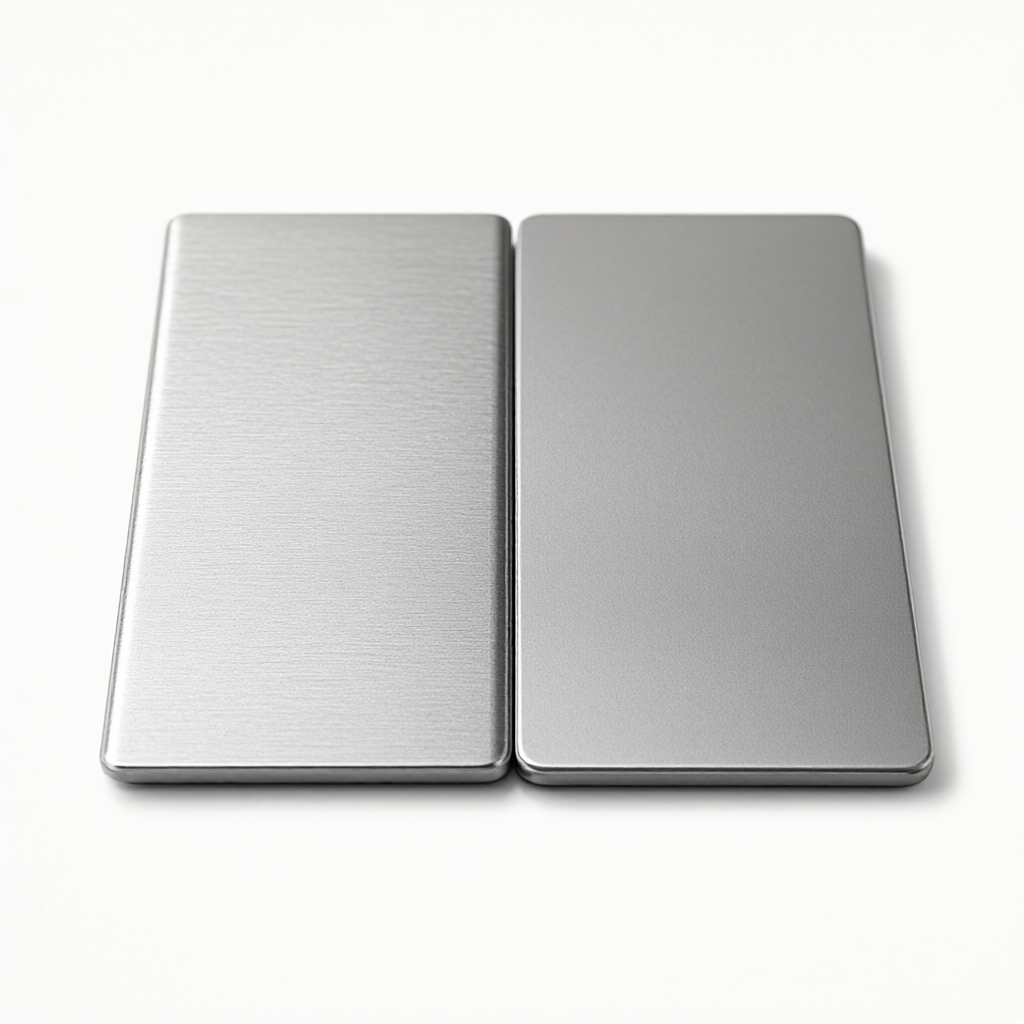
Several safety and performance standards apply when evaluating a folding wallet, particularly around contactless card protection and material certifications. RFID-blocking technology is the most discussed specification, though buyer understanding of its actual effectiveness remains uneven across the market.
RFID protection works by embedding a conductive metal mesh or layer inside the wallet shell that blocks electromagnetic fields used by skimming devices. According to testing standards published by ASTM International, effective RFID shielding requires sufficient signal attenuation at the frequencies used by proximity cards (typically 13.56 MHz). Not all wallets claiming RFID protection meet these thresholds consistently — cheap implementations may block only partial signals or create gaps around card slots where data could still leak.
Material safety standards primarily concern coatings and finishes rather than structural performance. Anodized aluminum wallets should meet RoHS compliance, ensuring lead-free and hazardous-substance-free surface treatments. Products sold in European markets must also comply with REACH regulations regarding restricted substances in consumer goods. When purchasing from manufacturers, verify that SGS testing reports confirm these compliance levels rather than accepting claims at face value.
Card safety extends beyond RFID protection. Physical damage to chip-based cards occurs most commonly through bending during compression, exposure to extreme heat, and magnetic stripe degradation from repeated insertion into tight slots. A rigid folding wallet actually protects cards better than a soft leather wallet because it prevents flexing and crushing during daily carry. For readers interested specifically in card protection features, see our complete guide to wallets that protect cards.
Related Considerations: Design Styles and Buyer Types
Different buyer segments have different priorities when choosing a folding wallet. Understanding these differences helps narrow options quickly instead of scrolling endlessly through catalogs.
Women’s Wallet Considerations
Female buyers often look for lighter weight, narrower width, and aesthetic flexibility. The average woman’s purse accommodates larger wallets, but many now prefer minimal front-pocket solutions for going-out scenarios. Look for options between 50 and 65 grams that include dedicated ID windows or coin pockets alongside card slots. Styles like designer card wallets and monogram patterns appeal to buyers seeking personal expression without sacrificing function. Our lightweight wallet for women resource covers size ranges and material recommendations tailored to female buyers.
Men’s Wallet Considerations
Male buyers tend to prioritize durability, security features, and understated aesthetics. Titanium money clips and tactical pocket organizers fulfill needs for rugged construction and professional appearance. The wallet men brown leather category represents a traditional segment, though modern aluminum and carbon fiber options increasingly replace classic designs among everyday carry enthusiasts. Consider our analysis of best cheap money clips for budget-friendly alternatives within the male-oriented market.
Teen Wallet Preferences
Teenagers typically want affordable pricing, bold styling, and functional simplicity. Canvas wallets and simple slim designs work well because they tolerate rough handling and accidental drops better than delicate leather. A key ring wallet combining card storage with钥匙 attachment serves students who carry backpacks and gym bags instead of purses. Avoid overly complex designs with multiple compartments — teens prefer one or two slots for essentials plus a bill section.
Canvas vs Monogram Wallets
Canvas wallets emphasize casual, washable, and budget-friendly characteristics. They offer natural texture variation and soften slightly with age, developing a worn-in patina that some users prefer. Monogram wallets focus on personalized branding, custom engraving, and decorative surface treatments that set the product apart visually. Both styles overlap in functionality but serve different aesthetic purposes — canvas leans utilitarian while monogram emphasizes individuality.
Digital versus Physical Wallet Discussion
When searching for coinbase wallet log in or similar digital financial tools, remember these refer entirely to software applications for cryptocurrency management, not physical carrying products. Mixing these search terms with folding wallet queries often reflects confusion between digital asset storage and physical currency organization. If you’re exploring whether digital wallets replace physical ones, understand that cryptocurrencies and traditional payment methods coexist rather than compete directly. Physical folding wallets remain essential for in-person transactions requiring chip cards, cash, or contactless payment terminals that don’t support app-based verification.
For guidance balancing digital and physical wallet strategies, check out our article on physical versus digital wallets.
Where to Source Quality Folding Wallets
Finding reliable sourcing options separates confident purchases from costly mistakes. The folding wallet market includes mass-produced items from fast-fashion retailers, mid-tier brands with limited quality control, and specialized manufacturers who focus exclusively on EDC gear production.
Buying directly from manufacturers offering OEM and ODM services provides several advantages: lower per-unit costs for bulk orders, customization possibilities including logo engraving and packaging design, and direct communication about material specifications and tolerance levels. Manufacturers with ISO 9001 certification follow documented quality processes that reduce defect rates compared to unverified producers. Facilities audited under BSCI standards additionally meet social compliance requirements relevant to corporate procurement departments.
As a manufacturer specializing in EDC wallets since 2014, our approach to producing folding wallets centers on balancing material science with practical daily use. We machine aluminum wallets using CNC equipment in our 50,000 square foot facility, applying anodized finishes that resist scratching and corrosion. Carbon fiber card holders receive precision cutting and edge finishing to ensure smooth operation of sliding mechanisms. Every product ships REACH and RoHS compliant, with SGS testing documentation available for wholesale and private-label clients.
Our minimum order quantity of 300 pcs per SKU for full OEM customization (100 pcs trial order available for stock finishes), making it accessible for emerging brands and Amazon sellers without requiring large capital commitments. Sample lead times average seven days, allowing buyers to evaluate build quality before committing to production runs. Full customization options include laser engraving logos, UV printing artwork on surfaces, and designing retail packaging from concept to shelf-ready presentation.
We’ve helped over 200 brands worldwide source metal wallets, titanium money clips, and tactical pocket organizers across America, Europe, Australia, and Southeast Asia. Whether you need RFID-blocking aluminum wallets for retail distribution or carbon fiber card holders with custom branding, the right manufacturing partner understands both technical requirements and market positioning.
Understanding Material and Safety Standards for Folding Wallets
Modern folding wallets must meet specific industry standards to ensure consumer safety, durability, and regulatory compliance across different markets. Buyers and brand owners should verify these certifications rather than relying solely on marketing claims.
ISO 9001:2015 Quality Management
Manufacturers holding ISO 9001:2015 certification follow documented quality‑management processes that reduce defect rates and ensure consistent production outcomes. When evaluating suppliers, request audit reports or certificates to confirm the facility’s commitment to standardized workflows.
RFID Shielding Performance
Effective RFID protection requires sufficient electromagnetic‑field attenuation at 13.56 MHz (the frequency used by contactless payment and ID cards). According to testing methodologies referenced by ASTM International, a properly engineered conductive mesh or metal layer can achieve >20 dB of signal loss across the wallet surface. Be aware that inexpensive implementations often leave gaps around card slots where data remains exposed. Independent third‑party reports from SGS or similar labs provide verifiable evidence of shield performance.
RoHS and REACH Compliance
Anodized aluminum, carbon‑fiber laminates, and printed finishes must adhere to restricted‑substance regulations. In the European market, REACH registration ensures that phthalates, heavy metals, and other hazardous chemicals are controlled below set thresholds. RoHS compliance guarantees that soldered components (if any) and surface treatments are lead‑free. Manufacturers should supply test certificates confirming these limits are met.
Material Longevity Data
- Aluminum (6061‑T6): Hardness typically 95 HB; anodized layers increase surface wear resistance by 3–5× compared to bare alloy.
- Carbon Fiber (3K twill): Tensile strength exceeds 400 MPa while keeping weight under 55 g for standard formats.
- Full‑grain leather: Age‑appropriate conditioning every 4–6 months prevents drying and cracking; bonded leathers degrade faster under repeated flex.
These standards form the baseline against which you can compare supplier proposals and product samples.
Sourcing Strategy: OEM vs ODM Partnerships
The folding‑wallet market spans fast‑fashion retailers, mid‑tier lifestyle brands, and specialized EDC manufacturers. For brands, distributors, and Amazon sellers, partnering with a dedicated OEM/ODM producer offers distinct advantages over trading‑company intermediaries.
| Aspect | OEM Partnership | ODM Partnership | Trading Company |
|---|---|---|---|
| Design control | Full – you own IP and specs | Shared – supplier provides pre‑existing designs you customize | Limited – generic catalogs only |
| Unit cost | Lower for volume orders | Moderate – tooling amortized across clients | Higher – margin added by middleman |
| Lead time | 30–45 days after artwork approval | 20–30 days (standard mold) | Variable – depends on stock availability |
| Certification access | Direct factory audits possible | Possible, but less transparent | Rarely available |
When evaluating potential partners, ask for a detailed quotation that breaks down tooling, sampling, production, and shipping costs. Transparent pricing indicates a mature manufacturer that can scale with your brand’s growth.
Supplier Evaluation Matrix
Use the following criteria matrix to score shortlisted suppliers objectively. Assign a rating from 1 (poor) to 5 (excellent) for each factor, then multiply by the assigned weight to obtain a weighted score.
| Criterion | Weight | Your Score (1–5) | Weighted Score |
|---|---|---|---|
| MOQ flexibility (start ≤300 pcs) | 20% | ||
| Sample lead time (≤7 days) | 15% | ||
| Quality certifications (ISO 9001, BSCI, SGS test reports) | 20% | ||
| Customization scope (engraving, UV printing, packaging) | 15% | ||
| Communication responsiveness | 10% | ||
| On‑time delivery history | 10% | ||
| Unit price competitiveness | 10% | ||
| Total | 100% |
A supplier that consistently scores above 80 points typically demonstrates the reliability needed for long‑term partnership. Remember that the lowest unit price alone rarely yields the best overall value—certifications, clear communication, and repeatable quality matter just as much.
How We Approach Folding‑Wallet Manufacturing
As a manufacturer focused exclusively on everyday‑carry gear since 2014, our workflow reflects the standards outlined above. We begin every project with a design‑for‑manufacturability review, ensuring that card capacities, hinge placements, and finish choices align with real‑world pocket dynamics.
Our capabilities include:
- CNC machining of aircraft‑grade aluminum alloys with tolerances of ±0.05 mm.
- Precision cutting and edge‑polishing of carbon‑fiber panels to prevent snagging.
- Anodizing and powder‑coating lines that deliver RoHS‑compliant, scratch‑resistant surfaces.
- Laser engraving and UV‑printing stations for logo application and custom artwork.
- Assembly under ISO 9001:2015 procedures, with each batch undergoing random‑sample inspection.
We hold a 50,000‑square‑foot facility in Guangdong, China, and export to more than 30 countries across America, Europe, Australia, and Southeast Asia. Our minimum order quantity of 300 pcs per SKU, with sample production completed within seven calendar days. Every finished wallet carries SGS test documentation confirming REACH and RoHS compliance, giving private‑label buyers confidence in product safety and regulatory readiness.
Whether you are launching a new metal wallet line, refreshing an existing collection, or exploring titanium money clips and tactical organizers, our team works alongside you from concept sketches through retail‑box design. The result is a product that meets both your brand’s aesthetic vision and the technical expectations of today’s EDC community.
Material Science and Production Standards for Folding Wallets
Aluminum Wallet Manufacturing Specifications
Aircraft-grade 6000-series aluminum (6061-T6 or 6063-T6 per ASTM B221) is the most common material for metal folding wallets. These alloys offer a tensile strength of 240–310 MPa after heat treatment, providing sufficient rigidity to prevent card bending while remaining light enough for daily carry. Surface finishing typically involves Type II anodizing at 15–25 micrometers thickness, which increases surface hardness to approximately 300–400 Vickers and provides corrosion resistance compliant with ASTM B117 salt-spray testing standards (minimum 500 hours for commercial-grade finishes).
Carbon Fiber Construction Standards
Carbon fiber folding wallets use woven pre-preg sheets consolidated under heat and pressure, producing panels with a flexural modulus exceeding 70 GPa — significantly higher than aluminum on a weight-for-weight basis. The resulting wallet achieves 30–55 gram total weight while maintaining structural integrity under repeated compression cycles. Edge sealing prevents delamination, and precision CNC routing ensures consistent slot dimensions toleranced within ±0.1 mm for smooth card insertion and extraction.
Canvas and Polymer Composite Materials
Canvas wallets utilize tightly woven cotton or polyester blends (typically 12–16 oz weight per square yard) laminated to a thin polymer or aluminum backing for structure. These materials meet general consumer product safety expectations but do not carry the same mechanical performance ratings as metal or carbon fiber alternatives. Water resistance, when claimed, should reference measurable test data such as ASTM D751 hydrostatic head testing rather than undefined “water-resistant” marketing language.
Leather: Full-Grain vs. Bonded Specifications
Full-grain leather folding wallets derive from the dense outer layer of hide and demonstrate superior tear strength (approximately 15–30 N/mm² depending on tannage method). Bonded leather, composed of shredded leather fibers reconstituted with polyurethane binders, lacks comparable durability and should be clearly disclosed by manufacturers. Reputable suppliers provide leather origin documentation and processing method transparency as part of their quality audit trail.
Industry Standards Referencing and Regulatory Compliance
ISO 9001:2015 Quality Management in Wallet Manufacturing
Manufacturers adhering to ISO 9001:2015 quality management systems implement documented procedures for incoming material inspection, in-process dimensional verification, and final product testing. This standard requires statistical process control on critical dimensions (card slot width, hinge pin alignment, panel thickness) and maintains traceability records for each production batch — essential information for B2B procurement and private-label compliance audits.
RFID Shielding Performance Standards
Effective RFID blocking must attenuate electromagnetic fields at 13.56 MHz (the NFC/proximity card frequency) by at least 20 dB, corresponding to approximately 90% signal reduction. While no single ISO standard exclusively governs consumer wallet RFID performance, testing参照 ANSI/ICE 4-2014 principles for personal identification document security elements and applies similar shielding effectiveness criteria. Manufacturers should provide third-party lab test reports (SGS, Intertek, or equivalent) confirming attenuation values at target frequencies rather than relying on unsubstantiated claims.
REACH and RoHS Material Compliance
Products entering European markets must comply with EU Regulation EC 1907/2006 (REACH) regarding restricted substances including lead, cadmium, phthalates, and certain azo dyes. RoHS Directive 2011/65/EU further restricts lead, mercury, and six phthalates in electronic-adjacent consumer goods. Anodized aluminum wallets must verify that coloring processes and sealants used post-anodization fall within REACH Annex XVII authorized substance lists. Buyers should request supplier Declaration of Conformity documents specifying exact alloy compositions and coating formulations.
Procurement Decision Framework for Brands and Distributors
Buyer Checklist: Evaluation Criteria Matrix
When evaluating potential folding wallet manufacturers, assess suppliers against these criteria:
| Criterion | Minimum Acceptable Threshold | Ideal Standard |
|---|---|---|
| Quality certification | ISO 9001 registration | ISO 9001:2015 audited with recent surveillance certificates |
| Social compliance | No violations documented | BSCI audit score ≤ 5 or equivalent SA8000 certification |
| Material certifications | SGS test report available | Full material composition declaration + REACH/RoHS DoC |
| MOQ flexibility | ≤ 500 pcs | ≤ 300 pcs for prototype validation runs |
| Sample lead time | ≤ 14 calendar days | ≤ 7 calendar days with tracked shipping |
| Defect rate guarantee | < 5% in first shipment | < 2% with replacement commitment clause |
| Production capacity | ≥ 10,000 units/month | ≥ 100,000 units/month with scalability provisions |
| Customization capability | Logo engraving only | Full OEM/ODM: material selection, mechanism design, packaging |
| Shipping and FBA readiness | Standard carton packing | Amazon FBA prep, poly-bag labeling, carton barcoding included |
Lead Time and Sampling Protocol
Standard sampling workflow begins with artwork and specification submission, followed by 3D rendering approval within 24 hours, physical sample production within 5–7 business days, and courier delivery within an additional 3–5 business days. Rush sampling is often available at premium rates. Upon sample receipt, evaluate hinge operation smoothness, slot tension consistency, surface finish uniformity, and overall dimensional accuracy against provided engineering drawings. Request a pre-production sample from the actual manufacturing line before authorizing full volume orders.
Quality Audit and Inspection Criteria
Pre-shipment inspection should verify: card slot pull-force retention (minimum 5N holding force per slot), hinge cycle endurance (minimum 5,000 open/close cycles without degradation), anodized coating adhesion per ASTM D3359 cross-hatch tape test (rating 4B or higher), and RFID attenuation measurement at 13.56 MHz if claiming shield functionality. Third-party inspection services such as SGS, Bureau Veritas, or Intertek can conduct facility audits and random抽样 inspections at FOB port before cargo loading.
Supplier Red Flags: Warning Signs in Wallet Manufacturing Partners
Absent or Generic Material Certifications
If a manufacturer cannot produce specific SGS test reports listing material composition, heavy metal content results, and REACH compliance status, this represents a significant procurement risk. Vague statements like “we use eco-friendly materials” without quantifiable test data should trigger deeper due diligence or supplier rejection. Reputable factories maintain archived test reports dating back 2–3 years and will share them upon request.
No Drop-Test or Durability Data
Folding wallets endure repeated compression, pocket insertion/removal cycles, and occasional accidental drops. Manufacturers that cannot provide drop-test methodology results (e.g., 1-meter drop onto hardwood surface, minimum 20 cycles without structural failure) lack demonstrated product validation discipline. Request quantitative durability metrics during supplier evaluation.
Undefined Warranty Terms
Suppliers offering indefinite or vague warranty promises (“guaranteed quality”) without specifying duration, coverage scope, or claim resolution timelines present contractual ambiguity. Established manufacturers typically offer 12–24 month defect warranties with clear replacement or repair protocols documented in writing.
Inability to Provide Facility Audit Reports
For B2B and corporate procurement, absence of social compliance audit documentation (BSCI, SEDEX, or equivalent) indicates potential supply chain risk related to labor practices. Major retailers and distributors increasingly require these audits as vendor onboarding prerequisites. Suppliers unable to provide current audit reports should be deprioritized.
Missing RFID Performance Test Documentation
Claims of RFID blocking without published attenuation measurements at 13.56 MHz represent unverified marketing assertions. Require buyers to obtain lab-tested evidence before incorporating RFID-blocking products into inventory offerings.
Brand Context: How Our Manufacturing Meets These Standards
As a manufacturer operating since 2014, we apply these same industry standards to every folding wallet we produce. Our ISO 9001-certified facility follows documented quality procedures from raw material receiving inspection through final packaging. All aluminum wallets are CNC-machined from 6061-T6 billet stock, anodized to 20-micrometer minimum thickness, and tested for coating adhesion and corrosion resistance. Carbon fiber card holders undergo precision cutting with ±0.1 mm dimensional tolerance and edge-sealing to prevent delamination. Every product ships with REACH and RoHS compliance documentation, and SGS test reports are available for wholesale and private-label clients.
Our minimum order quantity of 300 pcs per SKU, sample production completes in seven days, and we provide full customization — from laser-engraved logos to retail packaging design — across our 50,000-square-foot manufacturing floor. We currently serve over 200 brands worldwide across America, Europe, Australia, and Southeast Asia. For detailed specification sheets, material certifications, or a custom quote tailored to your product requirements, visit our contact page.
Sources & References
- ASTM International — www.astm.org
- ISO 9001:2015 — www.iso.org
- minimalist wallets — topedcwallet.com
- money clip wallets for men — topedcwallet.com
- wallets that protect cards — topedcwallet.com
- lightweight wallet for women — topedcwallet.com
- best cheap money clips — topedcwallet.com
- physical versus digital wallets — topedcwallet.com
- Get a Free Quote → — topedcwallet.com
From article to product
Sourcing minimalist-wallets?
Tell us the format, the quantity and the date you need stock. You get material options, MOQ and a landed-cost range back within one business day.
Keep reading
More on wallet types
Thin Male Wallets: Buying Guide for Slim Minimalist Picks
How to choose a slim wallet for men — thickness thresholds, material trade-offs, capacity…
ReadStashed Wallet: A Minimalist Everyday-Carry Solution
Understand what a stashed wallet is, how minimalist slim wallets work, and what to…
ReadWomen’s Wallet Guide 2026: Continental, Mini & Minimalist
Compare continental wallets, mini-on-chain designs, and minimalist cardholders for daily carry. Find sizing, material,…
Read
About the author
TOPWALLET Editorial Team
TOPWALLET's editorial and engineering desk writes from bench testing at the Shenzhen (Longgang) facility: pull-force and cycle testing, 13.56 MHz shielding measurements, finish trials and factory audits, rather than supplier spec sheets. Every specification in these guides is one we write on a purchase order.
Written on the floor
This article was written by our production and QC team — the people who spec tolerances, run the finishing line and inspect every batch. Where it states a capacity, a pull force or a lead time, it comes from a measurement we made, not a supplier’s catalogue. If a number here disagrees with what your own supplier told you, tell us; several of these articles started as a correction from a buyer.
See how the factory works · Inspection process · Sourcing FAQ
Sourcing minimalist-wallets?
Tell us the format, the quantity and the date you need stock. You get material options, MOQ and a landed-cost range back within one business day.