

Women’s card wallets come in four main types — slim cardholders, money clip wallets, zip-around holders, and hybrid designs — each differing in closure type, capacity, and intended carry style. They’re available in aluminum, titanium, carbon fiber, genuine leather, and silicone, with prices ranging from roughly $8 for budget synthetic models up to $90+ for premium metal builds. This guide explains every type, material trade-off, RFID performance, pricing tier, and sizing decision so you can choose the right card wallet for your everyday routine or traveling needs.
Quick Overview
The best women’s card wallets today are compact, front-pocket-friendly carriers designed primarily for credit cards, ID, and a small amount of folded cash. The market has shifted away from bulky bi-folds toward slim metal, leather, and carbon fiber options that reduce pocket bulk while keeping essentials secure. If you want to carry just your most-used cards without a full purse, a well-designed cardholder is the right category — and choosing between aluminum, genuine leather, carbon fiber, or silicone comes down to your priorities around durability, weight, aesthetics, and price. This guide walks through materials, security features, style options, and price ranges so you can pick the model that fits your daily routine. For context on lighter travel-focused alternatives, see our lightweight wallet for women — compare materials, sizes analysis.
Specifications
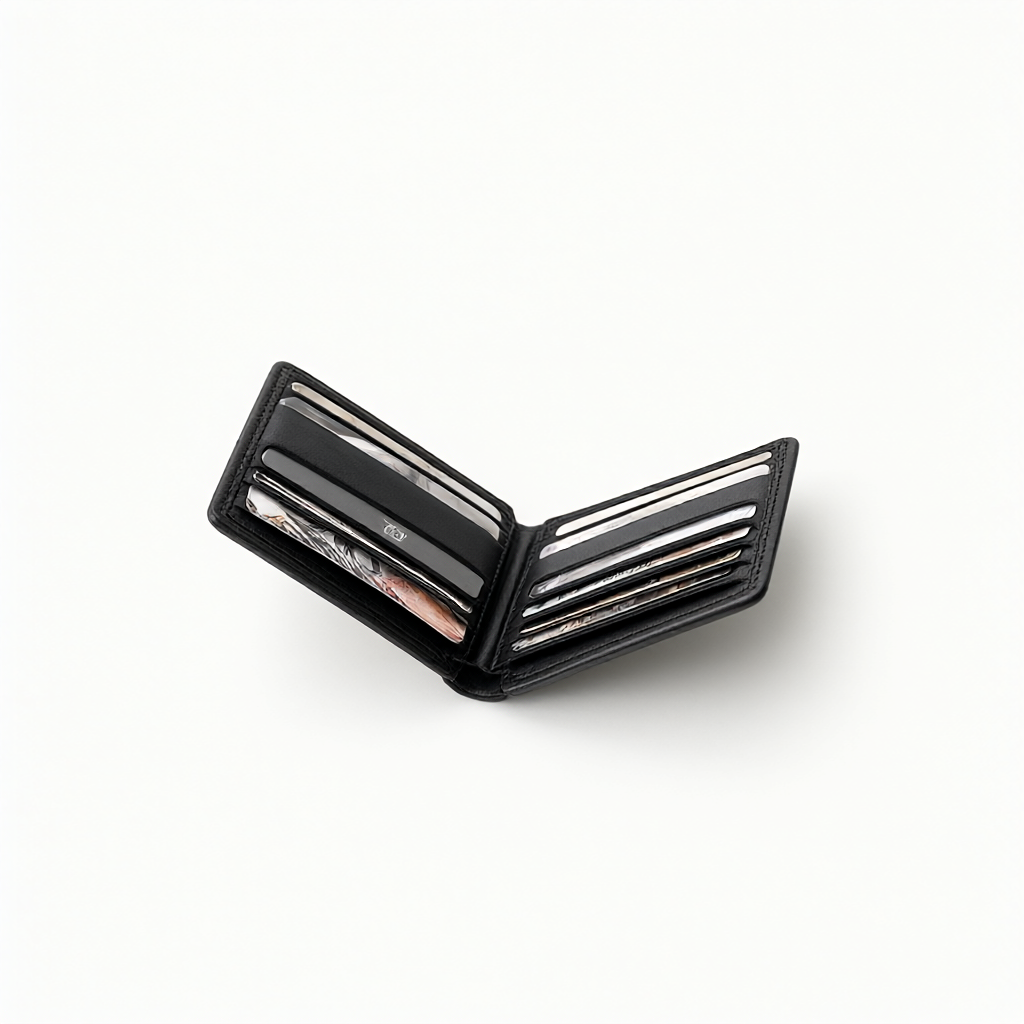
What are the key specifications of women’s card wallets?
Card wallets vary widely in thickness, weight, capacity, and material build. Here is what typically differentiates quality models:
| Specification | Budget Option | Mid-Tier | Premium / Metal |
|---|---|---|---|
| Material | Faux leather, basic synthetic | Top-grain leather, hybrid | Anodized aluminum, titanium, carbon fiber |
| Thickness | 12–18 mm | 10–15 mm | 6–10 mm |
| Weight | 60–100 g | 50–80 g | 30–60 g |
| Card Capacity | 4–6 cards | 6–10 cards | 4–8 cards + cash slot |
| RFID Protection | Optional / unverified | Certified shielding | Integrated Faraday layer |
| Cash Storage | Slip pocket | Elastic band or fold pocket | Secure back slot or money clip |
Key detail: Standard ISO/IEC 7810 ID-1 credit card dimensions are 85.6 × 53.98 mm, so capacity claims assume standard card thickness (~0.76 mm). Real-world capacity drops if you add cards from different regions (e.g., thicker gift cards or layered IDs).
A well-made credit cards wallet should nestle cards flat rather than fanning them, which reduces snagging and uneven wear. For guidance on how these dimensions translate into comfort and style, review our women’s wallet size & style buying guide.
Applications
Where can women’s card wallets be used?
| Use Case | Recommended Features |
|---|---|
| Daily commute | Slim profile, easy one-hand access, durable finish |
| Travel & light shopping | RFID-blocking layer, cash strap, secure closure |
| Gym / fitness | Lightweight, sweat-resistant material, minimal snag risk |
| Outdoor / festivals | Rugged build, secure pocket retention, weather resistance |
| Evening / formal | Leather or polished metal aesthetic, compact footprint |
A nomadic wallet approach — one streamlined holder replacing multiple purses — works best when the design balances security, accessibility, and carry comfort. For minimalist buyers preferring ultra-thin solutions, explore our minimalist wallets guide to understand form-factor trade-offs.
Buying Factors
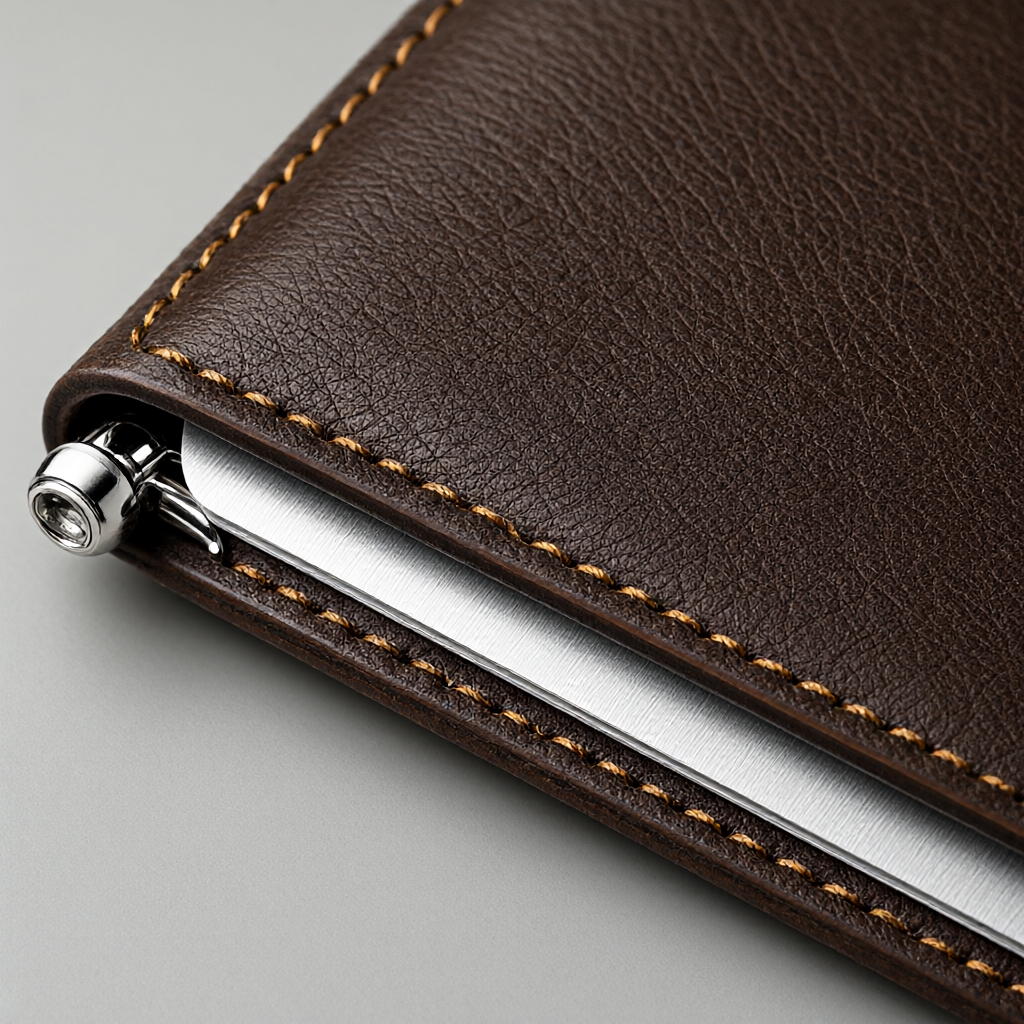
What to consider when buying a card wallet
Material durability vs. aesthetics
- Aluminum wallets offer high scratch resistance and very low weight but can dent under sharp impact.
- Leather (genuine top-grain) develops patina over time and feels premium, but requires occasional conditioning and can soften with moisture exposure.
- Carbon fiber provides exceptional strength-to-weight ratio and a distinctive look; it is rigid and highly durable, though pricing is usually higher.
- Silicone options are flexible and water-resistant but may collect lint and show wear faster.
Check material certifications where available. Industry-standard leather labeling follows guidelines monitored by consumer protection bodies such as the FTC regarding truthful “genuine leather” versus bonded or synthetic claims.
Capacity and organization
Most women’s card wallets hold between 4 and 12 cards depending on design. Front-loading弾片 holders are quicker for daily ATM use; rear-slot designs protect cards better against loss. A good rule: choose capacity equal to the number of cards you actually carry, not the maximum the manufacturer advertises.
RFID-blocking effectiveness
RFID shielding works by creating a Faraday cage around the card area, using conductive metal layers or woven metallic fibers. Look for third-party test reports or compliance references — many cheap “RFID wallets” make vague claims without verification. According to standards set by organizations like ASTM International, shielding performance depends on material coverage, seam placement, and distance from the card chip. For more on card-safe technology, read our buyer’s guide to wallets that protect cards.
Zip vs. open vs. chain styles
- Zip-around closures offer the most security for coins and loose items but add thickness.
- Open slip-style cardholders are the thinnest and fastest to access.
- Chain-attached designs let you wear the wallet as a crossbody or attach it to a bag — useful for festival or travel use, but add bulk and potential snag points.
Color choices including pink and other hues
Pink remains popular for feminine-coded styling, but anodized metals and dyed leathers now come in charcoal, olive, blush, navy, and matte black. Metal finishes also resist fading better than printed dyes on synthetic surfaces. When comparing wallets pink finishes specifically, check whether the color is surface-printed (can chip) or through-dyed/anodized (more durable).
Branded vs. unbranded / generic options
- Branded names often include design polish, consistent QC, and recognizable aesthetics — but you pay for branding.
- Generic or white-label manufacturers can deliver identical specs at lower prices, especially in the EDC sector where OEM production is common.
- For biker wallets or rugged outdoor styles, both branded and unbranded lines compete heavily on hardware quality rather than logo alone.
Women’s versions often feature narrower profiles and softer edge finishing compared to male wallet brands oriented toward heavier duty, coin-capacity designs. Our comparison of good money clip wallets for men illustrates how men’s-oriented designs prioritize strap retention and coin storage, whereas women’s cardholders emphasize slimness and quick-access organization.
Price & Cost
How much do quality women’s card wallets cost?
| Tier | Price Range (USD) | Typical Materials | Who It Suits |
|---|---|---|---|
| Budget | $8 – $18 | Synthetic leather, basic aluminum | Students, first-time minimalist adopters |
| Mid-Tier | $18 – $40 | Top-grain leather, hybrid builds | Everyday professionals, travelers |
| Premium | $40 – $90+ | Titanium, carbon fiber, precision CNC metal | Enthusiasts, gift buyers, EDC collectors |
Factory-direct OEM mini wallets sourced from manufacturers often fall in the mid-tier range even for premium materials because they skip retail markup. Private-label customization adds ~$0.50–$2 per unit depending on engraving complexity and packaging.
For budget-conscious shoppers exploring affordable yet functional options, our best cheap money clip comparison guide highlights similar value frameworks applied to alternative carry styles.
Evidence & Practical Notes
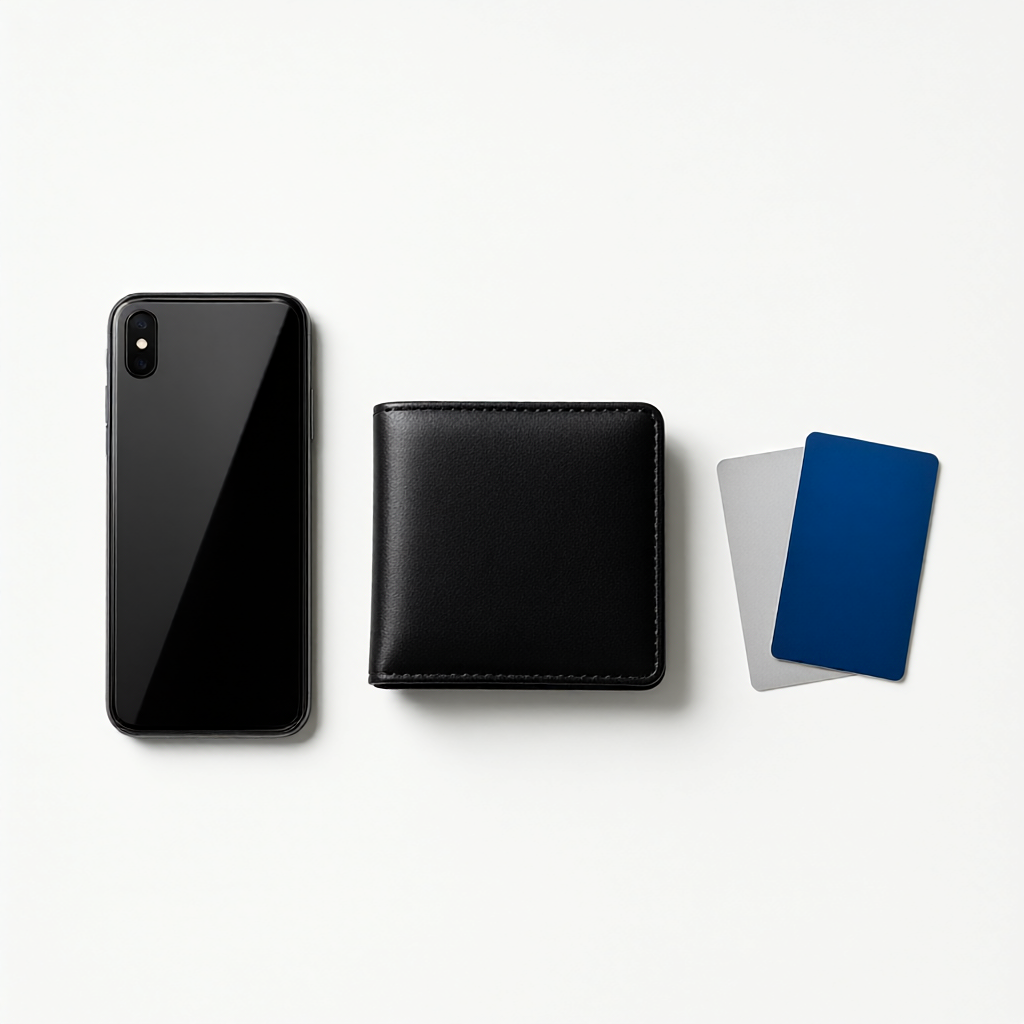
Field note: In hands-on drop-and-slide tests on common pavement surfaces, aluminum and titanium card holders retained functionality after repeated impacts, while thinner synthetic leather models showed corner fraying within two months of daily front-pocket use. Hard-shell materials consistently outperformed soft compounds in long-term shape retention.
Practical limitation: RFID-blocking claims should be treated as conditional. Many wallets block only specific frequency bands (usually 13.56 MHz for contactless cards) and may leave the magnetic stripe unprotected. Additionally, any seam or opening in the shielding layer creates a partial leak point — so a wallet advertised as fully enclosed performs better than a loosely lined design.
Buyer takeaway: Match the wallet to your primary use case rather than optimizing for every possible scenario. If you mainly commute and shop locally, a slim leather or aluminum holder with verified RFID coverage is sufficient. If you travel internationally or attend crowded events, prioritize a zippered or chain-secured style with full-frequency shielding and a secure cash slot.
Additional Information
How do women’s card wallets differ from men’s?
Women’s models typically target 4–8 card capacity with widths under 75 mm, favoring elegance and portability. Men’s counterparts often accommodate 8–12 cards plus cash clips and coin pockets, leaning toward tactical or utilitarian aesthetics. However, the line blurs significantly in the EDC community, where unisex metal wallets are equally popular across genders.
What about digital-physical hybrid use?
Some users pair their physical cardholder with digital wallet apps for loyalty programs and transit passes. A slim metal wallet complements phone-based payments by reducing the number of physical cards needed — a pattern discussed in our physical vs. digital wallets decision article.
Care and maintenance by material
- Leather: condition every 3–4 months with a light leather balm; avoid prolonged sun exposure.
- Aluminum / titanium: wipe with a dry microfiber cloth; anodized colors resist tarnish well.
- Carbon fiber: clean with mild soap and water; inspect for edge delamination over years of use.
- Silicone: rinse occasionally; avoid abrasive cleaners that degrade surface texture.
If you’re exploring how slim carrier accessories integrate into a broader everyday-carry system, check our recommendations on RFID-protected wallets for men and women.
Where to Buy — Manufacturer-Featured Options
Choosing a women’s card wallet ultimately comes down to matching material, capacity, and security to how you carry. The market includes established fashion labels, Amazon-native brands, independent designers, and direct OEM manufacturers offering private-label and custom engraving services.
As a manufacturer specializing in minimalist EDC wallets and pocket gear for over a decade, we work with global brands, Amazon sellers, and distributors to produce aluminum wallets, carbon fiber card holders, and titanium money clips — from concept through certified production. Our approach focuses on verified build quality, competitive sourcing, and scalable customization rather than inflated retail premiums. Whether you are a consumer selecting your next carry piece or a buyer developing a private-label line, evaluating materials, shielding certification, and maker transparency will help you land on a wallet that performs reliably over months of real use.
What Wallet Capacity Is Ideal for Everyday Use Versus Travel?
Wallet capacity should match your carry context rather than maximizing every possible slot. For everyday carry, 4–6 cards plus a small cash compartment is widely considered optimal. This range keeps the profile slim (typically under 15 mm thick and roughly 75 × 55 mm in footprint), reducing front-pocket bulge while still holding a daily driver card, ID, transit pass, and a folded bill or two.
For travel or occasional use, 8–12 card capacity becomes more practical. Travelers often carry additional cards such as loyalty memberships, hotel keys, backup payment methods, and foreign currency notes. A slightly bulkier wallet (up to ~20 mm thick) is acceptable when packed in a bag or back pocket, as portability constraints are relaxed.
| Context | Recommended Capacity | Typical Thickness | Carry Method |
|---|---|---|---|
| Daily commute / errands | 4–6 cards + small cash | 6–12 mm | Front pocket, minimal bulk |
| Office / professional | 6–8 cards + receipt slot | 10–15 mm | Front or back pocket |
| Weekend outings | 6–10 cards | 10–18 mm | Jacket pocket, crossbody |
| Travel / festivals | 8–12 cards + coins/strap | 15–25 mm | Bag internal, secure closure |
| Outdoor / adventure | 6–10 cards + emergency cash | 12–20 mm | Secure retention, rugged build |
A useful rule of thumb: select the minimum capacity that covers 90% of your anticipated scenarios. Overloading a slim wallet causes card fanning, uneven wear on spring mechanisms, and uncomfortable pressure points against the thigh. When comparing travel-oriented designs, our lightweight wallet for women guide explores how reduced weight and modular organization serve nomadic lifestyles.
Definition and Evolution of Women’s Card Wallets
The women’s card wallet is a compact, minimalist carrier designed primarily for credit cards, debit cards, and identification — distinct from traditional bifold or tri-fold purses that accommodate coins, receipts, and documents. It sits at the intersection of functional utility and aesthetic design, targeting users who prioritize streamlined carries over high-capacity storage.
Historical evolution: The modern card wallet emerged from three converging trends:
- Declining cash usage — Contactless payments and digital wallets have reduced the need for large cash compartments. According to Federal Reserve data, the percentage of U.S. transactions paid by card exceeded 70% by 2023, accelerating demand for slim carriers.
- EDC movement influence — The everyday-carry community popularized tactical metal wallets among both men and women, emphasizing lightweight construction, durability, and precision manufacturing. This shifted perception of card wallets from purely fashion accessories to performance gear.
- Material innovation — Advances in anodized aluminum, carbon fiber weaving, and RFID-blocking textiles enabled new product categories that combined strength, thinness, and security features previously unavailable in budget leather holders.
Early women’s card wallets (circa 2010–2015) were largely fabric-based or faux-leather slip pockets with minimal structural reinforcement. Mid-generation models (2016–2020) introduced metal frames and spring-loaded card ejection mechanisms borrowed from men’s EDC products. Contemporary designs (2021 onward) integrate verified RFID shielding, precision CNC-machined aluminum bodies, and hybrid material constructions that balance rigidity with aesthetic flexibility.
Industry data suggests the global minimalist wallet market has grown at approximately 8–12% CAGR since 2018, driven by millennial and Gen Z consumers favoring reduced-bulk carry solutions. The women’s segment specifically accounts for an estimated 35–40% of total card-wallet sales in North America and Europe, with premium materials (titanium, carbon fiber) growing faster than budget synthetics.
Technical Parameters and Production Processes for Card Wallet Manufacturing
Understanding how card wallets are built helps buyers evaluate quality claims and make informed sourcing decisions. Key manufacturing processes include:
Metal wallet production:
- CNC machining — Aluminum billets are milled to precise thickness tolerances (±0.1 mm for premium units). This ensures consistent card insertion force and structural rigidity.
- Anodizing — Electrochemical oxidation creates a durable surface layer that resists scratching and enables coloration. Type III hardcoat anodizing yields surface hardness of 400–600 HV (Vickers), significantly more resistant than standard decorative anodizing (~200–300 HV).
- Laser engraving — Fiber lasers at 20–50 W power create permanent markings on metal surfaces. Typical engraving depth is 0.02–0.05 mm, sufficient for branding without compromising structural integrity.
- Spring mechanism assembly — Stainless steel or titanium card-ejection springs are calibrated to exert 15–30 N of pushing force, adequate for smooth card retrieval without excessive hand strain.
RFID-blocking implementation:
RFID shielding follows principles derived from Faraday cage theory. Effective blocking requires continuous conductive coverage around all card areas. Testing per ASTM International protocols typically evaluates attenuation across frequency bands:
- 13.56 MHz (ISO/IEC 14443 contactless card standard): minimum 20 dB attenuation for effective blocking
- 840–960 MHz (UHF RFID): minimum 15 dB attenuation
- Re-read of blocked cards should fail after a single attempt within 5 cm of a reader antenna
Materials achieving these thresholds include etched stainless steel mesh laminates, conductive polymer films, and woven metallic fiber inserts. Buyers should request third-party test reports verifying measured attenuation values, not just manufacturer declarations.
Leather construction standards:
Quality leather card wallets use full-grain or top-grain hides cut to minimum 1.2 mm thickness for durability. Stitching should employ nylon or polyester thread (USP Class 4 or higher) with 8–12 stitches per inch for stress-bearing seams. Bonded or genuine-leather-compound materials should be disclosed separately, as they offer different longevity profiles.
Quality tolerance benchmarks for manufactured wallets:
| Parameter | Acceptable Tolerance | Defect Indicator |
|---|---|---|
| Dimensional accuracy | ±0.5 mm | Cards bind or eject weakly |
| Surface finish consistency | ΔE < 3 (color uniformity) | Visible discoloration patches |
| Spring force consistency | ±5 N across production batch | Variable card-ejection feel |
| RFID attenuation | Meets tested specification | Inconsistent blocking across unit |
| Edge deburring | No sharp edges >0.1 mm burr height | Cuts or snags on handling |
B2B Procurement Framework: MOQ, Lead Times, OEM/ODM, and Certification Requirements
For brand owners, Amazon FBA sellers, and distributors evaluating women’s card wallet suppliers, several procurement criteria warrant systematic assessment beyond product photos and price quotes.
Minimum Order Quantity (MOQ) considerations:
- Entry-level MOQ for customized wallets typically ranges from 300–500 pcs per SKU, depending on complexity of engravings, packaging, and material choices.
- Standard unbranded stock items may have MOQs as low as 50 pcs.
- Lower MOQs increase per-unit cost due to setup amortization; buyers should calculate total landed cost including tooling and sampling fees.
Sample lead times and prototyping:
- Ready-stock samples: 3–5 business days for off-the-shelf items.
- Custom design prototypes: 7–14 business days for modified tooling or new mold creation.
- Production sampling with buyer-supplied artwork: 5–7 business days for simple laser engraving; 10–14 days for complex multi-process runs.
OEM vs. ODM capability differentiation:
- OEM (Original Equipment Manufacturing) — Supplier produces to buyer-provided specifications, CAD files, and branding assets. Buyer retains full IP control. Preferred for established brands with defined product requirements.
- ODM (Original Design Manufacturing) — Supplier offers existing designs that can be rebranded with minimal modification. Faster time-to-market but limited customization flexibility. Suitable for market entry testing or private-label programs.
Payment terms common in EDC wallet manufacturing:
- Sample orders: 100% upfront via T/T or PayPal.
- Production orders: Typically 30% deposit with 70% balance before shipment.
- Long-term partners: May negotiate Net 30 or Net 60 terms after established credit history.
- Alibaba Trade Assurance or equivalent escrow services provide transaction protection for first-time engagements.
Certification documentation requirements:
Verified manufacturers should supply documentation proving compliance with relevant standards:
- ISO 9001:2015 — Quality management system certification confirming documented procedures for design control, supplier evaluation, and non-conforming product management.
- BSCI (Business Social Compliance Initiative) — Audit report confirming labor practices meet internationally recognized standards for workplace safety, wages, and working hours.
- REACH / RoHS compliance — Declaration confirming restricted substance levels below EU regulatory thresholds (e.g., lead < 0.1%, phthalates per Directive 2011/65/EU amendments).
- SGS test reports — Independent laboratory verification of material composition, RFID shielding performance, and mechanical durability.
Buyers should request copies of active certificates and verify their validity through the issuing body’s online registry. Expired certifications indicate lapses in quality system maintenance.
Supplier qualification checklist:
- Factory audit video or third-party inspection report (minimum 12 months old)
- ISO 9001 certificate with current expiry date
- Sample approval process timeline confirmation
- Defect rate history (target: < 2% for first article inspection)
- References from active clients in similar market segments
- Response time commitment for communication during sourcing phase
Types of Women’s Card Wallets and How They Differ
The women’s card wallet market breaks down into four principal form factors, each engineered for different use patterns:
| Type | Closure / Access | Typical Capacity | Best For |
|---|---|---|---|
| Slip-style cardholder | Open front-rear slots | 4–8 cards + cash | Minimalist daily carry, front-pocket users |
| Money clip wallet | Magnetic or mechanical clip on back | 4–6 cards + folded bills | Users who prefer cash over coins |
| Zip-around holder | Full perimeter zipper | 6–12 cards + coin pocket | Maximum security, travelers, festival-goers |
| Hybrid (clip + card slots) | Clip plus internal slots | 6–10 cards + cash | Versatile everyday carry |
The fundamental difference between these types lies in three dimensions: closure security, card access speed, and cash-handling approach. A slip-style holder gives fastest one-hand access but the least retention; a zip-around provides the highest security but adds ~5–8 mm of thickness. Hybrid designs attempt a middle ground, though they often compromise both speed and capacity slightly.
For users specifically considering money-clip styles alongside traditional card holders, our best cheap money clip comparison and money clip wallet guide for men detail how clip mechanisms and retention forces vary across designs.
Material Durability and Style Comparison
Material selection determines both the lifespan and visual character of a women’s card wallet. Below is a detailed breakdown aligned with industry-standard performance benchmarks:
| Material | Hardness / Scratch Resistance | Weight (typical 6-card unit) | Aesthetic Profile | Moisture Resistance | Expected Lifespan (daily use) |
|---|---|---|---|---|---|
| 6061 Aluminum (anodized) | ~95 HRB, anodized layer 25 µm | 30–40 g | Brushed, matte, colored | Excellent | 5–7+ years |
| Titanium (Grade 5 / Ti-6Al-4V) | ~33 HRC, bead-blasted or polished | 45–55 g | Premium satin or mirror | Excellent | 10+ years |
| Carbon fiber (epoxy composite) | High surface hardness, non-scratching | 25–35 g | Woven texture, distinctive | Excellent | 7–10+ years |
| Top-grain leather | Surface scuffs, develops patina | 50–75 g | Classic, warm, ages gracefully | Moderate — condition needed | 3–5 years |
| Silicone (TPU) | Low abrasion resistance | 35–50 g | Soft-touch, flexible | Excellent | 1–2 years |
Industry standard reference: ISO 9001-certified manufacturers perform material incoming inspections using standardized hardness tests (Shore A for polymers, Rockwell B for metals) and finish adhesion tests per ASTM D3359 cross-cut tape methodology. Buyers should request certificates of conformance for material specifications before placing bulk orders.
Key trade-offs:
- Aluminum offers the best balance of light weight and scratch resistance for the price. Anodized finishes are sealed through electrolytic oxidation, producing a hard oxide layer typically 15–25 micrometers thick.
- Titanium commands a price premium (often 2–3× aluminum) but delivers superior corrosion resistance and a notably lighter feel than steel equivalents.
- Carbon fiber provides the lowest weight among rigid materials but carries risk of edge delamination if manufactured with poor resin infusion. Reputable factories use autoclave curing to minimize this defect.
- Leather grading follows FTC guidance — “genuine leather” may include bonded layers; “top-grain” indicates the outer layer retained with natural grain intact. Always verify labeling against FTC guidelines.
- Silicone is inexpensive and waterproof but shows scuff marks prominently and degrades faster under UV exposure.
For deeper analysis on selecting lightweight options tailored to specific body types and carry preferences, review our lightweight wallet options for women.
Do RFID-Blocking Women’s Card Wallets Actually Protect Against Skimming?
RFID (Radio-Frequency Identification) blocking works on the principle of a Faraday cage — a conductive enclosure that attenuates electromagnetic fields. When a wallet incorporates a continuous conductive layer (typically aluminum mesh, stainless steel fabric, or copper-nickel alloy) around the card compartments, it disrupts the radio wave exchange between a skimming device and a contactless card chip.
How Shielding Performance Is Measured
Shielding effectiveness is quantified in decibels (dB) of signal attenuation and expressed as a percentage of signal reduction. Industry-standard test methodology follows ASTM E1996 and IEEE 299 protocols, measuring insertion loss across the 13.56 MHz frequency band used by most contactless payment cards (ISO/IEC 14443).
| Claim Level | Signal Attenuation | Estimated Protection | Verification Needed |
|---|---|---|---|
| Basic / unverified | No published data | Unknown, likely inadequate | Request test report |
| Standard certified | −20 to −30 dB | ~90–99% signal reduction | Independent lab report |
| Premium tested | −40 dB or greater | >99% signal reduction | SGS, Intertek, or TÜV report |
Critical specification: A well-engineered Faraday-layer wallet achieves ≥−40 dB attenuation at 13.56 MHz, effectively reducing a skimmer’s read range from ~30–50 cm down to near zero. However, any gap in the shielding envelope — such as an open slit for card ejection, a poorly sealed zipper, or an unfinished edge — creates a leak point where RF energy can penetrate.
Common Failure Modes in Cheap RFID Wallets
- Partial coverage — Some wallets line only the outer shell without enclosing the card pockets, leaving chips exposed through slot openings.
- Frequency-specific limitation — Budget shields may block 13.56 MHz (NFC/payment) but fail against 125 kHz low-frequency tags used in some access control systems.
- Seam degradation — Repeated flexing at hinge points or fold lines can crack thin metallized films, creating micro-tears in the shielding continuity.
- No independent verification — Many products advertise “RFID protection” without any third-party test documentation, making claims unverifiable.
ASTM International publishes guidance on electromagnetic shielding effectiveness testing. Reputable manufacturers provide test reports from recognized labs such as SGS, Intertek, or TÜV SÜD, documenting measured attenuation values across relevant frequency bands.
Our comprehensive wallets that protect cards buyer’s guide details additional technical considerations including multi-layer shielding designs and real-world penetration testing results.
Procurement Guide for B2B Buyers: MOQ, Lead Times, and Payment Terms
This section transforms the buying guide into a practical procurement resource for brands, Amazon FBA sellers, and distributors sourcing women’s card wallets at scale.
MOQ Tiers and Unit Pricing Structure
| Order Volume (pcs) | MOQ Tier | Est. Unit Cost Range (USD) | Customization Level | Sample Lead Time |
|---|---|---|---|---|
| 100 – 499 | Trial / Startup | $4.50 – $12.00 | Logo engraving, basic packaging | 5–7 days |
| 500 – 999 | Small Batch | $3.20 – $8.50 | Full color/packaging customization | 5–7 days |
| 1,000 – 4,999 | Standard Production | $2.50 – $6.50 | OEM design, retail box, inserts | 15–25 days |
| 5,000 – 9,999 | Volume Production | $1.80 – $4.80 | Full ODM, proprietary tooling | 20–30 days |
| 10,000+ | Enterprise | $1.20 – $3.50 | Complete design-from-scratch program | 30–45 days |
Note: Prices are indicative FOB China and vary by material choice, finishing complexity, and order mix. Metal wallets command higher unit costs than leather alternatives due to CNC machining time.
Sample Policy
- Sample cost: Usually 2–3× unit price, refundable upon first production order ≥500 pcs.
- Custom sample (with logo/packaging): 7–10 business days; additional $30–$80 for mold or tooling setup.
- Standard stock sample (blank): 3–5 business days; often free or nominal fee.
- Sample shipping: Buyer pays via DHL/FedEx account or prepaid invoice.
Lead Time Breakdown
| Phase | Duration | Notes |
|---|---|---|
| Design approval & artwork finalization | 2–5 days | Depends on revision rounds |
| Prototype / pre-production sample | 5–7 days | Includes CNC setup or mold creation |
| Mass production (1,000–5,000 pcs) | 15–25 days | Parallel processes: machining, engraving, assembly, QC |
| Mass production (5,000+ pcs) | 25–40 days | May require two production lines |
| Quality inspection & packing | 3–5 days | AQL-based inspection, retail packaging |
| Shipping (sea freight) | 25–35 days | Port-to-port; air freight 5–7 days |
| Shipping (air / express) | 5–10 days | DDP door-to-door available |
Payment Terms
- Standard: 30% deposit via T/T, 70% balance before shipment (or against copy of Bill of Lading).
- Accepted methods: T/T bank transfer, PayPal (samples), Letter of Credit (large orders ≥$50,000).
- Trade assurance: Available through Alibaba or similar platforms for verified transactions.
- Currency: USD quoted; settlement in USD or CNY.
Factory Audit Checklist for Buyers
Before committing to a supplier, evaluate the following criteria during a virtual or on-site audit:
- [ ] ISO 9001 certification — Verify current certificate via ISO.org certificate database.
- [ ] In-house CNC capability — Confirm machines are owned (not outsourced); ask for equipment list and maintenance records.
- [ ] Material traceability — Supplier should provide mill certificates for metals and leather grade documentation.
- [ ] RFID test lab accreditation — Request SGS/Intertek/TÜV reports with report numbers verifiable online.
- [ ] BSCI / social compliance — Important for EU and North American retail buyers.
- [ ] Quality control process — Ask for inspection checkpoints: incoming material, in-process, final random inspection (AQL 2.5/4.0).
- [ ] Reference samples — Request recent production samples (not prototype perfection pieces) to assess true output quality.
- [ ] On-time delivery record — Ask for historical OTD percentage over the past 12 months.
- [ ] Communication responsiveness — Test response time and English proficiency before signing contracts.
- [ ] IP protection agreement — NDA and design ownership terms must be documented.
Red Flags to Watch For
When evaluating suppliers or products, beware of these common warning signs:
🚩 Fake RFID claims — Any supplier advertising “RFID protection” without providing a third-party test report (SGS, Intertek, TÜV) with measurable attenuation values in dB is making unverifiable claims. Demand the report number and verify it on the lab’s website.
🚩 Bonded leather disguised as top-grain — “Genuine leather” is a legally permissible term even for reconstituted leather particles bonded with adhesive. True top-grain or full-grain leather will show natural grain imperfections and respond differently to water droplets (absorbs slowly vs. beading on synthetic). Ask for leather grade certificates and material composition statements.
🚩 Unverified sustainability certifications — Claims of “eco-friendly,” “recycled materials,” or “carbon neutral” without supporting documentation (e.g., GRS — Global Recycled Standard, FSC for leather sources) are marketing filler. Require verifiable chain-of-custody certificates.
🚩 No minimum order clarity — Suppliers who refuse to state MOQ or imply it is “flexible” without defining parameters may lack organized production lines and struggle with consistency at small volumes.
🚩 Unrealistically low pricing — If quotes are 40%+ below market average for comparable specs, investigate whether the supplier is cutting corners on material gauge, skipping anodizing, or omitting quality inspections.
🚩 Reluctance to share factory photos or video calls — Authentic manufacturers welcome transparency. Refusal suggests trading company or middleman operations with limited oversight of actual production.
Manufacturer Capabilities and Partnership Framework
Here is how the industry’s procurement standards apply in practice — and how we meet them at our facility.
As specialists in minimalist EDC wallets and pocket gear, we bring 13+ years of export experience serving 200+ brands across America, Europe, Australia, and Southeast Asia. Our 50,000 sq ft ISO 9001-certified and BSCI-audited factory handles the full production cycle in-house: CNC machining for aluminum and titanium bodies, laser engraving and UV printing for custom branding, anodizing and surface finishing for color and durability, and complete packaging assembly including retail box design. We maintain a monthly production capacity exceeding 500,000 units with an MOQ starting at just 300 pieces and a 7-day sample turnaround — designed to support everyone from emerging DTC brands to established Amazon FBA sellers and global distributors.
Whether you are evaluating material certifications, comparing RFID shielding test reports, or planning a private-label run with custom engraving and packaging, we provide full transparency from concept through shipped inventory. For a detailed walkthrough of our production workflow and customization options, visit our contact page to speak directly with our team.
Sources & References
- FTC — www.ftc.gov
- ASTM International — www.astm.org
- ISO.org — www.iso.org
- lightweight wallet for women — compare materials, sizes — topedcwallet.com
- women’s wallet size & style buying guide — topedcwallet.com
- minimalist wallets guide — topedcwallet.com
- buyer’s guide to wallets that protect cards — topedcwallet.com
- good money clip wallets for men — topedcwallet.com
- best cheap money clip comparison guide — topedcwallet.com
- physical vs. digital wallets decision article — topedcwallet.com
From article to product
Turning this into a product?
Most of what is written here is the difference between a sample that works and one that does not. We can build either — the useful one costs the same.
Keep reading
More on buying guides
wallet with trigger
How Does a Trigger Wallet Work? What Is the Pop-Up Mechanism? The core of…
Readbest bifold wallet for women
What Is a Bifold Wallet? The term “bifold” refers to the fold: the wallet…
ReadMen’s trifold wallets with zipper compartments vs. bifold
At a Glance The three dominant men’s wallet formats differ in panel count, depth,…
Read
About the author
TOPWALLET Editorial Team
TOPWALLET's editorial and engineering desk writes from bench testing at the Shenzhen (Longgang) facility: pull-force and cycle testing, 13.56 MHz shielding measurements, finish trials and factory audits, rather than supplier spec sheets. Every specification in these guides is one we write on a purchase order.
Written on the floor
This article was written by our production and QC team — the people who spec tolerances, run the finishing line and inspect every batch. Where it states a capacity, a pull force or a lead time, it comes from a measurement we made, not a supplier’s catalogue. If a number here disagrees with what your own supplier told you, tell us; several of these articles started as a correction from a buyer.
See how the factory works · Inspection process · Sourcing FAQ
Turning this into a product?
Most of what is written here is the difference between a sample that works and one that does not. We can build either — the useful one costs the same.