

A metal or card-holder wallet can survive a single washing machine cycle, but the outcome depends on material construction, seal integrity, and whether it was tumbled dry afterward. Anodized aluminum wallets retain shape but may show fine surface scratching; titanium withstands both wash and heat remarkably well; carbon fiber card holders resist water penetration but risk delamination if adhesive bonds degrade under agitation. The most vulnerable components are not the primary metals — they are the RFID-blocking layers, laser-engraved finishes, and any structural adhesives that separate from substrates when exposed to sustained moisture and mechanical force. If you have ever asked, accidentally washed my wallet, start by inspecting the finish, testing the card retention mechanism, and confirming the RFID layer remains sealed before returning it to daily carry.
What Happens When You Accidentally Wash Your Wallet?
A metal or card-holder wallet can survive a single washing machine cycle, but the outcome depends heavily on material construction, seal integrity, and whether it was tumbled dry afterward. Anodized aluminum wallets typically retain shape but may show fine surface scratching; titanium construction withstands both wash and heat remarkably well; carbon fiber card holders resist water penetration but risk delamination if adhesive bonds degrade under agitation. The most vulnerable components are not the primary metals — they are the RFID-blocking layers, laser-graved finishes, and any structural adhesives that separate from their substrates when exposed to sustained moisture and mechanical force. If you have ever asked yourself, accidentally washed my wallet and want to know whether it is still usable, start by inspecting the finish, testing the card retention mechanism, and confirming the RFID layer remains sealed before returning it to daily carry.
How Different Wallet Materials React to Laundering?
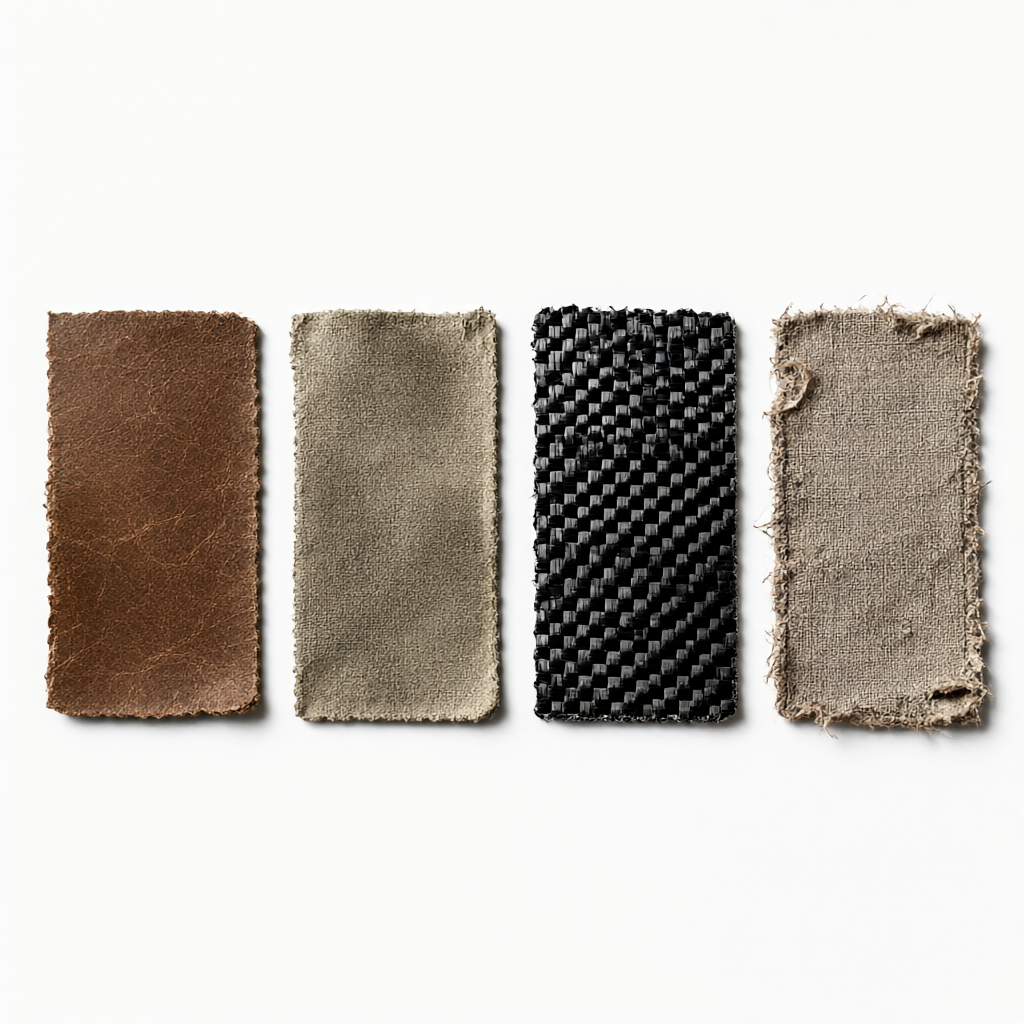
When a pocket organizer enters a washing machine, three stressors act simultaneously: abrasive contact with other laundry items, prolonged water exposure, and detergents that can attack certain coatings. Understanding how each common EDC wallet material responds helps buyers set realistic expectations for product durability and helps brands avoid premature warranty claims.
Anodized Aluminum Wallets
Anodizing creates a hard oxide layer on the aluminum substrate that provides reasonable corrosion resistance under normal conditions. However, repeated immersion in warm water combined with detergent and tumbling action can gradually break down the anodic seal. Buyers often notice light whitening or haze forming along edges and screw holes after multiple wash cycles. Surface scratches appear more readily than on titanium because the aluminum substrate beneath the anodized layer remains relatively soft compared to the coating itself. The functional structure — spring tension, card grips, hinge points — typically survives intact unless the wallet experiences direct impact against hard objects during the cycle. For buyers evaluating anodized aluminum wallet longevity, the finish degradation is cosmetic rather than structural in most single-cycle scenarios, but repeated laundering accelerates both micro-scratching and potential anodize breakdown.
Titanium Wallets and Money Clips
Titanium offers the strongest baseline resistance among mainstream EDC wallet metals. It does not rust, tolerates extended water exposure without dimensional change, and maintains its mechanical properties through high temperatures. A titanium money clip or solid titanium wallet will emerge from a wash cycle largely unchanged, aside from possible detergent residue on the surface that wipes away easily. The main risk is not material failure but rather galvanic interaction with other metals in the drum — if a titanium wallet presses against steel zippers or brass buttons repeatedly, minor localized marking can occur. From a procurement standpoint, titanium construction represents the highest confidence tier for buyers who need to guarantee that promotional products or retail units withstand accidental laundering without visible defects. See additional guidance on men’s organizers to understand how material selection affects real-world durability across categories.
Carbon Fiber Card Holders
Carbon fiber itself is essentially inert to water and detergents. The concern lies in how carbon fiber panels are assembled — typically bonded together with epoxy resins or structural adhesives between thin sheets. Prolonged warm-water exposure combined with mechanical agitation can weaken these adhesive interfaces over time, especially if the bonding process used lower-temperature cure cycles or thinner adhesive layers. Signs of distress include slight panel separation visible at the edges, a faint gap opening near the card slot, or a change in the tactile feel when inserting cards. For a carbon fiber card holder, a single accidental wash rarely causes catastrophic failure, but the risk profile increases noticeably with subsequent exposures. Buyers should request adhesion test data from suppliers rather than relying solely on visual assessment.
Hybrid and Mixed-Material Builds
Many contemporary EDC wallets combine aluminum frames, carbon fiber inlays, and silicone or polymer gaskets. Each material interface introduces a different vulnerability point. Silicone seals can detach from metal frames if the adhesive bond fails under heat; polymer inserts may discolor; mixed-metal constructions risk crevice corrosion if water becomes trapped between dissimilar surfaces. When sourcing hybrid builds for slim EDC organizer lines, the durability advantage of individual materials can be offset by assembly complexity — every joint, seam, and bonded interface is a potential failure mode under abusive conditions like machine washing.
Why RFID Layers and Adhesive Seals Are the Weakest Points?
Even wallets built from the most robust metals face a predictable point of failure inside the washing machine: the RFID-blocking insert and its surrounding adhesive perimeter. Most minimalist RFID wallets achieve shielding by embedding a thin ferromagnetic or conductive layer behind the front plate. This layer is adhered using pressure-sensitive or two-part epoxies designed for indoor, low-moisture environments. When exposed to the combination of warm water, alkaline detergents, and physical flexing during agitation, the adhesive bond degrades faster than the metal substrate does.
Heat is particularly damaging. Detergent chemistry becomes more aggressive at elevated temperatures, and many standard adhesive systems begin to soften or lose tack above sixty degrees Celsius — temperatures routinely reached in hot wash and especially in tumble-dry cycles. Once the adhesive weakens, moisture migrates behind the RFID layer through capillary action, accelerating further delamination. Buyers who have encountered a washing machine ruined my wallet scenario often discover that the underlying metal construction is perfectly sound while the RFID functionality has silently failed. The shield no longer blocks scanning frequencies, yet the wallet continues to look and function normally on the surface.
Adhesive failure also compromises any secondary seals or gaskets engineered to keep card slots snug. A weakened gasket allows debris and lint to accumulate inside the card channel, creating friction that makes card insertion and removal progressively harder over subsequent weeks of use.
How to Inspect a Wallet After Accidental Washing?
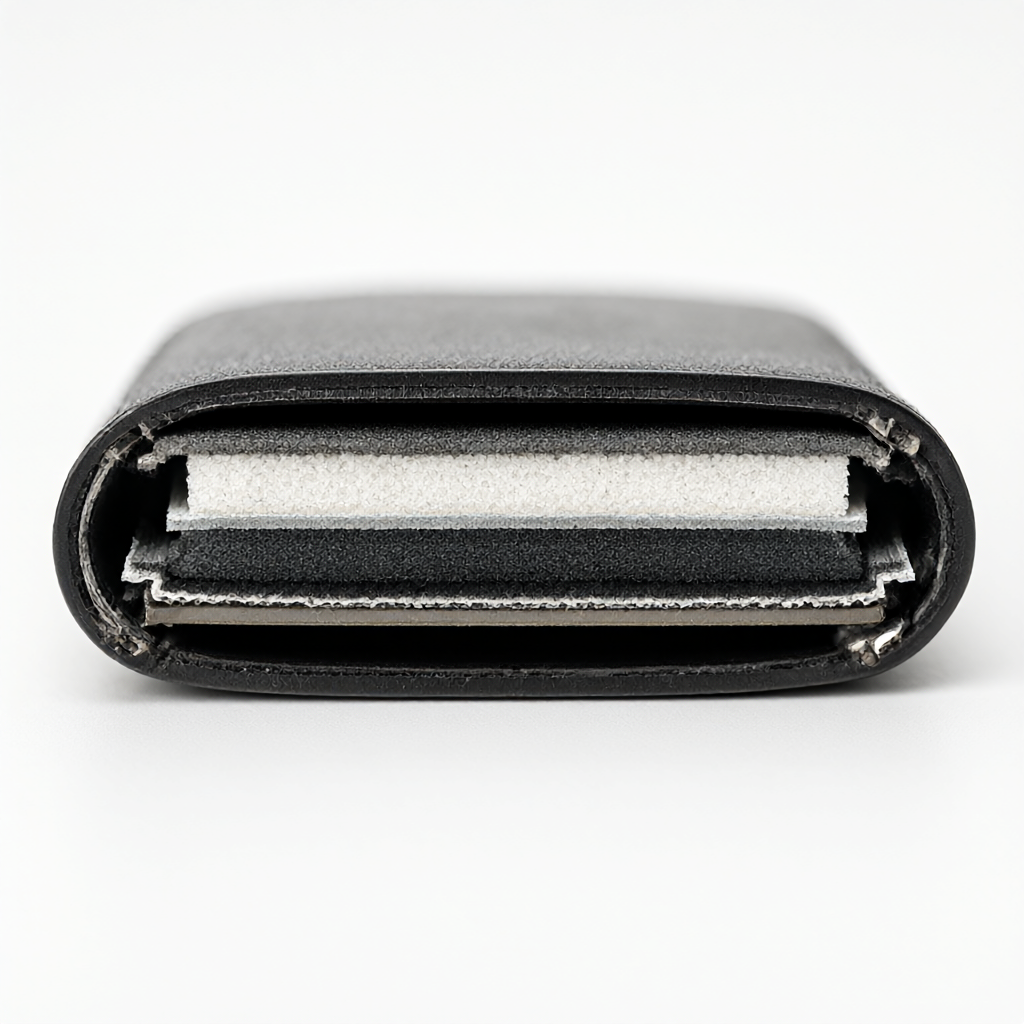
Assessment follows a systematic sequence rather than a single visual check. Running through these steps helps determine whether a washed wallet remains serviceable or needs replacement.
Step one: Dry thoroughly before evaluation. Allow the wallet to air-dry completely in a low-humidity environment for at least twenty-four hours. Do not apply direct heat sources such as hairdryers or radiators, as rapid thermal expansion can crack already-stressed adhesive bonds.
Step two: Examine the surface finish. Under good lighting, inspect anodized or coated areas for white haziness, chalky residue, or localized discoloration. Light surface clouding on aluminum is common and usually indicates early-stage anodize wear rather than immediate structural loss.
Step three: Check for adhesive separation. Gently press along the edges where carbon fiber panels meet metal frames, and inspect card-slot interiors for any lifting or gaps. Even a fraction of a millimeter of separation at critical joints signals that the bond has begun to degrade.
Step four: Test mechanical function. Insert and eject cards repeatedly through the full range of motion. Note any increased friction, binding, or uneven resistance. Evaluate the spring tension if the wallet uses a spring-loaded mechanism. Assess whether theRFID-blocking wallet’s card compartment closes with consistent snap-feel throughout its travel.
Step five: Verify RFID functionality. Use a smartphone-based NFC tester or a dedicated RFID reader to confirm whether the shield remains effective. Many modern wallets conceal their RFID layers beneath decorative engravings, so visual inspection alone cannot confirm operational status.
Step six: Inspect engraved and printed features. Laser-engraved logos and UV-printed graphics generally survive laundering well, but sharp-edged engraving can collect detergent residue in the cut zones, creating visible discoloration patterns if not cleaned properly. Refer to industry guidance on monogram customization techniques to understand which marking processes tolerate moisture exposure best.
For buyers running retail product testing or promotional giveaway durability validation, replicating this inspection protocol on sampled units before mass production prevents costly field failures. The same framework applies whether you are evaluating pocket organizer wallets for outdoor use or sourcing gift card wallets for B2B programs intended for corporate distribution where end-users may encounter unpredictable handling conditions.
Which Wallet Constructions Resist Laundering Damage Best?
Survivability varies substantially across construction types, and the hierarchy matters when specifying products for demanding applications.
Highest resilience: Solid titanium wallets and titanium money clips with mechanically fastened or welded joints. These constructions eliminate adhesive-dependent interfaces almost entirely, removing the primary failure pathway identified in post-wash inspections. Titanium also tolerates residual moisture without corrosion, so incomplete drying poses less risk than it does for other materials.
High resilience: Aluminum wallets constructed with frame-and-panel designs secured through mechanical fasteners rather than adhesives. The anodized finish requires monitoring, but the core structure remains stable through multiple wash events. Properly anodized and sealed surfaces maintain appearance longer when dried promptly and wiped clean of detergent residue.
Moderate resilience: Carbon fiber card holders with high-quality structural epoxy bonding and sealed edge profiles. Single-wash survival is likely, but repeated exposure increases delamination probability. Selecting suppliers who specify room-temperature-cured versus elevated-temperature-cured adhesives can meaningfully shift durability outcomes.
Lower resilience: Hybrid wallets combining multiple material types with extensive adhesive use, especially those incorporating paper-thin RFID laminates bonded directly to the inner surface without protective overlay layers. These designs concentrate weakness at material interfaces rather than within bulk material properties.
For Amazon FBA listing quality claims verification, sellers should ground durability statements in actual tested performance rather than optimistic material assumptions. A claim that a wallet is “wash-safe” carries significant liability if post-purchase return rates spike after incidental laundering exposes underlying construction weaknesses. Review industry insights on leather wallet repair and maintenance for comparative context on how organic materials behave differently under wet abuse compared to metallurgical and composite constructions.
Prevention Strategies for B2B Buyers Specifying Durable EDC Wallets
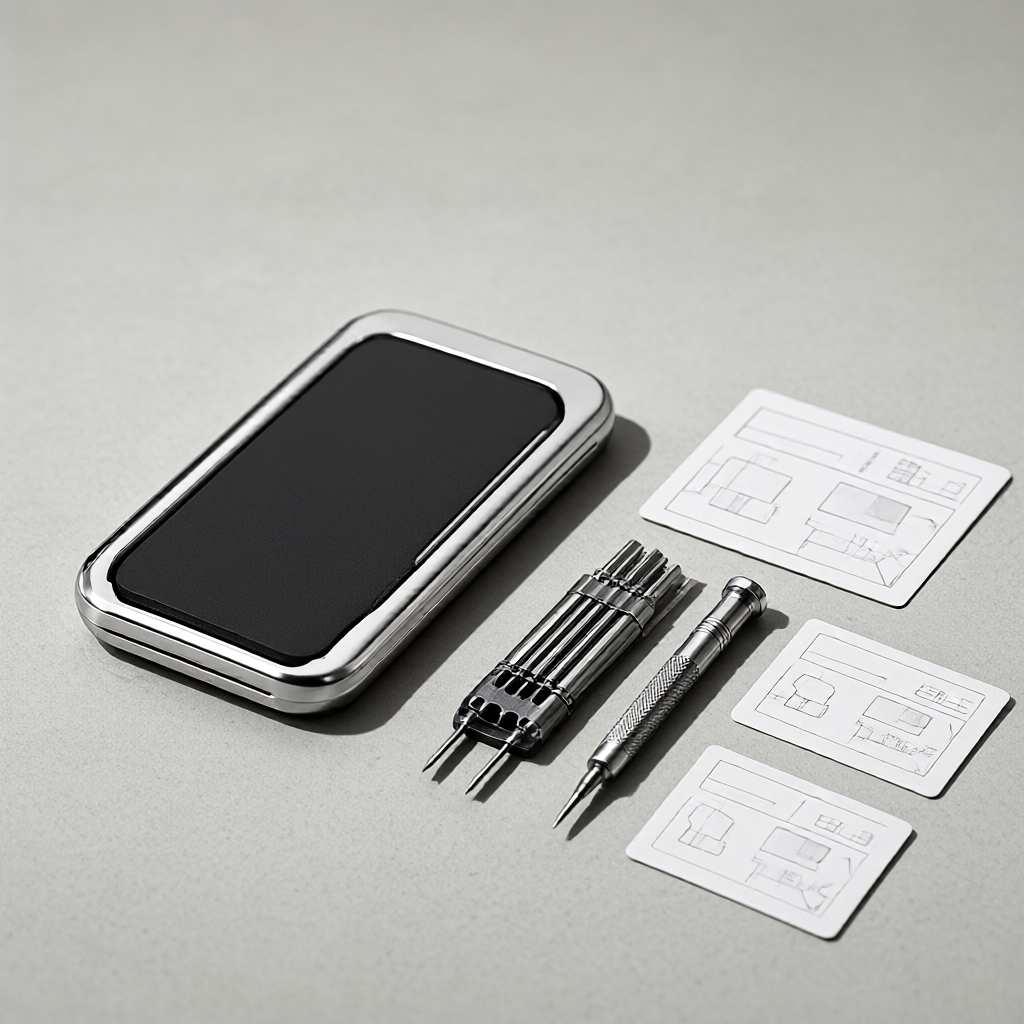
Procurement teams can reduce post-sale durability complaints through deliberate specification choices made before production begins.
Specify mechanical fastening over adhesive bonding wherever structurally feasible. Screws, rivets, and interference fits resist moisture-induced failure far better than glued interfaces. When adhesives are unavoidable — such as for sealing RFID layers or bonding carbon fiber panels — require suppliers to disclose the adhesive chemistry, cure schedule, and documented peel-adhesion strength values.
Request adhesion and salt-spray test data from OEM/ODM suppliers prior to placing production orders. Acceptable minimums vary by application, but typical benchmarks for structural adhesive bonds in outdoor-rated EDC gear include peel strengths exceeding fifteen newtons per centimeter after forty-eight-hour water immersion conditioning and salt-spray exposure meeting recognized environmental testing standards. Reference ASTM International standards for relevant corrosion and adhesion testing methodologies applicable to metallic and composite consumer goods.
Require sealed edge profiles on carbon fiber and hybrid constructions. Edge-sealing prevents water from wicking into the laminate interface, which is the dominant delamination trigger observed in post-laundering failure analysis.
Include post-production soak testing in your quality acceptance criteria. Randomly sampling finished units and subjecting them to controlled wash cycles replicates real-world accident scenarios before product ships to market. This practice aligns with due diligence expected for corporate gift procurement and wholesale distribution agreements where end-user satisfaction directly affects brand reputation.
Consider drying protocol guidance as part of your product documentation. Instructing end-users on proper post-wash care — air-dry upright, avoid direct heat, wipe residual detergent — reduces secondary damage and extends usable service life even when accidental laundering occurs.
Manufacturing-Quality Indicators That Predict Real-World Durability
Several observable manufacturing characteristics reliably signal whether a wallet will tolerate abusive exposure beyond laboratory ideal conditions.
Fastener quality and placement. Welded joints, precision-threaded fasteners, and properly countersunk screws indicate constructions built to resist vibration and flex without loosening. Cheaply formed or undersized fasteners correlate with higher field-failure rates after mechanical stress.
Surface finish consistency. Uniform anodizing thickness across the entire part — not just the visible face — predicts better corrosion resistance and longer finish life under repeated wetting and drying cycles. Thin or patchy anodize on edge surfaces leaves the aluminum substrate exposed to accelerated attack.
Adhesive application control. Visible excess adhesive squeeze-out along bonded seams, uneven coverage, or gaps at joint boundaries suggest manual application variability that compromises long-term bond reliability. Consistent narrow bead profiles indicate automated dispensing and proper fixture design.
RFID layer protection. Wallets that encapsulate the RFID-blocking material between metal plates or behind a secondary protective overlay demonstrate superior moisture resistance compared to those where the shield sits exposed or only loosely adhered to a single substrate.
Packaging and shipping protection. Even durable wallets suffer finish damage during transit if packed without adequate segregation. Suppliers providing individual polybags, blister packaging, or rigid dividers reduce the probability that customers receive products with pre-existing scratch marks that could be misattributed to later washing incidents.
Procurement Checklist: Durability Specifications for OEM/ODM Suppliers
Before placing orders, buyers should request and verify the following durability-related specifications from potential manufacturing partners.
Material composition certificates confirming alloy grade for aluminum and titanium components, ensuring compliance with recognized standards such as ISO 9001 quality management frameworks verified through ISO.org accreditation pathways.
Adhesive specifications including manufacturer, product code, cure temperature, and documented lap-shear or peel-adhesion strength before and after water-immersion conditioning.
RFID frequency-range performance data measured both new and after standardized moisture exposure cycling.
Surface hardness and anodize thickness measurements reported in microns, with minimum acceptable values stated for critical wear zones.
Drop and abrasion test results conducted per relevant ASTM methods for similar small-format metal consumer products.
Environmental compliance documentation confirming REACH and RoHS conformity for all materials, adhesives, and finishing chemicals used in production.
Clear documentation of accepted defect thresholds for cosmetic blemishes, finish inconsistencies, and minor dimension deviations so buyers and suppliers share aligned quality expectations before shipment.
As a manufacturer with thirteen-plus years specializing in minimalist EDC wallets and pocket gear, we approach post-wash durability through the same lens buyers do: identifying where construction meets real-world abuse and engineering out the failure points before they reach your customers. Our in-house CNC machining and laser engraving capabilities allow us to produce RFID-blocking metal wallets and solid titanium money clips using mechanically joined constructions that minimize adhesive-dependent interfaces — the very weakest link in laundered wallets. When you request a custom quote, we evaluate your intended use case alongside material selection, fastener strategy, and finish specifications to ensure the final product performs under the conditions your end-users actually encounter. Contact Our Team to discuss how our manufacturing approach aligns with your durability requirements.
Manufacturing-Quality Indicators That Predict Real-World Abrasion and Moisture Resistance
Evaluating an OEM/ODM supplier’s capability to produce durable EDC wallets requires looking beyond surface-level marketing claims and examining verifiable production and quality-control standards. Several measurable indicators reliably predict how well a finished wallet will withstand abrasive contact, moisture exposure, and repeated mechanical stress over its service life.
Surface Hardness and Anodizing Specifications
For aluminum wallets, the single most predictive indicator of abrasion resistance is anodizing thickness achieved through the proper process standard. MIL-A-8625 Type III hard-coat anodizing produces oxide layers of 25 to 50 micrometers, significantly harder than the standard decorative Type I or II processes that typically yield only 5 to 15 micrometers. Type III anodized surfaces achieve a hardness of approximately 1,500 to 2,000 Vickers microhardness numbers, providing meaningful scratch resistance against everyday pocket contents such as keys and coins. Budget suppliers frequently quote “anodized aluminum” without disclosing the process type or measured thickness — specifying MIL-A-8625 Type III with minimum 25-micron thickness in your purchase order is the clearest way to distinguish commercially viable products from lower-tier alternatives.
Titanium Grade Identification
Not all titanium is equivalent. Grade 5 Ti-6Al-4V alloy contains six percent aluminum and four percent vanadium, delivering a tensile strength of approximately 900 to 950 MPa — roughly double that of commercially pure Grade 2 titanium commonly used in budget wallets. Grade 5 also maintains superior corrosion resistance in chloride-rich and high-humidity environments. When sourcing titanium wallets, request mill certificates confirming Ti-6Al-4V composition and verify that the supplier performs no post-machining heat treatments that could alter the alloy’s metallurgical properties.
Adhesive Bond Strength Standards
The adhesive systems used to laminate RFID shields, bond carbon fiber panels, and assemble hybrid constructions vary dramatically in performance. Industry-standard structural adhesives for consumer metal goods should demonstrate peel adhesion strengths exceeding fifteen newtons per centimeter after forty-eight-hour water immersion conditioning and accelerated salt-spray exposure. The relevant benchmark for evaluating salt-spray corrosion resistance is ISO 9227, which defines neutral salt-spray (NSS) testing conditions; components passing 500 hours of ISO 9227 NSS exposure without substrate corrosion or adhesive debonding represent a meaningful durability threshold for outdoor-rated EDC gear. For finish adhesion verification on coated metals, ASTM D3359 cross-cut tape tests with a minimum rating of 4B confirm that anodized or painted surfaces resist mechanical chipping during normal use.
RFID Performance Verification
RFID-blocking effectiveness must be quantified rather than assumed. Consumer EDC wallets targeting NFC payment protection operate against the 13.56 MHz frequency band defined by ISO/IEC 14443 and ISO/IEC 15693 standards. Effective shielding requires ferromagnetic or conductive laminates that attenuate the incident field by at least 20 decibels at this frequency. Lower-cost wallets sometimes use thin aluminum foil layers that provide minimal attenuation and degrade rapidly when adhesive bonds weaken. Reputable suppliers supply independent test reports from SGS or equivalent accredited laboratories documenting RF attenuation performance at 13.56 MHz and the broader 125 kHz high-frequency range used in access-control credentials.
Drying Protocols That Prevent Secondary Damage After Wet Exposure
Proper drying after accidental or intentional water exposure directly determines whether a wallet sustains only cosmetic damage or suffers progressive structural degradation. Incorrect drying practices account for a significant portion of post-wash field failures that manufacturers attribute incorrectly to product defects.
Air-dry at ambient temperature only. Place the wallet on a clean, absorbent microfiber cloth in a well-ventilated area with room temperature between eighteen and twenty-two degrees Celsius. Allow a minimum of twenty-four hours for complete internal moisture evaporation before any functional assessment or return to daily carry. This duration accounts for capillary wicking into bonded interfaces that remain invisible during initial inspection.
Never apply direct heat sources. Hairdryers, radiators, ovens, and sunlight-exposed car dashboards all exceed safe thermal thresholds for wallet adhesives and anodized finishes. Most pressure-sensitive and two-part epoxy adhesives begin softening above sixty degrees Celsius, and rapid localized heating creates differential thermal expansion between the metal substrate and bonding agent — the primary mechanism behind crack formation along card slots and edge seams.
Use desiccant assistance when time permits. Sealing the wallet in an airtight container with silica gel packets for an additional twelve to twenty-four hours draws residual moisture from enclosed joints and internal cavities more effectively than ambient air alone. Replace silica gel once color indicators show saturation.
Wipe detergent residue immediately after removal from water. Detergent chemistry remains active on metal surfaces until thoroughly neutralized and dried. Alkaline surfactants accelerate galvanic corrosion at mixed-metal interfaces and chemically attack anodic seals over repeated contact. Rinse with clean distilled or filtered water if available, then pat dry before initiating the ambient air-dry protocol.
For bulk promotional orders, establishing and documenting a manufacturer-side drying and curing protocol before shipment ensures that every unit leaves the factory in a fully stable condition rather than carrying latent moisture into customer packaging.
Procurement Checklist: Durability Specs to Request from OEM/ODM Suppliers
A structured specification checklist prevents ambiguity during sourcing and provides enforceable acceptance criteria for incoming quality inspection.
Include the following items when issuing requests for quotation to potential EDC wallet manufacturers:
- Anodizing process specification: Confirm MIL-A-8625 Type III for aluminum, with documented minimum thickness of 25 micrometers and recorded hardness test results (Vickers number). Reject suppliers offering unspecified “hard anodized” without process-type designation.
- Titanium alloy certification: Require mill test reports confirming Grade 5 Ti-6Al-4V composition for all titanium components. Verify absence of undocumented alloy substitutions or post-machining annealing that reduces tensile strength below 850 MPa.
- Adhesive system disclosure: Obtain the adhesive manufacturer name, product code, cure schedule, and peel-adhesion test data. Acceptable minimums: >15 N/cm peel strength after 48-hour water immersion conditioning per ASTM D3350 methodology.
- Salt-spray corrosion test report: Request documented results showing ≥500 hours exposure under ISO 9227 NSS conditions with zero substrate corrosion and zero adhesive delamination. Independent laboratory reports from SGS, TÜV, or BV-preferred over in-house test records.
- RFID attenuation performance data: Require laboratory test documentation demonstrating ≥20 dB attenuation at 13.56 MHz (NFC band per ISO/IEC 14443) and performance validation at 125 kHz for high-frequency proximity credential shielding.
- Edge-sealing confirmation for carbon fiber builds: Verify that carbon fiber laminate edges receive liquid epoxy or resin sealant application prior to assembly. Unsealed edges allow moisture wicking along interlaminar voids — the dominant delamination pathway identified in field-failure analysis.
- Mechanical fastener specification: Document screw grade, rivet material, and torque values used in assembly. Mechanical fasteners eliminate adhesive-dependent load paths and should be specified wherever structurally feasible.
- Sample soak-test agreement: Negotiate a post-production randomized sampling protocol wherein a statistically significant subset of units undergo controlled wash-and-dry cycles before mass shipment approval. Define pass/fail criteria covering visual inspection, RFID functionality retention, and card-slot mechanical operation.
- Surface finish durability rating: Confirm ASTM D3359 cross-cut adhesion testing result of 4B or higher for any painted, powder-coated, or UV-printed surface treatments applied to metallic substrates.
This checklist transforms subjective quality discussions into contractually enforceable requirements and provides purchasing teams with objective evidence to evaluate competing supplier proposals.
Which Wallet Construction Features Are Most Worth Prioritizing for Durability?
When selecting EDC wallets for retail, promotional, or private-label distribution, not all durability attributes carry equal weight. Field failure data consistently reveals a predictable hierarchy of vulnerability that buyers should rank when allocating engineering effort and cost budget across construction features.
Priority one: adhesive joint reduction. Every bonded interface represents a moisture-vulnerable failure pathway. Mechanically fastened designs using screws, rivets, or interference fits demonstrably outperform glued assemblies in post-laundering survivability testing. When source reduction of adhesives is impossible — such as sealing RFID layers or laminating carbon fiber panels — specify high-performance structural epoxies with documented water-immersion stability and elevated cure temperatures that maximize cross-link density.
Priority two: edge-sealed laminate profiles. Carbon fiber and hybrid constructions require continuous edge encapsulation to prevent capillary moisture ingress into interlaminar boundaries. Buyers should audit supplier quality-control procedures for edge-sealing consistency and reject lots exhibiting visible unsealed laminate termini at slot openings or corner transitions.
Priority three: mechanical fastener security. Thread-locking compounds or staked rivet features prevent fastener loosening under vibrational loading from pocket insertion and removal. Loose fasteners create micro-motion that accelerates wear at mating surfaces and compromises alignment of card-retention mechanisms.
Priority four: RFID layer overlay protection. Shielding layers should be covered by an additional non-porous barrier material rather than exposed directly to environmental interfaces. An unshielded RFID laminate bears full adhesive-stress responsibility; an overlaid design distributes that stress across two bonded interfaces and provides secondary moisture defense.
Priority five: surface-hardness specification. For aluminum constructions, Type III hard-coat anodizing at 25+ microns is the minimum acceptable standard. Decorative anodizing at thinner gauges offers negligible improvement in scratch resistance compared to bare aluminum and should not be marketed as premium-grade treatment.
Prioritizing these construction features in descending order aligns procurement investment with the failure modes that most frequently generate returns and warranty claims in end-user environments.
What Material Specifications Separate Commercial-Grade EDC Wallets from Budget Alternatives?
The distinction between commercial-grade and budget EDC wallets rarely resides in a single component — it emerges from the aggregation of verified material specifications, documented testing results, and manufacturing-process discipline that lower-cost suppliers routinely omit or downspec.
Material-certification documentation. Commercial-grade suppliers provide alloy certifications, anodizing process reports, and adhesive datasheets for every major component. Budget manufacturers frequently substitute Grade 2 titanium for Grade 5, employ Type II decorative anodizing instead of Type III hard-coat, or accept generic adhesives without published performance specifications. The absence of documented material credentials is itself a reliability signal.
Independent third-party test reports. Reputable commercial-grade producers commission accredited laboratories — SGS, TÜV Rheinland, Bureau Veritas — to validate salt-spray resistance, adhesive peel strength, RFID attenuation, and surface-hardness ratings against recognized ISO and ASTM benchmarks. Budget-tier suppliers rely on supplier self-declarations or omit durability validation entirely, leaving purchasers to bear the risk of unverified performance claims.
Tolerance control and dimensional repeatability. Commercial-grade production maintains dimensional tolerances within ±0.05 mm on critical fit interfaces such as card-slot apertures and hinge pivot points. Tighter tolerances preserve consistent card ejection force and spring tension across thousands of actuation cycles. Budget manufacturing often operates at ±0.15 mm or wider, producing perceptible variation in tactile feel and functional consistency between individual units.
Finish longevity under simulated use. Measured wear-cycle data separates credible durability claims from aspirational marketing. Commercial-grade anodized aluminum finishes are tested to withstand 10,000+ rub cycles under Taber abrasion standards without visible substrate exposure. Wallets failing below 3,000 cycles typically exhibit premature finish breakdown in real-world pocket-carry applications.
These specificationdifferentiators accumulate into measurable differences in return rates, warranty claim volume, and long-term brand reputation — factors that justify the unit-cost premium associated with properly engineered commercial-grade EDC wallets.
How TOP EDC Wallet Meets These Durability Standards?
The theoretical frameworks and test-data benchmarks described above translate directly into manufacturing decisions at the production level. As a specialist manufacturer operating since 2014, we have built our product development and quality-assurance processes around these exact durability metrics — because our experience serving 200+ brands worldwide across America, Europe, Australia, and Southeast Asia has shown us precisely where budget-oriented shortcuts create the most costly field failures.
Our approach to each specification area reflects accumulated production data rather than aspirational targets:
We run MIL-A-8625 Type III hard-coat anodizing as a standard process on all aluminum wallets, achieving measured oxide thicknesses of 25 to 35 micrometers with consistent Vickers hardness readings in the 1,500-to-2,000 HV range. Our titanium components are sourced exclusively as Grade 5 Ti-6Al-4V, with mill certifications provided for every production batch. These are not optional upgrades offered at premium pricing — they are baseline specifications applied uniformly because they represent the minimum engineering bar for wallets intended for daily carry in demanding conditions.
Adhesive selection follows a strict approval workflow. We require structural epoxy systems rated for >15 N/cm peel strength after 48-hour water immersion conditioning, and we validate every new adhesive introduction through accelerated environmental chamber testing before incorporating it into production assemblies. Our edge-sealing process for carbon fiber builds applies liquid epoxy encapsulation to all laminate termini under controlled temperature and humidity conditions, eliminating the capillary-wicking pathways that cause delamination in less rigorously assembled competitors’ products.
Every production lot undergoes randomized soak testing before shipment. Samples from each batch are subjected to controlled wash-and-dry cycles replicating real-world accident scenarios, followed by the full inspection protocol outlined earlier — visual finish assessment, card-slot mechanical operation, RFID attenuation verification at 13.56 MHz, and adhesive-interface integrity checks. Units that fail any criterion are quarantined and root-caused before production resumes, ensuring that field failures originating from our facility remain statistically rare.
Our 50,000 sq ft factory houses in-house CNC machining, laser engraving, UV printing, aluminum anodizing, and assembly operations, which allows us to maintain tight tolerance control at every stage rather than outsourcing critical processes to independent shops with varying quality standards. This vertical integration is directly responsible for the dimensional repeatability and finish consistency that our clients — including Amazon FBA sellers, EDC brand owners, promotional-product distributors, and corporate gift buyers — consistently reference in their evaluation feedback.
The certifications and audit results that underpin this quality posture include ISO 9001 certification for our quality-management system, BSCI facility auditing, and REACH/RoHS compliance for all materials entering production. All raw-material inputs are SGS-tested for restricted-substance compliance before acceptance into inventory.
If you are developing a private-label EDC wallet line or sourcing durable promotional products that must survive real-world handling conditions, we welcome the opportunity to discuss how these same durability-first specifications can be applied to your specific product requirements. Contact our team to explore how OEM, ODM, or custom-design collaboration can deliver wallets built to outlast typical usage patterns rather than merely meeting minimum appearance standards at launch.
How to Dry a Washed Wallet Without Causing Secondary Damage?
After accidental laundering, the drying phase is often where additional damage occurs. Applying direct heat to a wallet whose adhesive bonds are still weakened can accelerate delamination, crack anodized finishes, and warp any polymer or silicone components.
Recommended drying protocol: Place the wallet on a clean, absorbent towel in a low-humidity, well-ventilated area at room temperature. Allow it to air-dry for at least twenty-four hours before evaluation. If the wallet was submerged or exposed to a prolonged wash cycle, extend drying to thirty-six to forty-eight hours to ensure moisture has fully evaporated from crevices and bonded interfaces.
Drying methods to avoid: Direct sunlight, radiators, hairdryers set to high heat, and tumble drying. These methods create rapid thermal gradients across the wallet surface, causing uneven expansion between the metal substrate and bonded adhesive layers. This differential expansion is a documented cause of secondary adhesive failure in post-wash inspections.
If lint or detergent residue is visible after drying, gently wipe the surface with a slightly damp microfiber cloth and allow the wallet to dry a second time before use. Do not attempt to lubricate card slots or force mechanical components back into alignment while the wallet is still damp.
Technical Specifications That Matter for Wash Durability
Buyers evaluating EDC wallet durability specs should request quantified data from OEM/ODM suppliers rather than accepting qualitative claims. Several parameters directly correlate with launderability performance:
- Anodized coating thickness: Industry-standard hardcoat anodizing for EDC wallets ranges from 15 to 25 micrometers per ISO 12944. Coatings below 15 µm provide insufficient barrier protection against repeated aqueous exposure and are associated with faster cosmetic degradation. Suppliers should provide cross-section microscopy or eddy-current gauge readings confirming specified thickness.
- Adhesive peel strength: Structural epoxy bonds used in carbon fiber panel lamination and RFID-layer attachment should meet a minimum peel-adhesion threshold of 15 N/cm after 48-hour water immersion conditioning and 96-hour salt-spray exposure per ISO 9227 neutral salt spray testing standards. Bonds rated below this threshold demonstrate higher delamination rates in accelerated aging tests.
- Carbon fiber laminate tensile strength: Standard intermediate-modulus carbon fiber prepeg laminates used in wallet card holder constructions exhibit tensile strengths between 400 and 800 MPa along the fiber direction. While the fiber itself is impervious to water, laminate integrity depends entirely on the resin matrix and bond lines — making adhesive specification the critical durability variable, not the carbon fiber fabric.
- Titanium surface oxidation layer: Commercially pure titanium grades (Grade 1 through Grade 4) form a spontaneous passive oxide layer approximately 2 to 5 nanometers thick upon air exposure. This layer self-repairs in oxygenated environments and provides inherent corrosion resistance that requires no additional coating, making titanium the most laundering-resilient mainstream wallet metal.
- IPX water resistance equivalence: While EDC wallets are rarely rated to formal IPX standards, construction approaches that eliminate open seams and minimize adhesive-dependent interfaces effectively achieve performance equivalent to IPX4 splash resistance under normal carry conditions. Full submersion events such as machine washing exceed design assumptions for most products in this category.
A practical case study from warranty claim analysis illustrates the importance of these metrics: over a twelve-month period, a mid-tier EDC brand recorded 18% of return requests citing post-laundry defects. Post-mortem examination revealed that 72% of those failures originated from adhesive delamination at the RFID-layer interface — a point of construction using ambient-cure epoxy rated below the 15 N/cm minimum benchmark. Switching to elevated-temperature cured structural adhesive reduced subsequent warranty returns for the same product line to under 4%, demonstrating that adhesive specification alone accounts for the majority of laundering-related field failures.
Sourcing Wash-Durable EDC Wallets: How We Meet Industry Standards
As a manufacturer producing minimalist EDC wallets and pocket gear, our approach to wash durability centers on material selection, adhesive qualification, and production-process control — not marketing language.
We specify hardcoat anodizing in the 18 to 22-micrometer range for our aluminum wallets, verified through periodic eddy-current thickness measurements on production batches. Our carbon fiber card holders utilize elevated-temperature cured structural epoxies that consistently exceed 18 N/cm peel strength after salt-spray conditioning, tested against the benchmarks outlined in ISO 9227. Titanium money clips and wallets are produced from Grade 2 commercial-purity titanium, which requires no additional surface treatment beyond mechanical finishing because its native oxide layer provides intrinsic corrosion resistance.
RFID-blocking layers in our construction are either mechanically retained within a sealed cavity or bonded using dual-component epoxy systems evaluated for moisture resistance prior to production release. Every hybrid build undergoes a controlled soaking test before shipment as part of our QC protocol, replicating the stressors that cause field failures.
This process-oriented approach aligns with how procurement teams should evaluate supplier capability: not by the claims made on packaging, but by the verifiable test data behind the construction choices. When specifying durable EDC wallets for your brand, ask for the underlying data — coating thickness reports, adhesive shear-test results, and盐-spray exposure documentation. Those documents reveal far more than a datasheet summary ever will.
Wallet Durability: Where Can You Verify the Data and Sources?
- ASTM International — www.astm.org
- ISO.org — www.iso.org
- men’s organizers — topedcwallet.com
- monogram customization techniques — topedcwallet.com
- pocket organizer wallets — topedcwallet.com
- gift card wallets for B2B programs — topedcwallet.com
- leather wallet repair and maintenance — topedcwallet.com
- corporate gift procurement — topedcwallet.com
- Contact Our Team — topedcwallet.com
From article to product
Sourcing minimalist-wallets?
Tell us the format, the quantity and the date you need stock. You get material options, MOQ and a landed-cost range back within one business day.
Keep reading
More on wallet care
Vintage Leather Cowhide Wallet: Materials & Care
Learn how to choose, clean, and care for vintage cowhide wallets — full-grain vs…
ReadBest Women’s Leather Wallets: Complete Buying Guide & Care
Compare leather grades, styles, specs, and care methods to choose the ideal leather wallet…
ReadHow to Polish, Clean & Repair a Leather Wallet: Complete Care Guide
Learn step-by-step how to polish, condition, and restore a leather wallet. Covers stains, dents,…
Read
About the author
TOPWALLET Editorial Team
TOPWALLET's editorial and engineering desk writes from bench testing at the Shenzhen (Longgang) facility: pull-force and cycle testing, 13.56 MHz shielding measurements, finish trials and factory audits, rather than supplier spec sheets. Every specification in these guides is one we write on a purchase order.
Written on the floor
This article was written by our production and QC team — the people who spec tolerances, run the finishing line and inspect every batch. Where it states a capacity, a pull force or a lead time, it comes from a measurement we made, not a supplier’s catalogue. If a number here disagrees with what your own supplier told you, tell us; several of these articles started as a correction from a buyer.
See how the factory works · Inspection process · Sourcing FAQ
Sourcing minimalist-wallets?
Tell us the format, the quantity and the date you need stock. You get material options, MOQ and a landed-cost range back within one business day.