

A gift card wallet is a compact pocket organizer engineered to securely hold gift cards, credit/debit cards, folded cash, and sometimes keys — replacing the bulky traditional billfold. In B2B contexts, these function as branded promotional items or private-label retail products, manufactured from aluminum, stainless steel, carbon fiber, or titanium, and outfitted with RFID-blocking shielding, slim expansion mechanisms, and custom laser engraving or UV printing. Buyers sourcing gift card wallets in volume should evaluate material grade, RFID attenuation performance at 13.56 MHz, customization methods, MOQ, lead time, and manufacturer certifications before placing a bulk order.
Gift Card Wallets For B2B Sourcing: What Is the Quick Answer?
A gift card wallet is a compact pocket-sized organizer engineered to securely hold gift cards, credit and debit cards, folded cash, and sometimes keys — replacing the bulky traditional billfold while keeping essentials front-and-center. In a B2B context, it functions as either a branded promotional item or a private-label retail product, manufactured from metals such as aluminum or stainless steel, reinforced with carbon fiber or titanium, and outfitted with RFID-blocking shielding, slim-profile expansion mechanisms, and custom engraving or printing to match brand identity.
Buyers looking to source gift card wallets in volume should evaluate material grade, RFID performance, customization methods, minimum order quantity, lead time, and manufacturer certifications before placing a bulk order.
Gift Card Wallets For B2B Sourcing: How Does It Work in Detail?
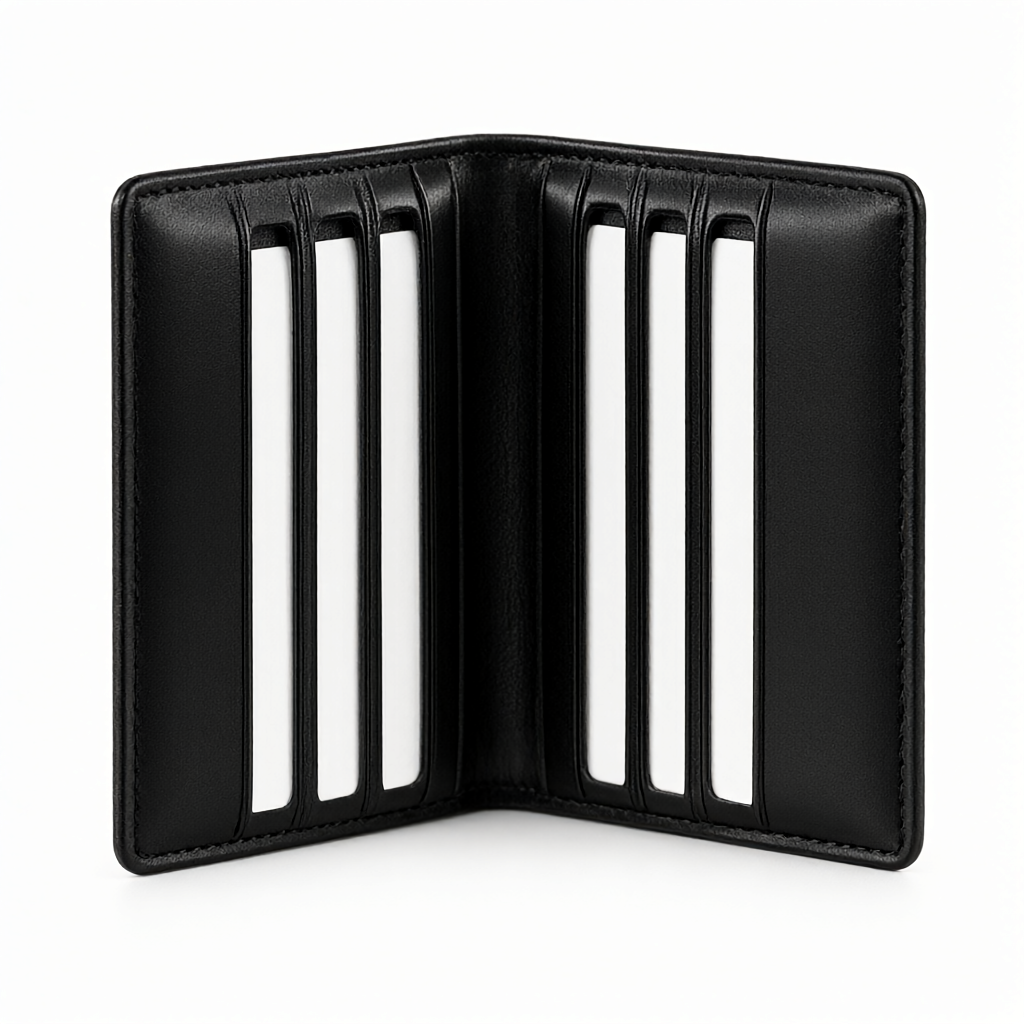
What Problem Does a Gift Card Wallet Solve?
Traditional leather or fabric wallets were designed around folded paper currency and dozens of cards — an configuration most professionals no longer carry. With contactless payments, digital cards, and slim smartphones occupying front pockets, many people have shifted toward carrying only three to eight cards and a small amount of cash. A gift card wallet addresses that behavioral shift by compressing everyday essentials into a single slim profile that fits comfortably in a front pocket without creating a visible bulge.
For buyers in the promotional, corporate gifting, and private-label spaces, the gift card wallet also solves a different problem: brand visibility. A compact metal wallet is something recipients actually use daily, which means repeated exposure to a logo, branding, or design. Unlike a pen or a keychain that gets discarded within months, a well-made metal card holder tends to remain in rotation for years — making it a durable vehicle for brand recall.
Why Do Material Choices Matter for Bulk Orders?
Material selection drives weight, durability, cost, surface finish options, and perceived quality — all factors that influence whether a gift card wallet succeeds as a promotional item or a retail product.
Aluminum wallets are the most common entry point for B2B orders. Anodized aluminum is lightweight, corrosion-resistant, and accepts laser engraving, UV printing, and color finishes efficiently. It sits at a favorable price-to-performance ratio for mid-tier promotional programs.
Stainless steel provides higher scratch resistance and a heavier, more substantial feel. It typically commands a higher unit cost but delivers longer wear life in high-use environments. Buyers prioritizing premium perception often select stainless steel for executive gifts.
Carbon fiber combines extreme lightness with high structural rigidity. It carries a distinctive textured appearance and is popular among outdoor-oriented brands. Carbon fiber panel construction usually involves bonding thin sheets onto an aluminum or steel core, which keeps costs manageable while delivering visual impact.
Titanium money clips sit at the premium end of the category. Titanium offers superior strength-to-weight ratio and natural biocompatibility, but the material cost and machining difficulty push unit pricing above aluminum and carbon fiber options. Titanium is generally reserved for niche luxury programs rather than broad promotional distribution.
Each material choice involves a trade-off between cost, weight, aesthetics, and customization method compatibility. Aluminum supports the widest range of engraving and printing techniques at the lowest per-unit cost; titanium delivers the highest perceived value at the highest price.
How Does RFID Blocking Protect Stored Cards?
Radio-frequency identification (RFID) fraud involves an unauthorized scanner reading the chip embedded in contactless payment and government ID cards from a short distance. While the actual risk of large-scale RFID skimming remains debated across security research, major card networks and regulators acknowledge that the technology exists, and many consumers prefer an extra layer of protection.
An RFID-blocking wallet works by integrating a conductive barrier — typically a sheet of metal mesh or a ferrous alloy layer — inside the wallet body. This barrier creates a Faraday cage effect that attenuates the radio waves used by contactless readers, preventing them from reaching the card chip.
Performance depends on material thickness, coverage area, and test methodology. According to testing frameworks such as ASTM standards for electromagnetic interference shielding, effective RFID attenuation generally requires a shielding material that covers both the front and back of the stored card stack with minimal gaps. Buyers evaluating suppliers should request test data showing decibel reduction at 13.56 MHz — the frequency used by most contactless payment and access control systems — rather than accepting vague marketing claims.
What Customization Methods Are Available for Corporate Branding?
B2B buyers typically choose from three main customization approaches for gift card wallets:
Laser engraving etches a logo, monogram, or message into the surface material. On aluminum and stainless steel, this produces a permanent mark that does not fade, peel, or rub off. Engraving depth and contrast depend on material finish — matte anodized surfaces accept the highest-contrast engravings. Laser engraving works best for simple geometries and text; intricate photographic detail translates poorly regardless of printer resolution.
UV printing deposits cured ink directly onto the wallet surface, allowing full-color logos, gradients, and complex artwork. UV printing adheres well to coated metal and composite surfaces but generally sits on top of the material rather than becoming part of it. Over extended abrasion cycles, printed designs may show more wear than engraved marks, though modern UV curing processes have significantly improved durability.
Custom packaging and retail box design complete the unboxing experience and are often decisive for retail channel success. Buyers should evaluate whether the supplier can produce insertion cards, hang tags, window boxes, and foam inserts rather than shipping products in plain poly bags. Packaging capability also matters for Amazon FBA compliance, where carton labeling and FNSKU barcoding are required.
Additional customization may include spring tension adjustment (to accommodate thicker card stacks), coin pocket integration, and keyring attachment points. These modifications affect tooling complexity and lead time.
Gift Card Wallets For B2B Sourcing: Which Specifications Matter Most?
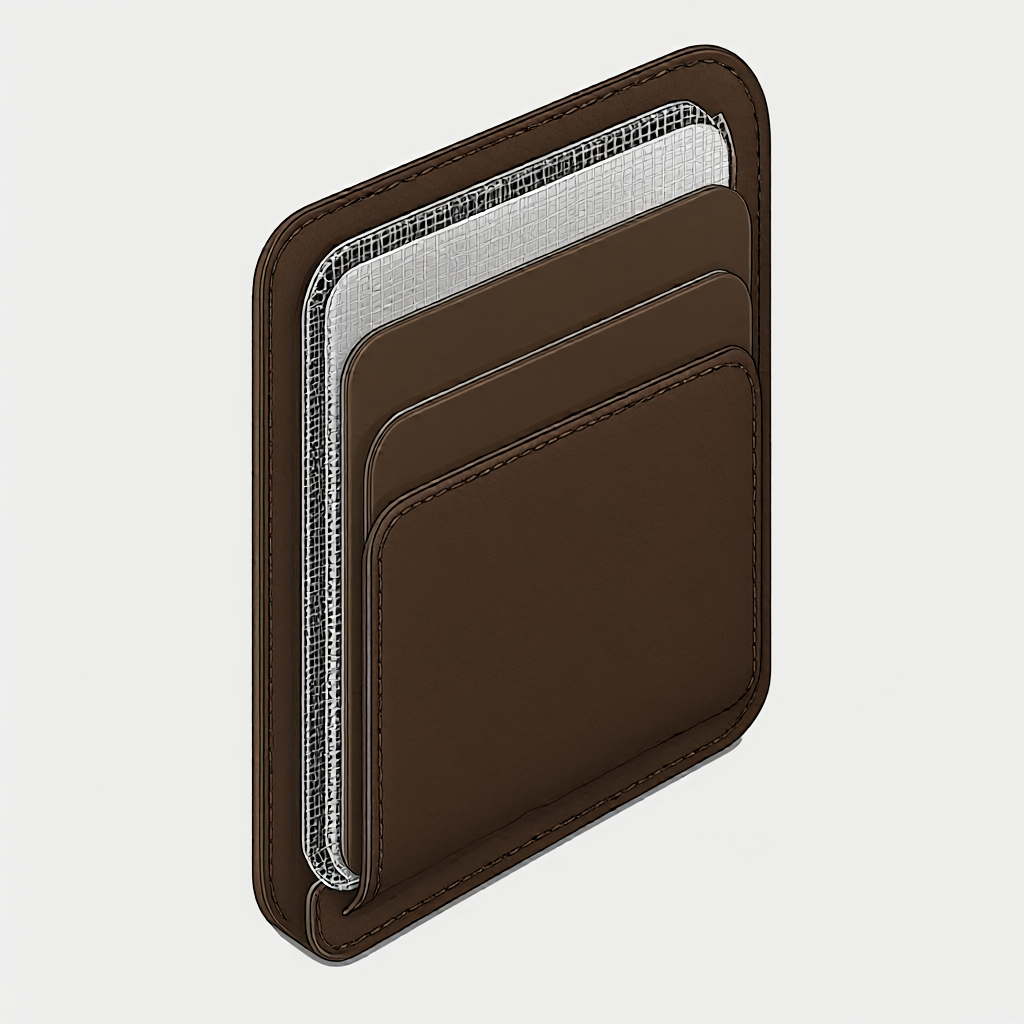
What Are the Typical Specs for a Gift Card Wallet?
| Specification | Typical Range | Notes |
|---|---|---|
| Card capacity | 4–12 cards | Varies by mechanism and material thickness |
| Cash slots | 1–2 accordion slots | Folds bills to roughly one-third length |
| Overall dimensions | ~85 × 60 mm | Standard credit-card sized footprint |
| Thickness (closed) | 8–16 mm | Depends on card stack and material |
| Weight (aluminum) | 40–70 g | Carbon fiber versions often lighter |
| Weight (titanium) | 50–90 g | Dense material despite slim form |
| RFID blocking | 95%+ attenuation at 13.56 MHz | Request test data from supplier |
| Surface hardness (anodized Al) | 300–600 HV | Harder anodizing resists scratching |
| MOQ | 100–500 pcs | Lower for stock items; higher for full custom |
| Sample lead time | 5–10 working days | For proofing and approval |
| Mass production lead time | 15–30 working days | Depends on order size and customization depth |
These ranges represent typical industry norms for minimalist wallet programs produced by contract manufacturers serving promotional and private-label channels. Actual specifications vary by factory capability, material selection, and the extent of customization requested.
What Dimensions and Capacity Trade-offs Should Buyers Expect?
Slimmer profiles naturally reduce card capacity. A wallet measuring 8 mm closed will comfortably hold four to six cards plus folded cash but will strain if loaded beyond that threshold. Expanding to 14 mm typically allows ten or more cards with maintained function. Buyers should align the target specification with their intended use case: executive gifts prioritize slim aesthetics, while promotional distribution for general consumers may benefit from higher capacity.
Gift Card Wallets For B2B Sourcing: Which Standards and Certifications Apply?
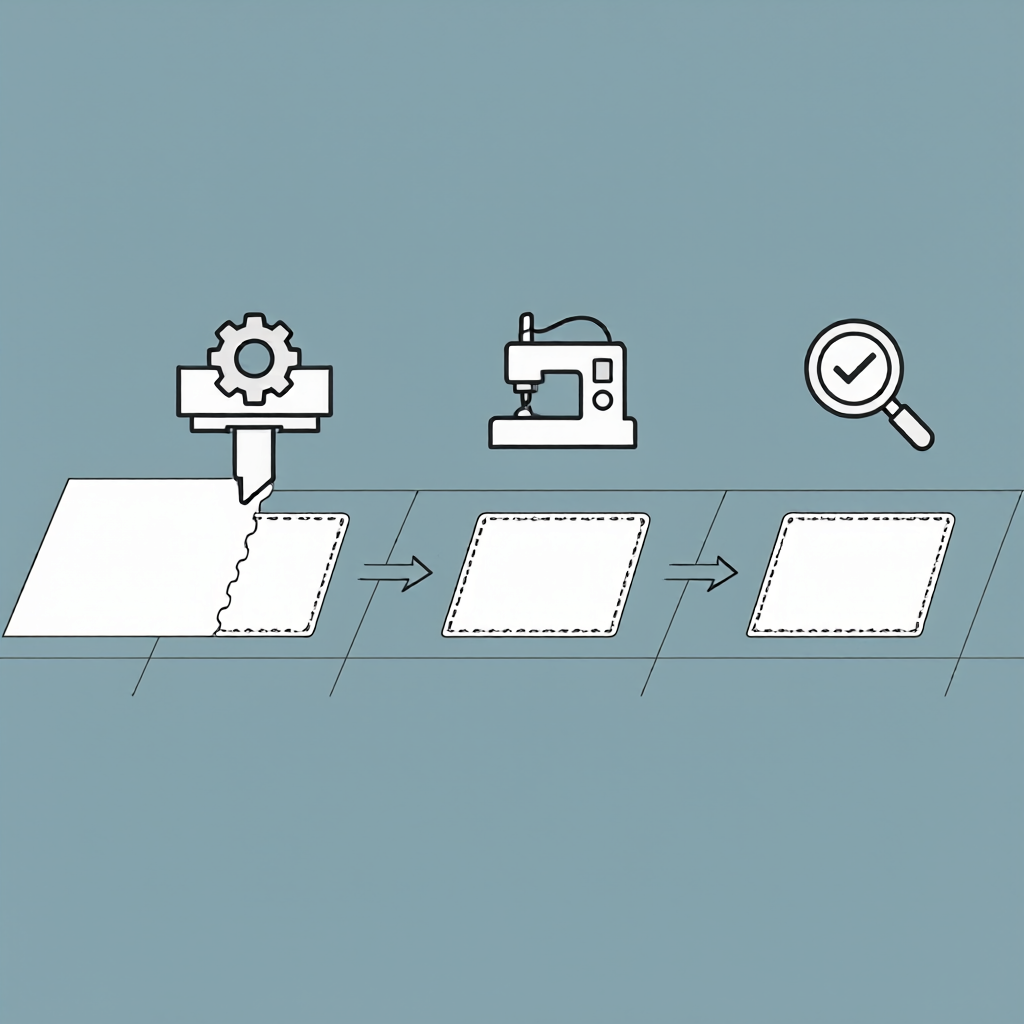
What Standards Apply to B2B Gift Card Wallet Sourcing?
Quality assurance for metal EDC wallets rests on several overlapping standards and compliance frameworks. Understanding these helps buyers evaluate suppliers beyond price alone.
ISO 9001 certifies that a manufacturer operates a documented quality management system covering design control, incoming inspection, in-process checks, and finished goods release. When evaluating a potential supplier, requesting a valid ISO 9001 certificate is a baseline step. Certification bodies accredited through mutual recognition arrangements provide additional confidence in audit rigor.
BSCI (Business Social Compliance Initiative) audits address labor practices, health and safety, and environmental management within manufacturing facilities. Buyers exporting to European retail channels increasingly encounter BSCI requirements from their own corporate customers, making it a practical procurement filter even when not strictly mandated.
Chemical compliance falls under REACH (Registration, Evaluation, Authorisation and Restriction of Chemicals) in the European market and RoHS (Restriction of Hazardous Substances) for restricted material usage. These regulations govern whether anodizing chemicals, adhesives, lubricants, and coatings used during production contain restricted substances. SGS or equivalent third-party testing validates material compliance and protects buyers from customs holds or regulatory penalties in destination markets.
When sourcing metal wallets, buyers should also consider material traceability — whether suppliers can document the origin and grade of aluminum billets, stainless steel grades (typically 304 or 316 for corrosion resistance), and titanium input stock. Reputable factories maintain certificates of analysis for raw materials and retain batch records for a defined period.
Gift Card Wallets For B2B Sourcing: What Else Should Buyers Consider?
What Should You Evaluate When Selecting a Manufacturer?
Beyond materials and certifications, several operational factors determine whether a sourcing relationship runs smoothly.
Factory capability hierarchy matters significantly. A facility that owns its CNC machining line, anodizing bath, and assembly stations internally can adjust tolerances, revise fixtures, and resolve defects faster than a trading company that outsources each step to independent shops. In-house capability reduces coordination friction and improves consistency across production batches.
QC process maturity separates reliable partners from risky ones. Look for written incoming inspection checklists, first-article verification before full production runs, in-line dimension checks on critical features, and final random sampling based on AQL levels agreed with the buyer. Factories that photograph or video-record sampled units for buyer review demonstrate transparency that simplifies remote purchasing decisions.
Logistics support determines whether products arrive ready for their next destination — whether that is a corporate mailroom, a distributor warehouse, or an Amazon fulfillment center. Capability in FBA prep services, including box labeling, poly bagging, bundle assembly, and palletization according to carrier specifications, removes tasks from the buyer’s workflow. Drop-shipping directly to end-customers is another option some manufacturers offer for distributed promotional campaigns.
Communication responsiveness deserves attention alongside technical capability. Time zone alignment, English proficiency levels, and willingness to share real-time production updates correlate strongly with smoother order execution. Buyers who receive proactive status reports early in the partnership typically avoid costly surprises late in the supply chain.
How Can Different Buyer Types Use Gift Card Wallets?
Amazon FBA sellers source private-label gift cards in moderate volumes — often 500 to 5,000 units per SKU — and require consistent quality because marketplace reviews amplify every defect. They benefit from suppliers offering FBA-compliant packaging, barcode labeling, and rapid replenishment cycles.
Promotional product distributors place larger volume orders across multiple design variants and prioritize fast sample turnaround so they can present physical proofs to corporate clients quickly. Color accuracy, logo placement precision, and packaging presentation drive repeat orders in this segment.
Corporate buyers commission wallet programs for employee onboarding kits, conference giveaways, or client appreciation events. They usually specify fewer SKUs but demand higher finishing quality and professional documentation for internal approval workflows.
EDC brand owners build long-term product lines around compact carry solutions and work closely with manufacturers on iterative design improvements, material upgrades, and seasonal color rotations. Their ordering patterns involve smaller initial batches with repeat purchases tied to inventory turnover rates.
How Do MOQ and Lead Time Impact Procurement Planning?
Typical minimum order quantities for custom metal wallets range from 300 to 500 pieces per design. Some factories accept lower thresholds on stocked base models where customization is limited to laser engraving on existing blanks. Fully custom dimensions, unique mechanisms, or proprietary finishes usually require higher MOQs to justify fixture setup and material procurement costs.
Sample lead times for proofing run five to ten working days after artwork approval and deposit receipt. Production samples allow buyers to verify fit, finish, and function before committing to full-volume orders. Some factories offer paid prototype runs using actual production materials and processes rather than rapid-prototyping substitutes — this distinction affects whether the approved sample accurately represents mass-produced units.
Mass production timelines generally fall between fifteen and thirty working days depending on order volume, customization complexity, and current factory scheduling. Express production is sometimes available at a surcharge for urgent promotional deadlines.
How Do Quality Certifications and Testing Influence Sourcing Decisions?
Certifications are signals, not guarantees, but they help narrow the supplier field efficiently. An ISO 9001 certificate confirms systematic processes exist; a BSCI report adds labor compliance information; REACH and RoHS test reports from SGS or an equivalent lab verify chemical safety for destination-market regulatory requirements. Buyers should treat these documents as screening criteria and validate findings through factory audits — virtual or on-site — before establishing a purchasing relationship.
Related guidance on evaluating specifications and certification criteria is available in our sourcing money clips for B2B buyers and best card holder selection for B2B sourcing guides, which cover comparable evaluation frameworks for adjacent product categories.
How We Approach Gift Card Wallet Manufacturing?
As a manufacturer specializing in minimalist EDC wallets and pocket gear, our approach to producing gift card wallets follows the same procurement-friendly standards outlined above. Our facility operates with in-house CNC machining, laser engraving, UV printing, and aluminum anodizing lines, which means design revisions and tolerance adjustments move through production without external handoffs.
We support both OEM and ODM programs. If you bring concept drawings or reference samples, we engineer the tooling and process flow to match your specifications. If you need design direction, our engineering team proposes configurations optimized for your target material, capacity requirement, and price point. Customization extends from logo placement and surface finish to custom packaging and retail box design, so the product arrives prepared for whichever channel — Amazon FBA, wholesale distribution, or direct corporate fulfillment — you intend to use.
Quality documentation includes ISO 9001 system certification, BSCI facility audit reports, and REACH/RoHS compliant material testing verified through SGS. We provide test data on request so your compliance team can validate entries for your destination market without additional laboratory expense.
Lead times reflect our production scheduling discipline: seven-day sample turnaround for proof approval and fifteen to thirty working days for bulk manufacturing depending on volume and complexity. Start orders with as few as 300 pieces, and scale from there as demand confirms.
What Are the Core Technical Specifications Buyers Should Request?
Beyond the typical ranges shown earlier, sophisticated B2B buyers request specific technical documentation to validate supplier claims:
- RFID attenuation values: Ask suppliers to provide test reports showing dB reduction at 13.56 MHz per ASTM standards for electromagnetic interference shielding. Effective shielding should demonstrate ≥25 dB attenuation across the full front-and-back coverage area with no more than 3 mm gaps around card openings. Many budget manufacturers cite vague “95%+ blocking” without measurable data — this is a red flag.
- Anodized layer thickness: For aluminum wallets, Type III (hardcoat) anodizing produces layers of 25–50 µm versus the standard 10–25 µm of Type II anodizing. Hardcoat anodizing delivers surface hardness exceeding 600 HV and significantly improved abrasion resistance, which matters for wallets subjected to daily pocket friction.
- Carbon fiber layup composition: Authentic carbon fiber panels use either plain weave (crosshatch pattern) or twill weave (diagonal pattern) sheets bonded with epoxy resin onto an aluminum substrate. The gram weight of the carbon fabric — typically 3K (3,000 filaments per tow) or 12K — affects visual texture and structural rigidity. Reputable suppliers disclose these specifications.
- Tensile strength of expansion mechanisms: Spring-loaded or hinged expansion frames in aluminum wallets rely on precision-formed metal fingers. These should withstand at least 10,000 open-close cycles without deformation — a benchmark some factories meet through fatigue testing and others do not.
- Material traceability documentation: Under ISO 9001:2015 quality management requirements, certified manufacturers maintain certificates of conformity for incoming raw materials. Buyers should verify that suppliers provide mill certificates for aluminum billets (typically 6061 or 6063 alloy), specifying chemical composition and mechanical properties.
What Production Processes Define Wallet Quality?
Understanding the manufacturing workflow helps buyers assess whether a supplier’s processes match their quality expectations:
CNC machining forms the foundation for metal wallet bodies. Aluminum and titanium blanks are milled on multi-axis CNC centers to achieve tolerances within ±0.05 mm for critical dimensions such as card slot width and overall footprint. Tighter tolerances reduce card ejection issues and improve the smoothness of the expansion mechanism.
Laser engraving follows machining. Fiber lasers operating at 20–50 W produce consistent mark quality on aluminum, stainless steel, and titanium. On anodized surfaces, the laser removes the colored oxide layer to reveal the bare metal beneath, creating high-contrast logos. Deep-penetration marking on unanodized steel requires higher power and slower scan speeds but yields permanent industrial-grade results.
UV curing and screen printing serve different customization tiers. UV direct-to-object printing enables full-color reproductions with resolution up to 1,440 dpi, ideal for complex artwork and gradient designs. Screen printing remains cost-effective for single-color logos at high volumes due to lower setup costs, though it cannot reproduce photographic detail.
Assembly and finishing involve hand-loading card springs, attaching RFID shielding layers, applying protective film, and inspecting moving parts. Factories with in-house assembly stations — rather than relying on third-party labor pools — demonstrate tighter control over consistency and defect rates.
How Do You Evaluate Supplier Reliability Using a Scoring Framework?
A structured evaluation matrix reduces subjective bias when comparing multiple manufacturers:
| Evaluation Criterion | Weight | Scoring Basis |
|---|---|---|
| ISO 9001 certification status | 15% | Valid certificate from accredited body; audit recency within past 12 months |
| BSCI audit result rating | 10% | Grade A/B preferred; evidence of corrective action follow-up |
| REACH/RoHS compliance documentation | 10% | SGS or equivalent third-party test reports for finished products and raw materials |
| In-house CNC and finishing capability | 15% | Percentage of production steps performed internally vs. outsourced |
| RFID test data transparency | 10% | Willingness to provide 13.56 MHz attenuation test reports with methodology |
| Sample lead time commitment | 10% | Ability to deliver production-ready samples within 7 days |
| MOQ flexibility | 10% | Acceptance of orders starts at 300 pcs per SKU for fully custom programs |
| Reference client portfolio | 10% | Demonstrated experience with Amazon FBA sellers, distributors, or corporate buyers |
| Communication responsiveness | 5% | Response time under 24 hours; English proficiency sufficient for technical specification exchange |
This framework prioritizes verifiable quality systems and technical transparency over price alone. Buyers who skip this evaluation often encounter inconsistent batch quality, delayed shipments, or materials that fail destination-market regulatory checks.
How Can an Amazon FBA Seller Integrate Gift Card Wallets Into Their Supply Chain?
Amazon FBA sellers face distinct sourcing requirements compared to other buyer segments:
FNSKU and label compliance is non-negotiable. Every unit shipped to an Amazon fulfillment center must carry an FNSKU barcode label that Amazon’s scanning system reads at intake. Suppliers experienced with FBA prep apply these labels before boxing, eliminating a costly rework step for sellers. Incorrect or unreadable labels trigger rejection at the warehouse and storage delays.
Packaging durability during transit determines return rates. Gift card wallets ship in sets of two or four inside retail boxes or poly bags. Manufacturers offering Amazon-compliant outer carton construction — with burst strength exceeding 32 IBF and proper load distribution — protect products through the fulfillment network. Boxes that crush under pallet weight cause customer complaints and negative reviews.
Velocity-based replenishment planning ties directly to supplier lead time reliability. Sellers maintaining three to six weeks of inventory buffer need production pipelines that consistently hit agreed dates. Factories providing real-time order tracking — from raw material procurement through shipment — allow sellers to synchronize inbound flow with sales velocity without stockouts or excess carrying costs.
Private-label design iteration benefits from low-MOQ sampling programs. Sellers launching new product variants can order 300-piece pilot runs to validate market response before committing to full production batches. This reduces capital tied up in untested SKUs and enables data-driven decisions about which designs earn repeat orders.
Which Buyer Types Benefit Most From Each Wallet Configuration?
Matching wallet specifications to buyer use cases ensures the right product reaches the right channel:
Promotional product distributors prioritize wide customization options across color, material, and logo placement. They place orders ranging from 500 to 10,000 units per event and value fast sample turnaround — often needing physical proofs within one week to present to corporate clients. Color-matched anodization and precise logo registration distinguish competitive proposals.
Corporate gift buyers commission fewer SKUs but expect refined finishes and professional presentation packaging. Executive-level gifts commonly feature brushed stainless steel or carbon fiber construction with deep laser-engraved monograms. Corporate programs frequently bundle wallets with matching pen sets or keychains for cohesive branding.
EDC brand owners operate as long-term partners, requesting iterative improvements across product lines — new spring mechanisms, seasonal colorways, limited-edition material combinations. These buyers collaborate closely with manufacturers on prototyping and tooling modifications, investing in proprietary designs that competitors cannot replicate.
Retail chain buyers require consistent specification adherence across massive order volumes. They conduct facility audits, request production line photography, and specify packaging that meets retail shelf-display requirements. Quality agreements define acceptable defect rates, usually capped at 1–2% based on AQL inspection standards.
Where Does TOP EDC Wallet Fit As a Manufacturing Partner?
Here is how the industry works, and here is how we meet these standards.
As a specialist manufacturer of minimalist EDC wallets and pocket gear with 13+ years of export experience, our approach to B2B gift card wallet production is built on three pillars: in-house capability, documented quality systems, and flexible program architecture.
Our 50,000 sq ft facility houses CNC machining centers, anodizing lines, laser engraving stations, and UV printing equipment under one roof — meaning every stage from blank fabrication to final inspection occurs without outsourcing. This vertical integration allows us to adjust tolerances, revise fixtures, and resolve defects within hours rather than days. We support programs starts at 300 pcs per SKU, producing samples within 7 working days, and shipping completed orders on schedules that accommodate Amazon FBA prep, drop-shipping, and consolidating freight.
Quality assurance follows ISO 9001:2015 frameworks with BSCI-audited facilities, and all materials are REACH/RoHS compliant with SGS-tested documentation available on request. For RFID-blocking models, we provide measurable attenuation test data at 13.56 MHz rather than generic claims. Our team has supported 200+ brands across America, Europe, Australia, and Southeast Asia — ranging from Amazon FBA sellers managing multi-SKU catalogs to corporate gift programs requiring executive-tier finishing.
Gift Card Wallets For B2B Sourcing: What Should You Know First?
A gift card wallet is a slim, pocket-sized organizer engineered to hold gift cards, credit/debit cards, folded cash, and keys — replacing the bulky traditional billfold. In B2B contexts, they serve as branded promotional products or private-label retail items, manufactured from aluminum, stainless steel, carbon fiber, or titanium, and equipped with RFID-blocking shielding, expansion mechanisms, and custom engraving or printing. Sourcing these in volume requires evaluating material grade, RFID attenuation performance at 13.56 MHz, customization methods, MOQ, lead time, and manufacturer certifications before committing to a bulk order.
How Manufacturing Materials Affect Durability and Cost?
The choice of raw material is the single largest driver of unit cost, weight, durability, surface treatment options, and perceived quality in the gift card wallet category. Understanding these trade-offs helps buyers align specification with end-use.
Aluminum alloys (6061-T6 and 6063) are the dominant materials for mid-tier B2B programs. 6061-T6 offers a tensile strength of approximately 310 MPa after solution heat treatment and natural aging, making it resistant to bending under normal carry loads. Surface hardening through Type II sulfuric acid anodizing typically achieves 300–600 HV microhardness, protecting against everyday abrasion. Aluminum accepts laser engraving with high contrast on matte finishes and supports full-color UV printing when coated. The typical unit weight for an aluminum minimalist wallet falls between 40 and 70 grams.
Stainless steel (grades 304 and 316) provides superior scratch resistance and structural rigidity. Grade 304 delivers adequate corrosion resistance for general use; grade 316, with molybdenum addition, offers enhanced resistance to chloride exposure and is preferred in coastal or high-humidity environments. Stainless steel wallets weigh approximately 50–90 grams and command a higher per-unit cost than aluminum, but deliver longer wear life in high-frequency-use scenarios such as executive gifting programs.
Carbon fiber composite panels are produced by laminating thin prepreg sheets onto an aluminum or stainless steel core using vacuum bag curing. The resulting structure achieves a high specific stiffness — typically 70–150 GPa modulus — while keeping overall weight low. Carbon fiber wallets often fall in the 35–55 gram range. The signature woven texture provides a distinctive aesthetic favored by outdoor and adventure-oriented brands, though intricate logo engraving is limited compared to bare metal surfaces.
Titanium (grade 2 commercially pure or Grade 5 Ti-6Al-4V) sits at the premium end. Grade 2 titanium offers excellent biocompatibility and corrosion resistance with a density of 4.5 g/cm³, roughly 40% lighter than stainless steel. Grade 5 provides significantly higher yield strength (~880 MPa) at the expense of increased machining difficulty and cost. Titanium wallets typically weigh 50–90 grams and are reserved for luxury or niche B2B programs rather than broad promotional distribution.
| Material | Tensile Strength | Density | Typical Weight Range | Anodizing/Finish Options | Relative Cost Tier |
|---|---|---|---|---|---|
| Aluminum 6061-T6 | ~310 MPa | 2.7 g/cm³ | 40–70 g | Multi-color anodizing, laser engraving, UV print | Low–Mid |
| Stainless Steel 304 | ~515 MPa | 8.0 g/cm³ | 50–90 g | Polished, brushed, bead-blasted | Mid–High |
| Carbon Fiber Composite | ~150 GPa (panel) | ~1.6 g/cm³ (panel) | 35–55 g | Textured weave, UV print on coating | Mid |
| Titanium Grade 2 | ~275 MPa | 4.5 g/cm³ | 50–90 g | Natural mill finish, laser engraving | High |
These material characteristics directly influence the total cost of ownership across a purchase order, factoring in not just per-unit price but also finish durability, replacement frequency, and customer satisfaction metrics.
What Is the Customization and Branding Landscape for Gift Card Wallets?
Customization defines the commercial differentiation between commodity metal wallets and branded promotional products. Three primary methods dominate the category, each with distinct capabilities and limitations.
Laser engraving uses a focused beam — typically fiber lasers operating at 1064 nm wavelength for metals — to vaporize surface material and produce permanent marks. On anodized aluminum, the laser removes the colored oxide layer to reveal the bright metal substrate beneath, creating high-contrast logos and text. Engraving depth for decorative applications typically ranges from 5 to 50 microns, sufficient to resist removal through years of pocket carry but shallow enough to preserve structural integrity. Complex multi-color engraving is achievable through controlled power variation on selectively anodized surfaces.
UV printing deposits photopolymer ink layers cured instantaneously by ultraviolet LEDs. This enables full-color reproduction including gradients, photographic imagery, and multi-layer designs up to approximately 30–50 microns thick. UV-cured inks adhere well to coated aluminum and treated metal surfaces, achieving good rub resistance (typically rated above 500 cycles on a Taber abrasion tester). However, printed designs sit atop the substrate rather than becoming part of it, meaning heavy abrasion over extended periods may show more wear than laser-engraved marks.
Custom packaging represents a critical differentiator for retail-channel success. Buyers should evaluate whether suppliers can produce window boxes, magnet-closure cartons, foam-insert trays, and hang tags — not just generic poly bags. For Amazon FBA channels, packaging must comply with carrier-specific requirements including suffocation warnings, product barcodes, and FNSKU labeling. Packaging capability also extends to insertion card design and presentation unboxing experience, which strongly influences online review sentiment.
Additional customization levers include spring tension adjustment (to accommodate varying card stack thicknesses from 4 to 12 cards), integrated coin pockets, magnetic closures versus friction-fit designs, and keyring attachment points. Each modification introduces tooling complexity and can affect mass production lead time by 3–7 working days.
What Are Typical MOQ Ranges and Production Lead Times?
Minimum order quantity and lead time are among the most frequently asked questions in B2B gift card wallet sourcing. These figures vary significantly based on customization depth and whether the buyer selects a stock design or requests fully custom tooling.
Lowest MOQ tiers (300–500 pieces): Most contract manufacturers offer a baseline MOQ starts at 300 pcs per SKU for full OEM customization (100 pcs trial order available for stock finishes) for partially customizable orders — selecting from existing模具 shapes and applying logo engraving or UV printing to a standard blank. Orders in the 300–500 range are feasible because setup costs (fixtures, laser programming, printing plates) are amortized across fewer units at a higher per-piece price. This tier suits small promotional campaigns, startup brand launches, and corporate gift programs with limited headcount.
Mid-volume tiers (500–2,000 pieces): At this scale, manufacturers can absorb moderate customization such as unique color anodizing, custom spring mechanisms, or tailored packaging. Unit pricing drops noticeably as material waste decreases and machine setup overhead spreads across more pieces. Lead time for these orders typically falls in the 20–30 working-day window including sample approval.
High-volume tiers (2,000+ pieces): Programs exceeding 2,000 units per SKU unlock dedicated tooling investment, optimized production line scheduling, and lower per-unit economics. Manufacturers often propose tiered pricing schedules at 1,000, 5,000, and 10,000 piece breakpoints. Rush sampling or expedited production schedules may be available at a premium surcharge.
Sample lead time: Physical prototype samples with buyer-provided artwork typically require 5–10 working days from art approval. Blank samples (no branding) can ship within 3–5 days. Digital proofing is usually available within 24 hours at no charge.
Mass production lead time: After sample sign-off, production runs generally require 15–30 working days depending on order volume, customization complexity, and factory scheduling. Orders combining multiple SKUs or colors may extend timelines proportionally.
| Order Volume | Estimated Lead Time (Post-Sample) | Per-Unit Cost Trend | Notes |
|---|---|---|---|
| 100–500 pcs | 15–20 working days | Highest per-unit | Logo application only on stock blanks |
| 500–2,000 pcs | 20–30 working days | Moderate reduction | Partial customization available |
| 2,000–5,000 pcs | 25–35 working days | Significant reduction | Dedicated line scheduling possible |
| 5,000+ pcs | 30–45 working days | Lowest per-unit | Full customization, tooling amortized |
These benchmarks represent typical industry norms for contract manufacturers serving the promotional and private-label sectors. Actual timelines depend on factory capacity, seasonal demand fluctuations, and the extent of design iteration required before production launch.
Which Certifications Indicate Compliance with International Standards?
Quality assurance documentation is a non-negotiable filter when evaluating B2B gift card wallet suppliers. Three certification families dominate the procurement conversation.
ISO 9001 specifies requirements for a quality management system covering document control, corrective action, internal audit processes, and continuous improvement. For wallet manufacturers, ISO 9001 certification indicates that incoming material inspection, in-process dimension checks, and finished-goods release testing follow documented procedures rather than ad hoc practices. Valid certificates are issued by accredited bodies and should be verified for current status and scope coverage. According to ISO organizational guidelines, certified organizations undergo surveillance audits at defined intervals to maintain compliance.
BSCI (Business Social Compliance Initiative) assessments evaluate labor conditions, health and safety, environmental management, and business ethics within manufacturing facilities. While not a product quality standard, BSCI becomes increasingly relevant for European retailers and corporate buyers whose own supply chain policies require social compliance verification. An audited facility demonstrates adherence to internationally recognized workforce standards.
REACH and RoHS compliance govern chemical substance restrictions in products placed on the European market. REACH (Registration, Evaluation, Authorisation and Restriction of Chemicals) restricts over 170 substances including certain azo dyes, phthalates, and heavy metals. RoHS (Restriction of Hazardous Substances) limits lead, mercury, cadmium, hexavalent chromium, and PBB/PBDE flame retardants in electrical and electronic equipment — categories that encompass some wallet components containing electronic RFID layers. Third-party testing by SGS or equivalent laboratories validates compliance and protects buyers from customs holds or regulatory penalties at import.
SGS-tested material documentation provides traceable evidence that raw aluminum billets, anodizing solutions, adhesives, and RFID shielding foils meet specified composition limits. Reputable suppliers retain test reports for each production batch and can supply them upon request during due diligence.
Buyers should treat certification verification as a routine step in supplier shortlisting — requesting current certificate copies, confirming accreditation body recognition, and validating that scope of certification covers the specific product categories being ordered.
Vendor Evaluation Checklist for B2B Gift Card Wallet Sourcing
A structured evaluation framework reduces sourcing risk and produces more predictable outcomes across the procurement lifecycle. Use the following criteria when comparing potential manufacturers.
| Evaluation Criterion | What to Verify | Weight Priority |
|---|---|---|
| ISO 9001 certification status | Valid certificate from accredited body, current scope | Critical |
| BSCI audit results | Recent audit report, corrective action closure rate | Important |
| REACH/RoHS test data | SGS or equivalent lab reports for batch materials | Critical |
| In-house CNC machining | Own equipment list, maintenance records | Important |
| Sample lead time commitment | Written SLA for 5–10 day prototyping | Important |
| MOQ flexibility | Willingness to accept 300-piece initial orders | Moderate |
| QC inspection process | Documented AQL levels, first-article inspection | Critical |
| FBA/drop-shipping capability | Labeling, bundling, palletization experience | Moderate |
| Communication responsiveness | Response time <24h, English proficiency | Moderate |
| Material traceability | CoA retention policy, batch numbering system | Important |
| Design iteration support | willingness to revise prototypes before production | Moderate |
| Reference clients / portfolio | Verifiable case studies from similar programs | Important |
This checklist aligns with best-practice procurement frameworks recommended by industry sourcing organizations and can be adapted into a formal RFP scoring matrix for competitive supplier selection.
Who Can Supply Custom Gift Card Wallets for B2B Programs?
As a manufacturer, our approach to gift card wallet production follows the same specifications and quality gates described above. We operate from a 50,000 sq ft in-house facility equipped with CNC machining centers, laser engraving systems, UV printing lines, and anodizing baths — all under one roof to minimize coordination delays and improve consistency across batches. Our team has supported OEM and ODM programs for EDC brand owners, Amazon FBA sellers, and promotional distributors since 2014, exporting to markets across North America, Europe, Australia, and Southeast Asia.
We begin every engagement by clarifying the intended use case — whether the wallet will serve as a promotional giveaway, a private-label retail product, or a corporate branded item — then recommend material, mechanism, and finishing options that match the target price point and durability expectation. Stock样品 with basic customization ship within 7 days, while fully custom programs move through digital proofing, physical sample approval, and tooling setup before mass production begins.
Our quality framework includes ISO 9001 documentation, BSCI facility auditing, REACH/RoHS-compliant material sourcing, and SGS-testing of incoming components. We offer MOQ starts at 300 pcs per SKU for partially customizable orders and support full private-label development including custom packaging, FBA prep, and drop-shipping logistics.
Related Guides
- Best Wallet for B2B Buyers: EDC Wallet Procurement Guide
- Best Minimal Wallets for B2B Sourcing and Private Label
- Best Card Holder Selection for B2B Sourcing
- Sourcing Money Clips for B2B: Specs & Standards
- Good Wallets for Guys: B2B EDC Wallet Buying Guide
Gift Card Wallets For B2B Sourcing: Where Can You Verify the Data and Sources?
- ASTM standards for electromagnetic interference shielding — www.astm.org
- ISO 9001:2015 — www.iso.org
- sourcing money clips for B2B buyers — topedcwallet.com
- best card holder selection for B2B sourcing — topedcwallet.com
- Get a Free Quote → — topedcwallet.com
- Best Wallet for B2B Buyers: EDC Wallet Procurement Guide — topedcwallet.com
- Best Minimal Wallets for B2B Sourcing and Private Label — topedcwallet.com
- Good Wallets for Guys: B2B EDC Wallet Buying Guide — topedcwallet.com
From article to product
Turning this into a product?
Most of what is written here is the difference between a sample that works and one that does not. We can build either — the useful one costs the same.
Keep reading
More on buying guides
wallet with trigger
How Does a Trigger Wallet Work? What Is the Pop-Up Mechanism? The core of…
Readbest bifold wallet for women
What Is a Bifold Wallet? The term “bifold” refers to the fold: the wallet…
ReadMen’s trifold wallets with zipper compartments vs. bifold
At a Glance The three dominant men’s wallet formats differ in panel count, depth,…
Read
About the author
TOPWALLET Editorial Team
TOPWALLET's editorial and engineering desk writes from bench testing at the Shenzhen (Longgang) facility: pull-force and cycle testing, 13.56 MHz shielding measurements, finish trials and factory audits, rather than supplier spec sheets. Every specification in these guides is one we write on a purchase order.
Written on the floor
This article was written by our production and QC team — the people who spec tolerances, run the finishing line and inspect every batch. Where it states a capacity, a pull force or a lead time, it comes from a measurement we made, not a supplier’s catalogue. If a number here disagrees with what your own supplier told you, tell us; several of these articles started as a correction from a buyer.
See how the factory works · Inspection process · Sourcing FAQ
Turning this into a product?
Most of what is written here is the difference between a sample that works and one that does not. We can build either — the useful one costs the same.