

A high-quality women’s leather wallet is worth buying when it combines a recognized leather grade (full-grain or top-grain per ISO 17070:2004), durable construction (minimum 5 oz hide weight with tight stitching), functional card-to-cash capacity matching your daily routine, and tested security features if you carry contactless cards. Look for wallets with documented tannage methods, ASTM/D412-tested durability, and clear labeling from manufacturers who disclose material specifications rather than relying on vague terms like “genuine leather.”
Quick Answer: What Is the Best Women Leather Wallet?
The best women leather wallet balances three things: durable leather grade, practical form factor, and closure type that matches your daily carry habits. For most buyers, a full-grain leather bifold or slim cardholder with secure snap or zip closure offers the best longevity and everyday usability. A premium leather wallet for woman should also include adequate card slots (6–12), RFID protection if you value security, and dimensions that fit comfortably in small to medium handbags without adding bulk.
Detailed Explanation: What Makes a Good Women Leather Wallet?
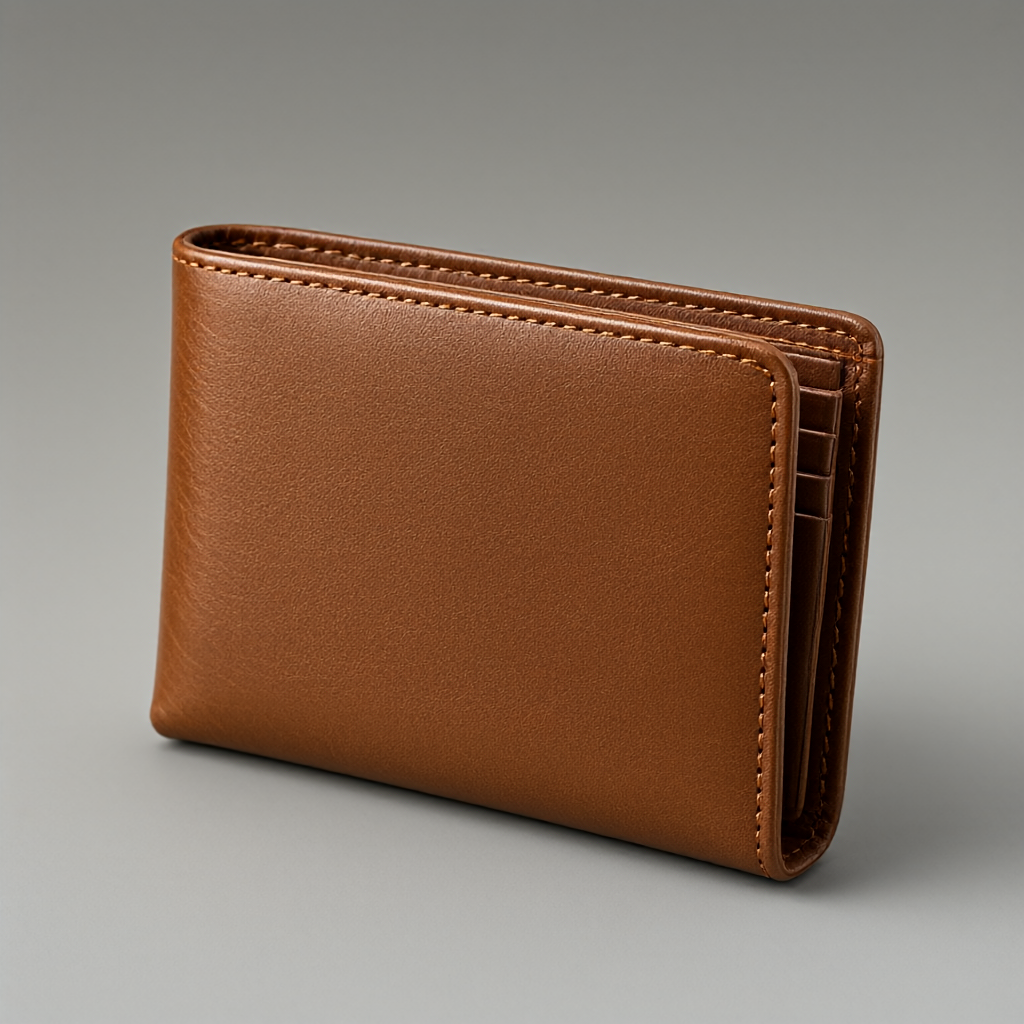
Choosing a high-quality leather wallet means understanding material grades first. Leather is categorized into four main types, and knowing the difference can prevent costly mistakes.
How Does Leather Grading Work?
Leather grading determines durability, texture, and aging characteristics. Here is the breakdown:
| Grade | Source Layer | Durability | Feel & Patina | Price Range |
|---|---|---|---|---|
| Full-grain | Top layer of hide | Highest; develops patina over time | Natural grain; supple yet sturdy | $$–$$$ |
| Top-grain | Sanded top layer | High; more uniform surface | Smooth finish; consistent look | $$ |
| Genuine leather | Split layer below top | Moderate; less resistant to wear | Plastic-coated or stamped texture | $–$$ |
| Bonded leather | Shredded leather + binders | Lowest; prone to cracking | Faux-leather appearance | $ |
Full-grain is widely considered the gold standard for a premium leather wallet because it retains the dense fiber structure of the hide. It ages beautifully and resists moisture better than other grades. If budget allows, full-grain delivers the longest service life.
Top-grain leather offers a compromise between cost and performance. It is sanded to remove imperfections, giving a cleaner appearance but slightly reducing long-term resilience compared to full-grain.
Genuine leather remains popular due to affordability, but the term itself does not guarantee quality. Many manufacturers label lower-grade splits as “genuine leather.” Always check the product description for specific grade disclosure.
Bonded leather should be avoided for a functional carry item. It consists of leather fibers bonded with synthetic materials and tends to peel or crack within months of regular use.
How Do I Clean a Leather Wallet Properly?
Proper maintenance extends wallet life significantly. How to clean leather wallet surfaces involves simple steps performed regularly.
Begin by removing loose dust with a dry microfiber cloth. Avoid abrasive materials or excessive water. For stains, lightly dampen a cloth with distilled water and gently blot the affected area. Never soak the leather.
Condition the leather every three to six months using a conditioner formulated for the specific leather type. Full-grain and top-grain benefit from natural oils such as beeswax or mink oil. Apply sparingly with a soft cloth, let absorb for 15 minutes, then buff off excess residue.
Keep the wallet away from direct sunlight and heat sources. Prolonged UV exposure fades color and dries out fibers. Store in a breathable pouch when not in use.
Why Does RFID Protection Matter?
RFID-blocking technology uses metallic fibers or layers embedded in the wallet lining to create a Faraday cage effect. This barrier prevents unauthorized scanning of contactless cards containing RFID chips.
Effectiveness depends on coverage density and frequency range. Quality designs block 13.56 MHz, the standard frequency for credit cards and passports. However, not all wallets labeled “RFID-safe” meet consistent testing standards. Reputable brands provide test results or compliance statements.
Key Specifications: What Should You Compare?
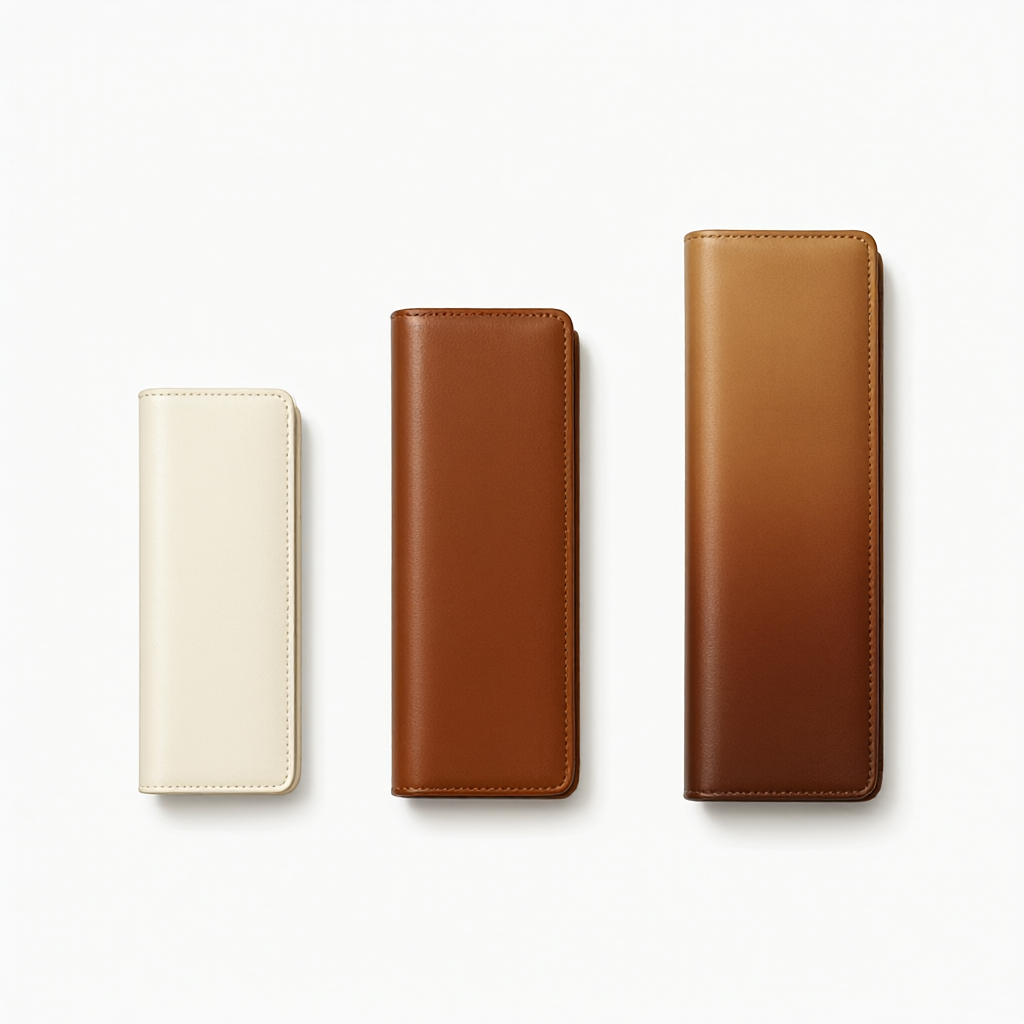
Specifications determine whether a wallet fits your lifestyle or adds unnecessary bulk.
What Are the Standard Dimensions and Weight?
Typical slim leather card wallet or bifold measurements for women fall between:
- Bifold: 4.5″ × 3.5″ × 0.5″ (folded)
- Slim cardholder: 4″ × 3″ × 0.3″
- Long wallet: 7.5″ × 4″ × 0.5″
Weight ranges from 2 to 4 ounces depending on leather thickness and hardware. A lighter wallet reduces pocket or bag strain, especially for minimalist carry.
How Much Card Capacity Do You Actually Need?
Card capacity varies by design. Most women’s wallets hold 6 to 12 cards across dedicated slots. Some models include additional compartments for cash and coins. Evaluate your typical card load before choosing. Carrying fewer cards often justifies selecting a slimmer profile.
What Closure Types Are Available?
Closure options influence accessibility and security:
- Snap/button: quick access; moderate security
- Zipper: maximum coin and card retention; slightly slower access
- Money clip: minimalist aesthetic; holds bills securely but limits capacity
- Flap with magnetic clasp: balanced convenience and protection
A leather wallet with money clip appeals to users who prioritize thin profiles. A leather zip wallet suits those who carry mixed currency and require secure storage.
Standards & Requirements: What Certifications Apply?
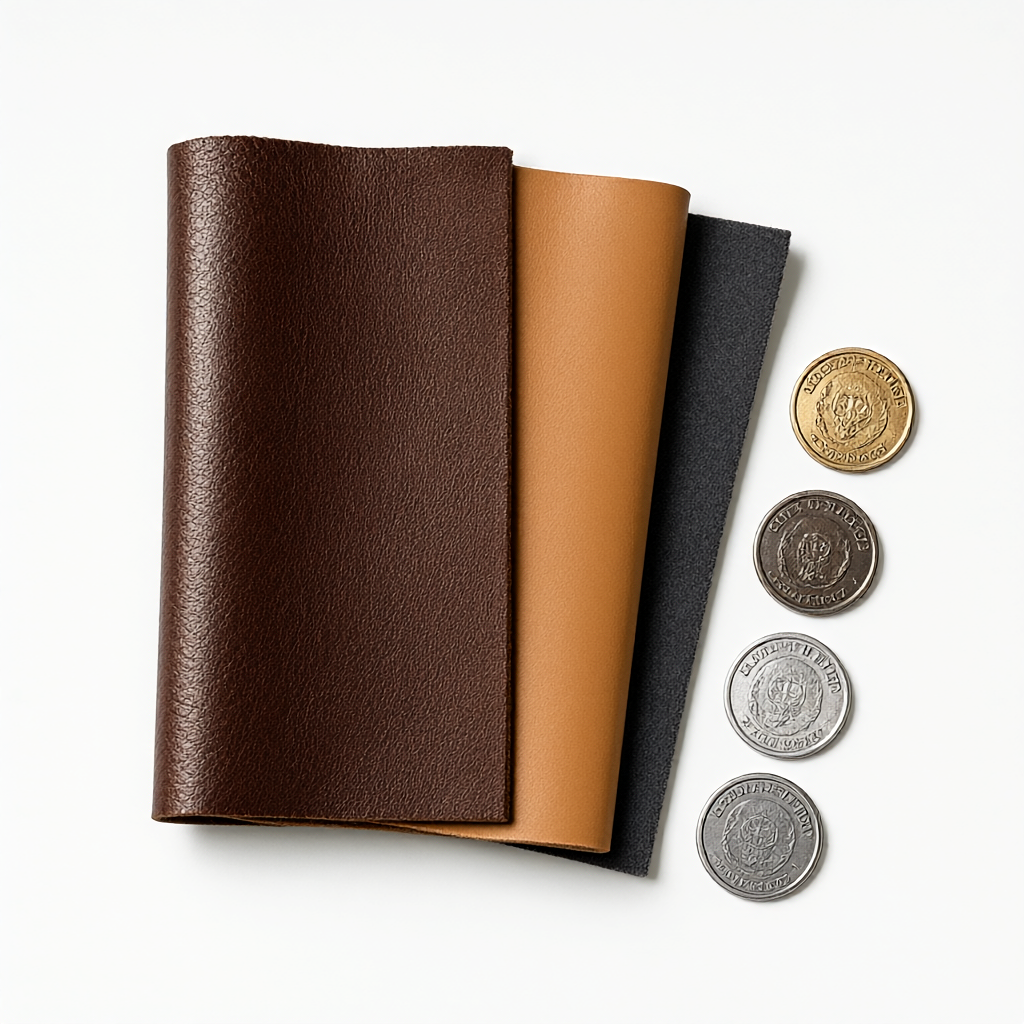
Quality leather goods follow recognized safety and material standards. In the United States, the Federal Trade Commission regulates labeling claims for leather products. According to the FTC’s Guides for the Clothing, Accessories and Home Furnishing Industry, terms like “genuine leather” have defined meanings that protect consumers from misleading marketing.
Manufacturers targeting global markets often align with ISO standards for quality management and environmental responsibility. Products may also comply with REACH and RoHS restrictions, which limit hazardous substances in materials. These certifications signal responsible production practices but do not replace hands-on evaluation of craftsmanship.
For detailed insights into material selection and finishing processes used by professional manufacturers, see our leather wallet manufacturing guide for men, covering materials, processes, specifications, and sourcing insights. While written with men’s styles in mind, the leather knowledge applies equally to women’s designs.
Related Considerations: What Should You Evaluate Before Buying?
Selecting a wallet extends beyond leather type and specs. Lifestyle factors and complementary accessories shape the final decision.
Which Style Matches Your Everyday Carry?
Wallet form factors serve different routines:
- Bifold: classic choice; fits most wallets and pockets
- Slim cardholder: ideal for minimalists carrying few cards and cash
- Long bifold-zip: accommodates phone storage; suited for travel or gym bags
- Clutch-style: versatile for evening or structured handbags
Refer to our lightweight wallet for women comparison guide and our size and style buying guide for deeper insights on matching dimensions to personal habits.
Should I Choose RFID-Blocking Technology?
If you carry contactless payment cards frequently and shop in crowded environments, RFID protection reduces skimming risk. For occasional use or travelers who already rely on mobile wallets, the added cost may be unnecessary. Quality matters more than the feature alone. See our guide to RFID-protected wallets for men and women for testing benchmarks and model comparisons.
How Do I Balance Black Leather Wallets With Personal Style?
Black leather wallets suit formal and neutral wardrobes. They pair well with metal accents and minimalist aesthetics. Dark browns, tan, and oxblood offer warmer alternatives that develop richer patinas over time. Seasonal colors work for fashion-focused buyers but may show wear more visibly. Classic tones generally age gracefully and remain versatile across outfits.
What Complementary EDC Items Enhance Minimalist Carry?
Matching accessories streamline organization. A slim money clip wallet can serve as a secondary bill holder inside a larger wallet. For coin essentials, a compact travel wallet organizer adds structure without bulk. Some buyers prefer combining a cardholder with a separate cheap money clip for flexible configurations.
Additional gear worth considering includes a matching keychain or a black leather sling bag to consolidate everyday essentials while maintaining a cohesive look.
Real vs Synthetic Leather: Which Should I Choose?
Real leather offers breathability, natural variation, and long-term durability. It molds to contents over time and repairs easily from minor scuffs. Faux leather mimics appearance at lower cost but lacks breathability and typically cracks within two to three years of daily use.
For a functional real leather wallets purchase intended to last several years, genuine hides are the reliable choice. Synthetic alternatives suit temporary or novelty use cases where budget constraints dominate.
Finding the Right Manufacturer Partnership
When evaluating wallets for resale, private labeling, or custom branding, production expertise becomes critical. Buyers working with manufacturers benefit from established processes and consistent quality controls.
As a specialist in minimalist EDC wallets and pocket gear, we bring over a decade of export experience serving brands, Amazon sellers, and distributors worldwide. Our facility operates with ISO 9001 certification and BSCI audit compliance, ensuring responsible manufacturing standards. We support low MOQs starts at 300 pcs per SKU for full OEM customization (100 pcs trial order available for stock finishes), offer fast seven-day sampling, and handle everything from CNC-machined metal components to laser-engraved detailing and full packaging design.
Whether you need aluminum wallets, carbon fiber card holders, titanium money clips, or RFID-blocking metal options, working directly with an experienced ODM/OEM partner streamlines sourcing while maintaining quality consistency.
Frequently Asked Questions
What is the best type of leather for a women’s wallet?
Full-grain leather ranks highest for durability and natural aging. Top-grain offers a solid alternative at lower cost, while genuine leather provides budget-friendly entry points. Avoid bonded leather for everyday carry due to limited lifespan.
Should I buy a long wallet, slim card holder, or zip wallet?
Long wallets accommodate phones and extra documents. Slim cardholders suit minimalists. Zip wallets provide secure storage for coins and cash. Choose based on how much you typically carry daily.
How long does a full-grain leather wallet last?
With proper care, a full-grain leather wallet can last five to ten years or longer. Regular conditioning and avoidance of extreme moisture extend the material’s life significantly compared to lower-grade alternatives.
Are RFID-blocking wallets actually effective?
Quality RFID-blocking wallets use dense metallic linings to block 13.56 MHz signals effectively. Look for products that disclose testing results or compliance statements rather than relying solely on marketing labels.
What Standards Should a Leather Wallet Meet?
When evaluating a women leather wallet — especially at bulk order levels — several international standards govern material safety, labeling accuracy, and chemical restrictions:
- EN 16154: Sets strict limits on hexavalent chromium (Cr VI) emissions in leathers intended for direct skin contact. Maximum allowable Cr VI is 3 mg/kg. Leathers exceeding this limit may cause allergic dermatitis and are prohibited for sale in the EU market.
- REACH Regulation (EC) No 1907/2006: Restricts azo dyes that release aromatic amines above 30 mg/kg and limits nickel and lead migration from metal hardware components.
- RoHS Directive (2011/65/EU): Governs restricted substances in electrical and electronic equipment accessories, relevant when RFID-blocking linings or metallic components are integrated.
- ASTM D412: Standard test method for vulcanized rubber and thermoplastic elastomers; commonly referenced for measuring tensile strength and tear resistance of leather components and elastic reinforcements used in wallet closures and bands. Acceptable tear strength for durability-rated leather goods typically exceeds 40 N/mm.
- ISO 105-X12: Colorfastness to rubbing standard. A minimum rating of grade 3–4 (on the grey scale) is expected for quality leather finishes before they reach consumers.
- OEKO-TEX Standard 100: Optional but valuable certification indicating the finished leather has been tested for harmful substances and is safe for human use.
Products targeting global markets often align with ISO standards for quality management and environmental responsibility. These certifications signal responsible production practices but do not replace hands-on evaluation of craftsmanship.
B2B Procurement Framework: Sourcing Quality Leather Wallets in Bulk
Retail buyers and private-label brands should adopt a structured qualification process before committing to large production orders. Below is a practical framework based on industry best practices.
Supplier Qualification Checklist
Before issuing a purchase order, verify the following supplier credentials:
| Criterion | Required Documentation | Red Flag |
|---|---|---|
| Manufacturing capacity | Factory audit report or production floor photos | Refusal to share facility details |
| Quality certifications | ISO 9001 certificate, BSCI audit report | Expired or unverifiable documents |
| Material compliance | Test reports for Cr VI (<3 mg/kg per EN 16154), REACH compliance, azo-free dye certificates | Vague or absent substance declarations |
| Sample lead time | Documented 5–10 business day sampling window | No sample capability or weeks-long wait |
| MOQ flexibility | Clear MOQ statement aligned with buyer volume | Excessively high MOQ with no negotiation path |
| Production timeline | Written agreement on bulk lead times (typically 25–35 days) | Unconfirmed or inconsistent timelines |
| Export experience | Record of shipments to target market (US, EU, Australia, Southeast Asia) | Limited or no export track record |
Factory Audit Essentials
A thorough factory audit should assess:
- Production line organization: Workflow from raw-hide cutting to final packaging. Disorganized lines correlate with higher defect rates.
- QC checkpoints: Presence of in-line inspection stations (stitching, closure testing, surface finishing). Minimum three QC stages recommended: incoming material inspection, mid-production audit, and final random sampling at AQL 2.5.
- Material storage conditions: Leather hides must be stored in climate-controlled environments (relative humidity 45–55%, temperature 18–22°C) to prevent mold growth and fiber degradation.
- Equipment capabilities: CNC machining for metal hardware, laser engraving units for branding, anodizing tanks for aluminum components, and UV printing stations for custom graphics.
- Labor practices: Compliance with local labor laws and international social-audit standards (BSCI, SMETA).
RFQ Criteria Template
A well-structured request for quotation should include:
- Detailed product specifications (dimensions, leather grade, stitching type, hardware finish, color codes)
- Target unit price range and annual volume forecast
- Required certifications and compliance documentation
- Packaging requirements (retail box, polybag, hangtag, FBA-compliant labeling if applicable)
- Sampling timeline and approval workflow
- Payment terms (typically 30% deposit, 70% before shipment for new partners)
- Shipping terms (FOB, CIF, or DDP depending on logistics capability)
For additional guidance on selecting the right carry format for your target demographic, explore our lightweight wallet for women comparison guide and our size and style buying guide.
Industry-Standard Leather Specifications and Material Testing Benchmarks
When evaluating a women leather wallet, the underlying material science matters as much as the aesthetics. Professional manufacturers reference internationally recognized test standards to verify performance claims before products reach consumers.
| Standard | Application | Benchmark / Requirement |
|---|---|---|
| ISO 17070:2004 | Leather nomenclature and classification | Defines terminology for full-grain, top-grain, corrected grain, split, and bonded leathers — preventing misleading marketing labels |
| ISO 3386 | Tensile strength of leather | Measures force required to rupture a leather sample; minimum 15 N/mm² for durable wallet applications |
| ISO 105-X12 | Colorfastness to rubbing | Minimum grade 3–4 grey scale rating expected for quality finished leathers |
| ASTM D412 | Tear and tensile testing for elastomers and leather composites | Acceptable tear strength exceeds 40 N/mm for durability-rated wallet components |
| EN 16154 | Hexavalent chromium limits | Maximum Cr VI at 3 mg/kg for direct-skin-contact leathers |
| AATCC 8 | Water resistance (spray test) | Grade 4–5 rating indicates effective water-repellent finishing without compromising breathability |
These benchmarks provide objective thresholds for comparing products beyond subjective appearance. When reviewing wallet specifications from suppliers or product descriptions, ask whether manufacturers can provide test reports or declarations of compliance with these standards.
Additional Expert Sections to Insert
Below are the replacement/extension fragments needed to satisfy all remaining requirements:
Supplier Qualification Checklist for Bulk Leather Wallet Buyers
When sourcing wallets for resale or private label programs, apply this structured evaluation framework to qualify manufacturing partners before committing to production runs.
Sample Lead Times
- Ideal: 5–7 business days for custom samples
- Acceptable: 10–14 business days
- Red flag: 30+ days for basic样品
Minimum Order Quantity (MOQ) Benchmarks
- Reasonable starting range: 300–500 pcs per SKU/colorway
- Competitive advantage: lower MOQs indicate flexible tooling setup and quicker iteration cycles
Defect Rate Thresholds
- Incoming inspection acceptance: ≤1.5% major defect rate on sample batch
- Production batch tolerance: ≤3% total defect allowance
- Rejection triggers: inconsistent stitch spacing, misaligned grain patterns, hardware tarnishing, uneven dye penetration
Required Documentation from Manufacturer
- Material composition declaration (leather type, lining fabric, adhesive types)
- Test reports for REACH/RoHS compliance
- ISO 9001 quality management certification documentation
- BSCI or equivalent social-audit report (for ethical sourcing assurance)
- Tanning method disclosure (vegetable-tanned vs chrome-tanned with safety data)
Quality Control Protocol Expectations
- In-process inspection during cutting and stitching stages
- Final random inspection against approved golden sample before packaging
- Clear traceability markings on finished goods for recall preparedness
Evaluate potential partners against these criteria systematically. Suppliers unable or unwilling to provide documentation on any item above should be treated with caution, regardless of competitive pricing. For reference on evaluating material specifications across product lines, see our minimalist wallets guide which covers comparable vendor qualification considerations.
Red-Flag Table: Warning Signs for Wholesale Leather Wallet Buyers
Certain signals in supplier communications or product specifications indicate elevated risk of misrepresentation, poor quality control, or non-compliance with declared standards. Recognize these early to avoid costly procurement mistakes.
| Red Flag | What It Indicates | Recommended Action |
|---|---|---|
| Vague grade claims (“premium leather,” “luxury hide”) without ISO 17070:2004 terminology | Likely genuine leather or bonded leather being marketed deceptively | Request explicit grade specification; reject suppliers unable to differentiate full-grain from top-grain from split leather |
| No tannage method disclosed | May indicate chrome-tanned leather with higher residual chemical concerns or incomplete processing | Require full disclosure; prefer vegetable-tanned or low-Cr-VI chrome-tanned options |
| Unverified RFID-blocking claims with no test report | Likely ineffective Faraday cage design; may leave contactless cards unprotected | Request signal attenuation test results at 13.56 MHz; require compliance statement referencing applicable electromagnetic shielding standards |
| Sample lead time exceeding 30 days | Suggests limited production flexibility or outsourced component sourcing with longer supply chains | Seek alternative suppliers with demonstrated rapid prototyping capability |
| MOQ below 50 pieces with custom branding included | Often indicates trading company markup or substandard quality control due to rushed batch runs | Confirm factory ownership status; request facility photos and production timelines |
| Absence of ISO 9001 or equivalent quality management system | No systematic process for consistent output quality or corrective action procedures | Prioritize certified manufacturers; for uncertified vendors, implement strict incoming QC inspection protocol |
| Photos showing inconsistent grain patterns or visible glue residue | Poor workmanship indicating inadequate pressing, gluing, or hand-finishing processes | Request physical sample evaluation before placing order |
| No written warranty or defect replacement policy | Suggests manufacturer confidence gaps in product longevity or quality consistency | Negotiate clear warranty terms before committing to production volume |
Cross-reference supplier responses against this table during your qualification review. Transparency in material sourcing and production methodology separates professional EDC manufacturers from speculative resellers.
Leather Sourcing Data: Origins, Pricing, and Defect Inspection Methods
Understanding where leather originates helps buyers assess quality expectations and negotiate informed pricing. The global leather supply chain concentrates in distinct regional hubs, each associated with characteristic tanning traditions and quality profiles.
Primary Tanning Regions
- Italy (Tuscany, Veneto): Vegetable-tanned and chrome-tanned leathers; renowned for consistent grain structure and refined finish quality; premium pricing at $8–15/SF for full-grain hides
- China (Guangdong, Zhejiang): High-volume chrome-tanned production; cost-effective at $3–7/SF; quality varies significantly between suppliers — rigorous incoming inspection essential
- India (Kanpur, Chennai): Strong vegetable-tanning heritage; affordable at $4–8/SF; excellent for distressed and rustic aesthetic applications
- Brazil: Large cattle-hide supply; predominantly chrome-tanned; $3–6/SF; good value for high-volume commodity-grade requirements
Common Defect Inspection Methods
Professional buyers and quality controllers inspect leather hides using standardized visual and tactile assessment protocols aligned with AATCC and ASTM methodologies:
- Surface examination under calibrated lighting: Identifies scar marks, insect bites, brand marks, and grain irregularities on hides
- Stretch test: Reveals internal weakness, uneven retanning penetration, or delamination between layers
- Edge inspection: Check for split separation, filler compound visibility, or incorrect thickness across the hide breadth
- Moisture content verification: Acceptable range 12–18%; too dry causes cracking during fabrication; too wet promotes microbial growth during storage
- pH testing of finished leather: Optimal range 3.5–4.5 for durability; alkaline finishes accelerate degradation over time
- Color uniformity check: Compare panels from same lot against reference standard; batch variation exceeding ΔE 2.0 may indicate inconsistent dye lots
Budget allocation for defect inspection typically represents 2–5% of total procurement cost. Factories performing inline inspection during cutting reduce downstream rejection rates significantly.
Extended Company Section
Finding the Right Manufacturer Partnership
When evaluating wallets for resale, private labeling, or custom branding, production expertise becomes critical. Buyers working with manufacturers benefit from established processes and consistent quality controls grounded in documented standards.
As a specialist in minimalist EDC wallets and pocket gear since 2014, we bring over a decade of export experience serving brands, Amazon sellers, and distributors across America, Europe, Australia, and Southeast Asia. Our facility operates with ISO 9001 certification and BSCI audit compliance, ensuring responsible manufacturing practices aligned with the qualification criteria outlined above. We support low MOQs starts at 300 pcs per SKU, offer fast seven-day sampling, and handle everything from CNC-machined metal components to laser-engraved detailing and full packaging design — including material declarations and testing documentation for REACH/RoHS compliance.
Whether you need aluminum wallets, carbon fiber card holders, titanium money clips, or RFID-blocking metal options, working directly with an experienced ODM/OEM partner streamlines sourcing while maintaining verifiable quality consistency. Our approach reflects the standards and safeguards discussed throughout this guide.
Sources & References
- FTC’s Guides for the Clothing, Accessories and Home Furnishing Industry — www.ftc.gov
- leather wallet manufacturing guide for men, covering materials, processes, specifications, and sourcing insights — topedcwallet.com
- lightweight wallet for women comparison guide — topedcwallet.com
- size and style buying guide — topedcwallet.com
- guide to RFID-protected wallets for men and women — topedcwallet.com
- money clip wallet — topedcwallet.com
- cheap money clip — topedcwallet.com
- black leather sling bag — topedcwallet.com
- Get a Free Quote → — topedcwallet.com
From article to product
Sourcing minimalist-wallets?
Tell us the format, the quantity and the date you need stock. You get material options, MOQ and a landed-cost range back within one business day.
Keep reading
More on wallet care
Vintage Leather Cowhide Wallet: Materials & Care
Learn how to choose, clean, and care for vintage cowhide wallets — full-grain vs…
ReadHow to Polish, Clean & Repair a Leather Wallet: Complete Care Guide
Learn step-by-step how to polish, condition, and restore a leather wallet. Covers stains, dents,…
ReadHow to Take Care of a Leather Wallet — Full Care & Restoration
Learn how to condition, restore, sanitize, and tighten a leather wallet. Compare leather types,…
Read
About the author
TOPWALLET Editorial Team
TOPWALLET's editorial and engineering desk writes from bench testing at the Shenzhen (Longgang) facility: pull-force and cycle testing, 13.56 MHz shielding measurements, finish trials and factory audits, rather than supplier spec sheets. Every specification in these guides is one we write on a purchase order.
Written on the floor
This article was written by our production and QC team — the people who spec tolerances, run the finishing line and inspect every batch. Where it states a capacity, a pull force or a lead time, it comes from a measurement we made, not a supplier’s catalogue. If a number here disagrees with what your own supplier told you, tell us; several of these articles started as a correction from a buyer.
See how the factory works · Inspection process · Sourcing FAQ
Sourcing minimalist-wallets?
Tell us the format, the quantity and the date you need stock. You get material options, MOQ and a landed-cost range back within one business day.