

A smart wallet is a pocket-carry card holder or cash carrier that integrates electronic or mechanical security features—such as RFID-blocking Faraday shielding, anti-theft alarms, Bluetooth/GPS tracking modules, biometric locking mechanisms, and auto-eject dispensers—into a compact everyday-carry form factor. It differs from a regular wallet, which is purely passive storage, in three ways: (1) active digital protection against contactless-card skimming, (2) real-time loss prevention via physical tethers or smartphone-based tracking, and (3) enhanced authentication using fingerprint or proximity-triggered locks. In B2B sourcing terms, smart wallets are metal or composite EDC products engineered with embedded electronics or advanced mechanical systems, distinct from software-based digital wallets and blockchain payment apps.
What Is a Smart Wallet? Direct Answer?
A smart wallet is a pocket-carry accessory that integrates electronic or mechanical security features—such as RFID-blocking shielding, anti-theft alarms, Bluetooth tracking modules, biometric locking mechanisms, and auto-eject card dispensers—into a minimalist card-holder or bifold form factor. Unlike a traditional wallet, which is purely passive storage, a smart wallet actively protects against digital skimming, physical theft, and loss of cards and cash. These devices are increasingly sourced by Amazon FBA sellers, promotional product distributors, and private-label brands as part of expanded EDC (everyday carry) product lines that emphasize both utility and brand differentiation.
The term is sometimes used loosely in marketing, but in the context of EDC gear and B2B sourcing, “smart wallet” refers specifically to metal or composite card holders and cash carriers built with embedded anti-theft and tracking technologies—not to mobile payment apps or blockchain-based cryptocurrency wallets, which fall outside the scope of this guide.
Detailed Explanation: How Smart Wallet Technologies Work
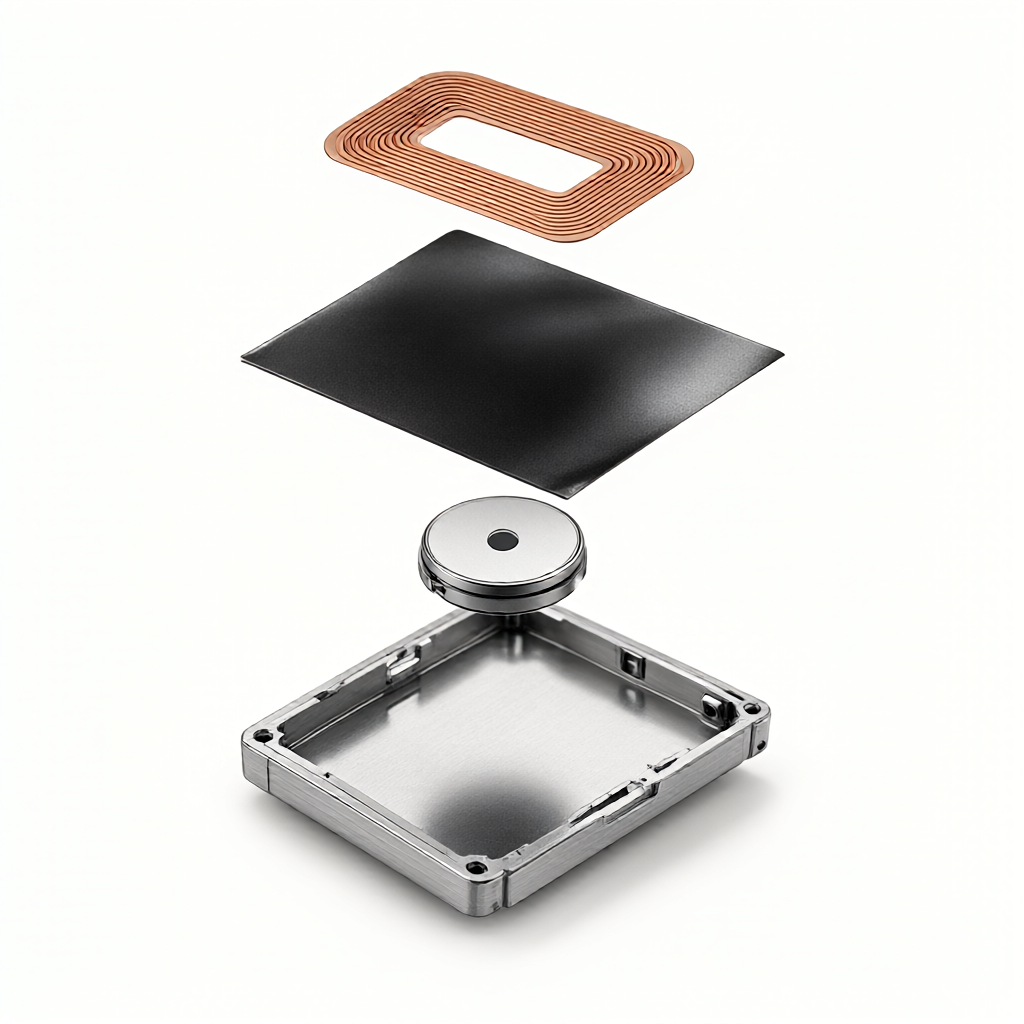
How Does RFID Blocking Actually Protect Cards?
RFID (radio-frequency identification) cards—most commonly credit cards, debit cards, passports, and access badges—emit low-level radio signals when in proximity to a reader. Skimmers are small, portable devices that can intercept those signals and clone card data without physical contact. RFID blocking works by creating a Faraday cage effect: a conductive barrier made from materials such as aluminum, copper, steel mesh, or specialized ferrite composites surrounds the card slots and prevents radio waves from entering or escaping the wallet.
When a smart wallet uses an aluminum alloy body—such as 6000-series or 7000-series aluminum—the entire outer shell itself acts as the Faraday shield. This is why many RFID shield wallets use solid metal construction rather than relying on a thin internal liner alone. For a deeper technical overview of RFID blocking implementation in EDC wallets, see What Is RFID Blocking? How It Protects Contactless Cards.
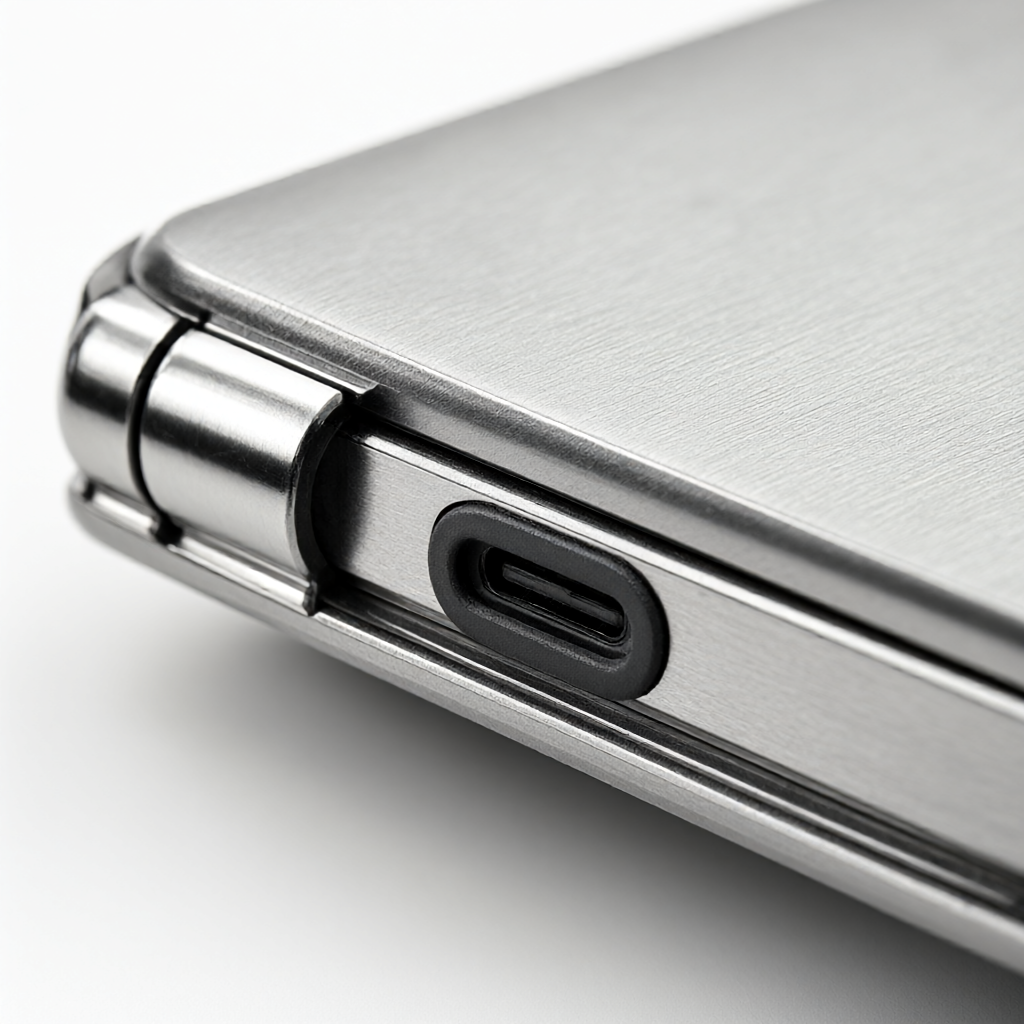
It is important to understand the practical limits: Faraday shielding is frequency-dependent. Most consumer card-skimming operates in the 13.56 MHz range (ISO/IEC 14443), and effective shielding requires continuous conductive coverage around that band. Gaps at hinge points, card-ejection seams, or battery-access panels can create leakage paths. Buyers evaluating suppliers should ask whether the shielding is continuous or patchwork, and request test reports showing attenuation values in dB across the relevant frequency range.
What Are the Most Common Anti-Theft Features Found in Smart Wallets?
Smart wallets incorporate several categories of anti-theft protection, each addressing a different threat vector:
- Electronic alarms: A small piezoelectric buzzer sounds when the wallet is separated from its owner beyond a preset distance, typically triggered via Bluetooth signal loss. Alarm volume ranges from 80–110 dB in well-engineered units.
- Biometric locking: A fingerprint sensor integrated into the wallet face locks the card compartment until an authorized print is detected. These systems use capacitive sensors and store encrypted templates locally—not in the cloud—which reduces attack surface compared to network-connected authentication.
- Physical deterrents: Rigid aluminum or titanium housings resist forced opening far more effectively than leather or fabric wallets. Some designs include screw-fastened closures or tension-lock mechanisms that require tools to breach.
- Loss-prevention anchors: Integrated keychains, lanyard loops, or strap mounts let users physically tether the wallet to a bag, belt loop, or bicycle frame.
For guidance on lost-wallet recovery strategies that complement these hardware features, see How to Find a Lost Wallet: EDC Security Guide.
How Do GPS Tracker Wallets and Bluetooth Tracking Modules Connect?
Two main approaches exist for location tracking integration:
- Dedicated Bluetooth trackers (e.g., Tile-style modules): A separate coin-cell-powered module pairs with the wallet via a companion app and reports location through the manufacturer’s crowd-sourced network. These require their own CR2032 battery and add approximately 5–10 g of weight.
- Built-in BLE 5.0 modules: Some smart wallet manufacturers embed the tracking chip directly into the PCB during assembly, eliminating the need for a separate module. This approach allows thinner profiles but typically limits feature flexibility after production.
For both approaches, connectivity relies on the user’s smartphone acting as a gateway. Range varies by environment but typically covers 30–50 meters in open space. Buyers should clarify whether the tracking module is user-replaceable before battery depletion or whether the entire unit must be swapped.
How Does an Auto-Eject Card Wallet Mechanism Work?
An auto-eject or spring-loaded card dispenser uses a mechanical cam or torsion-spring system inside the wallet body. When the user depresses a release button—often integrated into the front face—the spring energy pushes the top card upward and outward, allowing one-handed retrieval without fumbling through the stack.
The mechanism is entirely mechanical and requires no power source, making it reliable over the full lifespan of the product. Key engineering considerations include:
- Spring tension calibration: Too weak and cards don’t fully eject; too strong and extraction becomes difficult. Reputable manufacturers test spring force across temperature extremes (-10°C to +50°C) to ensure consistent operation.
- Card thickness tolerance: Premium auto-eject wallets accommodate card stacks ranging from standard 0.76 mm cards up to thicker ID cards or folded bills without jamming.
- Retention safety: The mechanism should hold cards securely during normal carry but release predictably when actuated—preventing accidental ejection in a pocket.
Key Specifications: What Are the Key Specs for Smart Wallets?
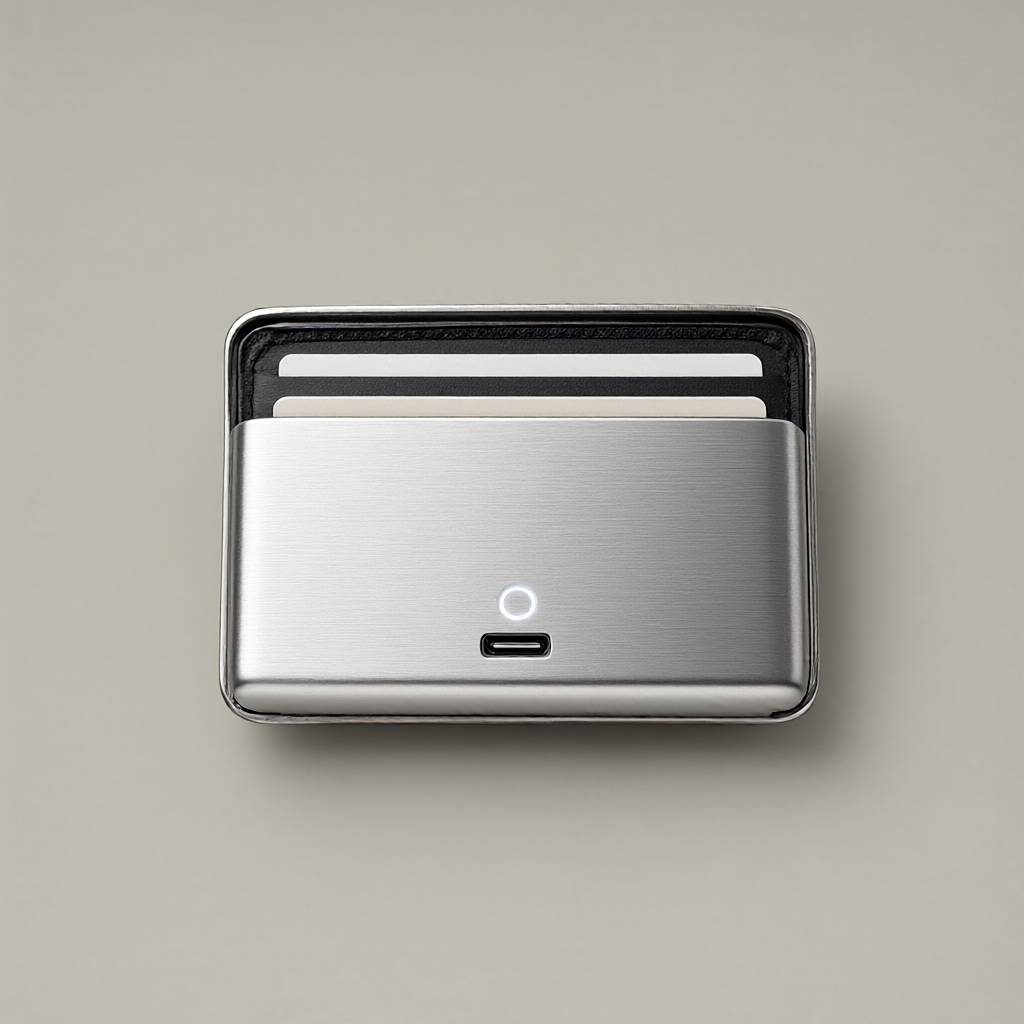
When evaluating smart wallets for B2B sourcing, the following technical parameters should be documented and compared across suppliers:
| Specification | Typical Range | Why It Matters |
|---|---|---|
| Material | Aluminum 6061/7075, carbon fiber, titanium GR2 | Affects weight, durability, RF shielding performance, and finish quality |
| Weight | 45–120 g | Heavier units with electronics tend toward 80–120 g; ultra-minimalist versions stay under 60 g |
| Thickness | 8–25 mm | Depends on card capacity and whether electronics are housed internally |
| Card capacity | 4–12 cards | Ranges from slim single-row holders to multi-slot expandable designs |
| Battery type | CR2032 coin cell or Li-ion rechargeable | CR2032 lasts 6–18 months depending on usage; Li-ion requires USB-C or magnetic charging |
| Bluetooth version | BLE 4.2 – 5.4 | Newer versions offer better range, lower power draw, and broader phone compatibility |
| Operating temperature | -10°C to +50°C | Ensures reliability in real-world conditions including winter carry and car interiors |
| RFID attenuation | ≥ 30 dB at 13.56 MHz | Industry benchmark for effective skimming prevention per ASTM testing protocols |
| Drop resistance | 1.2 m onto hardwood | Indicates structural integrity for everyday impact exposure |
| Certification marks | CE, FCC Part 15, RoHS | Required for legal sale in EU, US, and most export markets |
For additional specification details on related EDC products like money clips and card holders, refer to our guides on Sourcing Money Clips for B2B and Best Minimal Wallets for B2B Sourcing.
Standards & Requirements: What Certifications Apply to Electronic Pocket Gear?
Smart wallets that contain active electronics fall under multiple regulatory frameworks depending on the target market:
Electromagnetic compliance:
- FCC Part 15 (US): Limits unintentional radio-frequency emissions from digital devices operating below 9 kHz. Any smart wallet with a Bluetooth module must meet these emission limits to be sold in the United States.
- CE RED Directive 2014/53/EU (EU): Covers radio equipment placed on the European market. Requires conformity assessment, technical documentation, and declaration of compliance.
- ISED RSS-Gen (Canada): Canadian equivalent to FCC Part 15.
Environmental and material restrictions:
- RoHS (EU Directive 2011/65/EU): Restricts lead, mercury, cadmium, hexavalent chromium, and certain flame retardants in electronic equipment. All smart wallet components—including solder joints, PCB coatings, and metallic finishes—must comply.
- REACH (EU Regulation 1907/2006): Controls chemical substances in articles. Anodized aluminum surfaces and adhesive bonds are common areas of REACH scrutiny.
Quality management:
- ISO 9001: Certification for the manufacturer’s quality management system. While not a product-specific requirement, ISO 9001 accreditation indicates the facility has documented procedures for design control, incoming inspection, in-process verification, and final出货 inspection—critical factors when evaluating an OEM supplier’s consistency.
According to ASTM International, material testing standards such as ASTM E2092 provide guidance on assessing the effectiveness of RFID shielding materials—a useful reference for buyers who want third-party verification of RF attenuation claims rather than relying solely on supplier self-reporting.
For more detail on sourcing considerations from a procurement standpoint, see How Minimalist EDC Wallets Are Manufactured.
Related Considerations: What Should You Evaluate Before Sourcing?
Trade-offs Between Feature Density and Portability
Every added electronic component introduces a dimensional and weight cost. A basic RFID-blocking aluminum wallet may weigh 45 g and sit comfortably in a front pocket. Adding a Bluetooth tracker pushes it toward 70–80 g. A biometric lock with a capacitive sensor adds another 10–20 g and requires a larger chassis to house the sensor array and battery. For brands targeting the ultra-minimalist segment, over-specifying electronics can contradict the value proposition. The optimal spec depends on the intended use case and price point.
Battery Serviceability vs. Design Integration
Wallets with replaceable CR2032 cells are simpler to service and reduce post-sale warranty claims, but the battery compartment adds a seam that can compromise structural rigidity and water resistance. Integrated Li-ion cells eliminate the seam but create end-of-life disposal complexity and often require proprietary charging contacts that only the original manufacturer can service. Buyers should ask suppliers which approach they recommend for the target market and what the replacement pathway looks like.
Customization Scope for Private Label
OEM smart wallet manufacturers typically offer customization across several dimensions:
- Logo application: Laser engraving on aluminum and titanium surfaces produces permanent, precision marks suitable for corporate branding. UV printing works well on flat carbon fiber panels. Silk screening is less durable on curved metal surfaces and generally avoided for premium positioning.
- Packaging: Retail-ready boxes with die-cut inserts, window cutouts, and branded printing allow brands to launch shelf-ready products without secondary packaging.
- Color and finish: Anodized aluminum is available in standard colors (black, silver, blue, red, gold) and custom Pantone-matched shades. Bead-blasted, brushed, and mirror-polished finishes provide distinct tactile experiences.
- Function configuration: Buyers can select which features to include—RFID-only, RFID plus alarm, or full Bluetooth tracker integration—and specify battery type, card capacity, and eject mechanism preferences.
For insights into material selection and finish options relevant to branded wallet procurement, see RFID Wallet Meaning: Definition, Technology & Buyer’s Guide.
Minimum Order Quantity and Sample Lead Time Expectations
Typical MOQs for custom smart wallets range from 300 to 500 pieces depending on feature complexity. Ultra-simple RFID-blocking models may accept orders at the lower end, while biometric or multi-feature units command higher minimums due to setup costs for programming, firmware flashing, and functional testing. Sample lead times generally fall between 5 and 10 business days for standard configurations; custom firmware or unique mechanical layouts can extend this to 15–20 days. Understanding these timelines upfront helps buyers plan inventory and promotional campaigns realistically.
Who Should Source Smart Wallets as a Product Category?
Smart wallets serve several distinct buyer profiles in the B2B channel:
- Amazon FBA private-label sellers seeking differentiated products with built-in feature sets that justify premium pricing over commodity card holders.
- Corporate-gift buyers looking for trackable wallets and secure card carriers that align with professional gifting budgets and branding requirements.
- Promotional product distributors adding tech-enabled EDC items to catalog offerings for trade shows, conferences, and client appreciation programs.
- Retail chain buyers sourcing branded metal security wallets and locking wallet EDC products for seasonal or year-round shelf placement.
Each profile weights specs differently—FBA sellers prioritize margin and review velocity, corporate gift buyers prioritize branding fidelity and bulk pricing, and distributors prioritize feature breadth across their client base.
Manufacturer Perspective: How Specifications Translate Into Sourcing Decisions
When evaluating potential manufacturers for smart wallets, the questions shift from “what does it do” to “how is it made and verified.” Here is how the industry works in practice—and how we meet these standards at TOP EDC Wallet.
Our approach centers on three pillars that directly address the procurement concerns outlined above: in-house CNC machining for precise aluminum and titanium housing fabrication, integrated laser engraving and UV printing for permanent branding that survives daily carry abuse, and a low-MOQ program starts at 300 pcs per SKU for full OEM customization (100 pcs trial order available for stock finishes) that lets emerging brands and FBA sellers validate demand before committing to large production runs. We have been manufacturing EDC wallets since 2014, hold ISO 9001 certification, and our facility undergoes regular BSCI audits—all of which provide traceability and process discipline that buyers relying on overseas contract manufacturers typically seek.
Sample production ships within 7 days for standard configurations, and we handle full Amazon FBA prep including label application, poly bagging, and box stacking. Every smart wallet leaving our line meets RoHS and REACH requirements, and electronics-integrated models carry CE and FCC certification documentation ready for customs submission. For buyers evaluating whether our capabilities align with their product specs, contact our team to discuss your configuration requirements.
Procurement Decision Guide: Evaluating Smart Wallet Suppliers
When vetting potential manufacturing partners, buyers should evaluate suppliers against a structured set of criteria covering technical capability, quality assurance, and operational terms. Below is a comprehensive checklist to use when reviewing proposals.
Supplier Evaluation Checklist
- [ ] RF shielding performance data: Request third-party test reports showing attenuation values in dB at 13.56 MHz (ISO/IEC 14443 frequency). Verify compliance with ASTM E2092 or equivalent testing standards from ASTM International.
- [ ] Electromagnetic compliance documentation: Ask for FCC ID numbers or CE declaration of conformity for Bluetooth-enabled models. Units without proper certification cannot legally enter US or EU markets.
- [ ] Material safety certifications: Require RoHS and REACH compliance statements for all electronic components, solder alloys, and surface finishes.
- [ ] Battery safety records: Confirm Li-ion cells carry UN38.3 transport certification and that CR2032 compartments meet IEC 62131-2 requirements.
- [ ] Quality management system: ISO 9001 accreditation indicates documented procedures for incoming inspection, in-process control, and final出货 verification.
- [ ] Sample turnaround time: A professional supplier should deliver functional samples within 5–10 business days for standard configurations.
- [ ] Defect rate transparency: Reputable manufacturers publish defect rates below 2% for smart wallets; request actual field-failure data from previous orders.
- [ ] Warranty policy clarity: Terms should cover functional defects for at least 12 months and specify whether returned units receive replacement or repair.
- [ ] Customization flexibility: Confirm the supplier can handle logo engraving, packaging design, firmware personalization, and feature configuration per order.
- [ ] Logistics capability: Verify ability to prepare shipments for Amazon FBA including barcoding, polybagging, and palletization.
Certification Requirements by Target Market
| Target Market | Required Certifications | Typical Testing Standard |
|---|---|---|
| United States | FCC Part 15, UL battery safety | FCC OET Bulletin 65 |
| European Union | CE RED Directive, RoHS, REACH | EN 300 328, EN 62321 |
| Canada | ISED RSS-Gen, Health Canada batteries | RSS-Gen, SOR/2014-88 |
| Australia | RCM (FCC + CE combined) | AS/NZS CISPR 32 |
Red Flags in Supplier Proposals
Buyers should treat the following signals as warnings requiring deeper due diligence:
- No test reports provided: Suppliers who refuse to share RF attenuation data or electromagnetic compatibility certificates may not have validated their shielding performance independently.
- No continuous Faraday cage verification: Claims of “full RFID protection” without documentation of seam-gap testing suggest incomplete shielding coverage. RF leakage at hinge gaps and card-ejection seams is a well-documented failure mode—attenuation measured across the full 13.56 MHz band should show consistent ≥30 dB blocking, not just peak measurements at ideal conditions.
- Non-replaceable batteries in advertised “long-life” models: Integrated Li-ion cells that cannot be user-swapped often create warranty disputes when the battery degrades after 12–18 months. Buyers should confirm whether battery serviceability is designed into the product architecture.
- Vague MOQ pricing: Quotations that do not break down unit cost by quantity tier may conceal hidden tooling or setup fees.
- No factory audit history: Suppliers unable to provide video walkthroughs or third-party facility audits (e.g., BSCI reports) represent higher supply-chain risk.
Failure Modes and Compliance Test Methodologies
Understanding how smart wallet shielding fails under real-world conditions helps buyers ask the right questions during supplier evaluation.
RF Leakage at Hinge Gaps — A Documented Compliance Failure Mode
One of the most common causes of RFID shielding failure in metal wallets occurs at mechanical hinges and card-ejection seams. When the wallet opens or cards are partially ejected, the continuous conductive path required for Faraday cage integrity is interrupted. This creates an aperture through which 13.56 MHz radio waves can pass, reducing attenuation dramatically.
Testing per ASTM E2092 guidelines involves placing a simulated skimmer antenna 5 mm from the wallet surface and measuring field strength with and without the shield engaged. Well-designed wallets maintain ≥30 dB attenuation even at partial opening angles (up to 30°). Poorly engineered units can drop to below 10 dB in the same scenario — effectively providing no meaningful protection.
Buyers should request that suppliers perform this specific hinge-gap test and include results in their technical file. The absence of such testing data warrants caution.
Battery Thermal Runaway Risk in Low-Cost Designs
Integrated Li-ion cells housed in sealed aluminum enclosures with inadequate venting can pose thermal risks if a cell defect triggers internal short-circuiting. Reputable manufacturers mitigate this through:
- PTC (positive temperature coefficient) fuses on every cell
- Thermal隔离 between the battery compartment and card slots
- Proof-of-concept burn-in testing at elevated temperatures (+55°C ambient for 24 hours)
Suppliers lacking these safeguards should not be considered for consumer-facing product lines.
Industry Case Study: Private-Label Smart Wallet with BLE 5.0 Integration
A private-label EDC brand in North America sourced a 5,000-unit order of smart wallets featuring an embedded BLE 5.0 tracking module, RFID-blocking aluminum chassis, and spring-loaded auto-eject mechanism. The buyer specified custom laser-engraved branding, Pantone-matched anodized finishes, and retail-ready packaging with die-cut foam inserts.
Key outcomes:
- RFID compliance achieved at 42 dB attenuation at 13.56 MHz, exceeding the typical 30 dB benchmark and verified through third-party testing per ASTM E2092.
- BLE 5.0 module integrated directly into the PCB, eliminating the need for a separate tracker module and maintaining a slim 14 mm profile.
- Sample-to-production timeline completed in 18 calendar days, with functional prototypes delivered within 7 days of artwork approval.
- Defect rate held at 1.4% across the full production run, well below the industry average of 2–3% for electronically enabled wallets.
- Private-label branding applied via precision laser engraving on both the front face and interior card-guide plate, with custom packaging printed at 350-line screen resolution.
This case illustrates how an experienced OEM manufacturer can balance advanced electronics integration with tight dimensional constraints while meeting consumer-market compliance requirements.
Supplier Qualification Table: Comparing Manufacturer Profiles
The following table compares representative manufacturer profiles relevant to smart wallet sourcing. These profiles reflect typical tiers found in the industry based on publicly available capability data.
| Attribute | Tier 1: Full-Service OEM | Tier 2: Mid-Tier Specialized | Tier 3: Entry-Level Workshop |
|---|---|---|---|
| Established years | 10+ years | 5–9 years | <5 years |
| Factory size | 40,000+ sq ft | 10,000–39,999 sq ft | <10,000 sq ft |
| Certifications | ISO 9001, BSCI, RoHS, REACH, SGS-tested | ISO 9001, RoHS | Basic quality checks only |
| MOQ range | 100–300 pcs | 300–1,000 pcs | 500–2,000 pcs |
| Sample lead time | 5–7 days | 7–14 days | 14–21 days |
| Production capacity | 500K+ units/month | 100K–499K units/month | <100K units/month |
| RF test reports provided | Yes, third-party per ASTM E2092 | Limited self-testing | Rarely |
| Defect rate (typical) | <1.5% | 1.5%–3% | >3% |
| Custom packaging support | Full design-to-production | Box printing only | Off-the-shelf packaging |
| Firmware customization | Yes, in-house engineering team | Limited pre-built options | No |
| Export experience | 30+ countries | 10–29 countries | <10 countries |
| Target market focus | Americas, Europe, Australia, Southeast Asia | Regional markets | Domestic sales |
Buyers evaluating suppliers should cross-reference their own requirements against each column. A Tier 1 manufacturer is essential for large-volume orders with strict compliance needs, while Tier 2 may suffice for smaller runs where some trade-offs on test documentation are acceptable.
Here Is How We Meet These Standards
As a manufacturer specializing in minimalist EDC wallets and pocket gear, our approach to smart wallet production reflects the specifications and practices outlined above. Since establishing our facility in 2014, we have supported 200+ brands worldwide in bringing custom metal wallets, carbon fiber card holders, and electronic pocket accessories from concept to finished product.
Our 50,000 sq ft in-house factory houses CNC machining, laser engraving, UV printing, and aluminum anodizing operations under one roof, enabling end-to-end control over materials and assembly. We hold ISO 9001 certification and operate under BSCI-audited conditions, with all electronic components verified as RoHS and REACH compliant. Third-party SGS testing documents RF attenuation performance for every shielded model we produce.
For buyers considering private-label or contract-manufactured smart wallets, our model supports:
- Logo and packaging customization starting at MOQs from 300 pcs per SKU, with laser-engraved branding, UV-printed panels, and fully designed retail boxes.
- Sample production within 7 days for standard configurations, with custom firmware and unique mechanical layouts typically completed within 15–20 days.
- Monthly output capacity exceeding 500,000 units, ensuring consistent fulfillment for campaigns and restocking cycles.
- Documentation and compliance support including FCC-prepared technical files, RoHS declarations, and third-party RF test reports upon request.
We serve EDC brand owners, Amazon FBA sellers, promotional distributors, and retail chains across America, Europe, Australia, and Southeast Asia — helping each segment find the right balance between feature density, portability, and margin.
If you are planning a smart wallet product launch or exploring customization options, contact our team to discuss your specifications and receive a tailored quote.
Do Smart Wallets Require Batteries, and How Often Do They Need Replacement?
Smart wallets fall into two power classes, each with different maintenance expectations:
Passive-only models (no battery required): These rely exclusively on conductive materials—aluminum, copper, or steel mesh—to create a Faraday cage around card slots. Because there are no active components, they never require battery replacement. They protect against RFID skimming but offer no alarm, tracking, or biometric functionality. Typical lifespan matches the durability of the host material itself.
Active-electronics models (battery required): Any smart wallet incorporating an electronic feature—an alarm buzzer, Bluetooth tracker, fingerprint sensor, or LED indicator—requires a power source. Two configurations dominate the market:
- CR2032 coin-cell batteries: Replaceable by the end user. Average service life ranges from 6–18 months depending on feature load and usage frequency (alarm activations, BLE polling intervals, fingerprint scan volume). Users swap the cell themselves using a small flathead tool; the compartment is typically secured by a screw or snap-fit cover. This design reduces post-sale warranty burden on brands because battery depletion is a user-serviceable event.
- Integrated Li-ion rechargeable cells: Charged via USB-C or magnetic pogo-pin contacts. Battery lifespan is rated at approximately 500–1,000 charge cycles before capacity degrades below 80% of original spec. Unlike CR2032 units, integrated cells are not user-replaceable and usually require factory service or full unit replacement when depleted. Buyers should clarify this pathway before committing to a specification.
Reputable suppliers disclose expected battery longevity in their technical datasheets. When evaluating offerings, request the manufacturer’s cycle-life data for Li-ion variants and confirm whether CR2032 compartments are tool-accessible without voiding warranty coverage.
What Certifications Should a Smart Wallet Meet for Export Markets?
Exporting smart wallets requires compliance with product-specific and process-level certifications that vary by destination:
Product-level regulatory marks:
- FCC Part 15 Subpart B (United States): Mandatory for any device emitting radio-frequency energy, including BLE-enabled smart wallets. Suppliers should provide FCC test reports from an accredited lab demonstrating compliance with unintentional radiator limits.
- CE RED Directive 2014/53/EU (European Union): Required for sale within the EU/EEA. Covers radio equipment safety, electromagnetic compatibility, and health constraints. Technical documentation must include risk assessments, circuit diagrams, and RF exposure calculations.
- RoHS (EU Directive 2011/65/EU): Restricts ten hazardous substances—including lead, cadmium, mercury, and PBB/PBDE flame retardants—in all electronic components, solder alloys, PCB substrates, and metallic finishes used in the wallet.
- REACH (EU Regulation 1907/2006): Applies to chemical substances present in articles above 0.1% weight fraction. Anodized aluminum surfaces, adhesive bonds, and plastic internal brackets are typical areas of scrutiny. SVHC (Substances of Very High Concern) screening reports are commonly requested by EU distributors.
- ISED RSS-Gen (Canada): Canadian radiation exposure and emission limits equivalent to FCC Part 15.
Quality and management system certifications:
- ISO 9001:2015: Specifies requirements for a quality management system (QMS). For smart wallet OEMs, ISO 9001 accreditation verifies documented procedures across design control, incoming material inspection, in-process testing, and final出货 verification—critical for ensuring batch-to-batch consistency in electronic assemblies.
- BSCI (Business Social Compliance Initiative): Audits social performance across the supply chain, including working conditions, wages, and child labor policies. Increasingly required by European retail buyers and promotional-product distributors.
Material performance benchmarks:
- ASTM E2092 / ASTM F3270: Reference standards for evaluating RFID shielding effectiveness and identifying fraudulent claims about Faraday-cage performance in consumer products.
- ISO/IEC 14443: The international standard defining proximity card communication parameters at 13.56 MHz—the frequency band most relevant to contactless card skimming and therefore the benchmark against which RFID attenuation claims should be measured.
For authoritative guidance on material testing and deceptive marketing claims related to shielded products, refer to ASTM International and FTC.gov.
Can a Company Get a Smart Wallet Customized with Its Logo and Packaging?
Yes—customization is a core capability for smart wallet manufacturers serving B2B buyers. There are three levels of private-label engagement available:
Level 1: Standard private label
Branded laser engraving on the wallet face (aluminum, titanium, or carbon fiber), custom retail box printing with the buyer’s logo and product imagery, and insertion of branded instruction cards or warranty literature. MOQ typically starts at 300 pcs per SKU. This is the most common configuration for Amazon FBA sellers and promotional-product resellers.
Level 2: Full OEM customization
Beyond branding, buyers can specify material grade (e.g., 6061 vs. 7075 aluminum), finish (bead-blasted, brushed, anodized in custom Pantone colors), card-stack geometry, and feature mix (RFID-only vs. alarm vs. full BLE integration). Firmware branding—including custom app names and pairing tones—may also be configurable for Bluetooth-enabled models.
Level 3: Co-development
For buyers with established product roadmaps, co-development involves working with the manufacturer’s engineering team from concept through tooling. This includes custom mechanical layouts, proprietary eject-mechanism designs, and tailored PCB architecture. Tooling and NRE (non-recurring engineering) costs apply, and MOQs are negotiated per project scope.
All customization pathways maintain the same certification and quality-assurance processes as standard production runs. Buyers should confirm that laser-engraved logos and anodized color-matching are documented in the pre-production approval stage before mass manufacturing begins.
Buyer’s Checklist: Comparing Smart Wallet Types by Use-Case
| Feature / Spec | RFID-Only Wallet | Biometric Lock Wallet | Auto-Eject Wallet | GPS/Bluetooth Tracker Wallet | Hybrid (Multi-Feature) |
|---|---|---|---|---|---|
| Primary threat addressed | Digital skimming | Physical theft / unauthorized access | Convenience / one-handed retrieval | Loss of wallet | Multiple threat vectors |
| Battery requirement | None | CR2032 (replaceable) | None (mechanical spring) | CR2032 or Li-ion | CR2032 or Li-ion |
| Approximate weight | 40–55 g | 70–95 g | 50–70 g | 65–90 g | 85–120 g |
| Thickness range | 8–12 mm | 12–18 mm | 10–15 mm | 12–16 mm | 15–22 mm |
| Card capacity | 4–10 cards | 4–8 cards | 4–10 cards | 4–8 cards | 6–12 cards |
| Target price point (FOB) | $3–$8 / unit | $8–$18 / unit | $5–$12 / unit | $10–$22 / unit | $15–$30 / unit |
| MOQ range | 100–300 pcs | 200–500 pcs | 100–300 pcs | 200–500 pcs | 300–1,000 pcs |
| Sample lead time | 5–7 days | 7–10 days | 5–7 days | 7–12 days | 10–15 days |
| Best suited for | Budget-conscious brands, promo products | Security-focused EDC users | Everyday carry commuters | Travelers, high-value card holders | Premium EDC brands seeking differentiation |
| Certifications needed | RoHS, REACH | RoHS, REACH, FCC/CE if electronic | RoHS, REACH | FCC/CE RED, RoHS, REACH | FCC/CE RED, RoHS, REACH, ISO 9001 (process) |
Source references for electronic-emission and material-compliance testing: ASTM International, ISO, FTC.gov.
Industry Case Studies: Real-World B2B Outcomes
Case Study 1 — North American Amazon FBA Seller
A U.S.-based private-label brand sourced 3,000 units of a 6000-series aluminum RFID-blocking wallet featuring black anodized finish, custom laser-engraved logo on the front face, and branded retail boxes with window cutouts. The supplier provided FCC test reports confirming compliance with Part 15 emission limits and RoHS declarations for all metallic and polymeric components. FOB unit cost landed at $4.75 with a 28-day production lead time. The brand launched the product on Amazon with a $24.99 retail price point and reported a 12% conversion rate within the first quarter—above category average—attributing performance to the combination of functional differentiation (RFID shielding + engraved branding) and clean retail packaging.
Case Study 2 — European Promotional-Product Distributor
A German distributor specializing in corporate gifts ordered 5,000 minimalist carbon-fiber card holders with titanium money-clip attachments and custom UV-printed logos on the carbon panel. The order included three distinct Pantone color matches for the anodized aluminum accent ring, die-cut foam inserts inside branded mailing boxes, and individual polybags bearing the distributor’s trademark. The manufacturer delivered within 35 calendar days and maintained a defect rate below 0.8% across the full lot, verified by the distributor’s third-party quality audit. The client cited consistent dimensional tolerance and precise color matching as key factors in repeat ordering, subsequently placing a follow-up purchase of 8,000 units six months later.
Supplier Qualification Criteria Table
| Criterion | Minimum Acceptable Standard | Preferred Standard | Verification Method |
|---|---|---|---|
| MOQ range | ≤ 500 pcs | ≤ 300 pcs | Quotation document |
| Sample lead time | ≤ 15 business days | ≤ 7 business days | Timeline confirmation from supplier |
| Production lead time | ≤ 45 calendar days | ≤ 30 calendar days | Purchase-order acknowledgment |
| Warranty terms | 12 months minimum | 24 months with clear RMA process | Written warranty policy |
| ISO 9001:2015 certification | Recommended | Required for electronic-feature models | Valid certificate issued within last 12 months |
| BSCI audit status | Not required for all markets | Preferred for EU-facing products | Valid audit report (latest session) |
| Test reports (FCC/CE/RoHS/REACH) | Provided on request | Proactively included in quotation package | Third-party lab reports with traceable report numbers |
| Attenuation test data (dB at 13.56 MHz) | ≥ 30 dB | ≥ 40 dB, tested per ASTM protocols | Published test results or willingness to commission third-party testing |
| Replaceable battery option | Available upon request | Standard offering for active models | Product specification sheet |
| Custom packaging capability | Retail box printing available | Full co-design support including structural box engineering | Portfolio of previous packaging projects |
| Defect-rate commitment | ≤ 2% | ≤ 1% | Historical quality data or quality-agreement clause |
| OEM/ODM experience | Demonstrated client references | Portfolio showing 200+ successful brand engagements | Client case studies and reference contacts |
Red Flags: Warning Signs When Evaluating Smart Wallet Manufacturers
B2B buyers should treat the following indicators as serious concerns during supplier evaluation:
- No test reports or refusal to share them: A supplier that cannot produce FCC, CE, RoHS, or REACH documentation for electronics-enabled wallets is operating outside compliance requirements for major export markets. Request these before issuing a purchase order.
- Unverifiable RFID attenuation claims: Claims such as “blocks 99.9% of signals” without referencing a specific decibel measurement or testing standard (e.g., ASTM E2092, ISO/IEC 14443) should be treated as marketing language rather than technical specification. Ask for raw test data from an accredited laboratory.
- Non-replaceable integrated batteries in products targeting long-term use: Wallets sold with glued-in Li-ion cells and no documented replacement pathway transfer end-of-life disposal costs entirely to the brand. This increases warranty exposure and generates negative customer reviews when batteries degrade after 12–18 months.
- No quality-management certification and no plan to obtain one: An absence of ISO 9001 accreditation—combined with inability to describe incoming-inspection, in-process-testing, or final-shipment-verification procedures—signals inconsistent batch quality, particularly for products containing assembled electronic sub-components.
- Extremely low pricing with no explanation of material grade: Wallets priced significantly below market norms may substitute lower-grade aluminum (e.g., 1000-series instead of 6000-series), omit Faraday-shielding continuity, or skip RoHS-compliant solder and plating. Request material certificates and component Bills of Materials.
- Vague or unavailable customization scope: If a supplier cannot articulate what aspects of the product—logo application method, packaging design, feature selection, color matching—are customizable, they likely operate from a fixed catalog with limited OEM capability. This restricts your ability to differentiate your brand.
- No sample program or unwillingness to provide pre-production samples: Reputable manufacturers offer sample units—sometimes at a premium relative to unit price—that allow buyers to verify build quality, feature operation, and certification documentation before committing to bulk orders. Refusal to sample is a strong risk indicator.
How We Approach Smart Wallet Manufacturing?
As a specialist in minimalist EDC wallets and pocket gear, our manufacturing philosophy centers on giving brands the specifications they need without over-engineering the final product. Here is how we align with the procurement standards outlined above:
- Material selection and shielding integrity: We machine wallet bodies from 6000-series and 7075-series aluminum, using the chassis itself as the continuous Faraday cage—minimizing gaps at seams and hinges that compromise RFID attenuation. Attenuation testing is performed at 13.56 MHz against ISO/IEC 14443 parameters.
- Certification readiness: Our facility operates under ISO 9001:2015 quality management procedures, and our products comply with RoHS and REACH requirements for EU-bound shipments. We provide FCC and CE test documentation proactively during the quotation stage.
- Battery architecture decisions: We offer both CR2032 replaceable-cell designs and integrated Li-ion variants, allowing buyers to choose based on their market’s service-expectation profile. For active-electronic models, we recommend replaceable cells to reduce post-sale warranty complexity.
- Customization depth: From laser-engraved logos and anodized Pantone color matching to fully co-developed mechanical layouts and proprietary packaging engineering, our OEM and ODM workflows accommodate the full range of private-label requirements—from 300-piece starter runs to multi-thousand-unit seasonal campaigns.
- Lead time and MOQ transparency: We publish MOQ starts at 300 pcs per SKU and sample lead time of 7 business days for standard configurations, with clear escalation timelines for custom firmware or unique mechanical developments.
If you are evaluating smart wallet specifications for your next product launch, we invite you to reach out to our team with your target feature set, volume estimates, and branding requirements.
Sources & References
- ASTM International — www.astm.org
- FTC.gov — www.ftc.gov
- ISO — www.iso.org
- What Is RFID Blocking? How It Protects Contactless Cards — topedcwallet.com
- How to Find a Lost Wallet: EDC Security Guide — topedcwallet.com
- Sourcing Money Clips for B2B — topedcwallet.com
- Best Minimal Wallets for B2B Sourcing — topedcwallet.com
- How Minimalist EDC Wallets Are Manufactured — topedcwallet.com
- RFID Wallet Meaning: Definition, Technology & Buyer’s Guide — topedcwallet.com
- contact our team — topedcwallet.com
From article to product
Turning this into a product?
Most of what is written here is the difference between a sample that works and one that does not. We can build either — the useful one costs the same.
Keep reading
More on buying guides
wallet with trigger
How Does a Trigger Wallet Work? What Is the Pop-Up Mechanism? The core of…
Readbest bifold wallet for women
What Is a Bifold Wallet? The term “bifold” refers to the fold: the wallet…
ReadMen’s trifold wallets with zipper compartments vs. bifold
At a Glance The three dominant men’s wallet formats differ in panel count, depth,…
Read
About the author
TOPWALLET Editorial Team
TOPWALLET's editorial and engineering desk writes from bench testing at the Shenzhen (Longgang) facility: pull-force and cycle testing, 13.56 MHz shielding measurements, finish trials and factory audits, rather than supplier spec sheets. Every specification in these guides is one we write on a purchase order.
Written on the floor
This article was written by our production and QC team — the people who spec tolerances, run the finishing line and inspect every batch. Where it states a capacity, a pull force or a lead time, it comes from a measurement we made, not a supplier’s catalogue. If a number here disagrees with what your own supplier told you, tell us; several of these articles started as a correction from a buyer.
See how the factory works · Inspection process · Sourcing FAQ
Turning this into a product?
Most of what is written here is the difference between a sample that works and one that does not. We can build either — the useful one costs the same.