

What Are Men’s Wallet Manufacturers?
Men’s wallet manufacturers are specialized production facilities that design, engineer, and supply minimalist wallets, card holders, and money clips for brands, distributors, and private-label programs. Unlike consumer retail stores, these manufacturers operate as OEM (Original Equipment Manufacturer) or ODM (Original Design Manufacturer) partners, producing goods under a buyer’s brand specifications.
Their core function is bulk production of pocket gear using materials like aluminum, carbon fiber, titanium, and leather. These manufacturers serve buyers who need consistent quality, custom branding, and scalable output—ranging from small private-label runs to large retail orders.
The modern men’s wallet market has shifted toward minimalist, high-durability EDC (Everyday Carry) gear. Buyers now prioritize RFID-blocking security, slim profiles, and premium finishes over traditional bi-fold wallets with multiple compartments. A reliable manufacturer must balance material engineering, surface finishing, and precision machining to meet these demands.
For brands looking to enter this space, choosing the right men’s wallet manufacturers means evaluating production capacity, certification compliance, customization flexibility, and supply chain transparency—not just unit price.
How Do Men’s Wallet Manufacturers Work?
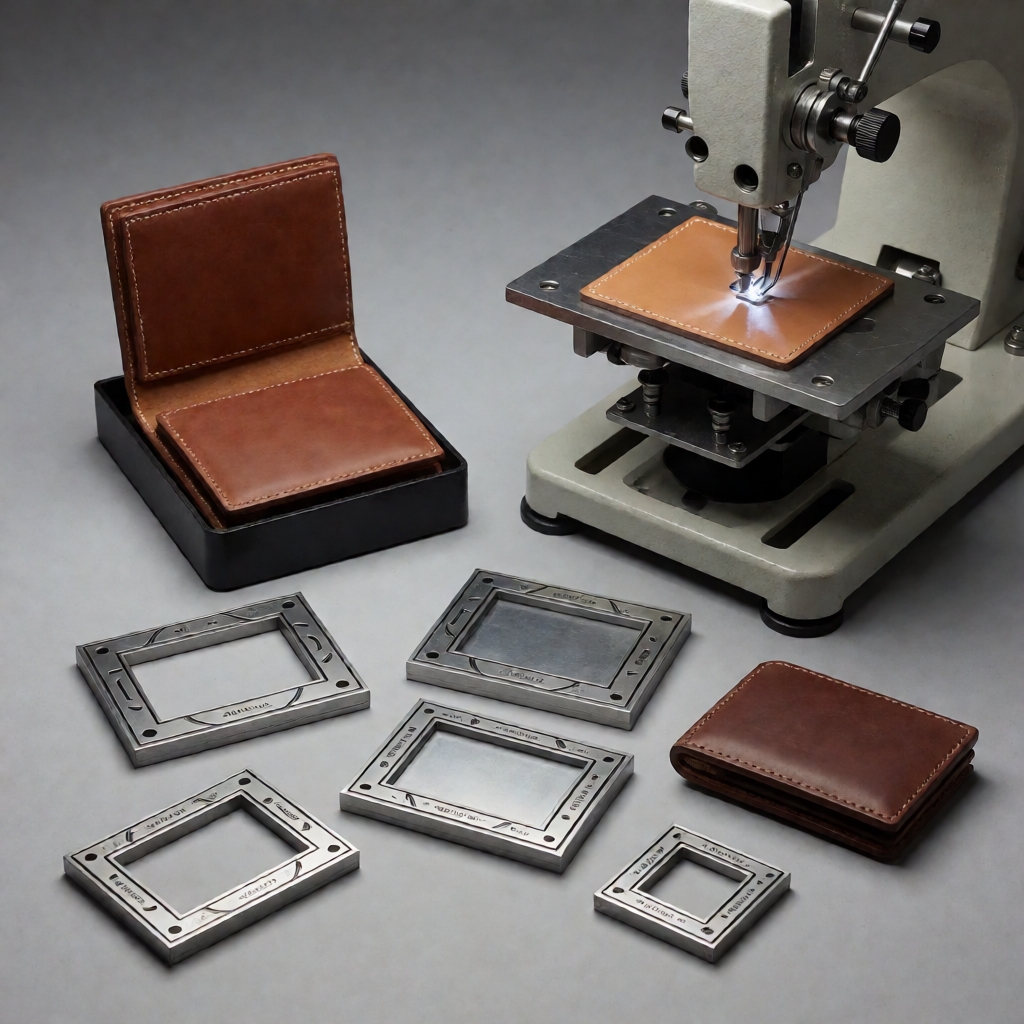
Understanding the manufacturing process helps buyers make informed sourcing decisions. Most men’s wallet manufacturers operate through the following workflow:
1. Material Sourcing and Selection
Wallets are typically made from:
- Aluminum (6061-T6 or 7075): Lightweight, corrosion-resistant, and cost-effective. Ideal for anodized finishes.
- Carbon Fiber: High strength-to-weight ratio, scratch-resistant, and modern aesthetic.
- Titanium: Premium durability, hypoallergenic, and biocompatible. More expensive but highly valued in luxury EDC.
- Stainless Steel: Rugged and heavy-duty, often used for money clips or tactical wallets.
- Leather/TPU Combos: Used for hybrid designs that combine tradition with modern functionality.
Buyers should request material certifications (e.g., SGS-tested, RoHS/REACH compliant) to ensure safety and regulatory adherence, especially for products sold in North America and the EU.
2. CNC Machining and Forming
Precision CNC (Computer Numerical Control) machining is the backbone of modern wallet production. Manufacturers cut, drill, and shape metal sheets into wallet bodies with tight tolerances (often within ±0.05mm). This ensures consistent hinge movement, card insertion force, and overall fit.
For carbon fiber wallets, manufacturers may use compression molding or layup techniques, followed by trimming and edge polishing.
3. Surface Finishing
Finishing defines the product’s look and feel. Common processes include:
- Anodizing: Creates a durable, colored oxide layer on aluminum wallets. Available in matte, glossy, or brushed finishes.
- Beading/Blasting: Smooths edges and gives a uniform texture.
- Laser Engraving: Adds logos, patterns, or custom text.
- UV Printing: Allows full-color designs on flat surfaces.
- Polishing: Achieves mirror-like finishes on stainless steel or titanium.
4. Assembly and Quality Control
Components like hinges, springs, and RFID-blocking layers are assembled manually or via automated jigs. Each unit undergoes functional testing—checking card ejection mechanism strength, hinge durability (often 5,000+ cycle tests), and RFID performance.
Reputable manufacturers implement in-process QC and final inspection before packaging. Some offer third-party inspection reports (e.g., SGS, BV) upon request.
5. Customization and Private Labeling
Most men’s wallet manufacturers support full customization:
- Logo placement and technique (laser, engraving, embossing)
- Packaging design (retail boxes, blister packs, hang tags)
- Material and color selection
- Functionality tweaks (e.g., coin pocket, cash strap, card capacity)
This flexibility is critical for brands building a unique identity in the EDC space.
What Are the Key Specifications for Men’s Wallets?
When evaluating men’s wallet manufacturers, buyers should define clear technical specifications. These specs directly impact product performance, cost, and market appeal.
| Specification | Typical Range | Notes |
|---|---|---|
| Material | Aluminum 6061/7075, Carbon Fiber, Titanium Grade 5, Stainless Steel | Affects weight, durability, and price |
| Dimensions | 75–85mm (W) × 100–115mm (H) × 8–12mm (Thickness) | Slim profiles (8–10mm) are trending |
| Weight | 30–80 grams | Lighter is generally preferred for EDC |
| Card Capacity | 5–20 cards | Depends on spring mechanism and material thickness |
| RFID Blocking | 13.56 MHz standard | Must meet ISO/IEC 14442 or FIPS 201 standards |
| Hinge Durability | 5,000–10,000 cycles | Measured via automated opening/closing tests |
| Surface Finish | Anodized, polished, brushed, bead-blasted | Impacts aesthetics and scratch resistance |
| Customization | Logo, packaging, color, functionality | OEM/ODM flexibility varies by factory |
Critical Performance Metrics
- Card Ejection Force: Should be 2–5 N for easy one-hand operation.
- RFID Attenuation: Minimum 20–30 dB at 13.56 MHz to effectively block scanning.
- Corrosion Resistance: Aluminum wallets should pass 48+ hour salt spray tests.
Buyers can find detailed guidance on evaluating these specs in our best wallet for B2B buyers procurement guide.
What Standards Apply to Men’s Wallet Manufacturers?
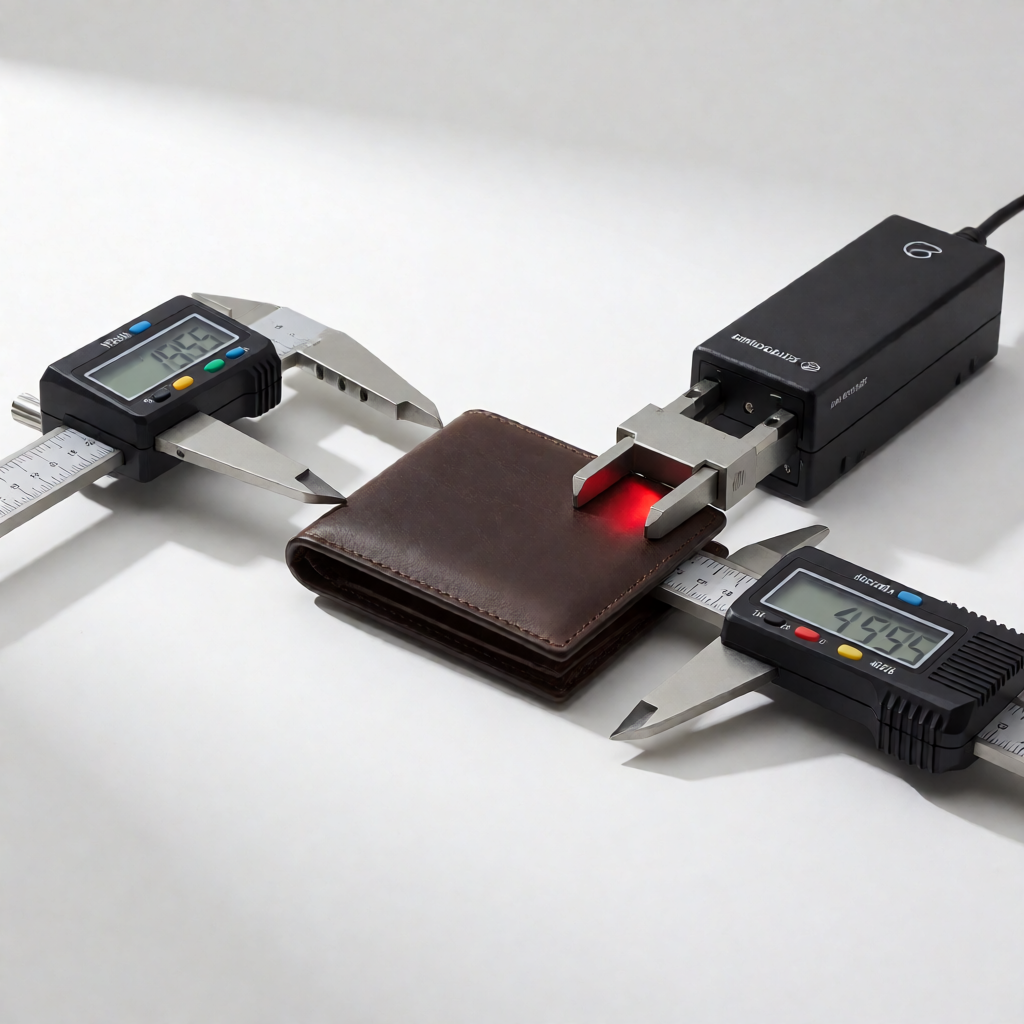
Compliance and certifications are non-negotiable for serious B2B sourcing. Buyers should verify that men’s wallet manufacturers adhere to international quality and safety standards.
1. Quality Management Systems
- ISO 9001: The global benchmark for quality management. Ensures consistent production processes, documentation, and continuous improvement.
- BSCI (Business Social Compliance Initiative): Audits social performance in the supply chain, covering labor conditions, health, and safety. Required by many European retailers.
2. Material Safety Standards
- RoHS (Restriction of Hazardous Substances): Limits use of specific hazardous materials (lead, mercury, cadmium) in electronics and metal goods. Essential for EU market access.
- REACH (Registration, Evaluation, Authorisation and Restriction of Chemicals): EU regulation controlling chemical substances. Materials should be tested for compliance.
- SGS Testing: Independent verification of material composition, heavy metal content, and physical properties.
3. RFID Performance Standards
- ISO/IEC 14442: Defines passive card identification standards.
- FIPS 201: U.S. federal standard for RFID security in personal identity verification.
- NIST SP 800-172: Technical security controls for RFID systems.
Manufacturers that openly share test reports and hold relevant certifications demonstrate transparency and reliability. For more on RFID security, see our RFID blocking importance guide.
What Should You Consider When Choosing Men’s Wallet Manufacturers?
Selecting the right men’s wallet manufacturers requires a structured evaluation beyond unit price. Consider these critical factors:
1. OEM vs. ODM Capability
- OEM (Original Equipment Manufacturer): You provide designs, specs, and branding; they produce. Best for established brands with proprietary designs.
- ODM (Original Design Manufacturer): They provide existing designs you can customize. Faster time-to-market but less exclusivity.
Verify their ability to handle both models if you plan to scale or diversify.
2. Minimum Order Quantity (MOQ)
MOQs vary widely:
- Low MOQ (300–500 pcs): Suitable for startups, Amazon FBA sellers, and test batches.
- High MOQ (1,000–10,000+ pcs): Often required for deep customizations or raw material procurement.
Negotiate MOQ flexibility based on your volume commitments.
3. Sample Lead Time and Cost
- Sample Time: Typically 5–15 days for custom prototypes.
- Sample Cost: Often waived or refundable upon bulk order.
- Sample Quality: Should match mass production standards. Poor samples indicate production risks.
Fast sample turnaround helps you validate designs before committing to large orders.
4. Production Capacity and Lead Time
- Monthly Capacity: Ranges from 50,000 to 500,000+ pieces depending on factory size and automation.
- Bulk Lead Time: Usually 25–45 days after sample approval, depending on order size and customization complexity.
Ask for capacity details to ensure they can meet your demand peaks.
5. Communication and Transparency
- Responsiveness: Quick replies to inquiries indicate professional management.
- Documentation: Willingness to share factory audits, test reports, and process flows.
- Languages: English proficiency is crucial for smooth collaboration.
6. Logistics and Shipping Options
- FOB (Free on Board): Buyer arranges shipping from the manufacturer’s port.
- DDP (Delivered Duty Paid): Manufacturer handles shipping, customs, and delivery to your warehouse.
- Dropshipping/FBA Prep: Some manufacturers offer direct-to-consumer or Amazon FBA preparation services.
Clarify terms early to avoid hidden costs.
For a deeper dive into supplier evaluation, explore our how to select wallet manufacturers for custom EDC production guide.
How We Meet These Standards as a Manufacturer?
As a specialist in men’s wallet manufacturing, we approach each project with a focus on engineering precision, material integrity, and buyer empowerment. Our process is built to support brands at every stage—from concept development to mass production and global delivery.
Engineering and Material Expertise
We utilize in-house CNC machining for aluminum, titanium, and stainless steel wallets, ensuring tight tolerances and consistent performance. For carbon fiber products, we employ advanced molding and finishing techniques to achieve durable, lightweight results. All materials are SGS-tested and compliant with RoHS and REACH standards, giving you peace of mind for international markets.
Certification and Compliance
Our facility is ISO 9001 certified and BSCI audited, reflecting our commitment to quality management and social responsibility. We provide full documentation, including material safety reports and RFID test certificates, to support your compliance requirements.
Flexible Sourcing Solutions
We cater to a range of buyer needs:
- Low MOQ starts at 300 pcs per SKU for full OEM customization (100 pcs trial order available for stock finishes) for startups and test orders.
- 7-day sample lead time to accelerate your development cycle.
- Full customization including logo engraving, color matching, and retail packaging design.
- OEM and ODM services tailored to your brand’s vision.
Scalable Production and Global Logistics
With a 50,000 sq ft factory and a monthly capacity exceeding 500,000 units, we support brands from small private-label runs to large-scale retail distribution. We offer flexible shipping terms, including dropshipping and Amazon FBA prep, to streamline your supply chain.
Proven Track Record
Since 2014, we have partnered with 200+ brands worldwide across North America, Europe, Australia, and Southeast Asia. Our expertise in minimalist EDC wallets, carbon fiber card holders, and titanium money clips has helped businesses launch successful products with confidence.
If you’re ready to explore how we can support your sourcing needs, we invite you to discuss your project with our team.
Men’s Wallet Manufacturers: Where Can You Verify the Data and Sources?
- best wallet for B2B buyers procurement guide — topedcwallet.com
- RFID blocking importance guide — topedcwallet.com
- how to select wallet manufacturers for custom EDC production — topedcwallet.com
- Get a Free Quote → — topedcwallet.com
From article to product
Sourcing minimalist-wallets?
Tell us the format, the quantity and the date you need stock. You get material options, MOQ and a landed-cost range back within one business day.
Keep reading
More on wallet manufacturing
Sustainable Packaging for Wallet Shipments
Packaging is where sustainability claims are cheapest to make and easiest to disprove. A…
ReadTake-Back and Recycling Programmes for Wallet Brands
A take-back programme is easy to announce and hard to run. Wallets are the…
ReadNickel Release Rules for Wallet Hardware
Nickel release is the one restriction in a wallet that is decided by the…
Read
About the author
TOPWALLET Editorial Team
TOPWALLET's editorial and engineering desk writes from bench testing at the Shenzhen (Longgang) facility: pull-force and cycle testing, 13.56 MHz shielding measurements, finish trials and factory audits, rather than supplier spec sheets. Every specification in these guides is one we write on a purchase order.
Written on the floor
This article was written by our production and QC team — the people who spec tolerances, run the finishing line and inspect every batch. Where it states a capacity, a pull force or a lead time, it comes from a measurement we made, not a supplier’s catalogue. If a number here disagrees with what your own supplier told you, tell us; several of these articles started as a correction from a buyer.
See how the factory works · Inspection process · Sourcing FAQ
Sourcing minimalist-wallets?
Tell us the format, the quantity and the date you need stock. You get material options, MOQ and a landed-cost range back within one business day.