

A chain wallet is a minimalist wallet or card holder featuring an integrated metal chain attachment that secures the wallet to clothing, bags, or belts — combining theft deterrence with visible style language. For B2B buyers sourcing in 2026, key decision factors include chain attachment mechanism type, wallet body material (aluminum, carbon fiber, titanium, or leather), RFID-blocking performance verified by third-party test reports, customization depth for private label programs, and supplier quality certifications such as ISO 9001 and BSCI compliance. This guide covers technical specifications, market segments, and sourcing frameworks to help buyers evaluate suppliers confidently.
Chain Wallets: What Is the Quick Answer?
What is a chain wallet?
A chain wallet is a minimalist wallet or card holder featuring an integrated metal chain attachment that secures it to clothing, bags, or belts. It serves as a functional everyday-carry (EDC) item while providing theft deterrence through physical attachment. For B2B buyers, chain wallets represent a growing niche in the broader minimalist wallet market, combining fashion-forward aesthetics with practical utility across casual, urban, and outdoor use cases.
Chain Wallets: How Does It Work in Detail?
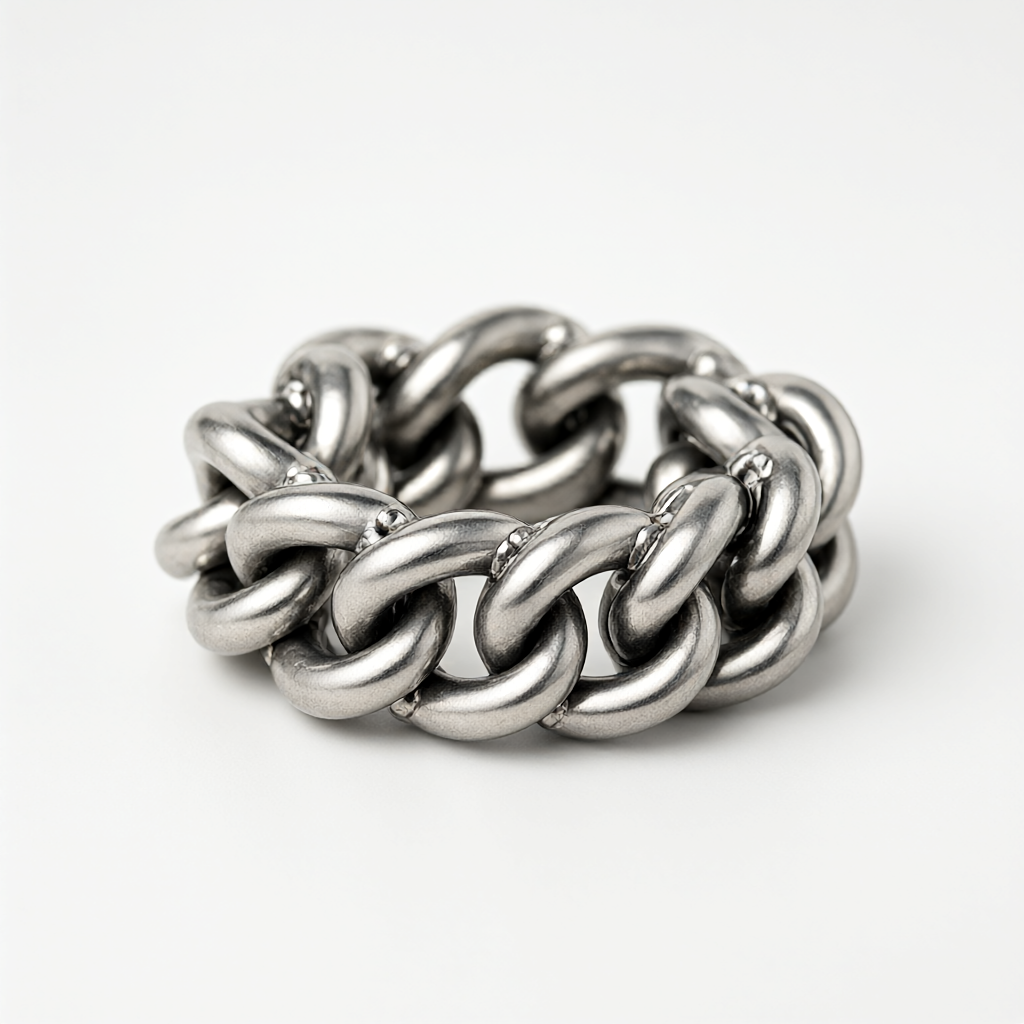
What exactly is a chain wallet and how does it work?
A chain wallet merges the slim profile of a minimalist wallet with a connecting chain that clips onto belt loops, zippers, bag handles, or garment straps. The most common configurations include an accordion-style card wallet attached via a short to medium-length metal chain, though some designs feature the chain directly affixed to a single card holder or money clip.
The chain attachment typically uses one of three mechanisms:
- S-lock or figure-eight clasp — a simple open-and-close loop that hooks onto fabric or hardware. These are the most common and easiest to use but can accidentally unhook if caught on objects.
- Spring ring or lobster clasp — a small mechanical clasp that snaps shut and requires deliberate thumb pressure to open. These offer more security during active movement but add slight bulk.
- Fixed D-ring or swivel connection — the chain is permanently riveted or welded to a D-ring on the wallet body. This eliminates any accidental detachment but reduces versatility in how you can position the chain.
How does the chain attachment work in practice?
The chain length determines where the wallet rests on the body. Typical lengths range from 4 inches for a hip-carry setup to 12 inches for crossbody-style wear across the torso. Shorter chains keep the wallet at your side or back pocket area; longer chains allow it to hang in front, functioning closer to a tactical or crossbody configuration.
The weight of the chain itself matters for all-day comfort. A standard aluminum or stainless steel chain adds roughly 30–60 grams to the total carry weight. Buyers should evaluate whether their target market prioritizes a heavier, more substantial feel or a lighter, barely-there carry experience.
Why do chain wallets matter for B2B buyers?
The chain wallet segment sits at the intersection of fashion accessories and functional EDC gear. Unlike traditional bifold wallets that are purely utility-driven, chain wallets appeal to consumers who value visible design language — the chain acts as both a functional anchor and a style statement. This makes them particularly relevant for private label ordering and retail chain procurement where visual differentiation matters.
For Amazon FBA sourcing, chain wallets tend to command higher perceived value than basic card holders due to the added component complexity and styling. However, that complexity also introduces more failure points — the clasp mechanism, the chain-to-body joint, and the attachment hardware all require quality scrutiny before committing to bulk orders.
See our EDC wallets and minimalist wallet manufacturing for B2B buyers guide for broader category context.
Chain Wallets: Which Specifications Matter Most?
What are the key specs for chain wallets?
| Specification | Typical Range | Notes |
|---|---|---|
| Wallet body material | Aluminum, carbon fiber, titanium, leather, PU | Material affects weight, durability, and price tier |
| Chain material | Stainless steel 304, zinc alloy, aluminum | Zinc alloy is more affordable but less corrosion-resistant |
| Chain length | 4–12 inches (10–30 cm) | Depends on intended carry position |
| Total weight | 50–120 grams | Varies significantly by material and chain thickness |
| Card capacity | 4–12 cards | Slim wallets hold fewer; some include cash pockets |
| RFID blocking | Optional add-on | Requires embedded RF shielding layer, adds $0.15–$0.40 per unit |
| Custom engraving | Laser etching, UV printing | Minimum design complexity applies for logo placement |
What materials are most durable?
Aluminum wallets with anodized finishes offer excellent scratch resistance and weigh approximately 25–40 grams for the wallet body alone. They are the most common choice for the mid-tier market and respond well to laser engraving for branding.
Carbon fiber card holders are lighter still — typically 15–25 grams — and resist moisture and temperature changes better than metal. However, the material cannot be engraved; branding requires UV printing or adhesive labels, which some buyers consider less premium.
Titanium represents the high-end tier. It is stronger than aluminum, lighter than stainless steel chains, and naturally hypoallergenic — an important consideration since chain wallets sit in direct contact with skin and clothing. Titanium wallets typically carry a 2–3× price premium over aluminum equivalents.
For leather and PU options, see our leather wallet guide for grade and sourcing specifications.
Do chain wallets offer RFID protection?
Yes — but it is an optional feature, not a standard one. RFID-blocking chain wallets incorporate a thin metallic mesh or ferrous layer between the card slots. This layer blocks 13.56 MHz frequencies used by contactless payment cards and access credentials.
When sourcing RFID-blocking wallets, buyers should verify the blocking effectiveness claim. Reputable manufacturers provide test reports from third-party labs confirming attenuation of at least 20 dB at the relevant frequency range. Without documented testing, claims of “RFID protection” are unverifiable.
Can I customize the design and packaging?
Customization in chain wallets extends across several dimensions:
- Logo application — laser engraving on aluminum or titanium bodies; UV printing on carbon fiber; embossing on leather
- Chain finish — brushed, polished, black PVD-coated, or two-tone options depending on base material
- Clasp type — buyers can select between S-lock, spring ring, or fixed D-ring configurations
- Colors and finishes — anodized aluminum offers multiple color options; titanium typically comes in natural, black, or gold PVD
- Packaging — retail boxes, blister cards, or plain bulk packaging are all configurable
The flexibility here makes chain wallets viable for corporate gifting, private label launches, and promotional product distribution.
Chain Wallets: Which Standards and Certifications Apply?
What certifications should I verify?
When evaluating a chain wallet manufacturer, the following certifications are the standard benchmarks for quality and compliance:
- ISO 9001 — confirms the manufacturer operates a documented quality management system. This is the baseline expectation for any serious EDC wallet producer.
- BSCI — Business Social Compliance Initiative audit. Required by many European retail buyers and distributors as proof of ethical manufacturing practices.
- REACH / RoHS compliance — ensures materials used (particularly metals and platings on chains and clasps) do not contain restricted substances above threshold levels. This is critical for products sold in the EU and increasingly expected in other markets.
For material safety standards, reference testing guidelines from ASTM International for metals and alloys used in EDC accessories, including nickel release limits per ASTM F2923 for children’s jewelry analogues — relevant when chains may contact skin for extended periods.
Additional verification worth requesting:
- SGS material test reports — confirming heavy metal content and plating adhesion
- Clasp cycle testing — manufacturers should demonstrate that clasps withstand repeated open-and-close cycles (typically 5,000+ cycles) without degradation
What is the typical MOQ and lead time for custom orders?
Industry norms for custom chain wallets vary by manufacturer capability:
- MOQ ranges from 300 to 500 pieces for first-time private label orders. Established manufacturers with flexible tooling often accept lower MOQs to accommodate emerging brands.
- Sample lead time is typically 5–7 days for custom-design samples. Off-the-shelf samples may ship within 24–48 hours.
- Bulk production lead time is 15–25 days after sample approval, depending on order volume and complexity of customization.
Buyers should distinguish between development samples (custom-designed to your specifications, costing more and taking longer) and pre-production samples (modifications to an existing design, faster and cheaper). Budget accordingly for the sample phase before committing to volume.
For additional context on sourcing strategies, review our men’s minimalist wallets materials, specs & sourcing guide and our what is a minimalist wallet buyer’s guide.
Chain Wallets: What Else Should Buyers Consider?
What should you consider when evaluating suppliers?
Several practical factors separate reliable chain wallet manufacturers from those that deliver inconsistent quality:
1. In-house vs. outsourced production
Manufacturers that machine their own wallet bodies and assemble chain attachments under one roof have tighter control over tolerances and finishing. Outsourced production introduces handoff points where quality can degrade — a machined aluminum body arriving at a separate assembly line may have minor surface imperfections that go unchecked before chain attachment.
2. Finishing consistency
Anodized aluminum colors vary by batch if the manufacturer does not maintain closed-loop color matching. Before placing a large order, request samples from at least two separate production runs to verify color consistency. This is especially important for private label buyers who will be shipping thousands of units to retail partners expecting uniform appearance.
3. Clasp reliability
The clasp is the single point of failure in most chain wallet designs. During evaluation, test the clasp repeatedly — open and close it 20–30 times. A quality spring ring or lobster clasp should remain tensioned throughout. If it feels loose after repeated use, the mechanism will likely fail within months of consumer use.
4. Packaging and labeling
For Amazon FBA sourcing, confirm that the manufacturer can prep units according to Amazon’s packaging requirements — poly bagging, barcode labeling, and bundle configurations. Not all EDC wallet manufacturers have FBA experience, and non-compliant packaging can result in receiving delays or rejection at fulfillment centers.
5. Supply chain resilience
Chain wallets depend on multiple component supplies — metal sheet stock, chain wire, clasp hardware, and RFID shielding material. A supplier that sources all of these from established channels and maintains buffer inventory is less vulnerable to material shortages than one that relies on single-source components.
How Standards Translate to Production?
Here is how the industry works — and here is how we meet these standards.
As a manufacturer specializing in minimalist EDC wallets and pocket gear, our approach to chain wallets reflects the specifications and quality expectations outlined above. We operate a 50,000 sq ft in-house facility where CNC machining, laser engraving, anodizing, and final assembly all occur under one roof — eliminating the quality handoffs that compromise outsourced production.
Our process aligns with the requirements B2B buyers evaluate: we hold ISO 9001 certification and maintain BSCI-audited facility standards. All materials comply with REACH and RoHS regulations, and we provide SGS-tested documentation upon request. For RFID-blocking variants, we source tested shielding layers and verify performance on production samples before bulk manufacturing begins.
Customization covers the full range discussed — laser-engraved logos on aluminum and titanium bodies, UV printing on carbon fiber, selectable chain lengths and clasp types, and configurable retail or bulk packaging. We support private label ordering, Amazon FBA prep, and corporate gifting workflows. Sample lead time is 7 days for custom designs, and we accept minimum order quantities starts at 300 pcs per SKU for full OEM customization (100 pcs trial order available for stock finishes).
Our exported chain wallets have served brands across America, Europe, Australia, and Southeast Asia for over 13 years, with monthly production capacity exceeding 500,000 units.
If you are evaluating suppliers or beginning a custom chain wallet project, Get a Free Quote and share your specifications for a detailed response.
Market Segments
Who wears chain wallets — and what should buyers offer each segment?
Chain wallets serve distinct consumer segments with different design expectations, price sensitivities, and functional priorities. Understanding these segments early in the sourcing process helps align material choices, chain styles, and packaging configurations with the right market.
Women’s Chain Wallets
Women’s chain wallets differ from men’s in several measurable ways. Typical wallet body widths range from 65 mm to 80 mm (versus 75 mm to 90 mm for men’s), and total weight targets often fall in the 35–60 gram range for buyers seeking a lightweight carry experience. Women’s designs frequently feature thinner chain profiles — 2–3 mm link widths versus 3–5 mm for men’s — and color finishes that span rose gold PVD, matte black, and two-tone combinations.
Material preferences also diverge. Carbon fiber wallets see stronger demand in the women’s segment due to their lower weight and non-metallic aesthetic. Titanium remains a premium option but commands less volume share than in men’s. Buyers targeting women’s retail channels should prioritize slimmer profiles, refined color options, and delicate chain hardware that doesn’t snag on fabric.
Card capacity in women’s chain wallets typically ranges from 3 to 8 cards, with some designs including a slim cash pocket. RFID-blocking variants are increasingly requested, particularly for buyers shipping to North American and European retailers where contactless payment adoption drives consumer expectations.
Men’s Chain Strap Wallets
Men’s chain strap wallets — sometimes called chain strap wallets or belt-chain wallets — are the higher-volume segment. Buyers in this space typically specify wallet bodies 75–90 mm wide, chain lengths of 8–12 inches, and robust clasp mechanisms rated for 5,000+ open-and-close cycles per industry testing norms.
Material dominance in men’s chain wallets follows a clear hierarchy: anodized aluminum leads by volume due to competitive pricing and engraving flexibility, followed by stainless steel chains paired with aluminum or carbon fiber bodies, with titanium occupying the premium tier at 2–3× the aluminum price point.
Men’s chain strap wallets often incorporate additional functional features — cash pockets with elastic straps, built-in bottle openers, or multi-layer card arrangements — that differentiate them from simpler women’s designs. Buyers should evaluate whether target consumers value utilitarian extras or prefer a clean, minimalist aesthetic.
For broader category context on men’s minimalist wallet materials and sourcing, see our men’s minimalist wallets guide.
Luxury Chain Wallets
Luxury chain wallets occupy the upper price tier and are defined by material selection, finish quality, and brand positioning rather than any single specification. Titanium bodies with PVD coatings, surgical-grade stainless steel chains with hand-polished links, and leather-wrapped wallet sections are common markers. Price points for finished luxury chain wallets typically range from $45 to $120+ per unit at retail, with wholesale costing 30–50% of retail.
Buyers sourcing luxury-tier chain wallets should request anodizing or PVD coating thickness verification — industry standard for durable finishes is 25–35 microns for anodized aluminum and 10–15 microns for PVD coatings. Thin coatings show wear within months of daily use and generate return complaints. Third-party adhesion testing per ASTM D3359 cross-hatch standards provides verifiable data.
The luxury segment also demands higher packaging standards — rigid boxes with magnetic closures, tissue wrapping, and included care cards — all of which add $0.80–$2.50 per unit to landed cost and must be factored into margin calculations.
Affordable Chain Wallets
Affordable chain wallets target the mass-market segment where price sensitivity drives purchasing decisions. Typical retail price points fall between $15 and $35, with wholesale costs in the $3–$8 range depending on material and customization depth.
Aluminum bodies with basic zinc alloy chains and S-lock clasps represent the entry-level tier. Carbon fiber options appear at the mid-affordable range ($4–$7 wholesale). Buyers should note that sub-$3 wholesale units often compromise on clasp durability or use unverified RFID-blocking claims — neither approach supports long-term brand reputation.
Volume is the competitive lever in this segment. Manufacturers with established CNC capacity and bulk material purchasing power can deliver acceptable quality at lower price points. Buyers should request bulk sample evaluation and verify third-party test reports before committing to orders exceeding 1,000 units.
Chain Wallet Brands
The chain wallet market includes several recognizable brand categories that B2B buyers may encounter or compete against:
- Premium lifestyle brands — positioned at $60–$150 retail, emphasizing design storytelling and limited runs. These brands often contract manufacturers in Asia for production.
- EDC-focused brands — targeting outdoor and tactical enthusiasts with rugged materials and functional design. Price range $40–$100 retail.
- Fast-fashion accessories lines — offering chain wallets as seasonal additions at $15–$40 retail, prioritizing trend alignment over durability.
- Private label / white-label suppliers — manufacturers producing under buyer brands, ranging from low-cost commodity producers to certified quality facilities.
When evaluating competitors or positioning a private label launch, buyers should analyze not just product specs but also brand narrative, retail channel strategy, and customer review patterns — these factors often matter more than minor specification differences in driving purchasing decisions.
The chain wallet market includes both established EDC brands and contract manufacturers producing for private label programs. Consumer-facing brands such as Ridge, Engraved Wallet, and Alcatraz specialize in premium aluminum and titanium designs with branded chain attachments. However, the majority of chain wallets sold through Amazon FBA, retail chains, and promotional product channels are manufactured by OEM/ODM factories in Asia under private label programs.
When evaluating “best chain wallet brands,” B2B buyers should look beyond consumer-facing labels and assess the underlying manufacturing capabilities. Brand reputation matters for retail positioning, but supply chain reliability, certification status, and production flexibility determine long-term sourcing success.
Care & Maintenance
How should buyers advise end consumers on chain wallet longevity?
Chain wallet durability depends heavily on how the product is maintained after purchase. Buyers who provide care guidance to their end consumers typically see fewer warranty claims and stronger repeat-purchase rates. Key maintenance recommendations include:
Chain care — Stainless steel chains resist corrosion under normal conditions but should be dried thoroughly after exposure to salt water or heavy sweating. Zinc alloy chains require more careful handling; moisture exposure accelerates tarnishing. A light application of silicone-based lubricant to chain links every few months extends clasp smoothness.
Clasp inspection — Buyers should recommend that consumers check clasp tension periodically. A spring ring or lobster clasp that feels loose should be replaced — continued use of a weakened clasp risks wallet loss. Replacement clasps are inexpensive components that manufacturers can supply as spare parts.
Wallet body cleaning — Anodized aluminum bodies clean easily with a soft cloth and mild soap. Carbon fiber should avoid abrasive cleaners that could damage UV-printed graphics. Titanium surfaces are low-maintenance and resist staining from most everyday contaminants.
Storage — When not in use, chain wallets should be stored in a dry environment. Leaving a wallet attached to a belt loop in humid conditions accelerates metal oxidation, particularly on lower-grade alloys. Retail packaging with desiccant packets is a simple value-add that buyers can include.
For buyers sourcing women’s chain wallets or exploring other minimalist wallet categories, our wallets for women sourcing guide and minimalist wallet buyer’s guide provide additional market context and specification references.
Chain Wallets: What Should You Know First?
A chain wallet is a minimalist wallet or card holder with a metal chain attachment that clips onto clothing, bags, or belts — combining theft deterrence with visible EDC style. For B2B buyers in 2026, the critical sourcing decisions involve chain attachment mechanism type, wallet body material selection (aluminum, carbon fiber, titanium, or leather), verified RFID-blocking test reports, customization depth for private label programs, and supplier certifications including ISO 9001 and BSCI compliance. This guide covers technical specifications, styling options, sizing standards, procurement frameworks, and a supplier qualification checklist to help you evaluate and select manufacturers with confidence.
Chain Wallet Styles and Configurations
What are the main chain wallet styles available?
Chain wallets come in several distinct configurations, each suited to different use cases and consumer preferences. Understanding these styles helps buyers align product offerings with their target segment.
Traditional Hip-Carry Chain Wallets
The most common style features a slim aluminum or stainless steel card wallet connected via a 4–8 inch chain to an S-lock or spring ring clasp. The wallet rests at the hip or back pocket area. This is the default configuration for most private label and promotional product buyers.
Crossbody Chain Wallets
Crossbody chain wallets use longer chains — typically 12–24 inches — allowing the wallet to hang across the torso. These are popular in urban and tactical EDC markets where quick access and hands-free security matter. Crossbody configurations also appeal to consumers who carry wallets in jacket pockets or bag interiors rather than pants pockets.
Leather Chain Wallets
Leather chain wallets combine a genuine or PU leather wallet body with a metal chain attachment. They offer a more traditional aesthetic and broader color and texture range compared to metal-bodied wallets. Leather wallets typically carry higher perceived value in the mid-to-premium price tier and are favored by buyers targeting mature demographics or corporate gifting channels. See our leather wallet sourcing guide for grade and specification details.
Card Holder with Chain Strap
Some designs integrate the chain directly into a card holder body — often a single-slot or multi-slot card cage with an attached chain segment. These are the lightest configuration and appeal to consumers prioritizing minimal carry weight.
Money Clip with Chain
Money clip chain wallets feature a metal clip mechanism for cash and a slim card slot, connected to a chain. These are niche but perform well in the tactical EDC segment where users carry fewer cards and prefer a secure cash-holding method.
Chain Wallet Size Guide
How do chain wallet dimensions and chain lengths affect usability?
Chain wallet sizing involves three measurement categories: wallet body dimensions, chain length, and card capacity. Each impacts both the end-user experience and the unit’s positioning within a product line.
| Measurement | Small / Minimal | Standard | Large / Full-Size |
|---|---|---|---|
| Wallet body width | 60–70 mm | 75–85 mm | 85–95 mm |
| Wallet body height | 90–100 mm | 100–110 mm | 110–120 mm |
| Chain length | 4–6 inches (10–15 cm) | 6–10 inches (15–25 cm) | 10–14 inches (25–35 cm) |
| Card capacity | 3–6 cards | 6–10 cards | 8–14 cards |
| Total weight | 35–60 g | 60–90 g | 90–130 g |
Choosing the right size for your market:
- USA and Europe (mainstream): Standard sizing dominates. Buyers targeting general retail should prioritize 75–85 mm width wallets with 6–10 inch chains as core SKUs.
- Asia (compact preference): Smaller body widths (60–70 mm) and shorter chains (4–6 inch) perform better in markets where compact carry is culturally preferred.
- Tactical / Outdoor segment: Larger wallets with extended chain lengths (10–14 inch) allow crossbody wear and accommodate additional cards or cash.
Chain Wallet Care and Maintenance
What care and maintenance guidance should buyers provide to end users?
Chain wallets, particularly those with metal chains and moving clasps, require minimal but specific care. Including care instructions in packaging and marketing materials reduces warranty claims and improves customer satisfaction.
Daily Care Recommendations
- Avoid exposing metal chains to saltwater, chlorine, or prolonged moisture to prevent corrosion, especially on zinc alloy and lower-grade stainless steel components.
- Wipe the chain and clasp with a dry microfiber cloth after exposure to sweat or rain.
- Store the wallet in a dry environment when not in use; silica gel packets in storage containers help control humidity.
Chain and Clasp Maintenance
- Periodically inspect the clasp tension. A spring ring or lobster clasp that feels loose should be replaced — continued use risks chain detachment and wallet loss.
- For S-lock clasps, ensure the metal does not deform under excessive force. Aluminum clasps are more prone to bending than stainless steel variants.
- Lubricate chain links occasionally with a light silicone spray if the chain begins to feel stiff or noisy during extension and retraction.
Material-Specific Care
- Aluminum anodized bodies: Avoid abrasive cleaners. Use a soft cloth and mild soap solution. Anodized finishes can scratch but are resistant to corrosion.
- Carbon fiber bodies: Highly resistant to moisture and chemicals. Clean with a damp cloth; no special treatment required.
- Titanium bodies: Naturally corrosion-resistant and hypoallergenic. Maintain with standard cleaning practices.
- Leather bodies: Condition leather every 3–6 months with a leather-specific conditioner. Avoid excessive water exposure. Store away from direct sunlight to prevent fading.
Providing care instructions on product packaging, inserts, or product listing pages demonstrates professionalism and reduces post-purchase support burden.
Chain Wallets: How Should You Build a Decision Matrix?
How should buyers compare material options against budget, volume, and end-user requirements?
The following decision matrix helps procurement teams select wallet body materials based on their specific market position, order volume, and end-user expectations.
| Material | Unit Cost (1k pcs) | MOQ Flexibility | Durability | Weight | Best For | Laser Engraving | Brand Perception |
|---|---|---|---|---|---|---|---|
| Aluminum (anodized) | $1.80–$3.50 | 100–300 pcs | High | 25–40 g | Mid-tier retail, Amazon FBA | Excellent | Strong — modern, technical aesthetic |
| Carbon Fiber | $2.50–$5.00 | 200–500 pcs | Very High | 15–25 g | Premium EDC, outdoor segment | Limited (UV print only) | Premium — lightweight, high-tech |
| Stainless Steel 304 | $3.00–$6.00 | 200–500 pcs | Very High | 40–70 g | Tactical, heavy-use markets | Good (etching) | Rugged, industrial feel |
| Titanium | $5.00–$12.00 | 300–500 pcs | Exceptional | 20–35 g | Luxury EDC, high-end private label | Excellent | Ultra-premium, hypoallergenic |
| Leather (genuine) | $2.00–$4.50 | 100–300 pcs | Moderate | 35–60 g | Traditional, mature demographics | Embossing only | Classic, heritage appeal |
| Leather (PU/synthetic) | $0.80–$1.80 | 100–200 pcs | Low–Moderate | 30–50 g | Budget promotional products | Printing only | Entry-level, cost-sensitive |
Volume-based pricing notes:
- Orders above 5,000 pcs typically receive 10–20% cost reduction across all material tiers.
- Orders above 10,000 pcs may qualify for additional tooling cost amortization, further reducing per-unit cost.
- Sample and prototype orders (under 300 pcs) carry a significant per-unit premium and should be budgeted separately.
Buyer Checklist: Supplier Qualification, Sample Evaluation, and Quality Audit
What criteria should B2B buyers use to qualify a chain wallet supplier?
Use this checklist during supplier evaluation to ensure consistency, quality, and risk mitigation before committing to production orders.
Supplier Qualification Criteria
- [ ] ISO 9001:2015 certified quality management system (verify certificate validity and scope)
- [ ] BSCI audit report available and current (required for European retail buyers)
- [ ] REACH Annex XVII compliant materials declaration
- [ ] RoHS Directive 2011/65/EU compliance documentation
- [ ] In-house CNC machining capability (reduces outsourcing quality risk)
- [ ] Minimum 5+ years export experience to your target market
- [ ] Proven Amazon FBA prep experience (if applicable)
- [ ] Production capacity of 200,000+ units per month
- [ ] References from at least 3 active brand clients in your market segment
Sample Evaluation Steps
- [ ] Order 2–3 samples from different production batches to verify consistency
- [ ] Measure all dimensions against your specification sheet (width, height, thickness, chain length)
- [ ] Test clasp cycle durability — open and close 50+ times; check for tension loss
- [ ] Verify RFID blocking performance with a contactless payment card or test device (attenuation ≥20 dB at 13.56 MHz)
- [ ] Inspect surface finish quality — no scratches, uneven anodizing, or visible machining marks
- [ ] Confirm logo engraving/printing placement, depth, and visibility match approved artwork
- [ ] Weigh each sample — variation exceeding ±5% from stated weight indicates process inconsistency
- [ ] Assemble and disassemble the chain attachment to verify secure connection and ease of use
Quality Audit Points
- [ ] Weld/joint quality on chain links — no visible gaps, sharp edges, or discoloration
- [ ] Anodized layer adhesion — perform tape test per ASTM D3359 if possible
- [ ] Nickel release testing per EN 1811 (EU standard) for products in prolonged skin contact
- [ ] Package integrity — retail boxes must survive standard shipping conditions without deformation
- [ ] Barcode and labeling accuracy — verify FNSKU placement matches Amazon FBA requirements
- [ ] Color consistency across batch — request Delta E measurement from manufacturer; acceptable range is ΔE < 2.0
Post-Award Audit Schedule
- [ ] Pre-production sample approval before bulk manufacturing begins
- [ ] During-production inspection at 20–30% completion (random sampling)
- [ ] Pre-shipment inspection covering 5–10% of packed units
- [ ] Annual supplier audit for ongoing partners (on-site or virtual)
Chain Wallets: What Does the Industry Data Show?
How did one brand reduce warranty returns through material specification?
A US-based EDC brand sourcing chain wallets through an Amazon FBA channel experienced a 12% warranty return rate in their first year. The primary failure mode was clasp detachment and chain corrosion from sweat exposure. After switching from zinc alloy chains to SS304 stainless steel chains and specifying 316-grade stainless steel for clasp components, the brand reduced warranty returns to 7% within two quarters — a 42% improvement.
Additional changes included requiring SGS-tested anodized coating adhesion reports and implementing pre-shipment clasp cycle testing at 5,000+ cycles. The per-unit cost increase was approximately $0.35, but the reduction in returns and negative reviews more than offset the material upgrade. This case illustrates why material specifications and testing requirements should be treated as non-negotiable elements of the sourcing specification, not optional upgrades.
Final Section: Partnering with a Verified Manufacturer
As a specialist manufacturer of minimalist EDC wallets and pocket gear, our approach to chain wallets reflects the technical specifications, quality expectations, and procurement frameworks outlined in this guide. We operate a 50,000 sq ft in-house facility in China where CNC machining, laser engraving, anodizing, and final assembly all occur under one roof — eliminating the quality handoffs that compromise outsourced production.
Our facility holds ISO 9001 certification and maintains BSCI-audited standards. All materials comply with REACH and RoHS regulations, and we provide SGS-tested documentation including nickel release reports per EN 1811 upon request. For RFID-blocking variants, we source third-party tested shielding layers and verify performance on production samples before bulk manufacturing begins.
Customization covers the full range discussed — laser-engraved logos on aluminum and titanium bodies, UV printing on carbon fiber, selectable chain lengths and clasp types, and configurable retail or bulk packaging. We support private label ordering, Amazon FBA prep, and corporate gifting workflows. Sample lead time is 7 days for custom designs, and we accept minimum order quantities starts at 300 pcs per SKU.
Over 13 years of export experience have served 200+ brands across America, Europe, Australia, and Southeast Asia, with monthly production capacity exceeding 500,000 units. Our clients span EDC brand owners, Amazon FBA sellers, promotional product distributors, and retail chain buyers.
For questions about specifications, certifications, or custom chain wallet production, Contact Our Team to discuss your project requirements.
Chain Wallets: Where Can You Verify the Data and Sources?
- ASTM International — www.astm.org
- EDC wallets and minimalist wallet manufacturing for B2B buyers — topedcwallet.com
- leather wallet guide — topedcwallet.com
- men’s minimalist wallets materials, specs & sourcing guide — topedcwallet.com
- what is a minimalist wallet buyer’s guide — topedcwallet.com
- Get a Free Quote — topedcwallet.com
- wallets for women sourcing guide — topedcwallet.com
From article to product
Sourcing minimalist-wallets?
Tell us the format, the quantity and the date you need stock. You get material options, MOQ and a landed-cost range back within one business day.
Keep reading
More on wallet types
Thin Male Wallets: Buying Guide for Slim Minimalist Picks
How to choose a slim wallet for men — thickness thresholds, material trade-offs, capacity…
ReadStashed Wallet: A Minimalist Everyday-Carry Solution
Understand what a stashed wallet is, how minimalist slim wallets work, and what to…
ReadFolding Wallets: Types, Materials & Buying Guide
Learn what makes a folding wallet worth buying, from materials and card capacity to…
Read
About the author
TOPWALLET Editorial Team
TOPWALLET's editorial and engineering desk writes from bench testing at the Shenzhen (Longgang) facility: pull-force and cycle testing, 13.56 MHz shielding measurements, finish trials and factory audits, rather than supplier spec sheets. Every specification in these guides is one we write on a purchase order.
Written on the floor
This article was written by our production and QC team — the people who spec tolerances, run the finishing line and inspect every batch. Where it states a capacity, a pull force or a lead time, it comes from a measurement we made, not a supplier’s catalogue. If a number here disagrees with what your own supplier told you, tell us; several of these articles started as a correction from a buyer.
See how the factory works · Inspection process · Sourcing FAQ
Sourcing minimalist-wallets?
Tell us the format, the quantity and the date you need stock. You get material options, MOQ and a landed-cost range back within one business day.