

A coin wallet is a compact, minimalist pocket organizer designed to carry loose change alongside cards and folded bills — favored by EDC enthusiasts who prioritize slim profiles and durable materials over traditional bulky bi-folds. Businesses can acquire them through OEM manufacturing, ODM programs, or private-label purchasing, typically featuring machined aluminum, titanium, or carbon fiber construction with full customization options. Standard MOQs begin at 300 pcs, sample turnaround averages 7 days, and bulk production runs 25–40 days under ISO 9001:2015 quality management.
Get Coin Wallets: What Is the Quick Answer?
Businesses acquire coin wallets through three main pathways: OEM manufacturing (designing a product from scratch with a factory), ODM programs (selecting an existing design and adding your branding), or private-label purchasing (buying finished goods from a manufacturer that already produces the item). For most Amazon FBA sellers, promotional distributors, and emerging EDC brand owners, the most practical route is a contract manufacturing partnership that begins with a reference sample or DFM package, moves to prototype approval, and scales into bulk production. Lead times typically range from 7 days for samples to 25–40 days for initial orders, with MOQs starting as low as 300 pieces per design.
Get Coin Wallets: How Does It Work in Detail?
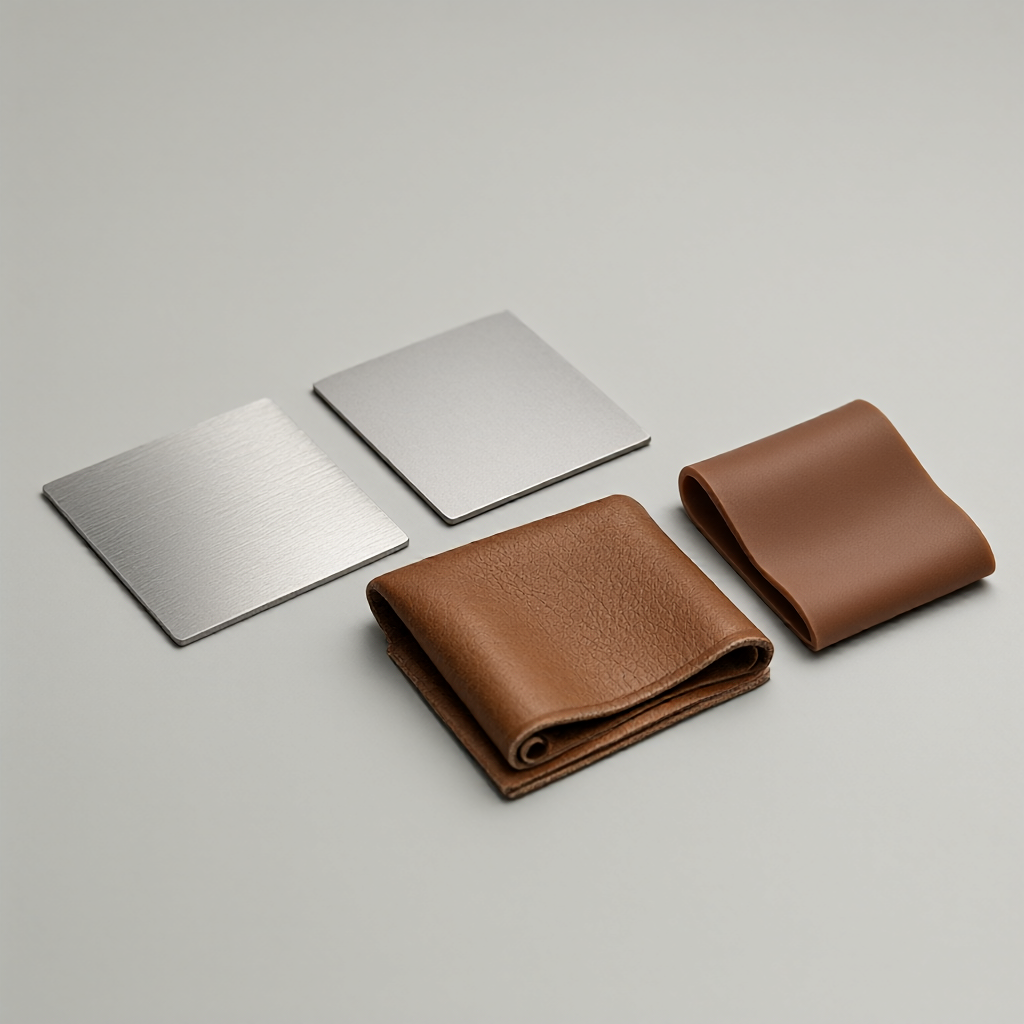
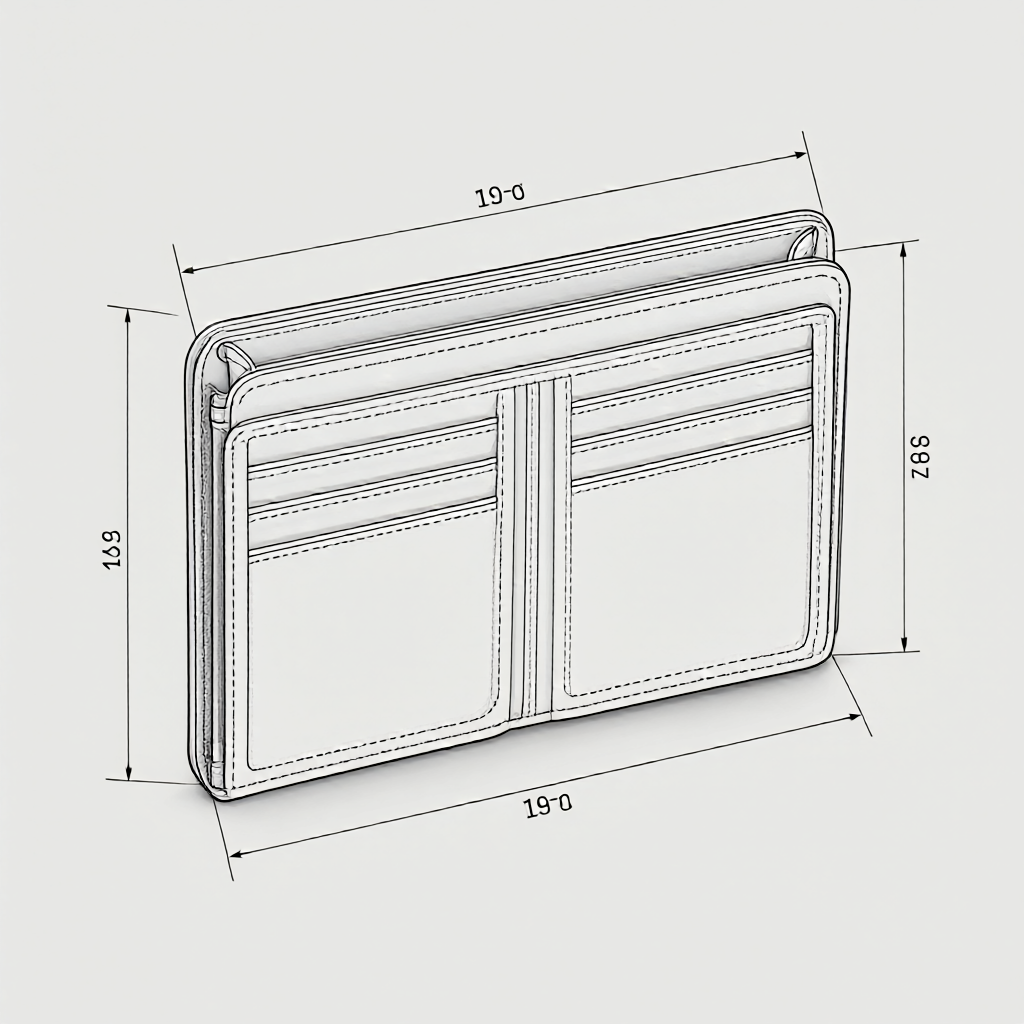
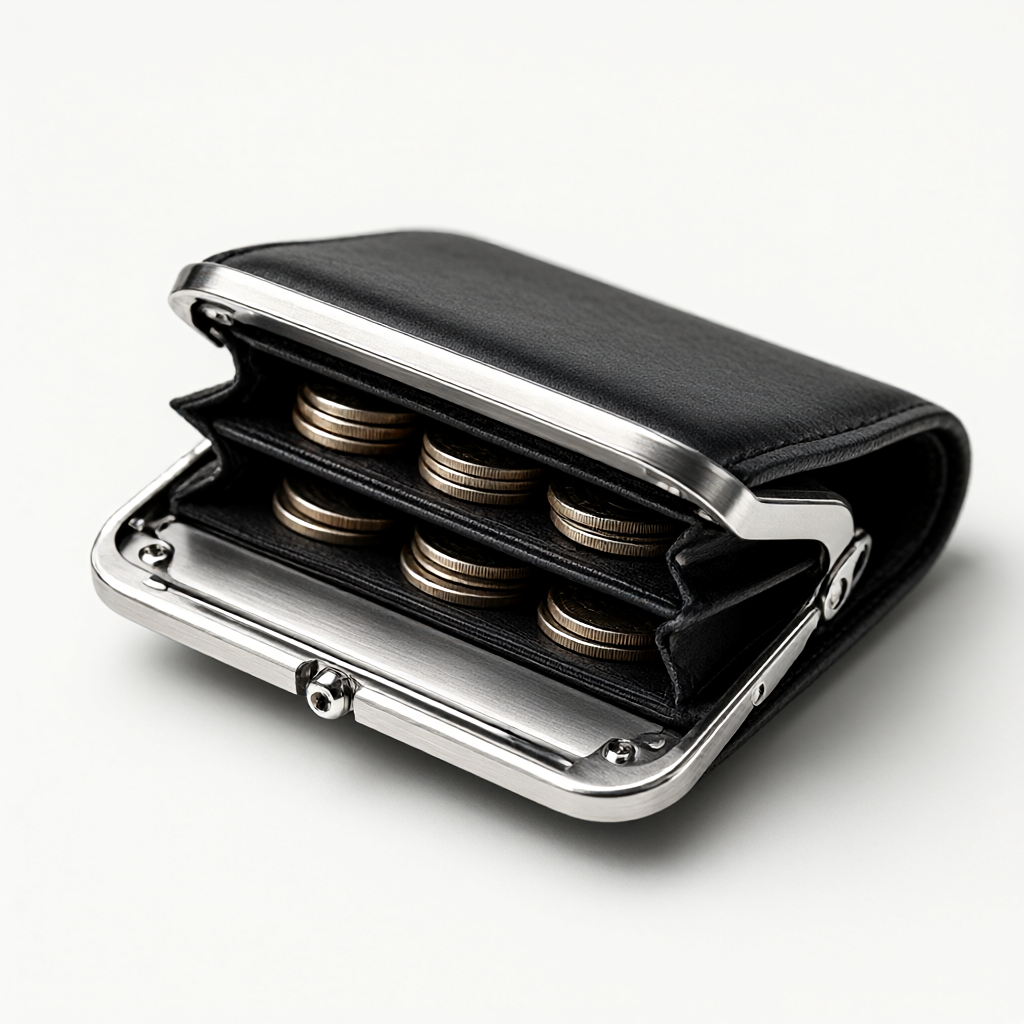
What is a coin wallet in the EDC ecosystem?
A coin wallet — sometimes called a coin holder, EDC coin organizer, or cash clip wallet — is a compact pocket-carry format designed to secure loose change alongside cards or folded bills. Unlike traditional bi-fold wallets, these products trade capacity for slimness and durability, typically constructed from machined aluminum, titanium, or carbon fiber. They occupy a niche within the broader everyday carry category: they serve users who want to eliminate bulk without surrendering essential function. The rise of contactless payment has accelerated demand, as fewer cards in circulation means less room is needed for paper money and coins together.
These products appeal to outdoor enthusiasts, commuters, and corporate gifting buyers who value minimalist metal wallets that double as conversation pieces. For B2B buyers, the category offers higher margins than generic plastic or leather wallets because the perceived value sits in material choice, precision machining, and surface finishing rather than volume production alone.
How does a business get coin wallets for resale or private label?
The procurement path depends on how much control a buyer wants over the final product.
OEM manufacturing is the most flexible option. You provide specifications — dimensions, material grade, finishing requirements, logo placement, packaging design — and the factory builds the product to those parameters. This route suits EDC brand owners building a differentiated coin-holder SKU line or corporate gift buyers seeking fully branded pocket gear.
ODM programs let you select from a manufacturer’s existing designs and customize elements like color anodization, laser-engraved logos, or retail box graphics. This is faster and lower-risk for Amazon FBA sellers who need market-ready products with minimal development time. The trade-off is less differentiation unless your branding or packaging stands out significantly.
Private-label purchasing involves buying from a manufacturer’s catalog with pre-established specifications and your logo applied. It’s the quickest path to shelf but offers the least flexibility on materials, mechanisms, or form factor changes.
Each approach follows the same fundamental workflow: request a quotation based on your specs or a reference sample, receive a digital mockup or physical prototype, approve tooling and samples, place the production order, and arrange shipping or drop fulfillment. Buyers should review detailed guidance on the manufacturing process and procurement considerations for minimalist EDC wallets to understand where common delays and cost surprises originate before committing to an order.
Get Coin Wallets: Which Specifications Matter Most?
What are the key specs for coin wallets?
Material selection is the primary specification driver. Here is how the three dominant materials compare:
| Material | Weight | Durability | Cost Tier | Best For |
|---|---|---|---|---|
| Anodized aluminum | Lightest | High | Low–Mid | Cost-competitive lines, high-volume promotions |
| Titanium | Light | Very high | Mid–High | Premium branding, luxury EDC positioning |
| Carbon fiber | Lightest | High impact resistance | Mid–High | Design-forward products targeting enthusiast buyers |
Typical dimensions for a minimalist metal wallet fall between 70–85 mm in width, 300–115 mm in height, and 6–12 mm in thickness, depending on whether the design includes a coin compartment or cash strap. Budget roughly 35–55 grams for an aluminum unit and 45–70 grams for titanium equivalents.
MOQ thresholds vary by complexity. Simple stamped or extruded aluminum designs may starts at 300 pcs per SKU for full OEM customization (100 pcs trial order available for stock finishes), while titanium parts requiring multiple CNC operations often require 200–500 pieces to justify setup costs. Production lead time for bulk orders typically runs 25–40 days after sample approval, though expedited timelines exist for simpler configurations.
Sample lead time usually lands around 7 days for standard materials and finishes. Complex new tooling or multi-stage processes can extend this to 10–14 days. Buyers should budget samples into their project timeline rather than treating them as instantaneous.
RFID-blocking is an increasingly requested feature for card clutch with coin compartment designs. Understanding what RFID blocking technology is and how it protects contactless cards helps buyers specify the right inclusion level — whether as a built-in metallic lining, a separate RF-shielded sleeve, or a hybrid approach.
Get Coin Wallets: Which Standards and Certifications Apply?
What standards apply to coin wallets?
Metal EDC wallets sold internationally should be produced under a documented quality management system. Manufacturers operating under ISO 9001 certification maintain standardized processes for incoming material inspection, in-process dimension checks, and final product verification. This reduces lot-to-lot variation — a critical concern when reorder quantities arrive months apart.
For buyers in European markets, REACH and RoHS compliance confirm that finishes, coatings, and base metals do not exceed restricted substance limits. SGS testing reports on raw materials provide verifiable evidence for customs clearance and retailer onboarding in regulated jurisdictions.
BSCI audit certification signals that the manufacturing facility meets social responsibility benchmarks around labor practices, working conditions, and ethical sourcing. Many Western retailers and distributors require this documentation before signing a vendor agreement.
If your product includes RFID-blocking functionality, verify that the shielding material meets recognized performance thresholds rather than accepting supplier claims at face value. Request test data from an independent laboratory when entering contracts above 1,000 units.
Custom laser-engraved and UV-printed decorations should comply with material adhesion and scratch-resistance standards appropriate to the intended use environment. Ask for ablation depth measurements and cross-cut adhesion test results before approving decorative samples.
Get Coin Wallets: What Else Should Buyers Consider?
What customization options are available for branded coin wallets?
Most contract manufacturers offer a tiered set of personalization services:
Surface finishing. Aluminum wallets accept anodized colors across the full spectrum, plus bead-blasted matte and mirror-polished alternatives. Titanium can be anodized to produce permanent color shifts or left in its natural brushed state. Carbon fiber surfaces are typically clear-coated to preserve the weave pattern.
Logo application. Laser engraving produces permanent marks suitable for metal and carbon fiber substrates. UV printing works well on flat anodized surfaces where full-color artwork is desired. Embossing or debossing is occasionally offered for larger minimums.
Packaging. Retail-ready boxes with window cuts, magnetic closures, or folding cartons are standard offerings. Branded tissue, warranty cards, and insertion inserts add perceived value for end consumers. Drop-shipping and Amazon FBA prep services are commonly available for sellers managing inventory remotely.
For additional detail on how similar pocket accessories are sourced — including specification sheets and procurement checkpoints — reviewing a guide to sourcing money clips for B2B buyers provides relevant context on finish consistency and tolerance management.
How much does it cost to manufacture coin wallets in bulk?
Unit cost is driven by five variables: material grade, part complexity, surface finish type, decoration method, and order quantity. A representative cost range for anodized aluminum coin wallets falls between $2.50 and $6.00 per unit at typical wholesale volumes, with titanium versions running $8.00 to $18.00 and carbon fiber models occupying a similar band to titanium depending on weave pattern and layup method.
Promotional product distributors placing larger orders with simpler finishes see costs compress toward the lower end. Corporate gift buyers selecting titanium models with full laser engraving and premium retail packaging should expect costs closer to the upper end. Currency fluctuations, raw material surcharges, and freight costs sit outside the manufacturer’s control and should be factored into landed-cost calculations separately.
How should a buyer evaluate and select a reliable coin wallet manufacturer?
Begin with three checkpoint questions:
- Does the factory hold current certifications? ISO 9001 and BSCI documentation should be available on request. Verify dates — expired certificates indicate weak compliance habits.
- Can they produce to your specification without unnecessary pushback? A competent manufacturer will challenge unrealistic tolerances or incompatible material-finish combinations, but will not invent obstacles to slow your project.
- What is their actual sample turnaround? Claimed 7-day samples are credible when the factory maintains ready stock of raw materials and common tooling. Factories that build every sample from virgin stock will consistently miss aggressive timelines.
Request a portfolio of previous work matching your target material and finish before signing an agreement. Examine photos of engravings, anodized color consistency, and edge treatment quality. These details predict the standard your first production run will meet.
Here is how we approach coin wallet sourcing and production
As a manufacturer, our approach to meeting these standards starts with understanding what your end user expects from a PocketCoin-style product — slim profile, reliable retention, and a finish that holds up to daily abuse. We source mill-certified 6061-T6 aluminum and Grade 5 titanium from verified suppliers, anodize in-house to lock in color stability, and laser-etch every logo mark for permanence. Our in-house CNC program handles prototyping and low-to-mid volume runs without outsourcing, which keeps development timelines tight and communication direct.
We have been producing EDC wallet accessories since 2014, and our facility covers roughly 50,000 square feet with a monthly output exceeding 500,000 units. We work with 200+ brands across North America, Europe, Australia, and Southeast Asia. Our standard sample lead time is 7 days, and we accept orders starts at 300 pcs per SKU per design. All facilities operate under ISO 9001 and BSCI audit frameworks, and material batches are SGS-tested for REACH and RoHS compliance before entering production.
Coin wallets are compact, slim pocket-carry organizers designed to hold loose change alongside cards and folded bills — offering EDC enthusiasts and everyday users a minimalist alternative to traditional bi-fold wallets without sacrificing function. Sourced through OEM manufacturing, ODM programs, or private-label purchasing, these products typically feature machined aluminum, titanium, or carbon fiber construction, with customizable engraving, finishes, and packaging. Standard MOQs begin at 300 pieces, sample turnaround averages 7 days, and bulk production runs 25–40 days under ISO 9001:2015 quality management.
Decision Guide: OEM vs ODM vs Private Label for Coin Wallets
Choosing the right sourcing model depends on your budget, timeline, differentiation goals, and risk tolerance:
| Factor | OEM Manufacturing | ODM Program | Private Label |
|---|---|---|---|
| Budget | Highest upfront (tooling + development) | Moderate | Lowest |
| Timeline | 6–10 weeks total | 3–6 weeks total | 1–3 weeks |
| Differentiation | Full control over form, mechanism, finish | Moderate (branding + packaging only) | Minimal |
| Risk Level | High (first mover) | Medium | Low |
| Best For | Established EDC brands building proprietary SKUs | Fast-moving Amazon FBA sellers, promotional distributors | Corporate gift buyers, quick-test market entries |
- OEM: You provide specs or reference samples; factory engineers and produces from scratch. Ideal when IP protection and design exclusivity matter.
- ODM: Factory offers existing designs you customize via color, engraving, or packaging. Best balance of speed and uniqueness.
- Private Label: Off-the-shelf product with your logo stamped. Fastest route to shelf with least flexibility.
Refer to the guide to best minimal wallets for B2B sourcing and private label programs for additional comparison detail across sourcing models.
Procurement Buyer Checklist
Use this checklist when evaluating any coin wallet manufacturer before signing a contract:
Factory Audit Criteria
- [ ] Current ISO 9001:2015 certification (not expired; request certificate copy with audit dates)
- [ ] BSCI social responsibility audit report available within last 24 months
- [ ] In-house CNC machining capability confirmed (not fully outsourced)
- [ ] Material traceability: mill certificates for aluminum/titanium batches on file
- [ ] SGS or equivalent test reports for REACH Annex XVII and RoHS Directive 2011/65/EU compliance
- [ ] Production capacity: minimum 50,000 units/month for sustained supply
- [ ] Export history to your target region documented
Sample Evaluation Template
- [ ] Dimensional check: width ±0.5 mm, thickness ±0.3 mm against spec sheet
- [ ] Weight verification within ±5 grams of quoted range
- [ ] Anodized color match to Pantone/reference swatch (visual + spectrophotometer if available)
- [ ] Laser engraving depth ≥ 15 µm; cross-cut adhesion test passes 4B rating
- [ ] RFID-blocking performance verified (if specified): signal attenuation ≥ 20 dB at 13.56 MHz
- [ ] Hinge/coin-flap mechanism rated for ≥ 5,000 open-close cycles
- [ ] Packaging: window cut precision, magnetic closure force, barcode legibility
Negotiation Checklist
- [ ] Tooling/NRE fee clearly itemized and capped; no hidden setup charges
- [ ] Unit pricing tier structure provided (e.g., 100 / 500 / 1,000 / 5,000 pcs)
- [ ] Sample cost credited toward first production order
- [ ] Payment terms: 30% deposit, 70% before shipment (negotiate LC for orders > $10,000)
- [ ] Lead-time penalty clause included for delays exceeding agreed windows
- [ ] Defective-unit replacement or credit policy defined before production starts
Red Flags in Coin Wallet Sourcing
Beware of these common pitfalls when vetting manufacturers:
- Hidden tooling fees — Quoted unit price appears competitive, but NRE charges for jigs, fixtures, or mold modifications are added later. Demand a fully itemized quote upfront.
- Sample-to-production variance — Gold-bar samples arrive quickly and look perfect, but bulk orders show inconsistent anodizing, loose tolerances, or weak engraving depth. Require a signed golden-sample lock-in and batch-sampling protocol before mass production.
- Certification gaps — Manufacturer claims ISO 9001 or BSCI but cannot produce a current, verifiable certificate with issuing body and expiry date. Cross-check registration numbers on the certifying body’s website.
- RFID-blocking greenwashing — Supplier asserts “RFID-safe” without test data. Request a third-party lab report showing shielding effectiveness at 13.56 MHz (credit card frequency). See our buyer’s guide on RFID wallet technology for evaluation benchmarks.
- Unrealistic lead-time promises — Factories claiming 3-day samples and 10-day bulk delivery often subcontract work or sacrifice QC. Credible 7-day samples require raw-material stock and available CNC programming. Verify with production-calendar references.
- No material traceability — Supplier cannot provide alloy mill certificates (e.g., 6061-T6 aluminum specs per ASTM B221). This gap risks non-conforming material entering production and failing downstream tests.
Get Coin Wallets: Where Can You Verify the Data and Sources?
- ISO 9001 certification — www.iso.org
- the manufacturing process and procurement considerations for minimalist EDC wallets — topedcwallet.com
- what RFID blocking technology is and how it protects contactless cards — topedcwallet.com
- a guide to sourcing money clips for B2B buyers — topedcwallet.com
- Get a Free Quote — topedcwallet.com
- guide to best minimal wallets for B2B sourcing and private label programs — topedcwallet.com
- buyer’s guide on RFID wallet technology — topedcwallet.com
From article to product
Turning this into a product?
Most of what is written here is the difference between a sample that works and one that does not. We can build either — the useful one costs the same.
Keep reading
More on buying guides
wallet with trigger
How Does a Trigger Wallet Work? What Is the Pop-Up Mechanism? The core of…
Readbest bifold wallet for women
What Is a Bifold Wallet? The term “bifold” refers to the fold: the wallet…
ReadMen’s trifold wallets with zipper compartments vs. bifold
At a Glance The three dominant men’s wallet formats differ in panel count, depth,…
Read
About the author
TOPWALLET Editorial Team
TOPWALLET's editorial and engineering desk writes from bench testing at the Shenzhen (Longgang) facility: pull-force and cycle testing, 13.56 MHz shielding measurements, finish trials and factory audits, rather than supplier spec sheets. Every specification in these guides is one we write on a purchase order.
Written on the floor
This article was written by our production and QC team — the people who spec tolerances, run the finishing line and inspect every batch. Where it states a capacity, a pull force or a lead time, it comes from a measurement we made, not a supplier’s catalogue. If a number here disagrees with what your own supplier told you, tell us; several of these articles started as a correction from a buyer.
See how the factory works · Inspection process · Sourcing FAQ
Turning this into a product?
Most of what is written here is the difference between a sample that works and one that does not. We can build either — the useful one costs the same.