

Quick Answer
How do I source men’s designer bifold wallets for wholesale or private label? The answer isn’t through discount retailers — it’s through certified OEM/ODM manufacturers that specialize in premium materials (aluminum, titanium, carbon fiber, full-grain leather), CNC and laser engraving capabilities, and low MOQ programs starts at 300 pcs per SKU. A genuine designer bifold differs from a standard wallet by its material grade, construction tolerances, finish quality, and brand-level packaging. Buyers should evaluate suppliers against verified certifications (ISO 9001, BSCI), request physical samples before committing, and confirm RF-testing for RFID-blocking claims before placing bulk orders. Designers wallets on sale for men often appear during off-season clearance cycles — understanding the market behind those deals helps buyers distinguish real value from promotional markup inflation.
Detailed Explanation
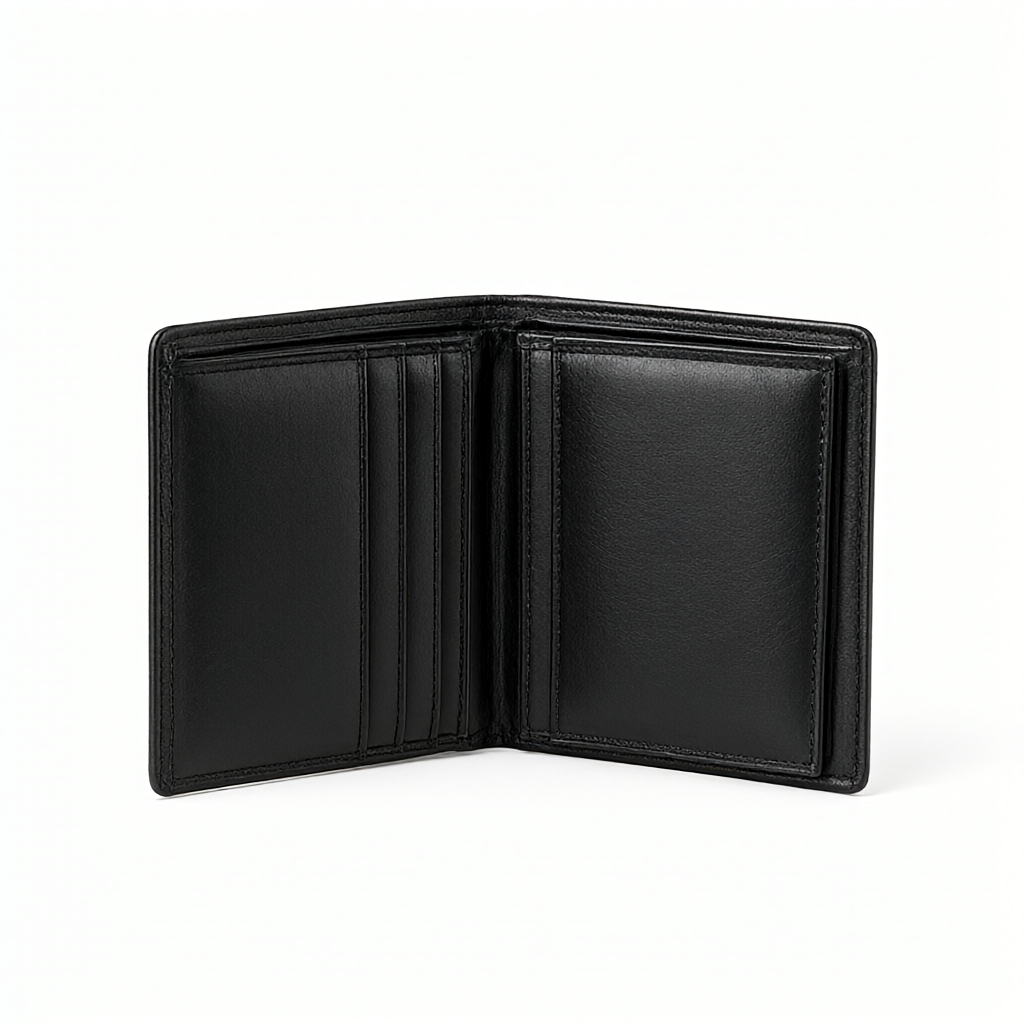
What defines a “designer” bifold wallet versus a standard one?
A designer bifold wallet in the B2B context refers to a two-panel folding wallet built to premium material and finishing standards, marketed under a recognized brand or sold through private-label programs that command higher price points than commodity goods. The distinction comes down to four measurable factors: material origin and grade, manufacturing precision, surface treatment consistency, and packaging presentation.
Material grade is the biggest differentiator. Commodity bifold wallets often use bonded leather, low-grade zinc alloy, or thin aluminum sheet laminated for appearance only. Designer-grade pieces use 6000-series aerospace aluminum, Grade 2 titanium, genuine carbon fiber layups, or full-grain vegetable-tanned leather — each selected for structural integrity, not just aesthetics. Construction precision separates the two categories: designer bifolds maintain consistent gap tolerances (typically under 0.3 mm when closed), use reinforced stress points at the fold hinge, and avoid visible adhesive or rough cut edges. Surface treatment — anodizing color uniformity, PVD coating durability, bead-blasting consistency — is controlled in engineered batches rather than sprayed in uncontrolled processes. And finally, packaging signals the tier: rigid boxes, tissue wrapping, and branded inserts are standard for designer SKUs, while standard wallets ship in poly bags.
For an equivalent discussion on how minimalist and EDC-tier products are differentiated by specification, see our guide on sourcing money clips for B2B buyers.
Material options and construction methods for premium bifold wallets
Premium bifold wallets today are produced from four primary material families, each with distinct procurement trade-offs:
Aluminum (6061-T6 or 7075): The most common metal for minimalist bifold wallets. 6061-T6 offers excellent machinability, corrosion resistance, and anodizing compatibility. 7075 is harder and more scratch-resistant but slightly more expensive and harder to anodize uniformly. Weight range: 40–65 g for a standard 8-card capacity bifold. Anodized finishes carry the widest color palette.
Titanium (Grade 2 or Grade 5): Positioned above aluminum on the premium ladder. Grade 2 (commercially pure) is lighter and easier to form; Grade 5 (Ti-6Al-4V) offers superior strength-to-weight ratio. Titanium naturally develops a passivation layer that resists corrosion without coatings, though PVD coloring adds brand differentiation. Weight range: 50–80 g. Higher unit cost — typically 2–3× aluminum on a per-piece basis at volume.
Carbon fiber: A composite material — layers of carbon fiber tow impregnated with resin and cured under heat and pressure. Offers high stiffness and a signature visual pattern that varies by weave. Not as scratch-resistant as metal but doesn’t dent. Weight range: 35–55 g. Tooling costs are moderate; color consistency across batches is a known challenge.
Full-grain leather: Still the dominant material for traditional designer bifolds. Full-grain (not top-grain or bonded) retains the natural grain and densest fiber structure. Vegetable-tanned leather ages with a patina; chrome-tanned leather offers faster processing and water resistance. Lining materials (microfiber, canvas, textile) also affect perceived quality. Weight range: 55–90 g depending on card pockets and cash sleeve configuration.
Hybrid constructions — such as aluminum frames with carbon fiber back panels or titanium-reinforced leather corners — are increasingly common in the mid-premium segment and allow manufacturers to optimize cost while delivering multi-material visual appeal.
How can you verify authenticity when buying designer wallets online?
Authenticity verification matters less for factory-direct OEM purchasing (where you contract the manufacturer directly) and more for aftermarket bulk sourcing, dropshipping arrangements, or when purchasing pre-branded inventory from distributors. Key verification steps:
- Request physical samples before any bulk commitment. Stock photos cannot reveal stitching density, edge finishing, or material thickness.
- Check for documentation: legitimate manufacturers provide test reports, material certificates, and compliance declarations alongside samples.
- Examine hardware engravings: branded logos on clasps, hinges, or dividers should be crisp and consistently positioned — not laser-etched weakly or stamped unevenly.
- Inspect packaging: authentic designer wallets include dust bags, rigid boxes, and care inserts that match brand guidelines. Generic packaging without branding is a red flag for counterfeiting risk.
- Use third-party authentication services for high-value distributor transactions, particularly when sourcing secondhand or liquidated inventory.
Understanding how to source wallets from nearby manufacturers reduces many authenticity risks by creating direct traceability from factory to shipment.
What discount ranges are typical for designer bifold wallets?
Discount terminology in the designer wallet space is frequently misused. Wholesale buyers should understand the difference between the following:
- True promotional discounts: Off-season clearances (often late autumn or post-holiday) where unsold inventory is moved at 20–40% off MSRP. These are genuine savings.
- MSRP-inflated “sale” pricing: Some retailers artificially raise list prices before running promotions, producing a nominal “50% off” that is actually at or above market rate. Verify against independent price tracking.
- Outlet/past-season colors: Colors or finishes no longer in current production are discounted 30–60%. The product is identical in construction but may lack ongoing warranty support from the brand.
- OEM private-label margins: When sourcing direct from manufacturers, the “discount” is not about promo pricing — it is about volume tiering. Orders at 500+ units typically see 15–30% unit-cost reduction versus 300-unit pricing, and 30–50% reduction at 1,000+ units.
For buyers managing Amazon FBA private label programs, understanding per-unit cost trajectories rather than percentage discounts leads to better margin decisions than chasing cosmetic “sale” listings.
Do past-season or outlet colors hold resale value?
Resale value retention for designer bifolds varies significantly by brand tier and design longevity. As a general industry observation:
- Heritage luxury brands (e.g., classic leather bifolds from established houses): retain approximately 40–60% of original retail in excellent condition on secondary markets, particularly for neutral colors (black, brown, tan) and iconic designs.
- Contemporary designer and EDC-focused brands: retain approximately 20–40%, as collector demand is lower and replacement cycles are shorter.
- Limited-edition collaborations or artisan-crafted pieces: can retain 50–70% if scarcity drives demand, but this is highly unpredictable.
Past-season colors (non-neutral tones like bright blue, red, or patterned carbon weaves) generally sell for 10–20% less than equivalent neutral-color models on resale platforms. For B2B buyers purchasing inventory for resale, neutral colors represent lower market-risk stock.
Which designer bifold wallets hold resale value best?
Among the most commonly traded designer bifold categories, the following rank highest for value retention when purchased in new, unworn condition:
| Category | Estimated Resale Retention | Key Driver |
|---|---|---|
| Heritage luxury leather bifolds | 40–60% | Brand equity, timeless design |
| Limited-edition collaborative designs | 50–70% | Scarcity, collector demand |
| Premium metal bifold (titanium/aluminum) | 25–40% | Functional longevity, fewer trend cycles |
| Contemporary fashion-brand bifolds | 15–30% | Fast-fashion perception, replacement culture |
These estimates reflect secondary-market averages and vary by condition, provenance documentation, and market timing. No single brand guarantee applies universally.
Key Specifications
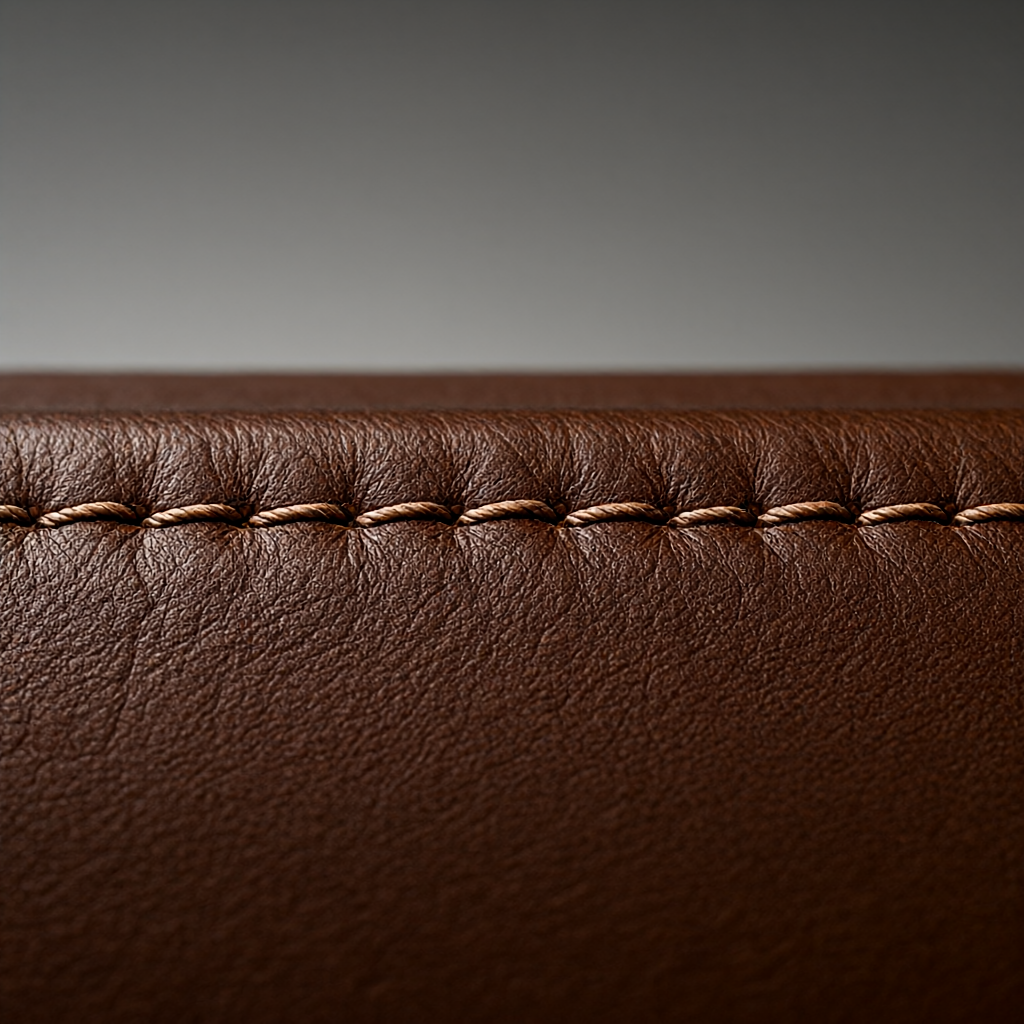
What are the key specs for men’s designer bifold wallets? Buyers evaluating wholesale or OEM opportunities should track these specification parameters:
Capacity and dimensions:
- Card slots: typically 4–12 positions per side; total capacity 8–24 cards
- Cash sleeve: integrated rear pocket, sometimes removable
- Folded dimensions: approximately 75–95 mm × 100–115 mm (varies by material and builder)
- Thickness (closed): 8–18 mm depending on card load and material
Weight:
- Aluminum bifold: 40–65 g
- Carbon fiber bifold: 35–55 g
- Titanium bifold: 50–80 g
- Leather bifold: 55–90 g
Durability benchmarks:
- Metal anodized surfaces: 500+ hours salt-spray resistance (industry reference for mid-tier anodizing)
- PVD-coated finishes: 1,000+ cycles abrasion resistance (common target for titanium and coated aluminum)
- Leather grain integrity:无明显 cracking after 5,000 flex cycles (typical expectation for full-grain vegetable-tanned leather)
RFID-blocking specifications:
RFID-blocking wallets contain a conductive barrier layer (usually copper, nickel, or iron-based mesh) integrated between material layers. To be credible, blocking claims should reference testing against standard frequencies:
- 13.56 MHz (NFC / contactless card frequency)
- 850 MHz – 2.4 GHz (UHF / RFID tag frequencies)
Reputable suppliers provide test reports showing signal attenuation of ≥80 dB at the NFC frequency band — this threshold is referenced in ASTM E2092 standards for electronic article surveillance and RFID performance testing. Without a test report, an RFID-blocking claim is unverifiable. See our related guidance on business card holder sourcing specifications for additional context on material testing practices.
Standards & Requirements
What standards apply to designer bifold wallet manufacturing? Several certification frameworks are relevant for B2B buyers evaluating suppliers:
Quality management:
- ISO 9001 — The baseline quality-management certification. Indicates the manufacturer operates a documented, audited production system with traceability. Many serious OEM factories maintain this.
- BSCI (Business Social Compliance Initiative) — Audit framework for ethical labor practices. Required by many European and North American retail buyers as part of supplier qualification.
Material safety and environmental compliance:
- REACH (EU Regulation 1907/2006) — Restricts hazardous substances in imported goods. Applies to dyes, adhesives, coatings, and metal alloys used in wallet construction.
- RoHS — Primarily applicable to electronics, but relevant when integrated components (e.g., active RFID shields, smart-wallet circuitry) are included.
- SGS testing — Independent material verification for heavy metals (lead, cadmium, chromium VI), azo dyes, and phthalates. Request SGS reports for incoming materials.
Packaging compliance:
- FSC-certified packaging — Increasingly requested by eco-conscious buyers and EU regulators.
- Recyclable material declarations — Verify that marketing materials make no false sustainability claims; unsubstantiated “eco-friendly” statements can trigger FTC enforcement action (FTC Green Guides).
Buyers entering EU markets should prioritize suppliers already carrying REACH compliance documentation, as customs inspections increasingly flag non-compliant textile and leather imports.
Related Considerations
What should you consider regarding MOQ, pricing, and customization?
MOQ (Minimum Order Quantity):
Most OEM/ODM wallet manufacturers set MOQs between 300 and 500 pieces for standard designs. Custom designs with unique tooling (new stamping dies, custom packaging) typically start at 300–500 pieces. Some factories accommodate smaller trial runs at 50–300 units with adjusted per-unit pricing.
Pricing structure (industry reference ranges):
- Budget-tier aluminum bifold: $3.50–$7.00/unit at 500 pcs FOB
- Mid-tier titanium or hybrid bifold: $8.00–$18.00/unit at 500 pcs FOB
- Premium full-grain leather bifold: $6.00–$15.00/unit at 500 pcs FOB
- High-end titanium with PVD finishing: $15.00–$30.00+/unit at 500 pcs FOB
Prices shift significantly with volume — doubling order quantity typically reduces per-unit cost by 10–25%, depending on material sourcing and labor intensity. For context on how billfolds at competitive pricing are structured at scale, these ranges illustrate the typical spread between entry-level and premium tiers.
Customization options:
- Logo application: laser engraving (metal), UV printing (leather/carbon), embossing (leather), silicone inlays
- Color matching: Pantone reference for anodizing, powder coating, or leather dye
- Packaging: custom box design, tissue printing, hang tags, inserts
- Hardware: coin clip style, money clip integration, card ejector mechanism
More customization complexity increases sampling and setup time. Simple logo changes on existing templates typically add 3–5 days; full custom design from concept requires 15–25 days including iteration.
Lead times, logistics, and fulfillment options
Typical production timeline for a confirmed custom order:
- Sample approval: 5–7 business days (first article)
- Mass production: 15–25 business days after deposit and sample sign-off
- Shipping (sea freight, Asia to US/EU): 25–40 business days
- Total door-to-door: approximately 8–12 weeks for first orders
Express air freight can reduce shipping to 5–7 days at 4–6× the cost. For replenishment orders of established SKUs, production-only lead time often drops to 10–15 days due to reusable tooling.
Fulfillment options:
- Factory-origin shipping (FOB/CIF): buyer arranges freight forwarder
- DDP (Delivered Duty Paid): manufacturer handles customs clearance and domestic delivery — preferred by smaller buyers and Amazon FBA sellers
- Drop shipping: direct-to-end-customer fulfillment from warehouse — available from select manufacturers for e-commerce clients
- Amazon FBA prep: labeling, poly bagging, carton packing per Amazon compliance standards
Choosing wallet chain sourcing strategies and complementary accessory lines alongside the bifold wallet can streamline logistics by consolidating shipments from the same factory.
Production lead time is a critical variable in B2B wallet sourcing. For standard OEM designs with existing tooling, most factories deliver within 15–25 business days from sample approval to shipment. Custom tooling — new stamping dies, bespoke packaging, or unique engraving patterns — adds 5–10 additional days to the timeline.
Rush production is commonly available at a premium, typically reducing lead time to 7–10 business days for orders under 1,000 units. Buyers should clarify rush-fee structures upfront; surcharges typically range from 15% to 30% of the base unit cost.
Shipping and fulfillment options vary by order volume and buyer location:
- FOB (Free on Board): Buyer arranges freight. Most common for large-volume orders (1,000+ units). Transit time from China to US West Coast: 25–35 days via sea freight; 5–7 days via air freight.
- DDP (Delivered Duty Paid): Manufacturer handles shipping, customs clearance, and delivery to the buyer’s warehouse. Preferred by Amazon FBA sellers and smaller buyers seeking turnkey logistics.
- Drop Shipping: Factory ships individual orders directly to end customers. Available from select manufacturers for e-commerce brands running lean inventory models.
- Amazon FBA Prep: Many OEM factories offer labeling, poly-bagging, bundle creation, and FNSKU sticker application to meet Amazon’s inbound requirements. Confirm this capability before contracting.
For B2B buyers managing multiple SKUs, consolidating orders under a single manufacturing relationship reduces coordination overhead and improves quality consistency across product lines. See our sourcing money clips guide for additional logistics considerations across complementary EDC categories.
Common pitfalls and red flags when evaluating wallet suppliers
Buyers should watch for these warning signals during supplier evaluation:
- Refusing sample requests: Legitimate manufacturers produce samples routinely. A refusal indicates either capacity constraints, poor quality confidence, or non-existent operations.
- No verifiable certifications: Claiming ISO 9001 or BSCI without providing audit numbers or certificates that can be cross-checked on the issuing body’s website.
- Unrealistically low pricing: Pricing far below market average usually signals material substitution (e.g., zinc alloy marketed as aluminum, bonded leather sold as full-grain), corner-cutting on QC, or subsequent hidden charges.
- Stock photography only: Suppliers unable to provide real product photographs taken in their facility likely lack in-house manufacturing and act as trading companies with inflated markups and opaque sourcing chains.
- Demanding large deposits before agreements: Reputable factories typically request 30% deposit upon PO confirmation with balance against shipment documentation. Requests for 50–70% upfront are unusual and risky.
- Vague RF-testing disclosures: Any RFID-blocking claim without accessible test reports or methodology documentation should be treated as unverified.
- No response time transparency: Factories that cannot commit to sample turnaround windows or production scheduling visibility create supply-chain uncertainty that compounds in long lead-time categories like leather goods.
View our guide on sourcing wallets from local manufacturers
Brands and manufacturers to consider for designer bifold sourcing
When sourcing a men’s designer bifold wallet program — whether for a private-label brand, Amazon FBA expansion, corporate gift catalog, or retail chain — several manufacturer profiles deserve consideration:
Large-scale contract manufacturers specializing in metal and carbon-fiber EDC accessories offer the broadest capability range, including CNC machining, laser engraving, anodizing, and full assembly under one roof. They typically serve 200+ brands globally, hold ISO 9001 and BSCI certifications, and operate 50,000+ sq ft facilities with monthly capacity exceeding 500,000 units. Their lowest practical MOQ starts at 300 pcs per SKU for full OEM customization (100 pcs trial order available for stock finishes), making them viable for emerging brands and experimental SKUs alike. Sample production runs in 7 days or less, and they accommodate drop shipping and Amazon FBA prep workflows natively.
Mid-tier specialty factories focus on a narrower material vertical — leather craftsmanship, for example — and deliver deep expertise in that domain but may lack cross-material versatility. They suit buyers committed to a single material category.
Trading companies and sourcing agents provide breadth of supplier access but introduce margin layers, reduced traceability, and communication latency. They can be useful for buyers unfamiliar with manufacturing geography, but direct factory engagement is preferable for ongoing programs.
We recommend verifying supplier claims independently — requesting certificate copies, conducting video factory tours, and ordering multiple sample iterations before scaling orders. If you are evaluating metal bifold and EDC wallet configurations for your next program, contact our team to review your specifications against current tooling availability.
For buyers prioritizing cost-competitive manufacturing without sacrificing spec clarity, request a free quotation with your opening sizes and material preferences for an accurate FOB estimate.
As a manufacturer with over a decade of experience in the EDC wallet space, our approach centers on translating brand concepts into production-ready designs with realistic lead times and verifiable quality standards. Our facility holds ISO 9001 and BSCI certification, maintains REACH and RoHS compliance across material inputs, and supports full customization from logo and engraving to retail packaging and barcode labeling. We work with aluminum, titanium, carbon fiber, and leather configurations, offering low MOQ entry points for brands at every growth stage. If you would like to discuss your project requirements, Get a Free Quote →
How do I source men’s designer bifold wallets for wholesale or private label? The answer lies in partnering with certified OEM/ODM manufacturers who specialize in premium materials (aluminum, titanium, carbon fiber, full-grain leather), CNC and laser engraving capabilities, and low-MOQ programs starts at 300 pcs per SKU. A genuine designer bifold differs from a commodity wallet through verifiable material grade, tighter construction tolerances, engineered surface finishes, and professional packaging — not marketing language. Buyers should evaluate suppliers against recognized certifications (ISO 9001:2015, BSCI), request physical samples before committing, and confirm RF-testing for RFID-blocking claims through independent labs before placing bulk orders.
RFID-Blocking Standards for Metal Wallets
RFID-blocking claims require independent verification, particularly for metal wallets where the conductive properties of the material itself may provide incidental shielding. credible blocking performance must meet established test protocols:
- ASTM E2092 (referenced by astm.org) provides the framework for RFID attenuation testing. Reputable manufacturers submit samples to third-party labs such as SGS, Bureau Veritas, or Intertek for certification.
- Performance threshold: Signal attenuation of ≥80 dB at 13.56 MHz (the NFC/contactless card frequency) is the industry benchmark. Attenuation below 60 dB offers negligible protection against modern skim devices operating at close range.
- Frequency coverage: A compliant RFID-blocking wallet should attenuate across both the HF band (13.56 MHz) and the UHF band (850 MHz – 2.4 GHz) to protect against both proximity and long-range scanning threats.
- Metal wallet note: Solid aluminum or titanium wallets inherently block RFID signals due to their conductive nature — a Faraday cage effect. However, slotted or vented designs (common in minimalist bifold styles) may compromise shielding integrity at the gaps. Buyers should request a test report that confirms blocking performance on the finished product, not just the raw material.
Without a third-party test report, any RFID-blocking claim remains unverified. As noted in FTC guidance, unsubstantiated security claims can expose brands to regulatory scrutiny and consumer litigation.
OEM vs. ODM Bifold Wallet Programs: How Manufacturers Operate
Understanding the difference between OEM and ODM programs is essential for matching your business model to the right manufacturing partnership:
- OEM (Original Equipment Manufacturing): You provide detailed specifications — materials, dimensions, engravings, packaging design — and the factory produces to your blueprint. Maximum control, maximum customization. Ideal for established brands with defined product identities.
- ODM (Original Design Manufacturing): The manufacturer offers an existing catalog of proven designs that you can customize with your logo, color choices, and minor structural tweaks. Faster time-to-market and lower NRE (non-recurring engineering) costs, since tooling already exists. Ideal for Amazon FBA sellers, promotional product distributors, and brands launching their first wallet SKU.
- Hybrid programs: Many manufacturers accommodate hybrid approaches — selecting an ODM base design and applying OEM-level customizations to specific elements (frame material, interior layout, packaging). This balances speed with brand differentiation.
When evaluating manufacturers for an OEM/ODM program, verify their capacity to handle your target volume, their sampling turnaround, and their willingness to share material certifications and test reports before contract signing. For broader context on supplier qualification, see our business card holder sourcing guide.
Brands and Manufacturers to Consider When Sourcing Designer Bifold Wallets
Several manufacturer profiles dominate the B2B designer wallet supply chain. Evaluating each type helps buyers align sourcing strategy with business goals:
| Manufacturer Type | Best For | Typical MOQ | Price Range (500 pcs FOB) |
|---|---|---|---|
| Large contract factories (ISO-certified, multi-category) | High-volume private label, retail chains | 500–1,000 pcs | $4.00–$12.00/unit |
| Specialized EDC/minimalist wallet factories | Brands focused on metal, carbon fiber, titanium | 100–300 pcs | $5.00–$18.00/unit |
| Leather-specialist ateliers | Traditional luxury bifold programs | 200–500 pcs | $6.00–$15.00/unit |
| Hybrid OEM/ODM producers | Fast-launch brands, Amazon FBA sellers | 300 pcs | $3.50–$10.00/unit |
Well-known manufacturer brands frequently recommended by procurement professionals include those specializing in CNC-machined aluminum and titanium wallets, carbon fiber composite builders, and heritage leather workshops. When shortlisting suppliers, prioritize those that can demonstrate ISO 9001:2015 certification, BSCI audit compliance, and SGS-tested material reports — these credentials reduce supply-chain risk more reliably than brand name alone.
TOP EDC Wallet operates as a specialized manufacturer in the mid-tier segment, offering OEM and ODM programs for minimalist metal wallets, carbon fiber card holders, and titanium money clips. With 13+ years of export experience, an ISO 9001-certified facility, and an MOQ starting at 300 pieces with a 7-day sample lead time, the company serves EDC brand owners, Amazon FBA sellers, and promotional product distributors across North America, Europe, Australia, and Southeast Asia. Their in-house CNC machining and laser engraving capabilities support full customization from logo to retail packaging, making them a practical option for buyers seeking cost-competitive quality without sacrificing specification control. Get a Free Quote
Sources & References
- ASTM E2092 — www.astm.org
- FTC Green Guides — www.ftc.gov
- Designers wallets on sale for men — topedcwallet.com
- sourcing money clips for B2B buyers — topedcwallet.com
- how to source wallets from nearby manufacturers — topedcwallet.com
- Amazon FBA private label programs — topedcwallet.com
- business card holder sourcing specifications — topedcwallet.com
- billfolds at competitive pricing — topedcwallet.com
- wallet chain sourcing strategies — topedcwallet.com
- contact our team — topedcwallet.com
Frequently Asked Questions
How can you verify authenticity when buying designer wallets online?
Authenticity verification matters less for factory-direct OEM purchasing (where you contract the manufacturer directly) and more for aftermarket bulk sourcing, dropshipping arrangements, or when purchasing pre-branded inventory from distributors. Key verification steps:Request physical samples before any bulk commitment. Stock photos cannot reveal stitching density, edge finishing, or material thickness.Check for documentation: legitimate manufacturers provide test reports, material certificates, and compliance declarations alongside samples.Examine hardware engravings: branded logos on clasps, hinges, or dividers should be crisp and consistently positioned — not laser-etched weakly or stamped unevenly.Inspect packaging: authentic designer wallets include dust bags, rigid boxes, and care inserts that match brand guidelines. Generic packaging without branding is a red flag for counterfeit
What discount ranges are typical for designer bifold wallets?
Discount terminology in the designer wallet space is frequently misused. Wholesale buyers should understand the difference between the following:True promotional discounts: Off-season clearances (often late autumn or post-holiday) where unsold inventory is moved at 20–40% off MSRP. These are genuine savings.MSRP-inflated "sale" pricing: Some retailers artificially raise list prices before running promotions, producing a nominal "50% off" that is actually at or above market rate. Verify against independent price tracking.Outlet/past-season colors: Colors or finishes no longer in current production are discounted 30–60%. The product is identical in construction but may lack ongoing warranty support from the brand.OEM private-label margins: When sourcing direct from manufacturers, the "discount" is not about promo pricing — it is about volume tiering. Orders at 500+ units typically see 15–3
Do past-season or outlet colors hold resale value?
Resale value retention for designer bifolds varies significantly by brand tier and design longevity. As a general industry observation:Heritage luxury brands (e.g., classic leather bifolds from established houses): retain approximately 40–60% of original retail in excellent condition on secondary markets, particularly for neutral colors (black, brown, tan) and iconic designs.Contemporary designer and EDC-focused brands: retain approximately 20–40%, as collector demand is lower and replacement cycles are shorter.Limited-edition collaborations or artisan-crafted pieces: can retain 50–70% if scarcity drives demand, but this is highly unpredictable.Past-season colors (non-neutral tones like bright blue, red, or patterned carbon weaves) generally sell for 10–20% less than equivalent neutral-color models on resale platforms. For B2B buyers purchasing inventory for resale, neutral colors repres
Which designer bifold wallets hold resale value best?
Among the most commonly traded designer bifold categories, the following rank highest for value retention when purchased in new, unworn condition: CategoryEstimated Resale RetentionKey Driver Heritage luxury leather bifolds40–60%Brand equity, timeless design Limited-edition collaborative designs50–70%Scarcity, collector demand Premium metal bifold (titanium/aluminum)25–40%Functional longevity, fewer trend cycles Contemporary fashion-brand bifolds15–30%Fast-fashion perception, replacement culture These estimates reflect secondary-market averages and vary by condition, provenance documentation, and market timing. No single brand guarantee applies universally.
From article to product
Turning this into a product?
Most of what is written here is the difference between a sample that works and one that does not. We can build either — the useful one costs the same.
Keep reading
More on buying guides
wallet with trigger
How Does a Trigger Wallet Work? What Is the Pop-Up Mechanism? The core of…
Readbest bifold wallet for women
What Is a Bifold Wallet? The term “bifold” refers to the fold: the wallet…
ReadMen’s trifold wallets with zipper compartments vs. bifold
At a Glance The three dominant men’s wallet formats differ in panel count, depth,…
Read
About the author
TOPWALLET Editorial Team
TOPWALLET's editorial and engineering desk writes from bench testing at the Shenzhen (Longgang) facility: pull-force and cycle testing, 13.56 MHz shielding measurements, finish trials and factory audits, rather than supplier spec sheets. Every specification in these guides is one we write on a purchase order.
Written on the floor
This article was written by our production and QC team — the people who spec tolerances, run the finishing line and inspect every batch. Where it states a capacity, a pull force or a lead time, it comes from a measurement we made, not a supplier’s catalogue. If a number here disagrees with what your own supplier told you, tell us; several of these articles started as a correction from a buyer.
See how the factory works · Inspection process · Sourcing FAQ
Turning this into a product?
Most of what is written here is the difference between a sample that works and one that does not. We can build either — the useful one costs the same.