

What Is a Key Pouch?
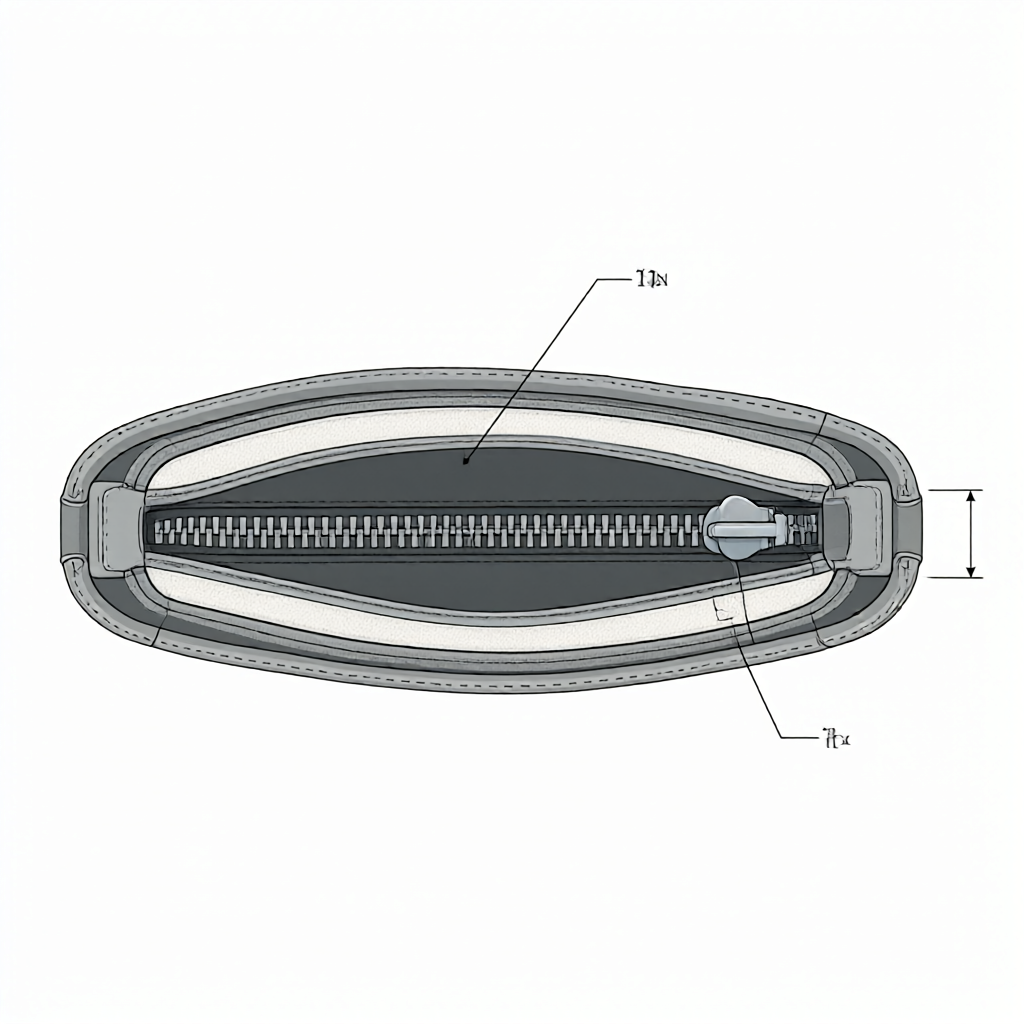
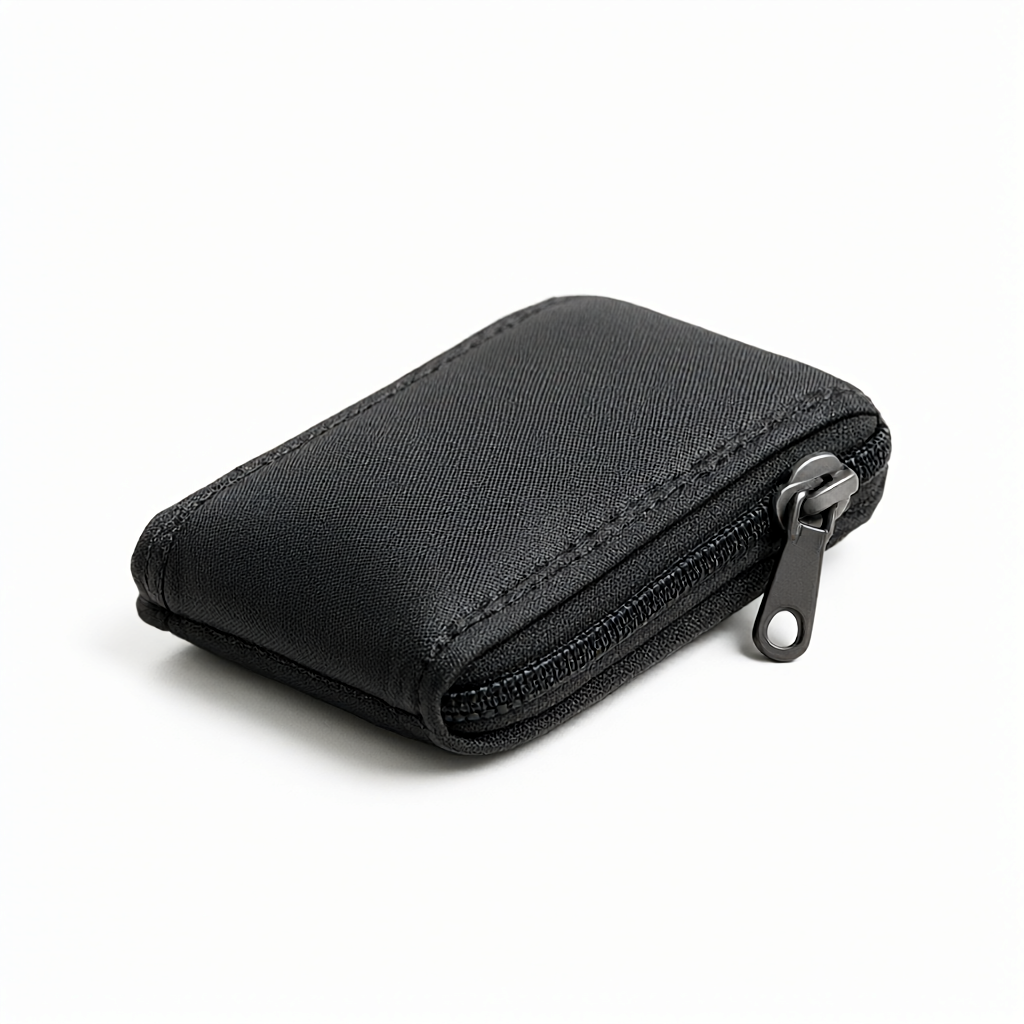
A key pouch is a small, enclosed carrier designed to hold keys in a compact, protected format. Instead of hanging freely on a ring, keys sit inside a sealed compartment made from materials such as leather, fabric, silicone, or metal, secured by a zipper, snap, fold flap, or magnetic closure. The result is a flat, low-profile item that reduces noise, prevents snags, and shields keys from moisture and abrasion.
In the EDC (everyday carry) landscape, the key pouch sits between a basic key fob — which offers minimal organization — and a rigid key organizer, which aligns keys on pins but leaves them partially exposed. It is a distinct category that has grown steadily as consumers prioritize quiet, snag-free pocket carry and longer-lasting accessories.
Key Pouch: How Does It Work in Detail?
How Does a Key Pouch Work?
A key pouch functions by containing keys within an enclosed volume and sealing them with a closure mechanism. Most models accommodate between 2 and 8 standard keys, though actual capacity depends on key thickness and pouch internal dimensions. Keys rest flat rather than dangling, which eliminates the rattle and scuffing that come with traditional key rings.
Construction varies by material class. Fabric and silicone pouches rely on zippered or drawstring closures and excel in lightweight, impact-resistant applications. Leather pouches typically use snap buttons or fold-over flaps and develop character over time while remaining structurally sound. Metal key pouches — commonly CNC-machined aluminum or titanium — feature slide-to-open or hinge mechanisms and deliver the highest level of weather and impact resistance.
Why Does a Key Pouch Matter for EDC?
Key pouches solve three persistent problems that loose-key carry creates:
Noise and snag risk. Exposed keys on a ring clatter against each other and catch on fabrics, bag linings, and pocket seams. A contained pouch eliminates both issues entirely.
Pocket wear. Keys scratch phones, wallets, and other carried items. A pouch acts as a protective barrier between keys and everything else in the pocket.
Weather exposure. Rain, sweat, and humidity can corrode metal keys and damage leather goods stored nearby. A sealed pouch keeps keys dry and isolated.
For buyers entering the EDC accessories space, the key pouch represents an accessible entry point. It requires less engineering complexity than a rigid organizer but delivers meaningful user value — making it a practical category for private-label development and brand expansion.
What Types of Key Pouches Exist?
The market divides key pouches primarily by material, each with distinct trade-offs:
Leather key pouches. Full-grain and top-grain leathers offer durability and a premium hand feel. Bonded leather keeps unit costs low. Closure is typically a snap or fold flap. Leather ages well but requires periodic conditioning to maintain water resistance and avoid cracking.
Fabric key pouches. Nylon, canvas, and ballistic cloth are common. These pouches favor lightweight durability and often use YKK zippers for reliable closure. They are popular in tactical and outdoor segments. Treated for water resistance, but rarely fully waterproof.
Silicone key pouches. Flexible, impact-absorbent, and naturally water-resistant. Easy to clean and available in broad color ranges. Drawbacks include lint attraction and potential stretching under heavy repeated loading.
Metal key pouches. CNC-machined aluminum, stainless steel, or titanium cases with slide or hinge closures. Offer maximum durability and can incorporate RFID-blocking layers. Heavier and more expensive, but nearly maintenance-free.
How Does a Key Pouch Differ from a Key Organizer?
Confusion between these two categories is common. A key organizer is a rigid plate or frame system — such as KeySmart-style designs — that holds keys on pins or in slots. Keys remain partially exposed, and the device adds noticeable bulk.
A key pouch fully encloses keys within a soft or semi-rigid shell. It is quieter, more weather-protected, and typically slimmer when loaded. The trade-off is that users must open the pouch to identify individual keys, whereas organizers display all keys at a glance.
Buyers should match each format to its natural audience. Organizers suit users who prioritize rapid key identification. Pouches suit users who value silent, snag-free carry and complete key protection. Many EDC brands carry both formats to address different segments within the same product line.
For more context on how pouch-style carriers compare to rigid alternatives in the EDC space, see our what is a minimalist wallet guide, which covers the same material and form-factor decision framework applied to wallet categories.
Key Pouch: Which Specifications Matter Most?
What Are the Key Specs for a Key Pouch?
When specifying or evaluating a key pouch for production or procurement, these parameters carry the most weight:
Capacity. Most key pouches are engineered for 3 to 6 keys. Small pouches around 75 × 45 mm hold 2 to 3 keys comfortably. Standard sizes near 90 × 55 mm accommodate 4 to 6 keys. Larger formats around 110 × 65 mm can hold 6 to 8 keys but lose some compactness. Capacity varies significantly with key thickness — thick car fob keys reduce usable space compared to slim house keys.
Closure type. Zipper, snap button, fold flap, and magnetic closure are the four primary options. Zippers provide the strongest seal but add bulk and cost. Snaps and folds are faster to operate but offer less weather resistance. Magnetic closures are convenient but less secure during active movement.
Material thickness. Leather typically ranges from 1.2 to 1.6 mm for a balance of durability and flexibility. Fabric pouches commonly use 500D to 1000D nylon or canvas. Silicone runs from 2 to 4 mm. Metal pouches are generally 1.0 to 2.0 mm thick, depending on the alloy and machining approach.
Weight. Empty key pouches range from approximately 15 grams for silicone to 80 grams or more for metal constructions. Weight is a meaningful differentiator — ultra-minimalist buyers favor lighter options, while tactical buyers often accept added mass for durability.
Dimensional tolerance. For stitched fabric and leather pouches, ±2 mm is generally acceptable. Metal pouches require tighter tolerances around ±0.5 mm due to the precision needed for closure mechanisms to function reliably.
Hardware grade. Hardware failure is the most common field issue. YKK zippers are the reliability benchmark. Brass or nickel-plated snaps outperform zinc alloy in corrosion resistance. For metal pouches, anodized finishes provide durable surface protection. Understanding how different materials perform in finished EDC products is covered in our men’s minimalist wallets materials and sourcing guide.
Key Pouch: Which Standards and Certifications Apply?
What Standards Apply to Key Pouches?
Key pouches do not fall under a single dedicated regulatory framework, but several standards and compliance requirements are relevant depending on materials, destination market, and product claims:
REACH and RoHS compliance. These EU regulations control chemical substances in consumer products. Leather treatments, dyes, adhesives, and metal components in key pouches must comply with REACH restricted substance lists and RoHS limits on heavy metals such as lead and cadmium. Reputable manufacturers verify compliance through SGS or equivalent laboratory testing before production begins. This is particularly important for metal pouches involving anodizing or plating processes. Our EDC wallets and minimalist wallet manufacturing guide covers similar material compliance considerations across the EDC accessory category.
ISO 9001 quality management. While not a product standard, ISO 9001 certification signals that a manufacturer maintains documented quality management processes for design, production, and inspection. For B2B buyers sourcing key pouches in volume, this provides assurance that defect rates are controlled and consistent across batches.
BSCI social compliance. The Business Social Compliance Initiative audit evaluates labor practices, working conditions, and ethical sourcing. Buyers in European and North American markets increasingly require BSCI certification as a condition of supplier engagement.
RFID-blocking performance. Some key pouches incorporate RFID-blocking layers, typically metal mesh or ferrite sheeting. No universal standard governs RFID-blocking effectiveness, but reputable manufacturers provide test reports showing attenuation levels, commonly 60 dB or higher in the 13.56 MHz range. Buyers should request documentation rather than accepting performance claims without verification.
Flammability standards. Fabric and silicone pouches sold in certain jurisdictions may need to meet flammability benchmarks. CAL 117 is a common reference standard for upholstered materials and is sometimes cited for fabric EDC accessories.
For additional context on how certification and material compliance factor into EDC product development, see our leather wallet guide, which details material grading and procurement specifications relevant to leather-based accessories.
Key Pouch: What Else Should Buyers Consider?
What Should You Consider When Choosing a Key Pouch?
Selecting the right key pouch requires balancing end-user needs, material behavior, hardware reliability, and commercial constraints:
Use case alignment. A key pouch for outdoor or industrial use needs different specifications than one for urban professional carry. Tactical and outdoor buyers prioritize water resistance, impact durability, and optional MOLLE compatibility. Urban EDC users favor slim profiles and refined aesthetics. Corporate gift buyers look for brandable surfaces and premium packaging. Defining the use case early narrows material and closure options effectively.
Material long-term behavior. Leather softens with use but can crack without conditioning. Fabric retains shape well but may fade under UV exposure. Silicone is low maintenance but attracts lint and dust. Metal is virtually maintenance-free but shows surface scratches. Consider expected product lifespan and the maintenance expectations of the end consumer before locking in a material.
Hardware reliability. The closure is the weakest point in any key pouch. A failed zipper renders the pouch unusable. A snap that opens prematurely risks losing keys. Specify hardware from established suppliers and request cycle-test or drop-test data before committing to volume production.
Branding and customization approach. Laser engraving works well on metal and dense leather. UV printing is suitable for fabric and silicone. Embossing adds subtle brand presence to leather. Consider how branding interacts with closure integrity — engraving too close to a zipper track, for instance, may compromise the seal. Additional branding techniques for EDC accessories are discussed in our card holder sourcing guide.
MOQ and lead time expectations. Small-batch buyers often encounter MOQs of 500 to 1,000 pieces for fully custom key pouches. Buyers seeking lower volumes should ask about stock templates that can be modified with logo placement rather than custom-designed-from-scratch options. Sample lead times typically range from 5 to 10 business days for artwork approval and 15 to 30 days for bulk production, depending on complexity and order size.
Cost drivers. Material cost is the primary variable, followed by hardware selection, customization complexity, and order quantity. A basic fabric pouch with a standard zipper costs considerably less per unit than a CNC-machined aluminum model with anodized finishing and laser branding. Itemized quotes that separate material, hardware, branding, and packaging help buyers understand where costs concentrate and where savings are possible.
How Do You Choose the Right Key Pouch?
The decision comes down to three practical questions:
Who is the end user? Match material and style to the user’s daily environment and aesthetic preferences.
What level of protection is needed? Assess exposure to water, impact, and abrasion. This determines whether fabric, leather, silicone, or metal is the appropriate choice.
What is the branding and budget target? Define the per-unit cost ceiling and branding approach, then work backward to select materials and specifications that fit within that framework.
Key Pouch: What Is the Manufacturer Perspective?
As a manufacturer, our approach to key pouches follows the same disciplined process we apply across our EDC accessory lines — starting with material selection, moving through hardware specification, and maintaining quality control at every production stage. We work with leather, fabric, silicone, and metal substrates, and we offer full OEM and ODM services including custom sizing, branding, and packaging design. Our facility holds ISO 9001 certification and BSCI audit compliance, and we source REACH and RoHS compliant materials across all product categories.
For buyers developing a key pouch product line, the decision framework above provides a practical starting point. The material, closure, and hardware choices made early in specification have the greatest impact on final cost, field durability, and end-user satisfaction. If you would like to discuss your requirements or review sample specifications, Contact Our Team.
Key Pouch: Where Can You Verify the Data and Sources?
- what is a minimalist wallet guide — topedcwallet.com
- men’s minimalist wallets materials and sourcing guide — topedcwallet.com
- EDC wallets and minimalist wallet manufacturing guide — topedcwallet.com
- leather wallet guide — topedcwallet.com
- card holder sourcing guide — topedcwallet.com
- Contact Our Team — topedcwallet.com
From article to product
Sourcing minimalist-wallets?
Tell us the format, the quantity and the date you need stock. You get material options, MOQ and a landed-cost range back within one business day.
Keep reading
More on wallet types
Thin Male Wallets: Buying Guide for Slim Minimalist Picks
How to choose a slim wallet for men — thickness thresholds, material trade-offs, capacity…
ReadStashed Wallet: A Minimalist Everyday-Carry Solution
Understand what a stashed wallet is, how minimalist slim wallets work, and what to…
ReadFolding Wallets: Types, Materials & Buying Guide
Learn what makes a folding wallet worth buying, from materials and card capacity to…
Read
About the author
TOPWALLET Editorial Team
TOPWALLET's editorial and engineering desk writes from bench testing at the Shenzhen (Longgang) facility: pull-force and cycle testing, 13.56 MHz shielding measurements, finish trials and factory audits, rather than supplier spec sheets. Every specification in these guides is one we write on a purchase order.
Written on the floor
This article was written by our production and QC team — the people who spec tolerances, run the finishing line and inspect every batch. Where it states a capacity, a pull force or a lead time, it comes from a measurement we made, not a supplier’s catalogue. If a number here disagrees with what your own supplier told you, tell us; several of these articles started as a correction from a buyer.
See how the factory works · Inspection process · Sourcing FAQ
Sourcing minimalist-wallets?
Tell us the format, the quantity and the date you need stock. You get material options, MOQ and a landed-cost range back within one business day.