

Understanding how much cheap key pouches cost for bulk procurement requires knowledge of material science, manufacturing tolerances, and compliance frameworks — not just price lists. Key organizers priced in the budget segment achieve affordability through scalable CNC machining, standardized anodizing workflows, and high-volume production runs. Buyers who understand the technical specifications behind low unit costs are better positioned to evaluate quality, avoid hidden expenses, and select suppliers who meet verified industry standards.
Key Pouch Bulk Pricing: What Is the Quick Answer?
How much does a cheap key pouch cost for bulk orders? For standard aluminum or carbon fiber key organizers produced at scale, unit pricing typically falls between $3.50 and $8.50 per piece depending on material, finish complexity, and order volume. At MOQ levels starting around 300 pieces, you can expect prices in the lower end of that range, while larger runs of 1,000+ units usually push pricing toward the bottom. Custom engraving, branded packaging, and surface treatments like anodizing add incremental cost but remain well within competitive margins for promotional, corporate gift, and private-label programs.
A budget-friendly aluminum key pouch — the most common entry point — typically lands around $3.50–$5.50/unit at 500+ pcs. Carbon fiber versions run $5.00–$8.50/unit at similar volumes. Titanium builds sit higher but are rarely classified as “cheap” given the raw material premium.
Key Pouch Bulk Pricing: How Does It Work in Detail?
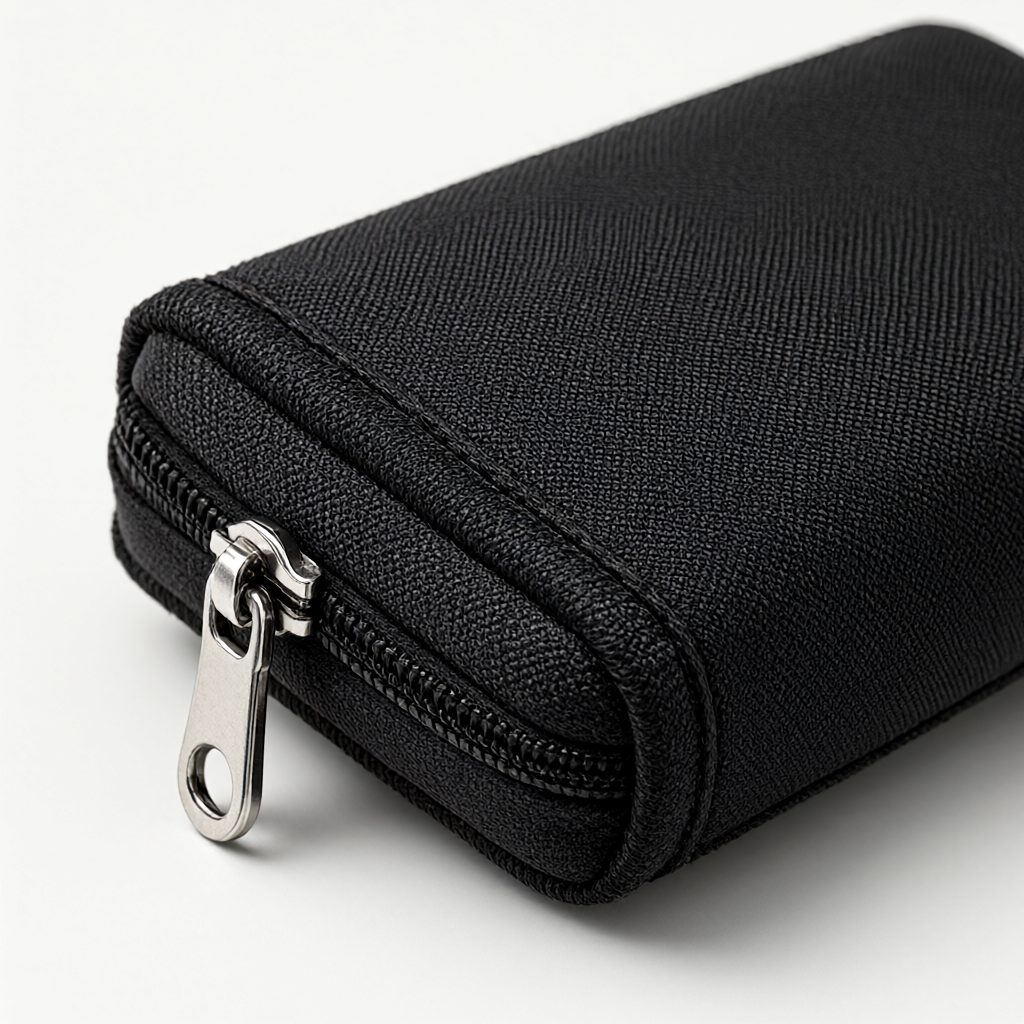
What makes a key pouch affordable without sacrificing quality?
The affordability of a metal key organizer comes from material selection and manufacturing efficiency. Aluminum is the most cost-effective base metal for this category. It machines cleanly on CNC equipment, accepts anodized finishes reliably, and weighs enough less than steel or titanium to keep shipping costs reasonable across international freight. Carbon fiber offers a step-up in perceived value and durability at a moderate premium over aluminum. Both materials allow for tight tolerances and clean aesthetics that support private-label positioning.
The production processes that most affect final cost are CNC machining, anodizing, and laser engraving. Each adds time and tooling considerations. A simple blank pouch with no finishing commands the lowest price point. Adding color anodizing, engraved logos, or UV-printed packaging increases per-unit cost by roughly $0.30 to $1.50 depending on design complexity and color count.
Material choice also determines whether the product qualifies as a promotional item at a target retail price. An aluminum key carrier priced at $4.00 wholesale supports a retail tag of $12–$18 in North American markets and $15–$22 in European markets, leaving comfortable margins for distributors and Amazon FBA sellers. See our guide on best card holder selection criteria for B2B sourcing for related specification frameworks.
Which materials dominate the budget key pouch market?
Aluminum alloy 6061-T6 remains the default for entry-level production due to its balance of machinability, weight, and corrosion resistance after anodizing. It handles standard daily carry loads without deformation. Carbon fiber composite laminates deliver a stronger feel and premium appearance while still maintaining competitive pricing when produced at volume. Titanium appears in this category only for specialized tactical builds and carries a significantly higher material cost that usually pushes it above the “budget” classification.
For buyers evaluating minimalist wallet options for private label programs, the same material logic applies: aluminum delivers the strongest cost-to-performance ratio for high-volume promotions, while carbon fiber bridges the gap between budget and mid-tier positioning.
How do manufacturing processes drive the price curve?
CNC milling produces each individual pocket component from solid billets. The more complex the geometry — additional slots, integrated carabiner loops, RFID-blocking layers — the longer the cycle time and the higher the cost. Simple rectangular designs with minimal cutouts process fastest. Anodizing requires a post-machining bath and electrical charge, adding one to two days to lead time but protecting the surface from wear and color fading. Laser engraving for logos and branding is typically billed per unit at low marginal cost once the file is prepared, though vector file preparation may carry a small setup fee if supplied artwork requires adjustment.
Key Pouch Bulk Pricing: Which Specifications Matter Most?
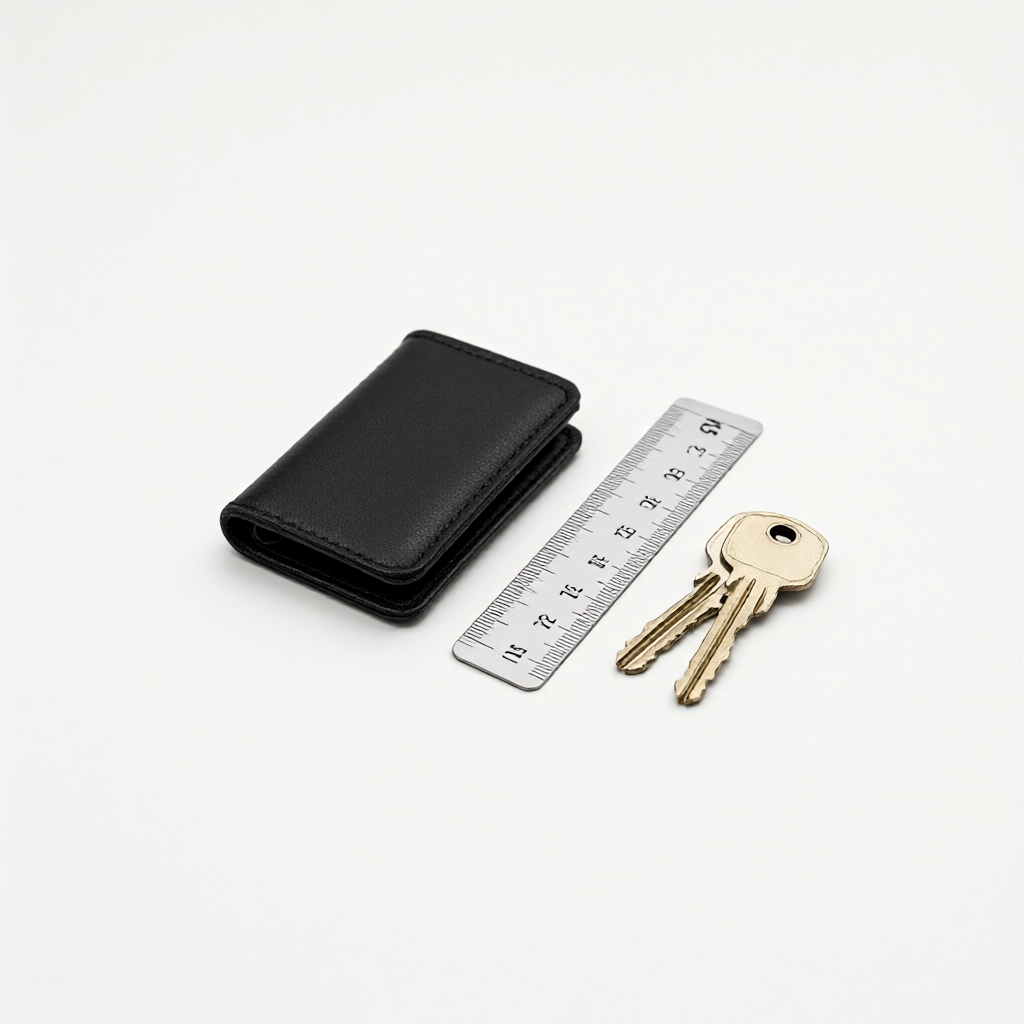
What are the key specs for budget-friendly key pouches?
| Specification | Typical Range |
|---|---|
| Material | Aluminum 6061-T6, Carbon Fiber, Titanium (premium tier) |
| Dimensions | 65×35×8mm to 80×40×10mm (compact form factors) |
| Key Capacity | 4 to 8 keys depending on design |
| Weight | 25g to 55g |
| Surface Finish | Anodized (multiple colors), Bead-blasted, Polished |
| Custom Logo | Laser engraving, UV printing, embossing |
| Packaging | Custom retail box, blister pack, or poly bag |
| RFID Blocking | Optional layer available in select models |
These specifications represent typical industry outputs for aluminum and carbon fiber entries at the budget end. Specifications shift noticeably when moving into titanium or when integrating additional features such as built-in bottle openers, split-ring attachments, or magnetic closures.
What pricing tiers apply at different order quantities?
Order quantity is the single largest lever controlling per-unit cost. Below is a representative breakdown based on current market conditions:
| Order Quantity | Aluminum Unit Price (USD) | Carbon Fiber Unit Price (USD) |
|---|---|---|
| 100–299 pcs | $5.00 – $7.50 | $7.00 – $10.00 |
| 300–499 pcs | $4.25 – $6.50 | $6.00 – $9.00 |
| 500–999 pcs | $3.50 – $5.50 | $5.00 – $7.50 |
| 1,000+ pcs | $3.00 – $4.75 | $4.50 – $6.50 |
These figures reflect FOB pricing from manufacturing sources in Asia and assume standard aluminum or carbon fiber construction with a single-color anodized finish and basic black retail packaging. Prices exclude customs duties, inland freight, and any non-standard tooling fees.
Key Pouch Bulk Pricing: Which Standards and Certifications Apply?
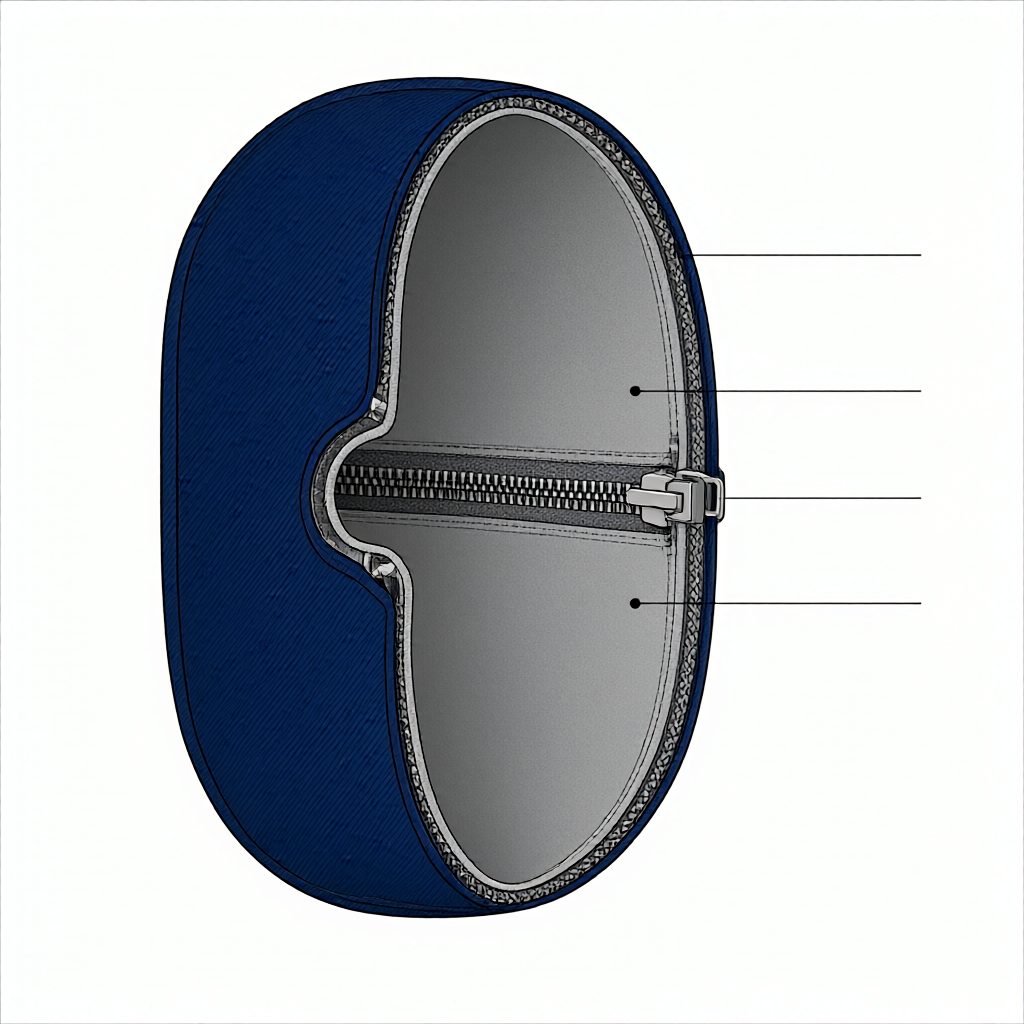
What standards should a key pouch supplier meet?
Quality certifications and material compliance standards separate reliable manufacturers from opportunistic vendors. For bulk procurement, verify that your supplier holds ISO 9001 certification, which confirms a documented quality management system across production, inspection, and continuous improvement processes. BSCI audit compliance signals responsible labor practices and ethical manufacturing conditions, important for brands selling into European retail channels where supply chain transparency is increasingly mandated.
Material safety standards require REACH and RoHS compliance, ensuring that anodizing chemicals, adhesives, and any RFID-blocking components do not contain restricted substances. SGS testing reports provide independent verification of material composition and finish integrity. These certifications matter most when your buyer base includes corporate procurement teams, government entities, or large retail chains that enforce vendor compliance checklists. See our RFID blocking cards procurement guidance for deeper context on security feature standards in EDC accessories.
Which certifications specifically relate to key pouch construction?
No product-specific certification exists exclusively for key organizers. The relevant framework instead draws from general consumer goods manufacturing standards. ISO 9001 covers process consistency. BSCI addresses social compliance. REACH and RoHS govern chemical safety in finishes and coatings. SGS test reports validate material claims. For buyers targeting Amazon FBA or EU marketplace compliance, these documentation packages become part of the required vendor file regardless of whether they are formally mandatory for the category.
Key Pouch Bulk Pricing: What Else Should Buyers Consider?
What should you consider beyond unit price?
Unit cost represents only one element of total acquisition expense. Tooling and mold fees, sample costs, packaging design expenses, freight and insurance, import tariffs, and currency fluctuation all influence the true landed cost. A supplier quoting $3.20 per unit may carry higher freight terms or require expensive custom tooling, bringing the real cost closer to $4.50 delivered.
Lead time is equally critical. Standard samples ship within approximately one week. Production runs of 500 pieces typically complete within 15 to 25 days depending on complexity. Rush orders incur premium charges. Factor in ocean freight windows of 30 to 45 days for trans-Pacific shipments or 25 to 35 days for shorter routes when calculating your inventory pipeline.
Customization depth affects both timeline and price. Single-color anodizing is faster and cheaper than multi-tone finishes. Vector-based logo files speed up laser engraving setup. Ready-made packaging options reduce design time compared to fully custom retail boxes. The trade-off between customization breadth and delivery speed is real — narrow your customization scope to the elements that drive brand recognition rather than chasing every possible embellishment.
How do you evaluate an overseas manufacturer?
Supplier evaluation should rest on four pillars: certification validity, production capability visibility, communication responsiveness, and reference verification. Requestcopies of ISO 9001 and BSCI certificates and verify their issuance dates and scope. Ask for facility photographs or video walkthroughs showing CNC equipment, anodizing lines, and quality inspection stations. A responsive seller will provide these without excessive friction.
Ask about their MOQ flexibility. Suppliers willing to start at 300 pieces often accommodate growing brands better than those requiring 1,000-piece minimums, even if the per-unit price is slightly higher at low volume. Confirm sample lead time explicitly. Test communication quality during the inquiry phase — slow responses during sampling almost always translate to slower production updates later. Check whether they offer drop-shipping or Amazon FBA prep services if you plan to sell through those channels directly.
For additional buying framework context, see our B2B procurement guide to evaluating minimalist EDC wallets and our comprehensive EDC wallet buying guide for B2B buyers.
Here is how the industry works — and how we approach it
As a manufacturer, our process for delivering affordable key pouches starts with material selection. We machine from 6061-T6 aluminum billet or laminate carbon fiber sheets using in-house CNC equipment, which keeps setup costs low and cycle times tight. Anodizing happens on-site, giving us direct control over color consistency and finish thickness. Laser engraving is performed digitally, meaning custom logos and branding transfer cleanly onto each piece without physical stamps or dies.
Our minimum order quantity starts at 300 pieces, which allows emerging brands and Amazon FBA sellers to test market response without tying up significant capital in inventory. Samples are produced within 7 days, so you can evaluate build quality, fit, and finish before committing to a full run. Every facility operates under ISO 9001 and BSCI standards, and all materials are REACH and RoHS compliant with SGS testing available on request. We have been producing and exporting EDC accessories since 2014, serving brands across North America, Europe, Australia, and Southeast Asia.
Additional industry standards for material composition and coatings
Beyond ISO 9001 and BSCI, specific metallurgical and surface‑treatment standards apply. Aluminum 6061‑T6 extrusions should conform to ASTM B221, which specifies requirements for extruded aluminum alloy bars, rods, and profiles, ensuring mechanical properties and dimensional consistency. For zinc‑based coatings used in some protective finishes, ISO 1461 defines the requirements for hot‑dip galvanized coatings applied to iron and steel articles, guaranteeing coating thickness and adhesion. These standards are critical for buyers who need traceable material specifications for compliance audits. References to these standards can be found in procurement guidelines such as our minimalist wallet materials guide and EDC wallet buying guide for B2B buyers.
Vendor evaluation checklist and red flags
Use this procurement decision framework when assessing potential key pouch suppliers:
Certification validation: Request copies of ISO 9001 and BSCI certificates; verify issuance dates, scope coverage, and renewal status. Check whether the facility holds ISO 9001 certification since 2014 and is BSCI audited. Confirm REACH and RoHS compliance with SGS test reports available for each material batch.
Production capability visibility: Ask for facility photographs or video walkthroughs showing CNC equipment, anodizing lines, laser engraving stations, and quality inspection areas. A transparent supplier will provide these without excessive friction. Inquire about monthly production capacity—reliable manufacturers often quote capacities in the hundreds of thousands of units per month.
MOQ and lead‑time flexibility: Suppliers willing to start at 300 pieces typically accommodate growing brands better than those requiring 1,000‑piece minimums, even if per‑unit cost is slightly higher at low volume. Confirm sample lead time explicitly (industry standard is around 7 days for customized samples). Test communication responsiveness during inquiry phase; slow responses during sampling almost always translate to slower production updates later.
Red flags to avoid:
- Vague or missing certification documents.
- Refusal to share facility images or production details.
- Unrealistically low prices that don’t account for material and finishing costs.
- Long sample lead times exceeding 14 days for simple designs.
- No mention of Amazon FBA prep or drop‑shipping capabilities if those channels are relevant.
This framework aligns with industry best practices outlined in our best card holder selection criteria for B2B sourcing and B2B procurement guide to evaluating minimalist EDC wallets.
Numerical standards for materials and surface treatments
Beyond ISO 9001 and BSCI, specific metallurgical and surface-treatment standards govern key pouch quality. Aluminum 6061-T6 billets must conform to ASTM B221, which specifies tensile strength requirements of at least 276 MPa yield strength and 310 MPa ultimate tensile strength for T6 temper material. For zinc-based protective coatings used in some finishes, ISO 1461 defines minimum coating thickness requirements of 55 µm for heavy-duty applications. Anodized layers on aluminum substrates should meet ISO 2143 specifications, typically requiring a minimum coat thickness of 10–15 µm for standard wear resistance.
RoHS Directive 2011/65/EU restricts lead, cadmium, mercury, and six phthalates to maximum concentration values of 0.1% by weight in homogeneous materials (with specified exemptions). REACH Regulation (EC) No 1907/2006 maintains a candidate list of over 240 restricted substances; anodizing baths and adhesive components must be verified against this list. SGS and equivalent independent laboratories test for compliance using XRF scanning and chemical extraction methods per ISO 17025-accredited procedures. These numerical thresholds are critical for brands selling into EU markets where customs authorities enforce substance restrictions at import checkpoints. See our minimalist wallet materials guide for deeper specification context.
Construction and functional performance standards
Key pouch durability depends on measurable performance criteria. Dimensional tolerance for machined aluminum components typically holds at ±0.1 mm using CNC equipment. Weight variation across a production batch should not exceed ±3% from the target specification. Key retention force — the pull strength required to dislodge a key from its slot — generally measures between 8 N and 15 N for standard designs, sufficient for daily carry without accidental ejection.
For RFID-blocking models, effective shielding operates at 13.56 MHz (the standard NFC frequency), achieving signal attenuation of at least 20 dB when tested per ISO/IEC 14443 proximity card protocols. Surface hardness after anodizing reaches approximately 300–400 HV (Vickers hardness), significantly harder than bare 6061-T6 aluminum at roughly 105 HV, providing meaningful scratch resistance.
Drop-test validation, where applicable, subjects units to repeated impacts from 1.2 m onto hard surfaces with zero structural failure or key loss. Corrosion resistance is evaluated through salt-spray testing per ASTM B117, with qualified anodized finishes surviving 48–72 hours without visible pitting. These benchmarks give procurement teams objective criteria for supplier qualification beyond visual inspection alone.
Completed vendor evaluation framework
Use this procurement decision framework when assessing potential key pouch suppliers:
Certification validity: Request copies of ISO 9001 and BSCI certificates; verify issuance dates, scope coverage, and renewal status. Confirm the facility holds recognized quality management certification and maintains current BSCI audit standing. Check REACH and RoHS compliance records with SGS test reports available for incoming material batches.
Production capability visibility: Ask for facility photographs or video walkthroughs showing CNC equipment, anodizing lines, laser engraving stations, and quality inspection areas. A transparent supplier will provide these without excessive friction. Inquire about monthly production capacity — established manufacturers commonly support volumes in the hundreds of thousands of units per month with consistent quality control.
MOQ and lead-time flexibility: Suppliers willing to start at 300 pieces typically accommodate growing brands better than those requiring 1,000-piece minimums, even if per-unit cost is slightly higher at low volume. Confirm sample lead time explicitly; customized samples from a capable facility typically ship within 7 days. Test communication responsiveness during inquiry phase; slow replies or vague answers at this stage almost always indicate similar delays during full production, risking missed inventory deadlines.
Key Pouch Bulk Pricing: Where Can You Verify the Data and Sources?
- best card holder selection criteria for B2B sourcing — topedcwallet.com
- minimalist wallet options for private label programs — topedcwallet.com
- RFID blocking cards procurement guidance — topedcwallet.com
- B2B procurement guide to evaluating minimalist EDC wallets — topedcwallet.com
- comprehensive EDC wallet buying guide for B2B buyers — topedcwallet.com
- Get a Free Quote — topedcwallet.com
- minimalist wallet materials guide — topedcwallet.com
From article to product
Turning this into a product?
Most of what is written here is the difference between a sample that works and one that does not. We can build either — the useful one costs the same.
Keep reading
More on buying guides
wallet with trigger
How Does a Trigger Wallet Work? What Is the Pop-Up Mechanism? The core of…
Readbest bifold wallet for women
What Is a Bifold Wallet? The term “bifold” refers to the fold: the wallet…
ReadMen’s trifold wallets with zipper compartments vs. bifold
At a Glance The three dominant men’s wallet formats differ in panel count, depth,…
Read
About the author
TOPWALLET Editorial Team
TOPWALLET's editorial and engineering desk writes from bench testing at the Shenzhen (Longgang) facility: pull-force and cycle testing, 13.56 MHz shielding measurements, finish trials and factory audits, rather than supplier spec sheets. Every specification in these guides is one we write on a purchase order.
Written on the floor
This article was written by our production and QC team — the people who spec tolerances, run the finishing line and inspect every batch. Where it states a capacity, a pull force or a lead time, it comes from a measurement we made, not a supplier’s catalogue. If a number here disagrees with what your own supplier told you, tell us; several of these articles started as a correction from a buyer.
See how the factory works · Inspection process · Sourcing FAQ
Turning this into a product?
Most of what is written here is the difference between a sample that works and one that does not. We can build either — the useful one costs the same.