

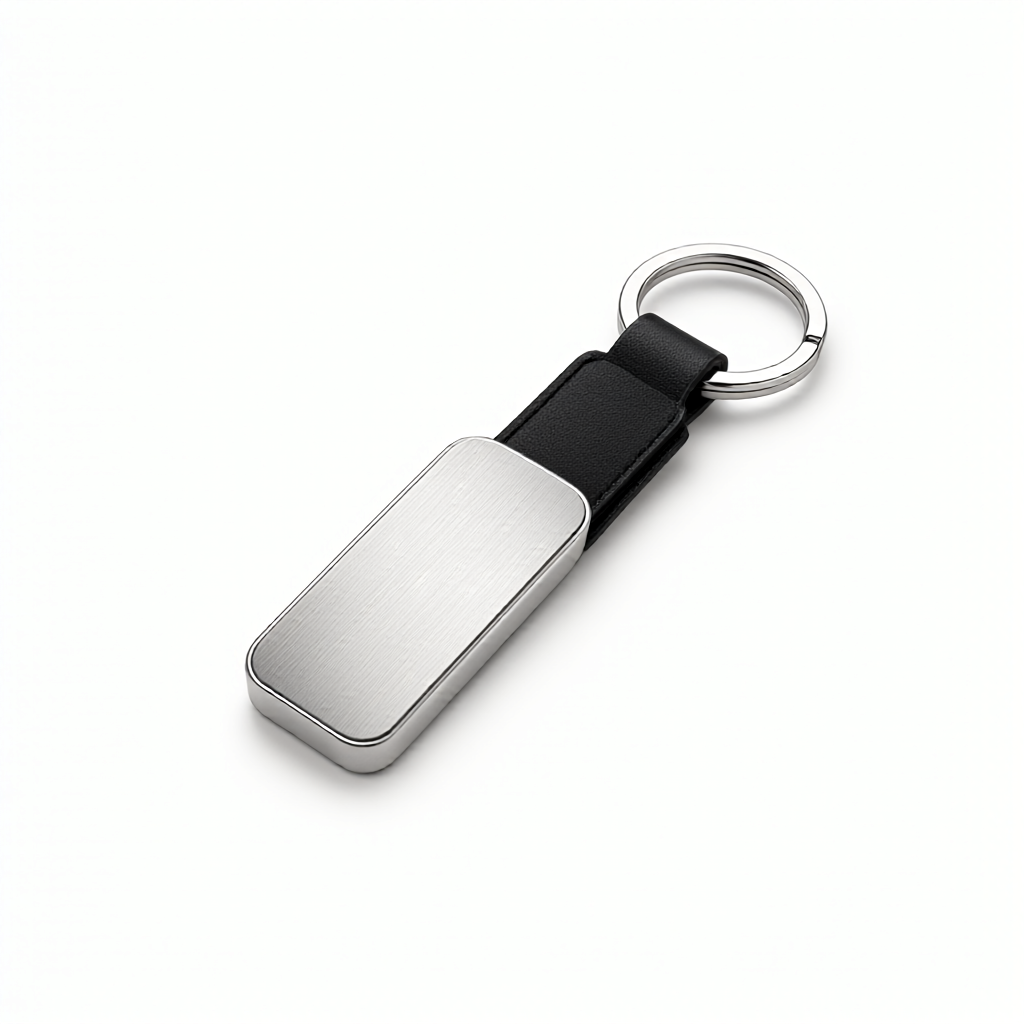
What Is a Card Holder Keychain?
A card holder keychain is a compact everyday‑carry accessory that merges a minimal card wallet with an integrated keyring or key clip, designed to carry a few credit/bank cards and keys in a single slim profile. Typically constructed from aluminum, carbon fiber, or titanium, these hybrids eliminate the need for separate wallets and key fobs. Key attributes include RFID‑blocking capability, a capacity of 2–8 cards, and customization options such as logo engraving, anodized finishes, and retail packaging. They are engineered for buyers who need a durable, professional‑grade product for private‑label branding, promotional programs, or EDC brand lines.
How Do Card Holder Keychains Work and Why Are They Used?
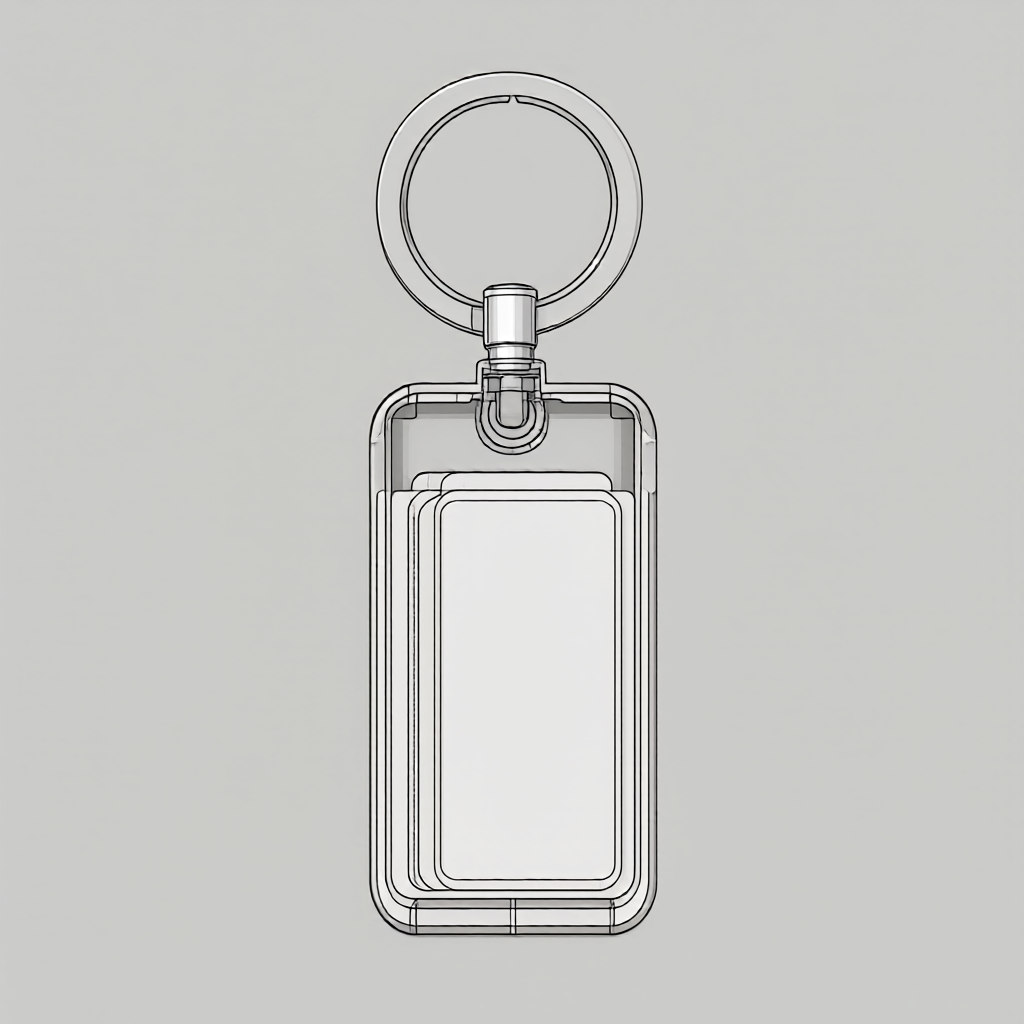
Card holder keychains combine two everyday functions—card storage and key access—into one cohesive unit. Most designs use a rigid frame with a card slot or spring‑loaded mechanism to hold bank cards securely, while a built‑in keyring, split ring, carabiner, or lobster clasp provides attachment to a belt loop, bag, or pocket. This integration reduces bulk and prevents the common hassle of searching for separate items.
The demand is driven by practical use cases: corporate branded merchandise procurement, Amazon FBA private‑label sourcing, promotional product distributor catalogs, and EDC brand custom‑line expansion. Buyers select these products when they need a low‑profile, high‑durability accessory that can carry essential cards and keys without the weight of a traditional bi‑fold wallet. As detailed in our EDC Wallets: What They Are and How to Source Them guide, the trend toward multi‑function pocket gear reflects a broader shift in consumer expectations for minimalist, purpose‑built carry solutions.
What Card Capacities and Key Attachment Styles Are Most Common?
Typical configurations hold between 2 and 8 cards, with 3–5 being the most popular for daily use. Card retention methods include friction‑fit slots, elastic bands, or spring‑loaded clips that prevent cards from slipping out. Key attachment styles vary by load requirement: split rings offer simple, reliable connection; carabiner clips allow quick detachment and re‑attachment; lobster clasps provide a secure latch for heavier keys; and paracord loops add a tactical, adjustable option. Each style presents different trade‑offs in ease of use, security, and potential wear on the keyring hole over time.
What Materials, Capacities, and Features Matter?
Material selection is the primary determinant of a card holder keychain’s weight, durability, and aesthetic. The three dominant materials in B2B procurement are:
- Aluminum: Lightweight, corrosion‑resistant, and cost‑effective. It is commonly anodized for color and scratch resistance, and can be laser‑engraved for branding.
- Carbon Fiber: Extremely strong and lightweight with a distinctive textured appearance. It is highly resistant to scratches and impacts, though it commands a higher material cost.
- Titanium: Offers the best strength‑to‑weight ratio and premium feel. It is naturally hypoallergenic and develops a patina over time, but is more expensive to machine.
Capacity is measured in card slots and usually ranges from 2 to 8. For bulk orders, buyers should confirm whether the design includes a separate key pocket, a money clip, or a hybrid arrangement. Additional features that drive purchasing decisions include RFID‑blocking shielding, textured surfaces for grip, and rounded corners to prevent snagging. When evaluating options, refer to industry benchmarks for men’s minimalist wallets, including materials and specs, as the same engineering principles apply to keychain‑integrated models.
How Does RFID‑Blocking Technology Work in These Products?
RFID‑blocking card holder keychains incorporate a conductive layer—usually a thin sheet of aluminum, nickel, or copper—that creates a Faraday cage around the card slots. This layer disrupts the radio‑frequency signals emitted by contactless payment cards, preventing unauthorized scanning of card data. For B2B buyers, the presence of a blocking layer should be verified through independent lab testing rather than relying solely on marketing claims.
The technology is governed by international standards for proximity cards. According to ISO/IEC 14443—the standard for contactless proximity cards—the shielding material must effectively attenuate the 13.56 MHz frequency used by most bank and transit cards. Buyers should request test reports that confirm signal attenuation levels, typically measured in decibels (dB), and ensure the material meets regional compliance requirements.
Quality Certifications and Compliance for Buyers
When sourcing card holder keychains in bulk, B2B buyers should require manufacturers to hold recognized quality and social‑compliance certifications. The most relevant credentials include:
- ISO 9001: Certification for quality management systems, indicating consistent production processes and defect‑control measures.
- BSCI: Audit of social compliance in the supply chain, ensuring ethical labor practices.
- REACH / RoHS Compliance: Verification that materials do not contain restricted hazardous substances, which is critical for European market entry.
- SGS‑Tested Materials: Independent lab confirmation of material composition and safety.
Additionally, if the product incorporates RFID‑blocking features, manufacturers should be able to provide test certificates showing adherence to electromagnetic shielding standards. Buyers should also consider region‑specific regulations for imported goods, such as California Proposition 65 warnings or EU CE marking, depending on the target market.
What Should B2B Buyers Evaluate Before Sourcing?
Before committing to a supplier, buyers should assess several operational and commercial factors:
- MOQ (Minimum Order Quantity): Typical MOQs for custom metal wallets range from 300 to 500 pieces, depending on customization complexity. Lower MOQs are often available for stock designs with minimal branding.
- Lead Times: Sample development usually takes 5–7 days, while bulk production can take 20–35 days depending on order volume and finishing requirements.
- Customization Options: Look for capabilities in CNC machining, laser engraving, UV printing, anodizing, and custom packaging design. These processes determine how effectively a brand can differentiate its product.
- Supply Chain Transparency: Manufacturers should disclose their factory location, QC procedures, and logistics partnerships (including drop‑shipping and Amazon FBA prep).
- Durability Testing: Request real‑world wear data—such as results from drop tests, scratch resistance ratings, and slot‑stretch measurements over extended use.
For deeper insights into specification requirements and sourcing workflows, review our what is a card holder? B2B sourcing guide for buyers.
Partnering with a Manufacturer: What to Look for in an EDC Wallet Supplier
Selecting the right manufacturing partner requires aligning technical capabilities with commercial flexibility. A capable supplier should offer in‑house CNC machining for precise metal fabrication, laser engraving and UV printing for detailed branding, and surface‑finishing options like anodizing for color and protection. The ability to handle full customization—from logo design to retail box creation—is essential for private‑label and promotional buyers.
At TOP EDC Wallet, we apply these standards to every project. As a manufacturer with 13+ years of export experience, our approach integrates rigorous quality control with streamlined production. Our facility holds ISO 9001 certification and undergoes regular BSCI audits, ensuring that each batch meets consistent quality and social‑compliance benchmarks. We provide low MOQs starts at 300 pcs per SKU for full OEM customization (100 pcs trial order available for stock finishes), with sample turnaround in just 7 days, allowing brands to validate designs before committing to large orders.
Our in‑house CNC machining and laser engraving capabilities enable precise logo placement and intricate design details on aluminum, carbon fiber, and titanium substrates. We also offer custom packaging solutions and drop‑shipping services tailored for Amazon FBA and international distributors. Whether you are developing a new EDC line or expanding an existing brand, our team works closely with you to balance cost, lead time, and quality targets. Send an inquiry to discuss your project specifications.
Card Holder Keychain: Where Can You Verify the Data and Sources?
- ISO/IEC 14443 — www.iso.org
- EDC Wallets: What They Are and How to Source Them — topedcwallet.com
- men’s minimalist wallets, including materials and specs — topedcwallet.com
- what is a card holder? B2B sourcing guide for buyers — topedcwallet.com
- Send an inquiry — topedcwallet.com
From article to product
Sourcing minimalist-wallets?
Tell us the format, the quantity and the date you need stock. You get material options, MOQ and a landed-cost range back within one business day.
Keep reading
More on wallet types
Thin Male Wallets: Buying Guide for Slim Minimalist Picks
How to choose a slim wallet for men — thickness thresholds, material trade-offs, capacity…
ReadStashed Wallet: A Minimalist Everyday-Carry Solution
Understand what a stashed wallet is, how minimalist slim wallets work, and what to…
ReadFolding Wallets: Types, Materials & Buying Guide
Learn what makes a folding wallet worth buying, from materials and card capacity to…
Read
About the author
TOPWALLET Editorial Team
TOPWALLET's editorial and engineering desk writes from bench testing at the Shenzhen (Longgang) facility: pull-force and cycle testing, 13.56 MHz shielding measurements, finish trials and factory audits, rather than supplier spec sheets. Every specification in these guides is one we write on a purchase order.
Written on the floor
This article was written by our production and QC team — the people who spec tolerances, run the finishing line and inspect every batch. Where it states a capacity, a pull force or a lead time, it comes from a measurement we made, not a supplier’s catalogue. If a number here disagrees with what your own supplier told you, tell us; several of these articles started as a correction from a buyer.
See how the factory works · Inspection process · Sourcing FAQ
Sourcing minimalist-wallets?
Tell us the format, the quantity and the date you need stock. You get material options, MOQ and a landed-cost range back within one business day.