
Wallet Manufacturing · 32 min read
How to Make a Slim Wallet: Design & Manufacturing Guide for Brands

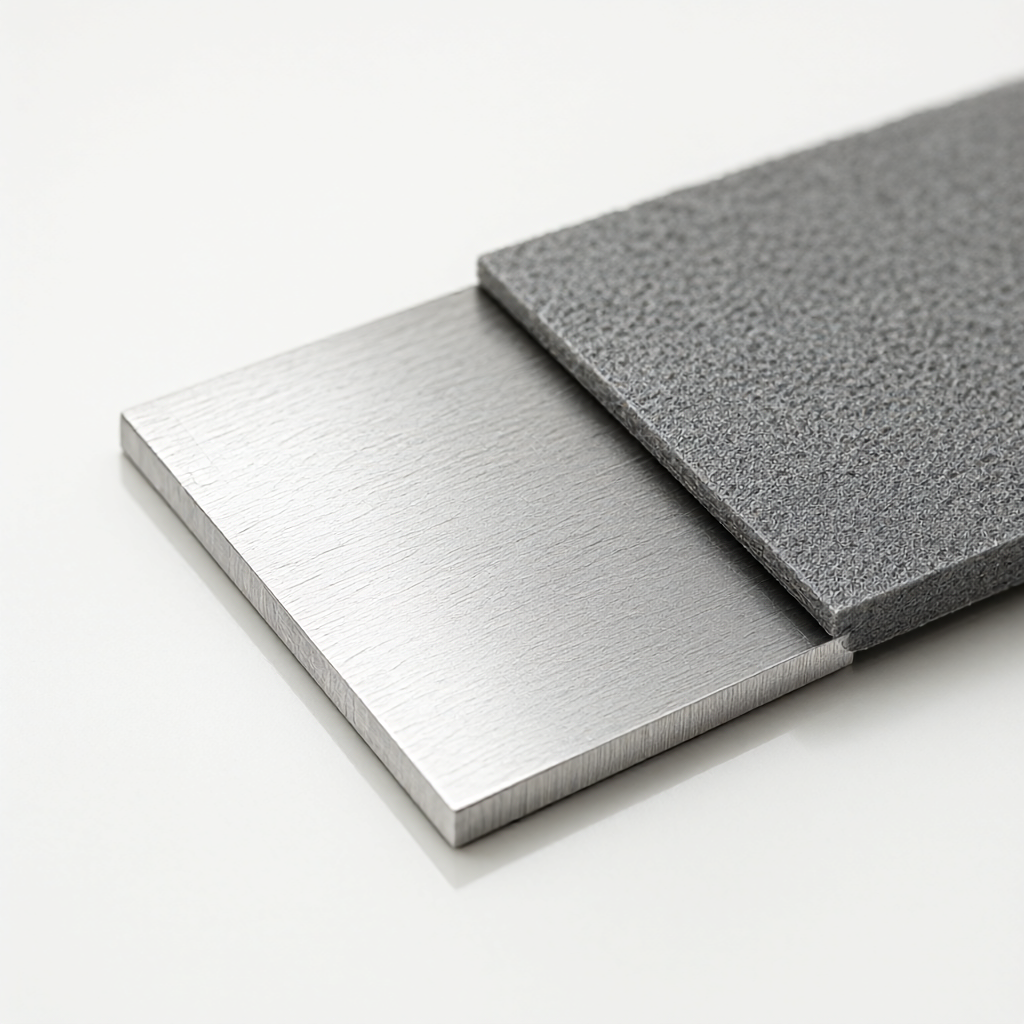
What Is the Quick Answer on Making a Slim Wallet?
Cut one leather body, skive edges, stitch card pockets, and finish the edge; thickness comes from layer count.
A slim wallet — also called a minimalist wallet or EDC card holder — is manufactured by selecting a low-profile material, engineering the internal structure to fit standard credit-card dimensions, processing the components through CNC machining or molding, applying surface treatments and security features like RFID-blocking, and assembling the finished unit under controlled quality conditions. For B2B buyers, making one means working through a defined pathway: concept → material specification → structural design → prototyping → tooling/setup → mass production → finishing → packaging → shipment.
How Do You Make a Slim Wallet Step by Step?
Pattern, cut, skive, stitch pockets, assemble layers, finish edges, then inspect thickness and slot tension.
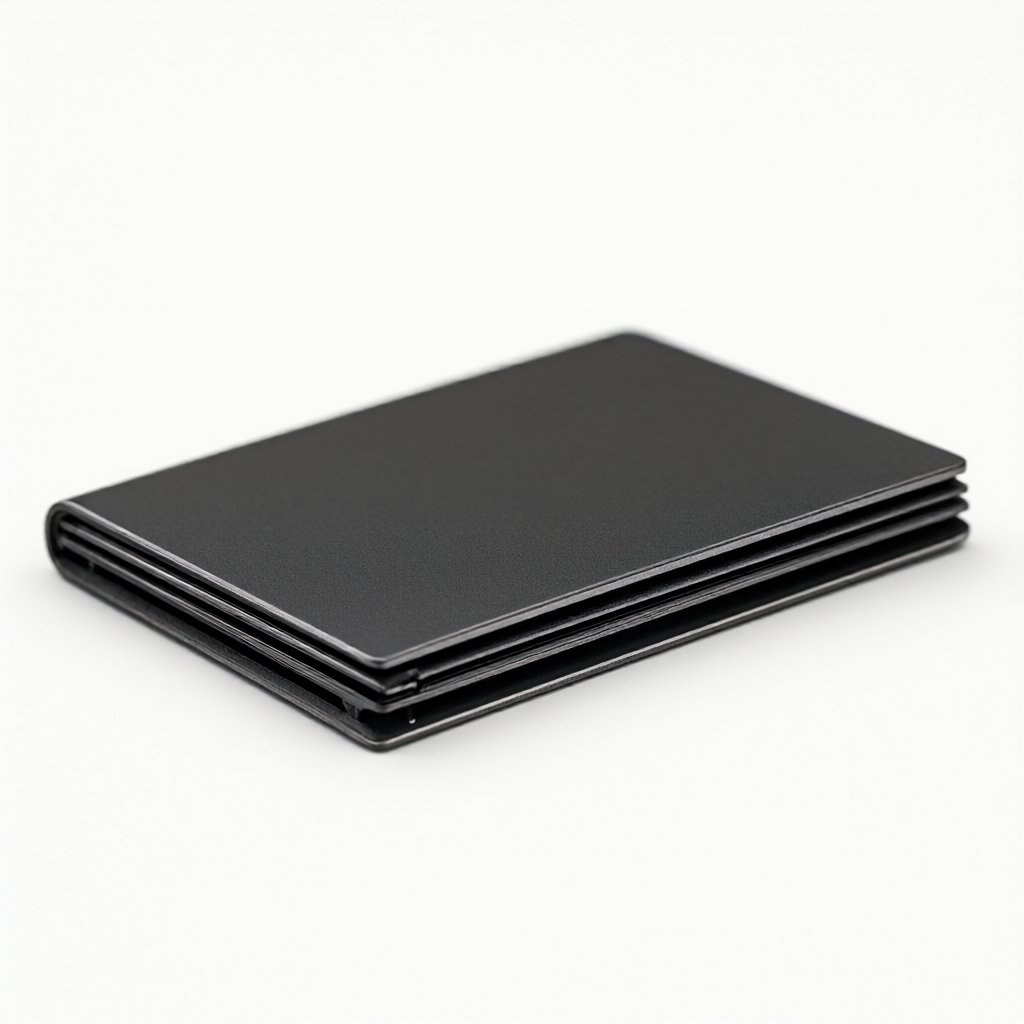
What makes a slim wallet structurally different?
A traditional bi-fold wallet folds and stacks, creating bulk well above a pocket’s preferred profile. A slim wallet achieves its form factor by eliminating the fold and using a rigid or semi-rigid skeleton that holds cards flat and aligned. That means the design focus shifts to card retention mechanics, edge geometry, and material thickness rather than fold lines or stitching panels.
The defining constraint is ISO 7810 ID-1 card size: 85.6 mm × 54.0 mm. Every slim-wallet design must accommodate this dimension with small tolerances so cards slide in smoothly and stay retained without bulging outward. When the design respects that baseline, the wallet stays thin; when it doesn’t, you get drag, jamming, or inconsistent thickness across batches.
Buyers evaluating suppliers should confirm the design explicitly references this card-size envelope and tests slot clearances against real card stock, including thicker ID cards and certain bank cards that exceed ISO minimum thickness.
How do you choose the right material?
Material selection is the single biggest lever for thickness, weight, durability, price, and finish. Here are the primary options used in modern minimalist wallet manufacturing and their practical trade-offs:
Aluminum alloy (typically 6061-T6)
- Pros: Lightweight, good strength-to-weight ratio, excellent for anodizing and laser engraving, mid-range cost, widely available.
- Cons: Can dent under heavy impact; lower scratch resistance than titanium unless hardened or coated.
- Best for: Brands that want a clean, machined aesthetic and reliable performance at competitive pricing.
Carbon fiber
- Pros: Extremely high stiffness, very low weight, distinctive visual texture, good scratch resistance.
- Cons: Higher material and labor cost; difficulty achieving seamless multi-layer lamination without voids; limited color palette.
- Best for: Premium and tactical positioning where visual differentiation matters.
Titanium (typically Grade 1 or Grade 5 / Ti-6Al-4V)
- Pros: Highest strength-to-weight ratio among common EDC metals, excellent corrosion resistance, premium appearance after bead-blasting or anodizing, hypoallergenic.
- Cons: Most expensive material and longer machining cycles due to hardness.
- Best for: High-margin private-label products targeting outdoor and professional users who prioritize longevity.
G-10 / FR-4 laminates
- Pros: Very hard, moisture resistant, textured grip surfaces, affordable relative to metals.
- Cons: Limited ability to produce fine metallic finishes; edge aesthetics are functional rather than refined.
- Best for: Tactical-oriented lines and rugged-use positioning.
Composite hybrid designs
Many modern slim wallets combine materials — for example, an aluminum front plate with a carbon-fiber back panel, or a G-10 core wrapped in metal plates. These hybrids let designers balance cost, weight, appearance, and durability rather than committing to one material across the entire unit.
When discussing what is RFID blocking and how it integrates into wallet construction, material choice affects both the structural cavity layout and the placement of shielding layers, since metal housings can naturally provide Faraday-cage effects if engineered correctly.
What structural elements define a quality slim wallet?
Regardless of material, a successful slim wallet consists of three mechanical subsystems:
Card retention system
Most designs use a spring-loaded metal tension plate behind the card stack. Precision-tuned spring steel provides enough friction to prevent cards from sliding out during removal, yet allows smooth extraction with moderate force. Poorly calibrated tension results in cards falling out accidentally or requiring excessive force that damages card edges over time. Some premium designs replace the spring plate with adjustable micro-screws that let end users dial in retention pressure.
Cash/currency mechanism
Simplest implementations use an elastic band housed inside the back channel. More advanced versions incorporate a folded-slot lever system or a dedicated money-clip module that accepts bills folded once. The trade-off is added thickness versus convenience and capacity flexibility.
Closure and stacking constraints
At just a few millimeters thick, even minor tolerance stack-up across the backplate, spring assembly, and front plate can push the wallet past desired thickness thresholds. Designers mitigate this through shimming, precision spacers, and controlled compression during assembly. Tighter tolerances improve consistency but raise manufacturing complexity and yield risk.
For additional context on overall RFID wallet definition, function, and buyer expectations, understanding how these mechanical subsystems interact with embedded shielding is essential for spec development.
How does manufacturing transform raw material into a finished product?
Production follows a sequence that scales differently depending on material:
CNC machining (metal wallets)
Aluminum and titanium wallets typically start as solid billets or pre-cut blanks. Multi-axis CNC mills cut the outer profile, precision-drill card-slot openings, machine pockets for the spring mechanism, and face-mill surfaces to target thickness. CNC offers excellent repeatability, tight tolerances, and clean part geometry suitable for volume runs. Tool wear is higher with titanium, which lengthens cycle times and increases per-unit cost compared to aluminum.
Laser cutting and engraving
High-power fiber lasers cut thin-sheet metals and engraved marking surfaces quickly. Lasers are especially useful for logo application, serial numbering, and decorative patterns that follow brand identity. Unlike CNC milling, laser engraving removes minimal material, preserving structural integrity while adding aesthetic and functional markings.
Anodizing and surface finishing
Aluminum wallets undergo anodizing to increase surface hardness, improve scratch resistance, and introduce color options. Typical hard-anodized layers reach several micrometers thick, and the process seals pores that would otherwise trap moisture or skin oils. Titanium can be anodized electrophilically for color generation without coating buildup, though the range differs from aluminum’s palette. Bead blasting creates a uniform matte surface before coloring steps.
Assembly and testing
Final assembly inserts the spring plate, positions the cash strap or clip, secures fasteners, and performs functional checks: card insertion/extraction cycles, retention-force verification, dimensional inspection, and cosmetic review. For products claiming RFID protection, batch-level field testing validates signal attenuation across relevant frequency bands, particularly for contactless payment and modern e-passport chips. See our detailed explainer on what RFID protection is and how it works for deeper technical guidance on testing expectations.
Each step introduces variables that affect final quality and cost. Inconsistent anodizing parameters, for instance, can cause color variation across batches; underspecified spring steel can lose tension after repeated cycles; and poor laser-focus calibration leaves inconsistent engrave depth. Experienced procurement teams track these variables because they directly influence customer returns and brand reputation.
Which Specs Define a Slim Wallet?
Closed size, layer count, card slots, thickness under load, and edge finish define slim wallet specs.
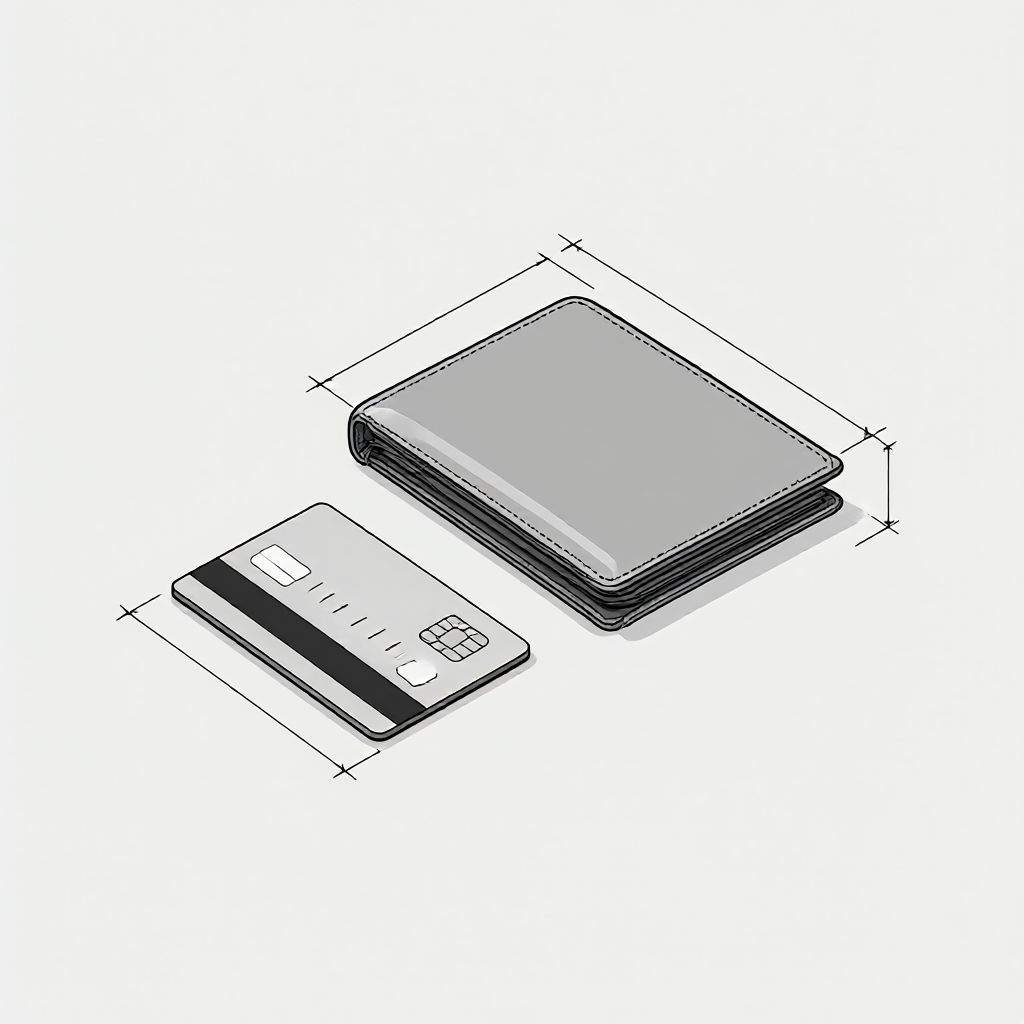
Procurement decisions rest on measurable specifications, not marketing claims. The following parameters should be documented and verified before signing contracts:
| Parameter | Industry Benchmark | Typical Range | Test Method |
|---|---|---|---|
| Outer dimensions (L × W) | ISO 7810 ID-1 reference | 85.6 mm × 54.0 mm ±0.05 mm | Caliper measurement |
| Thickness (full stack) | Ultra-minimalist < 6 mm; Mainstream 6–9 mm | 4–10 mm depending on card count | Digital gauge |
| Weight | Metal constructions | 40–85 g | Precision scale |
| Card retention force | Spring steel tension plate | 0.5–2.0 N | Force gauge during extraction |
| RFID signal attenuation | ISO/IEC 14443 proximity band | −40 dB minimum at 13.56 MHz | Network analyzer / field probe |
| Anodizing layer thickness | Hard anodize (aluminum) | 15–25 µm | Eddy current gauge |
| Anodizing hardness rating | Rockwell scale equivalent | HB3+ or greater | Cross-hatch adhesion test |
| Laser engrave depth | Fiber laser marking | 0.05–0.1 mm | Profilometer |
| Slot clearance tolerance | Credit card stack | ±0.05 mm | GO/NO-GO gauge block |
These parameters directly influence customer satisfaction and return rates. Inconsistent retention force causes cards to fall out accidentally or require excessive extraction effort that damages card edges over time. Underspecified RFID attenuation leaves contactless payment vulnerable to skimming. Poor anodizing adhesion leads to flaking that contaminates cards and pockets. Experienced procurement teams track every parameter because they collectively determine brand reputation.
For additional context on RFID protection how it works and why it matters, understanding the physics behind Faraday-cage shielding helps buyers specify meaningful attenuation targets rather than accepting vague “blocks RFID” claims.
What thickness and capacity define a true slim wallet?
Thickness is the foremost performance metric for this category. Industry-standard benchmarks are:
- Under 6 mm: Ultra-minimalist tier; usually holds 4–6 cards plus a small cash compartment.
- 6–9 mm: Mainstream slim-tier; accommodates 6–12 cards and a functional cash strap or money clip.
- Over 10 mm: Generally considered borderline for the slim-category label; acceptable only if the design prioritizes high card capacity or specialized mounting options.
Target weight typically lands between 40 g and 85 g for metal constructions, varying materially with material density and dimensional choices. Carbon fiber variants often sit at the lighter end; titanium versions trend heavier due to density despite comparable wall thicknesses.
Which card-size standards must a slim wallet accommodate?
Designers reference ISO 7810 ID-1 as the baseline. Practical considerations include:
- International ATM/bank card tolerance ranges that occasionally exceed nominal thickness.
- Extended-length cards used in loyalty programs or specific national banking formats.
- Dual-chip cards with slightly thicker plastic substrates from reinforced antenna embedding.
Validating slot clearance with samples of the target market’s actual cards — not just printed test blocks — prevents field failures that look like design flaws but are actually tolerance mismatches.
What RFID performance should buyers expect?
Effective RFID-blocking wallet implementations attenuate radio-frequency fields across commonly used contactless bands: 13.56 MHz (proximity cards, EMVs) and 860–960 MHz (UHF). Shielding may be achieved through continuous metal housings, embedded conductive layers, or specialized foils. The design approach depends on whether the product already uses a full metal body or requires supplemental shielding added within a non-metal chassis.
Which Standards Apply to Slim Wallets?
Material compliance and attenuation testing apply where shielding is used; no slim wallet standard exists.
What certifications and compliance marks apply?
Buyers sourcing from international factories should verify documentation against recognizable frameworks:
- ISO 9001 for documented quality-management systems governing production consistency.
- BSCI auditing for social-compliance expectations, particularly relevant for Western retail brands and corporate procurement programs.
- REACH and RoHS conformity when marketing into EU and other regulated markets, ensuring restricted substances do not migrate from plating solutions, adhesives, or polymer linings.
- Independent material test reports (SGS, Intertek, or equivalent) validating component composition for metal alloys and polymer composites.
These credentials matter less as standalone achievements and more as evidence that the supplier maintains traceable processes, batch documentation, and repeatable quality control checkpoints. Without that infrastructure, even attractive prototype samples may drift during volume production.
How do buyers evaluate supplier capability beyond certificates?
Certificates confirm policy adherence; they do not guarantee production capability. Evaluate manufacturers on tangible indicators:
- In-house machining vs. outsourced job-shop dependency.
- Established tooling and fixture inventories for common profiles.
- Documented cycle times and throughput figures for analogous SKUs.
- Inspection procedures at each critical stage, not just final audit sampling.
Reviewing a facility’s operational maturity gives more predictive power than certification paperwork alone.
What Else Should Slim Wallet Buyers Consider?
Slot tension, edge paint durability, and reorder consistency decide long-run satisfaction.
What should B2B buyers consider when customizing slim wallets?
Customization pathways generally fall into two categories: OEM (buyer provides detailed drawings and specifications; manufacturer produces to print) and ODM (manufacturer proposes designs from existing platforms, modified within permissible bounds). Each carries distinct implications:
- OEM projects demand complete engineering packages — 2D GD&T drawings, 3D CAD models, material certs, finish specifications, and assembly instructions. They offer maximum design freedom but require more up-front documentation and longer NPI (new-product-introduction) timelines.
- ODM projects leverage proven architectures and reduce development risk. Modifications typically cover materials, engravings, colors, and minor dimensional adjustments. ODM paths suit brands launching new SKUs quickly or testing market response before investing in fully custom tooling.
Buyers should clarify early which model aligns with their time-to-market goals, budget envelope, and intellectual-property preferences. Our guide to choosing men’s wallets for B2B sourcing outlines common decision factors across these procurement scenarios, including when customized tooling pays off versus modifying existing platforms.
How do lead time, MOQ, and logistics shape sourcing decisions?
Minimum order quantities set the floor for economic viability. Lower MOQs enable brand testing and regional launches but increase per-unit cost because setup amortization applies to fewer pieces. Higher MOQs unlock better pricing but commit capital and storage capacity upfront.
Lead-time breakdowns typically span:
- Prototype/sample phase: Several days for initial confirmations.
- Pre-production validation: Adjustments based on sample feedback and tolerance tuning.
- Mass production run: Duration driven by part complexity, material availability, surface-treatment queue load, and volume.
- Shipping: Transit varies by region and freight mode.
Logistics coordination becomes critical for Amazon FBA sellers and private-label brands needing labeled, barcode-scannable inventory delivered to fulfillment centers on schedule. Understanding factory scheduling windows and buffer capacities prevents costly delays around peak-season inventory builds.
Additional insights into how minimalist EDC wallets are manufactured end-to-end can help buyers anticipate where bottlenecks tend to occur and how experienced contract manufacturers mitigate them.
Which Procurement Pathways Serve Slim Wallet Brands?
Direct factory OEM, white-label stock, and marketplace sourcing each fit different volumes.
How does the industry work in practice?
For private-label brand launches, Amazon FBA sourcing programs, corporate promotional-gift orders, and retail chain procurement, the typical flow is: concept discussion → feasibility review → sample quoting → iteration → sample approval → production scheduling → QC reporting → shipment dispatch. Decisions at the concept and sample stages ripple through costing, tooling investment, and margin structure.
Material substitution requests mid-project often trigger re-quoting because processing parameters change, cycle times shift, and finish compatibility may differ. Buyers who lock base specifications early and treat changes as formal revision events maintain cleaner cost tracking and avoid surprise margin erosion.
Return-rate drivers in this category cluster around three failure modes: spring-tension loss after repeated card cycling, adhesive delamination under temperature swing, and surface_finish damage during packing or shipping. Supplier quality systems that measure retention force, perform accelerated aging, and validate pack-test drop survival directly reduce these risks.
How Do We Meet These Standards in Production?
We document the pattern, check thickness at three stations, and keep batch records for every SKU.
As a manufacturer specializing in minimalist EDC wallets and pocket gear, we built our workflow around exactly these procurement realities. Our approach starts with clarifying whether a project fits an ODM platform modification or requires fully custom OEM engineering, then moves through iterative sampling so buyers see dimensional reality before committing to volume. We combine in-house CNC machining with laser marking and surface-finishing capability so design intent translates consistently from drawing to finished goods. Quality gates at incoming material inspection, in-process dimensional checks, and final functional testing help keep defect rates predictable across runs.
Because every brand faces different priorities — some emphasize ultra-low MOQs for rapid launch cycles, others prioritize long-run cost efficiency or strict regional compliance — we tailor each engagement to the buyer’s actual market context rather than forcing a one-size-fits-all timeline or spec sheet. If you are comparing vendors or scoping your next custom slim cardholder program, contact our team with your target material, expected card capacity, and annual volume range so we can outline the most efficient path from concept to shipped inventory.
Which Certifications Apply to Slim Wallet Production?
ISO 9001 for process control, plus REACH and RoHS for materials; shielding claims need test reports.
What quality standards should slim wallets meet?
Slim wallet manufacturers should operate under documented quality-management systems that ensure consistency across batches. Key standards include:
- ISO 9001:2015 — The baseline for quality-management systems; requires documented procedures for design control, supplier evaluation, production monitoring, and corrective actions. Certification is verified through third-party audits and demonstrates that the factory maintains traceable processes from raw material receipt through final inspection.
- BSCI (Business Social Compliance Initiative) — Audits facility working conditions, labor practices, and environmental policies. Required by many Western retailers and corporate buyers as part of their supply-chain due diligence.
- REACH / RoHS compliance — Ensures restricted substances are absent from anodizing baths, adhesives, polymer components, and plating solutions. Critical for EU market entry and increasingly expected by North American buyers.
- SGS / Intertek material test reports — Independent verification of alloy composition, coating thickness, and chemical safety. These reports provide evidence that incoming materials match specifications before production begins.
Beyond certifications, measurable quality indicators matter more than paperwork. Buyers should evaluate defect rates per 1,000 units, dimensional tolerance documentation, and spring-retention cycle testing data. A competent manufacturer tracks these metrics and can share them during the qualification phase without hesitation.
What durability and wear tests define acceptable performance?
Production-quality slim wallets should pass practical stress evaluation before shipment approval:
- Spring retention cycling: Minimum 5,000 card insertion/extraction cycles with less than 15% tension loss measured at cycle intervals (1,000 / 3,000 / 5,000). Measured with a force gauge targeting 2–5 N extraction resistance.
- Drop impact resistance: Functionality maintained after three drops from 1.2 m onto hardwood flooring. No fracture of card slots, no separation of structural plates.
- Abrasion testing: Surface finish retains appearance after 500 rubs with standard steel wool (0000 grade) under 2 kg load. Anodized aluminum should show minimal polishing marks; titanium should remain unchanged.
- Moisture exposure: No delamination, corrosion, or spring set deformation after 48 hours at 95% relative humidity. Validates adhesive bonds and metal-treatment compatibility.
- RFID attenuation validation: Shielding performance confirmed at 13.56 MHz and 860–960 MHz using calibrated field-probe equipment. Attenuation of at least 25 dB across target frequencies meets industry expectations.
These tests mirror the protocols referenced in ASTM guidelines for consumer product durability evaluation (astm.org) and align with ISO 9001:2015 requirements for process validation and product verification.
How Do OEM and ODM Paths Work for Slim Wallets?
OEM builds your pattern from scratch; ODM adapts an existing pattern with your branding.
What MOQ and Lead Times Apply to Slim Wallets?
Stock patterns start near 200 units in 20–30 days; custom patterns need 500 and 35–45 days.
What minimum order quantities are typical in slim-wallet manufacturing?
MOQ structure reflects the balance between setup cost amortization and production efficiency:
- Low MOQ programs (300–500 pcs): Suitable for brand testing, regional launches, and promotional campaigns. Per-unit pricing carries a premium due to machine-setup and material-minimum charges applied across smaller volumes.
- Standard MOQ (500–2,000 pcs): Typical threshold for profitable OEM runs. Pricing stabilizes as setup costs spread across higher piece counts and surface-treatment batch utilization improves.
- High-volume tiers (2,000+ pcs): Unlock optimal unit economics. Volume discounts compound through material purchasing leverage and continuous-production scheduling that eliminates changeover delays.
Buyers should negotiate MOQ terms that allow phased scaling — starting with a testing batch and ramping commitment as market response justifies. Transparent suppliers will present tiered pricing tables showing per-unit cost at each volume bracket so commercial planning remains clear.
How do lead times break down across the procurement cycle?
Sampling takes 7–10 days, production 20–30, and freight 5–15, so plan 45–55 days end to end.
Typical timeline components (assuming approved sample and confirmed artwork):
| Phase | Duration | Dependencies |
|---|---|---|
| Sample production | 5–7 days | Material availability, design finalization |
| Pre-production approval | 3–5 days | Sample confirmation, artwork sign-off |
| Mass production | 15–25 days | MOQ volume, surface-treatment queue, material lead time |
| Quality inspection | 2–3 days | Batch size, inspection depth |
| Shipping preparation | 2–4 days | Packaging configuration, labeling, freight booking |
| Freight transit | 7–45 days | Origin-destination pair, customs clearance, freight mode |
Air freight adds speed but increases cost per unit. Sea freight reduces logistics expense on volume commitments but requires earlier ordering and warehouse coordination. Buyers should plan inventory replenishment around total lead time — not just production duration — to prevent stockouts during demand peaks.
Some manufacturers offer drop-shipping and Amazon FBA preparation services, consolidating inspection, polybagging, labeling, and carton-packing into a single outbound workflow. This reduces handling steps and accelerates time-to-market for e-commerce brands.
Which Materials and Layering Steps Shape a Slim Wallet?
Leather thickness, lining choice, and layer count set final bulk more than any finish.
How does material choice affect wallet construction methods?
Material determines available forming techniques and directly influences final dimensions:
- Aluminum sheets/plates: CNC-milled from solid billets or blanked from sheet stock. Plates are typically 0.8–1.5 mm thick. Multiple layers stack to create card channels, with spacers machined to maintain consistent gaps. Layer thickness tolerance of ±0.05 mm ensures smooth card insertion.
- Carbon fiber laminates: Prefabricated sheets cut to profile via waterjet or CNC routing. Layer lamination occurs before machining — resin content, cure schedule, and vacuum pressure all affect final hardness and edge integrity. Post-machining edges are sealed to prevent moisture ingress between laminate layers.
- Titanium plates: CNC-milled similar to aluminum but with reduced feed rates and increased tool-change frequency due to material hardness. Grade 5 titanium requires different cutting geometry than Grade 1 for comparable surface finish.
- G-10 / FR-4 composites: CNC-routed or saw-cut. Edges require sealing or anodizing-compatible treatment since the epoxy-glass matrix absorbs moisture if left exposed.
How are slim wallets folded, layered, and shaped during production?
Multi-piece constructions rely on precision stacking rather than folding. The typical architecture includes:
- Front plate: Laser-cut or CNC-milled outer shell providing structural rigidity and branded surface.
- Card-channel spacers: machined with slot openings that align precisely to accept standard ID-1 cards. Spacer count determines capacity.
- Back plate: Secures internal mechanism and provides cash-strap anchor points.
- Spring tension plate: Mounted behind the card stack; tension adjusted via micro-screws or pre-compressed during assembly.
- Cash mechanism module: Elastic band housing, money clip bracket, or hybrid system integrated into rear cavity.
Layer gap tolerances directly affect perceived thickness. A well-engineered stack maintains uniform plane alignment — deviation exceeding 0.1 mm per interface creates visible step-feel and inconsistent pocket profile. Suppliers who invest in precision-spacer tooling deliver more consistent final products.
How Do We Meet Slim Wallet Standards?
We freeze spec sheets, check thickness per batch, and test slot tension before shipping.
Where do industry benchmarks meet manufacturing reality?
When evaluating whether a supplier can consistently deliver slim wallets that meet the specifications outlined above, observable production capability matters more than marketing claims. Several measurable factors separate mature contract manufacturers from general-purpose fabrication shops.
As a manufacturer specializing exclusively in minimalist EDC wallets and pocket gear, our approach to quality starts with dedicated infrastructure. Our facility operates 50,000 sq ft of in-house CNC machining and finishing space, meaning we control every step from raw billet to shipped carton without outsourcing critical processes to unrelated job shops. This vertical integration is what allows us to maintain dimensional consistency across production runs and respond quickly when buyers request design adjustments.
We have operated under an ISO 9001-certified quality management system since 2014, which structures how we document design inputs, control incoming materials, monitor production parameters, and verify outgoing product. Combined with our BSCI-audited facility status, this framework gives procurement teams visibility into both quality reliability and social-compliance standing — two areas Western retail buyers increasingly treat as table stakes rather than differentiators.
From a customization perspective, we support both OEM and ODM pathways. When buyers arrive with complete engineering packages, we execute against those drawings with GD&T compliance and material certification on file. When buyers prefer an ODM route, we adapt proven platform architectures to their branding requirements while preserving the mechanical tolerances that make slim wallets functional. Our standard sample lead time is 7 days, and our lowest accepted MOQ starts at 300 pcs per SKU for full OEM customization (100 pcs trial order available for stock finishes) — structured to let brands validate market response before scaling to volume commits.
Our monthly production capacity exceeds 500,000 units across aluminum, carbon fiber, and titanium product lines. This throughput accommodates everything from small promotional runs to sustained Amazon FBA replenishment schedules without compromising inspection rigor. Every shipment ships with available SGS material reports and REACH/RoHS compliance documentation, ensuring regulatory readiness for American, European, Australian, and Southeast Asian markets.
Request a quote for your custom slim wallet project and our team will match your specifications against our current capabilities to provide accurate pricing, lead-time estimates, and MOQ recommendations.
Which Checklist Vets Slim Wallet Manufacturers?
Verify pattern ownership, skiving quality, thickness control, and export documentation.
Use the following criteria to evaluate whether a supplier can deliver production-grade slim wallets consistently:
Documentation & Compliance
- [ ] ISO 9001 certification currently valid and issued by accredited body
- [ ] BSCI audit report available for review
- [ ] REACH / RoHS compliance documentation for all materials and finishes
- [ ] SGS or Intertek material test reports on file for alloy composition and coating safety
Production Capability
- [ ] In-house CNC machining for metal wallet bodies (not outsourced to general fabricators)
- [ ] Documented cycle times and throughput data for analogous SKUs
- [ ] Tooling and fixture inventory for common profiles reduces setup variance
- [ ] Surface-treatment capacity (anodizing, bead blasting, laser engraving) on-site or under long-term contractual agreement
Quality Control Practices
- [ ] Inspection checkpoints at post-machining, post-finishing, and post-assembly stages
- [ ] Spring retention cycle test data available (minimum 5,000 cycles with ≤15% tension loss)
- [ ] Dimensional tolerance records showing ±0.05 mm stack alignment capability
- [ ] RFID attenuation test results at 13.56 MHz and 860–960 MHz bands
Commercial Terms
- [ ] Clear tiered pricing table mapped to MOQ brackets
- [ ] Written lead-time breakdown including sample, production, inspection, and shipping phases
- [ ] Flexible MOQ policy supporting phased volume escalation
- [ ] Drop-shipping and FBA-prep options available if required by sales channel
Communication & Support
- [ ] Dedicated account manager assigned to B2B inquiries
- [ ] Sample turnaround commitment stated in writing (target: 7 days for standard designs)
- [ ] Revision policy clarified before prototype approval to avoid scope ambiguity
Completing this checklist during supplier qualification reduces the probability of downstream failures related to quality drift, delayed shipments, and compliance gaps. Manufacturers who can satisfy the majority of these items typically possess the operational maturity needed for sustainable private-label partnerships.
Which Design Constraints Define a Slim Wallet?
Under 10 mm loaded, no coin pocket, and card slots sized to avoid stacking bulk.
Designing a slim wallet requires committing to a strict envelope geometry that respects both the user’s pocket profile and the functional card stack. The defining principle is minimalism: every millimeter of thickness and every gram of weight must earn its place. This means engineers start with the ISO 7810 ID-1 card size as the immutable baseline — 85.6 mm length, 54.0 mm width, and a typical card thickness of 0.76 mm — and build outward with small tolerances, usually ±0.05 mm for slot clearances, so cards slide in smoothly and stay retained without bulging. When the design respects this envelope, the wallet stays thin; when it doesn’t, you get drag, jamming, or inconsistent thickness across batches.
Thickness defines the tier of the wallet. Ultra-minimalist designs target under 6 mm, holding 4–6 cards plus a small cash compartment. Mainstream slim-tier wallets sit at 6–9 mm, accommodating 6–12 cards and a functional cash strap or money clip. Anything over 10 mm generally crosses into the borderline category unless the design prioritizes high card capacity or specialized mounting options. Target weight typically lands between 40 g and 85 g for metal constructions, varying materially with material density and dimensional choices. Carbon fiber variants often sit at the lighter end; titanium versions trend heavier due to density despite comparable wall thicknesses.
The practical constraint that separates well-engineered wallets from mediocre ones is the relationship between card count, thickness, and retention force. Adding each card increases stack height by approximately 0.76 mm, but real-world cards vary — extended loyalty cards, dual-chip bank cards, and reinforced plastic substrates can exceed ISO minimums. Buyers evaluating prototypes should test slot clearance against samples of their actual market’s card stock, not just printed test blocks, because tolerance mismatches look like design flaws in specifications but become field failures in use.
Which Materials Trade Off Best in Slim Wallets?
Full-grain at 0.8–1.0 mm wins on durability; bonded leather cuts cost but wears at edges.
Material selection is the single biggest lever for thickness, weight, durability, price, and finish. Here are the primary options used in modern minimalist wallet manufacturing and their technical trade-offs:
Aluminum alloy (typically 6061-T6)
- Mechanical properties: Yield strength approximately 310 MPa, density 2.7 g/cm³
- Surface treatments: Hard anodizing produces 15–25 µm thick layers achieving HB3+ hardness rating; laser engraving depth controlled to 0.05–0.1 mm
- Cost position: Mid-range; widely available; excellent for volume production
- Limitations: Can dent under heavy impact; lower scratch resistance than titanium unless hardened or coated
- Best applications: Brands wanting clean machined aesthetics at competitive pricing with fast time-to-market
Carbon fiber (prepreg laminates)
- Mechanical properties: Tensile strength exceeding 1500 MPa along fiber direction; density below 1.6 g/cm³
- Processing notes: Vacuum bag curing required; higher material and labor cost; limited color palette
- Cost position: Premium segment; distinctive visual texture commands price elevation
- Limitations: Difficulty achieving seamless multi-layer lamination without voids; longer cycle times
- Best applications: Tactical and luxury positioning where visual differentiation matters more than cost
Titanium (Grade 1 for formability, Grade 5 / Ti-6Al-4V for strength)
- Mechanical properties: Tensile strength around 900 MPa for Grade 5; density 4.43 g/cm³; excellent corrosion resistance
- Machining challenges: Higher tool wear than aluminum; longer CNC cycles increase per-unit cost
- Cost position: Highest material cost among common EDC metals; long-term durability justifies premium pricing
- Limitations: Density makes titanium heavier than aluminum for equivalent volume despite superior strength-to-weight ratio
- Best applications: High-margin private-label products targeting outdoor enthusiasts and professional users who prioritize longevity
G-10 / FR-4 laminates
- Mechanical properties: Very hard; moisture resistant; textured grip surfaces
- Cost position: Affordable relative to metals; suitable for tactical-oriented lines
- Limitations: Limited ability to produce fine metallic finishes; edge aesthetics are functional rather than refined
- Best applications: Rugged-use positioning where grip and durability trump visual polish
Leather, fabric, and synthetic alternatives
Traditional bi-fold wallets use leather, fabric, or synthetic materials joined by stitching or adhesive. Minimalist wallet manufacturers sometimes incorporate these materials for cash straps, back panels, or grip surfaces, but they cannot match the dimensional stability of metal or composite structures. Leather varies by tannery and batch, introducing inconsistency that complicates QC. Fabric and synthetics offer color flexibility but may abrade or deform under repeated card insertion cycles.
When discussing material selection for EDC wallets, buyers should weigh not just upfront cost but lifecycle performance — anodized aluminum may scratch within months of daily carry, while titanium retains its finish with minimal maintenance.
How Are Slim Wallets Manufactured?
Cutting, skiving, stitching, layering, edge finishing, and final thickness inspection.
Production transforms raw materials into finished wallets through sequences that demand precision at every stage. Here is the detailed technical pathway:
CNC machining (metal wallets)
Aluminum and titanium wallets typically start as solid billets or pre-cut blanks. Multi-axis CNC mills cut the outer profile to within ±0.05 mm tolerance, precision-drill card-slot openings, machine pockets for the spring mechanism, and face-mill surfaces to target thickness. CNC offers excellent repeatability and clean part geometry suitable for volume runs. Titanium requires lower feed rates and higher spindle speeds than aluminum, which extends cycle times and increases per-unit cost. Tool wear monitoring is essential — carbide inserts degrade faster with titanium, requiring scheduled replacement to maintain dimensional accuracy.
Laser cutting and engraving
High-power fiber lasers cut thin-sheet metals and engraved marking surfaces quickly. Engrave depth is controlled to 0.05–0.1 mm for logos and serial numbering. Unlike CNC milling, laser processing removes minimal material, preserving structural integrity while adding aesthetic markings. Focus calibration directly affects edge quality — defocused beams leave kerf variation that compromises tolerance stacking. Experienced operators document laser parameters for each material to ensure batch-to-batch consistency.
Anodizing and surface finishing
Aluminum wallets undergo electrochemical anodizing to increase surface hardness and introduce color options. Typical hard-anodized layers reach 15–25 micrometers thick, achieving HB3+ hardness rating that resists scratching during daily carry. The process seals pores that would otherwise trap moisture or skin oils. Titanium can be anodized electrophilically for color generation without coating buildup, though the achievable palette differs from aluminum’s range. Bead blasting creates a uniform matte surface before coloring steps, with particle size selected to avoid embedding contaminants that compromise finish adhesion.
Assembly and functional testing
Final assembly inserts the spring plate, positions the cash strap or clip, secures fasteners, and performs functional checks: card insertion/extraction cycles to verify retention force between 0.5–2.0 N, dimensional inspection against GO/NO-GO gauges, cosmetic review for scratches or discoloration, and — critically — RFID attenuation testing across 13.56 MHz and 860–960 MHz bands. Products claiming RFID protection must demonstrate minimum −40 dB signal loss at proximity-card frequencies to meet ISO/IEC 14443 requirements. See our detailed explainer on RFID wallet meaning definition and buyer guide expectations for deeper technical guidance on testing protocols.
Each step introduces variables that affect final quality. Inconsistent anodizing voltage causes color variation across batches; underspecified spring steel loses tension after repeated cycles; poor laser-focus calibration leaves uneven engrave depth that reads poorly under light. Procurement teams track these process parameters because they predictably influence customer returns and warranty claims.
Which Quality Checks Apply to Slim Wallet Batches?
Buyers sourcing from international factories should verify documentation against recognizable frameworks and understand what each credential actually guarantees:
- ISO 9001 certifies a documented quality-management system governing production consistency, traceability, and continuous improvement. It does not guarantee product performance but confirms the manufacturer maintains standardized processes, batch documentation, and corrective-action protocols. Our facility has been ISO 9001 certified since 2014, reflecting 13+ years of systematic quality control.
- BSCI auditing verifies social-compliance expectations, particularly relevant for Western retail brands and corporate procurement programs that require supply-chain transparency. Certification confirms fair labor practices, safe working conditions, and environmental responsibility.
- REACH and RoHS conformity ensures restricted substances do not migrate from plating solutions, adhesives, or polymer linings into cards or pockets. Marketing into EU and other regulated markets requires documented substance declarations.
- Independent material test reports from SGS, Intertek, or equivalent labs validate component composition for metal alloys and polymer composites. These reports should be requested for every production batch, not accepted as one-time documents.
Certificates confirm policy adherence; they do not guarantee production capability. Evaluate manufacturers on tangible indicators: in-house machining versus outsourced job-shop dependency, established tooling inventories for common profiles, documented cycle times for analogous SKUs, and inspection procedures at each critical stage — not just final audit sampling. Reviewing a facility’s operational maturity gives more predictive power than certification paperwork alone.
For guidance on how minimalist EDC wallets are manufactured and procurement considerations, understanding the full production pathway helps buyers set realistic expectations for lead times, MOQs, and quality checkpoints.
How Do You Compare Supplier Criteria in One Table?
List price, thickness control, MOQ, lead time, and test evidence side by side per supplier.
Before signing contracts, B2B buyers should compare supplier qualification across the following dimensions:
| Criterion | Required Documentation | Verification Method |
|---|---|---|
| ISO 9001 certification | Current certificate from accredited body | Check expiry date; confirm scope includes wallet manufacturing |
| BSCI audit status | Latest audit report | Verify facility address matches production site; check remediation status |
| Material test reports | SGS/Intertek certificates per batch | Cross-reference alloy grades; confirm REACH/RoHS declarations |
| Lead time commitment | Written timeline per SKU | Validate against historical on-time delivery rate |
| MOQ flexibility | Contract terms for 300–500 pc runs | Confirm pricing tiers; check tooling amortization structure |
| Sample turnaround | Prototyping timeline (target: 7 days) | Request reference production calendar; check sample quality consistency |
| Warranty terms | Defect-rate acceptance threshold | Clarify replacement policy; confirm root-cause analysis requirement |
| IP protection | NDA template; mold ownership terms | Verify proprietary tooling is protected; confirm no re-selling clause |
| Inspection procedures | In-process QC checkpoints | Request sample inspection reports; verify measurement equipment calibration records |
| Logistics capability | FBA prep, labeling, shipping coordination | Check experience with target market carriers; confirm documentation accuracy |
This table addresses the most common B2B procurement failure points. Buyers who skip verification at any row risk batch-level defects, delayed shipments, or IP leakage that damage brand reputation. Each criterion maps directly to a cost-of-failure scenario: uncertified material leads to regulatory non-compliance; undocumented tooling creates dependency on single-supplier lock-in; insufficient inspection allows defective units to reach end users.
How Does a Slim Wallet Go From Concept to Production?
Sketch, pattern, prototype, wear test, spec freeze, then pilot and bulk runs.
Customizing a slim wallet follows a structured new-product-introduction sequence that balances speed against quality assurance:
Phase 1: Concept and Specification (Week 1–2)
Define the target market, card capacity, material preference, and budget envelope. Document all geometric constraints using ISO 7810 ID-1 as the baseline, with thickness target below 9 mm for mainstream positioning and weight below 85 g for metal constructions. Establish whether OEM (buyer-provided drawings) or ODM (manufacturer-proposed modifications) aligns with intellectual-property strategy and time-to-market goals.
Phase 2: Prototyping and Validation (Week 3–4)
Request physical samples from three qualified suppliers. Test each sample for: card retention force using a force gauge, slot clearance with actual card stock including thicker ID cards, RFID attenuation if applicable, dimensional accuracy with calipers, and cosmetic quality under consistent lighting. Document results in a comparison matrix. Adjust specifications based on findings before committing to tooling.
Phase 3: Tooling and Pre-production (Week 5–7)
Finalize CAD models with complete GD&T. Confirm material certs for first article. Run pilot production of 50–300 pieces to validate cycle times, identify setup inefficiencies, and verify quality-checkpoint effectiveness. Refine processes based on pilot data. Sign off on golden sample representing acceptable quality limits.
Phase 4: Mass Production and Shipment (Week 8+)
Schedule production runs aligned with forecasted demand. Require batch-level inspection reports before release. Coordinate logistics for FBA prep, labeling, and regional warehousing. Maintain ongoing communication with supplier for continuous improvement feedback loops.
This pathway reduces NPI risk while maintaining quality standards. Rushing Phase 2 validation causes costly redesigns during Phase 4; skipping pilot production exposes buyers to undetected process variability. Experienced procurement teams treat each phase as a gate requiring sign-off before proceeding. Our guide to choosing men’s wallets for B2B sourcing outlines common decision factors across these phases, including when customized tooling investments pay off versus modifying existing platforms.
Which Tools and Supplies Should You Check?
Skiving machine, edge paint, stitching gauge, and thickness caliper decide build quality.
Before launching procurement, buyers should compile the following reference materials to enable informed supplier evaluation:
Specification Documents
- CAD files (STEP or IGES format) with complete GD&T
- Material spec sheets for each component
- Surface finish requirements with Ra values
- Color standards (RAL or Pantone references)
- Assembly instructions with torque specifications
Testing Equipment
- Digital calipers (resolution 0.01 mm)
- Force gauge (range 0–10 N for retention testing)
- Thickness gauge (contact or eddy-current type)
- RFID field probe or network analyzer for attenuation testing
- Go/no-go gauge blocks matching ISO card dimensions
Reference Materials
- Sample card stock from target market including extended-length cards
- Existing competitor wallets for benchmark comparison
- Industry standards copies (ISO 7810, ASTM Fxxx where applicable, ISO/IEC 14443 for RFID)
Having these resources ready accelerates the prototyping phase and reduces miscommunication with suppliers. Buyers who launch procurement without specification documentation frequently encounter quote discrepancies, rejected samples, and costly revisions during mass production.
What Is the Next Step for a Slim Wallet Brand?
Send a pattern and target thickness to two suppliers, then compare samples before tooling.
Make A Slim Wallet: Where Can You Verify the Data and Sources?
- astm.org — www.astm.org
- what is RFID blocking — topedcwallet.com
- RFID wallet definition, function, and buyer expectations — topedcwallet.com
- what RFID protection is and how it works — topedcwallet.com
- Our guide to choosing men’s wallets for B2B sourcing — topedcwallet.com
- how minimalist EDC wallets are manufactured end-to-end — topedcwallet.com
- slim cardholder — topedcwallet.com
- contact our team — topedcwallet.com
- material selection for EDC wallets — topedcwallet.com
Slim Wallet FAQ: Minimum Thickness, Skiving, Bulge, Shielding — Which Questions Do Buyers Ask Most?
What is the thinnest a leather slim wallet can realistically get?
About 4 mm empty with 0.8 mm leather and no lining. Adding slots and lining pushes a loaded wallet to 8–10 mm.
Does skiving leather weaken the seams?
It thins edges for folding, so seams need tighter stitch spacing. Over-skived edges tear first at the fold.
Why do slim wallets bulge after a few months?
Slot leather relaxes and lining compresses. Specifying slot lining and stitch density limits the drift.
Can a slim wallet include RFID shielding without getting thick?
Yes with a thin copper mesh or aluminum foil layer, which adds roughly 0.3 mm rather than a full panel.
From article to product
Sourcing minimalist-wallets?
Tell us the format, the quantity and the date you need stock. You get material options, MOQ and a landed-cost range back within one business day.
Keep reading
More on wallet manufacturing
Sustainable Packaging for Wallet Shipments
Packaging is where sustainability claims are cheapest to make and easiest to disprove. A…
ReadTake-Back and Recycling Programmes for Wallet Brands
A take-back programme is easy to announce and hard to run. Wallets are the…
ReadNickel Release Rules for Wallet Hardware
Nickel release is the one restriction in a wallet that is decided by the…
Read
About the author
TOPWALLET Editorial Team
TOPWALLET's editorial and engineering desk writes from bench testing at the Shenzhen (Longgang) facility: pull-force and cycle testing, 13.56 MHz shielding measurements, finish trials and factory audits, rather than supplier spec sheets. Every specification in these guides is one we write on a purchase order.
Written on the floor
This article was written by our production and QC team — the people who spec tolerances, run the finishing line and inspect every batch. Where it states a capacity, a pull force or a lead time, it comes from a measurement we made, not a supplier’s catalogue. If a number here disagrees with what your own supplier told you, tell us; several of these articles started as a correction from a buyer.
See how the factory works · Inspection process · Sourcing FAQ
Sourcing minimalist-wallets?
Tell us the format, the quantity and the date you need stock. You get material options, MOQ and a landed-cost range back within one business day.