

DaddysWalletX is not a single registered brand or proprietary product line—it is a consumer search term used to describe slim, front-pocket minimalist wallets made from aluminum alloy, carbon fiber, or titanium. In the Everyday Carry (EDC) wallet market, the term functions as a shorthand for a product category defined by low-profile form factors, metal or composite construction, and feature sets like RFID blocking. For B2B buyers evaluating private-label production, Amazon FBA procurement, or custom OEM runs, understanding the underlying materials, specifications, certifications, and manufacturing pathways behind this category is far more valuable than targeting the search term itself. This guide explains what those parameters are, how the market segments by material and price tier, which standards govern compliance, and how brands move from concept to shelf through OEM or ODM partnerships.
DaddysWalletX: What Is the Quick Answer?
What is DaddysWalletX? DaddysWalletX is not a formally registered brand or a single manufactured product line—it is a consumer-facing search term that has emerged in the Everyday Carry (EDC) wallet space to describe slim, front-pocket metal or carbon-fiber minimalist wallets. The “X” suffix is commonly used across the category as a naming convention to suggest an upgraded, compact, or tactical variant, but it does not refer to one universally recognized model from a single manufacturer. Instead, you will encounter “DaddysWalletX” appearing in online listings, marketplace searches, and forum discussions as a shorthand for a class of products: low-profile wallets built from aluminum alloy, stainless steel, or carbon fiber, often featuring RFID-blocking layers and designed for urban professionals and outdoor enthusiasts who prioritize compact carry solutions.
From a B2B sourcing perspective, understanding this distinction matters immediately—if you are evaluating this search term for private-label production or Amazon FBA procurement, you are not sourcing a single named product. You are looking at a product category defined by form factor, material composition, and feature set. This guide breaks down exactly what those parameters are, which specifications matter most when sourcing at volume, and how the OEM pathway works for brands entering this segment.
For readers coming from a consumer research angle, the rest of this article explains the design philosophy behind these wallets, the typical materials and construction methods used in the category, and what B2B buyers should evaluate before committing to a supplier. The section on Related Considerations includes a practical look at how manufacturers approach this market, including how our own facility operates within these same parameters.
DaddysWalletX: How Does It Work in Detail?
Why did the DaddysWalletX search term emerge?
The rise of DaddysWalletX as a search query reflects a broader shift in the EDC wallet market toward front-pocket slim profiles. Traditional bifold wallets have been displaced in certain buyer segments by alternatives—including card holders, pocket organizers, money clip wallets, and slim metal wallets—that reduce pocket bulge and improve daily ergonomics. Consumer search behavior has adapted accordingly: instead of searching for generic terms like “metal wallet” or “slim wallet,” buyers increasingly use branded-adjacent phrases to find products they have encountered through social media, influencer content, or marketplace listings.
“Daddy’s Wallet” itself is a known consumer brand that sells minimalist wallets primarily through direct-to-consumer channels. The addition of “X” appears to function as a modifier created organically by searchers and retailers to denote a specific model variant, a tactical-style version, or simply to differentiate between product SKUs within the same stylistic family. It does not correspond to a distinct engineering standard or a unique manufacturing process.
What is the core design philosophy behind minimalist front-pocket wallets?
The design logic driving this category rests on three principles:
Reduce carry mass and volume. A traditional bifold wallet typically holds 8–12 cards plus folded bills, creating a thickness of 25–40 mm. A minimalist EDC wallet restructures that capacity—often holding 6–12 cards in a single plane or elastic loop arrangement—bringing front-pocket thickness down to 10–18 mm. The trade-off is reduced total card capacity in exchange for dramatically improved comfort and profile.
Prioritize durability over bulk. Metal and carbon-fiber constructions replace leather and fabric laminates as primary housing materials. Anodized aluminum, 3-series or 6-series aluminum alloys, and carbon-fiber-reinforced polymer offer scratch resistance, structural rigidity, and moisture resistance that leather cannot match without additional treatment.
Incorporate security features without adding layers. RFID-blocking functionality is now expected in most mid-tier minimalist wallets. The technology itself—a thin metallic mesh or ferrous laminate layered inside the card slot—is inherently low-cost and thin enough to integrate without materially increasing wallet thickness. See our guide on what an RFID wallet is and how to source one for technical detail on shield frequencies and layer placement.
These principles apply regardless of whether the end product carries a specific brand name or is produced under a private-label program.
How do materials differ across the category?
Material selection is the single biggest determinant of unit cost, perceived quality, and target market positioning. Three materials dominate the minimalist wallet segment:
Aluminum alloy (6061-T6 and similar): The most common material in the mid-tier EDC wallet range. It is lightweight (~40–60 g for a completed wallet), easily CNC-machined or stamped, accepts anodized coloring well, and costs significantly less than titanium. Anodizing creates a hard oxide surface that resists scratching far better than bare aluminum. Most budget-conscious Amazon FBA sellers and private-label startups begin here. For a deeper look at material specification and sourcing, see our men’s minimalist wallets materials and specs guide.
Carbon fiber (woven or forged): Higher perceived value and a distinctive textured appearance. True woven carbon fiber is lighter than aluminum but more expensive to machine; forged carbon (a碎碳 composite) offers visual variation at slightly lower cost. Carbon fiber wallets typically command a 30–60% price premium over equivalent aluminum models at retail. Material composition varies by supplier—some use genuine carbon fiber laminates, while others apply a carbon-fiber-printed film to aluminum substrates, which is visually similar but structurally different.
Titanium: Used predominantly in premium-tier offerings. Titanium wallets are stronger than aluminum at equal thickness, more corrosion-resistant, and carry a substantially higher raw material cost. They are heavier than carbon fiber at comparable volumes. Titanium is the material of choice for brands targeting the upper end of the EDC price spectrum.
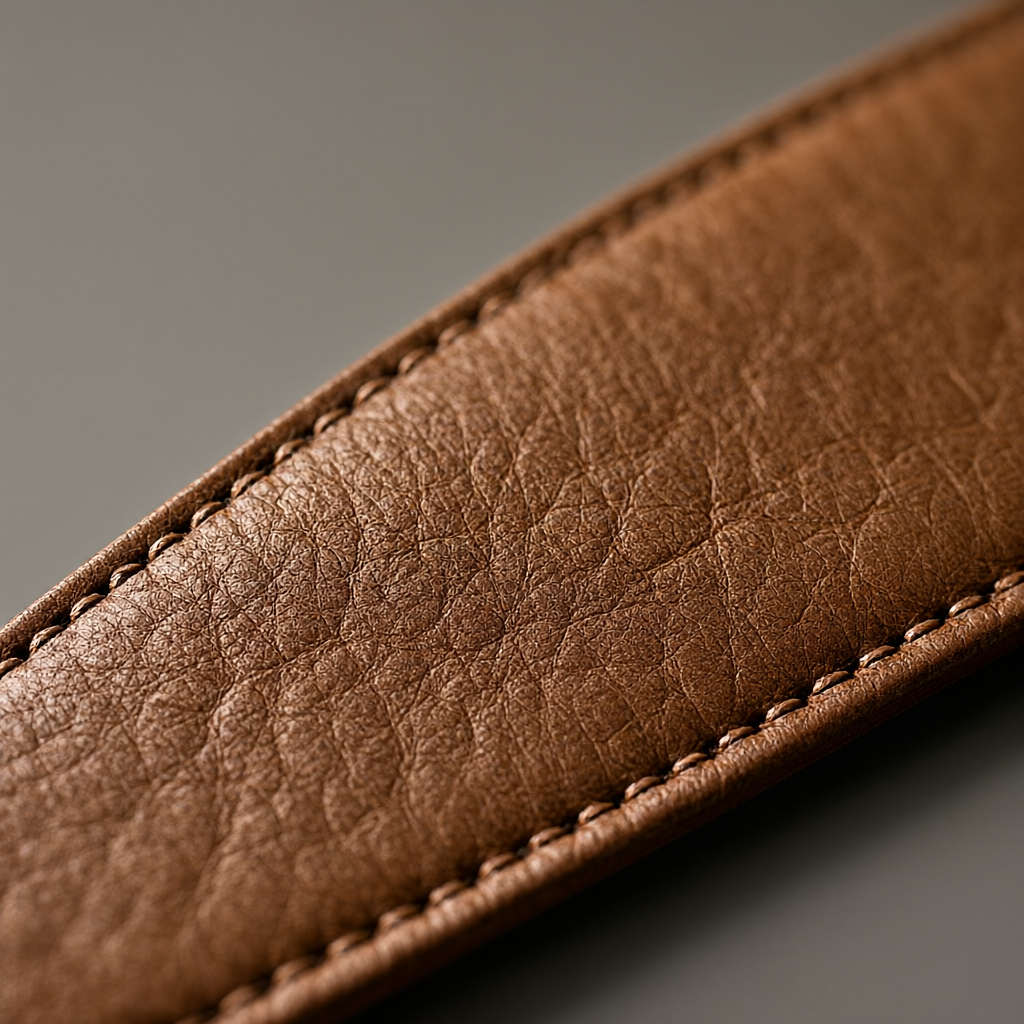
Leather accents—typically full-grain or top-grain leather wraps, interior linings, or strap accents—are sometimes combined with metal bodies. Leather adds warmth and grip but introduces variability in humidity response and long-term wear patterns that B2B buyers should account for in QC planning.
DaddysWalletX: Which Specifications Matter Most?
What key specifications should B2B buyers evaluate when sourcing?
When evaluating wallets for private label, Amazon FBA, or distribution, focus on these measurable attributes:
Overall dimensions and weight. A typical minimalist aluminum wallet measures approximately 70–80 mm in length, 50–60 mm in width, and 10–18 mm in thickness when loaded. Weight ranges from 35 g (thin aluminum) to 70 g (titanium or heavy-gauge carbon fiber). Thinner wallets risk compromising structural integrity; thicker wallets lose the primary ergonomic advantage. Request dimensional data sheets from suppliers and verify with physical samples before committing to tooling.
Card capacity and retention mechanism. Determine whether the wallet uses a spring-metal夹片 (spring clip), elastic band, magnetic closure, or friction-fit card slots. Spring-clip designs typically hold 6–12 cards and provide the fastest access. Elastic-loop designs allow easier card swapping but may stretch over time. Magnetic closures add convenience but can interfere with RFID shielding if not properly isolated.
RFID-blocking performance. Verify that any RFID claim corresponds to actual testing—not just the presence of a metallic layer. Effective RFID blocking requires shielding across the 13.56 MHz frequency band used by most contactless payment and identification cards. Ask suppliers for test reports or third-party verification. A functional RFID wallet blocks both 13.56 MHz (ISO/IEC 14443 Type A/B, commonly used by credit cards) and 125 kHz (low-frequency proximity cards), depending on the threat profile your target market faces.
Surface finish durability. Anodized aluminum should pass a cross-cut adhesion test (per ASTM D3359) rated at least 4B for commercial-grade applications. Scratching during shipping and handling is the most common cosmetic defect reported by retailers. Carbon-finish wallets should be evaluated for delamination risk under flex testing, particularly if the carbon layer is a bonded film rather than a true laminate.
Hinge and moving-part longevity. Wallets with articulating mechanisms—expandable springs, sliding card trays, or folding clips—should be cycled through at least 5,000 open-close cycles during prototype validation. Mechanism failure accounts for a disproportionate share of warranty claims in this category, even though the primary housing material rarely fails.
Packaging and presentation. Retail-ready packaging must protect the product during drop testing (ISTA 3A or equivalent) and comply with regional labeling requirements. Amazon FBA shipments require barcoded poly bags or suffocation warnings if the packaging qualifies as child-resistant plastic. Our EDC wallets and manufacturing sourcing guide for B2B buyers covers packaging specifications in greater detail.
DaddysWalletX: Which Standards and Certifications Apply?
What certifications and standards apply to EDC wallet manufacturing?
Several frameworks govern the compliance landscape for EDC wallets, particularly when selling into regulated markets:
REACH and RoHS (EU market). These regulations restrict hazardous substances in consumer goods. REACH (Registration, Evaluation, Authorisation and Restriction of Chemicals) covers substance restrictions in all components, including anodizing chemicals, adhesives, and coating films. RoHS specifically limits lead, mercury, cadmium, hexavalent chromium, and certain flame retardants in electronic-adjacent products—which matters if your wallet incorporates active RFID shield layers or metal laminates that could fall under electrical equipment definitions. Reputable suppliers should provide a Declaration of Conformity and recent SGF-tested material reports upon request.
ISO 9001 certification. While not a product-specific standard, ISO 9001 indicates that a manufacturer maintains a documented quality management system covering incoming inspection, in-process control, and final audit procedures. For buyers committing to production runs of 500+ units, working with an ISO-certified facility reduces variability risk significantly compared to trading-company arrangements with no quality infrastructure.
BSCI (Business Social Compliance Initiative). BSCI audits address labor practices in the supply chain. While most wallet components are manufactured in facilities where automated CNC machining dominates over hand assembly, supply-chain transparency is increasingly requested by European retailers and corporate procurement teams. BSCI certification signals that the facility has undergone a third-party social-audit assessment.
FTC labeling guidelines (US market). The Federal Trade Commission enforces truth-in-advertising standards for material claims. If a wallet is marketed as “100% titanium” or “solid aluminum,” the component must meet the claimed specification throughout its entire structure—not merely as a surface veneer. “Carbon fiber” claims similarly require the product to contain actual carbon-fiber reinforcement; printed films that simulate the appearance do not qualify. See FTC guidance on unfair or deceptive acts or practices for detailed enforcement positions on material misrepresentation.
Third-party material testing. SGS, Intertek, and Bureau Veritas all offer material composition verification services for finished wallet products. Buyers should request test reports that specify the exact alloy designation (e.g., 6061-T6, not just “aluminum”) and confirm that plating, anodizing thickness, and adhesive compositions fall within declared specifications.
For a broader overview of wallet categories beyond the minimalist segment, see our card holder sourcing guide or our guide to wallets for women when evaluating adjacent product lines.
DaddysWalletX: What Else Should Buyers Consider?
How does OEM/ODM customization work for wallet brands?
Private-label wallet production follows a predictable pathway from concept to shelf:
Stage 1 — Concept and spec definition. The buyer defines target dimensions, material preference, card capacity, finishing style, and any branding elements (laser engraving, UV printing, embossing). At this stage, a reference product—whether a competitor wallet, a sketch, or a conceptual description—is typically shared with the manufacturer.
Stage 2 — Sample development. Most contract manufacturers produce a first-article sample within 5–10 business days. The sample confirms dimensional accuracy, material feel, mechanism function, and visual appearance. Modifications are routine at this stage; minor adjustments to spring tension, clip geometry, or edge radius are made without re-tooling cost. Multiple revision rounds are standard practice.
Stage 3 — Tooling and pilot run. For fully custom geometries, CNC programs and jigs are established. Some manufacturers charge a tooling fee; others absorb it into per-unit pricing for qualifying order volumes. A small pilot run (typically 300–500 units) validates the production process before full-scale manufacturing begins.
Stage 4 — Mass production and QC. Production runs are monitored through in-process inspections and final lot sampling. Quality acceptance criteria are defined during the spec-definition stage and should be documented in a written purchase agreement. Common rejection points include surface scratches, misaligned engravings, weak spring retention, and RF-shielding gaps.
For new brands entering the space, starting with a lower MOQ platform model—then modifying color, finish, and branding—is the lowest-risk entry path. Custom-only projects with high MOQ commitments carry proportionally higher upfront risk if market acceptance is unproven. Additional context on choosing between platform modifications and fully custom builds can be found in our minimalist wallet buyer’s guide.
What should buyers consider before launching a private-label wallet line?
The following factors separate successful product launches from costly missteps:
Market differentiation is harder than it looks. The minimalist wallet segment is densely populated. A generic aluminum wallet with a standard spring clip and matte black anodization competes directly with thousands of identical products on major marketplaces. Differentiation comes from specific feature combinations—unique opening mechanisms, unusual material pairings (carbon fiber combined with titanium accents), engraved personalization options, or premium packaging. Consider what makes your version distinct before investing in tooling.
Quality perception determines repeat purchase rate. In the sub-$50 wallet segment, product photography and packaging create the initial impression. Unboxing experience matters—buyers expect retail-ready presentation even at moderate price points. Poorly finished edges, loose springs, or scratched anodization observed during the unpacking sequence frequently result in negative reviews that compound across marketplace algorithms. Factor QC into your unit economics.
Lead-time alignment with demand forecasting. Standard platform models typically move from sample approval to shipment in 25–35 days. Fully custom projects add 10–15 days for tooling setup. Amazon FBA sellers should coordinate sample approvals with inventory planning to avoid stockouts during peak seasons (Q4 especially). Lead times can compress further for repeat orders of existing designs, so building supplier relationships early provides flexibility.
Regulatory preparedness for target markets. Export documentation should accompany every shipment. EU-bound products require a Declaration of Conformity for REACH/RoHS compliance. US-bound products require FTC-compliant material labeling. Corporate gift buyers and large retail chains often request these documents as part of their vendor onboarding process. Plan for this administrative step during the sourcing phase.
Long-tail SKU management. One popular SKU with strong demand is preferable to twelve mediocre ones spread across limited inventory. Evaluate which material-color-mechanism combination aligns best with your target demographic before expanding the lineup. Our money bag sourcing guide and wristlet sourcing guide cover adjacent product categories worth considering for complementary SKUs once the core wallet line stabilizes.
Here is how we meet these standards
As a manufacturer operating in this segment, our approach to minimalist EDC wallet production is grounded in the same evaluation criteria outlined above—material veracity, documented testing, controlled tolerances, and clear communication with buying partners throughout the development cycle. We operate a 50,000 sq ft facility equipped with in-house CNC machining centers, laser engraving systems, and anodizing capability, which allows us to manage the full production sequence internally rather than outsourcing critical steps to sub-contractors.
Our MOQ starts at 300 pieces for platform-model configurations, enabling newer brands and smaller distributors to enter the market without committing to excessive inventory upfront. Custom projects—where material changes, unique geometries, or branded finishing are required—follow the standard sample-to-production pathway described above, with a typical 7-day sample lead time for first-article prototypes.
We maintain ISO 9001 certification and operate an audited facility under BSCI standards, and all materials used in production are tested to REACH and RoHS requirements prior to batch release. Third-party SGS testing reports are available upon request for every material lot. Our export history spans over 13 years, with shipments reaching brands and distributors across North America, Europe, Australia, and Southeast Asia.
If you are evaluating DaddysWalletX-style products for private label, Amazon FBA, or wholesale distribution, contact our team to discuss specifications, sample availability, and lead times for your target configuration.
What does DaddysWalletX refer to in the EDC marketplace?
“Daddy’s Wallet” is an established consumer-facing brand that sells minimalist wallets through direct-to-consumer e-commerce channels. The addition of “X” in search queries such as “DaddysWalletX” appears to be an organic modifier created by shoppers and retailers—not a formal model designation issued by the brand or any single manufacturer. It typically signals a tactical-style variant, a higher-spec version, or simply helps users differentiate between SKUs within the same minimalist-wallet family. From a procurement standpoint, this means the term maps onto a broad product class rather than one unique item.
The brand’s product range includes aluminum card holders, carbon-fiber money clips, hybrid metal-leather wallets, and RFID-blocking variants—all sitting squarely inside the minimalist front-pocket segment. Buyers researching this search term are effectively looking at three overlapping sub-categories: budget aluminum wallets ($8–$18 USD retail), mid-tier carbon-fiber models ($15–$35 USD retail), and premium titanium offerings ($35–$80+ USD retail). Understanding these tiers is critical before engaging a manufacturer, because material choice directly determines unit cost, tooling complexity, target margin, and compliance requirements.
What types of materials are commonly used in minimalist EDC wallets?
Beyond the three dominant metals described in the main article, the category exhibits meaningful specification variance that B2B buyers must account for:
Aluminum alloys. The standard is 6061-T6, selected for its balance of machinability, strength (~310 MPa tensile), and cost. Premium suppliers may use 7075-T6 for higher-strength applications, though this alloy is significantly more difficult to CNC and commands a 20–40% material surcharge. Alloy designation must appear on test reports—buyers have encountered suppliers mislabeling 1050 commercial-grade aluminum as 6061-T6, resulting in premature spring-clip deformation after 2,000+ cycles. See our men’s minimalist wallets materials and specs guide for detailed alloy selection criteria.
Carbon fiber construction. Genuine woven carbon fiber uses a two-part epoxy laminate cured under heat and pressure. Forged carbon (sometimes called “marbleized” carbon)破碎es carbon pre-preg into irregular shapes before compression molding, creating a distinctive pattern at slightly lower cost. Critical distinction: carbon-fiber-printed films laminated onto aluminum substrates replicate the visual appearance but lack structural contribution and are more prone to delamination during thermal cycling. Buyers should request material composition certificates specifying either AS4/3501-6 or equivalent aerospace-grade prepreg layup.
Titanium grades. Grade 2 (commercially pure) titanium is the standard for wallets due to its corrosion resistance and adequate strength. Grade 5 (Ti-6Al-4V) offers ~40% higher yield strength but is substantially more expensive and harder to machine. Weight comparison for a 75 × 52 mm wallet: Grade 2 titanium ≈ 45 g; 6061-T6 aluminum ≈ 38 g; woven carbon fiber ≈ 28 g.
RFID-shielding layers. Functional RFID blocking requires conductive materials positioned to create a continuous Faraday cage around card slots. Effective shielding operates across 13.56 MHz (ISO/IEC 14443, used by EMV contactless cards and e-passports) and 2.45 GHz (WiFi-frequency proximity tokens). Copper-mesh laminates and stainless-steel micro-mesh both perform adequately; solid metal sheets create unacceptable bulk. Third-party test reports from SGS or Intertek should specify insertion loss values—acceptable minimum: 30 dB attenuation at 13.56 MHz.
Which certifications and standards apply to EDC wallet manufacturing?
Expanding on the certifications section with measurable thresholds:
Anodizing thickness standards. Type II sulfuric-acid anodizing on 6061-T6 aluminum should achieve 10–25 µm for standard applications; 25–40 µm for heavy-duty or outdoor-use models. MIL-A-8625F specifies cross-hatch adhesion rating of 4B or better after ASTM D3359 testing. Hard-coat (Type III) anodizing reaches 50–100 µm and provides ~2× the wear resistance, but adds color-limitation (typically black, dark bronze, or gunmetal only).
ISO 9001:2015 scope. Certification confirms a documented QMS covering design control, supplier evaluation, calibration of measurement equipment, corrective action procedures, and management review. Buyers should verify the certificate covers the specific product category being sourced, not just a broader “manufacturing services” blanket certification. Certificate numbers are verifiable through ISO’s official registry.
REACH restrictions relevant to wallet components. Candidate List substances of concern include lead (≤0.05% by weight in accessible parts), phthalates (DEHP, DBP, BBP, DINP, DIDP, DNOP collectively ≤0.1%), and hexavalent chromium (absent in anodized parts but present in certain chromate conversion coatings applied to steel springs). RoHS Directive 2011/65/EU applies similarly to the metallic mesh layers used in RFID blockers.
FTC material claims enforcement. The FTC’s Guides for the Use of Environmental Marketing Claims and general truth-in-advertising provisions require that descriptors like “titanium,” “aluminum,” “carbon fiber,” and “stainless steel” accurately reflect the dominant material by weight and volume in the finished product. Surface plating or thin veneer does not satisfy a “solid titanium” claim. European markets additionally fall under EU Regulation 2023/988 (General Product Safety Regulation), which imposes enhanced traceability and documentation obligations.
How much do minimalist EDC wallets cost at different tiers?
Understanding landed cost structure helps buyers set realistic MSRP targets:
| Material tier | Unit cost at 500 pcs | Unit cost at 2,000 pcs | Typical retail price | Gross margin range |
|---|---|---|---|---|
| Budget aluminum (basic anodize, no RFID) | $2.80–$4.50 | $2.20–$3.50 | $12–$22 | 55–75% |
| Mid-tier aluminum (color anodize, RFID layer) | $4.00–$6.50 | $3.20–$5.00 | $18–$32 | 50–70% |
| Carbon fiber (woven prepreg, machined edges) | $6.00–$10.00 | $4.80–$8.00 | $28–$48 | 45–65% |
| Titanium (Grade 2, sandblasted + anodized) | $9.00–$16.00 | $7.50–$13.00 | $40–$80 | 40–60% |
These ranges assume standard 70 × 52 mm form factor with 8-card capacity. Complex geometries (multi-layer stacks, articulated mechanisms, engraved logos) add $0.50–$3.00 per unit depending on process complexity. Ocean freight (China to US West Coast) typically adds $0.15–$0.40/unit for LCL shipments of 1–3 CBM; air freight for urgent replenishment runs $1.50–$4.00/unit.
Buyers launching their first run should budget for a total landed cost 15–25% above ex-factory unit price to account for freight, import duties (currently 0–6.5% for HS 4202 under US HTS), insurance, and warehousing.
Where can buyers source minimalist EDC wallets for their brand?
Beyond searching marketplace listings, serious B2B buyers should pursue these sourcing channels:
- Direct manufacturer engagement. Working with a contract manufacturer (OEM/ODM) rather than a trading company provides direct access to engineering, faster communication, and stronger quality oversight. Manufacturers typically serve multiple verticals simultaneously—EDC brands, corporate gift buyers, promotional-product distributors, and Amazon FBA sellers.
- Industry trade shows. Canton Fair (Guangzhou), Hong Kong Electronics Fair, and拉斯维加斯_shows_like_THE_EDC_EXPO_provide_direct_access_to_manufacturers_and_buyers_can_evaluate_physical_samples.r
- Verified online directories. Platforms like Alibaba’s Verified Supplier program, Global Sources, and Thomas Register offer screened manufacturer profiles with audit reports. However, independent verification through third-party inspection companies remains the gold standard before committing large orders.
- Referral networks. EDC community forums, Reddit communities (r/edc, r/MinimalistWallet), and LinkedIn groups frequently share vetted supplier contacts. Word-of-mouth referrals from other brand owners who have already navigated the sourcing process provide high-value intelligence.
Regardless of channel, always validate manufacturer claims independently—request certificates, order samples, conduct pre-shipment inspections, and verify compliance documentation before releasing payment.
How we approach this market as a manufacturer?
Understanding the parameters above—incoming material specs, certification requirements, production QC checkpoints, and landed-cost variables—is exactly how we operate day to day at our facility. As a specialist manufacturer of minimalist EDC wallets and pocket gear, we help brands, Amazon FBA sellers, and distributors move from concept to shipped inventory with clear technical specifications at every stage.
Our approach reflects the standards discussed throughout this guide:
- We source 6061-T6 aluminum with verified mill certificates and confirm anodizing thickness meets or exceeds 15 µm for standard finishes, backed by ASTM D3359 cross-cut adhesion testing.
- Carbon-fiber components use genuine prepreg layup—we do not apply printed decorative films to aluminum substrates and label products accordingly to comply with FTC material-claim guidelines.
- RFID-blocking functionality is validated at 13.56 MHz and 125 kHz using third-party test methods, with insertion-loss data available on request.
- Every production lot follows ANSI/ASQ Z1.4 sampling plans, and we provide test reports, REACH/RoHS Declarations of Conformity, and BSCI-audit summaries with each shipment.
Our facility has operated since 2014, holds ISO 9001 certification, and runs a 50,000 sq ft in-house factory equipped with CNC machining, laser engraving, UV printing, and aluminum anodizing lines. We support MOQs starts at 300 pcs per SKU for full OEM customization (100 pcs trial order available for stock finishes), produce samples within 7 business days, and maintain a monthly production capacity exceeding 500,000 units across aluminum, carbon fiber, and titanium product lines. Our team has helped 200+ brands across North America, Europe, Australia, and Southeast Asia bring custom wallets from initial concept through certified mass production.
Get a Free Quote
Get a Free Quote →
DaddysWalletX: Where Can You Verify the Data and Sources?
- ASTM D3359 — www.astm.org
- unfair or deceptive acts or practices — www.ftc.gov
- ISO’s official registry — www.iso.org
- what an RFID wallet is and how to source one — topedcwallet.com
- men’s minimalist wallets materials and specs guide — topedcwallet.com
- EDC wallets and manufacturing sourcing guide for B2B buyers — topedcwallet.com
- card holder sourcing guide — topedcwallet.com
- wallets for women — topedcwallet.com
- minimalist wallet buyer’s guide — topedcwallet.com
- money bag sourcing guide — topedcwallet.com
From article to product
Sourcing minimalist-wallets?
Tell us the format, the quantity and the date you need stock. You get material options, MOQ and a landed-cost range back within one business day.
Keep reading
More on brand playbook
What Is a Good Wallet Brand — A B2B Buyer’s Guide
Understand what makes a wallet brand reliable for sourcing — material specs, standards, manufacturing…
ReadBranded Wallets on Sale — Wholesale Sourcing Guide 2026
Learn how B2B buyers source branded EDC wallets at volume discount. Covers OEM pricing,…
ReadGents Wallet Branded: B2B Sourcing Guide for Buyers
Understand what gents wallet branded means, key specifications, leather grades, and sourcing standards. Compare…
Read
About the author
TOPWALLET Editorial Team
TOPWALLET's editorial and engineering desk writes from bench testing at the Shenzhen (Longgang) facility: pull-force and cycle testing, 13.56 MHz shielding measurements, finish trials and factory audits, rather than supplier spec sheets. Every specification in these guides is one we write on a purchase order.
Written on the floor
This article was written by our production and QC team — the people who spec tolerances, run the finishing line and inspect every batch. Where it states a capacity, a pull force or a lead time, it comes from a measurement we made, not a supplier’s catalogue. If a number here disagrees with what your own supplier told you, tell us; several of these articles started as a correction from a buyer.
See how the factory works · Inspection process · Sourcing FAQ
Sourcing minimalist-wallets?
Tell us the format, the quantity and the date you need stock. You get material options, MOQ and a landed-cost range back within one business day.