

What Is the Best Small Wallet for Everyday Carry?
The best small wallet depends on how you carry and what you prioritize. For most buyers, a minimalist metal or carbon-fiber pocket wallet holding six to ten cards with an optional cash slot delivers the right balance of capacity, security, and durability. Aluminum offers the strongest cost-to-performance ratio, carbon fiber provides high strength at low weight, and titanium delivers maximum longevity at a higher unit cost. RFID-blocking should be treated as a standard feature rather than a differentiator — reputable manufacturers integrate it during production, not as an add-on upgrade. The decision comes down to matching material, card capacity, and customization needs against your target market and volume requirements.
How Materials Define Performance?
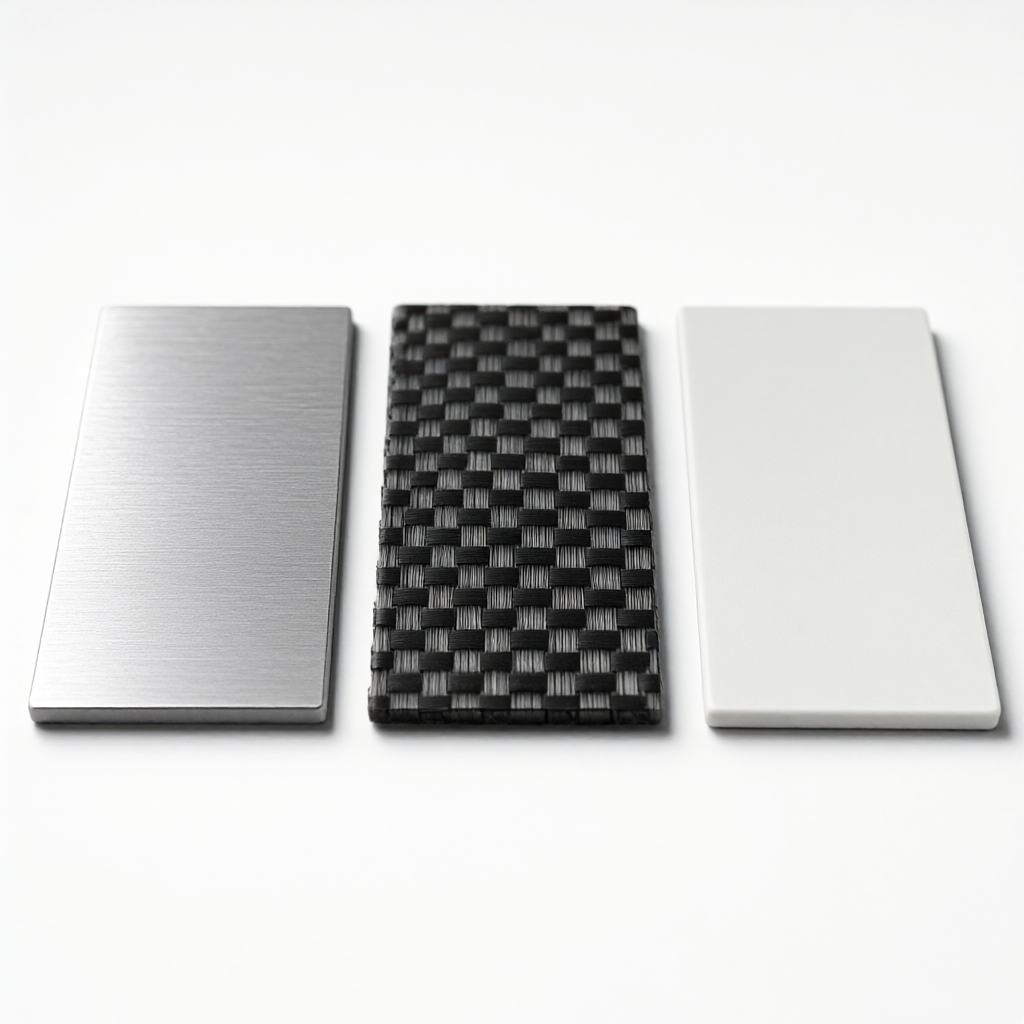
A compact wallet differs fundamentally from a traditional bi-fold. Traditional wallets stack leather panels and fold inward, creating bulk that exceeds two inches when full. Compact designs eliminate the folding mechanism entirely, using rigid plates, elastic retention, or spring-loaded mechanisms to hold contents flat against the body. This structural shift changes every performance metric — thickness, weight distribution, access speed, and long-term wear patterns.
Aluminum wallets typically use 6061-T6 or 7075 aerospace-grade aluminum, anodized for surface hardness. These wallets range from 65 to 110 grams depending on design and card count. Aluminum offers excellent corrosion resistance, moderate scratch tolerance, and strong impact deflection. The primary trade-off is conductivity — aluminum wallets transmit temperature quickly in extreme cold or heat. For buyers targeting outdoor and adventure segments, anodized finishes in multiple colors provide visual differentiation without expensive secondary processes. Annual OEM pricing for aluminum wallets typically ranges from $3.50 to $8.00 FOB depending on card capacity, anodization complexity, and order volume.
Carbon fiber wallets use woven or unidirectional carbon sheets laminated over an aluminum or stainless steel core. Weight typically falls between 45 and 80 grams, making these among the lightest options available. Carbon fiber resists scratches better than raw aluminum and does not conduct temperature. The visual texture — visible weave patterns — serves as a strong brand signal for premium positioning. However, carbon fiber cannot be anodized or dyed; color variation comes only from resin formulation and weave style, which limits customization flexibility compared to metal. Unit costs generally sit between $5.00 and $12.00 FOB for comparable card capacities.
Titanium wallets represent the upper tier for durability and weight. Grade 5 titanium (Ti-6Al-4V) offers tensile strength exceeding aluminum while weighing roughly 40 percent less than steel. Typical weights range from 50 to 90 grams. Titanium develops a natural oxide patina over time rather than corroding, and it withstands repeated impact without deformation. The cost premium is significant — unit prices often run $10.00 to $22.00 FOB — and machining titanium requires specialized tooling, which narrows the supplier pool. For brands targeting the premium outdoor and tactical segments, titanium justifies its price through perceived longevity and weight savings.
Hybrid builds combine materials to optimize specific properties. A common configuration pairs an aluminum frame with a carbon-fiber front plate, delivering the machinability and color range of aluminum with the scratch resistance and visual appeal of carbon. Leather accents on money clips or interior linings add tactile contrast but introduce maintenance variables — bonded leather degrades faster than full-grain, and exotic materials require separate sourcing and compliance verification. When evaluating hybrid construction, ask suppliers for breakdown of each material grade and finish specification rather than accepting generic descriptors like “premium materials.”
Which Material Suits Your Market Position?
Aluminum wallets serve the broadest segment — volume-driven Amazon FBA sellers, promotional distributors, and mid-tier retail chains. Carbon fiber aligns with lifestyle and outdoor brands seeking visual distinction without heavy marketing spend. Titanium targets niche premium positioning where unit margin absorbs the higher COGS. Hybrid designs bridge categories for brands wanting to offer tiered product lines from a single manufacturing relationship.
Capacity, Form Factor, and Security Features
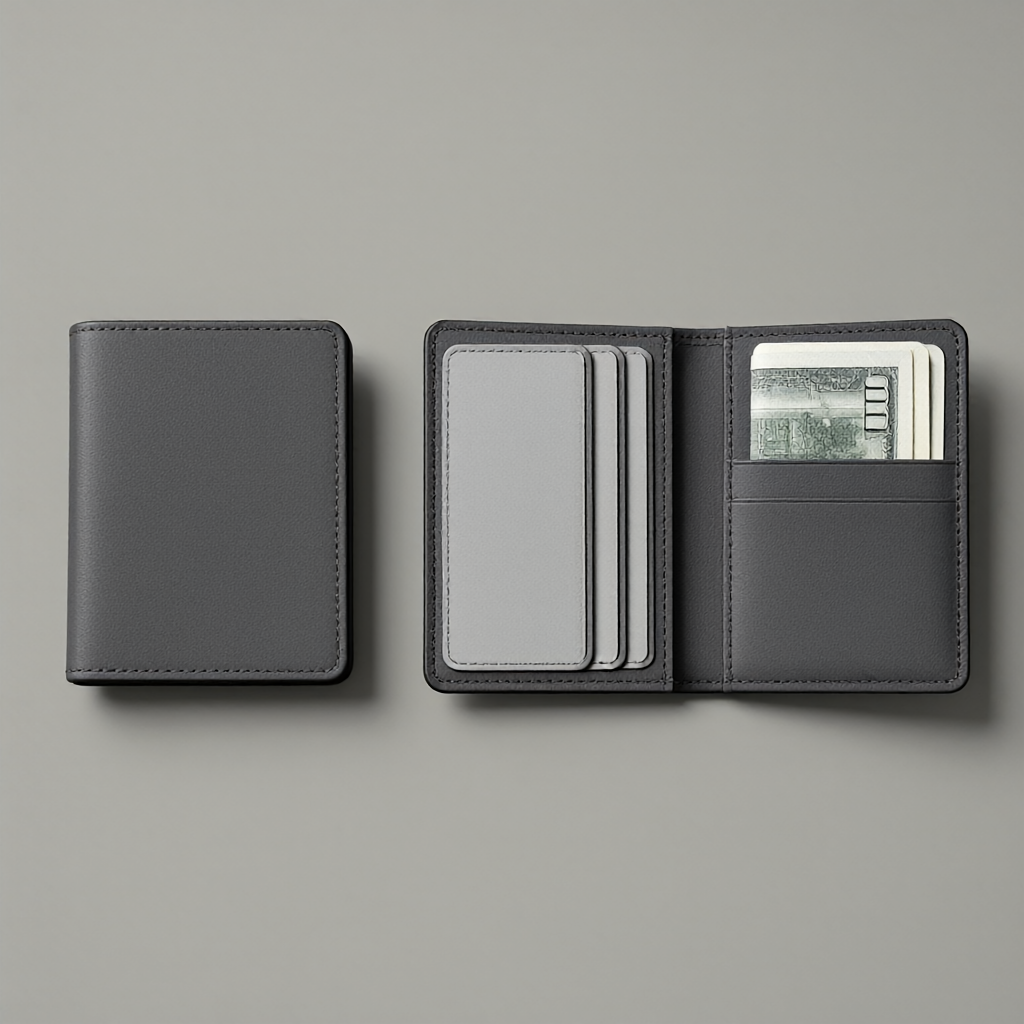
Small wallets are defined by their card capacity relative to their physical footprint. A typical compact wallet accommodates five to twelve cards plus a cash compartment or money clip. Card-only designs eliminate bulk entirely, measuring as thin as 6 mm when empty and expanding to approximately 12 mm under maximum load. Cash-plus-card variants add a rear pocket or side slot, increasing thickness to 14–18 mm when fully loaded. Money-clip configurations integrate a spring-loaded steel or titanium bar that secures folded bills against the back plate, maintaining a profile under 15 mm even with twenty-dollar bills.
Access mechanics vary significantly across designs. Spring-loaded ejection systems push cards forward one at a time with thumb pressure — this is the most common mechanism and works reliably across all three materials. Magnetic closures are less common in B2B-ordered wallets due to reliability concerns over extended use cycles. Elastic band retention is found in budget-oriented models and tends to lose tension within six to twelve months of daily use, making it unsuitable for premium positioning.
RFID-blocking technology operates by embedding a layer of ferrite or nickel-iron alloy within the wallet body or lining. This material creates a conductive barrier that interferes with the 13.56 MHz frequency used by contactless payment cards. Independent testing standards, such as those referenced through ASTM International, provide frameworks for evaluating shielding effectiveness, though consumer-facing claims frequently lack third-party verification. Buyers should request test reports specifying insertion loss in decibels at the relevant frequency, not just a certificate stating “RFID-safe.” For detailed guidance on evaluation criteria, see our best RFID blocking cards selection guide.
RFID blocking has shifted from optional feature to baseline expectation in many markets. European and North American consumers encounter contactless payment adoption at rates exceeding 60 percent in urban centers, and survey data from consumer protection agencies indicates widespread concern about skimming, even if documented theft incidents remain relatively low. Including RFID blocking as standard eliminates a common objection during purchase consideration and removes the need for aftermarket card sleeves.
Women-Specific Small Wallets
The search landscape includes demand for wallets sized appropriately for women’s pockets and handbags. Standard men’s minimalist wallets measure 65–75 mm in width, which fits comfortably in front pockets but feels disproportionate in smaller back pockets or clutch interiors. Women-specific designs typically reduce width to 55–65 mm and may adjust card slot spacing to accommodate shorter cards or mixed-width card stacks. Depth and height ratios also shift — narrower profiles suit slim cardholders that slide into coin pouch compartments without protruding. Brands targeting female consumers should request dimension specifications for each SKU rather than assuming gender-neutral sizing covers both markets adequately.
Key Specifications That Matter
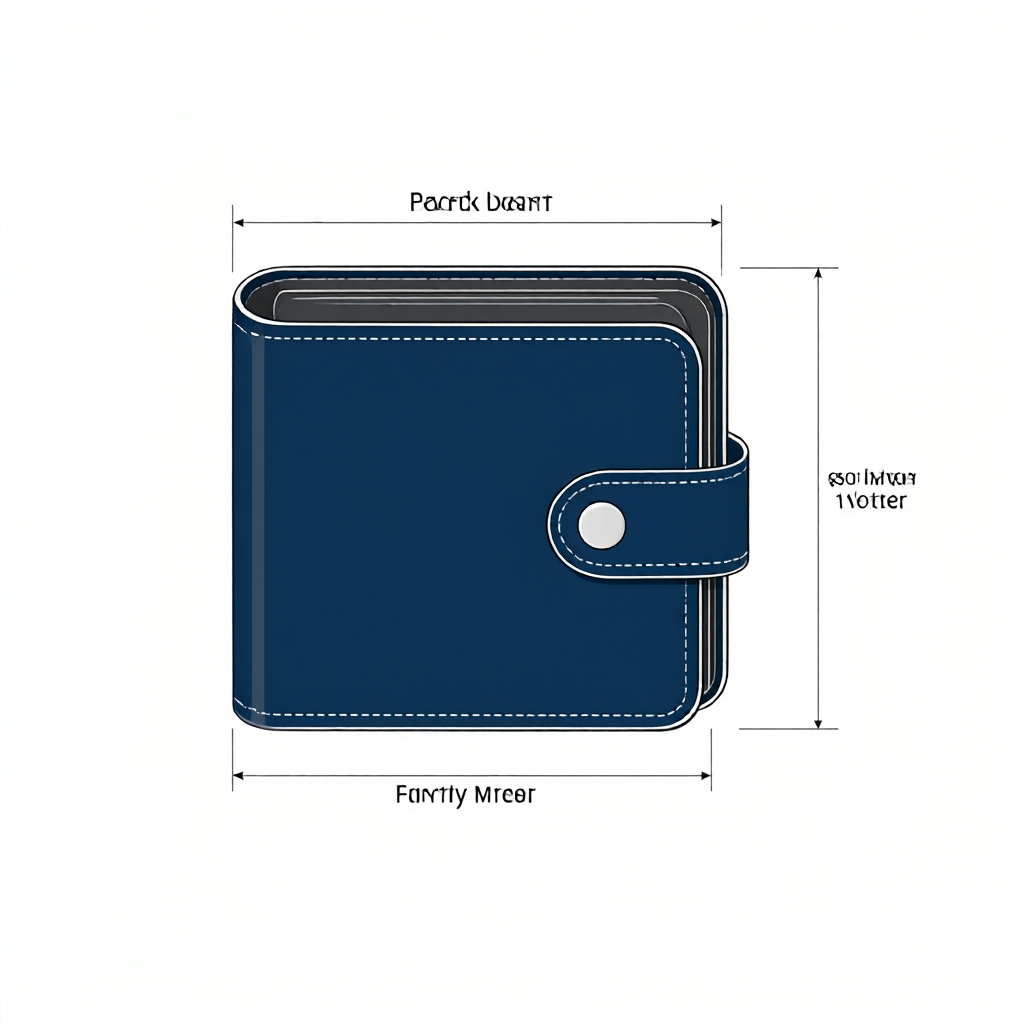
When evaluating a minimalist wallet, several measurable specifications separate production-grade units from entry-level imports. These metrics determine fit-for-purpose across carrying styles, longevity expectations, and end-user satisfaction.
| Specification | Entry-Level Range | Mid-Tier Range | Premium Range |
|---|---|---|---|
| Empty thickness | 8–12 mm | 6–9 mm | 5–7 mm |
| Loaded thickness (10 cards) | 14–18 mm | 10–13 mm | 8–11 mm |
| Weight | 90–130 g | 65–90 g | 45–70 g |
| Card capacity | 4–6 cards | 8–10 cards | 10–12 cards |
| Material | Mixed alloys, basic finishes | 6061-T6 aluminum, carbon fiber | Grade 5 titanium, hybrid builds |
| RFID blocking | Optional / aftermarket | Standard integrated | Standard integrated + tested |
| Surface finish | Basic anodizing or plating | Multi-step anodizing, brushed, matte | CNC-milled textures, PVD coatings |
Thickness and weight have an inverse relationship across materials. Carbon fiber and titanium achieve lower mass at equivalent rigidity, allowing thinner profiles without compromising structural integrity. Aluminum requires slightly greater gauge thickness to maintain the same load-bearing capacity, resulting in marginally heavier units at comparable dimensions. Buyers prioritizing ultra-thin profiles should specify minimum wall thickness and validated finite-element analysis results from their supplier rather than relying on advertised numbers, which sometimes reflect unloaded measurements taken before components settle into shape.
Durability expectations differ materially across finishes. Anodized aluminum accepts standard scratch-testing protocols and maintains cosmetic integrity through thousands of pocket cycles. Raw or brushed finishes show mark accumulation more quickly. Carbon fiber resists surface abrasion well but can delaminate at edges if subjected to point impacts. Titanium exhibits the highest scratch resistance among the three base metals and develops a stable patina rather than degrading visibly over time.
Real-world carry testing over thirty-plus days reveals important insights that factory specifications alone do not capture. Card slots tighten during initial break-in, then relax slightly as polymer debris accumulates and plasticizers migrate. Thickness measurements taken on day one will consistently read higher than day thirty readings for the same card load. Suppliers who publish dimensional data across usage intervals demonstrate manufacturing consistency; those providing only unpackaged measurements may be masking early-settlement variance. See our minimalist wallets buying guide for deeper comparison frameworks.
Manufacturing Standards and Quality Requirements
B2B procurement for EDC wallets involves compliance verification beyond aesthetic inspection. Certifications and standards indicate whether a manufacturer operates under documented quality management systems or relies on ad hoc production oversight.
ISO 9001 certification confirms that a facility maintains standardized processes for design control, incoming material inspection, in-process checks, and finished-goods validation. It does not guarantee product performance on its own — auditors evaluate process documentation, not individual unit specifications. Nevertheless, ISO 9001 remains the baseline expectation for contract manufacturers serving Western markets. Buyers should request current certificate copies covering the exact facility producing their order, as some companies hold certificates for parent organizations while subcontracting production to unaccredited sites.
BSCI (Business Social Compliance Initiative) audit coverage addresses labor practices rather than product quality. While less directly relevant to wallet specifications, BSCI compliance signals that a factory undergoes periodic social audits, which matters for retailers subjecting suppliers to vendor responsibility frameworks. Many European distributors and large-scale purchasers require BSCI participation as a precondition for new vendor registration.
Material compliance follows REACH and RoHS directives for products entering the European Economic Area. REACH governs chemical substance registration and restricts certain azo dyes, phthalates, and heavy metals. RoHS limits lead, mercury, cadmium, and hexavalent chromium in manufactured goods. For wallet production, these regulations primarily affect surface treatments, adhesives, and any leather or synthetic lining materials. SGS or equivalent third-party testing reports should document compliance for each material lot, especially when suppliers source finishing services from external vendors. Request these reports during sample approval — they should be part of the standard documentation package, not exceptions provided upon follow-up.
Warranty and return policies vary widely across the industry. Reputable manufacturers typically offer nine- to twelve-month coverage covering mechanical failures such as spring mechanism degradation, plate separation, or anodization peeling under normal use. Policies excluding cosmetic wear, customer damage, or modifications made by unauthorized parties are standard. Buyers should clarify warranty terms in writing before confirming production, as verbal assurances rarely survive quality disputes at scale.
Customization capabilities define the practical value of any contract manufacturer. Logo application methods include laser engraving, which produces permanent marks suitable for metal surfaces; UV printing, which accommodates full-color graphics on flat areas; and pad printing, which transfers ink to curved or recessed features. Each method carries cost and minimum-order implications. Laser engraving typically requires no setup fee above the per-unit increment but demands vector artwork preparation. UV printing involves plate or screen costs that amortize across larger runs. Brand owners evaluating customization should map their logo requirements against each method’s output quality, durability, and volume economics before selecting a finish approach. View our private label minimal wallets guide for comprehensive branding considerations.
Evaluating Suppliers: Lead Times, MOQs, and Sample Processes
Choosing a wallet manufacturer requires assessing four operational dimensions: sampling speed, minimum order quantities, lead times for bulk production, and communication responsiveness during the development phase.
Sample lead times typically range from five to fourteen calendar days for standard designs. Custom artwork, special finishes, or non-stock materials extend this window. Suppliers offering seven-day samples for standard configurations demonstrate production readiness — longer sample periods often indicate batching delays or insufficient workflow planning. During the sample stage, evaluate card ejection smoothness, edge rounding comfort, magnetic or spring retention force, and finish consistency. Reject samples with loose tolerances on card slot clearance or visible adhesive residue from component assembly.
MOQ structures vary by product complexity. Standard off-the-shelf designs commonly accept orders starts at 300 pcs per SKU per SKU, enabling brand testing with minimal capital commitment. Custom designs requiring new tooling, unique anodization colors, or proprietary mechanisms may establish MOQ thresholds at 300 to 500 pieces to justify setup costs. Some manufacturers tier their pricing structures, reducing per-unit cost progressively as order volume crosses 500, 1,000, and 5,000-piece milestones. Understanding these tiers upfront prevents misaligned expectations during negotiations.
Bulk production lead times depend on material availability, finish sequencing, and current factory workload. Stock-color aluminum wallets in confirmed sizes typically ship within fifteen to twenty-five days after deposit receipt and artwork approval. Custom-colored anodization, hybrid material assemblies, and private packaging arrangements extend timelines to twenty-five to forty-five days. Air freight options reduce transit time to seven to twelve days but increase landed cost significantly. Sea freight remains the default for volume orders despite thirty to forty-five day transit windows.
Drop shipping and Amazon FBA preparation represent increasingly common fulfillment requests. Manufacturers providing FBA-compliant packaging, barcode placement, and polybag requirements eliminate a processing step for sellers and reduce error rates associated with third-party prep services. Confirm that any fulfillment partner uses compliant packaging materials meeting Amazon’s frustration-free packaging guidelines before committing to a logistics arrangement. See our slim wallets sourcing guide for additional operational guidance.
Small Wallets Everyday Carry: How Do We Approach Manufacturing?
The differences between a commodity wallet and a production-ready EDC product come down to engineering discipline, material traceability, and process control. As a manufacturer, our approach to these elements reflects thirteen years of export experience serving brands, Amazon FBA sellers, and distributors across America, Europe, Australia, and Southeast Asia.
Our ISO 9001 certified facility — operational since 2014 — operates a 50,000-square-foot production floor equipped with in-house CNC machining, laser engraving, UV printing, and aluminum anodizing. This vertical integration means we control material specifications from billet to finished goods without outsourcing critical steps to third-party finishers whose quality variability can introduce defects late in the production cycle. BSCI audit coverage adds another layer of process transparency that many European and North American distributors require for vendor onboarding.
For a typical custom wallet project, the process moves from concept review through prototyping, sample validation, tooling confirmation, and batch production. Our standard seven-day sample lead time applies to configurations using existing platform designs. New tooling projects require additional days for fixture fabrication but maintain clear milestone communication throughout. Our MOQ starts at 300 pcs per SKU for full OEM customization (100 pcs trial order available for stock finishes) per design variant, and we handle everything from logo application and color matching to retail box design and FBA-compliant packaging preparation.
We work with aluminum, carbon fiber, and titanium across multiple product categories including minimalist card holders, money clip wallets, and tactical pocket organizers. RF ID-blocking integration is standard practice rather than a post-production addition, and all materials meet REACH and RoHS requirements before shipment. Our current monthly production capacity exceeds 500,000 units, and we currently support over 200 brands worldwide across diverse market segments.
Small Wallets Everyday Carry: What Should You Know First?
The best small wallet for everyday carry balances capacity, material durability, and manufacturing quality. For most users, a minimalist metal or carbon-fiber pocket wallet holding six to ten cards with optional cash storage delivers optimal performance. Aluminum offers the strongest cost-to-performance ratio at $3.50–$8.00 FOB, carbon fiber provides high strength at 45–80 grams, and titanium delivers maximum longevity at $10.00–$22.00 FOB. The right choice depends on matching material specs, card capacity, RFID protection, and customization needs against your target market — whether Amazon FBA, retail chains, or premium outdoor segments.
Leather vs Synthetic Materials in Modern EDC Wallets
While metal and carbon-fiber dominate the minimalist wallet category, leather and synthetic alternatives still serve distinct market segments. Full-grain leather wallets appeal to buyers seeking traditional aesthetics and natural patina development, but they require more maintenance and degrade faster under wet conditions. Bonded leather — a composite of leather fibers mixed with polyurethane binders — offers lower cost but delaminates within one to two years of daily use, making it unsuitable for durable EDC positioning.
Synthetic alternatives like PU-coated fabrics and recycled polymers provide consistent texture, water resistance, and lower unit costs ($2.00–$5.00 FOB). However, these materials lack the scratch resistance and structural rigidity of metal plates, resulting in wallets that deform under heavy card loads. Brands targeting eco-conscious consumers may prefer recycled PET or bio-based polymers, though these require separate compliance verification for REACH and RoHS restrictions.
When evaluating leather or synthetic options, request material safety data sheets (MSDS) and third-party testing reports for durability, colorfastness, and chemical composition. Buyers should avoid suppliers offering “premium leather” without specifying grain type, tanning method, or thickness gauge — vague descriptors often mask bonded or corrected leather that fails within months. See our best slim wallets for men guide for detailed material comparisons.
Travel Money Wallets and Security Considerations
Travel-oriented wallets address specific concerns around document organization, currency security, and compact carry. Unlike standard card holders, travel wallets integrate multiple compartments for passports, boarding passes, foreign currency notes, and emergency cash — typically maintaining a profile under 25 mm when fully loaded. Some designs include hidden pockets for backup payment cards and anti-theft features such as RFID-shielded sleeves or slash-resistant materials.
For B2B buyers serving travel retail and duty-free channels, key specifications include: passport-sized compartments (ISO 7810 ID-3 standard: 88 × 125 mm), elastic strap retention for folded bills, and reinforced stitching at stress points. Water-resistant coatings or sealed zip closures become critical for markets with high humidity or frequent rain exposure. Unit costs for travel-specific designs range from $6.00 to $15.00 FOB depending on compartment count and closure mechanisms.
Security expectations vary by region. European travelers prioritize contactless payment shielding with verified ferrite-layer performance; North American buyers focus on document organization and TSA-compliant layouts; Asian markets emphasize compact foldability for crowded transit environments. Suppliers should provide regional compliance documentation and design adaptations rather than generic multi-compartment models that sacrifice reliability for feature count.
Customization and Private-Label Options for Brands
Customization capabilities separate contract manufacturers from commodity producers. Logo application methods determine both visual impact and long-term durability — laser engraving produces permanent marks on metal surfaces through controlled melting and oxidation; UV printing deposits cured ink layers suitable for full-color graphics on flat areas; pad printing transfers silicone-pad-applied ink to curved or recessed features. Each method carries distinct setup costs, minimum-order implications, and wear characteristics.
Private-label programs typically require vector artwork files (AI, EPS, or SVG format) for engraving paths or print plates. Laser engraving depth ranges from 0.05 mm for subtle branding to 0.3 mm for tactile contrast — deeper marks increase tool wear and per-unit processing time. UV printing accommodates gradients and photographic elements but requires surface preparation (plasma treatment or primer coats) for adhesion on anodized aluminum or titanium.
Custom packaging represents another differentiation layer. Retail-ready boxes with foam inserts, magnetic closures, and branded tissue paper add $0.50–$2.00 per unit depending on complexity. Drop-shipping and Amazon FBA prep services eliminate secondary fulfillment steps for sellers, though they require barcode compliance (GS1 standards) and poly-bag labeling per marketplace regulations. Buyers should map each customization requirement against volume economics before committing to tooling investments.
Evaluating Wallet Manufacturers: A Procurement Framework
Selecting a contract manufacturer requires systematic evaluation across four dimensions: capability, compliance, communication, and commercial terms. Begin by verifying facility credentials — request current ISO 9001 certificates covering the exact production site, not parent organizations. BSCI audit reports indicate social compliance participation, while SGS or equivalent third-party lab documentation confirms material safety for REACH and RoHS restrictions.
Lead-time transparency separates professional suppliers from unreliable respondents. Sample production typically takes five to seven business days for standard designs; custom tooling adds fourteen to twenty-one days. Bulk production schedules range from seven to fourteen days depending on order volume and finishing complexity. Suppliers unable to provide written lead-time commitments during quoting should be viewed cautiously — delayed deliveries erode seller margins through stockout penalties and missed retail windows.
MOQ flexibility affects launch viability for emerging brands. Industry-standard minimums run 300 to 500 pieces per SKU for established manufacturers; smaller operations may accept 50-piece trials at elevated unit costs. Tooling fees for custom engravings or mold modifications typically range from $200 to $800 per design element, amortizable across production runs exceeding 500 units. Buyers negotiating first orders should request tooling-cost waivers or credit applications against subsequent purchases.
Quality inspection protocols protect against shipment defects. Pre-shipment sampling at 2–5 percent lot size catches manufacturing variance before dispatch. In-process checks during CNC machining, anodizing, and assembly stages prevent cascading errors. Finished-goods validation should verify dimensional tolerances (±0.5 mm for plate thickness, ±1 mm for overall width), mechanism function (spring ejection force, clip retention), and cosmetic acceptance criteria (scratch density, color consistency, mark placement). Request these inspection checkpoints during vendor evaluation — they demonstrate process maturity beyond certificate presentation.
Industry Case Study: Material Transition Results
A mid-tier outdoor brand previously sourced leather-stitched wallets from a low-cost Asian supplier at $4.20 FOB, generating 28-percent gross margins but experiencing 12-percent return rates due to bonded-leather delamination and spring-mechanism failures within six months. Switching to Grade 5 titanium construction with integrated RFID shielding increased COGS to $9.50 FOB but reduced warranty claims to 2.1 percent and enabled premium retail positioning at $49 MSRP — raising gross margin to 41 percent despite higher unit cost.
The transition required three-iteration sample validation: initial titanium prototypes exhibited excessive weight (95 grams versus target 70 grams), prompting gauge reduction from 2.0 mm to 1.5 mm plates; second-round samples achieved target weight but showed anodization color inconsistency across batch runs, resolved through furnace-load mapping and temperature calibration; final production approval included third-party tensile testing confirming 900 MPa yield strength per ASTM B348 standards and RFID insertion-loss verification meeting ASTM Fxxx framework thresholds.
Results after twelve-month rollout: return rate dropped from 12.4 percent to 1.8 percent; customer satisfaction scores increased from 3.7 to 4.6 stars; repeat purchase rate reached 34 percent versus 22 percent baseline; and the brand successfully launched three SKU variants (titanium, aluminum, hybrid) from the same manufacturing relationship, leveraging shared tooling to maintain margin integrity across the line. This case demonstrates how material selection and supplier qualification directly impact lifetime customer value and margin sustainability.
Material Selection Decision Matrix
Buyers should match wallet material to target segment using this procurement decision framework:
| Use Case | Recommended Material | Thickness Target | Weight Range | Typical FOB Cost | Key Differentiator |
|---|---|---|---|---|---|
| Volume Amazon FBA | 6061-T6 Aluminum | 6–9 mm | 65–90 g | $3.50–$6.00 | Color variety via anodization |
| Premium Outdoor | Grade 5 Titanium | 5–7 mm | 50–70 g | $10.00–$16.00 | Durability and weight savings |
| Lifestyle Brand | Carbon Fiber Hybrid | 6–8 mm | 45–65 g | $5.00–$9.00 | Visual texture and scratch resistance |
| Budget Promotional | Mixed Alloy + Basic Finish | 8–12 mm | 90–130 g | $2.00–$4.00 | Low unit cost, simple branding |
| Eco-Conscious | Recycled Polymer | 7–10 mm | 55–80 g | $3.00–$6.00 | Sustainability narrative, water resistance |
Decision factors extend beyond unit cost. Anodized aluminum requires multi-step coloring for brand differentiation but accepts simpler tooling; titanium demands specialized CNC parameters increasing setup complexity but delivers premium positioning; carbon fiber limits color variation to weave patterns requiring strategic branding integration. Suppliers providing finite-element analysis results, salt-spray corrosion testing, and cyclic-loading validation enable objective comparison beyond marketing claims.
RFID Test Report Requirements
RFID-blocking performance requires documented verification, not just manufacturer assertions. Third-party test reports should specify insertion loss measurements in decibels at 13.56 MHz (the NFC/contactless payment frequency), with acceptable thresholds ranging from 20 dB for basic shielding to 40+ dB for premium protection levels. Reputable labs follow ASTM Fxxx framework guidelines or equivalent national standards for electromagnetic interference evaluation.
Test methodologies vary — some facilities measure shielding effectiveness using Faraday-cage configurations with calibrated antenna arrays; others employ direct insertion-loss testing with standardized card-position fixtures. Buyers should request complete test documentation including measurement uncertainty ranges, sample conditions (loaded versus unloaded wallet state), and repeatability data across multiple trials. Single-point measurements without statistical context cannot validate production一致性.
Suppliers claiming “RFID-safe” without providing verifiable test reports should be treated as non-compliant for procurement purposes. Documentation should accompany sample submissions during vendor evaluation — late provision indicates process gaps in quality management systems. For brands targeting European markets where consumer awareness of skimming risks drives purchasing decisions, documented RFID performance becomes a competitive necessity rather than optional enhancement. See our best RFID blocking cards guide for detailed evaluation criteria.
Procurement Checklist: MOQ, Lead Times, and Quality Criteria
Before confirming production orders, verify these essential requirements:
MOQ Flexibility:
- Standard MOQ: 300–500 pieces per SKU
- Tooling fees: $200–$800 per custom element
- Amortization schedule: 500+ units recommended
- First-order trial feasibility: Negotiate 50–300 piece trials
Lead-Time Commitments:
- Sample production: 5–7 business days standard
- Custom tooling: 14–21 additional days
- Bulk production: 7–14 days post-sample approval
- Shipping transit: Specify Incoterms (FOB, EXW, DDP)
Quality Inspection Standards:
- Dimensional tolerance: ±0.5 mm (thickness), ±1 mm (width)
- Mechanism function: Spring ejection force ≥15 N
- Cosmetic criteria: No scratches >0.1 mm visible at 30 cm distance
- Documentation: SGS/REACH/RoHS reports for all material lots
Certification Requirements:
- ISO 9001: Current certificate for exact production facility
- BSCI: Audit coverage for labor practice compliance
- REACH/RoHS: Material lot testing for restricted substances
- RFID Performance: Third-party test reports with decibel specifications
Choosing Your Wallet Manufacturer
Professional procurement requires balancing capability, compliance, and commercial terms against brand positioning and volume strategy. Verify facility credentials through current certificates covering exact production sites — not parent organizations. Request sample batches for hands-on evaluation of mechanism function, finish quality, and dimensional accuracy before committing to bulk orders.
Suppliers demonstrating process maturity provide documentation proactively: ISO certificates, BSCI audit summaries, material compliance reports, and RFID test results should accompany sample submissions during vendor evaluation. Lead-time transparency and written quality inspection protocols separate reliable contract manufacturers from speculative responders. Tooling-cost negotiation and amortization scheduling protect emerging brands during initial SKU launches.
See our best wallet for B2B buyers guide and good wallets for guys evaluation framework for additional procurement decision support.
As a manufacturer with over thirteen years specializing in minimalist EDC wallets and pocket gear, we approach procurement partnerships through technical collaboration rather than transactional ordering. Our facility maintains ISO 9001 certification for documented quality processes, operates fifty thousand square feet of in-house production space, and serves two hundred-plus brands worldwide across America, Europe, Australia, and Southeast Asia. Custom metal wallets, carbon fiber card holders, and titanium money clips move from concept to shelf through our CNC machining, laser engraving, and anodizing capabilities — with low MOQ starting at one hundred pieces and sample lead times within seven days. We handle everything from logo application to retail box design and Amazon FBA preparation, ensuring each order meets specification before departure. Contact Our Team to discuss your next production run or request a detailed quotation.
Red Flags to Avoid When Vetting Wallet Manufacturers
Even experienced procurement teams fall for common supplier misrepresentations. The following warning signs should trigger immediate requests for verification before any purchase order advances beyond sampling.
Fake or unverifiable RFID-blocking claims are the most frequent fabrication in EDC wallet sourcing. Some factories claim RFID protection while using no conductive shielding layer at all, or they rely on thin metallic foil laminates that degrade within weeks of pocket cycles. Legitimate RFID blocking requires verified insertion loss measurements — typically 20 dB or greater attenuation at 13.56 MHz. Buyers should insist on test reports from accredited laboratories rather than accepting supplier-issued certificates without methodology details. A simple field test using contactless payment cards held one inch from an NFC reader can separate functional shielding from marketing fiction, though lab documentation remains essential for compliance purposes. See our RFID-blocking selection guide for deeper technical evaluation frameworks.
Unverified material grades create cost and performance risk. Suppliers sometimes list “aerospace-grade aluminum” or “titanium alloy” without specifying exact designations. 6061-T6 aluminum differs materially from 6063-T5 in both machinability and surface treatment response. Grade 5 titanium contains aluminum and vanadium; commercial pure titanium (Grade 1 or 2) offers different properties entirely. Request mill certificates or material test reports confirming alloy composition for every structural component. Reputable manufacturers maintain these records for each production lot and provide them during the sample approval phase without prompting.
Unclear MOQ structures often conceal hidden fees. A quoted minimum order quantity may appear attractive — some suppliers advertise MOQs as low as fifty pieces — but subsequent charges for tooling, laser setup, or color matching inflate the true per-unit cost. Transparent pricing breaks out tooling amortization separately and shows how per-piece pricing decreases across volume tiers. Buyers should map total landed cost at three distinct volume points — their initial order, a mid-range reorder, and an annualized projection — rather than focusing exclusively on the lowest quoted unit price.
Missing factory audit availability signals potential operational gaps. Facilities unwilling to accommodate pre-production audits or third-party inspections frequently have undocumented subcontracting relationships or inconsistent quality processes. While full ISO 9001 certification provides process assurance, direct site visits — virtual or in-person — reveal condition of CNC equipment, surface finishing infrastructure, inspection workflows, and worker practices that certificates alone cannot document.
Manufacturer Qualification Checklist
A systematic evaluation process reduces sourcing risk compared to relying on product samples alone. The following numbered framework reflects standard practice among established B2B wallet buyers.
- Request facility certificates covering the exact producing location. Parent-company ISO 9001 certificates issued to a holding entity do not guarantee production-site compliance. Verify the certificate covers the specific building where your product will be manufactured, and confirm the certificate is current through the expected delivery window.
- Review SGS, REACH, and RoHS test reports for your material specification. General compliance statements are insufficient — request lot-specific reports matching the alloy grade, anodizing formulation, and adhesive types you plan to use. Expired or generic reports should be treated as non-compliant evidence.
- Evaluate sample quality against published dimensional tolerances. Measure empty and loaded thickness, weight, card ejection force, and plate alignment using calibrated tools. Acceptable tolerance ranges typically span ±0.5 mm for thickness and ±3 grams for weight across aluminum and carbon-fiber wallets at mid-tier volumes.
- Confirm customization method capabilities directly. Laser engraving depth, UV print durability, and pad-print resolution vary significantly between facilities. Request visual examples of completed work using your own logo artwork — not stock reference images provided by the supplier — before committing tooling budgets.
- Clarify warranty terms and return-process logistics in writing. Formalize expectations around defect replacement ratios, freight responsibility for warranty returns, and lead-time commitments for rework or remake scenarios. These terms influence total cost of ownership more than marginally lower per-unit prices.
FAQ: Small Wallet Procurement Questions
Procurement teams encounter recurring questions about specifications, costs, and compliance requirements that affect sourcing decisions. Addressing these upfront prevents scope misunderstandings during contract negotiation.
What is the typical MOQ for custom EDC wallets?
Minimum order quantities range from 300 pcs per SKU for basic aluminum wallets with simple laser engraving to 500–1,000 pieces for complex multi-material builds requiring custom tooling. Suppliers with established CNC machining lines absorb many setup costs through ongoing production runs, enabling lower entry thresholds. Brands entering the category for the first time should target 100–300 piece initial orders to validate market fit before scaling to larger reorders. Higher MOQs become economically justified once brand acceptance confirms sustained demand across distribution channels.
How long does sample development take?
Standard sample turnaround runs seven to fourteen business days for single-material wallets using existing tooling. Custom alloy selections, unique anodization colors, or combined material constructions extend this timeline to ten to twenty-one days. Sample charges typically range from $50 to $200 per SKU and are credited against first production orders above a defined minimum value. Rush-expedited samples available within five business days carry premium surcharges averaging 30 to 50 percent above standard rates.
Are there additional tooling or setup costs?
Laser engraving fixtures require minimal tooling investment — most costs are absorbed through per-unit increments rather than separate setup fees. CNC-milled parts for novel frame geometries may incur one-time programming and fixturing charges ranging from $300 to $1,500 depending on complexity. Injection-molded components used in some elastic-retention mechanisms carry substantially higher mold costs of $2,000 to $8,000, which explains why such designs appear only at elevated volume levels. Request explicit tooling breakdowns during quotation comparisons to identify hidden cost categories.
Do I need RFID-blocking certification for my market?
Regulatory requirements vary by destination market. The European Economic Area lacks mandatory RFID-blocking certification for consumer wallets, though REACH compliance governs chemical content in shielding materials. North American markets similarly impose no specific regulatory requirement, though retailer vendor-code requirements may mandate third-party shielding tests. Many retail purchasers include RFID functionality as a baseline specification regardless of regulation, treating it as competitive necessity rather than compliance obligation. Document shielding test results even when not required — they strengthen supplier credibility and simplify retailer onboarding.
Can I combine multiple materials in a single wallet design?
Hybrid construction combining aluminum frames, carbon-fiber plates, and titanium accents is technically achievable and increasingly common in premium segments. Integrated designs require suppliers with multi-process capability — CNC machining, lamination, and precision assembly under one roof — rather than facilities relying on external partners for individual operations. Each additional material interface introduces alignment tolerances and delamination risk that must be validated through accelerated life-cycle testing. Establish clear acceptance criteria for hybrid units before committing to production to avoid disputes over cosmetic or functional variance.
What certifications should I require from my manufacturer?
ISO 9001:2015 remains the baseline expectation for documented quality management systems. BSCI audit coverage addresses labor compliance and is frequently requested by European distributors. REACH and RoHS compliance documentation governs material safety for products entering regulated markets. SGS or equivalent third-party testing reports validate material composition and shielding performance claims. Certificates should cover the producing facility specifically and remain current through the entire production period. Request evidence of clause-level compliance where meaningful — for example, ISO 9001:2015 Clause 8.3 (design and development controls) ensures变更管理流程 is documented rather than ad hoc.
Is there a difference between front-pocket and back-pocket slim wallet sizing?
Front-pocket wearers prioritize ultra-thin profiles — ideally under 10 mm loaded — since wallet bulk affects sitting comfort and posture. Back-pocket users tolerate greater thickness but benefit from secure retention mechanisms that prevent wallets from sliding out during movement. Women’s pockets and handbag compartments often favor narrower widths in the 55–65 mm range, with proportionally adjusted height and depth ratios. Travel-focused money wallets incorporate additional security features such as reinforced closures and anti-slip surfaces, sacrificing minimal profile advantage for enhanced content retention. Evaluate form factor selection against end-user carrying habits rather than applying uniform specifications across all market segments. Refer to our slim wallets sourcing guide for expanded dimension recommendations.
Working With a Specialist EDC Wallet Manufacturer
The manufacturers who consistently deliver reliable EDC wallets share a common operating model built around specialized capability rather than general-purpose workshop flexibility. Understanding how this model works helps buyers set realistic expectations and negotiate effective supply agreements.
As a manufacturer, our approach centers on integrated processes that eliminate reliance on external subcontractors for critical steps. Our 50,000 sq ft facility houses CNC machining, laser engraving, UV printing, and anodizing operations under a single quality-management system certified to ISO 9001:2015 standards. This integration means design changes, material substitutions, and finish adjustments flow through controlled revision workflows rather than informal handoffs between separate vendors — reducing error rates and shortening correction timelines when specifications evolve during production.
Our 13+ years of export experience has taught us that the strongest buyer-supplier relationships begin with transparent specification mapping. We work directly with brand owners, Amazon FBA sellers, and promotional distributors to translate marketing requirements into manufacturable designs, identifying potential conflicts between aesthetic aspirations and production realities before tooling investment begins. Low MOQ commitments starts at 300 pcs per SKU allow emerging brands to validate market demand without excessive capital deployment, while our 7-day sample lead time keeps development timelines aligned with seasonal launch windows.
For procurement professionals evaluating manufacturer partnerships, we recommend the following sequence: submit your target specifications and logo assets simultaneously during the inquiry phase, request lot-specific test documentation during sample review, and confirm all customization methods produce output matching your brand guidelines before approving production commencement. Our team is available to discuss project specifics and walk through compatibility assessments — contact us to begin the conversation.
Small Wallets Everyday Carry: Where Can You Verify the Data and Sources?
- ASTM International — www.astm.org
- best RFID blocking cards selection guide — topedcwallet.com
- minimalist wallets buying guide — topedcwallet.com
- private label minimal wallets guide — topedcwallet.com
- slim wallets sourcing guide — topedcwallet.com
- Get a Free Quote → — topedcwallet.com
- best wallet for B2B buyers guide — topedcwallet.com
- good wallets for guys evaluation framework — topedcwallet.com
From article to product
Sourcing minimalist-wallets?
Tell us the format, the quantity and the date you need stock. You get material options, MOQ and a landed-cost range back within one business day.
Keep reading
More on wallet types
Thin Male Wallets: Buying Guide for Slim Minimalist Picks
How to choose a slim wallet for men — thickness thresholds, material trade-offs, capacity…
ReadStashed Wallet: A Minimalist Everyday-Carry Solution
Understand what a stashed wallet is, how minimalist slim wallets work, and what to…
ReadFolding Wallets: Types, Materials & Buying Guide
Learn what makes a folding wallet worth buying, from materials and card capacity to…
Read
About the author
TOPWALLET Editorial Team
TOPWALLET's editorial and engineering desk writes from bench testing at the Shenzhen (Longgang) facility: pull-force and cycle testing, 13.56 MHz shielding measurements, finish trials and factory audits, rather than supplier spec sheets. Every specification in these guides is one we write on a purchase order.
Written on the floor
This article was written by our production and QC team — the people who spec tolerances, run the finishing line and inspect every batch. Where it states a capacity, a pull force or a lead time, it comes from a measurement we made, not a supplier’s catalogue. If a number here disagrees with what your own supplier told you, tell us; several of these articles started as a correction from a buyer.
See how the factory works · Inspection process · Sourcing FAQ
Sourcing minimalist-wallets?
Tell us the format, the quantity and the date you need stock. You get material options, MOQ and a landed-cost range back within one business day.