

Small Wallets For Women: What Is the Quick Answer?
Small wallets for women are compact, slim-profile carry solutions designed for everyday use without bulk. They typically take the form of minimalist metal wallets, card holders, money clips, or pocket organizers made from aluminum, carbon fiber, or titanium. For B2B buyers — brand owners, Amazon FBA sellers, and promotional product distributors — the key decision factors are material choice, RFID protection compliance, customization capabilities, and supplier certification standards. A reliable manufacturer should offer ISO 9001 quality systems, BSCI audits, REACH/RoHS compliance, and flexible OEM/ODM options starting from low MOQs.
Small Wallets For Women: How Does It Work in Detail?
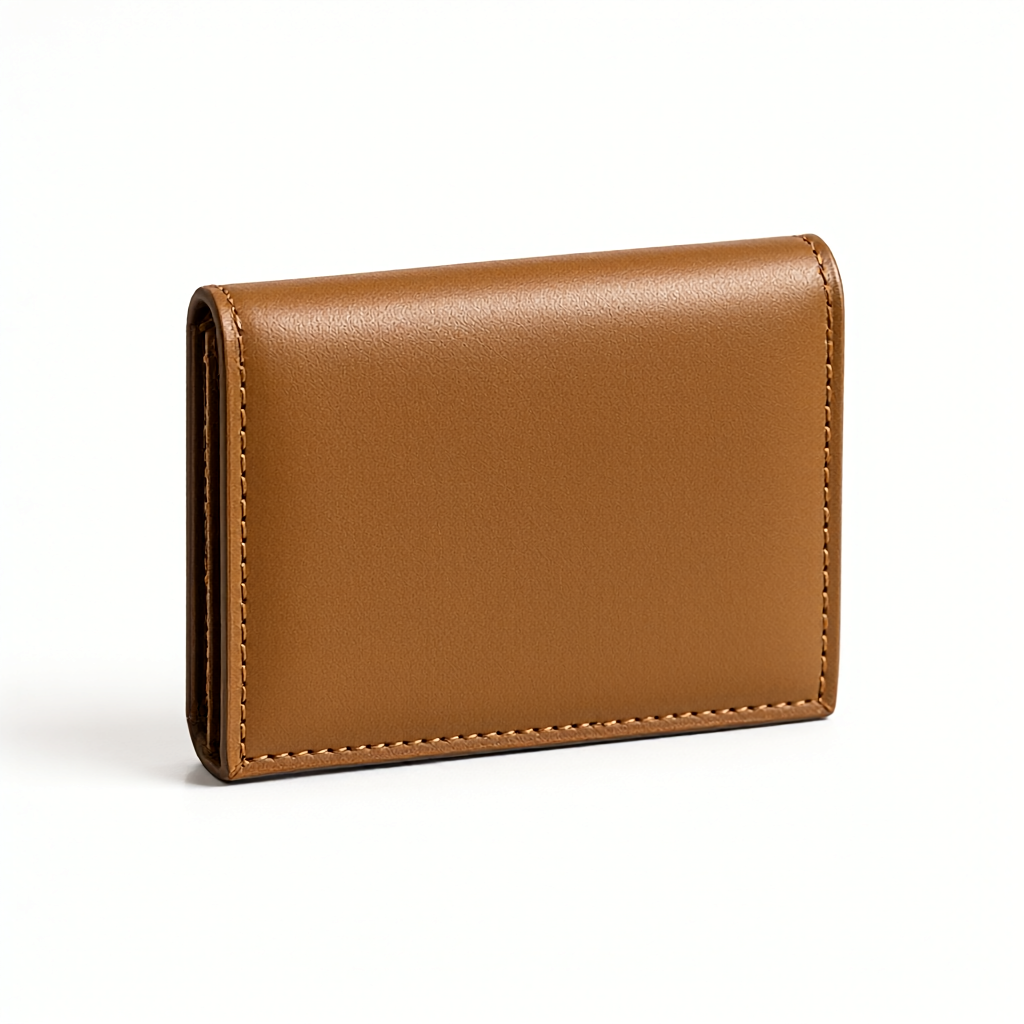
What Are Small Wallets for Women and What Forms Do They Take?
Small wallets for women represent a growing segment in the EDC (Everyday Carry) market. Unlike traditional bifolds that hold dozens of cards and unfolded bills, these compact designs prioritize minimalism and portability. They are engineered to fit comfortably in small purses, clutch bags, or even pockets without adding bulk.
The primary forms include:
- Minimalist metal wallets: Clamp-style designs that hold 4-12 cards with spring-loaded or screw-tight mechanisms
- Card holders: Single-slot or multi-slot designs for cards and thin bills
- Money clips: Combining a clip for cash with card slots on the reverse
- Pocket organizers: Modular designs with dedicated compartments for cards, coins, and bills
These products appeal to women who carry essentials only — a few cards, some cash, and possibly keys or a USB drive. The market has expanded beyond traditional leather to include metal and synthetic materials that offer durability, modern aesthetics, and higher perceived value.
For buyers evaluating this category, understanding the target use case is critical. A promotional product distributor might prioritize custom branding and low unit costs, while an Amazon FBA seller may focus on differentiated materials and feature sets like RFID blocking. See our wallets for women sourcing guide for deeper category analysis.
What Materials Are Commonly Used in Women’s Minimalist Wallets?
Material selection directly impacts product positioning, cost structure, and customer perception. The three dominant materials in the minimalist wallet space each carry distinct advantages:
Aluminum wallets offer the best cost-to-performance ratio for mid-tier positioning. Modern anodized aluminum provides a lightweight, scratch-resistant surface available in matte blacks, silvers, and vibrant colors. Typical weight ranges from 35-55 grams for a 6-card capacity design. Aluminum wallets sit comfortably in the $8-15 wholesale range depending on finishing and order volume. They are ideal for buyers seeking accessible pricing with a contemporary aesthetic.
Carbon fiber card holders occupy the premium segment. Real carbon fiber — woven sheets bonded with resin under heat and pressure — delivers a distinctive texture and exceptional strength-to-weight ratio. These wallets typically weigh 25-40 grams and command wholesale prices of $15-30. The material appeals to buyers targeting customers who value visual differentiation and perceived luxury. Be aware that some suppliers use carbon-fiber-pattern vinyl or printed aluminum as substitutes; verify the actual material specification before committing to an order.
Titanium money clips represent the ultralight, high-end option. Titanium wallets can weigh as little as 20-30 grams while maintaining structural integrity. The natural gray finish is often further treated with anodizing for color options. These products typically wholesale from $25-50 and target customers seeking maximum durability with minimum bulk. Titanium also offers inherent antimicrobial properties, which can be a meaningful differentiator.
Each material carries trade-offs. Aluminum is more susceptible to denting than titanium but significantly more affordable. Carbon fiber offers excellent scratch resistance but can delaminate if manufactured poorly. Titanium provides superior strength but at a premium cost. Your target market and price point should drive material selection.
What Does RFID-Blocking Mean and Why Does It Matter?
RFID-blocking technology addresses a genuine security concern for cardholders. Modern payment cards, passports, and some ID cards contain embedded chips that communicate wirelessly via radio frequency identification. While most consumer card transactions still require physical insertion or contact, certain fraud scenarios — known as “skimming” or “clothing scanning” — involve unauthorized wireless data capture from close range.
How RFID blocking works: A properly designed RFID-blocking wallet incorporates a continuous layer of conductive material — typically aluminum mesh, nickel alloy, or specialized metallic fabric — positioned between the card slots and the exterior. This layer creates a Faraday cage effect that attenuates radio frequency signals at the frequencies used by contactless cards (13.56 MHz for ISO/IEC 14443 standard cards).
Standards and verification: Not all RFID-blocking claims are equal. Reputable manufacturers test their products against recognized standards. The relevant specifications include ISO/IEC 14443 for proximity cards and FIPS 201 for personal identity verification. When evaluating suppliers, request documentation of RFID attenuation testing — a合格 product should demonstrate signal reduction of 20-40 dB at the target frequency. Products making RFID claims without third-party test reports should raise questions during supplier evaluation.
For B2B buyers, RFID blocking is increasingly becoming an expected feature rather than a premium differentiator. Many consumers now assume their wallet provides this protection. Including it as standard — rather than offering it as an optional upgrade — can strengthen your product’s market position. However, if you choose to position RFID blocking as a premium feature, ensure your supplier can provide verifiable test data to support the claim.
Small Wallets For Women: Which Specifications Matter Most?
What Are the Key Specs for Women’s Slim Wallets?
When evaluating or specifying small wallets for women, these are the dimensional and capacity benchmarks that matter in practice:
| Specification | Typical Range | Notes |
|---|---|---|
| Card capacity | 4-12 cards | Most common: 6-8 cards |
| Bill compartment | 1-3 folded bills | Credit-card-sized bills only |
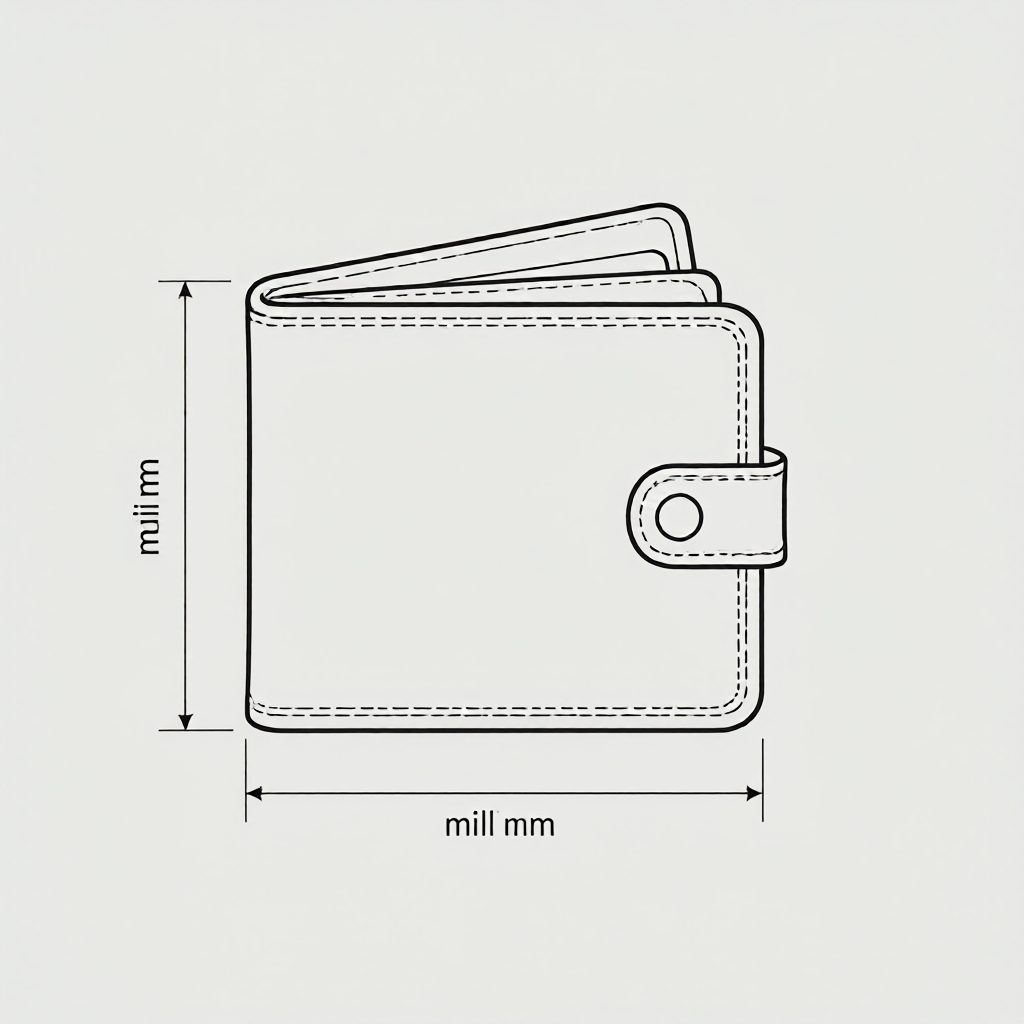
| Overall dimensions | 70-90mm × 100-115mm | Varies by material and design |
| Thickness | 8-18mm | Empty vs. loaded states differ |
| Weight | 20-55 grams | Titanium lightest, aluminum mid-range |
| RFID attenuation | 20-40 dB | Verified testing preferred |
| Opening force | 2-5 kgf | Spring-loaded clamp designs |
Capacity realities: A wallet rated for 8 cards may hold 8 business cards comfortably, but credit cards are thicker and an eighth card may not fit or may make extraction difficult. Buyers should request physical samples with their actual card stock before placing orders.
Dimension compatibility: Many women’s small wallets are designed to fit inside structured handbags, crossbody bags, or clutch purses. Typical interior dimensions for popular women’s bags range from 180-250mm height and 120-200mm width. A 110mm-wide wallet leaves adequate clearance in most bag styles. If your target market includes specific bag compatibility, request the bag dimensions and verify the wallet fits with margin for insertion and removal.
Thickness trade-offs: Thinner wallets (8-12mm empty) feel more premium and pocket-friendly but may limit card capacity or require tighter clamping force. Thicker wallets (15-18mm) accommodate more cards but may feel bulky in small bags. The optimal balance depends on your target customer’s priorities.
Small Wallets For Women: Which Standards and Certifications Apply?
What Standards and Certifications Should B2B Buyers Look For?
Quality systems and material certifications are non-negotiable for professional B2B procurement. These standards protect your brand reputation and ensure compliance with destination market regulations.
ISO 9001 certification demonstrates that a manufacturer operates a documented quality management system covering design control, incoming inspection, production processes, and final testing. When evaluating suppliers, verify current ISO 9001 certification status rather than accepting claims at face value. Request the certificate number and cross-reference it against the issuing body’s registry.
BSCI (Business Social Compliance Initiative) audit addresses labor practices and working conditions in the supply chain. Many European retailers and branded purchasers require BSCI certification as a condition of doing business. An active BSCI audit report signals that the factory meets baseline social compliance standards.
REACH and RoHS compliance are regulatory requirements for products sold in the European Union. REACH (Registration, Evaluation, Authorization and Restriction of Chemicals) governs the use of chemicals in manufactured goods, while RoHS (Restriction of Hazardous Substances) limits specific materials like lead, mercury, and cadmium. Wallets containing colored anodized finishes, adhesives, or plating must comply with these regulations. Request supplier declarations of conformity and, for large orders, consider third-party material testing through agencies like SGS.
Material safety certifications: For wallets intended for consumer use, verify that any coatings, adhesives, and metal alloys meet relevant safety standards. Aluminum anodizing processes should not leave hazardous residues. Carbon fiber resins should comply with consumer product safety regulations in your target market.
These certifications should be treated as minimum qualifications rather than differentiators. Any manufacturer serving professional B2B buyers should maintain current ISO 9001 certification, and many should also hold BSCI audit reports and REACH/RoHS compliance documentation.
Small Wallets For Women: What Else Should Buyers Consider?
What Customization Options Are Available for Private Label Wallets?
Customization is where private label buyers create differentiation in a crowded market. The main customization dimensions include:
Laser engraving: The most common customization method for metal wallets. Fiber laser engravers can produce permanent, high-contrast markings on aluminum, titanium, and carbon fiber surfaces. Typical engraving depths range from 0.01-0.05mm — enough to be tactile and durable without compromising structural integrity. Laser engraving works well for logos, monograms, and decorative patterns. Minimum feature size is typically 0.3mm, so very fine text or small logos may not reproduce clearly.
UV printing: Offers full-color reproduction on flat wallet surfaces. UV-cured inks bond directly to the substrate and cure instantly under ultraviolet light, producing sharp, durable prints. This method is ideal for photorealistic designs, gradient colors, and complex artwork that laser engraving cannot reproduce. UV printing is generally limited to single-side application on metal wallets; both-side printing adds cost and may affect the clamping mechanism.
Anodizing color selection: Aluminum wallets can be anodized in a range of colors beyond the natural metallic finish. Standard options include black, silver, gold, and rose gold. Custom anodizing colors are available but typically require minimum order quantities of 500-1000 pieces per color due to dye bath setup costs.
Packaging and retail presentation: Custom packaging significantly impacts perceived value and shelf appeal. Options include printed retail boxes, clamshell packaging, hang tags, and insert cards. Retail-ready packaging requires additional design work and tooling costs but eliminates the need for secondary packaging at the point of sale.
Logo placement strategies: Consider how the logo interacts with the wallet’s mechanical elements. Engraving near the card ejection slot may interfere with function. Side-panel placement or reverse-side positioning often provides cleaner results. Request engineering review of logo placement before approving proofs.
What Are Typical MOQs and Lead Times for OEM Wallet Production?
Procurement planning requires realistic expectations around minimum order quantities and production timelines. These figures vary by manufacturer capability and order complexity, but industry norms provide useful benchmarks.
MOQ ranges by product type:
| Product Type | Typical MOQ | Notes |
|---|---|---|
| Standard aluminum wallets | 300-500 pcs | Lower MOQs available for off-the-shelf designs |
| Custom engraved designs | 200-500 pcs | Includes laser setup and proofing |
| Carbon fiber wallets | 100-300 pcs | Material costs support lower volumes |
| Titanium wallets | 100-300 pcs | Higher unit cost justifies lower MOQs |
| Custom packaging | 500-1000 pcs | Box printing runs favor larger quantities |
Sample lead times: Reputable manufacturers typically produce evaluation samples within 5-7 business days for standard designs. Custom samples requiring new tooling or engraving fixtures may take 10-15 business days. Sample costs vary — some manufacturers charge full unit price for samples, while others offer sample pricing at 50-100% of bulk unit cost, credited against subsequent orders.
Production lead times: After sample approval and deposit receipt, standard production runs typically complete in 15-25 business days for orders up to 5000 pieces. Larger volumes or complex customization may extend timelines to 30-45 business days. Rush production is often available at premium pricing — typically 20-40% surcharge for 50% time reduction.
Tooling and setup costs: Custom laser engraving fixtures, embossing dies, and packaging printing plates involve one-time setup costs ranging from $50-500 depending on complexity. These costs are typically amortized across the order and may be waived for sufficiently large purchases.
Understanding these timelines is essential for inventory planning. Buyers should account for sample iteration cycles, production scheduling, and international shipping when projecting product availability.
What Should Buyers Consider When Evaluating Wallet Manufacturers?
Selecting the right manufacturing partner requires systematic evaluation across multiple dimensions. The following criteria should structure your supplier assessment process:
Technical capability: Verify that the manufacturer possesses the specific equipment required for your product — CNC machining for metal wallets, laser engraving systems, anodizing lines, and assembly workstations. In-house capability across these processes reduces subcontracting risk and improves quality control. Manufacturers who outsource key processes have less visibility into production defects.
Quality documentation: Request recent audit reports, certification documents, and quality control procedures. A competent supplier should provide ISO certificates, BSCI reports, and material compliance declarations without reluctance. Vague responses or inability to produce documentation indicate potential risk.
Communication responsiveness: Evaluate response time, language capability, and technical communication quality during the inquiry phase. Suppliers who respond slowly or unclearly to pre-order questions are unlikely to perform better during production. Request direct contact with production engineers, not just sales representatives, to assess technical communication ability.
Reference projects: Ask for examples of similar products produced for comparable buyers. While specific client names may be confidential, general descriptions of product types, volumes, and customization complexity should be shareable. Products similar to yours demonstrate relevant manufacturing experience.
Pricing transparency: Request detailed quotes breaking down unit cost, tooling, sampling, and packaging separately. Transparent pricing allows accurate cost modeling and identifies potential hidden charges. Be wary of unusually low quotes — they may indicate compromised quality, omitted processes, or unreliable fulfillment.
Logistics capability: Confirm whether the manufacturer offers export documentation, customs compliance support, and shipping coordination. Manufacturers experienced in international trade can streamline the import process and reduce administrative burden.
Your evaluation should weigh these factors according to your specific priorities. A brand owner launching a new product line may prioritize design capability and communication quality. An Amazon FBA seller may emphasize pricing competitiveness and fulfillment reliability. A promotional product distributor may focus on customization flexibility and sample turnaround.
Sourcing Your Wallet Manufacturer
The small wallets for women category offers substantial opportunities for B2B buyers willing to invest in proper supplier evaluation. Material selection, RFID compliance verification, customization planning, and quality certification review form the foundation of successful procurement. Manufacturers with in-house CNC machining, laser engraving, and anodizing capabilities — backed by ISO 9001 and BSCI certification — can deliver consistent quality across order volumes starts at 300 pcs per SKU for full OEM customization (100 pcs trial order available for stock finishes) with sample turnaround in 7 days.
Top Product Recommendations Across Budget Tiers
For B2B buyers navigating the minimalist women’s wallet market, matching product specifications to target price points is critical. Below are representative configurations across three budget tiers:
Budget Tier ($3–$8 wholesale): Aluminum alloy wallets with basic RFID-blocking mesh lining, powder-coated finish, and standard 6-card capacity. Packaging is typically polybag or simple card sleeve. Ideal for promotional product programs and entry-level retail.
Mid-Tier ($8–$20 wholesale): Anodized aluminum or genuine leather card holders with upgraded RFID attenuation, precision laser-engraved branding, and retail-ready boxes. This tier represents the highest volume segment for Amazon FBA sellers and boutique EDC brands seeking margin without sacrificing perceived quality.
Premium Tier ($20–$50+ wholesale): Titanium money clips, real carbon fiber card holders, or hybrid designs combining multiple materials. These products feature advanced finishes (PVD coating, micro-blasting), premium packaging with magnetic closures, and often include integrated features like coin pockets or bottle opener attachments. Target customers value craft and material authenticity.
When building a product line, consider a tiered strategy: one entry-level SKU to drive volume, one mid-tier SKU as the hero product, and one premium SKU to anchor the brand’s quality positioning.
Fashion and Aesthetic Considerations
Women’s minimalist wallets differ from men’s counterparts primarily in aesthetic preferences and form factor rather than fundamental construction. Key design variables include:
- Color palettes: Rose gold, matte black, blush pink, deep navy, and champagne gold dominate women’s purchasing decisions. Neutral tones sell consistently; bold colors drive seasonal spikes.
- Hardware and finishing: Brushed finishes reduce visible scratches and convey a tool-like aesthetic. Polished surfaces appear more formal but show wear faster. Micro-blasted textures are increasingly popular for their tactile appeal.
- Shape and silhouette: Slimmer rectangular profiles (versus square) align with contemporary women’s bag interiors. Rounded corners improve pocket comfort and reduce snagging.
- Strap and lanyard options: Some buyers add thin leather or silicone wrist straps for secure carry during active use — a feature worth considering for outdoor-oriented brands.
- Versatility: Designs that transition from desk to dinner to travel perform best across demographic segments. Avoid overly “tactical” aesthetics unless targeting a niche adventure-oriented audience.
Aesthetic choices should be guided by market research on the target customer’s existing carry habits rather than assumptions. Requesting feedback on prototype finishes from real users before committing to full production runs significantly reduces stock risk.
About the Manufacturer
As a specialist manufacturer of minimalist EDC wallets and pocket gear with 13+ years of export experience, we help brands, Amazon sellers, and distributors bring custom metal wallets, carbon fiber card holders, and money clips from concept to shelf. Our 50,000 sq ft facility holds ISO 9001 certification (since 2014) and BSCI audit compliance, with REACH/RoHS-compliant materials and SGS-tested inputs. We support OEM, ODM, private label, and custom design projects with low MOQs starts at 300 pcs per SKU and a 7-day sample lead time. Our in-house CNC machining, laser engraving, UV printing, and aluminum anodizing capabilities — combined with a 500K+ monthly production capacity — allow us to serve 200+ brands across America, Europe, Australia, and Southeast Asia. Whether you’re launching a new product line or scaling an existing one, we provide full customization from logo to packaging.
Small Wallets For Women: Where Can You Verify the Data and Sources?
- wallets for women sourcing guide — topedcwallet.com
- Get a Free Quote → — topedcwallet.com
From article to product
Choosing a material for a range?
Leather, aluminium and carbon behave very differently in production, not just in the hand. Send us the spec and we will tell you what it costs to make at your volume.
Keep reading
More on wallet materials
Vegetable Tanned Leather for Wallet Programmes
“Vegetable tanned” is a marketing phrase with a technical meaning, and the two do…
ReadRecycled Aluminium in Wallet Shells: Verifiable Claims
“Recycled aluminium” is a claim about provenance, and the wallet shell in your hand…
ReadFashion Zipper Men’s Wallets Leather Short Design Guide
Learn how to choose a short zipper leather wallet for men — full grain…
Read
About the author
TOPWALLET Editorial Team
TOPWALLET's editorial and engineering desk writes from bench testing at the Shenzhen (Longgang) facility: pull-force and cycle testing, 13.56 MHz shielding measurements, finish trials and factory audits, rather than supplier spec sheets. Every specification in these guides is one we write on a purchase order.
Written on the floor
This article was written by our production and QC team — the people who spec tolerances, run the finishing line and inspect every batch. Where it states a capacity, a pull force or a lead time, it comes from a measurement we made, not a supplier’s catalogue. If a number here disagrees with what your own supplier told you, tell us; several of these articles started as a correction from a buyer.
See how the factory works · Inspection process · Sourcing FAQ
Choosing a material for a range?
Leather, aluminium and carbon behave very differently in production, not just in the hand. Send us the spec and we will tell you what it costs to make at your volume.