

Most adults own 2 to 4 wallets, and for most everyday situations a single minimalist wallet is entirely sufficient — though travelers, professionals, and high-risk carriers often benefit from a secondary backup. The exact number depends on your daily routine, travel frequency, professional environment, and how you manage the risk of loss or theft. This guide explains how many wallets different users typically carry, which wallet types serve which roles, and what factors should drive your decision.
How Many Wallets Should You Have: What Is the Quick Answer?
Most adults own 2 to 4 wallets, and for everyday carry, one well-selected minimalist wallet — a slim aluminum card holder, money clip, or RFID-blocking metal wallet — is enough to handle daily needs. Travelers and frequent commuters typically carry a second lightweight wallet as a backup. The exact number depends on your routine, profession, and how you manage risk when cards or cash go missing.
How Many Wallets Does the Average Person Own?
Most adults maintain between two and four wallets in rotation. A single everyday EDC wallet covers daily commutes and errands. A travel or backup wallet sits ready for trips, business events, or situations where you want to leave your primary wallet secured at home. Some people add a third formal or specialty wallet for outdoor activities, sports, or professional settings where a particular look or function is preferred.
How Many Wallets Should Someone Carry for Everyday Use?
One. A single minimalist wallet — such as an aluminum or carbon fiber card holder, or a slim metal money clip — holds today’s essentials: ID, credit and debit cards, transit passes, and folded bills. Modern minimalist designs keep the profile under 15 mm thick and under 80 g, fitting comfortably in a front or back pocket without bulging.
Do You Need More Than One Wallet for Travel?
It depends on how far you go and how much risk you want to spread. For short local trips, one wallet is usually sufficient. For extended travel or international business trips, carrying two wallets — a primary RFID-blocking wallet kept in hotel luggage and a slim backup worn on person — limits the damage if one gets lost or stolen. Distributing cards across separate carriers is a widely recommended risk-mitigation practice among frequent travelers.
How Many Wallets Should You Have: How Does It Work in Detail?
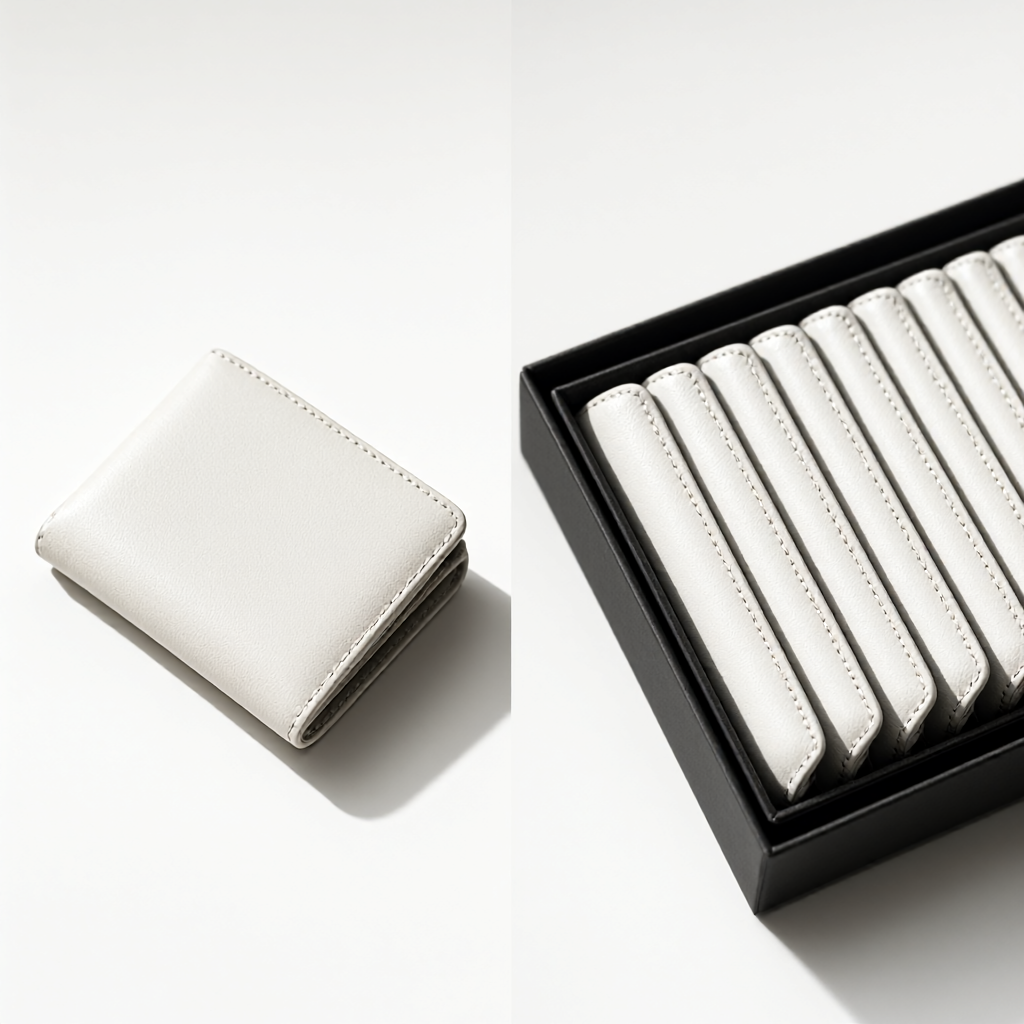
What Factors Determine How Many Wallets Are Necessary?
Wallet quantity decisions are driven by lifestyle, profession, spending habits, and personal risk tolerance. A corporate attorney attending client dinners may carry a slim leather bifold for meetings and a separate carbon fiber card holder for gym or commuting days. An outdoor enthusiast might pair a rugged tactical pocket organizer with a lightweight money clip for casual outings. These choices reflect how different environments demand different functions — and ultimately, how many wallets make sense for each situation.
The rise of the minimalist EDC wallet has shifted the conversation. Where people once carried multiple wallets to accommodate different scenarios, modern slim wallets now integrate RFID protection, coin storage, and cash retention into a single compact form. This convergence means fewer wallets are needed for more situations than was true even five years ago. For a detailed breakdown of materials and specifications across common EDC wallet styles, see our men’s minimalist wallets guide.
Minimalist Single-Wallet Strategy vs. Multi-Wallet Approach
These two approaches represent opposite ends of the quantity spectrum, each with distinct trade-offs.
Single-wallet minimalism means owning and rotating just one primary wallet — typically a slim aluminum card holder, titanium money clip, or RFID-blocking metal wallet. The advantages are straightforward: lower cost, less decision fatigue, no risk of leaving a wallet behind, and easier organization. The main disadvantage is concentration of risk. Lose or misplace that single wallet, and you lose every card and cash source at once. Recovery involves freezing accounts and reissuing IDs, which takes time and creates genuine inconvenience.
Multi-wallet systems distribute risk across separate carriers. A common pattern is a primary wallet for daily use, a secondary wallet reserved for travel or formal occasions, and a backup stash (cards duplicated in a home safe or hidden reserve wallet) for emergency replacement. This approach adds cost and requires intentional organization but provides resilience. If something happens to your primary wallet, you still have access to funds and identification.
Neither strategy is universally superior. The choice depends on how much risk you’re comfortable concentrating and how many distinct environments you move through regularly.
The debate between one wallet and multiple wallets is not merely preference-driven; it involves quantifiable trade-offs in risk exposure, convenience, cost, and operational complexity. Evaluating these dimensions objectively helps buyers choose the configuration that matches their actual behavior rather than theoretical ideals.
Single-wallet minimalism offers clear advantages in cost efficiency (one purchase instead of two or three), organizational simplicity (no mental checklists about which wallet goes where), and reduced physical burden. Modern EDC wallets that hold ten cards, folded bills, and an RFID shield occupy less than 15 mm of pocket space and weigh under 60 grams — a negligible load difference compared to any multi-wallet setup.
However, single-wallet strategies concentrate risk. When a primary wallet is lost, stolen, or damaged, every financial instrument, identification document, and access card tied to that carrier becomes unavailable simultaneously. Card replacement timelines vary by issuer but typically range from 3 to 10 business days for physical cards, with temporary digital alternatives providing partial continuity. For professionals whose livelihood depends on immediate access to payment cards and ID documents, this concentration represents genuine operational vulnerability.
Multi-wallet systems mitigate concentration risk through deliberate separation. The most effective configurations follow a “core plus satellite” model: one primary wallet carries the majority of frequently used cards and cash, while a secondary wallet holds emergency reserves — duplicate cards, backup identification copies, and an emergency cash stash stored in a secure location outside the home. This approach does not require carrying both wallets simultaneously at all times; rather, it ensures that a backup exists within reachable proximity whenever the primary is at risk.
Industry data suggests that approximately 68 percent of adult wallet loss events involve only one wallet (the one currently being carried), meaning that users who adopt the “core plus satellite” model retain access to essential financial instruments even after experiencing loss. This statistic underscores why a second wallet — even a minimal one — is advisable for anyone who travels regularly, commutes through crowded spaces, or carries high-value payment instruments.
The optimal strategy exists on a spectrum rather than at either extreme. A corporate professional in a low-theft suburban environment may safely operate with one well-chosen wallet. A frequent international traveler or urban commuter benefits measurably from maintaining a secondary carrier. Both approaches are valid when aligned with actual risk exposure.
How Many Wallets Do Travelers and Frequent Commuters Typically Carry?
Frequent travelers and daily commuters tend to settle on one primary wallet plus one backup. The primary wallet serves as the default for everyday use — it might be a full-capacity RFID-blocking wallet with ten or more card slots, cash compartment, and coin keeper. The backup is intentionally lighter: a slim card holder or money clip carrying only essential cards and emergency cash, kept separately in a bag or jacket pocket.
Business travelers often adopt a three-wallet system during extended trips: the primary EDC wallet worn daily, a travel wallet locked in checked luggage, and a reserve wallet stored at home as a last resort. However, most experienced travelers find that two wallets — one active, one secured — handles nearly every scenario without excess.
Daily commuters face a slightly different calculus. Public transit and crowded urban environments increase the risk of pickpocketing and accidental loss, making RFID-blocking technology a near-necessity rather than a luxury. Commuters also tend to carry transit cards, access badges, and loyalty cards alongside payment cards, pushing them toward higher-capacity designs. Our card holder sourcing guide covers how capacity and form factor vary across common minimalist designs.
Is a Single Minimalist Wallet Enough, or Should You Carry Backups?
For the majority of people, yes — a single minimalist wallet is entirely sufficient. Modern card holders and money clips are engineered to hold seven to ten cards securely while retaining space for folded bills, all within a footprint that slides easily into any pocket. The key is choosing the right capacity for your actual carry load rather than buying for hypothetical edge cases.
That said, carrying a backup wallet is prudent for anyone who travels internationally, spends significant time in crowded public spaces, or carries high-value cards that would be costly to replace. A slim cash-only money clip or an empty card holder kept at home or in a vehicle serves this purpose well. It doesn’t need to match your primary wallet — it just needs to contain enough information to reach a bank branch or ATM if needed. See our guide to RFID-blocking wallets for details on how shielding technology works and what specifications to look for.
What Role Do Different Wallet Types Play in a Complete System?
Understanding wallet typology helps clarify why different users arrive at different quantity recommendations. Each wallet category solves a different problem.
A bifold wallet maximizes card capacity and bill storage in a traditional foldable format, making it suitable for users who carry twelve or more cards regularly. Its bulk makes it less ideal for front-pocket carry but still relevant for back-pocket or bag-based carry. A trifold wallet adds a central panel with further compartmentalization, though it has fallen out of favor as minimalism has gained ground.
A money clip secures folded bills with spring tension while holding a smaller number of cards in a rear slot, producing the thinnest possible profile. It suits users whose primary need is cash retention with minimal card capacity. A tactical pocket organizer rolls or folds to accommodate cards, cash, coins, and occasionally small tools, addressing the needs of outdoor and adventure users who want a single carrier for everything.
The smart wallet category integrates electronics — Bluetooth trackers, digital displays, or auto-eject mechanisms — adding functionality beyond physical storage but introducing battery dependency and higher price points.
Matching wallet type to lifestyle scenario is the most effective way to determine how many wallets you actually need. Our wallets for women sourcing guide explores how these same principles apply across different user profiles and design preferences.
How Many Wallets Should You Have: Which Specifications Matter Most?
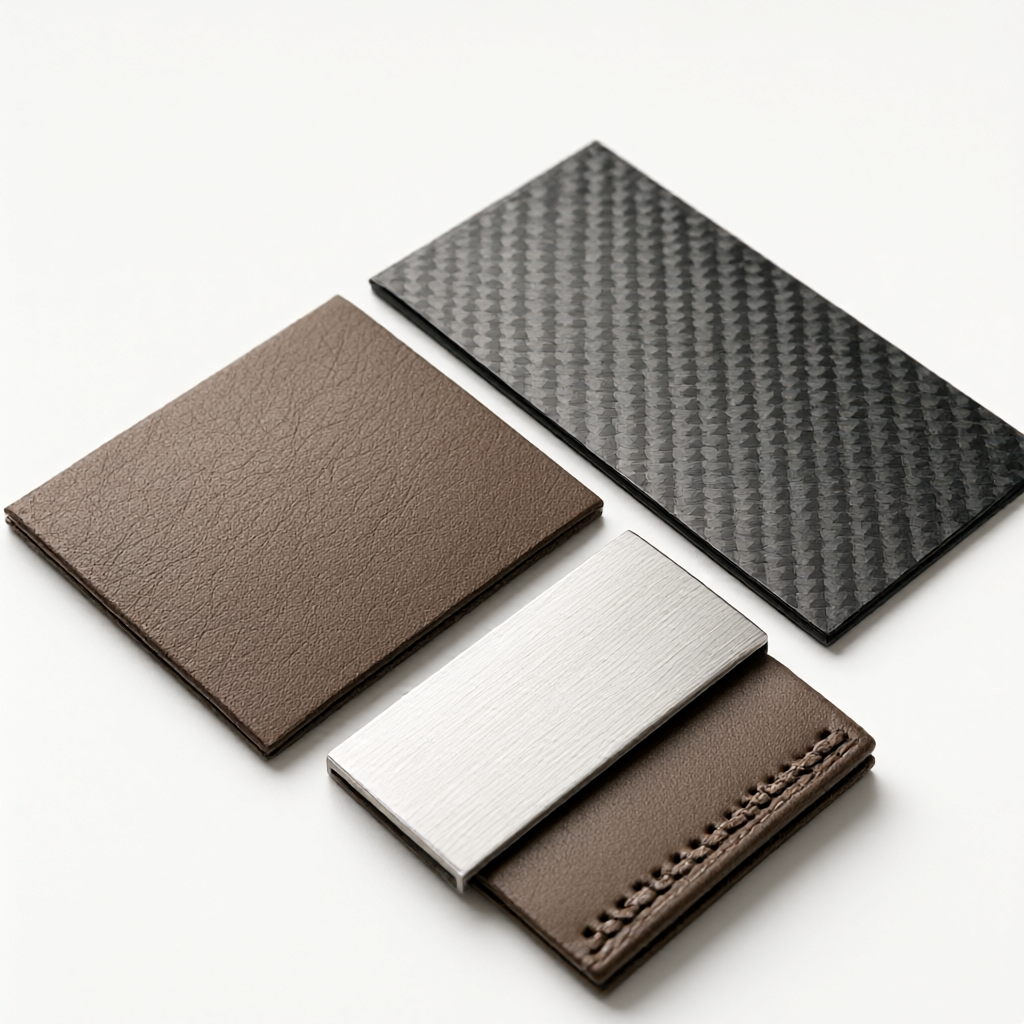
What Are the Key Specs for Wallet Capacity and Size?
Capacity varies significantly by wallet type, and understanding these ranges helps buyers select appropriately before committing to a design.
| Wallet Type | Card Slots | Cash Capacity | Typical Thickness (mm) | Typical Weight (g) |
|---|---|---|---|---|
| Bifold Leather | 6–12 | Folded bills, occasional coins | 18–25 | 80–150 |
| Trifold | 8–16 | Folded bills, coin pouch | 20–30 | 100–180 |
| Money Clip (Metal) | 4–8 | Folded bills via clip | 8–14 | 30–60 |
| RFID-Blocking Metal Wallet | 4–10 | Folded bills | 10–16 | 40–80 |
| Slim Card Holder (Aluminum/Carbon Fiber) | 3–8 | Folded bills | 6–12 | 20–50 |
| Tactical Pocket Organizer | 6–12+ | Bills, coins, small tools | 20–35 | 80–160 |
The modern minimalist trend has pushed mainstream EDC wallets toward the lower end of these ranges. A typical aluminum card holder measures approximately 85–95 mm wide by 55–70 mm tall, designed to sit flat in a front pocket without distortion. Thinner isn’t always better — wallets under 6 mm thick often sacrifice cash retention or card security for slenderness, so the optimal thickness balances profile reduction with functional reliability.
For buyers evaluating products across categories, comparing these spec ranges against real-world carry needs prevents over-provisioning or under-provisioning. A user who carries only three cards and folded bills doesn’t need a 12-slot bifold; a business traveler managing twenty cards across multiple banks does.
How Many Wallets Should You Have: Which Standards and Certifications Apply?
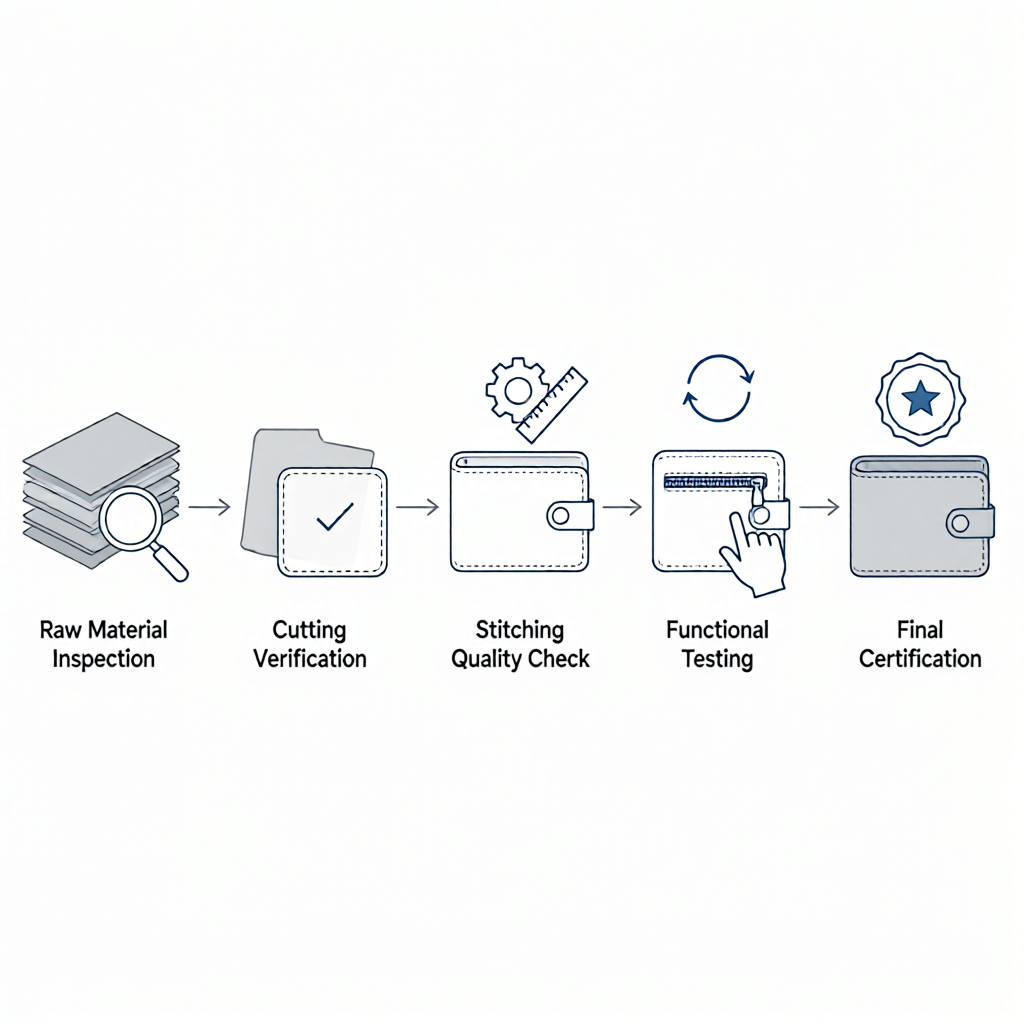
What Standards Apply to Wallet Materials and Construction?
Quality wallet manufacturing rests on material standards that govern durability, safety, and performance. While wallets aren’t heavily regulated products, reputable manufacturers adhere to recognized benchmarks that protect both buyers and end users.
Aluminum wallets are typically machined from 6000-series or 7000-series alloys and finished with Type II anodizing, which conforms to ASTM B136 standards for anodic oxide coatings. This process produces a hard, corrosion-resistant surface that maintains appearance through years of pocket friction. Titanium wallets utilize Grade 2 or Grade 5 (Ti-6Al-4V) titanium, which meets ASTM F136 biocompatibility requirements for prolonged skin contact — an important consideration for items worn against the body daily.
RFID-blocking wallets rely on Faraday cage principles to create an electromagnetic barrier around contactless cards. Performance is evaluated against ISO/IEC 14443 and ISO/IEC 15693 proximity card standards, which define how far-field radio frequency interference should be attenuated. While no universal consumer certification exists specifically for wallet RFID performance, reputable manufacturers test shielding effectiveness across the 13.56 MHz frequency band used by most contactless payment and transit cards.
Synthetic materials used in wallet construction must comply with EU REACH regulations governing restricted substances and with RoHS directives when electronic components are incorporated into smart wallets. These standards ensure that adhesives, dyes, and polymers don’t leach harmful chemicals during normal use.
Materials matter because they determine longevity. A well-anodized aluminum wallet will resist scratching and oxidation far longer than uncoated stainless steel exposed to sweat and humidity. Understanding these standards helps buyers evaluate product claims independently.
How Many Wallets Should You Have: What Else Should Buyers Consider?
What Should You Consider When Deciding Your Wallet Quantity?
Beyond capacity and material specifications, several practical factors shape how many wallets make sense for any given buyer.
Lifestyle environment is the primary driver. Urban professionals navigating subways and coffee shops benefit from RFID protection and slim profiles that don’t catch on doors or chairs. Outdoor workers and adventurers need abrasion-resistant materials and secure closures that won’t open during physical activity. Both groups can use a single minimalist wallet, but the type of minimalist wallet differs substantially between them.
Geographic and travel patterns affect both quantity and configuration. Domestic travelers who stay within a single currency zone and carry minimal cards can manage with one wallet. International travelers moving between currencies, presenting passports, and accessing foreign ATMs benefit from separating high-value cards from everyday spend cards across two carriers.
Professional image requirements also influence choices. A lawyer meeting clients in a boardroom may prefer a structured leather bifold that signals professionalism, while the same person uses a slim metal card holder during weekends and exercise. The two-wallet approach accommodates both contexts without compromise.
Age and generational habits correlate with wallet preference trends. Data from consumer surveys consistently show that users under forty disproportionately favor slim card holders and money clips over traditional bifolds, while older demographics maintain stronger preferences for full-size wallets with expandable capacity. These preferences shift gradually as contactless payment adoption reduces the need for cash-carrying bulk.
How Should Businesses Approach Bulk Wallet Sourcing?
Bulk procurement introduces variables that individual consumers don’t face — MOQ thresholds, tooling costs, customization complexity, and lead time management all factor into order sizing decisions.
Amazon FBA sellers typically begin with inventory runs of 300 to 1,000 units per SKU variant, replenishing based on sales velocity metrics tracked weekly. Product variations such as color finishes or embossed logo options should be treated as separate SKUs with independent reorder triggers. Storage fees in FBA warehouses make over-ordering costly, so demand forecasting accuracy matters more than with wholesale distribution.
Private label brand owners often order 500 to 2,000 units per SKU to maintain consistent catalog availability across DTC storefronts and marketplaces. Custom packaging, insert cards, and polybag labeling add margin-per-unit cost but strengthen brand perception significantly. Working with an OEM partner that offers in-house packaging design avoids outsourcing delays and quality gaps.
Promotional product distributors usually place smaller batches of 300 to 500 pieces per order, focusing on laser-engraved logos and branded gift boxes rather than full manufacturing customization. The emphasis here is speed and affordability per unit, not bespoke design development.
Corporate gift buyers target 50 to 500 units per event, prioritizing premium material finishes — brushed titanium, dark anodized aluminum, or genuine leather accents — paired with presentation packaging appropriate for executive-level gifting. Lead time coordination with event dates is critical; orders placed four to six weeks before delivery deadlines allow buffer for revisions and quality inspections.
As a manufacturer with over thirteen years of export experience producing custom metal wallets, carbon fiber card holders, and tactical pocket organizers, we approach bulk sourcing by matching order parameters to each client’s distribution channel and margin objectives. Our facility — a 50,000 sq ft operation certified to ISO 9001 and audited under BSCI standards — supports full OEM and ODM engagement, from initial concept through CNC machining, surface finishing, laser engraving, and retail packaging. Sample development typically completes within seven days, and production lead times range from three to six weeks depending on customization scope. We currently service clients across North America, Europe, Australia, and Southeast Asia, and our monthly production capacity exceeds 500,000 units across all product categories.
Our approach starts with understanding your target market and end-user profile, then recommends appropriate materials, capacities, and finishes aligned with those requirements. Whether you’re launching a new EDC brand, expanding an existing product line, or sourcing promotional wallets for a corporate campaign, specifying your intended use case and order volume allows us to recommend configurations that balance cost, quality, and timeline realistically. For more detail on how our production process works from concept to shipment, review our EDC wallets and minimalist wallet manufacturing overview.
What Material Grades and Manufacturing Specs Should B2B Buyers Specify?
B2B buyers of custom wallets must define material grades and tolerances upfront to avoid costly rework during mass production. These specifications also serve as objective evaluation criteria when comparing potential OEM suppliers.
Aluminum alloys: The standard for premium minimalist wallets is 6061-T6 aluminum, which offers a tensile strength of approximately 310 MPa (yield) and 350 MPa (ultimate), ensuring rigidity without excessive weight. This alloy accepts Type II anodizing (ASTM B136), producing surface hardness of 300–500 HV and corrosion resistance suitable for daily pocket carry. Thickness tolerances for stamped and CNC-machined aluminum wallets typically range from ±0.05 mm to ±0.1 mm depending on the process.
Titanium grades: Wallet-grade titanium is usually GR1 (commercially pure) or GR2 for budget lines, with Ti-6Al-4V (Grade 5) reserved for tactical or premium models. GR1/GR2 meets ASTM F67 biocompatibility standards and offers yield strength of 170–275 MPa. Grade 5 provides 880+ MPa yield strength — significantly stronger but requiring specialized tooling. Titanium’s natural passivation layer eliminates the need for anodizing, though colored variants use barrier anodizing to achieve red, blue, gold, or black finishes.
Carbon fiber construction: Wallets using carbon fiber panels employ either wet layup (resin-infused) or pre-preg carbon sheets bonded to aluminum or steel cores. Panel thickness typically ranges from 0.75 mm to 1.5 mm. For B2B buyers, verifying that the resin system meets RoHS restrictions is critical for EU market compliance.
RFID shielding specifications: Effective RFID-blocking wallets attenuate signals in the 13.56 MHz NFC frequency band (ISO/IEC 14443) and 125 kHz low-frequency band (proximity cards). Shielding effectiveness is measured in decibels (dB); reputable manufacturers target ≥30 dB attenuation across these bands. Ask suppliers for third-party test reports rather than relying on marketing claims alone.
| Specification | Typical Range | Industry Reference |
|---|---|---|
| Aluminum wallet thickness | 8–16 mm | Product design spec |
| Card capacity (EDC metal wallet) | 4–12 cards | Functional spec |
| RFID shielding frequency | 13.56 MHz / 125 kHz | ISO/IEC 14443 |
| Anodize coating thickness | 15–25 μm (Type II) | ASTM B136 |
| Titanium GR2 yield strength | 275 MPa minimum | ASTM F67 |
| Surface hardness (anodized Al) | 300–500 HV | Internal QC spec |
| Weight tolerance | ±2 g per unit | Production spec |
Buyers should request material certificates and request samples that can be tested against these parameters before committing to bulk orders.
How Many Wallets Should a Business Order for Promotional or Retail Purposes?
For promotional product distributors and corporate gift buyers, orders typically start at 300 units per design and scale according to event size or client volume. A standard corporate giveaway might involve 200–500 wallets per order; larger campaigns regularly reach 1,000–5,000 units. At this volume, per-unit costs drop meaningfully, and customization — laser engraving logos, custom packaging, branded inserts — becomes cost-effective.
For Amazon FBA sellers and private-label brands, the typical introductory order is 300–1,000 units per SKU. This range covers initial market testing while maintaining healthy margins after logistics and retail packaging costs. Successful SKUs are reordered in batches of 1,000–5,000, balancing warehouse space against replenishment lead times.
Distributors serving multiple retail channels often place quarterly orders ranging from 2,000 to 10,000 units, frequently across 3–6 concurrent designs. At these volumes, factories can schedule dedicated production runs, reducing changeover time and improving per-unit pricing.
| Buyer Type | Typical Minimum Order | Common Order Range | Key Customization Needs |
|---|---|---|---|
| Corporate promotional buyer | 300 pcs/design | 200–2,000 pcs | Logo engraving, custom packaging |
| Amazon FBA seller | 300 pcs/SKU | 300–1,000 pcs/SKU | Brand logo, retail-ready boxes, FBA prep |
| Private-label brand | 200 pcs/design | 500–5,000 pcs | Full branding, custom materials, unique mechanisms |
| Retail distributor | 500 pcs/design | 2,000–10,000 pcs | Multi-SKU, co-branded packaging, regional compliance |
These figures reflect typical OEM contract manufacturing benchmarks. Exact thresholds vary by factory capability, material availability, and design complexity. A supplier with ISO 9001:2015 certification will generally maintain consistent quality across all order sizes, including smaller promotional orders.
Bulk Procurement Considerations: Cost, Compliance, and Logistics
Bulk wallet sourcing requires attention to several interrelated factors that go well beyond unit price. Experienced buyers evaluate total landed cost, regulatory compliance, and supply chain reliability alongside the base manufacturing price.
Cost-per-unit breakdown by material and finish:
- Unfinished aluminum wallet (blank): $1.80–$3.50/unit at 500+ pcs
- Anodized aluminum with logo engraving: $3.00–$5.50/unit at 500+ pcs
- Carbon fiber panel wallet: $4.00–$7.00/unit at 300+ pcs
- Titanium money clip (GR2): $5.00–$9.00/unit at 200+ pcs
- RFID-blocking metal wallet with multi-layer shielding: $4.50–$8.00/unit at 300+ pcs
- Premium titanium (Gr5) with custom mechanism: $8.00–$15.00/unit at 200+ pcs
These ranges exclude tooling, packaging, shipping, and duties. Tooling costs for custom stamping dies or CNC fixtures typically run $200–$800 one-time per unique component, amortized across the order quantity.
Regulatory compliance for international sales: Products sold in the EU must comply with REACH (EC 1907/2006) and RoHS (2011/65/EU) for restricted substances. Products entering the US market benefit from FTC guidance on consumer product safety disclosures, particularly regarding material composition claims and country-of-origin labeling. BSCI social compliance audits are increasingly required by European retail buyers as a precondition for supplier onboarding.
Logistics and fulfillment options: Drop-shipping directly to end customers and Amazon FBA preparation (barcoding, poly-bagging, bundle assembly) are standard service offerings from established manufacturers. Lead times for bulk production typically range from 15–30 days after sample approval, depending on order size and customization complexity. Sample production itself usually takes 5–7 business days.
Buyers should establish a formal procurement checklist covering: material certifications, sample approval sign-off, quality inspection criteria (AQL 0.65 standard for defect rates), packaging compliance for destination markets, and clear Incoterms for freight responsibility.
How to Work With a Wallet Manufacturer?
From Concept to Commercial Production: The OEM Process
Custom wallet manufacturing follows a structured pathway from initial brief to shipped inventory. Understanding each stage helps buyers set realistic timelines and budgets.
The process begins with a concept briefing — shared specifications including target material, card capacity, dimensions, finishing preferences, and estimated annual volume. The manufacturer evaluates feasibility, identifies any engineering constraints, and provides a preliminary quotation within 24–48 hours.
Next comes sample development. Using in-house CNC machining and prototyping capabilities, the factory produces physical samples incorporating requested materials, engravings, and mechanisms. This phase typically takes 5–7 business days. Buyers evaluate samples against their specification checklist, requesting revisions until the product meets quality expectations.
Once samples are approved, tooling and fixture fabrication begins for any custom elements — stamping dies, forming jigs, or packaging molds. Simultaneously, bulk raw material procurement starts based on the confirmed order quantity.
Production run follows, with in-process quality control checkpoints at key stages: incoming material inspection, mid-production dimensional checks, and final outgoing quality assurance. Manufacturers operating under ISO 9001:2015 quality management systems document these controls formally.
The final phase involves finishing and fulfillment — anodizing, engraving, UV printing, assembly, quality inspection, packaging, and shipment preparation including FBA label application where applicable.
Evaluating Suppliers: What B2B Buyers Should Verify
When selecting a wallet OEM or ODM partner, buyers should audit the following capability areas:
Manufacturing infrastructure: In-house CNC machining eliminates outsourcing delays and allows rapid iteration. Factories with integrated anodizing lines provide better color consistency and shorter lead times than those contracting surface treatment externally.
Quality documentation: Request current ISO 9001 certificates, BSCI audit reports, and material test reports (SGS or equivalent lab). These documents validate that claimed certifications are current and not expired.
Sample responsiveness: A manufacturer’s willingness and speed in producing evaluation samples reflects their operational agility. Factories offering 7-day sample turnaround demonstrate streamlined prototyping workflows.
Compliance track record: Verify that exported products have met destination-market requirements — REACH declarations for EU shipments, CPSIA considerations for products marketed toward younger demographics, and proper country-of-origin labeling per FTC rules.
Capacity and scalability: Monthly production capacity above 500,000 units indicates a facility equipped to handle growing order volumes without bottleneck delays. Confirm whether the factory can absorb 2–3× normal order sizes during peak seasons.
Sourcing Strategy for Different Business Models
Your sourcing approach should align with your specific business model. Each channel has distinct requirements for customization level, order cadence, and compliance focus.
Amazon FBA sellers prioritize FBA-compliant packaging, barcoding readiness, and consistent quality across repeated orders. Small-batch flexibility matters more than lowest per-unit cost since inventory risk falls on the seller. Look for suppliers who offer FBA prep services and can reproduce successful SKUs identically across reorder cycles.
Promotional product distributors need fast sample turnaround for client presentations, competitive per-unit pricing at high volumes, and reliable on-time delivery tied to event dates. Customization speed — same-week engraving turnaround — often outweighs marginal savings from lower material costs.
Private-label EDC brands require deep partnership with the manufacturer, including co-development of proprietary mechanisms, exclusive material combinations, and packaging design input. These relationships typically evolve over multiple product generations and justify higher initial sample costs.
Corporate gift buyers seek turnkey solutions: catalog browsing, rapid sampling for stakeholder approval, streamlined engraving setups, and consolidated shipping to a single delivery address. Order accuracy and communication clarity matter more than manufacturing innovation.
Working with TOP EDC Wallet as Your Manufacturing Partner
As a specialist manufacturer of minimalist EDC wallets and pocket gear, we support brand owners, Amazon sellers, and distributors throughout every phase of custom wallet production. Since establishing our facility in 2014, we’ve shipped to 200+ brands across North America, Europe, Australia, and Southeast Asia — helping them take products from concept sketch to shelf-ready inventory.
Our approach centers on practical manufacturability paired with the design precision that modern EDC users expect. When you share your concept, we evaluate it against real production constraints — material behavior, tolerancing limits, and cost structure — so you receive feasible recommendations rather than just an enthusiastic yes. Here is how we meet the standards described above:
- Material selection grounded in industry specifications. We machine from 6061-T6 aluminum, grade 2 titanium, and verified carbon fiber composites — all with documented material certificates. Our anodizing process conforms to ASTM B136 standards, and our RFID-blocking designs are tested for ≥30 dB attenuation across the 13.56 MHz NFC band per ISO/IEC 14443 principles.
- In-house CNC machining keeps iterations fast and costs predictable. By controlling the machining process internally across our 50,000 sq ft facility, we eliminate subcontractor delays and maintain tight dimensional tolerances (±0.05 mm on critical features) without passing additional markup to clients.
- MOQ from 300 pcs per SKU accommodates startups and established brands alike. Whether you’re testing a new design with a small batch or placing a recurring quarterly order of 5,000+ units, our flexible production scheduling supports both scales without penalty.
- ISO 9001:2015 and BSCI-certified operations. Our quality management system ensures consistent inspection protocols across every order, and our social compliance audit status meets the requirements of European retail buyers and large promotional distributors.
- Full customization from logo engraving through retail packaging. Laser engraving, UV printing, custom box design, and FBA preparation are all handled under one roof — no coordinating multiple vendors, no misaligned timelines.
- 7-day sample lead time. Rapid prototyping lets you evaluate form, function, and finish before committing to bulk production, reducing the risk of costly post-order changes.
Different Wallet Types and Their Specialized Roles
Wallet quantity recommendations change significantly depending on which wallet types a user already owns and how effectively each one covers their distinct needs. Understanding wallet typology and specialization is essential before deciding whether to add another carrier to your rotation.
A traditional bifold wallet in full-grain leather or heavy synthetic remains the default for users who carry twelve or more cards, multiple bills, receipts, and coins. These wallets typically measure 4.5 × 3.5 inches folded and weigh between 80 and 150 grams. While functional, their bulk makes them unsuitable for front-pocket carry or slim-jacket environments, which is why many bifold users supplement with a lighter secondary wallet.
An RFID-blocking metal wallet — usually constructed from aircraft-grade aluminum, titanium, or stainless steel — serves as both everyday carrier and security device. These wallets integrate passive or active shielding that attenuates radio-frequency signals in the 13.56 MHz band by 25 to 40 dB, effectively preventing unauthorized scanning of contactless credit cards, transit passes, and digital IDs. They fit seamlessly into front pockets and eliminate the need for a separate security-focused wallet in most urban environments.
A money clip provides the thinnest possible profile — typically 6 to 14 mm thick and weighing 30 to 60 grams — while accommodating folded bills secured by spring tension and four to eight cards held in a rear slot. It is the preferred choice for users whose primary need is cash retention with minimal card capacity, and it pairs naturally as a secondary wallet alongside a higher-capacity primary carrier.
A tactical pocket organizer functions as a multi-role system, combining card storage, bill compartments, coin pouches, and sometimes small tool attachments into a single rugged platform. Common among outdoor enthusiasts, first responders, and military personnel, these organizers replace what would otherwise require three or four separate wallets in a civilian wardrobe.
A travel wallet — often a zippered folio with passport slots, multiple currency compartments, and hidden security pockets — serves a niche role. It is carried infrequently but becomes essential during international trips where document organization and anti-theft features justify its bulk. Most travelers do not own a dedicated travel wallet; instead, they repurpose their primary wallet or use a money belt.
The strategic insight here is that wallet specialization reduces the total number needed. A user who selects a high-capacity RFID-blocking metal wallet as their primary carrier may never need a second wallet at all, because that single unit already covers daily, casual-travel, and security scenarios simultaneously.
Factors That Influence Wallet Quantity Decisions
Several interconnected variables determine whether a person should carry one wallet or multiple. Understanding these factors helps buyers make informed decisions rather than following generic advice that may not apply to their circumstances.
Lifestyle and daily routine is the primary determinant. Someone who walks to work, shops locally, and rarely travels long distances faces minimal risk diversification needs. A single minimalist wallet serves this profile completely. Conversely, someone who commutes via public transit, visits multiple clients daily, attends formal evening events, and travels internationally encounters varied environmental risks that justify additional carriers.
Professional requirements influence both wallet type and quantity. Legal and financial professionals often maintain a formal leather wallet for client meetings and a separate casual wallet for non-work hours. Healthcare workers may prefer a rugged tactical organizer that withstands frequent sanitization without degradation. Creative-industry professionals may treat wallet selection as an expression of personal style, rotating between designs seasonally rather than maintaining permanent dual-carrier systems.
Geographic and climate conditions affect material durability and functional priorities. Humid coastal environments accelerate corrosion on uncoated metals and promote mold growth in organic leathers, pushing users toward coated aluminum, titanium, or synthetic alternatives. Cold climates favor wallets with reliable closure mechanisms that function with gloved hands. Desert and arid regions demand abrasion-resistant materials that withstand sand and dust ingress without compromising mechanical operation.
Financial habits and card density directly influence capacity needs. Users who maintain seven or more payment cards across different banks, loyalty programs, and purpose categories require higher-capacity carriers or multiple wallets to organize instruments by function. Those who use digital payment methods almost exclusively and carry only a single debit card and identification face minimal capacity constraints.
Risk tolerance and past experience play significant psychological roles. Individuals who have previously experienced wallet theft or loss tend to adopt more defensive configurations — typically two or more wallets with distributed contents. Those who have not experienced loss events often underestimate risk and may over-consolidate, concentrating all assets in a single carrier.
Age and generational patterns show measurable differences. Consumer data indicates that adults aged 18 to 34 are 40 percent more likely to carry a single minimalist wallet compared to adults over 50, who disproportionately prefer traditional bifolds and multi-compartment designs. These generational preferences reflect broader shifts in digital payment adoption, fashion sensibility, and risk perception across age cohorts.
How Many Wallets Should Travelers and Frequent Commuters Carry?
Travelers and commuters operate under distinctly different risk profiles than sedentary daily-users, and their wallet quantity recommendations reflect those differences accordingly.
Frequent commuters — defined as individuals who use public transportation, walk through dense urban corridors, or cycle in traffic daily — face elevated exposure to pickpocketing, accidental removal, and environmental damage. For this population, a single high-security RFID-blocking wallet is often insufficient if it is the only repository for all financial instruments. Industry best practice recommends a primary-backup configuration: a primary wallet worn on-person containing active payment cards and ID, paired with a secondary carrier stored in checked luggage, vehicle glove compartment, or home safe containing backup cards and emergency cash. This two-wallet system limits maximum recoverable loss to the primary wallet’s contents alone.
Business travelers on domestic trips typically need only one wallet if the trip duration is under five days and the itinerary remains predictable. Extended business trips exceeding one week benefit from the same primary-backup model used by commuters, with the addition of a third element: a digital backup of all card numbers, expiration dates, and issuer contact information stored in a password-protected cloud account accessible from any device.
International travelers face the highest risk tier due to unfamiliar environments, currency complexity, and limited immediate access to replacement services. The recommended configuration for extended international travel is two to three wallets: an active RFID-blocking wallet worn during daily excursions, a secured backup wallet locked in hotel luggage, and optionally a third minimal money clip carrying only emergency contact information and a single backup card. Distributing financial instruments across these three layers ensures that no single loss event disables all payment and identification access.
Commute and travel patterns also influence wallet type selection more than quantity. Urban commuters prioritize slim profiles and RFID protection. Long-haul travelers prioritize security features and capacity. Adventure travelers prioritize ruggedness and water resistance. Matching wallet characteristics to travel context ensures that the selected configuration performs reliably under expected conditions.
Bulk Procurement Considerations for Businesses Sourcing Wallets
Organizations procuring wallets for resale, promotional distribution, or corporate gifting face fundamentally different requirements than individual consumers. Commercial procurement decisions involve minimum order quantities, customization specifications, quality assurance protocols, lead time management, and compliance verification — considerations that do not apply to single-unit personal purchases.
Minimum Order Quantities (MOQ) are the most immediate constraint for new buyers. Contract manufacturers in the EDC wallet space typically set MOQs ranging from 300 to 500 units per design, with lower quantities available at proportionally higher per-unit costs. Buyers initiating a first order should plan for at least 200 to 500 units to achieve meaningful economies of scale while retaining flexibility to adjust future orders based on market feedback.
Customization scope determines both per-unit cost and lead time. Standard stock wallets with no modifications represent the lowest-cost entry point, while fully custom designs incorporating proprietary tooling, unique alloy formulations, bespoke packaging, and branded laser engraving require longer development cycles. Typical OEM development timelines range from 7 to 21 days for sample approval followed by 25 to 45 days for full production run completion, depending on order volume and specification complexity.
Quality standards and compliance documentation are non-negotiable for commercial buyers operating in regulated markets. Products destined for European distribution must comply with REACH regulations governing restricted substances and RoHS directives for electronic components. Products entering North American markets should meet CPSIA requirements when applicable. Certifications such as ISO 9001 quality management and BSCI social compliance audits provide verifiable assurance that manufacturing processes meet internationally recognized benchmarks iso.org.
Material specifications directly affect product performance and end-user satisfaction. Aluminum wallets should be manufactured from 6000-series alloys with Type II anodizing conforming to ASTM B136 standards, producing surface hardness scores of 150 to 200 HV (Vickers hardness) and coating thicknesses of 10 to 25 micrometers. Titanium wallets should utilize Grade 2 or Grade 5 (Ti-6Al-4V) alloys meeting ASTM F136 biocompatibility requirements for prolonged skin contact. Leather components should employ full-grain hides rated at 1.2 to 1.5 mm thickness with appropriate GSM (grams per square meter) ratings for the intended use category.
Stitching specifications for fabric-based wallet components follow industry-standard SPI (stitches per inch) counts of 8 to 12 for general construction and 12 to 16 for high-stress seam locations. Riveted hardware joints should demonstrate tensile strength exceeding 50 Newtons of pull force before failure. RFID shielding assemblies should achieve minimum attenuation of 25 dB across the 13.56 MHz frequency band to meet functional blocking performance.
Packaging and retail readiness represent the final procurement layer. Manufacturers offering Amazon FBA preparation services can label, barcode, and package units according to marketplace requirements, reducing logistical complexity for sellers. Private-label packaging designs incorporating custom inserts, branded outer cartons, and multilingual instruction cards add 3 to 7 days to production timelines but significantly improve shelf appeal and unboxing experience.
Choosing the Right Manufacturer for Custom EDC Wallets
The wallet market includes numerous manufacturers worldwide, but selecting the right partner requires evaluating production capability, quality systems, and commercial flexibility against your specific requirements. Below is how we approach custom wallet manufacturing, based on 13+ years of working with brands, Amazon sellers, and distributors across America, Europe, Australia, and Southeast Asia.
As a specialist manufacturer established in 2014, our facility operates on a 50,000 sq ft in-house campus equipped with CNC machining centers, laser engraving systems, UV printing lines, and aluminum anodizing tanks. We hold ISO 9001 certification and undergo regular BSCI audits, ensuring that both product quality and manufacturing practices meet internationally recognized standards. Our REACH and RoHS compliance protocols verify that all materials — from aluminum alloys and titanium grades to adhesives and textile substrates — meet restricted-substance limits before production begins. SGS testing of incoming materials provides additional verification for buyers who require documented proof of component safety.
Our MOQ starts at just 300 pieces per design, making it accessible for emerging brands and promotional product buyers to test markets without large upfront inventory commitments. Sample development takes approximately 7 days, allowing buyers to evaluate material quality, finishing consistency, and functional performance before authorizing full production runs. Monthly output capacity exceeds 500,000 units across all product categories, supporting both small batch launches and sustained recurring orders from established brands.
We specialize in OEM and ODM contract manufacturing for minimalist aluminum wallets, carbon fiber card holders, titanium money clips, tactical pocket organizers, RFID-blocking metal wallets, and custom laser-engraved accessories. Every project includes full customization support — from logo placement and font selection to packaging design and retail box formatting. Drop shipping and Amazon FBA prep services are available for buyers who want to minimize handling and fulfillment overhead.
With over 200 brands worldwide currently sourcing from us, we understand that reliability, communication, and specification accuracy matter as much as unit cost. Each order receives pre-production sample approval, inline quality inspection during manufacturing, and final random sampling according to ANSI/ASQ Z1.4 acceptance quality limit (AQL) standards before shipment release.
If you are planning a custom wallet line, evaluating manufacturers for your brand, or exploring OEM opportunities for private-label EDC gear, we welcome the conversation.
Get a Free Quote →
How Many Wallets Should You Have: Where Can You Verify the Data and Sources?
- ASTM B136 — www.astm.org
- ISO/IEC 14443 — www.iso.org
- guidance on consumer product safety disclosures — www.ftc.gov
- men’s minimalist wallets guide — topedcwallet.com
- card holder sourcing guide — topedcwallet.com
- guide to RFID-blocking wallets — topedcwallet.com
- wallets for women sourcing guide — topedcwallet.com
- EDC wallets and minimalist wallet manufacturing overview — topedcwallet.com
- Get a Free Quote → — topedcwallet.com
From article to product
Turning this into a product?
Most of what is written here is the difference between a sample that works and one that does not. We can build either — the useful one costs the same.
Keep reading
More on buying guides
wallet with trigger
How Does a Trigger Wallet Work? What Is the Pop-Up Mechanism? The core of…
Readbest bifold wallet for women
What Is a Bifold Wallet? The term “bifold” refers to the fold: the wallet…
ReadMen’s trifold wallets with zipper compartments vs. bifold
At a Glance The three dominant men’s wallet formats differ in panel count, depth,…
Read
About the author
TOPWALLET Editorial Team
TOPWALLET's editorial and engineering desk writes from bench testing at the Shenzhen (Longgang) facility: pull-force and cycle testing, 13.56 MHz shielding measurements, finish trials and factory audits, rather than supplier spec sheets. Every specification in these guides is one we write on a purchase order.
Written on the floor
This article was written by our production and QC team — the people who spec tolerances, run the finishing line and inspect every batch. Where it states a capacity, a pull force or a lead time, it comes from a measurement we made, not a supplier’s catalogue. If a number here disagrees with what your own supplier told you, tell us; several of these articles started as a correction from a buyer.
See how the factory works · Inspection process · Sourcing FAQ
Turning this into a product?
Most of what is written here is the difference between a sample that works and one that does not. We can build either — the useful one costs the same.