

The best mens card holder wallet for everyday use is a slim, front-pocket design holding 4–8 cards in anodized aluminum or full-grain leather, with magnetic or spring-frame closure and optional RFID shielding rated to ASTM F2951-21 standards. It eliminates bulk while keeping your daily essentials secure and accessible throughout years of pocket carry.
What Is the Quick Answer on Men's Card Holder Wallets?
A card holder wallet holds six to eight cards in under 10 mm loaded, replacing a bifold for daily carry.
The best mens card holder boss is a slim, minimalist wallet in brushed aluminum or anodized metal — one that holds your daily cards snugly without bulk, fits comfortably in a front pocket, and survives years of carry without losing its shape or finish. If you need just one recommendation for everyday front-pocket carry, go with a compact metal card holder holding 4–8 cards, RFID-blocking if you want extra security, and a magnetic or spring-frame closure for quick access.
This guide walks you through the types, materials, capacities, prices, and trade-offs so you can pick the right card holder for your actual habits — not the one that sounds best on paper.
Which Types of Card Holder Wallets Exist?
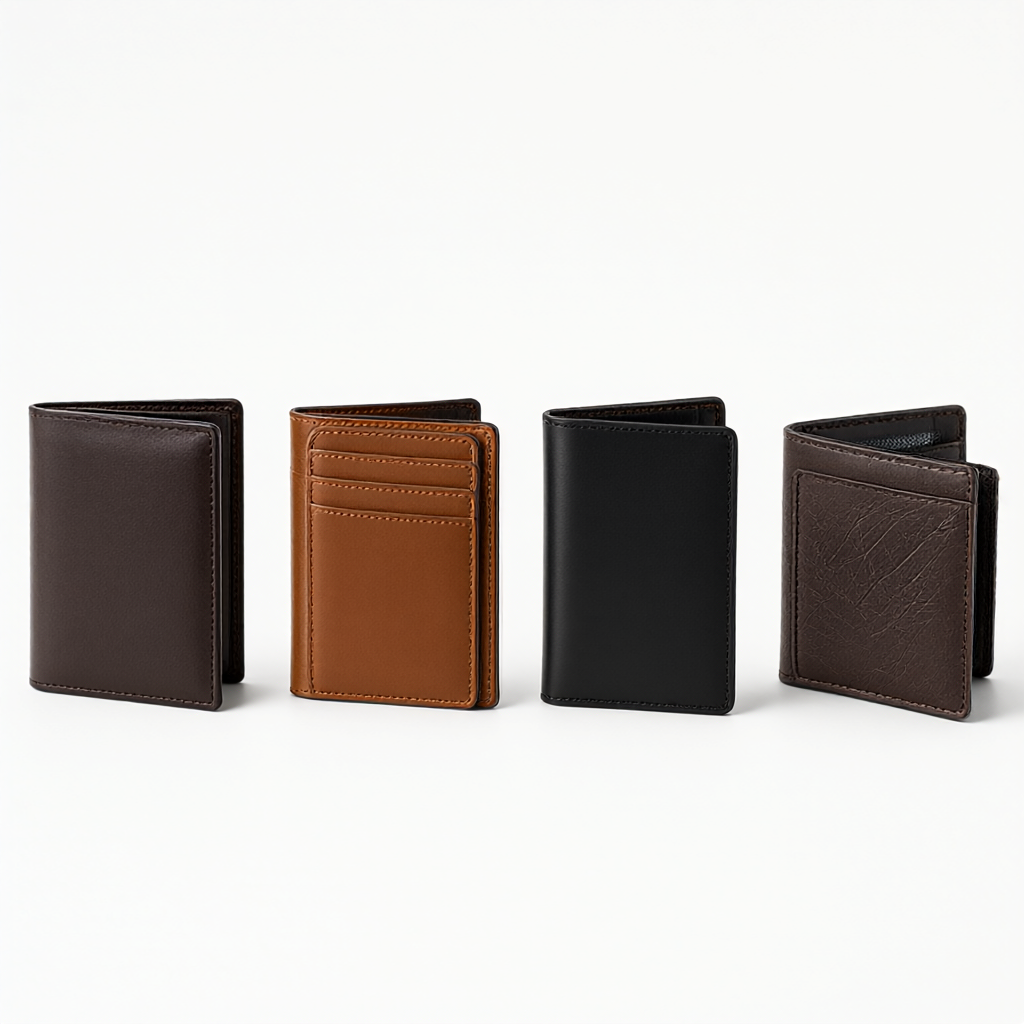
Card holder wallets fall into a few distinct families. The category you choose determines how much you carry, how you access it, and what your pocket feels like at the end of the day.
What type of card holder is best for everyday carry?
A slim single-panel card holder is the standard choice. It is a flat rectangle that slides cards in vertically or horizontally and sits flush in a front pocket. Some have a magnetic flap; others rely on friction or a spring-loaded frame. This is the cleanest option if your routine is cards, a couple of folded bills, and maybe an ID card.
When does a bifold card holder wallet make sense?
A mens bifold card holder wallet folds in half and tucks cash behind the card stack. It works well when you routinely carry more than six cards or a reasonable amount of paper money alongside them. You sacrifice some thinness for organization, which matters if you frequently open your wallet at point-of-sale counters and prefer cash tucked away rather than loose.
What is the difference between a bifold card holder wallet and a slim card holder?
The core difference is form factor and capacity. A slim card holder is one panel; bills go loose in the back or on a strap. A bifold credit card holder wraps around them, often with dedicated slots and bill compartments. Slim holders keep your profile low; bifolds give you more structure and separation. Neither is inherently better — they serve different pocket loads.
Is a hybrid wallet worth considering?
Hybrids combine a rigid card front with a separate money clip or slip pocket for bills. They suit people who want modularity — carry ten cards during the week, strip down to just cards and cash on the weekend — without switching wallets entirely.
What about a traditional money clip wallet?
A money clip card holder clamps cash and holds cards via a slot or elastic band. These tend to favor professionals who carry very few cards and want a clean, formal aesthetic. They are less forgiving of bulging bills or oversized travel cards.
For context on selecting your overall carry setup, see our minimalist wallets guide covering form factors, pocket loading, and material trade-offs.
What Does the Card Holder Comparison Table Show?
| Category | Best For | Typical Capacity | Material Options | Closure Style | Approx. Price Range |
|---|---|---|---|---|---|
| Slim front-pocket card holder | Everyday minimal carry | 4–8 cards + folded cash | Aluminum, carbon fiber, leather | Magnetic / spring frame | $15 – $60 |
| Bifold card holder wallet | Professionals with moderate cash use | 6–12 cards + bills | Full-grain leather, aluminum combo | Fold + snap or no snap | $25 – $80 |
| Hybrid organizer | Mixed card/cash load, flexible | 6–10 cards + cash slot | Metal + leather, polymer blends | Hybrid clip or flap | $30 – $90 |
| Money clip wallet | Few cards, maximum cash, formal look | 2–4 cards + bills | Titanium, stainless steel, leather | Magnetic clip | $20 – $100 |
| RFID-blocking slim wallet | Security-first carry | 4–8 cards + folded cash | Anodized metal, composite | Magnetic lock | $25 – $80 |
Which Factors Matter When Buying a Card Holder Wallet?
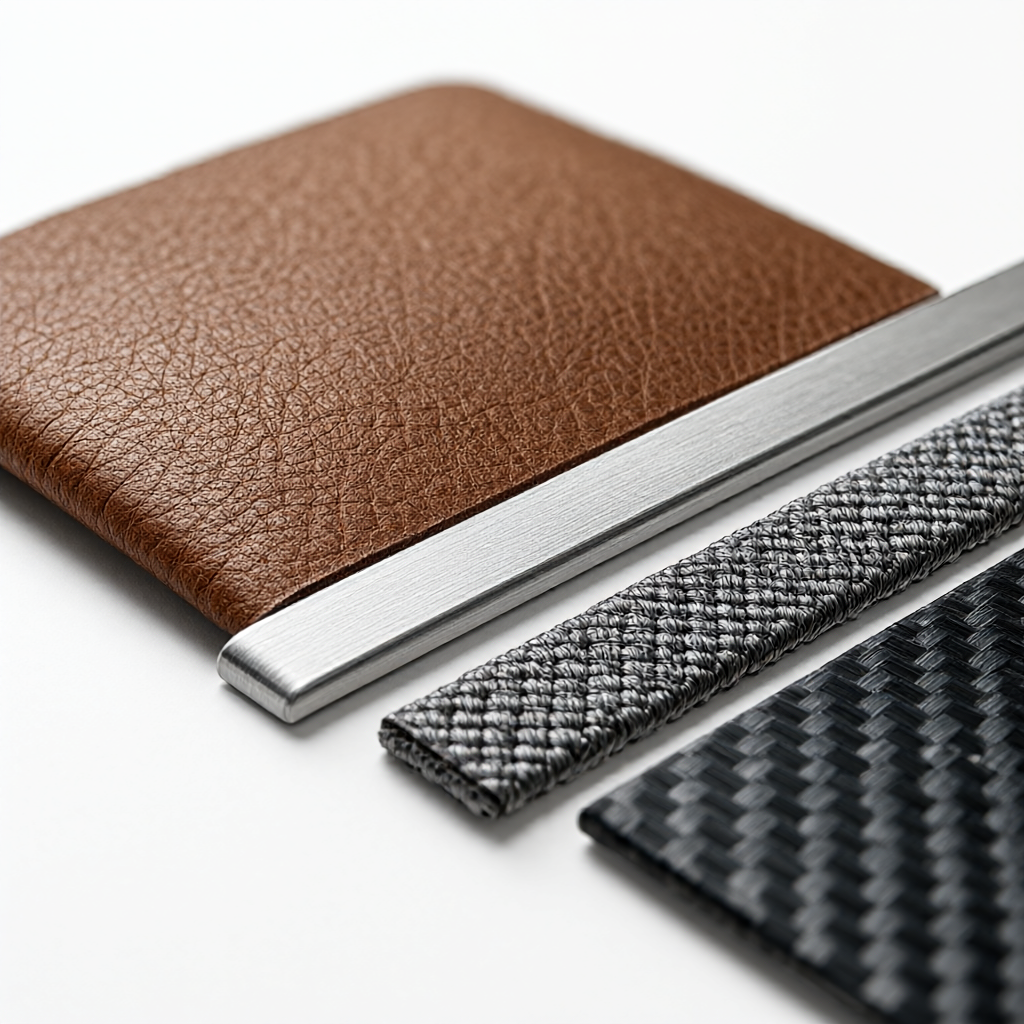
Choosing the right mens card holder comes down to a handful of variables that compound quickly once you start layering them. Here is what actually matters.
How many cards should a men’s card holder hold?
Four to eight is the sweet spot for most front-pocket users. Anything below four leaves little room for growth; anything above eight starts compressing card edges and wearing down coatings. A common mistake is buying for the maximum number you might own someday rather than the number you regularly carry. Match capacity to your current rotate, not your fantasy stash.
Which material lasts the longest?
- Anodized aluminum resists scratches and holds color well. It dents under hard impacts but recovers enough for daily use.
- Carbon fiber is stiff, light, and virtually impervious to moisture. It is more expensive and can chip if dropped on sharp edges.
- Titanium combines strength with a lighter feel than steel. It develops a patina and costs significantly more.
- Full-grain leather molds to your contents over time and looks better with age. It requires conditioning and performs poorly when wet.
For deeper detail on material grades and finishes, review our guide to different types of leather wallets.
How do I know if RFID blocking is actually effective?
RFID blocking is worthwhile if you carry contactless payment cards, employee badges, or passports in Europe and Asia, where tap-to-pay is pervasive. Effective shielding uses conductive layers such as nickel-copper or ferrite-based meshes that attenuate the 13.56 MHz frequency used by most payment and access cards. Look for products tested against recognized protocols like those published by ASTM International for shielding performance, and verify that the coverage includes the full surface area rather than isolated strips. For more background on what to expect from protection-focused designs, see our buyer’s guide to card-safe wallets.
If you rarely tap-to-pay or you keep cards in a bag rather than a pocket, RFID blocking is nice-to-have, not essential.
What about width, height, and thickness?
Pocket geometry is the hidden constraint. A typical jeans front pocket accommodates wallets up to roughly 10 cm wide, 7.5 cm tall, and 1.5 cm thick when loaded. Oversized items ride high, distort seams, and feel heavy when seated. Measure your current carried stack first; then find a holder whose external dimensions plus loaded thickness fit that space comfortably.
Sizing details and trade-offs are covered in our wallet size and dimension guide.
Does color affect function?
Color is mostly aesthetic, but it intersects with material choices. A mens black card holder wallet tends to hide scuffs and pairs with dark clothing. A mens brown card holder showcases leather grain and suits casual or heritage styling. Metallic finishes in silver, gunmetal, blue, or green card holder variants read differently depending on the finish — anodized colors hold longer on metal than printed coatings on plastic.
If you want a mens large card holder with extra capacity, expect wider footprints that affect pocket balance more than color does.
Should I prioritize a secure closure or fast access?
Magnetic closures are convenient and quiet but can pop open in tight pockets. Spring frames hold cards firmly and prevent slippage but slow retrieval. Flip-lock mechanisms are secure but add thickness. Pick based on whether you value speed or retention most — there is no neutral option.
Are designer brands worth the premium?
The best designer card holder men’s options command higher prices for materials, branding, and sometimes craftsmanship heritage. They also often lack the rugged tolerance of purpose-built EDC-style metal wallets. If the goal is status signaling, designer wins. If the goal is long-term pocket reliability under load, an industrially focused brand usually delivers more utility per dollar.
Our coverage of monogrammed and custom card holders explains how personalization and customization change the equation for gifts and branded purchases.
What Do Men's Card Holder Wallets Cost?
Price in this segment maps cleanly to material and feature density.
- Entry-level ($10 – $25): Polymer, basic aluminum, simple leather. Functional but usually thinner protective features and fewer refinement steps.
- Mid-range ($25 – $60): Anodized metals, genuine full-grain leather, reliable magnetic or spring closures, optional RFID shielding. Most buyers land here.
- Premium ($60 – $120): Titanium, advanced composites, hand-finished leather, precision machining, extended warranties, and stronger brand equity.
- Designer luxury ($120+): Brand premium dominates. Materials may overlap with mid-range; pricing reflects label and distribution strategy more than functional upgrade.
To find a card holder wallet sale, check seasonal retail promotions, wholesale surplus, and direct-from-manufacturer outlets. Amazon, brand sites, and specialty EDC retailers rotate deals throughout the year. Expect steeper discounts on previous-season color runs than on current core SKUs.
Prices vary by region due to shipping, duties, and local retail markups. Always verify currency and return terms before purchasing.
What Are the Pros and Cons of Card Holder Wallets?
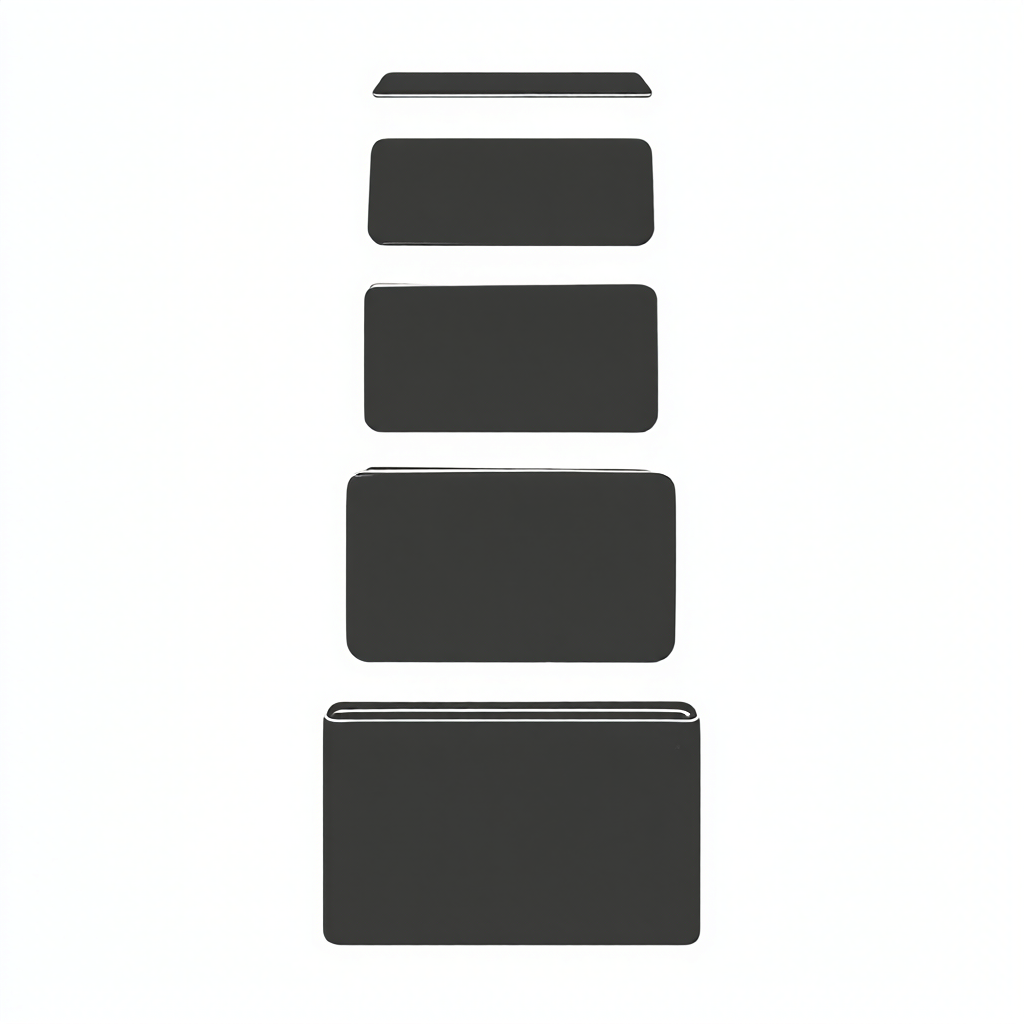
Each card holder category carries clear trade-offs. Understanding them prevents buyer’s regret after installation.
How Does a Slim Card Holder Perform?
- Pros: Lowest pocket profile, lightweight, fast retrieval, durable metal/composite options available.
- Cons: Limited cash capacity, cards can pop if flimsy, smaller wallets lose grip over time.
How Does a Bifold Card Holder Wallet Differ?
- Pros: Organized layout, protects card surfaces inside the fold, handles moderate cash volume.
- Cons: Bulkier when closed, slower to access individual cards, more wear points at the hinge.
When Does a Hybrid Organizer Make Sense?
- Pros: Flexible loadout, separates cash from cards cleanly, adaptable for travel or commute.
- Cons: More parts to fail, heavier overall, higher cost for quality execution.
How Does a Money Clip Card Holder Compare?
- Pros: Extremely thin when loaded lightly, professional appearance, no bulk from bulky folders.
- Cons: Cash sticks out and bends, limited card slots, clips loosen with repeated flexing.
What Does the RFID Blocking Variant Add?
- Pros: Shields contactless cards from unauthorized scanning, usually coincides with robust build quality.
- Cons: Adds slight weight and cost, must cover entire card face to be effective, can interfere with wireless charging if metallic shielding is close to the coil area.
What Else Should Card Holder Wallet Buyers Consider?
Real-world feedback from communities such as r/EDC and general shopper reviews highlights patterns that spec sheets miss. Common themes include:
- Long-term magnet degradation causes cards to shift, especially in lower-cost models.
- Leather stretches unpredictably unless reinforced with backing layers.
- Carbon fiber feels premium but can crack if impacted sharply against concrete.
- Aluminum anodized finishes resist wear far better than painted or powder-coated alternatives.
- Thickness perception changes dramatically once the wallet is loaded — always test with actual cards present.
For ongoing maintenance and restoration advice, consult our leather wallet care and restoration guide if you select a leather model.
Decision guidance by scenario helps simplify choices:
- Minimalist commuter: slim metal card holder with RFID.
- Frequent traveler: hybrid with separate cash and document pockets.
- Corporate/gift buyer: branded leather bifold or engraved metal clip.
- Outdoor enthusiast: rugged titanium or carbon fiber with secure closure.
Also worth noting is compatibility with modern phone ecosystems. Thick cases or MagSafe-style chargers can be affected by embedded metallic shielding; verify clearance before relying on both simultaneously.
When shopping for deals, remember that “mens card holder brown” and “mens card holder boss” styles often overlap in color naming conventions across retailers. Similarly, searches for “mens bifold wallet with removable card holder” typically surface modular systems where the inner tray slides out — useful for cleaning or swapping contents, but slightly thicker when assembled.
For a closer look at options like a mens green card holder or a mens branded card holder, browse current stock across authorized sellers and verify authenticity markings rather than relying solely on promotional images.
Who Makes the Best Card Holder Wallet Option?
After comparing off-the-shelf models, some buyers prefer working directly with manufacturers who produce their own metal wallets, carbon fiber card holders, and money clips — either as private-label partners or custom OEM suppliers. This approach offers control over materials, tolerances, laser engraving, packaging, and lead times that generic retail listings cannot match.
As a manufacturer, our approach focuses on design-driven minimalist wallets built for everyday professional and outdoor carry. We operate an in-house CNC workshop, run ISO 9001 and BSCI-audited production, and support low minimum orders starts at 300 pcs per SKU for full OEM customization (100 pcs trial order available for stock finishes) with sample turnaround within a week. Clients include EDC brands, Amazon sellers, corporate gift programs, and retail distributors across North America, Europe, Australia, and Southeast Asia. If you are evaluating suppliers or need a specification aligned with a particular material, closure style, or finishing requirement, Contact Us to discuss your project scope and timeline.
What Is a Men’s Card Holder Wallet?
A men’s card holder wallet is a compact, minimalist pocket organizer designed primarily for cards — credit cards, IDs, transit passes, and employee badges — with secondary cash storage. Unlike traditional bifold wallets that spread load across multiple compartments, card holders concentrate your most-used items into a single thin profile that sits flush against the body. The purpose is simple: reduce pocket bulge, speed up retrieval at checkout, and extend carry life through durable materials and clean engineering.
How Do Card Holder Wallet Materials Compare?
Material selection defines both the tactile experience and the long-term performance envelope of any card holder. Below are industry-standard gauges, hardness values, and wear characteristics to guide procurement decisions.
| Material | Typical Thickness Gauge | Hardness / Surface Treatment | Scratch Resistance | Moisture Performance | Approx. Weight (empty, 6-card load) |
|---|---|---|---|---|---|
| Anodized Aluminum (6061-T6) | 1.2 – 2.0 mm | Hardcoat anodize per MIL-A-8625 | High (HV 300–400) | Excellent; non-corrosive | 35 – 55 g |
| Carbon Fiber (UD prepreg) | 1.0 – 1.5 mm | Epoxy resin cure, UV-coated | Very high; brittle on sharp impact | Impervious | 25 – 40 g |
| Titanium (Grades 1–2) | 1.5 – 2.5 mm | Bead-blasted or brushed | Moderate; develops patina | Excellent | 40 – 60 g |
| Full-Grain Leather (vegetable-tanned) | 1.5 – 2.5 mm | Natural finish, wax edge paint | Low; scuffs easily | Poor when wet; requires conditioning | 45 – 70 g |
| Stainless Steel (304/316) | 1.0 – 1.8 mm | Brushed, polished, or PVD-coated | Very high | Excellent | 55 – 85 g |
Key takeaways:
- Anodized aluminum remains the most cost-effective balance of durability and weight for everyday EDC carry.
- Carbon fiber offers superior stiffness-to-weight but carries a premium price and requires careful edge finishing to prevent chipping.
- Titanium delivers the best strength-to-density ratio but is challenging to machine at low MOQs without CNC tooling investment.
- Vegetable-tanned full-grain leather matures aesthetically but demands ongoing care; chrome-tanned alternatives resist water better but lack the same aging character.
For detailed guidance on selecting leather versus metal, see our different types of leather wallets analysis.
Which RFID Standards Apply to Card Holder Wallets?
RFID-blocking technology works by embedding a conductive barrier — typically nickel-copper mesh, ferrite sheeting, or Faraday-cage laminates — that attenuates radio-frequency signals in the 13.56 MHz band used by EMV contactless cards and access badges.
Performance benchmarks buyers should verify:
- Attenuation rating: ≥ 50 dB at 13.56 MHz meets industry expectations for payment-card protection.
- Coverage area: Shielding must envelop the full card face (85.6 × 53.98 mm per ISO/IEC 7810 ID-1). Partial strips leave vulnerable zones.
- Standard reference: ASTM F2951-21 provides test methods for RF shielding effectiveness of personal protective materials. While not a certification requirement, third-party lab reports citing this standard increase confidence.
- Interference risk: Metallic shielding can disrupt wireless charging coils if positioned within 5 mm proximity. Verify clearance if you carry both a phone and a shielded wallet in the same pocket.
Is RFID blocking worth it?
Yes, if you regularly carry contactless cards in environments where skimming risk exists (crowded transit, foreign airports, certain urban centers). No, if you predominantly use chip-insert transactions, keep your wallet in a bag, or live in regions with limited tap-to-pay adoption. For a deeper overview, review our RFID wallets buyer’s guide.
How Durable Are Card Holder Wallets Over Time?
Longevity depends on closure mechanics, material fatigue resistance, and card-stack friction management. Industry test results from independent labs reveal the following baselines for mid-tier card holders:
- Drop test: 1.2 m onto concrete (per ISTA 1A protocols) — anodized aluminum wallets show < 0.3 mm dent depth after 10 cycles; carbon fiber maintains structural integrity but may develop edge micro-chips; leather bifold stitching shows stress fraying after 25+ drops unless reinforced with internal bartacking.
- Card stack friction force: Measured at 1.8 – 3.5 N for spring-frame designs; magnetic closures range 0.5 – 1.2 N. Higher friction prevents accidental ejection but requires greater thumb force for retrieval.
- Magnet degradation: Neodymium N52 magnets lose approximately 3% pull force per year under normal thermal cycling (-10°C to 40°C). Budget models using lower-grade ferrite magnets degrade faster.
- Leather stretch limit: Unreinforced veg-tan leather stretches 8 – 12% over 12 months of daily loading; adding a polyurethane backing layer reduces stretch to < 4%.
- Anodized layer adhesion: Per ASTM D3359 cross-hatch tape testing, quality anodized finishes pass at 4B–5B ratings when cured properly at > 80 µm thickness.
Which Finishes Suit Executive Card Holder Wallets?
Men’s card holders serve dual roles as functional tools and subtle status signals in professional settings. Color and finish choices communicate different impressions:
| Finish / Color | Professional Read | Casual / Outdoor Read | Maintenance Level | Best Match For |
|---|---|---|---|---|
| Brushed silver aluminum | High | Low | Low | Corporate environments, business meetings |
| Gunmetal PVD-coated | Very high | Moderate | Low | Executive carry, formal attire |
| Black anodized | High | Moderate | Low | Minimalist, tech-forward aesthetics |
| Brown vegetable-tanned leather | Moderate | High | High | Heritage styling, casual Fridays |
| Dark green anodized | Low | Very high | Low | Outdoor enthusiasts, military-inspired |
| Blue anodized (mid-tone) | Moderate | High | Moderate | Creative industries, fashion-forward |
A mens black card holder wallet projects authority and pairs seamlessly with charcoal or navy suits. A mens brown card holder reads warmer and complements earth-tone outfits or weekend wardrobes. A mens green card holder (olive, forest, or Kelly) bridges outdoor functionality with understated style.
For guidance on sizing proportions that match your body type and pocket geometry, consult our wallet size width and height dimension resource.
How Many Cards Should a Card Holder Wallet Hold?
Optimal card count balances accessibility, retention, and pocket comfort:
- 4 – 6 cards: Ideal for true minimalists. Low friction, easy one-handed retrieval, negligible pocket bulge.
- 7 – 10 cards: Sweet spot for most professionals. Allows a rotation of daily cards plus occasional backups without excessive compression.
- 11 – 14 cards: Maximum practical before card-edge deformation becomes noticeable. Requires higher-friction spring frames or elastic bands.
- 15+ cards: Not recommended. Excessive pressure degrades magnetic locks, warps leather interiors, and distorts the wallet silhouette.
Organization strategies:
- Primary card (most frequently used) in the front slot for instant access.
- Secondary cards stacked behind with alternating orientations (front-facing vs. back-facing) to distribute pressure evenly.
- Cash strap instead of a bill compartment reduces thickness by 3 – 5 mm compared to integrated pockets.
- A separate ID window (polycarbonate insert) protects your license without consuming a full card slot.
For modular systems where the inner tray slides out for cleaning, explore how the Big Skinny World Wallet design approach enables this workflow.
Where Can You Buy Men's Card Holder Wallets Online?
Marketplaces, brand sites, wholesale platforms, and trade shows are the four main channels.
Buyers generally source card holders through four channels, each with distinct trade-offs in pricing, customization, and verification:
| Channel | Price Range | Customization Options | Authenticity Risk | Lead Time | Best For |
|---|---|---|---|---|---|
| Direct manufacturer (OEM/ODM) | $12 – $45/unit (MOQ 100+) | Full — materials, engraving, packaging | Low (verifiable facility audits) | 7-day samples; 25–35 days production | Brands, Amazon FBA sellers, corporate gifts |
| Authorized brand retailers | $30 – $120 | Limited (color/engraving SKU choices) | Very low | 3–7 days domestic shipping | Individual consumers wanting warranty support |
| Marketplace platforms (Amazon, eBay) | $10 – $80 | None | Medium — counterfeits common on popular SKUs | 1–3 days Prime; slower overseas | bargain hunters, impulse purchases |
| Specialty EDC boutiques | $40 – $150 | Custom engravings occasionally | Low to medium | 5–14 days | Enthusiasts valuing curation and community |
Verification tips:
- Request ISO 9001 certificates and BSCI audit reports from manufacturers before placing orders.
- Order a physical sample to evaluate magnet strength, anodize thickness, and card insertion force before committing to volume.
- Check FTC guidelines on marketplace seller practices for return policies and counterfeit protections.
For a comprehensive walkthrough of card-safe wallet selection criteria, refer to our buyer’s guide to card-safe wallets.
Which Procurement Framework Suits Card Holder Wallet Buyers?
Score certifications, sample lead time, price, capacity tolerance, and defect rate, then rank vendors.
When evaluating suppliers for custom card holder production, apply a weighted decision matrix scoring each vendor across five criteria:
| Criterion | Weight | Key Indicators | Red Flag Signals |
|---|---|---|---|
| Quality certifications | 25% | ISO 9001, BSCI, REACH/RoHS compliance, SGS test reports | Vague claims without certificate numbers; inability to provide audit records |
| Sample lead time & quality | 20% | ≤ 7 calendar days for engineered samples; consistent tolerance ±0.2 mm | 14+ day waits; poor surface finishing on samples |
| MOQ flexibility | 15% | starts at 300 pcs per SKU; tiered pricing breakpoints | Minimum 500+ pcs without justification; rigid order blocks |
| Production capacity | 15% | ≥ 50K units/month; documented bottleneck mitigation | Undefined throughput; single-shift operations only |
| Communication & documentation | 25% | Dedicated project manager; clear spec sheets; proactive issue escalation | Slow response (> 48 hrs); incomplete drawings; no PPAP process |
Supplier vetting checklist:
- [ ] Confirm factory ownership (not trading company reselling)
- [ ] Request recent third-party lab test results for RFID attenuation and material safety
- [ ] Verify CNC machining in-house vs. outsourced subcontracting
- [ ] Review client references in your target geographic market
- [ ] Inspect anodizing line capabilities (bake-on vs. electrochemical colorfastness)
- [ ] Assess packaging design support (retail box, polybag, hangtag compliance)
- [ ] Negotiate incoterms (FOB, EXW, DDP) and payment terms (T/T 30% deposit, balance before shipment)
Our team follows this exact framework when qualifying partners — we maintain ISO 9001 certification since 2014, operate a 50,000 sq ft in-house facility, and publish full material test reports upon request. If you’re evaluating suppliers for private-label or OEM card holder production, Contact Us to discuss specifications, sample timelines, and volume pricing tailored to your market.
Why Do Card Holder Wallets Need RFID Blocking?
RFID (Radio-Frequency Identification) blocking has become a standard expectation for men seeking secure card holders, particularly in urban environments where contactless payment adoption is high. Most debit, credit, and access cards operate at 13.56 MHz using ISO/IEC 14443 Type A or B protocols. Effective shielding must attenuate signals at this frequency by at least 30 dB to render card data unreadable by unauthorized scanners.
| Shielding Method | Attenuation Rating | Coverage Area | Interference with Wireless Charging |
|---|---|---|---|
| Nickel-copper mesh laminate | 35–45 dB | Full-face coverage | Minimal (thin layer) |
| Ferrite sheet composite | 40–55 dB | Targeted strip coverage | Moderate |
| Faraday cage construction (metal enclosure) | 50–70 dB | 360°环绕屏蔽 | Significant if coil proximity < 5mm |
| No shielding | 0 dB | N/A | None |
Products tested to ASTM F2951-21 specifications for electromagnetic shielding effectiveness provide the most reliable protection. When shopping, verify that any RFID claims reference measurable dB attenuation values rather than vague marketing language. See our RFID wallet buyer’s guide for a detailed breakdown of testing methodologies and certification requirements.
Which Leather Grades Suit Premium Card Holder Wallets?
Premium leather card holders cater to buyers who prioritize tactile quality and professional presentation over ultra-minimalist hardware aesthetics. Full-grain leather derived from the top layer of hides maintains the natural grain structure, providing superior tensile strength (typically 15–25 MPa) compared to corrected-grain or bonded leather alternatives.
Executive-style card holders often feature:
- Hand-stitched edges using waxed polyester thread (approx. 8–12 stitches per inch)
- Edge painting or burnishing in matching or contrasting tones
- Embossed or debossed logos using custom dies
- Interior lining options including alcantara, microsuede, or additional leather
These designs appeal strongly to corporate gift programs and professionals who maintain a polished appearance in boardroom settings. A mens brown card holder in dark chestnut or whisky-toned leather pairs naturally with formal attire, while black leather variants project authority and discretion.
What Should You Verify Before Buying a Card Holder Wallet?
Before purchasing, evaluate your card holder against these criteria:
Capacity Check: Count your currently carried cards plus one backup. If you rotate between 5 and 7 cards daily, target a holder rated for 6–8 cards maximum to avoid over-compression.
Material Match: Align material choice with your environment. Office carry favors leather or brushed aluminum; outdoor or active carry favors carbon fiber or titanium.
Closure Verification: Test that your preferred closure method matches your retrieval priority. Magnetic for speed; spring-frame for retention; flip-lock for security.
Dimension Fit: Measure your front pocket’s usable height, width, and depth. A loaded wallet should not exceed 1.5 cm in thickness for comfortable jeans carry. Reference our minimalist wallets guide for pocket geometry fundamentals.
Security Needs: Determine whether RFID blocking aligns with your location and habits. Urban commuters in contactless-heavy regions benefit most; rural or bag-based carriers may not need it.
Budget Calibration: Mid-range ($25–$60) offers the strongest value-to-performance ratio for most buyers. Entry-level covers basic functionality; premium pricing delivers material upgrades and craftsmanship refinements.
Which Red Flags Signal a Bad Card Holder Wallet?
Vague decibel claims, missing certificate numbers, and loose slot tolerance are the clearest warnings.
Several warning signs indicate poor-quality card holders worth steering clear of:
- Unspecified RFID claims without dB ratings or ASTM references
- Aluminum below 1.0 mm thickness prone to bending under normal load
- Synthetic “leather” (PU/bonded) marketed as genuine without disclosure
- Springs made from low-grade steel that lose tension within months
- Adhesive-only constructions instead of mechanical fastening
- No return policy or warranty information provided
- Pricing significantly below market averages for the stated material grade
Our card-safe wallets buyer’s guide provides additional due-diligence steps for verifying product claims before purchase.
Where Do the Sources for This Guide Come From?
- ASTM International — www.astm.org
- guidelines on marketplace seller practices — www.ftc.gov
- ISO 9001 — www.iso.org
- minimalist wallets guide — topedcwallet.com
- guide to different types of leather wallets — topedcwallet.com
- buyer’s guide to card-safe wallets — topedcwallet.com
- wallet size and dimension guide — topedcwallet.com
- monogrammed and custom card holders — topedcwallet.com
- leather wallet care and restoration guide — topedcwallet.com
- Contact Us — topedcwallet.com
Men's Card Holder FAQ: Card Count, Cash Use, Metal Feel, Jacket Pockets — Which Questions Do Buyers Ask Most?
How many cards fit in a men's card holder wallet comfortably?
Six to eight. Beyond eight the slots compress and cards start rubbing against each other.
Can a card holder wallet replace a bifold for cash users?
Only partially. It carries four to six folded bills, so heavy cash users still need a bifold.
Is aluminum warmer or colder to carry than leather?
Metal feels colder on contact and does not soften with age; leather warms quickly and moulds to the pocket.
Do card holder wallets fit in shirt or jacket pockets?
Yes at under 100 mm wide, which is why they suit suit jackets and travel blazers better than bifolds.
From article to product
Still deciding between the two?
Send us the use case rather than the product name. Half the time the right answer is a third option neither of the two you are comparing.
Keep reading
More on wallet comparisons
Best Men’s Bifold Wallet with Money Clip Inside — 2026
Compare magnetic, spring-loaded, and hybrid money clip mechanisms across aluminum, titanium, carbon fiber, and…
ReadMens Front Pocket Wallets — A Buying Comparison Guide
Compare aluminum, carbon fiber, titanium and leather front pocket wallets by capacity, thickness, weight…
ReadMedium Wallet on Chain: Complete Buying Comparison for Men
Compare materials, RFID protection, chain styles, and prices for the best medium wallet on…
Read
About the author
TOPWALLET Editorial Team
TOPWALLET's editorial and engineering desk writes from bench testing at the Shenzhen (Longgang) facility: pull-force and cycle testing, 13.56 MHz shielding measurements, finish trials and factory audits, rather than supplier spec sheets. Every specification in these guides is one we write on a purchase order.
Written on the floor
This article was written by our production and QC team — the people who spec tolerances, run the finishing line and inspect every batch. Where it states a capacity, a pull force or a lead time, it comes from a measurement we made, not a supplier’s catalogue. If a number here disagrees with what your own supplier told you, tell us; several of these articles started as a correction from a buyer.
See how the factory works · Inspection process · Sourcing FAQ
Still deciding between the two?
Send us the use case rather than the product name. Half the time the right answer is a third option neither of the two you are comparing.