

Quick Answer
If you lose your wallet on a bus, act immediately: return to the bus or stop while you still can, check the seat and floor yourself, then contact the transit operator’s lost-and-found within the first hour. Call your bank and credit card issuers to freeze accounts, place fraud alerts on your cards, and file a report with your local transit authority. Most lost wallets on city buses are turned into the operator’s central lost-and-found desk, but recovery slows dramatically after 24 hours. Your first priority is stopping financial damage; your second is filing the transit report and checking back daily.
Detailed Explanation
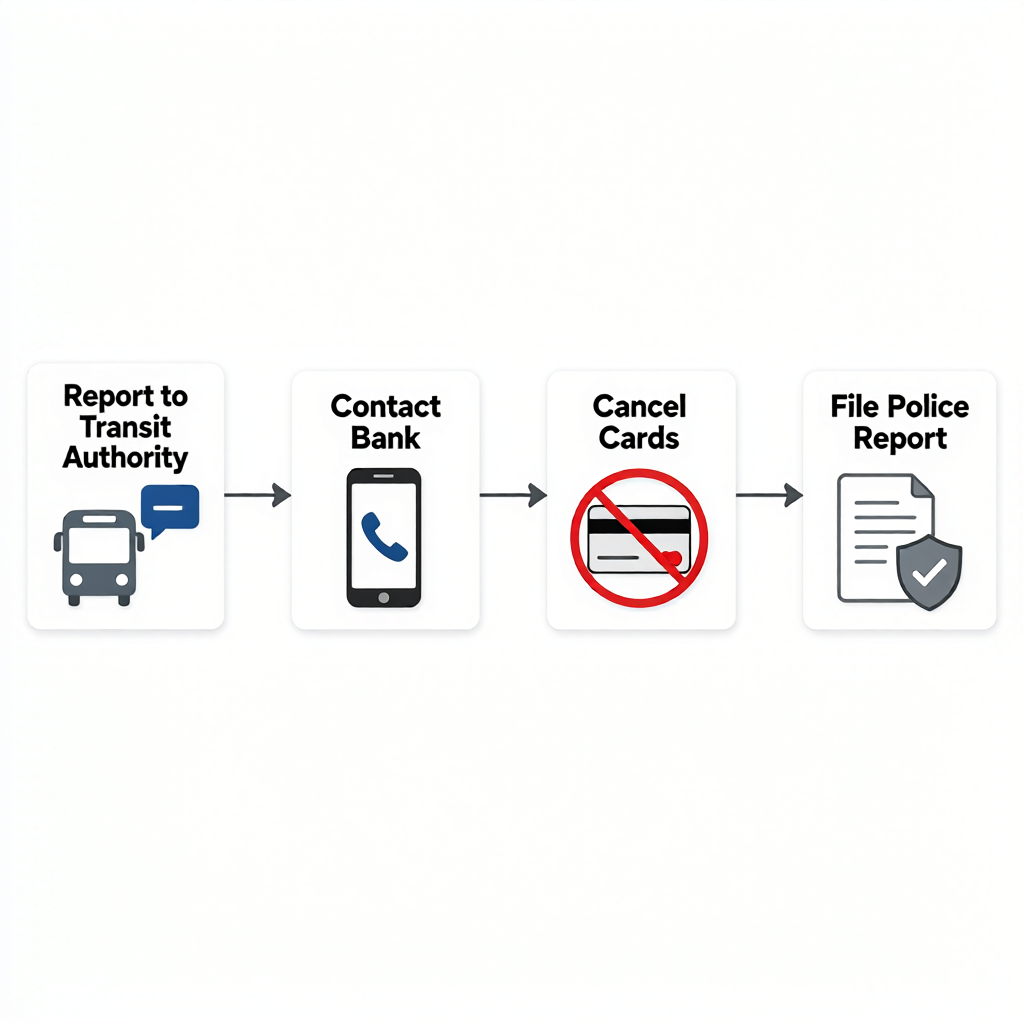
What should I do if I think I lost my wallet on the bus?
Panic makes people skip steps. Follow this order instead, because each action blocks a different risk.
Minutes 0–15: Secure the scene. If you just realized your wallet is gone, stay calm and retrace your recent movements. Do you remember sitting by the window or near the driver? Which stop did you get off at? Pull up the route map or GPS history from your phone if it is separate from the wallet. Knowing your exact stop and time is critical when you call transit lost-and-found, because operators track items by route and run, not by individual seats alone.
Minutes 15–30: Return if possible. A lost wallet often stays exactly where it fell until the next fare inspector or cleaner bags it up. If your phone is still with you, call ahead to the transit dispatch desk using the number posted on the bus shelter or on the agency website. Tell them the route, direction, approximate time, and where you believe you sat. Then physically go back to that stop or the nearest transfer point. Ask the station attendant or bus operator if they have already collected anything. If your phone is also missing, do not wait—skip ahead to calling banks immediately.
Minutes 30–60: Block financial access. Even if you think you might find the wallet soon, assume the worst. Call your primary bank first, then every credit card issuer. Use their mobile apps to lock the cards—that is faster than waiting on hold. Report each card as lost. The Federal Trade Commission (ftc.gov) recommends treating a lost wallet containing cards the same way you would treat identity theft for the short term: move quickly to block, then follow up with formal disputes if charges appear. Place a fraud alert with the major credit bureaus. This step alone prevents most downstream damage.
Hours 1–24: File written reports. Call the transit operator’s lost-and-found and confirm your verbal report got logged. Ask for a claim number. Then file a police report at your local precinct or online, especially if your wallet contained government IDs, cash, and multiple payment cards. Some cities require a police report before replacing a driver’s license. Keep every confirmation number, email receipt, and case ID in one place. Check your email and voicemail twice daily—the transit authority may find the wallet hours after your report.
Days 2–7: Follow up systematically. Transit lost-and-found departments receive dozens of unclaimed items weekly. If you have not heard back by day three, call again and reference your claim number. Ask specifically whether the item was found, logged into the system, and held. If the wallet was never turned in, ask about the retention period—some agencies keep items for 30 days, others destroy unclaimed property after two weeks. Your persistence pays off more often than people expect.
Where exactly should I look for my wallet after getting off the bus?
The geometry of a bus seat matters more than most riders realize. Wallets tend to slide behind seats, tumble under seats, or catch on seat hinges during boarding and alighting.
Check these locations in order:
- Your own lap and jacket pockets. You may have simply shifted the wallet to an outside pocket without noticing.
- The seat gap between your seat and the adjacent seat. Slide your hand along the horizontal seam and downward toward the floor pan. Wallets frequently wedge themselves there.
- Under the seat directly in front of and behind you. Look down at the floor, both near the wall and near the aisle.
- The floor area around the fare box and driver partition. If you paid cash and set the wallet down, it could be sitting upright against the plastic shield or slid under the dashboard.
- The rear exit step well. When you pushed through the door, the wallet may have dropped from a pocket. Inspect the lip of the rear stair step.
- Lost-and-found desk at the terminal or depot. Every major transit system has a physical counter. Bring photo ID and your vehicle registration if applicable—operators use these to verify ownership before returning contents.
If you cannot physically return to the bus, focus entirely on the transit operator’s lost-and-found channel. Seat-level searches have negligible value once the bus has completed its turn and been cleaned.
How does the Wells Fargo lost-wallet procedure work?
Wells Fargo treats a lost debit or credit card the same regardless of where you lost it, but a lost wallet adds the complication of multiple cards under one account umbrella. Here is how their process works and what you should expect.
Lock the card instantly. Open the Wells Fargo Mobile app, sign in, and toggle “Card Lock” for each affected card. This takes roughly 30 seconds and blocks unauthorized purchases immediately. You do not need to call first.
Call customer service if you cannot log in. Dial the number on the back of your card—if the card is gone, use the general customer service line for lost or stolen cards. Verify your identity using your Social Security number, date of birth, or other account authentication methods. Request temporary suspension followed by permanent cancellation and replacement cards mailed to your address on file.
Review transaction history. Within the app, pull the last seven days of activity. Flag any charge you do not recognize and dispute it through the app or by phone. Wells Fargo typically resolves unauthorized-card disputes within five business days for the provisional credit portion, though the full investigation can take up to 60 days depending on circumstances.
Watch for secondary exposure. A lost wallet contains more than just bank cards. If you had a Wells Fargo ATM card, debit card, and a credit card all together, treat each product category separately. Debit cards carry higher immediate risk because they draw directly from your checking balance. Prioritize those.
What should I do if I lost my wallet during a hotel check-in?
Hotel front desks operate very differently from transit operators. They do not share a centralized database across properties, but individual hotels often have robust internal lost-and-found procedures.
Return to the hotel immediately. Call the front desk from your phone and describe the wallet’s appearance, color, brand, and any distinguishing marks. Hotels track items by room number, date of check-out, and housekeeping shift. A housekeeper who finds a wallet usually logs it with the night auditor before handing it over to the general manager.
Request the security footage. Most hotels with camera systems covering lobbies and elevators will show you—or forward footage to law enforcement—if someone picked up your wallet and brought it to the desk. Be prepared to provide photo ID matching the name on the reservation.
If you cannot return physically, send a written request via email asking the hotel to open an internal inquiry. Name the check-out date, room number, and the approximate time you left the wallet. Include a copy of your driver’s license so they can match it to the ID inside the wallet if found. Hotels retain lost-item records for 90 days in most markets, which is longer than transit chains.
What are the steps for handling a lost wallet while flying?
Airports combine multiple loss environments: TSA checkpoints, boarding gates, restrooms, and overhead bins. Each has a distinct reporting pathway.
TSA checkpoint: If you left your wallet on the X-ray belt or in the tray, do not leave the airport without filing a report at the TSA help desk. TSA does not return lost items directly—you must pick them up in person at the checkpoint location within a short window. Ask the agent to photograph the item on camera before closing the ticket.
Airport lost-and-found: Each airport operates its own central lost-and-found office, usually located near the main terminal entrance or baggage claim. Bring government photo ID and your boarding pass. Airports are required to hold unclaimed property for extended periods, often 180 days or more, because a significant volume of recovered items turns out to belong to passengers on delayed or changed flights.
Gate area: If you suspect you left the wallet at a departure gate, call the airline’s guest services desk for that specific gate or concourse. Airlines maintain their own lost-and-found pipelines for each terminal, separate from the airport authority.
Digital payment shift: Many travelers now store transit passes, boarding passes, and even some forms of payment on phones. If your physical wallet is gone but your phone is intact, activate any contactless transit app or Apple Pay/Google Pay settings to minimize the damage. You still need to block traditional cards and replace IDs, but digital-only spending can cover immediate needs while you sort things out.
How do I replace a driver’s license after losing my wallet?
ID replacement timelines vary by state, but the sequence is nearly universal across U.S. jurisdictions.
Step one: Confirm the license is truly missing. Check your home, car, and bag one final time. Many people replace licenses unnecessarily because they misplace the original while searching.
Step two: Gather alternate identification. Before visiting the DMV, locate your Social Security card, birth certificate, passport, or utility bill in your name. Most states require at least two forms of identity proof for a replacement. If your passport is in the lost wallet, you will need to file a separate passport loss report with the State Department before the DMV will issue a replacement based on secondary documents.
Step three: File online if eligible. Several states allow free or low-cost driver’s license replacements through their motor vehicle websites. You will need your license number, date of birth, and possibly the last four digits of your SSN. If you cannot recall your license number, you can retrieve it through your state’s online lookup tool using your name and birth date.
Step four: Visit in person if required. Some states mandate an in-person visit for replacement, especially if your license has been expired beyond a certain window or if the record shows prior fraud flags. Expect to pay between $15 and $40 depending on the state. Processing is usually immediate—you walk out with a temporary paper license the same day.
Step five: Update linked accounts. Once you have your new license number, update it with your bank, employer benefits, insurance provider, and any professional licensing boards that require a current DL on file. A stalled DMV replacement creates a chain reaction across these systems.
Key Specifications
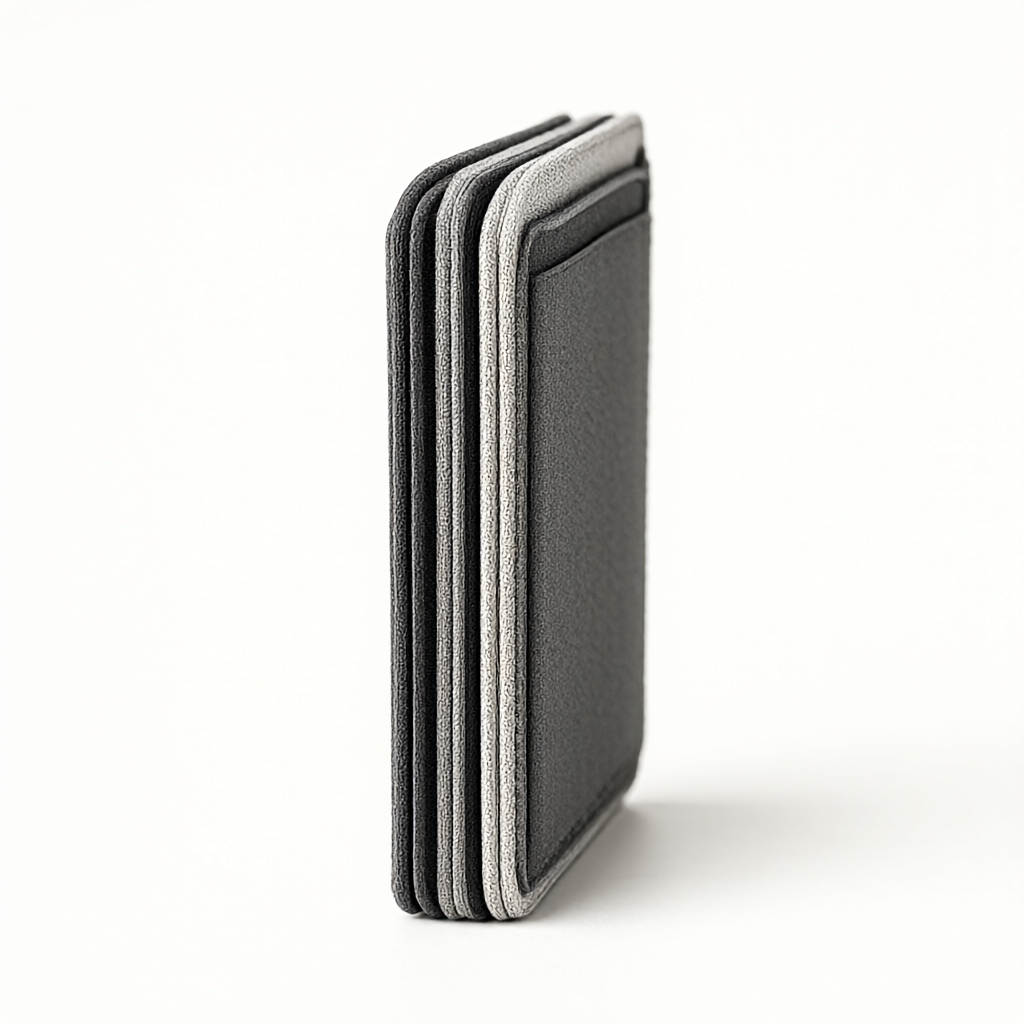
Recovery speed depends on several measurable factors that change your odds significantly.
- Transit agency response time: Major urban operators typically process lost-item inquiries within 1–3 business days. Rural or commuter rail systems may take 5–7 business days due to smaller staffs and lower item volumes.
- Item retention period: Most transit lost-and-found desks hold items for 30 to 90 days. Cash-only items sometimes get processed faster and transferred to municipal clerk offices. High-value items like leather wallets with IDs are retained longer.
- Credit card dispute window: Issuers generally offer zero-liability protection for unauthorized charges, but you must report the loss promptly. Delaying beyond 60 days from the statement date can void your protection under the Electronic Fund Transfer Act for debit cards.
- Fraud alert duration: An initial fraud alert lasts 90 days and is free. An extended fraud alert lasts seven years and requires a police report or FTC identity theft affidavit. For a simple lost-wallet scenario, the 90-day initial alert is sufficient.
- DMV processing time: Same-day replacement is available in most states when done in person. Online replacements, where offered, arrive by mail in 7–14 business days.
Standards & Requirements
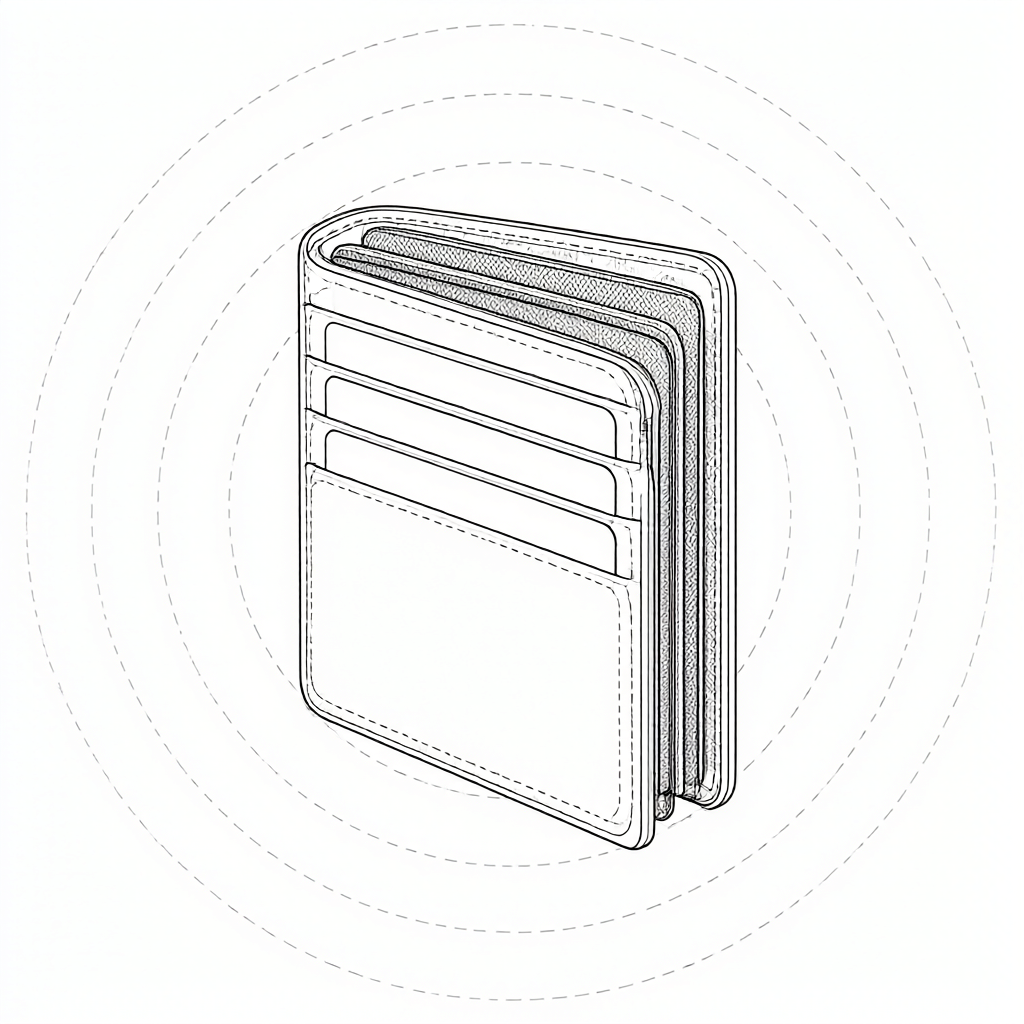
There are no federal standards governing what transit operators must do with a found wallet, but several regulatory frameworks shape your rights and responsibilities.
FTC guidelines on identity theft. The Federal Trade Commission provides the nationally recognized framework for responding to lost-wallet scenarios that contain government-issued ID. Their core recommendation is placing a fraud alert with credit bureaus and filing an identity theft report at IdentityTheft.gov if you suspect misuse.
State motor vehicle regulations. Driver’s license replacement is governed at the state level. Each state’s motor vehicle code specifies acceptable proof-of-identity documents, fees, and processing methods. Visit your state’s DMV or equivalent agency website for the exact checklist.
PCI-DSS and card network rules. Visa, Mastercard, American Express, and Discover all enforce zero-liability policies for unauthorized transactions reported promptly. The specific deadline differs slightly by network, but all require reporting within 60 days of the unauthorized charge appearing on your statement. Contact your issuing bank for the precise window applicable to your card.
Transit operator policies. Individual agencies set their own lost-and-found procedures under state public transportation statutes. Some cities codify minimum holding periods in municipal code; others leave it to agency discretion. Always request the written policy when you call lost-and-found so you know exactly how long to wait before escalating.
Related Considerations
What are common mistakes people make after losing a wallet on transit?
The first mistake is assuming the wallet is gone forever because you cannot see it on the bus. Cleaners and inspectors find wallets constantly, but they batch-process hundreds of items per week. Unless you have a claim number, your report may sit unread for days. Always get a reference number and follow up.
The second mistake is blocking only the most obvious card and ignoring the rest. Wallets contain layered financial products: checking, savings, credit, prepaid, transit passes. Each one needs individual attention. A single missed card is the most common vector for post-loss fraud.
The third mistake is not taking photos of your wallet’s contents beforehand. If you carry receipts, loyalty cards, or prescription information inside the wallet, having a recent photo of the layout saves hours of rebuilding lists when you file reports. This is one reason many experienced everyday-carry users prefer minimalist wallets—they reduce bulk and make inventory simpler. See our minimalist wallets guide for details on slim designs that fit naturally in a front pocket and are harder to drop or misplace.
Are RFID-blocking wallets worth considering after a loss?
RFID-blocking technology prevents wireless skimming of contactless cards, which is a separate threat from physical theft. Losing your wallet exposes you to direct card fraud, not just data skimming, so RFID protection alone will not prevent the kind of damage a lost-wallet incident causes. That said, combining a minimalist design with RFID shielding reduces both the likelihood of dropping the wallet and the risk of proximity-based card cloning. Our guide to RFID-protected wallets covers how these technologies work and where they overlap with practical loss-prevention habits. For broader selection criteria including material durability and secure storage features, review our buyer’s guide to card-safe wallets.
Should I file a police report for a lost wallet on public transport?
Filing a police report is not always legally required, but it is strongly recommended when the wallet contains a driver’s license, Social Security card, or any document that enables identity fraud. A police report creates an official timestamped record that credit bureaus, DMVs, and banks respect immediately. Without it, some institutions delay ID replacement or fraud-alert placement while they verify your story. The report itself is usually free or carries a nominal fee at your local precinct. Include the transit operator’s claim number in the report narrative if you have one—linking the two investigations helps every agency involved see the full picture.
What happens if someone turns in my wallet versus keeps it?
Legally, finding a wallet does not give the finder the right to keep its contents. Most jurisdictions classify retaining found property with identifiable owner information as misappropriation or theft by finding. In practice, enforcement is weak unless you report the loss with enough detail that a positive identification can be made later. If you suspect your wallet was kept rather than turned in, provide the transit operator’s name, the exact route and time, and a description of distinctive interior contents—not just the exterior color. Internal clues like a specific loyalty card name or a folded receipt help investigators distinguish your wallet from similar-looking ones that may have been turned in by someone else.
A well-designed metal or carbon fiber wallet resists wear and tear better than thin leather alternatives, and its rigid form factor makes it noticeably harder to accidentally slide out of a back pocket onto a bus seat. Learn more about different types of leather wallets to understand material trade-offs, or compare dimensions in our wallet size guide before choosing a carry style that suits your daily route.
How can I prevent wallet loss on public transportation going forward?
Prevention starts with reducing the friction between carrying a wallet and losing it. Front-pocket carry is more secure than back-pocket carry because you feel the wallet against your body at all times. Minimalist designs encourage this habit simply by being uncomfortable to sit on. A slim aluminum or titanium wallet sits flush against your thigh, making it immediately obvious if something shifts during a bumpy ride.
Establish three habits before you board any transit vehicle:
- Touch-check before standing. Tap your front pockets deliberately. Three seconds costs nothing; panic costs hours.
- Use a money clip or card holder rather than a full bifold. Fewer compartments mean fewer places for cash and cards to escape. Our money clip selection guide walks through the key evaluation points for selecting a reliable clip that keeps your essentials organized without bulk.
- Photograph your wallet contents monthly. Update that image whenever you add or remove a card. When you actually need it for a report, you will appreciate having a current visual inventory instead of reconstructing it from memory.
Lighter note on internet culture around lost wallets
Lost-wallet content dominates comedy sketches and meme formats because the situation is universally relatable and inherently frustrating. GIFs and short videos of people frantically patting pockets or replaying surveillance footage capture the absurdity perfectly. These clips spread widely because everyone has feared that moment at least once. Redirecting that shared anxiety into concrete preparation—a quick-reference card list saved in your phone, a minimalist wallet that actually stays put—is the practical opposite of the humorous reaction. See how to care for and restore your leather wallet to extend its usable life and avoid the replacement cycle altogether.
If you think you’ve lost your wallet on a bus, your immediate actions determine whether you recover it — and how much damage your cards suffer. Here is the step-by-step protocol: (1) retrace your route and return to the stop or bus within 15 minutes, (2) contact the transit operator’s lost-and-found using the route number, time, and seat location, (3) call your bank and card issuers to freeze every account, (4) place a fraud alert with the credit bureaus, and (5) file a police report if government IDs or cash were inside. Speed matters — transit agencies typically log found items within hours, and bank card blocks must be initiated before any unauthorized swipe clears. This guide covers every actionable step, from checking seat gaps and filing reports to replacing IDs and preventing future loss.
Immediate First Steps After Realizing Your Wallet Is Missing on a Bus
When you realize your wallet is gone mid-ride or immediately after alighting, the clock starts ticking on both recovery odds and financial exposure. Here is the operational sequence every rider should follow:
Minute 0–5: Confirm the loss. Check every pocket, bag compartment, and jacket lining. Wallets commonly slip into interior coat pockets, laptop sleeve gaps, or between cushion folds when you stand up quickly. Do not assume it is gone until you have done a systematic sweep.
Minute 5–15: Identify your exact position. Recall which seat you occupied, whether you stood near the rear door, and the approximate stop where you exited. Pull up your phone’s GPS history or transit app ride record if you used one. Operators track lost items by route direction, vehicle number, and stop — vague descriptions like “somewhere downtown” severely limit retrieval chances.
Minute 15–30: Return to the location or stop. If you are nearby and can physically retrace your path, do so. Sit in the same seat or area if possible. Inspect the floor gap between seats, the area behind the seat backrest, the aisle carpet, and the rear exit step. Many wallets are recovered simply because they slid into a crevice rather than falling onto the open floor.
Minute 30–60: Call the transit dispatch desk. Use the number posted at the bus shelter, on the agency website, or through your city’s transit app. Provide the following data points explicitly — they match the tracking fields operators use:
- Route number and direction (e.g., “Route 42 northbound”)
- Vehicle ID if visible (usually displayed above the windshield)
- Approximate departure time and last known stop
- Seat location (window, aisle, near door, etc.)
- Description of the wallet (color, material, brand, distinguishing features)
Ask specifically whether the item has been turned in to the driver or a cleaner, and request a lost-property claim number for follow-up.
Hour 1–2: Secure all financial instruments. Even if recovery seems likely, initiate card blocks simultaneously. Call each issuer or use their mobile app to lock debit, credit, and prepaid cards. Set up transaction alerts if available. According to FTC guidance, prompt reporting is the single most effective action against downstream fraud ftc.gov.
How to Contact the Transit Authority and File a Lost-Item Report
Every transit agency operates its own lost-and-found system, but the core process follows a consistent framework:
Step 1 — Locate the correct channel. Most urban operators provide at least three reporting methods:
- Online submission through the transit authority website (preferred — creates a timestamped digital record)
- Phone hotline for lost-and-found inquiries
- In-person drop-off at the central terminal or operations office
Step 2 — Submit a detailed report. Include the full ride itinerary, wallet description, contents list, and your contact information. Attach a photo of the wallet if you have one saved on your phone. Agencies log entries into a centralized database tagged by date, route, and found-location category.
Step 3 — Record your claim reference. Every legitimate submission generates a ticket or case number. Save this immediately. Follow-up calls referencing the number bypass general triage and route directly to the handler processing your item.
Step 4 — Monitor and follow up. Check your submitted report status every 48 hours. If no response arrives within five business days, call the agency directly and reference your case number. Some operators hold items for 30 days; others rotate inventory biweekly. Early and repeated inquiry improves outcomes significantly.
Best practice tip: File a duplicate report with local police if your wallet contained government-issued IDs or substantial cash. A police report strengthens insurance claims and expedites government-ID replacement, since many DMVs require one before issuing a duplicate.
Checking Transit Security Camera Footage
Most modern city buses are equipped with interior CCTV cameras recording the passenger cabin and fare-area entrance. Accessing that footage requires a structured approach:
Do not expect self-service access. Transit agencies rarely allow riders to review raw video directly due to privacy regulations covering other passengers. Instead, the standard pathway is:
- File a lost-item report first (see previous section)
- Request that the agency preserve relevant camera footage for your incident window
- Provide law enforcement with the case details if formal review is needed
What authorities can do: Police departments working alongside transit operators can subpoena or formally request specific camera logs. Investigators review timestamps matching your reported ride and extract frames showing the seat area, aisle, and exit zones. This process typically takes 3–7 business days depending on agency workload.
What you can do proactively: Before any official request is filed, document everything you remember about the incident timeline — exact time, clothing color, any nearby landmarks visible from your seat, and approximate position. This detail enables investigators to pull the correct camera feed without trial-and-error requests that waste agency resources and delay results.
Cancelling Cards and Securing Accounts — Full Protocol
Financial protection is non-negotiable after a wallet loss. Follow this tiered cancellation order:
Tier 1 — Immediate block (first hour):
- Debit cards (highest risk — direct bank-account access)
- Credit cards
- Prepaid or gift cards
- Digital wallet associations (Apple Pay, Google Pay linked cards)
Tier 2 — Secondary freeze (within 24 hours):
- Membership or loyalty cards stored digitally
- Transit pass or commuter-card accounts
- Any store-specific payment accounts
Wells Fargo-specific procedure: Open the Wells Fargo Mobile app, navigate to Card Services, and toggle “Card Lock” for each affected card. This blocks all transactions instantly without waiting on customer service hold times. If you cannot access the app, call the lost-stolen card line at 1-800-642-4720. Verify your identity using your Social Security number and account PIN. Request permanent cancellation followed by replacement card shipment to your address on file. Review transaction history within the app within 48 hours and dispute any unrecognized charges — provisional credits typically post within five business days.
Fraud alert placement: Contact one major credit bureau (Equifax, Experian, or TransUnion). That bureau notifies the other two. An initial fraud alert costs nothing and lasts 90 days, giving you a protective window while you sort replacement documents.
Replacing Government IDs After Losing Your Wallet
Beyond banks, the most time-consuming restoration involves government identification. Here is the streamlined replacement workflow:
Driver’s license (recovered from the article, enhanced): Confirm the license is truly absent, gather alternate identity proof, file online where available, and visit in person only when required. Processing fees range from $15 to $40 across states, with same-day temporary licenses common.
Passport: If your U.S. passport was in the lost wallet and is less than five years old plus issued when you were 16 or older, you may qualify for expedited renewal by mail using Form DS-82. If the passport is expired, issued before age 16, or older than five years, file Form DS-11 in person at a passport acceptance facility. Report the loss to the State Department to prevent identity misuse.
Social Security card: Request a free replacement through your state’s social security administration portal or by visiting a local SSA office. Bring secondary identity documentation if your SSN card was also lost.
Other credentials: Professional licenses, employer badges, and membership cards should be reported to the issuing organization. Many offer digital verification alternatives while physical replacements ship.
What to Do If You Left Your Wallet at a Hotel During Check-In
Hotel lost-and-found operations differ fundamentally from transit systems. Hotels operate independently per property with no centralized chain-wide tracking, but individual properties often maintain rigorous internal logging:
Call the front desk immediately. Describe the wallet’s appearance, brand, color, and contents precisely. Housekeeping staff typically log found items with the night auditor, who then forwards them to the general manager or dedicated lost-and-found storage. Item records include check-out date, room number, and finding location.
Request lobby and elevator camera review. Hotels with surveillance covering front-desk entrances and elevators can trace whether someone picked up and surrendered the wallet. Provide your reservation name and photo ID for verification. Most hotels share footage only with law enforcement, but filing a police report triggers that access.
Send a written trail. Email the hotel management team summarizing your verbal report with date, room number, and wallet description. Written correspondence creates a paper trail useful if escalation through consumer-protection channels becomes necessary.
Retention periods vary. Hotels generally retain unclaimed items for 30 to 90 days depending on local regulations and property policy. Luxury and resort properties sometimes hold items up to six months.
Prevention Strategies — Avoiding Wallet Loss on Public Transit
Prevention beats recovery every time. Implement these tactics based on commuter behavior patterns studied by transit safety researchers:
Physical wallet design choices: Choose slim-profile wallets that fit flush in front pockets rather than back pockets. Front-pocket carry reduces pickpocket vulnerability and makes accidental removal during boarding/alighting less likely. Consider wallets with wrist straps or lanyard attachments for high-traffic routes.
RFID-blocking technology: Modern minimalist wallets incorporate RFID-shielding layers rated to NIST IR 8259 standards, blocking unauthorized skimming at 13.56 MHz — the frequency used by contactless payment terminals and electronic passports. This adds a layer of security without increasing wallet bulk significantly. See our guide on wallets that protect cards for detailed material comparisons.
Routine habits:
- Place your wallet in the same pocket every trip — muscle memory prevents misplacement during rush exits
- Perform a “pat-down” before standing: chest pocket, side pocket, bag compartment
- Keep phone and wallet together in a secured inner pocket during peak commuting hours
- Use a luggage tag-style card holder attached to your keychain as a backup identifier containing emergency contact info
Digital reduction: Store transit passes, boarding passes, and frequent-access cards on your phone. Physical wallets then contain only essential cards and cash, reducing replacement complexity if loss occurs.
For a comprehensive overview of minimalist wallet styles suited for daily commuters, refer to our minimalist wallets guide, which covers dimension standards, material trade-offs, and carry-style recommendations.
A Note on Choosing the Right Wallet for Commuters
After surviving a lost-wallet incident, many commuters reassess what they carry daily. The shift toward minimalist EDC wallets — slim aluminum, carbon fiber, or titanium constructions — is driven partly by recovery-fatigue: fewer items mean fewer replacement headaches and lower fraud exposure.
Material selection matters for durability and detectability. Aluminum wallets resist wear and maintain a distinct shape that stands out on transit floors, making them easier to spot and recover. Carbon fiber options offer ultra-lightweight profiles ideal for riders who move quickly between transfers. Titanium money clips provide secure bill retention without the bulk that causes pockets to sag and wallets to slip.
RFID shielding is now table-stakes for card-heavy commuters. A quality metal wallet with integrated RFID-blocking lining meets ASTM International standards for contactless signal attenuation, keeping your payment and identity cards safe from remote scanning. For a deeper dive into certification tiers and test methodologies, see the ASTM International standards reference.
Custom engraving aids recovery. Adding a back-engraved phone number or email address to your wallet creates a direct contact channel — drivers and cleaners who find it can reach you without needing to access your ID. This simple customization dramatically increases return rates on public-transit losses.
At TOP EDC Wallet, we help brands and everyday users specify wallets engineered for exactly this use case: low-profile designs, certified RFID protection, durable aerospace-grade materials, and optional laser engraving for recovery-ready personalization. Our OEM and ODM capabilities support minimum orders from just 100 pieces with sample lead times around seven days, so you can prototype and validate your specs before committing to full production runs.
Sources & References
- ftc.gov — www.ftc.gov
- ASTM International — www.astm.org
- minimalist wallets guide — topedcwallet.com
- guide to RFID-protected wallets — topedcwallet.com
- buyer’s guide to card-safe wallets — topedcwallet.com
- different types of leather wallets — topedcwallet.com
- wallet size guide — topedcwallet.com
- money clip selection guide — topedcwallet.com
- leather wallet — topedcwallet.com
- Get a Free Quote → — topedcwallet.com
Frequently Asked Questions
Where exactly should I look for my wallet after getting off the bus?
The geometry of a bus seat matters more than most riders realize. Wallets tend to slide behind seats, tumble under seats, or catch on seat hinges during boarding and alighting.Check these locations in order:Your own lap and jacket pockets. You may have simply shifted the wallet to an outside pocket without noticing.The seat gap between your seat and the adjacent seat. Slide your hand along the horizontal seam and downward toward the floor pan. Wallets frequently wedge themselves there.Under the seat directly in front of and behind you. Look down at the floor, both near the wall and near the aisle.The floor area around the fare box and driver partition. If you paid cash and set the wallet down, it could be sitting upright against the plastic shield or slid under the dashboard.The rear exit step well. When you pushed through the door, the wallet may have dropped from a pocket. Inspect the
What should I do if I lost my wallet during a hotel check-in?
Hotel front desks operate very differently from transit operators. They do not share a centralized database across properties, but individual hotels often have robust internal lost-and-found procedures.Return to the hotel immediately. Call the front desk from your phone and describe the wallet's appearance, color, brand, and any distinguishing marks. Hotels track items by room number, date of check-out, and housekeeping shift. A housekeeper who finds a wallet usually logs it with the night auditor before handing it over to the general manager.Request the security footage. Most hotels with camera systems covering lobbies and elevators will show you—or forward footage to law enforcement—if someone picked up your wallet and brought it to the desk. Be prepared to provide photo ID matching the name on the reservation.If you cannot return physically, send a written request via email asking the
What are common mistakes people make after losing a wallet on transit?
The first mistake is assuming the wallet is gone forever because you cannot see it on the bus. Cleaners and inspectors find wallets constantly, but they batch-process hundreds of items per week. Unless you have a claim number, your report may sit unread for days. Always get a reference number and follow up.The second mistake is blocking only the most obvious card and ignoring the rest. Wallets contain layered financial products: checking, savings, credit, prepaid, transit passes. Each one needs individual attention. A single missed card is the most common vector for post-loss fraud.The third mistake is not taking photos of your wallet's contents beforehand. If you carry receipts, loyalty cards, or prescription information inside the wallet, having a recent photo of the layout saves hours of rebuilding lists when you file reports. This is one reason many experienced everyday-carry users p
Are RFID-blocking wallets worth considering after a loss?
RFID-blocking technology prevents wireless skimming of contactless cards, which is a separate threat from physical theft. Losing your wallet exposes you to direct card fraud, not just data skimming, so RFID protection alone will not prevent the kind of damage a lost-wallet incident causes. That said, combining a minimalist design with RFID shielding reduces both the likelihood of dropping the wallet and the risk of proximity-based card cloning. Our guide to RFID-protected wallets covers how these technologies work and where they overlap with practical loss-prevention habits. For broader selection criteria including material durability and secure storage features, review our buyer's guide to card-safe wallets.
From article to product
Turning this into a product?
Most of what is written here is the difference between a sample that works and one that does not. We can build either — the useful one costs the same.
Keep reading
More on buying guides
wallet with trigger
How Does a Trigger Wallet Work? What Is the Pop-Up Mechanism? The core of…
Readbest bifold wallet for women
What Is a Bifold Wallet? The term “bifold” refers to the fold: the wallet…
ReadMen’s trifold wallets with zipper compartments vs. bifold
At a Glance The three dominant men’s wallet formats differ in panel count, depth,…
Read
About the author
TOPWALLET Editorial Team
TOPWALLET's editorial and engineering desk writes from bench testing at the Shenzhen (Longgang) facility: pull-force and cycle testing, 13.56 MHz shielding measurements, finish trials and factory audits, rather than supplier spec sheets. Every specification in these guides is one we write on a purchase order.
Written on the floor
This article was written by our production and QC team — the people who spec tolerances, run the finishing line and inspect every batch. Where it states a capacity, a pull force or a lead time, it comes from a measurement we made, not a supplier’s catalogue. If a number here disagrees with what your own supplier told you, tell us; several of these articles started as a correction from a buyer.
See how the factory works · Inspection process · Sourcing FAQ
Turning this into a product?
Most of what is written here is the difference between a sample that works and one that does not. We can build either — the useful one costs the same.