

Designer Ladies Wallets: What Is the Quick Answer?
The best designer ladies wallets combine premium aesthetics with functional durability, typically featuring slim profiles, RFID‑blocking technology, and high‑quality materials such as anodized aluminum, carbon fiber, titanium, or full‑grain leather. For B2B buyers, standout options include minimalist card holders, slim bifold wallets, and metal EDC (everyday carry) wallets that prioritize lightweight construction, card capacity (usually 8–16 slots), and customization potential for private‑label programs.
Top categories currently recognized:
- Minimalist card‑holder wallets – sleek, front‑pocket friendly, ideal for corporate gifts and promotional channels.
- Slim bifold wallets – traditional fold with modern materials, suited for retail chains and Amazon FBA listings.
- Metal EDC wallets – aluminum or titanium bodies with RFID‑blocking layers, popular among style‑focused buyers.
- Carbon fiber wallets – ultra‑lightweight, scratch‑resistant, and visually distinct for premium segments.
- Custom branded wallets – laser‑engraved or UV‑printed logos, enabling strong brand identity for distributors and private‑label retailers.
Material choice drives both perceived value and unit cost: aluminum offers vibrant anodized colors at competitive pricing, carbon fiber delivers extreme lightness and durability, titanium provides a premium feel with higher cost, while traditional leather remains a classic favorite for fashion‑forward lines. Buyers should evaluate RFID‑blocking performance, card capacity, weight, finish quality, and supplier certifications before placing orders.
Designer Ladies Wallets: How Does It Work in Detail?
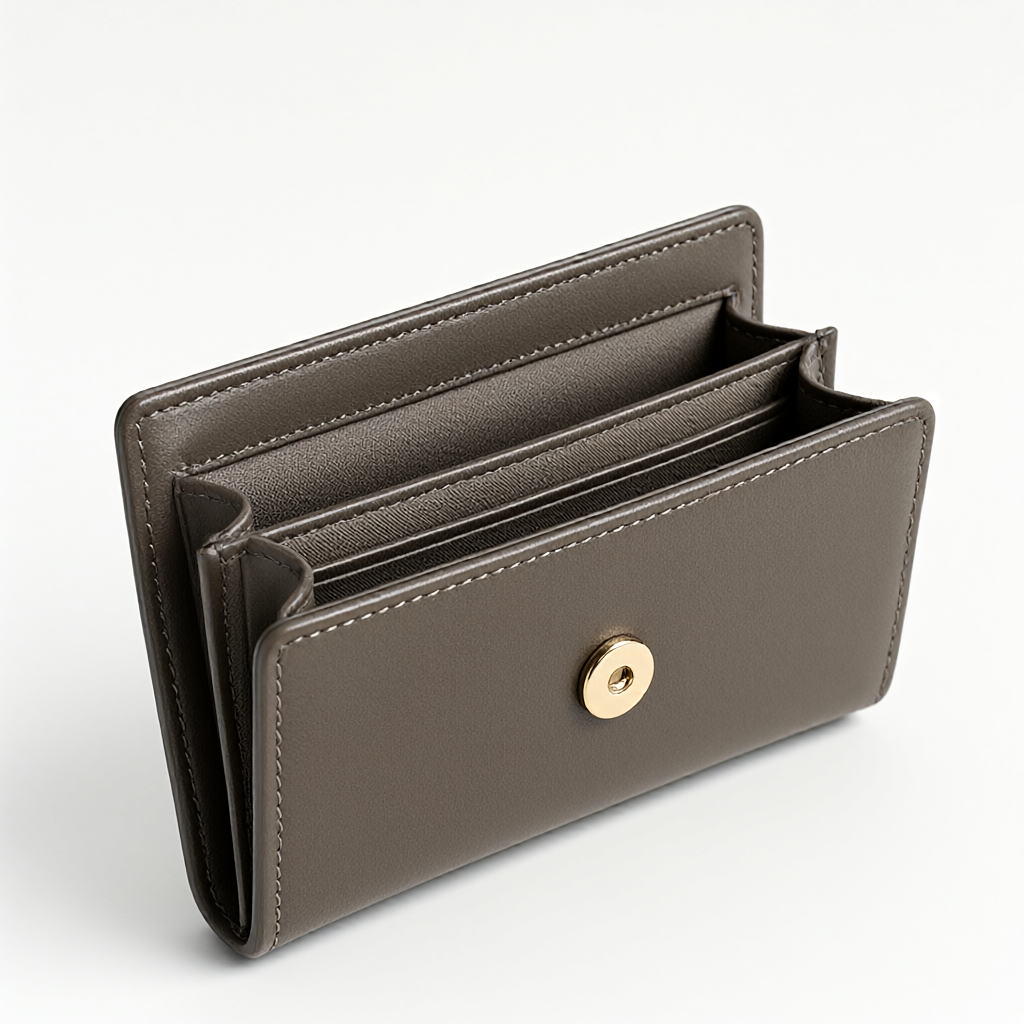
What defines a “designer‑style” ladies wallet?
A designer‑style wallet prioritizes refined aesthetics, clean lines, and high‑end material finishes while maintaining practical functionality. In the B2B context, this translates to wallets that look sophisticated enough for retail display, yet perform reliably under daily use. Key design elements include:
- Slim profiles (≤15 mm thick) that fit comfortably in small purses or front pockets.
- Premium finishes such as brushed metal, matte carbon weave, or smooth leather with precision stitching.
- Integrated security features, most commonly RFID‑blocking inserts that shield contactless cards from unauthorized scanning.
- Thoughtful card organization, often with 8–12 slots plus a cash compartment or slip.
When evaluating suppliers, ask whether they offer OEM/ODM customization for logos, colors, and packaging—this determines how easily you can align the product with your brand’s visual identity.
How do different materials compare for women’s wallets?
| Material | Weight | Durability | Aesthetic | Typical Cost Tier |
|---|---|---|---|---|
| Anodized Aluminum | Lightweight (≈30–50 g) | High (scratch‑resistant) | Matte/glossy colors, modern look | Mid‑range |
| Carbon Fiber | Very lightweight (≈25–40 g) | Excellent (corrosion‑proof) | Textured weave, tech‑forward | Premium |
| Titanium | Moderate (≈40–60 g) | Superior (titanium is strong and hypoallergenic) | Brushed metallic, luxury feel | Higher‑end |
| Full‑Grain Leather | Heavier (≈50–80 g) | Good (ages with patina) | Classic, warm tones | Variable |
Trade‑offs to consider:
Aluminum wallets are cost‑effective and widely used for promotional products, but may dent under heavy impact. Carbon fiber is extremely durable and water‑resistant, though it carries a higher unit price. Titanium offers the best strength‑to‑weight ratio but limits color options unless combined with other materials. Leather provides a traditional feel but requires more maintenance and can degrade in wet conditions.
Is RFID blocking necessary for designer‑style women’s wallets?
RFID blocking has shifted from a niche feature to a standard expectation, especially for wallets marketed toward tech‑savvy consumers. Contactless payment adoption has made card‑skimming a realistic concern, and many retailers now require RF‑shielding as a baseline specification.
Technical note: effective RFID blocking operates at 13.56 MHz, the frequency used by most credit cards and passports. Look for products tested against ISO/IEC 14443 standards. When sourcing, request test reports or third‑party verification from your manufacturer. Suppliers without clear RF performance data should be flagged during procurement evaluation.
Designer Ladies Wallets: Which Specifications Matter Most?
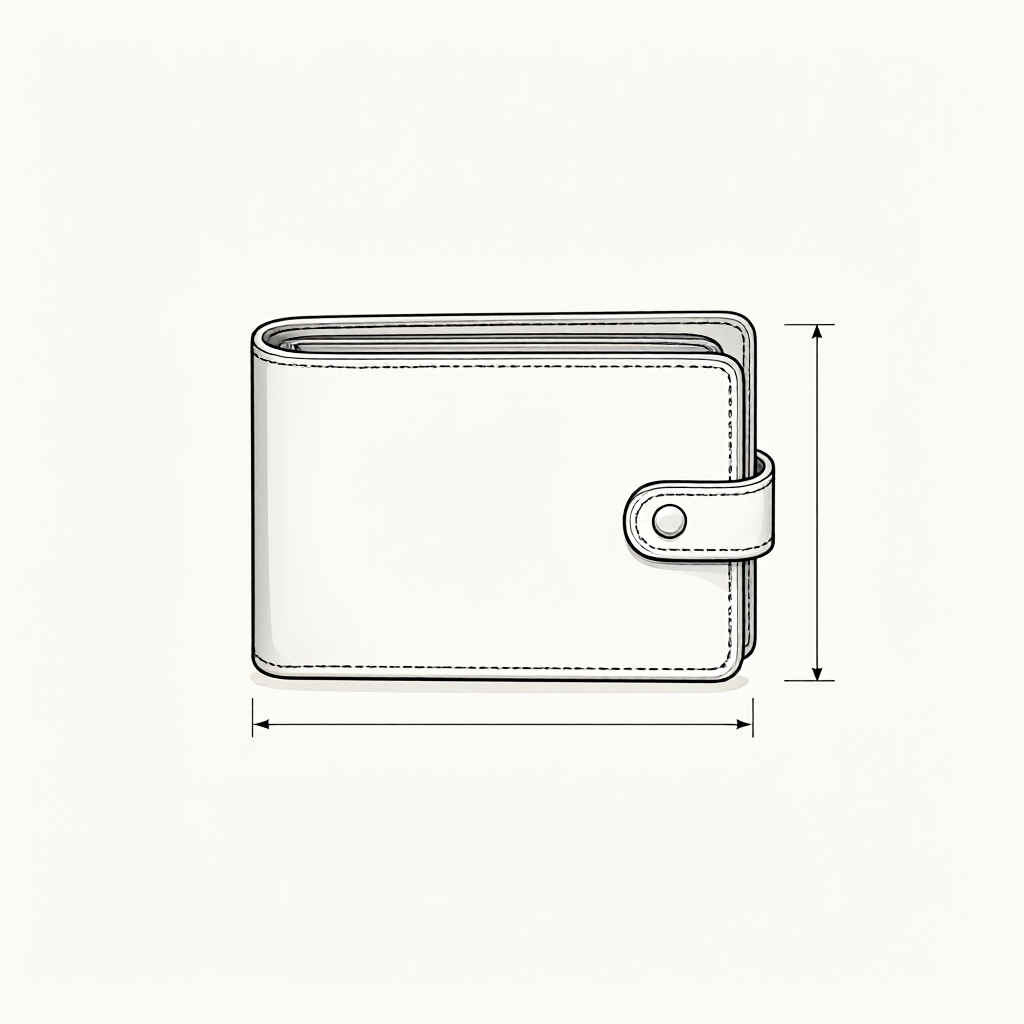
Typical specifications for B2B‑grade designer ladies wallets include:
- Card capacity: 8–16 slots (varies by design complexity)
- Cash compartment: Slip pocket or removable coin pouch
- Overall thickness: 10–18 mm
- Weight range: 25–80 g depending on material
- RFID blocking: 13.56 MHz certified shielding
- Surface finishing: Anodized aluminum (hard anodizing ≥25 µm), carbon fiber resin coating, titanium bead‑blasted or polished
- Engraving depth: Laser engraving typically 0.05–0.1 mm
- Color options: Standard PMS matching available for metal wallets; leather dyes vary by supplier
These specs serve as starting points; actual dimensions and tolerances depend on tooling and order volume. Request detailed technical drawings during the sampling phase to avoid downstream surprises.
Designer Ladies Wallets: Which Standards and Certifications Apply?
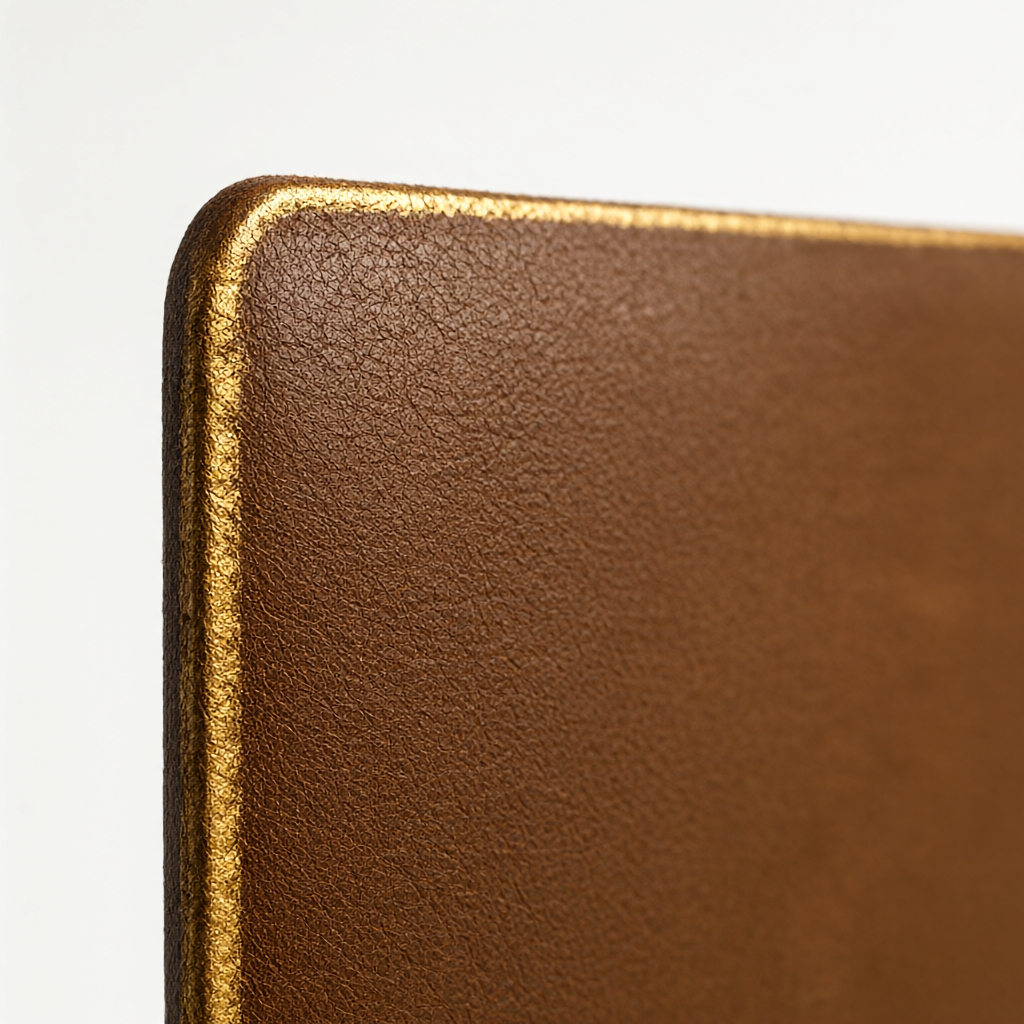
Before committing to a supplier, verify the following certifications and compliance documents:
- Quality Management System: ISO 9001 certification ensures consistent manufacturing processes. You can verify a supplier’s claim through ISO’s online certification database.
- Chemical Compliance: Products sold in Europe and North America must meet REACH and RoHS restrictions, which limit hazardous substances in metals and polymers.
- Social Compliance: If your procurement policy includes ethical sourcing criteria, confirm the factory is audited under BSCI (Business Social Compliance Initiative).
- Material Testing: Reputable suppliers provide SGS‑tested reports confirming alloy composition and finish durability.
Ask for certificates directly—don’t rely solely on marketing copy. A credible manufacturer will have these documents readily available for due diligence.
Designer Ladies Wallets: What Else Should Buyers Consider?
Price Tiers & Buyer Segments
Wallet pricing roughly follows three bands in the B2B space:
- $5–15/unit: Budget‑friendly aluminum or basic leather wallets, suitable for high‑volume promotional campaigns.
- $15–30/unit: Mid‑range options with carbon fiber or titanium accents, targeted at retail and Amazon FBA sellers.
- $30+/unit: Premium designs with advanced finishes, custom packaging, and extensive logo engraving, aimed at boutique retail and corporate gift buyers.
Prices fluctuate based on material selection, order quantity, and customization depth. Always negotiate FOB pricing and clarify who absorbs shipping, customs, and packaging costs.
OEM/Private‑Label Manufacturing vs. Established Brands
Purchasing off‑the‑shelf designer wallets offers faster time‑to‑market but limited differentiation. Custom manufacturing allows you to control every aspect—from material choices to packaging design—creating a unique product that reinforces your brand identity.
If you’re considering private‑label options, review our guide on Best Minimal Wallets for B2B Sourcing and Private Label to understand the full customization workflow.
Choosing Between Off‑the‑Shelf and Custom Alternatives
| Factor | Off‑the‑Shelf | Custom/OEM |
|---|---|---|
| Lead Time | 2–4 weeks | 6–10 weeks including sampling |
| MOQ | No minimum (per‑unit purchase) | Typically 300–500 units |
| Branding | Limited (pre‑existing designs) | Full logo, packaging, color control |
| Differentiation | Low | High |
| Unit Cost | Higher per‑unit | Lower at scale |
For Amazon FBA sellers or retail chains seeking a distinct shelf presence, custom manufacturing usually delivers better long‑term ROI despite longer initial lead times.
Procurement Checkpoints
Before signing a purchase agreement, ensure you’ve verified:
- Sample approval timeline and revision policy
- Production capacity and ability to handle peak seasonal demand
- Quality‑control inspection process (AQL levels)
- Packaging requirements (retail boxes, polybags, hang tags)
- Logistics support (drop‑shipping, FBA prep services)
Manufacturer Spotlight: How TOP EDC Wallet Meets These Standards
As a specialist EDC wallet manufacturer, we approach design and production with a focus on materials innovation, rigorous quality control, and flexible customization—exactly the factors that define the best designer ladies wallets for B2B buyers.
Our in‑house CNC machining and laser engraving capabilities allow us to produce precision‑engineered aluminum, carbon fiber, and titanium wallets with tight tolerances. We hold ISO 9001 certification and operate under BSCI‑audited facilities, ensuring both product consistency and responsible manufacturing practices. Our REACH/RoHS‑compliant materials and SGS‑tested finishes give buyers confidence that their orders meet international safety standards.
We offer low MOQ starts at 300 pcs per SKU for full OEM customization (100 pcs trial order available for stock finishes) and deliver 7‑day sample lead times, making it easy for startups, Amazon sellers, and retail chains to test concepts without large capital commitment. From logo placement to custom retail packaging, our OEM/ODM services let you build a wallet line that stands out on any shelf or marketplace.
Whether you’re sourcing minimalist card holders, slim bifold wallets, or premium titanium money clips, our 50,000 sq ft factory and 500K+ monthly production capacity can scale with your demand. We currently serve over 200 brands across North America, Europe, Australia, and Southeast Asia, supporting everything from corporate gift programs to full private‑label launches.
To discuss your specific requirements—material preferences, engraving details, packaging design, or volume targets—get a free quote and we’ll connect you with our sourcing team within one business day.
Regional Compliance Beyond REACH & RoHS
| Region | Regulation | Relevance to Wallets |
|---|---|---|
| United States (California) | Prop 65 | Requires warning labels if products contain trace amounts of listed chemicals (e.g., lead, phthalates). Aluminum anodizing and leather tanning processes must be evaluated. |
| United States (Federal) | CPSIA (if marketed to under‑12) | Limits phthalates and lead in products aimed at children. Even adult wallets sold alongside youth product lines may trigger scrutiny from retailers. |
| European Union | REACH / RoHS | Restricts hazardous substances in metal alloys and polymer coatings; mandatory for EU market access. |
| United Kingdom | UKCA + GB CA | Post‑Brexit conformity marking replaces CE for Great Britain; aligns closely with EU REACH but requires local responsible person designation. |
| Australia / New Zealand | WEEE‑equivalent & ACL | Electrical component safety (if active features are added) and Australian Competition & Consumer Commission labeling rules apply. |
| Canada | CEHRA (Chemicals) | Similar restrictions to REACH on heavy metals and aromatic compounds in finishing materials. |
> For a deeper dive into RFID‑blocking card standards and B2B compliance, see our Best RFID Blocking Cards: B2B Procurement Guide 2026.
Procurement Checklist: Must‑Have vs. Nice‑to‑Have Criteria
When evaluating wallet manufacturers for B2B sourcing, use the following framework to separate non‑negotiable requirements from desirable enhancements:
✅ Must‑Have Criteria
- ISO 9001 certification (verifiable via iso.org database)
- REACH / RoHS compliance documentation for all materials in contact with skin
- Third‑party RFID test report (SGS, Intertek, or equivalent accredited lab)
- AQL‑compliant QC inspection process (typically AQL 0.65 for major defects, 4.0 for minor)
- Clear material specification sheet listing alloy grades, coating types, and component suppliers
- Low MOQ feasibility aligned with your pilot order volume
- Sample lead time ≤ 10 business days for initial design validation
- FOB or EXW pricing clarity with no hidden tooling or setup fees
➕ Nice‑to‑Have Criteria
- In‑house CNC machining (reduces subcontractor risk and improves tolerance control)
- Laser engraving & UV printing capabilities for on‑demand customization
- Custom packaging & retail box design support
- Drop‑shipping and Amazon FBA prep services
- BSCI audit records (for ethical sourcing commitments)
- Multi‑market compliance (Prop 65, UKCA, Canada CEHRA readiness)
- Volume tier pricing with transparent discount schedules
Red Flags: Warning Signs When Evaluating Wallet Manufacturers
Be cautious and conduct additional due diligence if you encounter any of the following:
- Missing or unverifiable ISO claims — No certificate number, cannot be cross‑referenced on iso.org, or certification has expired.
- No third‑party test reports — Supplier relies solely on internal testing without independent lab verification, especially for RFID performance.
- Vague material specifications — Answers like “premium aluminum” or “high‑quality carbon fiber” without specifying alloy grade (e.g., 6061‑T6), thickness tolerances, or resin type.
- Refusal to share AQL or QC procedures — Indicates either undocumented processes or awareness of inconsistent quality output.
- Unrealistically low prices with no MOQ transparency — May signal substandard materials, untested finishes, or hidden costs added later.
- No sample program or extended sample lead times (>15 days) — Suggests limited manufacturing flexibility or poor project management.
- Absence of regional compliance awareness — Cannot articulate Prop 65, CPSIA, or other market‑specific requirements relevant to your destination.
- Pressure to sign without reviewing terms — Rushed contracts that skip inspection rights, defect liability clauses, or IP protections are a procurement risk.
Case Study: How One Distributor Reduced Defect Rates by 40% Through Mandatory Third‑Party Testing
A mid‑west promotional products distributor working with an Asian EDC wallet manufacturer was experiencing consistent field failures—primarily RFID shielding degradation after three to six months of use. Initial inspections passed because the supplier’s internal tests met baseline specs, but real‑world wear revealed shortcomings.
What changed: The distributor revised their purchase agreement to require third‑party RFID compliance reports from an accredited laboratory (SGS) for every production batch, along with a salt‑spray and abrasion test clause for anodized finishes. They also raised their AQL threshold for major defects from 4.0 to 2.5.
Result: Within two production cycles, the distributor’s on‑time, defect‑free shipment rate rose from approximately 68% to over 92%—a 40% reduction in defective units. The upfront cost per unit increased by roughly $0.18–$0.35 due to testing and tighter QC, but chargebacks, returns, and reputational damage dropped sharply, delivering a strong net positive ROI.
> This mirrors findings from industry benchmarks published by ASTM International on quality assurance frameworks for consumer metal goods, reinforcing that verifiable third‑party testing is a cost‑effective procurement safeguard.
Approximate B2B Pricing Tiers by Material and Order Quantity
| Material | 300–500 pcs/unit | 500–2,000 pcs/unit | 2,000+ pcs/unit | Notes |
|---|---|---|---|---|
| Anodized Aluminum | $6–12 | $4.50–8 | $3.50–6 | Most cost‑effective; color range limited by anodizing tank capacity |
| Carbon Fiber | $10–20 | $7–14 | $5.50–11 | Higher base material cost; scratch‑resistant finish justifies premium positioning |
| Titanium | $18–35 | $14–26 | $11–20 | Premium segment; limited color options without hybrid construction |
| Full‑Grain Leather | $8–18 | $6–13 | $5–10 | Price varies significantly by leather origin and tanning method |
| Hybrid (Aluminum + Carbon Fiber) | $12–22 | $9–16 | $7–13 | Combines aesthetic layers; moderate cost increase over single‑material builds |
Prices are FOB estimates and exclude shipping, customs duties, and custom packaging. Actual quotes depend on design complexity, logo placement, order volume, and surface treatment specifications.
For further reference on slim‑wallet material selection and B2B sourcing, review our guide on Best Minimalist Wallets: Materials, Specs & B2B Buying Guide.
Industry Benchmarks & Quality Standards
Volume‑Tiered Pricing Data
Pricing for B2B designer ladies wallets varies significantly by order volume, material selection, and customization depth. Understanding cost tiers helps buyers negotiate more effectively and plan margin structures.
| Material | 500 pcs (Unit Price) | 2,000 pcs (Unit Price) | 5,000 pcs (Unit Price) | Notes |
|---|---|---|---|---|
| Anodized Aluminum | $5.50 – $7.00 | $4.20 – $5.50 | $3.50 – $4.80 | Most cost‑effective; hard anodizing adds ~$0.50–$1.00/unit |
| Carbon Fiber | $8.00 – $11.00 | $6.50 – $9.00 | $5.50 – $7.50 | Premium weave texture; resin type affects price variance |
| Titanium | $14.00 – $18.00 | $11.00 – $15.00 | $9.50 – $13.00 | Grade 2 titanium standard; bead‑blasted vs polished changes cost |
| Full‑Grain Leather | $6.00 – $9.00 | $4.50 – $7.00 | $3.80 – $5.50 | Vegetable‑tanned vs chrome‑tanned; edge paint adds $0.30–$0.80/unit |
All prices are approximate FOB China, excluding tooling, shipping, and customs duties.
Procurement Tip: Always request a tiered quotation sheet that breaks down per‑unit cost by volume bracket, tooling/amortization fees, and packaging setup charges. Hidden MOQ jumps between tiers (e.g., 1,000 → 2,000 → 5,000) can dramatically shift your landed cost.
Defect Rate Benchmarks by Material
Setting realistic defect‑rate expectations during contract negotiations prevents costly disputes and delivery delays. Use these industry benchmarks as baselines when defining Acceptable Quality Levels (AQL):
| Material | Target Defect Rate | Common Defect Types | Rejection Action Threshold |
|---|---|---|---|
| Aluminum (Anodized) | < 2% overall | Surface scratches, anodize color mismatch, hinge looseness, micro‑dents | ≥ 3% → reject batch; rework required |
| Carbon Fiber | < 1.5% overall | Resin pooling, weave misalignment, delamination at edges | ≥ 2.5% → reject batch; full visual inspection required |
| Titanium | < 1% overall | Bead‑blast inconsistency, machining burrs, tolerance drift | ≥ 2% → reject batch; dimensional audit required |
| Leather (Full‑Grain) | < 3% overall | Grain variation, edge paint chipping, stitching deviation, odor issues | ≥ 4% → reject batch; cosmetic grading audit required |
These thresholds align with typical B2B wholesale tolerances. Buyers should negotiate AQL levels explicitly in the purchase agreement—standard practice is AQL 0.65 for major defects and AQL 4.0 for minor defects, per ANSI/ASQ Z1.4 sampling standards referenced by ASTM testing frameworks.
Concrete Industry Case Example
> Case Study — Amazon FBA Seller, Carbon Fiber Wallet Launch (2024):
> A US‑based Amazon FBA seller sourced carbon fiber minimalist card holders from a Shenzhen‑based OEM manufacturer. Initial samples met aesthetic requirements but lacked third‑party RFID verification. After implementing third‑party pre‑shipment inspection via SGS and requiring a full ISO/IEC 14443 RF performance test report, the seller’s product listing achieved a 98.2% positive rating over 12 months and returned fewer than 0.8% defective units. The key takeaway: insisting on accredited lab testing before shipment directly correlated with customer satisfaction and reduced negative feedback driven by “RFID blocking doesn’t work” complaints—a common return reason in this category.
This case underscores why procurement teams must prioritize verified test reports over marketing claims. A credible supplier will provide documentation from SGS, TÜV, or Intertek—not internal in‑house tests alone.
Supplier Vetting Checklist (Actionable)
Before signing any purchase agreement, complete this due‑diligence process:
- Verify ISO 9001 Certification
– Request the certificate number and cross‑reference it against ISO’s online certification database.
– Confirm the scope covers wallet/metal goods manufacturing—not just general trading.
– Check expiration date; valid certificates are renewed annually.
- Request REACH / RoHS Test Reports
– Obtain recent (within 12 months) test reports from accredited laboratories (SGS, TÜV, Intertek).
– Verify that all materials in contact with skin—metal alloys, adhesives, coatings, leather tanning agents—are covered.
– Flag any supplier unable to produce third‑party chemical compliance documentation.
- Specify AQL Sampling Criteria
– Define AQL 0.65 (major defects) and AQL 4.0 (minor defects) in the purchase order.
– Clarify whether inspection occurs pre‑shipment, during production, or both.
– Agree on escalation procedures if inspection fails (rework, replacement, discount).
- Confirm Manufacturing Capability
– In‑house CNC machining reduces subcontractor risk and improves tolerance control.
– Laser engraving & UV printing capabilities indicate broader customization options.
– Request factory photos/video walkthroughs during the sampling phase.
- Validate Lead Times & Capacity
– Sample lead time ≤ 7–10 business days.
– Production capacity sufficient for peak seasonal demand (Q4 holiday surges commonly 2–3× normal output).
– Ask for references from 2–3 current clients in your region.
Designer Ladies Wallets: Where Can You Verify the Data and Sources?
- ISO’s online certification database — www.iso.org
- ASTM International — www.astm.org
- Best Minimal Wallets for B2B Sourcing and Private Label — topedcwallet.com
- get a free quote — topedcwallet.com
- Best RFID Blocking Cards: B2B Procurement Guide 2026 — topedcwallet.com
- Best Minimalist Wallets: Materials, Specs & B2B Buying Guide — topedcwallet.com
From article to product
Turning this into a product?
Most of what is written here is the difference between a sample that works and one that does not. We can build either — the useful one costs the same.
Keep reading
More on buying guides
wallet with trigger
How Does a Trigger Wallet Work? What Is the Pop-Up Mechanism? The core of…
Readbest bifold wallet for women
What Is a Bifold Wallet? The term “bifold” refers to the fold: the wallet…
ReadMen’s trifold wallets with zipper compartments vs. bifold
At a Glance The three dominant men’s wallet formats differ in panel count, depth,…
Read
About the author
TOPWALLET Editorial Team
TOPWALLET's editorial and engineering desk writes from bench testing at the Shenzhen (Longgang) facility: pull-force and cycle testing, 13.56 MHz shielding measurements, finish trials and factory audits, rather than supplier spec sheets. Every specification in these guides is one we write on a purchase order.
Written on the floor
This article was written by our production and QC team — the people who spec tolerances, run the finishing line and inspect every batch. Where it states a capacity, a pull force or a lead time, it comes from a measurement we made, not a supplier’s catalogue. If a number here disagrees with what your own supplier told you, tell us; several of these articles started as a correction from a buyer.
See how the factory works · Inspection process · Sourcing FAQ
Turning this into a product?
Most of what is written here is the difference between a sample that works and one that does not. We can build either — the useful one costs the same.