

Luxury Wallet: What Is the Quick Answer?
The best luxury wallet for women is defined less by a brand name and more by deliberate choices in material, construction, and function. A genuine luxury women’s wallet uses high-grade leathers or advanced metals like titanium and carbon fiber, features tight stitch density and refined hardware, includes practical considerations like slim profiles and RFID protection, and carries verifiable quality certifications. For B2B buyers, the evaluation starts with asking which material and construction standard best matches the target retail price point and brand positioning—not which logo carries the most prestige.
Luxury Wallet: How Does It Work in Detail?
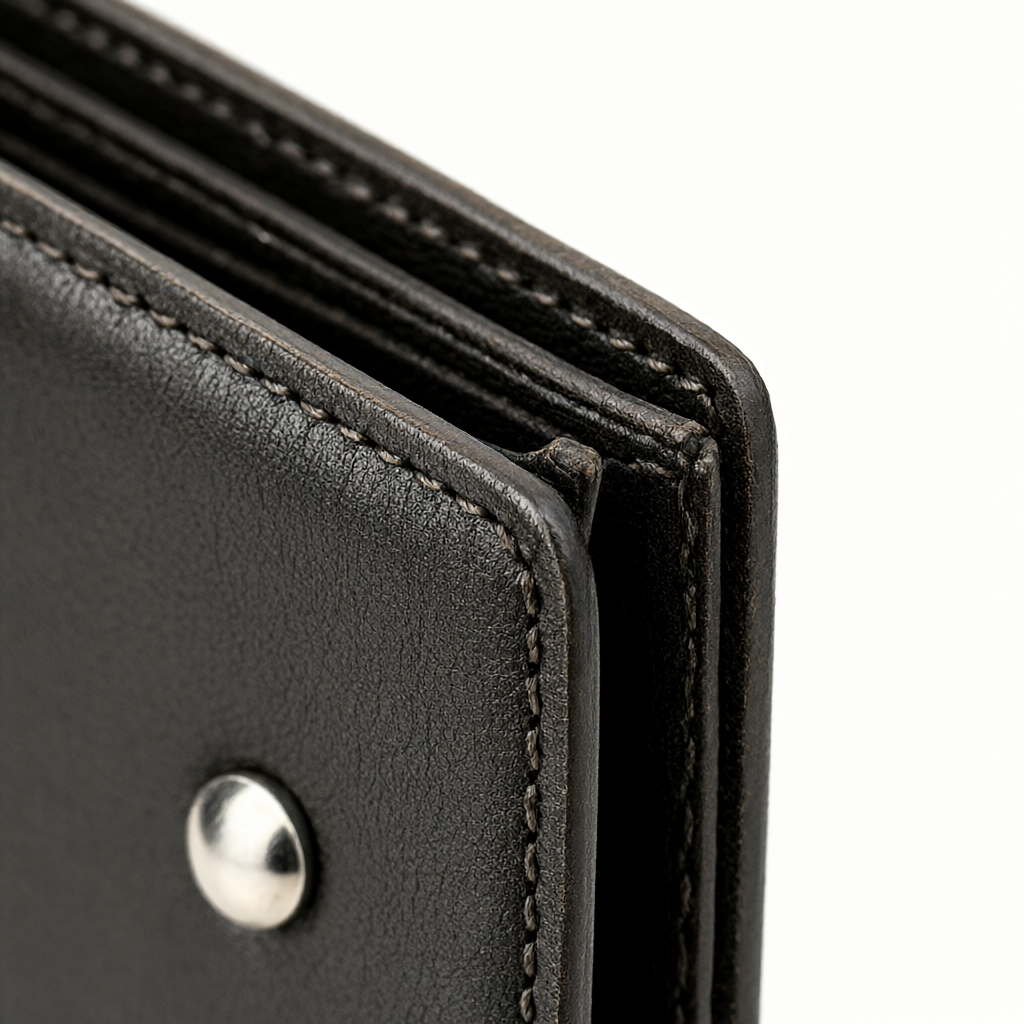
Why Do Materials Matter for Luxury Classification?
Material choice is the single strongest indicator of whether a wallet crosses into luxury territory. Consumers recognize quality through touch, weight, and longevity. Full-grain leather remains the benchmark for traditional luxury—it develops a patina over time and resists deformation. However, modern luxury has expanded beyond leather. Brushed or anodized aluminum offers a sleek, contemporary feel. Titanium provides exceptional strength-to-weight ratio with a distinctive matte finish. Carbon fiber delivers a technical aesthetic while remaining ultralight and scratch-resistant. The “luxury” designation matters because each material carries different cost structures, lead times, and maintenance expectations—factors that directly affect procurement decisions and end-user satisfaction.
A common misconception is that heavy stitching or excessive embossing signals luxury. In reality, premium makers often choose minimal external decoration to let the material itself communicate quality. This shift has made close inspection of edge finishing, grain consistency, and hardware plating far more important than surface ornamentation.
How Does Construction Differentiate Luxury From Standard Wallets?
Construction quality separates a luxury wallet from a commoditized alternative in ways that are immediately apparent to end users and straightforward to audit during sampling. Key indicators include stitch density—premium wallets typically use 8 to 12 stitches per inch on leather models, compared to 4 to 6 stitches found in lower-tier products. Thread type also matters: bonded nylon or waxed polyester thread resists fraying and moisture degradation far better than standard cotton or cheap synthetic alternatives.
Hardware is another decisive factor. Luxury wallets commonly use solid brass, stainless steel, or titanium components rather than zinc alloy or stamped sheet metal. The difference shows up in hinge smoothness, clasp hold, and resistance to tarnishing. Edging on leather wallets should be painted or burnished evenly—never raw or glue-heavy. Internal component alignment, card slot tension, and the evenness of any laminated or layered construction further signal manufacturing discipline.
Buyers evaluating samples should run simple field tests: flex the wallet to check for warping, slide cards repeatedly to assess slot durability, press thumb firmly against edges to detect peeling, and examine the underside of any metal components for casting seams or rough flashes. These checks require no lab equipment and reveal more than any certificate alone.
What Functional Specifications Should Define a Luxury Women’s Wallet?
Luxury wallets for women balance aesthetic refinement with practical capacity. Card capacity typically ranges from 4 to 12 slots depending on form factor, with cash compartments designed for folded bills rather than bulky stack storage. Weight is increasingly important—modern luxury preferences lean toward minimalist designs under 80 grams for metal wallets and under 120 grams for leather constructions. Overall dimensions generally fall between 95mm and 115mm in width, though this varies significantly across styles.
RFID blocking has moved from novelty to expected feature, particularly for urban consumer segments. Effective RFID shielding requires either integrated ferrite strips, conductive mesh layers, or metallized fabrics placed strategically without adding bulk. Buyers should verify test reports rather than rely on marketing claims, especially when sourcing for markets with high card-skimming concerns.
Additional functional differentiators include magnetic closures that snap securely without bulk, cash strap mechanisms that grip consistently, and interior organizational layouts that match real-world usage patterns—quick-access card slots paired with a dedicated bill compartment rather than a single open pocket.
Luxury Wallet: Which Specifications Matter Most?
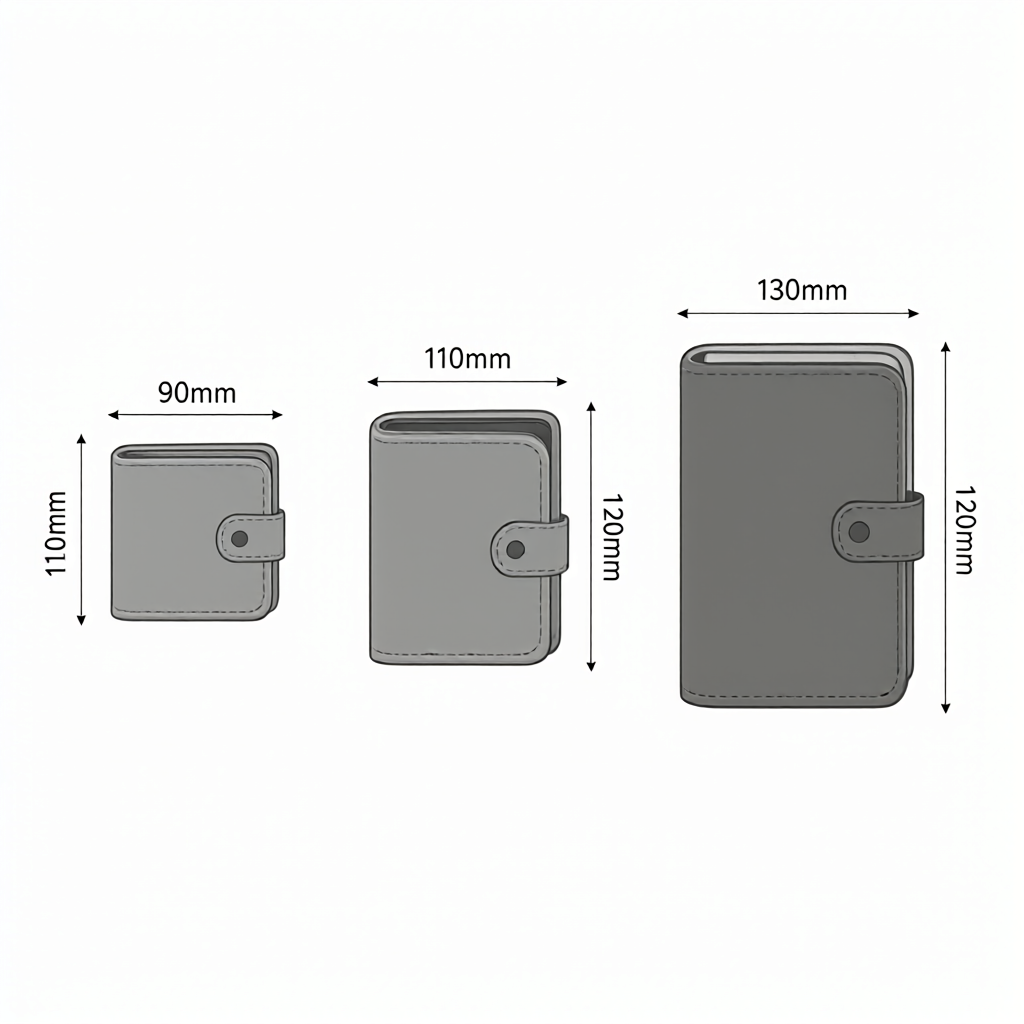
What Are the Key Specifications for Evaluating a Luxury Women’s Wallet?
| Specification | Entry-Level Premium | Mid-Tier Luxury | High-End Luxury |
|---|---|---|---|
| Leather grade | Top-grain | Full-grain | Full-grain vegetable-tanned |
| Metal option | Aluminum alloy | Anodized aluminum, titanium | Solid titanium, forged aluminum |
| Stitch density (leather) | 4–6 SPI | 8–10 SPI | 10–12+ SPI |
| Hardware material | Zinc alloy / plated steel | Brass / stainless steel | Solid brass / titanium |
| Weight range | 100–150g | 70–110g | 50–90g |
| RFID protection | Optional add-on | Integrated standard | Certified integrated |
| MOQ expectation | 500+ pcs | 200–500 pcs | 300–200 pcs |
| Sample lead time | 10–15 days | 7–10 days | 5–7 days |
These ranges represent typical industry benchmarks. Actual specifications vary by manufacturer capability and design complexity. Buyers should treat minimums as starting points rather than fixed thresholds—a well-equipped factory may produce high-spec wallets at lower volumes.
Luxury Wallet: Which Standards and Certifications Apply?
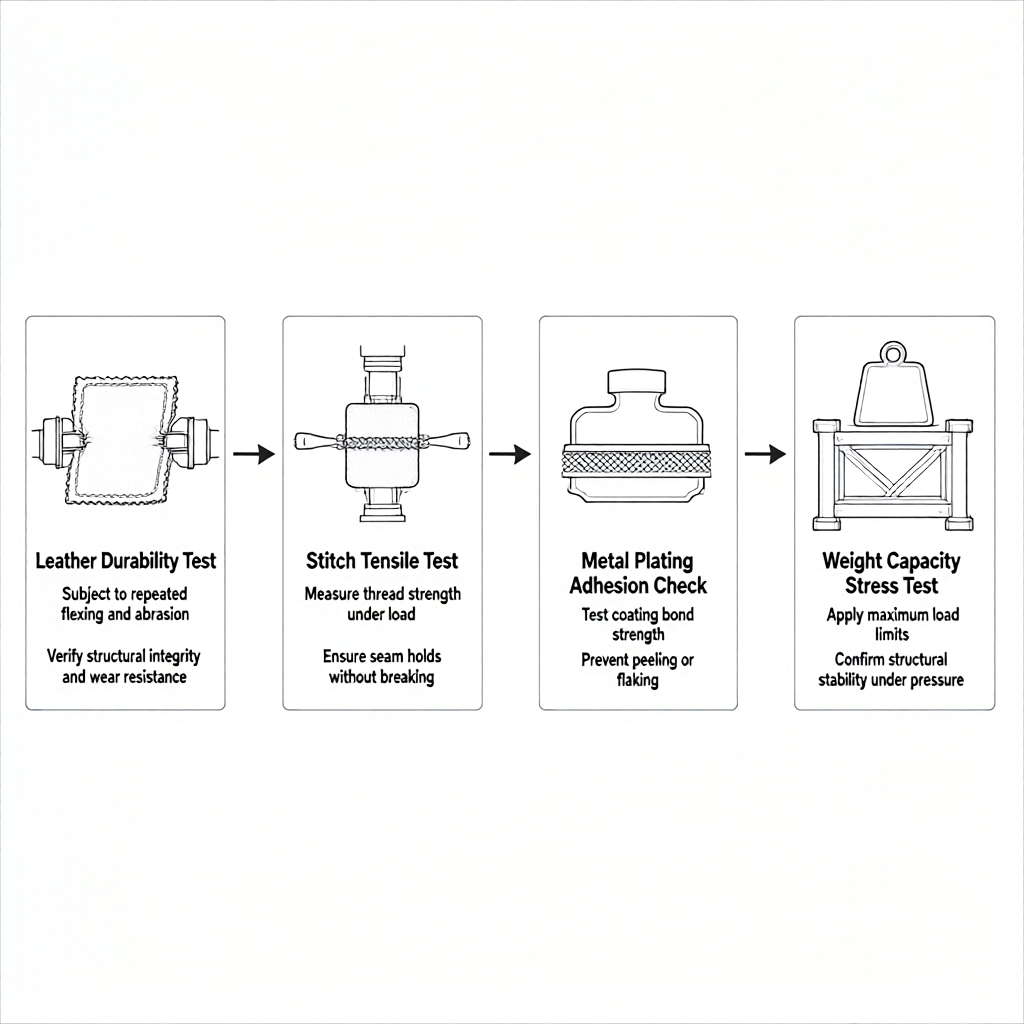
What Quality Certifications Apply to Premium Wallet Manufacturing?
Certifications provide objective verification of manufacturing competence. ISO 9001 remains the foundational quality management standard, confirming that a facility maintains documented processes for consistent production output. For brands selling into retail channels, having products manufactured under ISO-certified conditions reduces audit risk and strengthens contract negotiations.
Business social compliance audits such as BSCI verify ethical manufacturing practices—critical for Western retail buyers facing increasing regulatory scrutiny around supply chain responsibility. REACH and RoHS compliance address material safety, ensuring that finished products meet European chemical restrictions. SGS testing on individual materials—from leather tanning agents to metal plating compositions—provides additional product-level verification. These certifications matter most when scaling production or entering regulated markets where documentation becomes a purchasing prerequisite.
Buyers unfamiliar with supplier vetting procedures may find our best wallet for B2B buyers guide helpful for structuring evaluation checklists. Additionally, understanding material trade-offs across wallet categories can inform sourcing strategy—review our minimalist wallet materials comparison for context on how construction choices impact final pricing.
Luxury Wallet: What Else Should Buyers Consider?
What Should B2B Buyers Evaluate Before Committing to a Luxury Women’s Wallet Line?
Several factors converge during the procurement decision. Design aesthetics drive consumer appeal, so aligning color palettes, finishes, and form factors with current market trends matters—while avoiding overly seasonal designs that become obsolete within months. Timeless silhouettes in neutral tones tend to perform more consistently across fiscal years than trend-dependent colors or hardware treatments.
Customization depth influences both cost and lead time. Laser engraving, UV printing, and selective anodizing each carry different setup expenses and per-unit costs. Buyers launching private-label programs should clarify upfront which customization tiers are available before committing to initial orders, since tooling and setup fees can shift margins unexpectedly. See our B2B card holder buying guide for broader context on how customization levels affect unit economics across wallet formats.
Private label brand owners benefit from reviewing our minimalist wallet sourcing guide before defining spec sheets, as it outlines common pitfalls in early-stage specification writing. Those focused on tactical and everyday carry styles may also find our EDC wallet procurement guide useful for cross-referencing construction standards.
Manufacturing pathway selection deserves careful consideration. Contract manufacturers vary widely in capability—some specialize in leather goods with limited metalworking options, while others operate integrated facilities with CNC machining, laser engraving, and assembly lines under one roof. The latter category typically delivers tighter quality control across multi-material products, which matters enormously when combining leather inserts with aluminum frames or titanium clips.
As a manufacturer, our approach to meeting these standards centers on vertical integration. Our facility houses CNC machining alongside laser engraving and UV printing under the same roof, which means we can source, fabricate, and assemble multi-material wallets without handing specifications off to third parties. This model helps us maintain tolerances across metal and composite components while keeping sample development fast—typically delivering evaluated prototypes within a week. We work with full-grain and top-grain leathers alongside anodized aluminum, titanium, and carbon fiber composites, and every production batch follows ISO 9001 documented processes. Products are tested to REACH and RoHS standards before shipping, and we support private-label programs starting from low MOQs tailored to emerging brands. For retailers exploring new product lines, our guide on selecting the best minimal wallets outlines the key evaluation criteria buyers should apply when reviewing manufacturer proposals.
What Are Current Design Trends and Aesthetic Considerations for Luxury Wallets?
Design direction significantly influences B2B sourcing strategy because aesthetics drive consumer purchase decisions before any specification review occurs. Current market trends for luxury women’s wallets include:
- Minimalist silhouettes with bold material contrast: Two-tone constructions pairing brushed titanium frames with carbon fiber inserts, or dark-anodized aluminum bodies with hand-painted leather edges.
- Matte and satin finishes over high-gloss: Soft-touch anodization and bead-blasted metal surfaces have overtaken mirror-polished finishes in the premium segment, reflecting a broader shift toward tactile refinement.
- Organic color palettes: Earth tones, olive green, charcoal, and warm brass accents continue to outperform bright primary colors in repeat-purchase data from mid-tier Western retailers.
- Modular card systems: Detachable card sleeves integrated into slim bifold designs allow users to shed bulk without replacing the entire wallet—a feature increasingly expected at the $40+ retail tier.
- Artisan-inspired detailing: Hand-stitched edges, visible saddle stitching on leather models, and micro-engraved branding signal craftsmanship without relying on heavy logos.
Buyers should note that trend-driven color programs require higher minimum orders per SKU due to limited inventory turnover. Neutral finishes like black, gunmetal, and tan leather carry lower risk for first-time buyers entering a new market.
> 💡 Trend Insight: According to general B2B procurement data tracked through industry market analyses (noting that trend adoption varies by region and channel), minimalist metallic wallets have shown consistent year-over-year growth in North American and European DTC channels since 2022.
OEM vs. ODM Manufacturing Pathways for Private-Label Luxury Wallets
Choosing between OEM and ODM is one of the most consequential early decisions for a brand building a luxury wallet line. Understanding both pathways—and which fits your stage of business—directly affects cost structure, lead time, and intellectual property control.
OEM (Original Equipment Manufacturing) means you provide complete design specifications, material selections, hardware choices, and packaging artwork. The factory fabricates exactly to your blueprints. This path offers maximum brand differentiation and IP protection but requires you to invest in design development upfront—whether through in-house designers or an external product studio. Tooling costs for custom CNC fixtures, laser engraving masks, or molding inserts typically range from $800 to $5,000 depending on complexity. Per-unit costs drop significantly at volume because the factory is not bearing design risk.
ODM (Original Design Manufacturing) means the factory presents you with existing designs that you can customize—selecting from available materials, colors, sizes, and minor hardware options. This path dramatically reduces time-to-market (often 4–8 weeks from concept to sample versus 10–16 weeks for fully custom OEM) and eliminates tooling fees. However, you cannot exclusively own a design the factory may offer to other clients unless you negotiate and pay for exclusive rights, which typically adds 20–40% to the base unit cost.
Many successful private-label brands begin with ODM to validate market demand, then transition to OEM once they understand which specifications resonate with their customers. This hybrid approach minimizes upfront investment while preserving long-term brand uniqueness.
How Do OEM and Custom Manufacturing Work Step by Step?
The typical OEM development workflow for a luxury wallet line follows these stages:
| Stage | Duration | Buyer Action Required |
|---|---|---|
| Concept brief & spec sheet | 3–5 days | Define dimensions, materials, features, target price |
| Feasibility review & quotation | 2–3 days | Review manufacturer proposal including MOQ and tooling costs |
| Sample development | 5–10 days | Approve or request revisions to physical samples |
| Pre-production approval | 2–3 days | Confirm gold-sealed sample and packaging |
| Mass production | 15–25 days | Track progress; request in-line inspection if needed |
| Quality inspection & shipping | 3–5 days | Final QA or third-party inspection before cargo release |
Total timeline from brief to shipment typically ranges from 30 to 50 working days for a first OEM run. Repeat orders with established specs reduce production time by 40–60%.
What Price and MOQ Ranges Should Buyers Expect From Reputable Manufacturers?
Price and MOQ expectations vary by material, construction complexity, and customization level. The following benchmarks reflect typical ranges observed across reputable Asian-based contract manufacturers serving Western B2B buyers:
| Product Category | Material | Target FOB Price Range | Typical MOQ |
|---|---|---|---|
| Slim card holder | Aluminum alloy | $3.50 – $8.00 | 300 pcs |
| Minimalist bifold | Anodized aluminum | $6.00 – $14.00 | 300 pcs |
| Leather-metal hybrid | Full-grain + aluminum | $9.00 – $22.00 | 300 pcs |
| Titanium money clip | Grade 5 titanium | $14.00 – $32.00 | 300 pcs |
| Carbon fiber card case | CFRP + stainless frame | $7.00 – $18.00 | 300 pcs |
| RFID-blocking wallet (integrated) | Multiple material combo | $8.00 – $25.00 | 300 pcs |
| Fully custom OEM (design-only) | Any | $5.00 – $40.00 | 200+ pcs |
Note: These are indicative ranges. Actual pricing depends on order volume, component sourcing, surface treatment requirements, and packaging complexity. Suppliers quoting below these ranges should be evaluated for material authenticity and process compliance—especially when claims involve titanium, carbon fiber, or certified RFID shielding.
For buyers navigating private-label programs, our minimalist wallet sourcing guide outlines the key evaluation criteria to apply when reviewing manufacturer proposals and understanding how customization levels affect unit economics.
Concrete Industry Case: Spec Breakdown for a Mid-Tier Brand Launch
A European lifestyle brand approached a contract manufacturer in late 2024 seeking to launch a women’s luxury wallet line at a target retail price of $58–$72 across Amazon and select boutique retailers. Their requirements were:
- Material: Anodized aluminum body (1060 grade) with full-grain Italian vegetable-tanned leather interior insert
- RFID protection: Integrated ferrite strip shielding at 13.56 MHz (verified by SGS test report)
- Customization: Laser-engraved logo on front face; custom branded retail box with magnetic closure
- Target MOQ for initial run: 300 units per SKU, four colorways
- Desired sample turnaround: Under 10 business days
The manufacturer provided a detailed quotation structured as follows:
| Line Item | Cost |
|---|---|
| Unit cost (aluminum body + leather insert + RFID strip) | $7.80 |
| Anodizing and surface finishing | Included in unit |
| Laser engraving (per SKU setup) | $120 one-time |
| Custom retail box design and printing | $1.40/unit (at 300+ qty) |
| Packaging prep for Amazon FBA | $0.35/unit |
| Sample development fee | $150 (credited against first order) |
| Total estimated FOB per unit | ~$9.55 |
At this structure, the brand achieved a landed cost of approximately $13.20 per unit after freight, yielding a gross margin above 75% at their planned retail price. The initial sample was delivered in 8 calendar days, two design revisions were completed within an additional 5 days, and the first production batch shipped 22 days after pre-production approval—all within the agreed timeline.
This case illustrates why specification clarity and manufacturer capability alignment matter more than unit price alone: the same base wallet quoted at $6.00 from a facility lacking RFID testing documentation or ISO-certified processes would carry hidden compliance and reputational risk that outweighs the apparent savings.
Procurement Decision Checklist for Sourcing Managers
Use the following evaluation checklist when assessing potential manufacturers for a luxury women’s wallet program. Each item corresponds to a tangible deliverable or verification step—not a subjective preference.
- [ ] Material certification: Request SGS or equivalent lab reports confirming aluminum alloy grade (e.g., 6061-T6 or 1060), titanium grade (GR1–GR5), or leather origin and tanning method. Reject suppliers who cannot produce material certificates on request.
- [ ] Stitch density verification: Measure stitches per inch on a sample. Full-grain leather luxury wallets should register 10–12+ SPI. Document with photo evidence during sampling.
- [ ] Hardware plating thickness: Request micron measurement for any plated components (typically 5–15 microns for decorative brass/nickel plating). Below 3 microns indicates flash plating that will wear quickly.
- [ ] RFID shielding test report: Require a third-party test report showing attenuation at 13.56 MHz (the universal NFC/card-skimming frequency). Attenuation should read ≥30 dB to qualify as effective blocking. Verify the testing laboratory is accredited (e.g., SGS, TÜV, Intertek).
- [ ] ISO 9001:2015 certificate: Confirm current validity and scope coverage. The certificate should explicitly list wallet, card holder, or metal fabrication products—not generic “general manufacturing.”
- [ ] BSCI audit report: Request the most recent social compliance audit. Look for corrective action plans addressing any non-conformities flagged in prior audits. BSCI grade should be no lower than C for mainstream Western retail buyers.
- [ ] Sample lead time commitment: Evaluate whether the quoted sample turnaround aligns with your time-to-market goals. Factories promising 3-day samples for multi-material products should be treated with skepticism.
- [ ] MOQ flexibility: Confirm whether the factory supports low-MOQ trials (300–200 pcs) for design validation before committing to larger runs. Rigid MOQ floors above 500 pcs often indicate capacity constraints that limit agility.
- [ ] Reproducibility guarantee: Ask for a written commitment that production output will match the approved gold seal sample within defined tolerances (dimensional variance ±1mm, color variance within ΔE < 3).
- [ ] IP protection terms: Ensure your NDA and exclusivity agreements are signed before sharing proprietary designs, particularly if pursuing OEM routes with custom tooling investments.
Detailed sourcing frameworks and evaluation methods are further explained in our best wallet for B2B buyers guide and our B2B card holder selection guide.
Standards & Technical Specifications Reference
Quality certifications and material performance standards form the foundation of any credible procurement evaluation. Below are the specific standard numbers and technical thresholds buyers should reference when reviewing supplier documentation.
ISO 9001:2015 — Quality Management Systems
The current revision of the ISO 9001 standard governs documented process control, corrective action procedures, and management review cycles. Look for certification scope that specifically includes metal fabrication, leather goods assembly, or electronics integration—not blanket certifications covering unrelated product categories. A valid certificate must display the accreditation body mark (e.g., UKAS, DAkkS, SIRIM) alongside the ISO registration number.
BSCI (Business Social Compliance Initiative) — Version 7.x
Amfori’s BSCI code of conduct v7.x sets requirements across labor rights, health and safety, environmental management, and ethical business practices. Audits are scored on a six-grade scale (A through F), with most mainstream Western retailers requiring a minimum grade of C. Audit reports should include photo documentation of facilities, worker interviews, and corrective action timelines. Previous-generation codes (v4.1, v5) are still referenced in some contracts but v6+ represents current best practice.
REACH (EC) No 1907/2006 and RoHS Directive 2011/65/EU
These EU regulations restrict hazardous substances in consumer products. REACH covers over 150 restricted substances including nickel release (≤0.5 µg/cm²/week per EN 1811), azo dyes, phthalates, and heavy metals. RoHS limits lead, cadmium, mercury, and hexavalent chromium in electrical and electronic components. For wallets with RFID shielding or embedded electronics, RoHS compliance applies to the conductive layers and ferrite components as well.
EN 1811 — Nickel Release Test
For metal wallets and hardware, nickel release must not exceed 0.5 µg/cm²/week under prolonged skin contact conditions. This is the benchmark tested by most European importers and reflected in CE marking expectations.
ASTM F3405 — Standard Specification for RFID-Blocking Products
While not universally mandated, ASTM F3405 provides test methodology for determining the shielding effectiveness of RFID-blocking materials. Buyers requesting this testing should specify the test frequency (13.56 MHz for NFC/payment cards) and minimum attenuation requirement (≥30 dB recommended for reliable blocking).
Leather Tensile Strength Benchmarks
- Full-grain vegetable-tanned leather: tensile strength ≥18 MPa (per ISO 3377 test method)
- Top-grain corrected leather: tensile strength ≥12 MPa
- Bonded/reconstituted leather: tensile strength typically <8 MPa — not suitable for luxury classification
Additional reference on RFID shielding methodology can be found through FTC guidance on consumer card protection and materials testing standards maintained by ASTM International.
Top Brands & Model Roundup — Price Tier Comparison
Understanding how established brands position their women’s luxury wallets helps buyers calibrate their own pricing and specification targets. The following overview compares representative models across three retail tiers:
| Brand Category | Example Model | Retail Price | Primary Material | Key Differentiator | Typical Wholesale/Landed Cost |
|---|---|---|---|---|---|
| Entry Premium | Various DTC aluminum wallets | $28 – $45 | Anodized aluminum, basic RFID | Clean minimalism, Amazon-native brands | $6 – $12 |
| Mid-Tier Luxury | Monogram card cases, slim bi-folds | $58 – $120 | Full-grain leather + aluminum/titanium accents | Brand heritage, refined finish, gift packaging | $12 – $28 |
| High-End Luxury | Designer leather wallets, limited editions | $180 – $450+ | Vegetable-tanned exotic leathers, precious metal hardware | Craftsmanship narrative, resale value, artisan positioning | $40 – $120+ |
| Direct-to-Manufacturer | Custom-spec titanium/carbon fiber wallets | N/A (wholesale only) | Grade 5 titanium, forged aluminum, CFRP | Material purity, specification control, private label flexibility | $8 – $32 |
Important distinction: entries marked “Direct-to-Manufacturer” represent products sourced from contract factories that produce for multiple private labels simultaneously. These offer comparable material grades and construction techniques to mid-tier luxury brands at 30–60% lower wholesale cost, but require the buyer to manage branding, QC, and logistics independently.
The gap between entry premium and mid-tier luxury is often determined not by material alone but by construction consistency, hardware quality, and packaging sophistication—all of which are directly controllable through manufacturer selection and specification rigor.
Style & Occasion Suitability Guide
Matching wallet style to end-user context improves repeat purchase rates and reduces return volumes—a critical factor for Amazon FBA sellers and retail distributors managing inventory turns.
Professional / Office Use
Slender bifold or card sleeve designs in black, navy, or cognac leather project appropriateness in formal settings. Metal wallets in gunmetal or brushed titanium are gaining acceptance in creative-industry workplaces where personality signals matter. Card capacity should prioritize 6–8 slots with a single bill compartment for daily essentials.
Travel & Everyday Carry
RFID protection becomes essential.Slim profile wallets that fit comfortably in front pockets reduce pickpocket risk and improve ergonomics. Titanium and carbon fiber options excel here due to durability and weather resistance. Capacity should support 10+ cards plus folded bills.
Evening & Special Occasion
Compact clutch-style wallets or ultra-slim card cases in polished finishes (gold-tone hardware, glossy leather) serve evening markets. These products command higher per-unit margins but move slower—inventory forecasting is critical.
Outdoor & Adventure
Rugged metal wallets with rubber gaskets, screw-lock closures, and matte black anodization appeal to outdoor-oriented consumers. Weight savings and impact resistance matter more than visual polish in this segment.
Buying guides covering everyday carry evaluations and gender-inclusive design principles are available in our good wallets for guys — B2B EDC wallet buying guide and our best slim wallets for men sourcing guide, both of which contain applicable cross-reference points for women’s product lines.
Here is how the industry works, and here is how we meet these standards. As a manufacturer specializing in minimalist EDC wallets and pocket gear since 2014, we operate a 50,000 sq ft facility equipped with in-house CNC machining, laser engraving, UV printing, and aluminum anodizing—all under one roof. Our approach to meeting the specifications outlined above centers on vertical integration: by controlling every production stage internally, we maintain dimensional tolerances across multi-material assemblies and keep sample development fast, typically delivering evaluated prototypes within 7 calendar days. We hold ISO 9001:2015 certification, operate under BSCI-audited conditions, and test all RF-shielded and metallized products to REACH and RoHS standards before shipment. Every material batch—from full-grain and top-grain leathers to 6061-T6 aluminum, Grade 5 titanium, and CFRC panels—is verified against the technical thresholds described in this guide. We support private-label programs starts at 300 pcs per SKU for full OEM customization (100 pcs trial order available for stock finishes) with flexible customization ranging from logo placement to complete packaging design. With over 13 years of export experience serving 200+ brands across America, Europe, Australia, and Southeast Asia, we help EDC brand owners, Amazon FBA sellers, promotional product distributors, corporate gift buyers, and retail chain purchasers move from concept to shelf efficiently and compliantly. For retailers exploring new product lines, our guide on selecting the best minimal wallets outlines the key evaluation criteria to apply when reviewing manufacturer proposals.
Luxury Wallet: Where Can You Verify the Data and Sources?
- FTC guidance on consumer card protection — www.ftc.gov
- ASTM International — www.astm.org
- best wallet for B2B buyers — topedcwallet.com
- minimalist wallet materials comparison — topedcwallet.com
- B2B card holder buying guide — topedcwallet.com
- minimalist wallet sourcing guide — topedcwallet.com
- EDC wallet procurement guide — topedcwallet.com
- Get a Free Quote → — topedcwallet.com
- good wallets for guys — B2B EDC wallet buying guide — topedcwallet.com
- best slim wallets for men sourcing guide — topedcwallet.com
Frequently Asked Questions
Why Do Materials Matter for Luxury Classification?
Material choice is the single strongest indicator of whether a wallet crosses into luxury territory. Consumers recognize quality through touch, weight, and longevity. Full-grain leather remains the benchmark for traditional luxury—it develops a patina over time and resists deformation. However, modern luxury has expanded beyond leather. Brushed or anodized aluminum offers a sleek, contemporary feel. Titanium provides exceptional strength-to-weight ratio with a distinctive matte finish. Carbon fiber delivers a technical aesthetic while remaining ultralight and scratch-resistant. The "luxury" designation matters because each material carries different cost structures, lead times, and maintenance expectations—factors that directly affect procurement decisions and end-user satisfaction.A common misconception is that heavy stitching or excessive embossing signals luxury. In reality, premium m
How Does Construction Differentiate Luxury From Standard Wallets?
Construction quality separates a luxury wallet from a commoditized alternative in ways that are immediately apparent to end users and straightforward to audit during sampling. Key indicators include stitch density—premium wallets typically use 8 to 12 stitches per inch on leather models, compared to 4 to 6 stitches found in lower-tier products. Thread type also matters: bonded nylon or waxed polyester thread resists fraying and moisture degradation far better than standard cotton or cheap synthetic alternatives.Hardware is another decisive factor. Luxury wallets commonly use solid brass, stainless steel, or titanium components rather than zinc alloy or stamped sheet metal. The difference shows up in hinge smoothness, clasp hold, and resistance to tarnishing. Edging on leather wallets should be painted or burnished evenly—never raw or glue-heavy. Internal component alignment, card slot te
What Functional Specifications Should Define a Luxury Women's Wallet?
Luxury wallets for women balance aesthetic refinement with practical capacity. Card capacity typically ranges from 4 to 12 slots depending on form factor, with cash compartments designed for folded bills rather than bulky stack storage. Weight is increasingly important—modern luxury preferences lean toward minimalist designs under 80 grams for metal wallets and under 120 grams for leather constructions. Overall dimensions generally fall between 95mm and 115mm in width, though this varies significantly across styles.RFID blocking has moved from novelty to expected feature, particularly for urban consumer segments. Effective RFID shielding requires either integrated ferrite strips, conductive mesh layers, or metallized fabrics placed strategically without adding bulk. Buyers should verify test reports rather than rely on marketing claims, especially when sourcing for markets with high card
What Are the Key Specifications for Evaluating a Luxury Women's Wallet?
SpecificationEntry-Level PremiumMid-Tier LuxuryHigh-End Luxury Leather gradeTop-grainFull-grainFull-grain vegetable-tanned Metal optionAluminum alloyAnodized aluminum, titaniumSolid titanium, forged aluminum Stitch density (leather)4–6 SPI8–10 SPI10–12+ SPI Hardware materialZinc alloy / plated steelBrass / stainless steelSolid brass / titanium Weight range100–150g70–110g50–90g RFID protectionOptional add-onIntegrated standardCertified integrated MOQ expectation500+ pcs200–500 pcs300–200 pcs Sample lead time10–15 days7–10 days5–7 days These ranges represent typical industry benchmarks. Actual specifications vary by manufacturer capability and design complexity. Buyers should treat minimums as starting points rather than fixed thresholds—a well-equipped factory may produce high-spec wallets at lower volumes.
From article to product
Turning this into a product?
Most of what is written here is the difference between a sample that works and one that does not. We can build either — the useful one costs the same.
Keep reading
More on buying guides
wallet with trigger
How Does a Trigger Wallet Work? What Is the Pop-Up Mechanism? The core of…
Readbest bifold wallet for women
What Is a Bifold Wallet? The term “bifold” refers to the fold: the wallet…
ReadMen’s trifold wallets with zipper compartments vs. bifold
At a Glance The three dominant men’s wallet formats differ in panel count, depth,…
Read
About the author
TOPWALLET Editorial Team
TOPWALLET's editorial and engineering desk writes from bench testing at the Shenzhen (Longgang) facility: pull-force and cycle testing, 13.56 MHz shielding measurements, finish trials and factory audits, rather than supplier spec sheets. Every specification in these guides is one we write on a purchase order.
Written on the floor
This article was written by our production and QC team — the people who spec tolerances, run the finishing line and inspect every batch. Where it states a capacity, a pull force or a lead time, it comes from a measurement we made, not a supplier’s catalogue. If a number here disagrees with what your own supplier told you, tell us; several of these articles started as a correction from a buyer.
See how the factory works · Inspection process · Sourcing FAQ
Turning this into a product?
Most of what is written here is the difference between a sample that works and one that does not. We can build either — the useful one costs the same.