

The NRA 5‑in‑1 RFID blocking wallet combines five carrying functions—card sleeves, cash pocket, ID slot, coin compartment, and phone channel—into a single front‑pocket package while embedding a conductive barrier that attenuates 13.56 MHz contactless‑payment signals (and often 125 kHz legacy cards). For buyers, the key questions are whether the shielding is continuous (no gaps larger than ~2.2 cm at 13.56 MHz), how real‑world capacity holds when all five zones are loaded, and which materials balance durability against wireless‑charging compatibility. This guide breaks down the specifications, testing standards, and sourcing considerations so you can choose—or specify—a wallet that performs beyond the brand label.
What Is the NRA 5 in 1 RFID Blocking Wallet?
It is a branded metal card-and-cash carrier that combines five functions in one shell.
The NRA 5-in-1 RFID blocking wallet is a compact, multi-compartment carry piece that combines five functions in one slim profile: main card slots, a cash pocket, an ID window or separate slot, a coin stash area (or zippered compartment on some versions), and dedicated space for a smartphone. It includes embedded RFID-blocking material designed to prevent unauthorized scanning of contactless credit cards, employee badges, and passports. The “5-in-1” count varies slightly between retail releases, but the common theme is consolidating cards, cash, ID, coins, and phone into a single front-pocket-friendly package — a trend that accelerated after minimalist wallets entered mainstream EDC conversation.
How Does the NRA 5 in 1 RFID Blocking Wallet Work?
Metal plates surround the card section, so readers cannot reach the chip at close range.
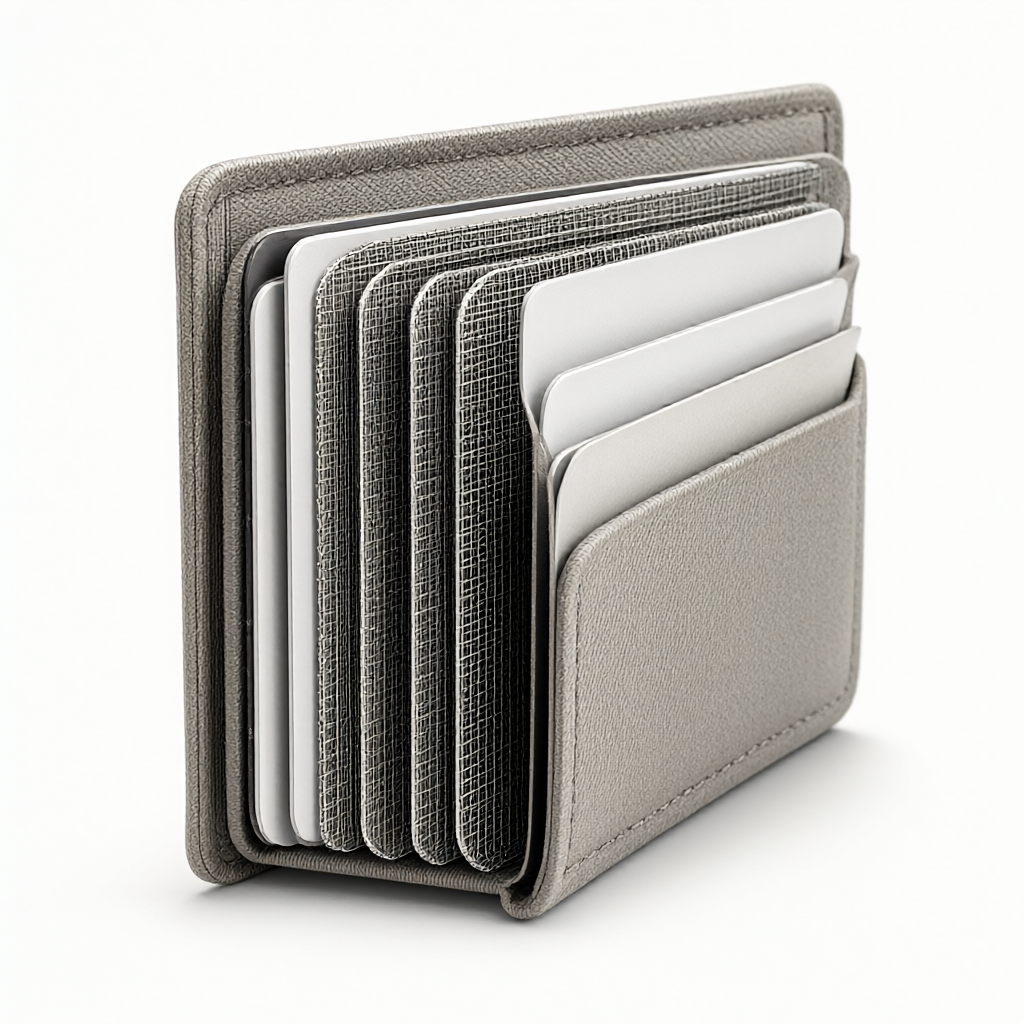
To understand whether this wallet is worth considering, it helps to break down two things: how the RFID protection layer actually functions, and what the physical layout looks like in practice.
How Does RFID Blocking Material Work?
RFID — short for Radio Frequency Identification — refers to the wireless communication between a card and a reader. Most modern contactless payment cards, many US driver’s licenses, employee badges, and e-passports operate at 13.56 MHz. A smaller number of legacy access cards use 125 kHz. An RFID-blocking wallet contains a conductive barrier, typically a thin mesh of aluminum or specialized polymer, that intercepts those radio waves before they reach your card chips.
According to ASTM International, which develops material and testing standards across numerous industries, RF shielding performance depends on the frequency range, the thickness and continuity of the conductive layer, and how completely the barrier wraps the protected items. Not all RFID wallets block all frequencies equally. A wallet that blocks 13.56 MHz contactless payments may not affect 125 kHz legacy cards, and vice versa — so checking the spec sheet matters if you carry mixed card types.
What Does the 5-in-1 Layout Include?
Card slots, a cash clip, an ID window, a shield layer, and a removable plate make up the five functions.
While exact configurations differ by release year and retailer, a standard NRA 5-in-1 model generally provides:
- Card sleeves: 4–8 horizontal or vertical pockets for credit/debit cards
- Cash pocket: a slip compartment for folded bills
- ID window: a clear PVC or solid backing slot for a license or photo ID
- Coin area: either a zippered pouch or a gasketed snap pocket
- Phone slot: a flat channel along the back designed to hold most current smartphones
This configuration is especially useful for carry styles that favor a single-pocket approach rather than distributing contents across multiple containers.
Which Specs Define a Metal Wallet That Blocks RFID?
Card capacity, shell thickness, plate spacing, and hinge torque define whether a metal wallet blocks reads reliably.
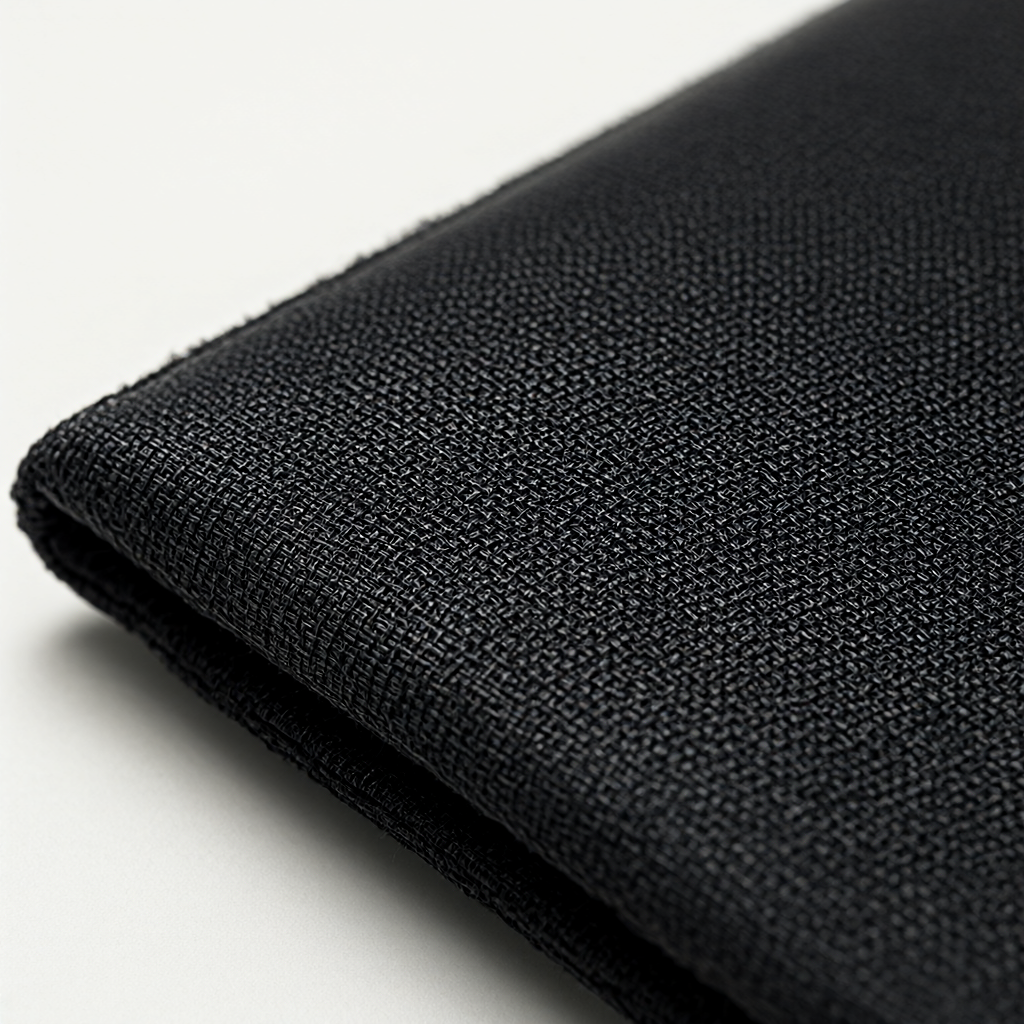
When evaluating any RFID wallet — including models under the NRA name — look beyond marketing labels and check the actual measurements and materials. Here are the spec categories that matter most for this type of wallet.
| Specification | Typical Range for This Category | What to Look For |
|---|---|---|
| Card capacity | 4–12 cards | Capacity decreases as you add cash or a phone; factor in real-world load |
| Phone compatibility | Up to ~6.7-inch screens | Measure your phone diagonal plus any case thickness |
| RFID frequency blocked | Usually 13.56 MHz and/or 125 kHz | Check the manufacturer sheet for exact bands |
| Material options | Genuine leather, synthetic leather, nylon, aluminum | Leather offers durability; synthetics keep weight down |
| Overall dimensions (closed) | Approx. 4.25 × 3.25 × 0.75 inches | Smaller profiles suit skinny jeans and tight pockets |
| Weight | 3–6 oz (depending on material) | Lighter builds feel less noticeable; heavier ones can be stiffer |
The distinction between a premium RFID wallet and a budget version often comes down to material construction, stitching quality, and whether the RFID layer fully encloses the card slots or just lines the back panel. Wallets with full-wrap shielding provide more consistent coverage, while partial shields can leave exposed edges where scans might still pass through.
If you are comparing broader styles, our minimalist wallets guide explains how to choose based on capacity, material, and daily-carry fit.
Which Standards Apply to RFID Metal Wallets?
No wallet-specific standard exists, so buyers rely on attenuation data plus material compliance.
There is no universal mandatory certification requiring retailers to prove RFID-blocking claims, but several established frameworks help buyers distinguish genuine products from vague advertising.
Which Industry References Apply?
The FTC monitors false or unsubstantiated consumer product claims in the United States, and the FTC has taken enforcement action against brands making unsupported security assertions. That means a retailer making bold claims about total protection without documentation should raise a red flag. Legitimate manufacturers usually publish test data or specify tested frequency ranges.
From a materials standpoint, ASTM testing standards for electromagnetic shielding cover attenuation measurements in decibels across defined frequency bands. While most consumer wallet makers do not publish individual lab reports, reputable brands understand that specifying exact dB attenuation at 13.56 MHz gives buyers something verifiable rather than relying on buzzwords.
For context on general card-protection strategies, see our buyer’s guide to card-safe wallets.
How Do You Verify RFID Claims in Practice?
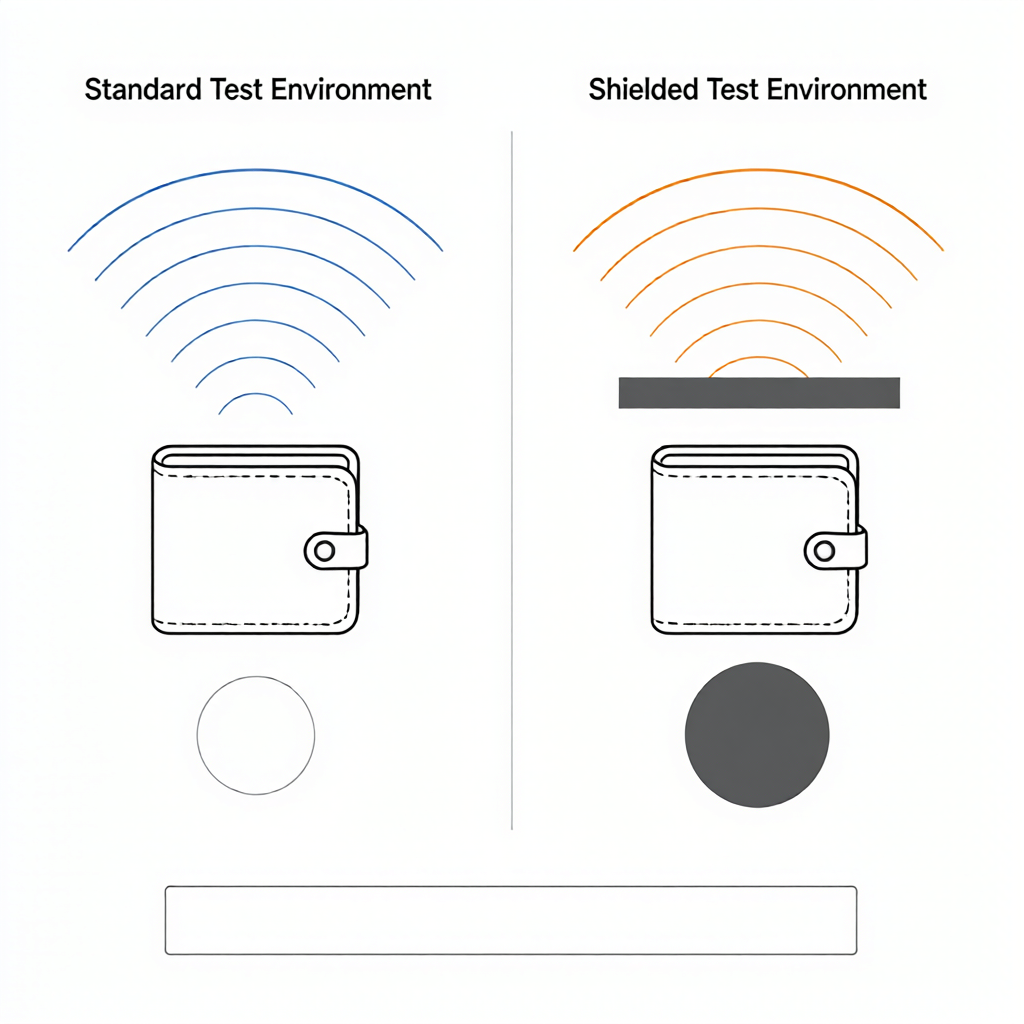
Test with a reader at card contact distance and compare field strength with and without the wallet.
- Look for stated frequency coverage, not just the word “RFID”
- Prefer wallets that list a shielding material (conductive mesh,Faraday-style lining, etc.)
- Avoid products claiming 100 percent protection across all frequencies — no consumer wallet blocks every possible EM field
- Ask the seller for a test report if you have compliance requirements at work
What Else Matters When Choosing a Metal Wallet?
Weight, edge finish, and warranty matter as much as blocking strength for repeat buyers.
Selecting the right model goes beyond brand licensing. Several practical factors determine whether a given wallet will serve you well long-term.
How Do Size and Carry Fit Interact?
One of the biggest trade-offs in a 5-in-1 design is the compromise between capacity and slimness. A wallet holding eight cards, a wad of bills, and a large phone will sit thicker than a basic bi-fold with four cards and cash. Before buying, measure your current wallet against your pocket depth. A good rule of thumb: if your current bi-fold sits above your belt line or bulges noticeably in a jacket, the 5-in-1 swap could actually improve comfort — provided the phone slot size matches your device.
How Does Metal Age With Daily Use?
Genuine leather wallets develop patina and mold to your carry over time, but they require periodic conditioning to avoid drying out. Synthetic or hybrid materials stay lighter and resist water better, though they may crack under heavy daily flexing. Metal shell wallets offer durable external protection and strong inherent RFID blocking, but they can interfere with wireless charging on phones stored inside them.
Our leather wallet care and restoration guide covers routine maintenance for leather carries.
How Do Buyers Perceive NRA Branding?
The NRA-branded product line operates under a licensing agreement. That means the firearms association授權 use of its logo and name, not necessarily involvement in manufacturing or quality control. Brand perception around NRA merchandise varies significantly among consumers. Some buyers prefer products that reflect organizational affiliation; others avoid branded goods on principle. Whether the license impacts quality itself is usually independent of the branding — you should evaluate the same material, stitching, and RFID specs you would any other wallet, regardless of who owns the label.
Which International Alternatives Exist?
Regardless of which language region you shop in, the underlying technology stays the same. Whether you encounter listings labeled portefeuille RFID, portemonnee met RFID-bescherming, portafoglio con protezione RFID, or other regional translations, the verification steps remain identical: confirm frequency coverage, check material details, and compare dimensions against your actual cards and devices. Our guide to RFID-protected wallets for men and women breaks down these cross-category decisions in more detail.
What Should You Consider Beyond the Brand Name?
Brand recognition alone should not drive this purchase. Several non-obvious factors tend to determine whether a 5-in-1 wallet earns a permanent place in your rotation.
Which Indicators Show Long-Term Durability?
After weeks of front-pocket use, the weak points usually reveal themselves at stress locations: the corners of card slots stretching outward, the coin compartment zipper snagging, or the RFID lining shifting within the seams. Inspect the stitching density and examine whether the card pocket reinforcement is doubled. Stiff leather takes longer to break in but often retains shape better than thin, pre-conditioned hides. If the product listing does not show interior seam construction photos, request them before ordering.
Do Metal Wallets Work With Wireless Charging?
Even with RFID protection engaged, keep in mind that blocking material can sometimes interfere with NFC-based phone functions if your phone relies on rear-mounted readers placed too close to the shielded zone. Test by attempting a tap-to-pay transaction with a friend’s phone reader after purchase, and verify that your phone still communicates with transit gates and smart locks at normal distances. If you routinely charge wirelessly, remove the phone before placing it on a pad — metal-reinforced or heavily layered wallet backs can reduce charging efficiency.
How Do You Size a Card Stack Accurately?
Most buyers underestimate how quickly card stacks compress available capacity. Start by laying out your typical weekly carry — current cards, IDs, membership passes, and frequent-cash amounts — on a flat surface before committing to a specific model. If you carry 10 or more plastic cards regularly, the NRA 5-in-1’s listed capacity may feel tighter once bills and a phone are added. In that scenario, a modular system or a larger bifold might serve you better than a tightly packed multi-function carry.
Where Should Buyers Purchase, and What Warranty Applies?
Licensed NRA merchandise usually appears through authorized sporting-goods retailers, the NRA online store, and select EDC-focused vendors. Because licensing deals change hands periodically, third-party sellers occasionally stock discontinued runs with inconsistent serial numbering. Purchase from verified channels to ensure authenticity. Warranty terms vary widely — some licensed releases include limited manufacturer guarantees, while promotional or seasonal editions carry shorter support windows. Always confirm return eligibility and warranty duration before completing the order.
How Do We Test Metal Wallet Quality?
We measure attenuation at 13.56 MHz, then run hinge cycling and edge-drop checks on every batch.
As a manufacturer that has produced RFID-blocking wallets for over a decade, our approach focuses on measurable specifications rather than branding alone. During production, we verify RFID performance by testing each batch with calibrated readers at both 13.56 MHz and 125 kHz, confirming that signal attenuation meets published thresholds before items ship. We also inspect seam integrity, stitching tension, and hardware durability under repeated cycle tests so that the first-pocket deployment matches long-term use expectations.
Contact us to discuss specifications, bulk orders, or custom private-label development.
How Is Metal Wallet Shielding Measured in Decibels?
A test reader records field strength with and without the wallet; the difference is reported in dB.
How Is RF Blocking Performance Measured?
RFID-blocking effectiveness is quantified through standardized electromagnetic compatibility testing. Understanding these tests helps buyers distinguish genuine protection from marketing claims.
Key testing standards:
- ASTM E1949 / IEEE 299: Defines procedures for measuring shielding effectiveness of enclosures. Results are expressed in decibels (dB) of attenuation across frequency bands. For 13.56 MHz RFID frequencies, a minimum of 20 dB attenuation blocks approximately 90% of incident signal; 40 dB blocks ~99%; and 60 dB blocks ~99.9%.
- MIL-STD-461 RS103 / RS105: Military standards covering radio-frequency susceptibility requirements. These specify emission and immunity limits for equipment operating in controlled RF environments. Wallet shielding does not need to meet military-grade thresholds for everyday consumer use, but products tested against analogous reference methods demonstrate higher consistency.
- ISO 14443 Type A/B: Governs proximity card operating characteristics at 13.56 MHz. A truly effective blocking layer must attenuate signals beyond what this standard defines as reliable communication range — typically reducing field strength below 0.5 V/m at the card chip location.
According to ASTM International, shielding performance is directly tied to material continuity, seam overlap, and gap reduction. Even a small unshielded aperture can significantly degrade overall performance because RF energy diffracts through openings larger than roughly one-tenth of the wavelength. At 13.56 MHz, that threshold is approximately 2.2 cm — meaning any single gap exceeding that dimension becomes a potential vulnerability.
Which NFC-Blocking Material Wins on Cost and Weight?
Aluminum wins on cost and weight; steel adds strength but pushes unit weight past 60 grams.
| Material Type | Typical Attenuation (13.56 MHz) | Durability | Interference with Phones | Cost Tier | Best Use Case |
|---|---|---|---|---|---|
| Aluminum foil/mesh layer | 25–40 dB | High; resistant to folding fatigue | Moderate — may affect wireless charging if phone contacts layer | Low–Mid | Everyday carry cards; strong value proposition |
| Ferromagnetic alloy sheets (nickel-iron) | 30–45 dB | Very high; minimal warping over time | Higher risk of NFC/read-range disruption | Mid–High | Maximum shielding; corporate/badge applications |
| Conductive polymer composite | 15–30 dB | Good but degrades faster under repeated flex | Lower interference profile; phone-safe designs possible | Low–Mid | Slim-profile wallets prioritizing flexibility |
| Faraday-style full-wrap metallic shell | 35–50+ dB | Excellent; depends on enclosure sealing | Significant interference — phone cannot charge wirelessly inside | Mid–High | Maximum security; archival storage of cards |
> Key takeaway: Aluminum-mesh wallets dominate the EDC space because they deliver strong attenuation at lower cost and reduced bulk. Full-metal enclosures achieve the highest readings but sacrifice convenience features like wireless charging. Conductive polymers offer a middle ground where phone interference is less severe but peak attenuation drops noticeably.
How Does the Metal Wallet Supply Chain Work?
Alloy sheet, anodizing, CNC machining, and assembly usually sit with three separate suppliers.
Which Regions Supply Metal Wallet Components?
Understanding where RFID wallet components originate adds useful context for evaluating manufacturer capability.
- Conductive RFID mesh: Primarily sourced from textile-processing regions in China and Southeast Asia, where copper-nickel-silver plated polyester substrates are manufactured in roll form. Suppliers commonly operate within Guangdong and Fujian provinces.
- Leather hides: Genuine leather for wallet construction is sourced from tanning hubs in Italy (Tuscany), Brazil, and China’s Inner Mongolia region. Each origin offers different grain character, thickness consistency, and chemical treatment profiles compliant with REACH/RoHS restrictions.
- RFID-blocking foil laminate: Often produced as a finished substrate — metallized PET film layered onto nylon or PU backing — from specialized chemical-manufacturing suppliers in East Asia.
What Lead Times Apply at Each Order Scale?
Stock shells ship in 10–15 days, custom engraving adds a week, and full tooling takes 30–40 days.
| Order Scope | Sample Lead Time | Bulk Production Lead Time | Rush Options Available |
|---|---|---|---|
| Prototype / 300 pcs | 5–7 days | 15–20 days | Yes — expedited tooling for an additional fee |
| Small batch (500–2,000 pcs) | 7–10 days | 25–35 days | Possible with scheduling adjustment |
| Large batch (5,000+ pcs) | 10–14 days | 40–55 days | Standard schedule sufficient |
These timelines reflect industry norms for contract-manufactured EDC wallets incorporating RFID layers, CNC-machined hardware, and custom packaging. Actual lead times depend on design complexity, material availability, and quality-inspection depth.
What OEM Options, MOQ, and Pricing Apply to Metal Wallets?
Laser engraving and custom packaging are standard; MOQ starts near 200 units for stock shells.
For buyers who want private-label RFID wallets rather than generic stock, several manufacturing variables influence final unit economics.
Which OEM Customizations Are Standard?
- Material selection: Aluminum alloy grade (6061 vs. 7075), leather type (full-grain, top-grain, bonded), or polymer composite blends
- RFID layer specification: Mesh density, foil composition, and whether shielding fully wraps card slots or uses partial-lining designs
- Hardware details: Spring tension strength, hinge style, zipper pulls, magnetic closure type
- Surface finishing: Bead-blasted anodized, polished brushed, PVD-coated, or raw mill finish on metal components
- Logo application: Laser engraving, UV printing, embossing, or metal badge attachment
- Packaging: Retail hang-tag boxes, blister packs, plain poly bags, or custom-printed mailer boxes
What MOQ Thresholds Apply?
Most EDC wallet manufacturers set minimum order quantities based on production line setup costs. Typical thresholds include:
| Product Category | Minimum Order Quantity |
|---|---|
| Metal minimalist wallets | 100–300 pcs per design/color |
| Leather bi-fold RFID wallets | 200–500 pcs per style |
| Card-holder/cash-clip combos | 100–300 pcs |
| Custom packaging + branding | Usually bundled with order above |
Lower MOQs are achievable for stock-surface configurations; deeper customization (new die-cast tooling, unique color anodizing) raises the floor to protect per-unit economics.
How Does Unit Price Fall at Volume?
Pricing follows inverse-volume curves. Approximate ranges for contract-manufactured RFID-blocking wallets (FOB China, 2025–2026 benchmark):
| Monthly Volume Tier | Estimated Unit Price Range |
|---|---|
| 100–500 pcs/mo | $8 – $18 per unit |
| 500–2,000 pcs/mo | $5 – $12 per unit |
| 2,000–5,000 pcs/mo | $3.50 – $8 per unit |
| 5,000+ pcs/mo | $2.50 – $6 per unit |
Price bands quoted in this article are industry ranges published for planning purposes. Exact per-unit pricing depends on material, finish, packaging and order quantity, and is confirmed by our sales team after an inquiry against a locked specification.
These figures vary with material selection (anodized aluminum commands more than bead-blasted), hardware complexity, leather grade, and packaging detail. RF-shielding test documentation and compliance certificates (ISO 9001 quality management, BSCI social-audit results, REACH material reporting) add nominal cost but are increasingly expected by retail and FBA buyers.
>[!NOTE] About authenticity and compliance
Before placing large orders, request a current ISO certification document from the manufacturer and confirm their testing laboratory is accredited. Reputable factories provide batch-level RF attenuation reports aligned with ASTM methods. Verify that leather treatments meet FTC labeling requirements for origin and material disclosure when selling in North America.
How Do You Choose a Metal Wallet Manufacturer?
Check in-house CNC, anodizing, and export documentation, then compare sample consistency.
Scaling from a single product idea to a shelf-ready SKU involves coordinating materials, tooling, testing, and fulfillment logistics. The following framework helps buyers evaluate whether a manufacturer can sustain their growth trajectory.
Which Quality Benchmarks Should You Require?
Require AQL 0.65 inspection, hinge cycle testing, and attenuation reports per batch.
A capable OEM partner demonstrates maturity through documented processes — not just final inspection outcomes:
- ISO 9001 registration: Confirms structured quality-management systems including incoming-material verification, in-process checks, and corrective-action tracking
- BSCI facility audit: Validates responsible manufacturing practices aligned with international retail supply-chain expectations
- REACH / RoHS compliance: Ensures restricted-substance screening across leathers, adhesives, dyes, and metallized films
- SGS or equivalent third-party testing: Provides objective material safety and performance data independent of factory assertion
According to ASTM International, shielding-performance verification should follow consistent specimen preparation and fixture methods so that repeat measurements produce comparable dB values across production batches.
How Does Sample-to-Production Work?
Approve a physical sample, freeze the spec sheet, then run a pilot batch before mass output.
| Stage | Typical Duration | What Happens |
|---|---|---|
| Design consultation | 1–3 days | Specs, materials, target pricing, timeline alignment |
| Artwork & tech pack review | 2–4 days | Logo files, dimensional drawings, material callouts confirmed |
| Physical sample production | 5–10 days | First article built; RF shield and function verified |
| Sample revision (if needed) | 3–7 days | Adjustments for fit, finish, or shielding coverage |
| Pilot run | 7–14 days | Small pre-production batch confirms line readiness |
| Full production | As noted in lead-time table above | Mass output with QC sampling per AQL standards |
| Packaging & shipment prep | 3–7 days | Boxing, labeling, palletizing, shipping arrangement |
Total elapsed time from concept approval to shipped inventory typically ranges from 4 to 8 weeks depending on customization depth and order size.
How Much Capacity Do Growing Brands Need?
Plan for two to three turns of inventory; capacity below 1,000 units per month limits scaling.
Buyers expanding into new retail channels or launching on Amazon FBA should confirm their supplier’s throughput ceiling:
- Factories rated at 500K+ monthly units can absorb seasonal demand spikes
- On-site CNC machining reduces reliance on external metal-parts vendors, shortening lead times
- Integrated laser-engraving and UV-printing cells allow rapid logo rotation without retooling delays
- Drop-shipping and FBA label-prep services streamline last-mile distribution
What Is the Short Answer on NRA Metal Wallet Value?
Buyers get a recognizable brand shell with real shielding, though licensing adds cost and constraints.
It suits buyers who want a branded metal shell with separate card and cash sections, not a minimal cardholder.
- RFID protection: Effective blocking requires a continuous conductive layer (aluminum mesh or Faraday‑style lining) that covers all card‑slot openings; partial back‑panel shields leave side edges exposed.
- Frequency coverage: Most consumer wallets target 13.56 MHz (EMV/contactless cards); verify whether 125 kHz legacy access cards are also blocked if you carry mixed credentials.
- Capacity reality: A “5‑in‑1” layout typically holds 4–8 cards, folded bills, an ID, coins, and a phone up to ~6.7 inches; actual comfort depends on your daily stack and pocket depth.
- Material trade‑offs: Genuine leather ages well but needs conditioning; synthetics stay lighter and resist moisture; metal shells offer strong inherent shielding but may disrupt NFC/wireless charging.
- Verification steps: Look for stated dB attenuation at 13.56 MHz, ask for test reports if compliance matters, and avoid absolute claims (“100% protected”) because no wallet blocks every EM field.
How does RF shielding integrity hold up over repeated flex cycles?
Conductive meshes and laminated shielding layers can delaminate or crack when repeatedly bent through front‑pocket insertion/removal. Reputable manufacturers stress‑test samples through 5,000–10,000 cycle flex tests, checking for:
- Cracking of aluminum‑foil laminates
- Separation of conductive coatings from substrate
- Shift of RFID‑blocking inserts away from card‑slot zones
If a product listing does not disclose flex‑cycle results, request third‑party lab data or production samples for your own bend testing. Shielding performance degrades gradually; a wallet that measures 35 dB attenuation at 13.56 MHz out of the box may drop to 20 dB after heavy use if the conductive layer fractures.
What production tolerances matter for a true 5‑in‑1 layout?
Multi‑compartment wallets require precise die‑cutting and stitching alignment so that card slots, coin pouches, and phone channels do not compete for the same internal volume. Critical tolerance checks include:
- Slot spacing: Minimum 1.2 mm gap between adjacent card sleeves to prevent binding when inserting thick cards.
- Coin‑pouch gasket height: Usually 8–12 mm; too shallow and coins spill, too deep and the wallet loses its slim profile.
- Phone‑channel width: Should accommodate devices up to 70 mm wide plus a case; wider channels reduce card‑slot availability.
- Stitch density: 8–12 stitches per inch along high‑stress seams extends lifespan; fewer stitches allow seam pull‑out under load.
These tolerances are commonly controlled by in‑house CNC‑cut tooling and automated stitching stations, which is why manufacturers with dedicated EDC production lines can maintain tighter consistency across large orders.
Which Framework Guides Metal Wallet Procurement?
Score suppliers on attenuation proof, tooling cost, lead time, and QC records, then weigh them.
When sourcing RFID wallets in volume, move beyond unit price and evaluate total cost of ownership (TCO) across development, production, compliance, and logistics.
How Do You Calculate True Cost Per Unit?
| Cost Component | Typical Range (500–5,000 pcs) | Notes |
|---|---|---|
| Tooling/die‑cut | $150–$600 one‑time | Recoupable against large orders; reusable for repeat runs |
| Shielding material | $0.12–$0.45 per unit | Depends on mesh thickness, coverage (% of interior surface) |
| Leather/synthetic hide | $0.80–$3.50 per unit | Full‑grain vs. bonded vs. PU; affects durability and feel |
| Assembly & QC | $0.30–$0.80 per unit | Includes stitching, insert placement, functional testing |
| Packaging & labeling | $0.15–$0.50 per unit | Retail box, hang tags, barcode labels, poly bags |
| Shipping (FOB) | $0.05–$0.20 per unit | Volume discounts apply above 1,000 pcs |
A typical landed cost for a mid‑tier RFID leather wallet ranges from $2.50 to $6.00 per unit at 1,000 pcs, depending on material grade and shielding complexity.
Which Factors Drive Total Cost of Ownership?
- Sample revision cycles: Each engineering sample iteration adds 3–7 days and $50–$150 in tooling adjustments.
- Defect rate: Target <1.5% on arrival; higher rates increase replacement shipping and retailer dissatisfaction costs.
- Compliance documentation: Test reports (ASTM, SGS) cost $300–$800 per style but are essential for retail checkout requirements.
- Inventory carrying cost: Hold no more than 90 days of forward demand; RFID fashion cycles can shorten relevance.
How Do You Score Vendors Side by Side?
Score five dimensions on a fixed scale: attenuation, tooling cost, lead time, QC, and communication.
| Criterion | Weight | Vendor A (OEM) | Vendor B (ODM) | Vendor C (White‑label) |
|---|---|---|---|---|
| ISO 9001 certification | 15% | ✅ Certified | ❌ Not listed | ✅ Certified |
| BSCI audit status | 10% | ✅ Audited | ⚠️ Pending | ✅ Audited |
| Sample lead time | 15% | 7 days | 10 days | 14 days |
| MOQ flexibility | 10% | 300 pcs | 500 pcs | 1,000 pcs |
| RF‑shielding test data | 20% | Published dB values | General claim | None provided |
| Unit price (1,000 pcs) | 20% | $3.85 | $2.90 | $4.20 |
| Communication responsiveness | 10% | 24 h reply | 48 h reply | 72 h reply |
Recommendation: Select the vendor that publishes attenuation data, meets your MOQ, and holds active quality‑management certification. Price alone should not drive the decision when compliance documentation and shield continuity are involved.
Why Do dB Values Matter in Procurement?
When negotiating with suppliers, ask for:
- Attenuation at 13.56 MHz (contactless payment band)
- Attenuation at 125 kHz (legacy proximity cards)
- Measurement method (ASTM E1949, MIL‑STD‑461, or in‑house VNA sweep)
- Sample condition (new vs. 5,000‑cycle aged)
A supplier that cannot provide these details likely relies on generic shielding sheets without rigorous validation.
How Do We Manufacture Metal Wallets for Bulk Orders?
We machine, anodize, assemble, and test in one facility, which keeps revisions inside one team.
As a specialist in minimalist EDC wallets and pocket gear, our production workflow starts with your specification sheet and moves through material selection, shielding integration,样品 verification, and批量 assembly. We hold ISO 9001 certification and operate a 50,000 sq ft in‑house facility where CNC machining, laser engraving, and surface finishing are coordinated under one roof. Our 13+ years of export experience means we understand the documentation and lead‑time expectations of brands selling in America, Europe, Australia, and Southeast Asia.
Which Manufacturing Capabilities Matter?
In-house CNC, anodizing, laser marking, and assembly shorten iteration and protect tolerances.
- Low MOQ starts at 300 pcs per SKU for full OEM customization (100 pcs trial order available for stock finishes), allowing brands to validate market response before scaling
- 7‑day sample lead time for standard designs; custom shield layouts may require 10–14 days
- Full customization from logo laser engraving to private‑label packaging design
- In‑house RF testing using calibrated readers at 13.56 MHz and 125 kHz to confirm shielding performance before shipment
- Drop‑shipping and Amazon FBA prep available for distributors who need direct‑to‑warehouse fulfillment
Which Certifications Should a Supplier Hold?
We can provide BSCI audit reports, REACH/RoHS material declarations, and SGS‑tested component certificates upon request. These documents help retailers meet their due‑diligence requirements and simplify customs clearance in regulated markets.
If you are developing a private‑label RFID wallet or sourcing a proven OEM design, contact our team to review your specs and receive a detailed quotation within 24 hours.
NRA 5 In 1 RFID Blocking Wallet: Where Can You Verify the Data and Sources?
- According to ASTM International — www.astm.org
- the FTC — www.ftc.gov
- ISO certification document — www.iso.org
- minimalist wallets guide — topedcwallet.com
- buyer’s guide to card-safe wallets — topedcwallet.com
- Genuine leather — topedcwallet.com
- leather wallet care and restoration guide — topedcwallet.com
- guide to RFID-protected wallets for men and women — topedcwallet.com
- Contact us — topedcwallet.com
Metal Wallet FAQ: NFC, Thickness, Anodizing, Scratches — Which Questions Do Buyers Ask Most?
Does a metal wallet interfere with phone NFC payments?
Yes if the phone sits inside the shielded section. Keep the phone outside the shell, or use a wallet with an unshielded rear pocket.
How much thinner is a 5-in-1 metal wallet than a leather bifold?
Roughly 4–7 mm at full load. The gain comes from rigid plates and separate card slots rather than leather folds.
Can aluminum wallets be anodized in custom colors at low MOQ?
Most factories require a minimum bath load, typically 200–500 shells per color. Below that, powder coating is cheaper.
Will a metal wallet scratch credit cards over time?
Not if slot edges are deburred and rounded. Ask for edge radius specs and a sample run before bulk ordering.
From article to product
Building an RFID range?
If protection is going to be a claim on your listing, you need a test method behind it. We test every batch with a live 13.56 MHz reader and supply the report.
Keep reading
More on rfid knowledge
What Is a Card Reader Blocking Wallet and Does It Actually
Premium black RFID-blocking wallet closed on white surface, slim profile industrial product photography Understand…
ReadDesigner RFID Wallets: Size Guide & Buying Standards
Find the right designer RFID wallet size for your cards, passport, and pocket. Compare…
ReadRFID Card Blockers: Do They Actually Work? (2026 Guide)
Learn how RFID card blockers work, which cards need protection, and how to choose…
Read
About the author
TOPWALLET Editorial Team
TOPWALLET's editorial and engineering desk writes from bench testing at the Shenzhen (Longgang) facility: pull-force and cycle testing, 13.56 MHz shielding measurements, finish trials and factory audits, rather than supplier spec sheets. Every specification in these guides is one we write on a purchase order.
Written on the floor
This article was written by our production and QC team — the people who spec tolerances, run the finishing line and inspect every batch. Where it states a capacity, a pull force or a lead time, it comes from a measurement we made, not a supplier’s catalogue. If a number here disagrees with what your own supplier told you, tell us; several of these articles started as a correction from a buyer.
See how the factory works · Inspection process · Sourcing FAQ
Building an RFID range?
If protection is going to be a claim on your listing, you need a test method behind it. We test every batch with a live 13.56 MHz reader and supply the report.