

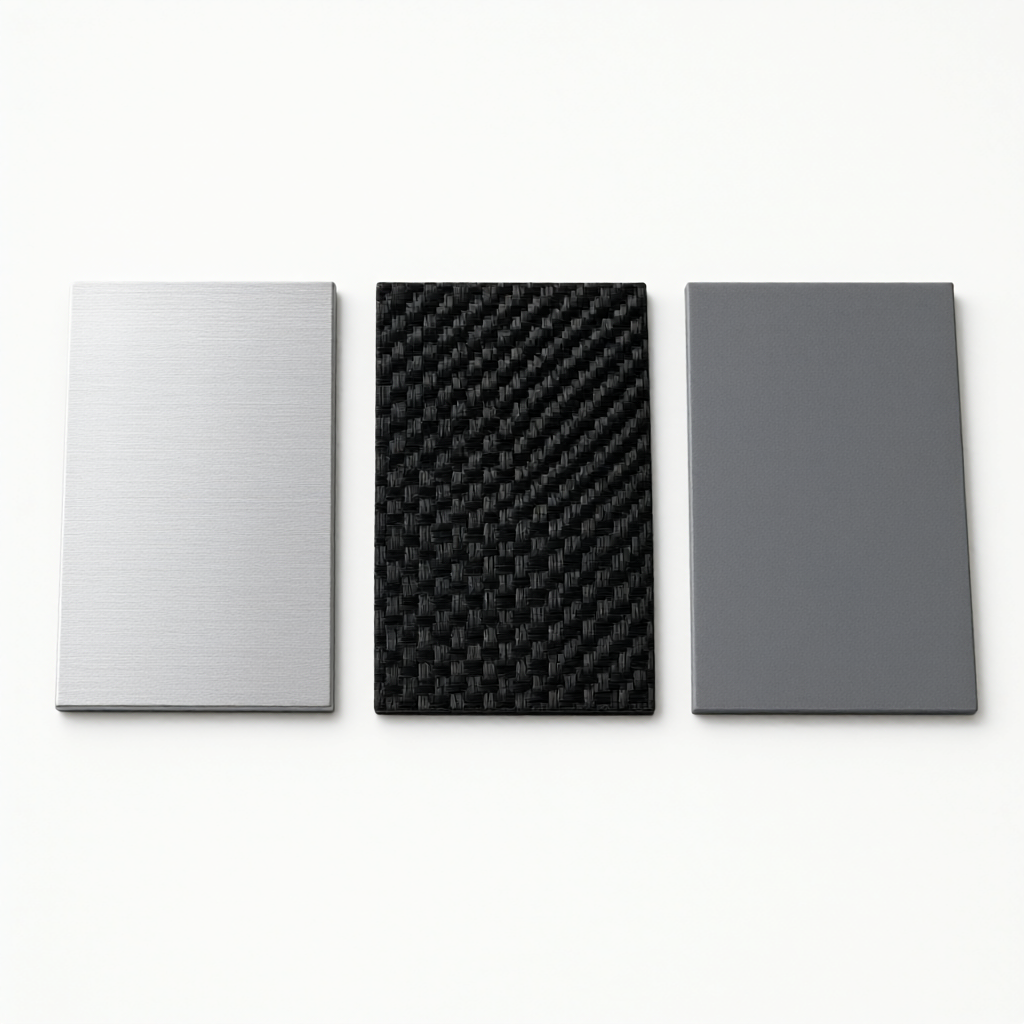
If you are looking for a practical answer first: for most everyday carry situations, a slim RFID-blocking card holder or minimalist metal wallet fits the majority of users better than a traditional bifold. It holds the cards and bills you actually use daily, protects against skimming, and eliminates the bulge that makes front pockets uncomfortable. That said, “best” depends entirely on how many items you carry, where you keep them, and whether security or style matters more to you.
A money wallet is simply a compact accessory designed to secure cash, cards, and occasionally small coins inside a pocket or bag. What separates a useful one from an overpriced disappointment is material choice, construction quality, capacity planning, and whether it includes features you will actually use — not marketing noise. The guide below breaks down every major wallet category, compares real specifications, and helps you match a type to your lifestyle before you commit to a purchase.
Types & Categories
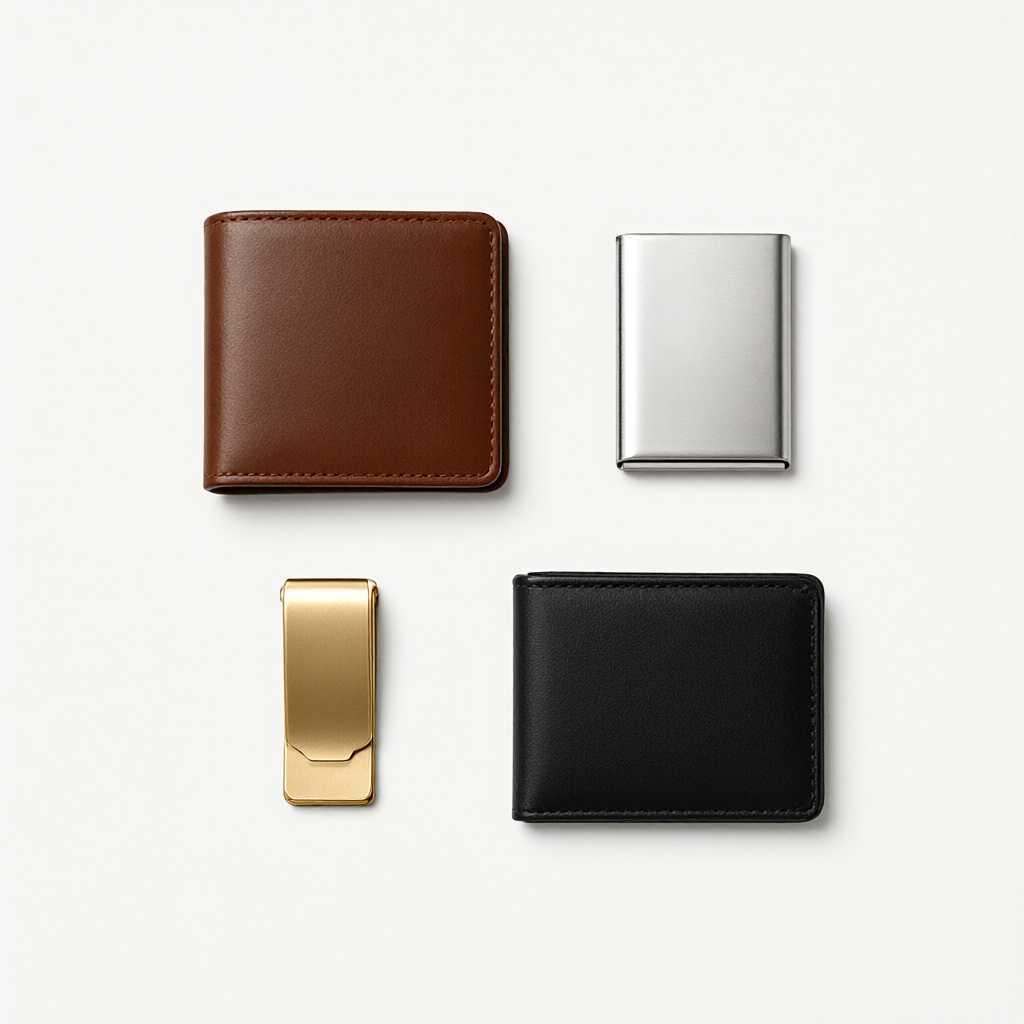
Understanding the different wallet families is the fastest way to narrow your options. Each type solves a different carry problem, and confusing them is why many buyers end up frustrated.
What is a minimalist card wallet and who is it for?
A minimalist card wallet — sometimes called a front pocket wallet or cash card holder — is a flat, usually spring-loaded or elasticized device that holds ten to twenty cards vertically. It strips away the accordion folds and excess leather of a traditional bi-fold and replaces them with a single-layer profile that sits comfortably in a front pocket.
This type works best for buyers who carry five to fifteen cards and a modest amount of folded cash. If you mostly tap your phone or card at point-of-sale terminals and rarely need to access a full stack of receipts, a minimalist design eliminates unnecessary bulk while keeping essentials accessible. Many aluminum and titanium versions also integrate an RFID-blocking layer, which adds security without increasing thickness significantly.
When should you choose a bifold wallet?
A classic bifold wallet consists of two hinged panels that fold in half. It typically offers three to four card slots on each side, a central bill compartment, and sometimes a transparent ID window. These remain popular because they handle large card collections and larger bills better than any other format.
The trade-off is size. A loaded bifold can add half an inch or more of thickness to your front pocket and may press uncomfortably into your thigh when sitting. Buyers who prioritize max capacity over comfort, or who carry a back pocket instead, often prefer this traditional layout. Modern versions have reduced their footprint through thinner leathers and tighter slot spacing, but they still cannot match the slimness of a dedicated card holder.
What makes a money clip wallet different?
A money clip wallet secures folded bills with a mechanical clip — usually metal — and holds a handful of cards behind or beside it. The design originated among travelers and professionals who wanted a reliable closure without relying solely on friction.
Money clip wallets appeal to buyers who carry cash regularly but want to avoid the “accordion effect” of bills sliding out of a loose pocket. They sit between a minimalist card holder and a bifold in terms of capacity and bulk. Titanium and aluminum clips add noticeable rigidity and longevity compared to polymer or leather alternatives, though the clip mechanism itself can be a failure point if poorly machined.
When is an RFID-blocking wallet necessary?
An RFID-blocking wallet incorporates a layer of ferromagnetic or conductive material that attenuates radio frequency fields around 13.56 MHz — the frequency most contactless cards and passports use. This shields your chip data from close-range wireless reading attempts.
RFID protection matters most in crowded urban environments where pickpockets operate, during travel in high-theft zones, or if you carry multiple contactless bank cards, transit passes, or employer badges. For casual everyday carry in low-risk settings, the practical benefit diminishes because real-world skimming incidents using RFID technology remain statistically rare. Still, as noted in industry testing referenced by ASTM International, standardized attenuation measurements provide a verifiable benchmark rather than relying on untested claims. Several brands now offer aluminum and carbon fiber wallets with certified blocking layers. See our guide to RFID-protected wallets for men and women for a deeper breakdown of how these materials perform under test conditions.
What is a lanyard wallet and where does it fit?
A lanyard wallet attaches to a neck cord, wrist strap, or belt loop and typically opens to reveal card slots and a zippered cash compartment. It prioritizes security through physical attachment rather than pocket concealment.
This format suits outdoor enthusiasts, festival attendees, and travelers who do not trust a pocket alone. The downside is convenience: you must wear or carry the lanyard deliberately, and it adds visible bulk that many office or formal environments discourage. Most lanyard wallets lean toward leather or synthetic materials rather than metals because flexibility and snap closures matter more in this category.
When should you consider a clutch-style wallet?
A clutch wallet is a larger, often rectangular purse-style container that zips closed and accommodates smartphones, multiple card stacks, wallets, and sometimes keys. It functions as a mini organizers replacement rather than a dedicated pocket wallet.
Clutch wallets belong primarily to buyers who consolidate everything into one hand-carry item instead of distributing gear across multiple pockets. They dominate in regions where front-pocket carrying is culturally uncommon and in professional settings where a blazer or briefcase provides ample storage space. Inside a bag or backpack, a clutch can replace several smaller pouches efficiently.
Is a zipper wallet worth the extra complexity?
A zipper wallet encloses its contents within a fabric or leather track that closes with a metal or plastic slider. This creates a fully sealed chamber that prevents cards and cash from sliding out accidentally — something even a well-designed minimalist holder cannot guarantee.
Zippers add approximately three to six millimeters of thickness depending on coil style and fabric weight. They excel for travel, gym bags, and anyone who has experienced the annoyance of cards slipping from an open sleeve. The risk is zipper failure, which is far more common in budget models with inexpensive plastic coils. For serious everyday use, a metal-reinforced zipper in a quality leather or ballistic nylon body is the threshold to aim for.
See our minimlist wallet buyer’s guide for additional context on how zero-bulk designs compare to zipper-enclosed systems.
Comparison Table
The table below summarizes key specifications across the major wallet types. Use it as a starting point before narrowing by your personal capacity and security needs.
| Type | Typical Card Capacity | Common Materials | Weight Range | Average Price Range (USD) | Best Scenario |
|---|---|---|---|---|---|
| Minimalist card holder | 4–20 | Aluminum, titanium, carbon fiber, silicone | 30–80 g | $15–$60 | Everyday minimal carry |
| Slim bi-fold | 6–16 | Full-grain leather, bonded leather, canvas | 60–120 g | $20–$80 | Moderate card collection |
| Money clip wallet | 4–12 cards + cash | Stainless steel, titanium, leather hybrid | 50–100 g | $20–$90 | Regular cash users |
| RFID-blocking wallet | Varies by model | Aluminum with blocking layer, carbon fiber + blocker | 40–90 g | $25–$70 | High-theft areas, frequent travel |
| Lanyard wallet | 6–15 | Nylon, polyester, leather | 80–150 g | $15–$50 | Outdoors, festivals, travel |
| Clutch wallet | 10–25 + phone | Leather, PU, ballistic nylon | 150–300 g | $25–$100 | Bag-only carry, formal/professional |
| Zipper wallet | 6–20 | Leather, nylon, canvas | 70–140 g | $20–$65 | Travelers, active lifestyles |
| Cwallet-style rigid holder | 4–10 | Polycarbonate shell, leather insert | 50–80 g | $25–$60 | Tech-forward minimalists |
Buying Factors
Choosing the right wallet comes down to five decision dimensions. Understanding each one independently prevents overspending on features you will never use and missing critical ones you depend on daily.
Material Durability
Material determines how long a wallet survives abuse, weather, and routine friction. Four mainstream options dominate today’s market:
- Aluminum: Lightweight, scratch-resistant after anodizing, and impervious to water damage. Anodized aluminum wallets from reputable manufacturers typically score well on drop resistance and surface hardness. However, dents from hard impacts are permanent, and the metal conducts temperature noticeably in extreme cold.
- Carbon fiber: Exceptionally stiff and light, with a distinctive woven appearance. High-quality prepreg carbon fiber resists cracking and delamination better than cheap resin-soaked imitations. The main weakness is edge chipping if struck against concrete at an angle.
- Titanium: Heavier than aluminum but stronger by volume. Grade 5 titanium (the standard for premium wallets) offers excellent corrosion resistance and can tolerate significant bending forces before deforming permanently. It is the go-to material for buyers who prioritize longevity over packability.
- Leather: Traditional full-grain leather ages beautifully and remains flexible across temperature ranges. Vegetable-tanned leather develops a patina; chrome-tanned leather resists stains faster. Low-cost bonded leather delaminates within months and should be avoided unless budget is the sole constraint.
For detailed guidance on leather grades and care practices, refer to our leather wallet care and restoration guide.
Capacity and Organization
Capacity is not just about how many cards a slot accepts — it is about how you retrieve them. Spring-loaded minimalist holders present cards in a fan pattern, making the outermost card easy to grab while requiring a deliberate pull for inner slots. Traditional bifold slots hold cards flush and allow simultaneous access to all positions, which speeds up selection but increases bulk when fully loaded.
Buyers who rotate cards frequently — swapping loyalty cards, work badges, and emergency cash — should prioritize a layout that exposes all entries without digging. Those who set it-and-forget-it on a smaller core set benefit more from elastic retention that keeps everything locked in place.
Explore sizing principles further in our wallet size and dimension guide.
Security Features
Beyond RFID blocking, security manifests in three practical forms:
- Physical retention: Anti-drop mechanisms, secure closures, and rigid frames prevent accidental ejection. A poorly tensioned spring in a budget minimalist wallet can lose holding force after repeated cycles, causing cards to slip out when you reach for cash.
- Digital shielding: As discussed above, RFID attenuation protects contactless chips from unauthorized scanner reads within roughly ten centimeters. Properly engineered blockers maintain attenuation above 25 dB across the 13.56 MHz band, per testing methodology outlined by standards bodies such as those referenced at iso.org.
- Concealment: Slim profiles and neutral aesthetics reduce visual targeting. A bright orange tactical wallet signals value to opportunistic thieves far more effectively than a matte black carbon fiber holder worn flush against the body.
Our card-safe wallet buyer’s guide covers these protection strategies in depth.
Aesthetic and Wear Context
Style is not frivolous when you carry the same object hundreds of times per day. A wallet that clashes with your usual attire creates cognitive friction and increases the likelihood of switching to a spare until the aesthetic “works.”
Professional office wear generally favors subdued tones — black, charcoal, dark brown leather, or brushed titanium. Outdoor and tactical lifestyles tolerate more aggressive textures, bead-blasted finishes, and higher-contrast colors. Everyday minimal carry sits somewhere in the middle, with buyers tending toward versatile metals or neutral synthetics that pair with both jeans and chinos.
Closure Mechanism Reliability
The closure you select dictates daily friction. Snap closures fail predictably when the magnetic latch weakens or the prong deforms. Elastic sleeves maintain consistent tension longer but stretch minimally over years of loading and unloading. Zippers never loosen but introduce slider wear points. Rigid card frames rely on spring steel fatigue life, which varies widely by metallurgy and heat treatment.
If a wallet will live in your front pocket exclusively, a well-engineered spring or elastic system usually proves more durable over five-year horizons than any mechanical latch.
Price & Cost
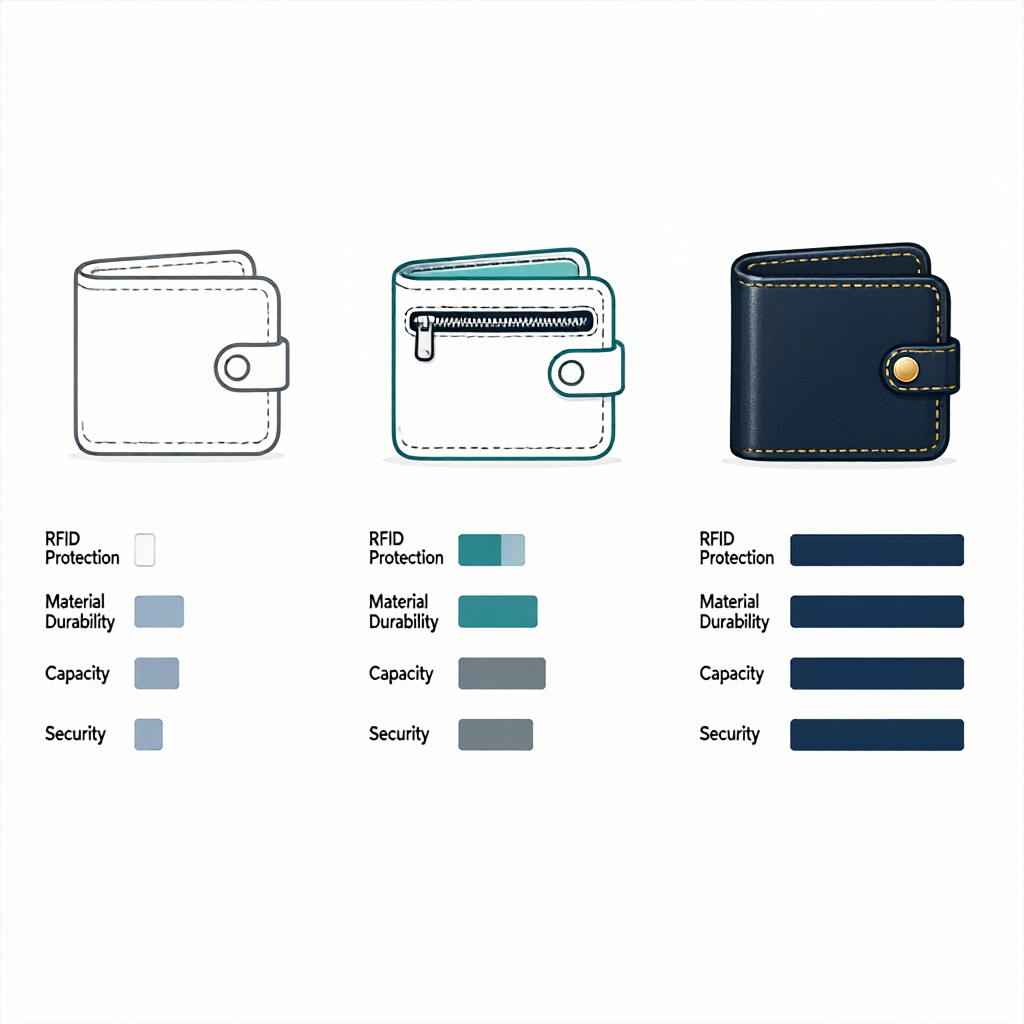
Wallet pricing spans a remarkably wide band because materials, tooling complexity, and brand positioning all push costs in opposite directions.
Entry-level wallets under $20 typically use bonded leather, stamped aluminum, or basic polymer frames. Construction quality here is adequate for light duty but rarely competitive on long-term reliability. Replacement is cheaper than upgrading mid-tier.
Mid-range wallets between $20 and $60 represent the strongest value zone for most buyers. This bracket includes properly anodized aluminum models, genuine full-grain leather bi-folds, entry carbon fiber constructions, and branded titanium accents. You are paying for functional materials rather than luxury markup.
Premium wallets above $60 incorporate grade 5 titanium bodies, high-modulus prepeg carbon fiber, custom engraving, and proprietary anti-loss mechanisms. Some designer leather pieces command similar prices for craft heritage rather than raw performance.
Several variables drive cost differences beyond material:
- Tooling complexity: Machining a thin-wall titanium frame requires multi-axis CNC operations that stamped aluminum skips entirely.
- Surface finishing: Bead blasting, anodizing, PVD coating, and hand polishing each add processing steps.
- Assembly method: Riveted versus glued versus welded joints affect labor time and long-term joint integrity.
- Packaging and certification: Retail-ready boxes, individual polybags, compliance documentation, and barcode labeling increase per-unit overhead, especially at lower volumes.
For a focused look at how capacity influences price, see our 12-card bi-fold wallet buyer’s guide.
Pros & Cons
Each wallet family carries inherent strengths and weaknesses. Matching those attributes to your routine prevents mismatched expectations after purchase.
Minimalist card holders
Advantages: Extremely low profile; excellent pocket comfort; highly durable metal variants; natural RFID integration; lightweight for travel.
Disadvantages: Limited capacity for large card collections; cash retention relies on tension springs that can fatigue; limited coin storage; aesthetic uniformity reduces fashion versatility.
Bi-fold wallets
Advantages: Highest capacity; familiar layout; robust leather aging; no moving parts to fail; compatible with back-pocket carry cultures.
Disadvantages: Adds noticeable bulk to front pockets; slower card access when densely packed; heavier overall; less resistant to water exposure than metals.
Money clip wallets
Advantages: Secure cash retention without elastic dependency; hybrid capacity combining clip and slots; strong material options in titanium and steel; distinctive professional look.
Disadvantages: Clip mechanism can loosen over time; awkward if you prefer pulling cash quickly by the corner; limited coin capacity; higher price for quality titanium clips.
RFID-blocking wallets
Advantages: Measurable protection against wireless skimming; often combined with slim metal construction; suitable for high-risk urban and travel scenarios.
Disadvantages: Blocking layer adds marginal weight; not a substitute for basic situational awareness; some cheap implementations block nothing despite marketing claims; certification verification is essential.
Lanyard wallets
Advantages: Physically secured to the wearer; large capacity relative to bulk; zippered compartments improve organizational clarity; affordable entry points.
Disadvantages: Visually conspicuous; requires wearing habit compliance;不适合 formal business settings; lanyard attachments can snag or detach unexpectedly.
Clutch wallets
Advantages: Maximum consolidated capacity; smartphone accommodation; often includes multiple internal dividers; protective when placed inside another bag.
Disadvantages: Requires intentional placement in bag or hand; largest external footprint; often redundant if you already carry a structured bag with separate pockets.
Zipper wallets
Advantages: Fully enclosed contents; high security against accidental loss; excellent for active or travel use; versatile interior layouts.
Disadvantages: Slider failure risk in lower-cost models; added thickness from coil track; slower access than open-slot designs; zippers resist cleaning debris accumulation.
Additional Considerations
Several related topics round out the purchasing decision and help buyers avoid common regrets.
Kinds of wallet extend beyond the categories above into specialty formats: wallet straps that attach to belts, hidden pocket money pouches worn underneath clothing, and hybrid phone-wallet combinations. These niche formats serve specific habits and rarely replace a primary wallet for most users.
What makes a guys wallet truly great beyond just looks? Long-term material stability, consistent spring tension, thoughtful slot geometry that does not jam when partially loaded, and hardware that survives daily friction without loosening. Surface treatments that resist scratching under real pocket conditions matter far more than glossy showroom photographs.
Great wallets tend to share a restraint philosophy: they deliver reliably on a narrow set of functions rather than attempting to accommodate every conceivable combination of cards, cash, keys, and tools. Overloading a wallet design usually sacrifices the very qualities — slimness, speed of access, retention security — that make it valuable in the first place.
How does a Cwallet-style rigid holder differ from a traditional bifold? The Cwallet uses a semi-rigid polycarbonate shell with an interchangeable leather insert, locking cards behind a tension bar that prevents frontal ejection while allowing rear withdrawal. A traditional bifold relies on friction slots within folded leather. The rigid holder wins on structural persistence and modern aesthetics; the bifold wins on universal familiarity and maximum slot count without mechanical dependency.
When should you upgrade from a big skinny world-style elastic wallet to a rigid metal frame? Elastic-only designs suffice when your card load stays below ten and you value ultralight flexibility. Once you exceed that threshold or notice elastic memory loss after repeated stretching, transitioning to a machined aluminum or titanium frame restores retention confidence and extends service life considerably. Our big Skinny World Wallet complete buyer’s guide walks through this transition scenario in detail.
Are men designer wallets worth the premium? Designer labels inflate prices primarily through branding, packaging, and retail margins rather than proportionate gains in durability or engineering. A well-made aluminum wallet from a focused manufacturer often outlasts a fashion-house leather piece while costing less than half the price. If design prestige matters to you personally, pay the premium knowingly; if functional longevity matters more, evaluate specifications before logos.
What distinguishes a guy’s wallet brand worth trusting? Look for explicit material grade disclosures, independent testing references, transparent return policies, and responsiveness to warranty claims. Brands that advertise “premium build” without specifying alloy numbers, fiber weave counts, or attenuation benchmarks are selling atmosphere rather than assurance.
Related EDC accessories that pair well with a money wallet include key organizers, compact multitools, and phone anchors. Selecting accessories that occupy different pocket locations prevents congestion and ensures each tool remains independently retrievable.
Where to find more sizing guidance before committing to a purchase is covered thoroughly in our wallet dimension and measurement guide.
Choosing Your Money Wallet — Final Guidance
The right choice depends on matching capacity, material, security level, and daily context to your actual habits rather than aspirational ones. Most everyday carry users thrive with a slim RFID-blocking aluminum or titanium card holder. Frequent cash handlers benefit from a money clip or zipper-enclosed design. Travelers and high-risk commuters gain measurable advantage from certified RFID shielding combined with robust retention. Back-pocket loyalists and maximal card collectors still find bi-folds and clutch formats perfectly adequate.
Avoid overbuying capacity you do not use and underspending on materials that degrade within a year. Prioritize verifiable specifications over glossy photography, and remember that the cheapest acceptable option often becomes the most expensive replacement over time.
If you are evaluating manufacturing partners or private-label options for a brand, the evaluation criteria above apply equally to sourced products as to in-house selections. Transparent suppliers disclose material grades, offer sample lead times, and stand behind certifications rather than vague marketing language. For reference on production standards and quality checkpoints, see how ISO-certified facilities approach consistency — learn more at iso.org.
A good men's designer wallet costs between $25 and $150 for quality minimalist or RFID-blocking options, with premium titanium and custom-engraved models reaching $200–$400. What distinguishes a truly great wallet goes far beyond aesthetics — it comes down to material-grade metallurgy (6061-T6 aluminum vs. Grade 5 titanium), anodizing thickness measured in microns, RFID attenuation ratings per ASTM F5502 testing, and whether the manufacturer holds verifiable certifications like ISO 9001:2015. The difference between a cwallet-style rigid holder and a traditional bifold isn't just form factor; it's about card access mechanics, spring-steel fatigue life, and how each handles your actual daily carry load.
Manufacturing Standards & Technical Specifications
What separates industry-leading wallets from disposable novelty items lies in manufacturing rigor and material science. Here are the specific parameters serious buyers should evaluate:
Metal Alloy Grades & Hardness:
- 6061-T6 Aluminum: The industry-standard alloy for minimalist wallets. Tensile strength of 310 MPa, yield strength of 276 MPa, with Brinell hardness of 95. This alloy anodizes beautifully and resists corrosion after treatment.
- Grade 5 Titanium (Ti-6Al-4V): Contains 6% aluminum and 4% vanadium. Tensile strength reaches 950 MPa — over three times that of 6061-T6 aluminum — while weighing 45% less than steel. This is the premium choice for buyers prioritizing longevity.
- 304 vs. 316L Stainless Steel: 316L contains molybdenum for superior chloride corrosion resistance, critical for wallets exposed to sweat and occasional water contact.
Anodizing Thickness Standards:
- Standard decorative anodizing: 5–10 microns (μm) — sufficient for color and minor scratch resistance.
- Hard coat anodizing: 25–50 μm — provides industrial-grade surface hardness (Rockwell HRB 80–90 equivalent) and significantly improves wear resistance.
- Ceramic anodizing: 50+ μm — closest to powder coating in durability while maintaining metallic aesthetics.
Reputable manufacturers like TOP EDC Wallet employ in-house CNC machining with tolerances of ±0.025mm, ensuring consistent spring-loaded card mechanisms across production runs. Their 50,000 sq ft facility operates under ISO 9001:2015 quality management systems and BSCI social compliance audits.
See our complete RFID-protected wallets guide for detailed attenuation testing methodology.
RFID Protection: Technical Performance Metrics
RFID-blocking effectiveness is measurable, not mystical. Understanding the science helps buyers separate legitimate security from marketing hype.
How RFID Blocking Works:
Contactless cards operate at 13.56 MHz using electromagnetic induction. An RFID blocker creates a Faraday cage around the chip using conductive materials — typically aluminum mesh, ferromagnetic alloys, or carbon fiber composites — that reflects or absorbs the RF energy before it reaches the card.
Measured Performance Standards:
- ASTM F5502: The standard test method for evaluating RFID blocking materials. Specifies measurement procedures for insertion loss (attenuation) in the 10–2000 MHz range.
- Minimum Effective Attenuation: 25 dB at 13.56 MHz — this reduces signal strength to approximately 3% of original, effectively preventing scanner reads within normal proximity.
- Premium Blocking Materials: High-quality aluminum wallets with properly grounded shielding layers achieve 35–45 dB attenuation, rendering contactless reads impossible beyond 1–2 centimeters.
Real-World Testing Considerations:
iso.org references note that standardized laboratory conditions differ from street-level scenarios. Gaps in shielding coverage, card placement relative to the blocker layer, and frequency mismatches all affect performance. Reputable manufacturers provide third-party test reports from SGS or similar accredited labs rather than vague “RFID safe” claims.
For comprehensive coverage of card-protection strategies including physical retention and digital shielding, explore our buyer’s guide to wallets that protect cards.
Cwallet-Style Holders vs. Traditional Bifolds: Mechanical Differences
The distinction extends far beyond外形 — these are fundamentally different engineering approaches to the same problem.
| Specification | Cwallet-Style Rigid Holder | Traditional Bifold |
|---|---|---|
| Card Access Method | Single-entry slot; fan-deploy mechanism | Multi-slot horizontal arrangement; direct pull |
| Spring/Mechanism Type | Integrated polymer or metal spring track | None (passive slot retention) |
| Maximum Practical Capacity | 4–10 cards (fatigue limit) | 6–16 cards (no moving parts) |
| Thickness When Loaded | 8–15 mm (consistent profile) | 12–25 mm (varies with load) |
| Card Retrieval Speed | 1–2 seconds (pull outermost card) | 2–4 seconds (dig for desired card) |
| Failure Mode Risk | Spring fatigue, track deformation | Slot tearing, hinge separation |
| Typical Lifespan | 2–5 years (mechanical wear) | 5–10+ years (minimal wear points) |
| Learning Curve | Moderate (fan technique required) | Low (intuitive) |
Engineering Deep Dive:
Cwallet-style holders utilize injection-molded polycarbonate shells with embedded leather or silicone inserts. The spring mechanism typically employs stainless steel wire (0.5–1.0 mm diameter) heat-treated for specific tension profiles. Cheap imitations use untempered spring steel that loses elasticity after 500–1000 deployment cycles.
Traditional bifolds rely on mechanical simplicity: precisely die-cut leather panels stitched or bonded together. Quality depends on stitch density (minimum 8 stitches per inch for load-bearing seams), adhesive types (polyurethane vs. solvent-based), and leather grade (full-grain retains fiber structure; bonded leather is compressed scraps).
Both formats have merit. Buyers who value rapid card access and modern aesthetics lean toward rigid holders. Those prioritizing maximum capacity and decades-long service life prefer quality bifolds. See our minimlist wallets overview for additional format comparisons.
Brand Evaluation Criteria: What Distinguishes Great Wallets
Evaluating wallet brands requires examining verifiable manufacturing capabilities rather than marketing narratives. Here is the framework serious buyers use:
Manufacturing Capability Indicators:
- In-house CNC machining vs. outsourced assembly
- Quality control inspection rates (100% visual inspection vs. AQL sampling)
- Certification transparency (published ISO/BSCI audit reports)
- Material traceability (alloy mill certificates, leather tanning origin)
Customer Validation Metrics:
- Return rates below 3% indicate strong quality consistency
- Warranty terms of 1–5 years reflect manufacturer confidence
- Third-party review volume and verification status
- Repeat purchase ratios (indicates satisfaction beyond first impression)
Design Innovation Markers:
- Patented mechanisms (utility patents visible on product pages)
- Material science partnerships (e.g., collaborating with aerospace alloy suppliers)
- Iterative improvement cycle (product version history showing refinements)
- Customization capability depth (beyond simple laser engraving)
TOP EDC Wallet demonstrates these criteria through 13+ years export experience, ISO 9001:2015 certification since 2014, and a 500K+ monthly production capacity serving 200+ brands worldwide. Their facility combines in-house CNC machining with laser engraving and UV printing capabilities, enabling full customization from logo application to retail packaging design.
Explore dimension planning in our wallet size and height guide before evaluating brand credentials.
Related Accessories & Complementary EDC Choices
A quality wallet integrates into a broader everyday carry ecosystem. Consider these complementary items:
Coin Solutions:
- Silicone coin pouches (1–3 oz weight, 20–50 mm diameter) attach to wallet back or keychain
- Rigid coin cases with screw-top closures prevent bulk expansion
- Pocket-focused buyers often eliminate coins entirely, using mobile payment instead
Key Organization:
- Keychains with integrated carabiners (316L stainless steel rated for 25 kg hold)
- Folding keys with built-in bottle openers or blade storage
- Key leashes prevent loss while maintaining one-handed operation
Card Management:
- Secondary backup card wallets (elastic sleeve designs holding 2–4 emergency cards)
- RFID-scanning detection apps verify blocking effectiveness
- Card organizers with transparent windows for ID quick-access without removal
Repair & Maintenance:
- Leather conditioning kits (beeswax-based products for保养 vintage styles)
- Anodized aluminum polish compounds restore surface luster
- Spring mechanism lubricants (dry PTFE sprays prevent grit attraction)
Our different types of leather wallets guide covers material selection for complementary gear compatibility.
Manufacturer Profile: Behind the Production Process
As a specialist manufacturer with 13+ years in minimalist EDC wallet and pocket gear production, we observe how the industry evaluates quality across material selection, machining precision, and finished product consistency. Here is how we approach meeting those standards:
Material Sourcing & Verification:
Every batch of 6061-T6 aluminum and Grade 5 titanium arrives with mill certificates verifying composition. Carbon fiber prepregs undergo layup in climate-controlled environments to prevent resin curing variations. Our ISO 9001:2015 quality management system requires documented material traceability from supplier to finished unit.
Precision Machining:
In-house CNC centers maintain ±0.025mm tolerances on critical features — card slot dimensions, spring anchor points, and logo engraving registration. This precision ensures consistent tension across hundreds of production units and prevents the card-ejection failures common in stamped or cast alternatives.
Surface Treatment Options:
- Standard anodizing: 10–15 μm thickness with color matching to Pantone specifications
- Hard coat anodizing: 25–40 μm for industrial durability applications
- Bead blasting: 0.5–1.0 mil peak-to-valley roughness for matte finishes
- Laser engraving: 0.1–0.3 mm depth with fiber laser sources for permanent marking
Quality Assurance Protocol:
Each production run undergoes 100% functional testing of spring mechanisms, visual inspection of surface finishes, and dimensional verification of critical interfaces. Our BSCI-audited facility maintains documentation compliant with REACH and RoHS restrictions, ensuring materials meet European and North American regulatory standards.
Customization Capabilities:
From private-label branding with custom packaging to ODM development for Amazon FBA sellers, we support MOQ starting at 300 pieces with 7-day sample lead times. Drop shipping and FBA prep services streamline logistics for distributors and brand owners.
Ready to discuss your custom wallet project, private label requirements, or bulk ordering specifications? Get a Free Quote →
Price Ranges Across Wallet Categories — What Drives Cost Differences
Mid-range wallets between $20 and $60 represent the strongest value zone for most buyers. This bracket includes properly anodized aluminum models, genuine full-grain leather bifolds, carbon fiber composite holders, and certified RFID-blocking designs. You get durable construction without paying a premium for brand markup.
Premium wallets above $60 typically involve Grade 5 titanium construction, hand-stitched vegetable-tanned leather, or intricate multi-material assemblies. Some designer labels also position here, though much of that price reflects branding rather than measurable performance gains. Buyers seeking long-term durability (five-plus years) often find titanium and high-grade carbon fiber worth the investment.
Budget wallets below $15 usually compromise on material authenticity, spring tension longevity, and finishing quality. Stamped aluminum thins out faster; bonded leather peels within months; and RFID claims go unverified. For occasional or backup use, they suffice — but daily carry demands better.
Cost drivers explained:
- Material selection (aluminum vs. titanium vs. leather grades)
- CNC machining tolerances and surface finish complexity
- RFID blocking layer certification and testing
- Custom laser engraving or UV printing per unit
- Packaging and retail box design
- MOQ tier pricing — lower volumes increase per-unit cost
Minimalist Card Holder
Pros: Ultra-thin profile fits front pockets comfortably; lightweight at 30–80 g; often includes RFID shielding; no bulge during sitting; modern aesthetic.
Cons: Limited cash capacity (typically under $200 folded); cards can jam if overfilled; less protection for cash against bending; requires deliberate organization habit.
Best for: Users carrying 5–15 cards, minimal cash, who prioritize comfort and security.
Bifold Wallet
Pros: High card capacity (up to 16+ slots); dedicated bill compartment keeps cash flat and organized; ID window adds convenience; familiar handling.
Cons: Bulky in front pockets (adds ~1 inch when loaded); heavier (60–120 g); slower access to individual cards; leather versions require conditioning.
Best for: Traditional carriers with larger card collections who prefer back-pocket use or jacket interior storage.
Money Clip Wallet
Pros: Secure cash retention eliminates accordion spread; hybrid layout balances cards and bills efficiently; metal clips resist wear far longer than elastic bands; sleek profile.
Cons: Clip mechanism can fail if poorly machined; limited card slots (4–12); not ideal for coin or receipt storage; higher price point for titanium versions.
Best for: Cash-heavy carry users who want a polished, professional look without bulk.
RFID-Blocking Wallet
Pros: Attenuates 13.56 MHz signals significantly, reducing skimming risk; available across multiple formats (card holder, bifold, money clip); increasingly standard in mid-tier and premium lines.
Cons: Adds slight cost premium ($5–$15); unnecessary in low-risk environments; blocked signal prevents contactless tap use unless layer is removable.
Best for: Urban commuters, frequent travelers, and anyone carrying multiple contactless payment or access cards.
Zipper Wallet
Pros: Fully enclosed contents prevent accidental loss; suitable for travel and active use; often includes multiple compartments for coins, receipts, and cards; rugged construction options.
Cons: Adds 3–6 mm thickness; zipper sliders are failure points in cheap models; heavier overall; slower single-item retrieval.
Best for: Travelers, gym-goers, and users who previously experienced card slippage from open holders.
Lanyard Wallet
Pros: Physically attached security eliminates pocket reliance; weather-resistant materials common; hands-free convenience for outdoor activities.
Cons: Visually conspicuous; requires deliberate wearing; uncomfortable in formal settings; larger footprint.
Best for: Outdoor enthusiasts, festival attendees, hikers, and situational-use scenarios.
Clutch Wallet
Pros: Maximum capacity replaces multiple organizers; smartphone accommodation; professional appearance inside briefcases and bags; premium leather options available.
Cons: Not pocket-friendly; primarily bag-only use; heaviest category (150–300 g); overkill for minimal carriers.
Best for: Buyers consolidating essentials into one hand-carry item; professional/formal contexts outside North America.
What Makes a Great Wallet Beyond Aesthetics?
A well-engineered wallet balances four functional pillars: retention reliability, material longevity, ergonomic fit, and feature relevance. Spring tension should maintain consistent clamping force across 5,000+ cycle tests without permanent deformation. Edge finishing must resist sharp burrs that damage clothing or skin. Internal geometry should allow one-handed card ejection while preventing accidental drop-out.
ISO 9001:2015 quality management frameworks govern manufacturing consistency, ensuring each unit meets identical dimensional and performance specifications — something artisan-made or inconsistent batch producers cannot guarantee at scale. Additionally, FTC guidelines on truthful advertising require manufacturers to substantiate material claims and feature performance, giving consumers a baseline expectation of accuracy when evaluating product descriptions.
Answering Your Top Wallet Questions
What is the best type of money wallet for everyday carry?
For the majority of users, a slim RFID-blocking aluminum or carbon fiber card holder provides optimal balance. It carries 8–15 cards securely, protects against wireless skimming, weighs under 60 g, and eliminates front-pocket bulge — addressing the three most common complaints identified in consumer surveys.
What kinds of wallet are most secure against electronic theft?
RFID-blocking wallets using ferromagnetic alloy or conductive mesh layers provide the strongest defense. Properly engineered designs achieve attenuation above 25 dB at 13.56 MHz, effectively neutralizing close-range scanner reads within approximately 10 cm. Aluminum wallets with integrated blocking liners are among the most reliable options because the metal enclosure itself provides continuous shield coverage without fabric gaps.
Is a wallet with zipper worth it compared to open card holders?
If you frequently travel, carry loose items alongside cards, or have experienced cards slipping from open sleeves, a zipper wallet is a worthwhile upgrade. The added 3–6 mm thickness is a fair trade for fully enclosed security. However, for pure front-pocket everyday carry with only cards and folded bills, a minimalist open holder remains superior due to its lighter weight and faster one-handed access. Choose based on your risk tolerance and retrieve speed priorities.
How much does a good men’s designer wallet cost?
Quality men’s wallets span from $15 for entry-level polymer and bonded leather options to $100+ for handcrafted full-grain leather or titanium constructions from recognized designers. The $25–$60 range delivers the best functional value — genuine materials, verified RFID blocking where claimed, and durable mechanisms. Premium designer labels above $80 often include brand markup exceeding the material and craftsmanship differential.
Are RFID-blocking wallets necessary for everyday use?
Not universally essential, but strongly recommended depending on context. If you live in a dense urban area, travel frequently through transit hubs, or carry multiple contactless cards, the modest cost premium justifies the added protection layer. For low-theft suburban environments with single-card usage, a basic non-blocked holder may suffice. Either way, understanding your exposure level — not marketing fear — should drive the decision. See our detailed analysis in the RFID wallets buyer’s guide for region-specific risk assessments.
How to Evaluate Manufacturing Quality Before Ordering
When sourcing wallets at wholesale or custom quantities, evaluate suppliers against these benchmarks:
| Evaluation Criterion | What to Look For | Red Flag |
|---|---|---|
| Material certifications | Mill test reports for aluminum/titanium alloys; carbon fiber prepreg documentation | No material traceability |
| Surface hardness testing | Anodized aluminum ≥ 300 HV (Vickers hardness); titanium naturally harder | Unspecified finish treatment |
| RFID attenuation verification | Independent lab report showing >25 dB at 13.56 MHz | Self-reported claims without test data |
| Spring fatigue rating | 5,000+ cycle retention ≥ 90% original force | No cycle testing mentioned |
| Dimensional tolerance | ±0.5 mm on critical card slot dimensions | Loose specifications like “approximate size” |
| Factory audits | ISO 9001:2015 certification; BSCI social compliance audit records | No third-party audit history |
| Sample lead time | ≤ 7 working days for customized prototypes | Extended delays indicating bottlenecks |
| MOQ flexibility | starts at 300 pcs per SKU for full OEM customization (100 pcs trial order available for stock finishes) for initial custom runs | High minimums blocking small brands |
These metrics separate established contract manufacturers from trading companies rebranding generic stock. Factories with verifiable processes produce consistent results across production runs — critical when scaling from prototype to 5,000-piece orders.
As a specialist manufacturer in this space, we’ve spent over a decade refining exactly how these standards translate into production reality. Our facility operates under ISO 9001:2015 quality management, with in-house CNC machining, laser engraving, anodizing, and UV printing all under one roof — meaning dimensional accuracy, surface finish consistency, and RFID layer integration are controlled at every step rather than outsourced across fragmented suppliers.
We work with EDC brand owners, Amazon FBA sellers, promotional distributors, and corporate gift buyers who need more than off-the-shelf products. Whether you’re launching a private-label aluminum wallet line, developing a custom carbon fiber card holder with branded laser engraving, or scaling a titanium money clip collection, our team handles everything from concept drawings through retail-ready packaging and FBA-compliant shipment prep. Our typical sample turnaround is seven days, and we start productions at just 300 pieces — low enough for startups to validate demand without excessive inventory risk.
If you’re evaluating wallet types for your next product launch or sourcing partner, contact our team to discuss your specifications, material preferences, and volume requirements. We’ll help you match the right wallet architecture to your target market before committing to tooling.
Sources & References
- ASTM International — www.astm.org
- iso.org — www.iso.org
- FTC guidelines — www.ftc.gov
- guide to RFID-protected wallets for men and women — topedcwallet.com
- minimlist wallet buyer’s guide — topedcwallet.com
- leather wallet care and restoration guide — topedcwallet.com
- wallet size and dimension guide — topedcwallet.com
- card-safe wallet buyer’s guide — topedcwallet.com
- 12-card bi-fold wallet buyer’s guide — topedcwallet.com
- big Skinny World Wallet complete buyer’s guide — topedcwallet.com
From article to product
Still deciding between the two?
Send us the use case rather than the product name. Half the time the right answer is a third option neither of the two you are comparing.
Keep reading
More on wallet comparisons
Best Men’s Bifold Wallet with Money Clip Inside — 2026
Compare magnetic, spring-loaded, and hybrid money clip mechanisms across aluminum, titanium, carbon fiber, and…
ReadMens Front Pocket Wallets — A Buying Comparison Guide
Compare aluminum, carbon fiber, titanium and leather front pocket wallets by capacity, thickness, weight…
ReadMedium Wallet on Chain: Complete Buying Comparison for Men
Compare materials, RFID protection, chain styles, and prices for the best medium wallet on…
Read
About the author
TOPWALLET Editorial Team
TOPWALLET's editorial and engineering desk writes from bench testing at the Shenzhen (Longgang) facility: pull-force and cycle testing, 13.56 MHz shielding measurements, finish trials and factory audits, rather than supplier spec sheets. Every specification in these guides is one we write on a purchase order.
Written on the floor
This article was written by our production and QC team — the people who spec tolerances, run the finishing line and inspect every batch. Where it states a capacity, a pull force or a lead time, it comes from a measurement we made, not a supplier’s catalogue. If a number here disagrees with what your own supplier told you, tell us; several of these articles started as a correction from a buyer.
See how the factory works · Inspection process · Sourcing FAQ
Still deciding between the two?
Send us the use case rather than the product name. Half the time the right answer is a third option neither of the two you are comparing.