

What Is Leather Wallets for Women?
Leather wallets for women are compact, organized carriers designed specifically for female consumers who carry essentials like cards, cash, coins, and personal items. Unlike unisex or men’s wallets that prioritize maximum capacity, women’s leather wallets are engineered around a different set of spatial and ergonomic requirements: they need to fit comfortably in smaller purses, clutches, and even large pockets, while still holding enough daily essentials without becoming bulky.
From a manufacturing and sourcing perspective, leather wallets for women encompass a wide spectrum of designs. They range from slim cardholders that hold just five to ten cards and a few bills, to full-sized bifold wallets with zippered coin compartments and multiple bill sections. The defining characteristic is not just the material — vegetable-tanned, full-grain, or top-grain leather — but the form factor tailored to how women organize and carry their belongings.
For B2B buyers, private label brands, and Amazon sellers, understanding what leather wallets for women actually entails goes beyond aesthetics. It requires knowing the functional differences between wallet types, the implications of leather grade on longevity and cost, and the specifications that determine whether a product will meet end-user expectations. This guide breaks down those essentials so you can make informed sourcing decisions.
Leather Wallets: How Does It Work in Detail?
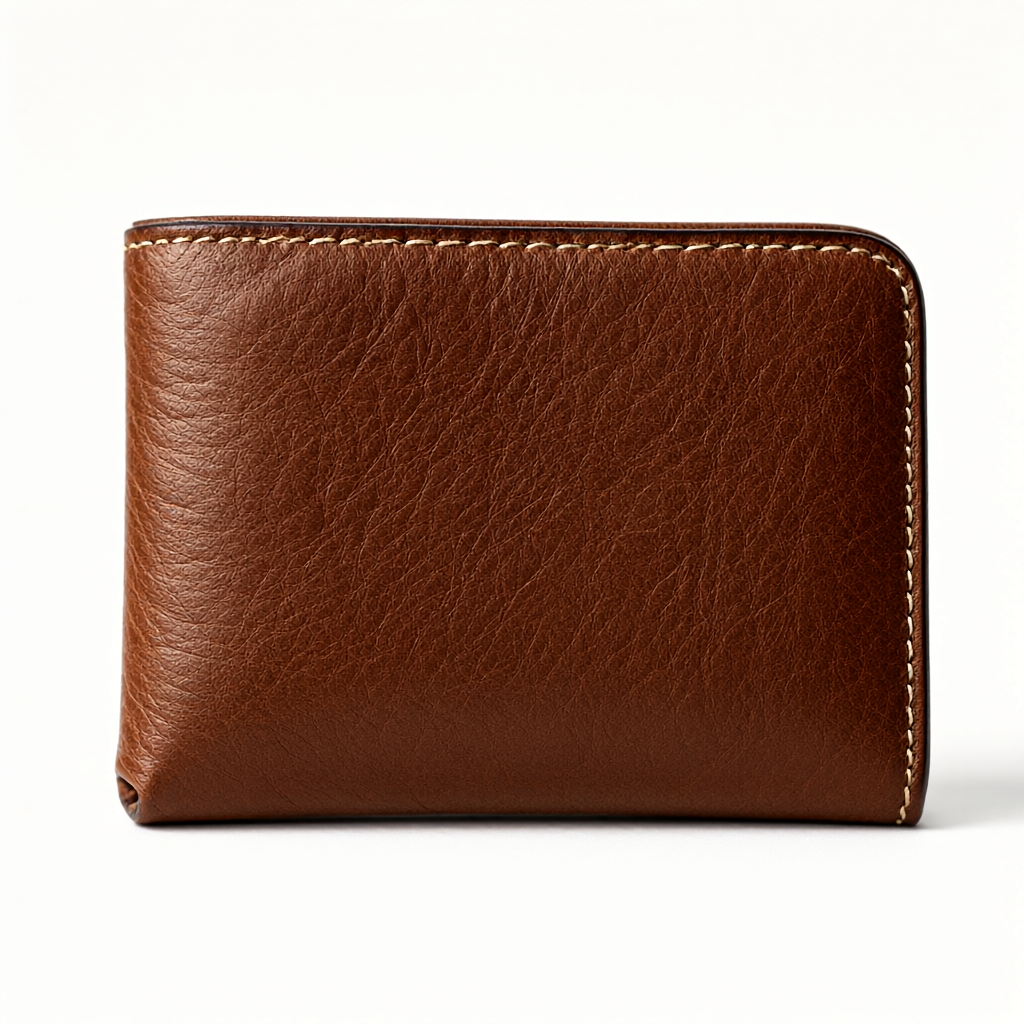
How Do You Choose Leather Wallets for Women?
Selecting the right leather wallet for women involves balancing three core variables: leather grade, wallet style, and target user profile. Each decision point influences cost, lead time, perceived value, and repeat purchase likelihood.
Understanding Leather Grades
Not all “leather” is created equal. The terminology used in the industry — and often misunderstood by consumers — directly impacts product quality and pricing.
- Full-grain leather is the highest quality tier. It comes from the top layer of the hide and retains the natural grain pattern, including subtle imperfections that give each piece character. It develops a rich patina over time and is the most durable option available. For premium brands targeting fashion-forward or longevity-conscious consumers, full-grain is the gold standard.
- Top-grain leather is the second-highest grade. It has been sanded or buffed to remove surface imperfections, resulting in a smoother, more uniform appearance. It is still durable and resistant to stains, making it a strong mid-to-upper-tier choice for brands that want consistency in color and texture across large production runs.
- Genuine leather is a broad term that technically includes any real leather, but in retail and sourcing contexts, it often refers to lower-grade layers of the hide that have been heavily processed, coated, or embossed. While it is real leather, it lacks the durability and natural aging qualities of full-grain or top-grain. It is commonly used in entry-level or budget-priced products.
- Bonded leather is the lowest tier. It is made from leather scraps and fibers bonded together with polyurethane or latex coatings. It is not durable, tends to peel or crack over time, and is generally unsuitable for brands positioning themselves in the mid-to-premium segment.
When sourcing leather wallets for women, the grade you choose should align with your target price point and brand positioning. Full-grain justifies a higher retail price and longer product lifespan. Top-grain offers a sweet spot between cost and quality for mid-range brands. Genuine leather may work for promotional or ultra-budget lines but carries reputational risk if customers expect longevity.
Wallet Styles and Their Use Cases
Women’s leather wallets come in several distinct styles, each serving different lifestyles and carrying habits.
- Bifold wallets are the traditional two-panel design that folds in half. They typically hold eight to sixteen card slots, two to three bill compartments, and sometimes a zippered coin pocket. They are the most versatile style and remain the best-selling category globally. Ideal for everyday use, they suit professional women, commuters, and those who prefer a classic look.
- Trifold wallets fold into thirds, offering more storage capacity than bifolds but at the cost of increased bulk. They are less popular for women’s wallets today, as the market has shifted toward slimmer profiles. They may still appeal to travelers or users who carry larger amounts of cash and receipts.
- Clutch wallets are larger, rectangular designs that often include a wristlet strap or a detachable chain. They function as both a wallet and a mini-purse. They are popular for fashion-forward brands targeting younger consumers or evening-use scenarios. They require more leather and usually command a higher material cost.
- Cardholder wallets are the minimalist option. They hold ten to twenty cards and a few folded bills, with no coin pocket. They are designed to slip into a small purse or even a coat pocket. For women who carry only essentials, cardholders are increasingly preferred over traditional wallets. This style aligns with the broader minimalist EDC trend, as discussed in our minimalist wallet sourcing guide.
- Zip-around wallets feature a full perimeter zipper that encloses all compartments. They offer maximum security for cards and cash, preventing items from falling out. They are heavier and bulkier than bifolds but are favored by travelers and users who prioritize organization and security.
- Money clip wallets combine a leather body with a metal clip mechanism for holding cash. They are trendy, slim, and popular among younger demographics. They require precision engineering in the clip mechanism and often pair well with metals like aluminum or titanium, similar to the approaches detailed in our EDC wallets and minimalist wallet manufacturing guide.
Matching Wallet Type to Lifestyle
The most successful women’s wallet products are those that align with the daily routines of their target buyers.
- The commuter needs a wallet that fits in a structured tote or crossbody bag without adding weight. A slim bifold or cardholder with RFID-blocking capability is ideal.
- The minimalist prefers a cardholder or money clip wallet that holds only what is essential. This segment values sleek design and lightweight construction.
- The fashion-forward consumer prioritizes aesthetics, color variety, and trend responsiveness. Clutch wallets and highly stylized bifold designs perform well here.
- The traveler values security and organization. A zip-around wallet with multiple compartments and a secure closure is the right choice.
- The professional seeks a wallet that looks polished in a business setting. A refined bifold in a neutral color like black, tan, or navy leather works best.
Leather Wallets: Which Specifications Matter Most?
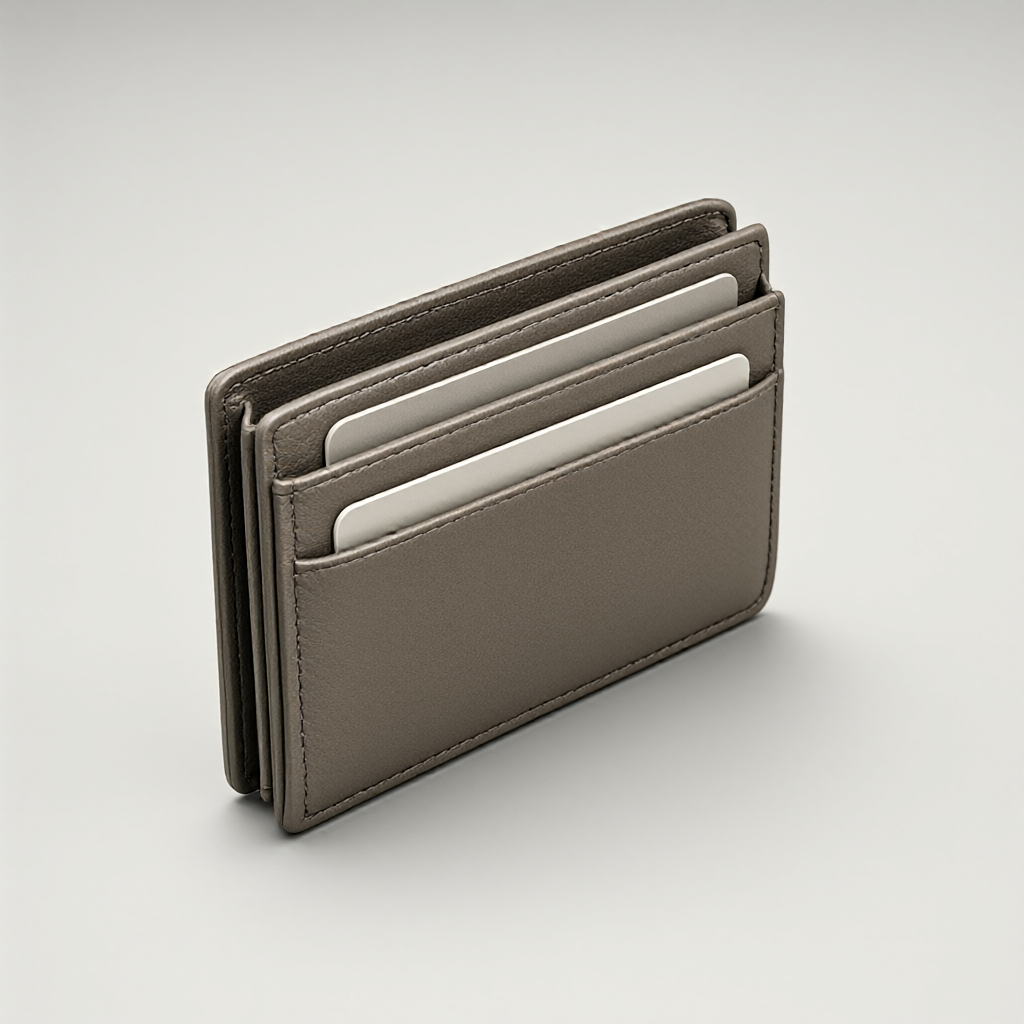
What Are the Key Specs for Leather Wallets for Women?
When evaluating or specifying leather wallets for women, the following technical parameters define product quality, functionality, and manufacturing feasibility.
Dimensions and Capacity
Women’s wallets vary significantly in size. Common dimensions range from compact cardholders measuring approximately 4.5 × 3.5 inches (11.4 × 8.9 cm) to full-size bifold wallets around 4.5 × 4 inches (11.4 × 10.2 cm) when closed. Zip-around and clutch wallets can exceed 5.5 inches in width.
Card capacity is a critical specification. Most women’s wallets hold between 6 and 16 cards. Slim designs may accommodate as few as 4 to 6 cards, while high-capacity bifolds can hold 16 to 20. Bill compartments typically range from one to three slots. Coin pockets, when present, are usually zippered and sized for standard coins without excessive bulk.
Leather Thickness and Weight
Leather thickness directly affects the wallet’s rigidity, durability, and feel. Standard leather wallet material ranges from 1.0 mm to 1.5 mm in thickness. Full-grain leather used in premium wallets often sits at 1.2 mm to 1.5 mm, providing structure without excessive stiffness. Thinner leathers below 1.0 mm may feel flimsy and are more prone to tearing at stress points like card slots and corners.
The weight of a leather wallet typically falls between 50 grams and 120 grams, depending on size, leather grade, and hardware. A slim cardholder may weigh as little as 40 grams, while a full zip-around with metal hardware can approach 150 grams. For B2B buyers, these weight ranges matter for shipping costs and end-user comfort.
Hardware and Components
Hardware elements include zippers, snap buttons, rivets, money clips, and RFID-blocking layers. High-quality brass or stainless steel zippers with smooth pulls are standard for premium wallets. Cheap zinc alloy zippers tend to corrode or break after repeated use. Snap buttons should be securely riveted and tested for retention force. RFID-blocking inserts, usually made from metallic mesh laminates, are now a common feature expected by consumers, particularly for bifold and zip-around styles.
Stitching and Edge Finishing
Stitching is a visible indicator of manufacturing quality. Double-stitched seams using waxed polyester or nylon thread are standard for durable wallets. Single-stitch construction may suffice for low-cost items but is less reliable over time. Edge finishing — the treatment applied to cut leather edges — should be smooth and sealed. Painted or burnished edges indicate a higher-quality build, while raw or frayed edges suggest rushed production.
Color and Finish Options
Leather wallets for women are produced in a wide range of colors. Black, brown, tan, and burgundy are perennial best-sellers. Seasonal and trend-driven colors like blush pink, olive green, and metallic finishes rotate based on fashion cycles. Surface finishes include smooth, pebbled, quilted, and embossed patterns. Smooth full-grain leather develops a natural patina, while pebbled and embossed finishes are more resistant to scratches and scuffs, making them practical for everyday use.
Leather Wallets: Which Standards and Certifications Apply?
What Standards Apply to Leather Wallets for Women?
Leather wallets for women, like all consumer leather goods, are subject to material safety standards, labeling regulations, and quality benchmarks that vary by destination market. Understanding these requirements is essential for compliant sourcing and avoiding customs or retail compliance issues.
Leather Grading and Labeling Regulations
The Federal Trade Commission (FTC) in the United States enforces strict guidelines on leather labeling. According to FTC rules, products labeled as “genuine leather” must contain some real leather content, but the term alone does not indicate quality. Manufacturers and private label brands must ensure that labeling accurately reflects the leather grade — full-grain, top-grain, or genuine — to avoid deceptive trade practices. Mislabeling can result in regulatory action and consumer lawsuits. The FTC provides detailed guidance on leather product labeling here.
In the European Union, REACH regulations govern the chemical composition of leather products. Leather tanning processes must not exceed permissible levels of chromium VI, azo dyes, and other restricted substances. Buyers sourcing from manufacturers outside the EU should verify that suppliers comply with REACH requirements to ensure products can clear customs.
Quality Standards and Certifications
While there is no single ISO standard specifically for women’s leather wallets, quality management systems such as ISO 9001 provide a framework for consistent manufacturing processes, material inspection, and defect reduction. Reputable leather wallet manufacturers operate under ISO 9001-certified quality management systems to ensure batch-to-batch consistency in leather grade, stitching quality, and hardware performance.
Testing organizations like ASTM International publish test methods for leather physical and mechanical properties, including tensile strength, tear resistance, and colorfastness. Although these standards are not mandatory for wallet production, they are useful benchmarks for evaluating supplier quality and product durability. General information about material standards can be found here.
Sustainability and Ethical Sourcing
Increasingly, B2B buyers and retail brands are requesting information on the sustainability and ethical sourcing of leather materials. Buyers should ask suppliers about:
- The origin of raw hides and whether they are by-products of the meat industry
- Tanning processes — vegetable tanning is more environmentally friendly than chrome tanning
- Certifications such as the Leather Working Group (LWG) audit, which verifies environmentally responsible tanning practices
- Traceability documentation for raw materials
Transparent suppliers who can provide this information differentiate themselves in a market where brand storytelling around sustainability drives purchasing decisions.
Leather Wallets: What Else Should Buyers Consider?
What Should You Consider When Sourcing Leather Wallets for Women?
Beyond specifications and standards, several practical factors influence sourcing decisions for leather wallets for women. These considerations affect cost, time-to-market, and end-user satisfaction.
Material Cost Fluctuations
Leather is a natural material, and its price fluctuates based on hide availability, tanning costs, and global demand. Full-grain leather from premium hides commands a significant price premium over top-grain or genuine leather options. Buyers should build flexibility into their cost models and consider locking in leather supply agreements to mitigate price volatility. Additionally, alternative materials such as high-quality synthetic leathers and recycled fabrics are gaining traction among eco-conscious brands and may warrant evaluation.
Minimum Order Quantities and Customization
Customization drives margin in the women’s wallet segment. Brands frequently request custom colors, embossed logos, unique hardware, and tailored packaging. However, customization typically raises minimum order quantities (MOQs) and extends lead times. Establishing a baseline understanding of MOQ tiers for different customization levels — from logo embossing to fully custom designs — is essential for planning production schedules and inventory investment.
For buyers looking to understand how customization impacts production, our wallets for women sourcing guide provides additional context on specification workflows and customization options.
Packaging and Retail Readiness
Women’s wallets are frequently purchased as gifts, making packaging a critical component of the product experience. Retail-ready packaging should protect the wallet during transit, display branding effectively, and comply with retail partner requirements. Common packaging options include dust bags, rigid boxes, window displays, and hang tags. Buyers should evaluate packaging costs as part of the total landed cost, as premium packaging can add $1 to $3 per unit depending on complexity and materials.
Lead Time and Supply Chain Reliability
Lead times for leather wallets vary by order size, customization level, and current factory capacity. Standard products with minimal customization may ship within 25 to 35 days from order confirmation. Fully custom designs with new tooling for hardware or packaging can require 45 to 60 days or more. Buyers should plan orders with adequate lead time buffers, particularly during peak seasons such as the holiday shopping period. Working with manufacturers who maintain ready stock of base leather blanks and common hardware components can reduce overall lead times.
After-Sales and Quality Consistency
Leather wallets are subject to natural variations in grain, color, and texture — especially full-grain products. Buyers should establish clear quality acceptance criteria with their suppliers, including allowable variation ranges and defect thresholds. Requesting production samples before bulk manufacturing begins is a standard practice to confirm that the final product matches agreed-upon specifications. Some buyers also conduct third-party inspections during or after production to verify quality consistency, particularly for large orders.
Here is how the industry operates when it comes to leather wallets for women, and here is how we meet these standards.
As a manufacturer with over a decade of experience producing EDC wallets and pocket gear, we understand that leather wallets for women require the same precision in material selection, construction, and finishing as our metal and carbon fiber products. Our facility operates under ISO 9001 quality management principles, and we source leather from suppliers who comply with REACH and RoHS standards. We offer full customization — from leather grade selection and color matching to logo embossing and retail packaging — with low MOQs to accommodate emerging brands and larger volume buyers alike. Whether you need a minimalist cardholder or a full bifold with zippered compartments, we work with you from concept to shipment.
Leather Wallets: Where Can You Verify the Data and Sources?
- here — www.ftc.gov
- here — www.astm.org
- minimalist wallet sourcing guide — topedcwallet.com
- EDC wallets and minimalist wallet manufacturing guide — topedcwallet.com
- wallets for women sourcing guide — topedcwallet.com
- Get a Free Quote → — topedcwallet.com
From article to product
Choosing a material for a range?
Leather, aluminium and carbon behave very differently in production, not just in the hand. Send us the spec and we will tell you what it costs to make at your volume.
Keep reading
More on wallet materials
Vegetable Tanned Leather for Wallet Programmes
“Vegetable tanned” is a marketing phrase with a technical meaning, and the two do…
ReadRecycled Aluminium in Wallet Shells: Verifiable Claims
“Recycled aluminium” is a claim about provenance, and the wallet shell in your hand…
ReadFashion Zipper Men’s Wallets Leather Short Design Guide
Learn how to choose a short zipper leather wallet for men — full grain…
Read
About the author
TOPWALLET Editorial Team
TOPWALLET's editorial and engineering desk writes from bench testing at the Shenzhen (Longgang) facility: pull-force and cycle testing, 13.56 MHz shielding measurements, finish trials and factory audits, rather than supplier spec sheets. Every specification in these guides is one we write on a purchase order.
Written on the floor
This article was written by our production and QC team — the people who spec tolerances, run the finishing line and inspect every batch. Where it states a capacity, a pull force or a lead time, it comes from a measurement we made, not a supplier’s catalogue. If a number here disagrees with what your own supplier told you, tell us; several of these articles started as a correction from a buyer.
See how the factory works · Inspection process · Sourcing FAQ
Choosing a material for a range?
Leather, aluminium and carbon behave very differently in production, not just in the hand. Send us the spec and we will tell you what it costs to make at your volume.