

Wristlets on sale are discounted B2B-sourced accessories — phone pouches with straps, fashion bracelet wallets, or bag handle replacements — offered by manufacturers at reduced per-unit prices through bulk tiering, factory-direct pricing, inventory clearance, or promotional programs. For B2B buyers, the best deals come from direct manufacturer engagement with verified quality standards (ISO 9001, REACH, BSCI), not from inflated reference prices with temporary markdowns. The key is evaluating structural discounts versus artificial promotions using material specs, compliance documentation, and supplier track records before committing to volume orders.
What Are Wristlets on Sale?
“Wristlets on sale” refers to discounted or promotional wristlet products offered by retailers or manufacturers at reduced prices compared to standard retail or wholesale rates. In the B2B context, this typically means buyers — such as retail chains, private-label brand owners, or Amazon sellers — sourcing wristlet products at lower per-unit costs through promotional pricing, bulk order discounts, end-of-season clearance, or direct-from-factory offers.
The term covers three distinct product categories that are often conflated: phone wristlet cases (functional carry items with strap and card slots), fashion jewelry wristlets (decorative bracelet-wallet hybrids), and bag wristlet handles (replacement or custom straps attached to handbags). Each category serves a different market and has different sourcing considerations, price points, and quality expectations.
For B2B buyers, “on sale” does not necessarily mean lower quality — it often reflects volume incentives, seasonal inventory rotation, or factory-direct pricing models that eliminate intermediary markups. Understanding the difference between a genuine cost reduction and a marketing-driven discount is critical before committing to a bulk order.
How do wristlets on sale work in B2B sourcing?
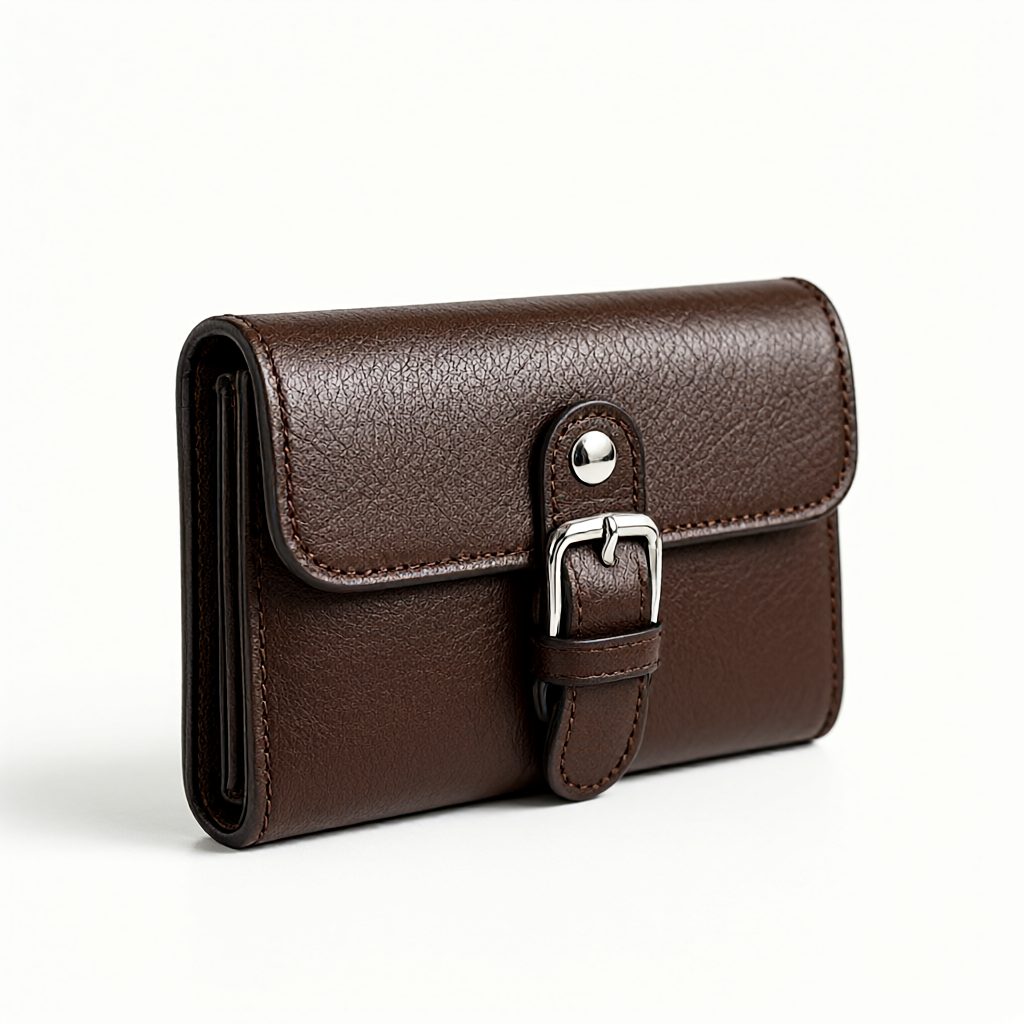
Why do wristlet manufacturers offer discounted pricing?
Several market dynamics drive promotional pricing in the wristlet category. Seasonal inventory clearance is the most common — manufacturers and brands discount older designs to make room for new collections, particularly around seasonal transitions. Bulk volume pricing reduces per-unit cost significantly, which can appear as a “sale” but is actually standard B2B tiered pricing. Factory-direct offers from manufacturers bypass multiple layers of distributors and importers, passing savings directly to the buyer. Private-label and OEM arrangements often involve discounted tooling or setup fees during initial production runs.
For B2B buyers, the key distinction is whether the discount is structural (based on volume, direct sourcing, or process efficiency) or artificial (inflated reference prices with temporary markdowns). Structural discounts are reliable and repeatable; artificial discounts are marketing tactics that may not persist after the promotion ends.
What types of wristlets are most commonly available on sale?
The wristlet market spans several product segments, each with distinct buyer profiles and sourcing channels:
Phone wristlet cases are functional accessories combining a phone pouch, card slots, and a wrist strap. They are frequently sold as promotional items, corporate gifts, and retail accessories. Common materials include genuine leather, vegan leather, silicone, and fabric. Price points range from $1.50 to $8.00 per unit at wholesale, with deeper discounts available on larger orders.
Fashion jewelry wristlets (also called wrist cuffs or bracelet wallets) are decorative accessories that serve as both jewelry and lightweight carry items. They are popular in the gift and accessory retail sectors. Materials include metal alloys, silicone, woven fabric, and embellished leather. B2B pricing typically ranges from $2.00 to $15.00 per unit depending on material and embellishment complexity.
Bag wristlet handles are interchangeable or replacement straps for handbags and clutches. These are often sold as add-on accessories or customization options. Sourcing for these involves understanding hardware compatibility, strap attachment methods, and finish matching.
Each category has different minimum order quantities, lead times, and quality considerations. A buyer looking for promotional phone wristlets will have very different requirements from a buyer sourcing fashion jewelry wristlets for a retail chain.
Where do B2B buyers find wristlet deals?
The sourcing landscape for discounted wristlets includes several channels. Direct manufacturer engagement offers the deepest pricing, particularly for private-label or OEM orders. Wholesale marketplaces and trade platforms aggregate multiple suppliers and often run promotional pricing periods. Factory outlet and overstock programs provide remaining inventory at significant discounts but with limited size and style availability. Trade show exhibitions and buyer events frequently feature introductory pricing for new buyer relationships.
For sustainable sourcing, the manufacturer-direct channel is typically superior because it allows for specification alignment, quality control, and repeat ordering at consistent pricing rather than one-time promotional purchases.
What are the key specs for wristlets on sale?
Which Material Specs and Durability Tests Matter?
Material selection is the primary determinant of wristlet quality, longevity, and end-user satisfaction. Genuine leather offers the highest durability and premium feel, with proper care lasting five or more years. It commands higher per-unit costs but provides strong margin potential at retail. Vegan leather (PU leather) is a cost-effective alternative that has improved significantly in recent years. Mid-to-high-grade PU leather can last two to four years with normal use, though it is more susceptible to cracking in cold environments or with excessive moisture exposure. Silicone and TPU wristlets are highly durable, water-resistant, and cost-efficient, typically lasting three to five years. They are popular in promotional and youth markets. Fabric and woven wristlets are lightweight and inexpensive but generally have shorter lifespans, ranging from one to three years depending on fiber quality and construction.
When evaluating sale pricing, buyers should consider the material’s total cost of ownership — including replacement rates and warranty claims — rather than focusing solely on the per-unit purchase price.
Which Dimensions and Capacity Ranges Apply?
Phone wristlet cases require precise dimensional accuracy to ensure compatibility with specific device models. Internal dimensions must account for the phone itself plus any protective case the user may have installed. A wristlet marketed as fitting a 6.7-inch phone may only accommodate devices up to 158mm in length — a difference that matters significantly when phone cases add 3-5mm on each side.
Card slot capacity typically ranges from 2 to 6 slots, with some designs incorporating additional pockets for cash or coins. Strap length and adjustability vary, with typical wrist circumference accommodation ranging from 140mm to 200mm. These specifications should be verified against target market demographics and usage scenarios before placing an order.
Which Hardware and Closure Specs Matter?
The clasp mechanism is a critical failure point in wristlet products. Common types include magnetic clasps, snap buttons, zipper closures, and flip-lock mechanisms. Magnetic clasps offer convenience but may fail in high-interference environments or with heavier loads. Snap buttons are durable and simple but can pop open under tension. Zipper closures provide maximum security but add complexity and cost. Flip-lock mechanisms combine security with one-handed operation and are increasingly common in premium designs.
Strap attachment hardware — D-rings, swivel clasps, and rivets — should be evaluated for tensile strength and corrosion resistance. For metal hardware, zinc alloy with plating is standard in the mid-tier segment, while stainless steel and brass are found in premium applications.
Which Production and Ordering Specs Apply?
Typical B2B specifications for wristlet orders include minimum order quantities ranging from 300 to 500 pieces per design, depending on the manufacturer and customization level. Sample lead times generally range from 5 to 10 business days for standard designs and 10 to 20 business days for fully custom specifications. Mass production lead times typically fall between 15 and 30 days after sample approval, with volume and complexity as the primary variables.
What standards apply to wristlets on sale?
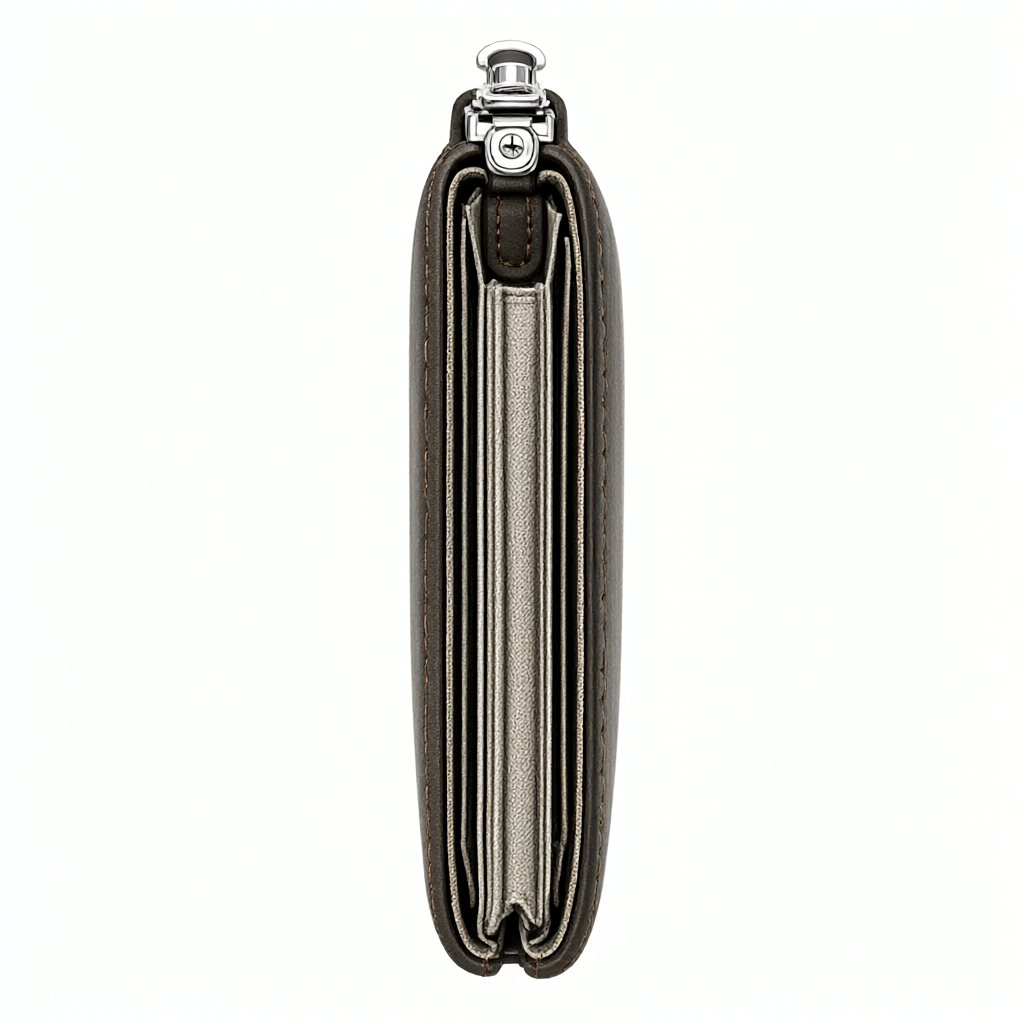
Which Material Safety and Chemical Rules Apply?
Wristlet products, particularly those marketed toward consumers who carry personal items, must comply with material safety regulations in their target markets. In the European Union, REACH compliance restricts certain phthalates, azo dyes, and heavy metals in consumer goods. RoHS compliance governs restricted hazardous substances in products containing metal components. For products sold in North America, California Proposition 65 disclosures may be required if certain chemicals are present above threshold levels.
Leather processing chemicals, adhesive compositions, and metal plating solutions are the primary areas of regulatory scrutiny. Buyers should request SGS-tested material reports and verify that suppliers maintain documentation of compliance testing for the materials used in production.
Which Quality and Production Standards Apply?
ISO 9001 certification indicates that a manufacturer operates under a documented quality management system covering production processes, inspection procedures, and corrective action protocols. This is a meaningful differentiator when comparing manufacturers, as it suggests systematic quality control rather than ad hoc inspection practices.
BSCI (Business Social Compliance Initiative) audits verify that a manufacturing facility meets recognized standards for workplace conditions, labor practices, and ethical operations. For Western buyers, particularly those in the fashion and accessory sectors, BSCI compliance is increasingly a procurement prerequisite.
Which Physical Performance Tests Apply?
While there is no single industry-standard test protocol for wristlet durability, several performance benchmarks are commonly referenced. Clasp opening force should typically range between 5N and 15N — enough to stay securely closed during normal use but easy enough to operate with one hand. Strap tensile strength should withstand at least 10kg of pull force without deformation or failure. Stitching should maintain integrity under repeated flexing, with a minimum of 8-10 stitches per inch for load-bearing seams.
When evaluating sale-priced items, buyers should request samples and conduct basic stress tests before committing to bulk orders. A discounted product that fails during quality validation is more expensive than a full-price product that passes.
What should you consider when sourcing wristlets on sale?
How Do You Tell a Real Discount From Inflated Pricing?
One of the most common pitfalls in sale-item sourcing is purchasing products where the “discounted” price is based on an artificially inflated reference price. To identify genuine deals, buyers should request pricing comparisons across order volumes, ask for the manufacturer’s standard FOB pricing, and compare against similar products from alternative suppliers. A legitimate sale should be verifiable through consistent pricing patterns rather than a single promotional listing.
How Long Do Materials Last, and What Is the Replacement Risk?
Sale pricing often reflects inventory clearance of older designs or materials that may have known limitations. Buyers should evaluate whether the discounted material choice is appropriate for the target market. For example, budget-oriented PU leather wristlets sold at deep discounts may generate high repeat purchase rates if used in markets where consumers expect frequent accessory replacement. The same products would generate warranty complaints in markets where durability expectations are higher. Aligning material selection with end-user expectations is more important than maximizing per-unit margin on a single order.
Which Customization and Branding Requirements Apply?
Many B2B wristlet buyers require custom branding, packaging, or specification adjustments. The cost and lead time implications of customization can significantly affect the overall value of a sale-priced order. Buyers should confirm whether the promotional pricing applies to custom orders or only to standard stock items. Some manufacturers offer sale pricing on existing inventory but charge full rates for customization, which can erode the apparent discount.
How Do You Judge Supplier Reliability and After-Sales Support?
A discounted price from an unreliable supplier carries hidden costs in the form of delayed shipments, quality inconsistencies, and poor communication. Buyers should evaluate supplier track record, production capacity, and responsiveness before prioritizing price alone. For ongoing sourcing relationships, consistent quality and on-time delivery typically provide more value than occasional deep discounts from inconsistent suppliers.
How Do You Verify Sizing and Market Fit?
The most overlooked consideration in wristlet sourcing is end-market fit. A wristlet designed for one demographic may not suit another. Phone wristlet cases, for instance, must be sized for the specific phone models prevalent in the target market — an assumption that a universal size works for all devices is a common sourcing error. Buyers should validate product specifications against their target market’s device sizes, style preferences, and usage patterns before placing orders.
How Do We Approach Wristlet Sourcing and Production?
When buyers evaluate wristlet products — whether standard designs or custom specifications — the same principles that govern quality wallet and accessory manufacturing apply: material integrity, dimensional accuracy, hardware reliability, and regulatory compliance. As a manufacturer, our approach to this is rooted in 13+ years of experience producing minimalist carry accessories for brands across North America, Europe, Australia, and Southeast Asia.
Our facility operates under ISO 9001 quality management and BSCI social compliance standards, with REACH and RoHS-compliant materials and SGS-tested components. We work with the same precision manufacturing processes — CNC machining, laser engraving, and surface finishing — that we apply to our core product lines, ensuring that every wristlet meets consistent quality benchmarks regardless of order size.
For buyers evaluating wristlet deals, whether for private label, promotional programs, or retail distribution, the most reliable path is direct engagement with a manufacturer who can provide specification transparency, verifiable compliance documentation, and realistic lead time commitments. The apparent savings of a sale price are meaningful only when the product meets your quality and timing requirements.
Wristlets On Sale: What Should You Know First?
“Wristlets on sale” refers to discounted wristlet products — including phone wristlet cases, fashion jewelry wristlets, and bag strap handles — sourced at reduced per-unit costs through B2B channels such as factory-direct pricing, bulk volume discounts, seasonal clearance, or OEM setup fee waivers. For buyers, the term covers promotional pricing on functional carry accessories, decorative bracelet-wallet hybrids, and interchangeable handbag straps, each with distinct material specifications, regulatory requirements, and sourcing considerations.
Which Additional Considerations Matter for Wristlet Sourcing?
How Do You Align With Market Trends?
Wristlet products are subject to rapid style turnover, particularly in the fashion jewelry and promotional accessory segments. Buyers sourcing “on sale” items should consider whether discounted stock aligns with current market trends or represents outdated designs that may struggle to sell at target retail margins. Seasonal color palettes, hardware finishes, and strap width preferences vary significantly across regions — European buyers often favor minimalist metal and leather combinations, while North American promotional markets skew toward silicone and fabric options with bold branding areas.
How Do You Assess Supply Chain Risk?
Sale-priced inventory often originates from overstock, canceled orders, or end-of-line production runs. While these can represent genuine value, they also carry supply chain risks including limited re-order availability, inconsistent batch quality, and absence of ongoing technical support. Buyers should assess whether the “sale” item represents a one-time opportunity or a viable recurring product line before committing to large orders. Understanding lead time stability and supplier capacity for repeat orders is as important as evaluating the initial discount.
How Do You Calculate Total Landed Cost?
The per-unit “sale” price represents only a fraction of total acquisition cost. Buyers must factor in shipping, customs duties, import VAT, product testing and certification costs, packaging customization, and potential quality rework expenses. A $2.50 wristlet with high freight costs and compliance testing requirements may ultimately cost more per delivered unit than a $3.80 unit sourced from a manufacturer with optimized logistics and included documentation.
How Do You Protect Intellectual Property and Design?
Custom wristlet designs, particularly those with unique closure mechanisms or aesthetic elements, may involve intellectual property considerations. Buyers working with manufacturers on proprietary designs should establish clear IP ownership terms in their contracts. Manufacturers producing designs based on buyer-provided specifications or trademarks should maintain documented authorization to avoid infringement disputes in target markets.
Sourcing Money Clips for B2B: Specs & Standards
Business Card Holder Near Me: Sourcing and Supplier Guide
Sourcing Wallets Near Me for B2B Buyers | Bulk & Custom
Which Case Study Shows Regional Retail Wristlet Procurement?
A mid-tier retail chain across three Australian states sourced 15,000 phone wristlet cases for a holiday promotional campaign. The buyer initially evaluated five suppliers offering discounted stock at prices ranging from $1.80 to $4.20 per unit. The lowest-priced option utilized thin PU leather with zinc alloy hardware plated at less than 5 microns — below the standard 8-12 micron plating thickness recommended for consumer goods exposed to skin contact and moisture. After requesting SGS test reports, the buyer discovered the hardware failed salt spray corrosion testing at 24 hours, well below the 48-hour minimum for REACH-compliant consumer products.
The buyer ultimately selected a supplier charging $3.10 per unit who provided ISO 9001-certified production documentation, BSCI-audited facility reports, and REACH-compliant material certificates. The wristlets underwent in-house tensile testing on strap attachment points (achieving 12kg pull force versus the 10kg industry minimum) and clasp cycle testing (5,000 open-close cycles with zero failure). The order shipped within 18 days, and post-launch return rates measured at 1.2% — significantly below the 4.5% average for similar promotional wristlet orders in the category.
This case illustrates how evaluating sale pricing requires cross-referencing per-unit cost against verifiable compliance documentation, mechanical performance data, and historical quality metrics rather than relying on promotional pricing alone.
Wristlets On Sale: What Separates a Genuine Deal From a Discount Trap?
Bottom line: A genuine “wristlets on sale” deal in B2B sourcing is a structurally lower price — driven by bulk volume tiers, factory-direct margins, or inventory rotation — not a temporary markdown on an artificially inflated list price. The fastest way to separate real value from marketing tactics is to request the manufacturer’s standard FOB price sheet, compare it across three order volumes (e.g., 100 / 500 / 1,000 pcs), and verify material compliance reports (SGS, REACH, Prop 65). If the “sale” price cannot be cross-referenced against published baseline pricing, treat it as a promotional gimmick rather than a sourcing opportunity.
Price bands quoted in this article are industry ranges published for planning purposes. Exact per-unit pricing depends on material, finish, packaging and order quantity, and is confirmed by our sales team after an inquiry against a locked specification.
How do B2B buyers actually save on wristlet purchases?
There are five proven sourcing strategies that generate legitimate cost reductions on wristlet products, each with distinct trade-offs in lead time, customization, and quality control:
Bulk volume tiering is the most reliable savings mechanism. Manufacturers typically structure pricing in stepped brackets — for example, a PU leather phone wristlet commonly sits in the .00–.50 band at 300 units and falls toward .50–.00 at 1,000+ units. The per-unit reduction is structural, not promotional, and repeats on every reorder.
Factory-direct OEM/ODM engagement eliminates distributor markups that typically add 30-60% to the landed cost. Working directly with a manufacturing facility — particularly one with in-house CNC machining, laser engraving, and surface finishing — allows buyers to specify materials, hardware, and packaging at the source without intermediary layers.
Seasonal inventory clearance offers the deepest one-time discounts but carries risks around design obsolescence and limited reorders. Manufacturers liquidating end-of-season stock may offer 40-60% off standard wholesale rates, but the selection is fixed and repeat orders at the same price are unlikely.
Private-label setup promotions sometimes include waived or reduced tooling fees during the first production run. This is common for custom logo engraving, bespoke packaging, or unique hardware configurations where the manufacturer absorbs initial setup costs to secure a long-term account.
Trade show and new-buyer introductory pricing is another legitimate channel. Manufacturers attending industry events often offer 10-20% introductory discounts to first-time B2B buyers as a relationship-building incentive, with the expectation of recurring orders at standard pricing.
What are the specific technical specs B2B buyers must verify?
Which Measurable Material Thresholds Should You Set?
Genuine leather — Full-grain or top-grain leather used in wristlet construction should have a minimum thickness of 1.0-1.4mm for structural integrity. Leather tensile strength should exceed 15N/mm² (per ISO 3377 testing). Colorfastness should meet ISO 105-D02 ≥ 4 (resistance to wet rubbing) and ISO 105-D04 ≥ 4 (resistance to light). Properly finished leather wristlets, when maintained, last 5+ years in normal use.
Vegan leather (PU leather) — Mid-to-high-grade PU leather should have a thickness of 0.8-1.2mm with a backing fabric density of at least 180gsm. Tear strength should meet ≥8N/mm (per GB/T 5445 standards). Abrasion resistance should pass ≥3,000 cycles on a Martindale tester. Expected lifespan is 2-4 years with normal use. Note: PU leather is susceptible to hydrolysis in high-humidity or cold environments, leading to cracking after 12-18 months in adverse conditions.
Silicone and TPU — Food-grade or medical-grade silicone (per USP Class VI or LFGB standards) used in wristlet production should have a Shore A hardness of 40-60 for optimal flexibility and durability. Tensile strength should exceed 6MPa (per ISO 37). Silicone wristlets are water-resistant, temperature-stable from -40°C to +200°C, and typically last 3-5 years. TPU variants offer similar durability with greater clarity and scratch resistance.
Fabric and woven materials — Polyester or nylon-based fabric wristlets should use yarns with a minimum tensile strength of 20cN/tex. Stitch density should be no less than 8-10 stitches per inch (per ASTM D6193) for load-bearing seams. Fabric wristlets generally last 1-3 years depending on fiber quality and construction.
Which Dimensional and Capacity Tolerances Should You Set?
Phone wristlet internal dimensions must accommodate the target device plus a protective case. For a 6.7-inch phone class (e.g., iPhone 15 Pro Max, Samsung Galaxy S24 Ultra), internal pouch dimensions should be minimum 170mm × 85mm × 15mm to allow for cases adding 3-5mm per side. Card slot capacity ranges from 2-6 slots, with slot width typically 50-55mm to accommodate standard credit cards (ISO/IEC 7810 ID-1 format: 85.6mm × 53.98mm × 0.76mm).
Wrist strap circumference accommodation typically ranges from 140mm to 200mm, with adjustable designs covering the broader spectrum. Strap attachment points should be reinforced with bar tacking or riveting at stress points.
Which Hardware Performance Specs Should You Set?
Magnetic clasp pull-force should be 5-15N — sufficient to remain closed during normal wear but operable with one hand. Snap button retention force should exceed 25N before deformation. Zipper closure sliders should withstand ≥5,000 open-close cycles (per ISO 17252-2) without failure.
Strap attachment hardware (D-rings, swivel clasps, rivets) should pass a 10kg pull-force test for at least 10,000 cycles without deformation, cracking, or detachment. Metal hardware plating should meet salt-spray corrosion resistance of ≥24 hours (per ASTM B117) for zinc alloy components, or ≥48 hours for stainless steel and brass.
Which Production Benchmarks Should You Set?
| Parameter | Typical B2B Range |
|---|---|
| MOQ per design | 300-500 pcs |
| Sample lead time (standard) | 5-10 business days |
| Sample lead time (custom) | 10-20 business days |
| Mass production lead time | 15-30 days post-sample approval |
| Inspection standard | AQL 0.65/4.0 (per ISO 2859-1) |
What certifications and compliance standards apply to wristlet products?
Which Chemical Compliance Standards Apply?
REACH Regulation (EC) No 1907/2006 — Governs Restricted Substances in the EU market. Key restrictions relevant to wristlets:
- Phthalates (DEHP, DBP, BBP, DIBP): ≤ 0.1% by weight in any constituent material (per Article 67)
- Azo dyes: Prohibited in articles that come into prolonged skin contact (per Annex XVII, Entry 43)
- Nickel release: ≤ 0.5 µg/cm²/week for metal components in direct skin contact (per Annex XVII, Entry 23)
- Formaldehyde: ≤ 75mg/kg for leather textiles (per EN 71-9)
California Proposition 65 — Requires warnings if chemical exposure exceeds specified threshold levels. Key limits for wristlet-relevant chemicals:
- Lead: 0.5 µg/day (action level for inhalation; oral action level is 0.5 µg/day)
- Phthalates (DEHP, DBP, BBP): 0.3 µg/day (oral action level)
- Cadmium: 1.0 µg/day (oral action level)
RoHS Directive 2011/65/EU (and recast 2015/863) — Restricts hazardous substances in electrical and electronic equipment with metal components. Limits: lead ≤ 0.1%, mercury ≤ 0.1%, hexavalent chromium ≤ 0.1%, PBB/PBDE ≤ 0.1%.
Proprietary 65 compliance for toy and accessory products may also apply in certain jurisdictions, restricting heavy metals and phthalates to levels below 90ppm lead and 0.1% phthalates.
Which Quality Management and Social Standards Apply?
ISO 9001:2015 — The globally recognized quality management system standard. Certification indicates the manufacturer maintains documented procedures for design control, supplier management, production process validation, inspection and testing, and corrective/preventive action. Buyers should request the certificate number and verify it against the registrar’s database.
BSCI (Business Social Compliance Initiative) — A widely adopted social audit framework covering workplace conditions, working hours, wages, freedom of association, and prohibition of child/forced labor. BSCI audits score facilities on a scale from A (high compliance) to F (non-compliant). Many Western retailers require a minimum score of C or above for supplier qualification.
SGS testing reports — Third-party laboratory verification of material composition, chemical content, and physical performance. Reputable buyers should request SGS or equivalent (Intertek, TÜV) reports for every material batch used in production, covering heavy metals, phthalates, azo dyes, and formaldehyde.
Which Physical Performance Benchmarks Apply?
While no single ISO standard governs wristlet durability, the following benchmarks are industry-accepted:
- Clasp cycle testing: ≥ 5,000 open-close cycles without functional degradation
- Strap tensile test: ≥ 10kg pull force for 30 seconds without permanent deformation
- Stitch integrity: ≥ 8-10 stitches per inch; seam strength ≥ 5N (per ISO 13936-1)
- Adhesive bond strength: ≥ 2N/10mm (per ASTM D903) for glued components
- Colorfastness to sweat: ≥ grade 3-4 (per ISO 105-E04)
- Colorfastness to light: ≥ grade 4 (per ISO 105-B02)
What should you consider before committing to a wristlet purchase?
What Goes on the Procurement Decision Checklist?
Before finalizing any wristlet order — especially at promotional pricing — verify the following:
- Material certification: Request SGS or equivalent test reports for all materials (leather, PU, silicone, metal hardware, adhesives) covering REACH, Prop 65, and RoHS compliance.
- Sample validation: Order physical samples before bulk commitment. Test clasps, straps, stitching, and material feel. Conduct basic stress tests (pull strap with 5kg weight for 10 minutes; open/close clasp 50 times).
- Pricing transparency: Request the manufacturer’s standard FOB price list and compare the “sale” price against baseline pricing at multiple volume tiers. Legitimate discounts should show consistent patterns.
- MOQ and lead time confirmation: Verify minimum order quantities, sample lead times, and mass production timelines in writing. Unexpected delays or MOQ increases after ordering are common red flags.
- Quality inspection terms: Confirm AQL inspection standards (typically 2.5/4.0 per ISO 2859-1), who conducts inspections (third-party or in-house), and who bears inspection costs.
- Customization scope: Clarify whether promotional pricing applies to custom orders (logo engraving, packaging, hardware changes) or only to standard stock items.
- After-sales terms: Confirm warranty coverage, defect replacement policies, and communication protocols for quality issues.
- Supplier verification: Check business registration, factory audit reports (BSCI, ISO), and client references. Verify the company has been operating for at least 3+ years in the relevant product category.
Which Red Flags Signal a Discount Scam?
Be alert to these warning signals when evaluating “wristlets on sale” offers:
- No verifiable baseline pricing — The seller cannot provide standard FOB prices or price lists at different volume tiers.
- Pressure tactics — “Only 24 hours left” or “limited to 50 units” urgency messaging without substantive justification.
- Unrealistically low prices — Prices significantly below market averages (e.g., genuine leather wristlets under $1.50/pc at 500+ units) often indicate material substitution, poor quality control, or outright fraud.
- Refusal to provide samples — Legitimate manufacturers welcome sample requests; refusal suggests quality or capability issues.
- No compliance documentation — Inability or unwillingness to provide SGS test reports, REACH declarations, or ISO/BSCI certificates.
- Poor communication responsiveness — Slow or evasive responses to technical questions about materials, standards, or production processes.
- No physical factory or verifiable address — Companies operating solely through trading platforms without verifiable manufacturing facilities carry higher risk.
- Payment demands for unusual methods — Requests for wire transfers to personal accounts, cryptocurrency, or non-standard payment terms are red flags.
How Should B2B Buyers Compare Offers?
When evaluating multiple wristlet suppliers, use this structured comparison matrix:
| Evaluation Criteria | Supplier A | Supplier B | Supplier C |
|---|---|---|---|
| Standard FOB price (500 pcs) | $______ | $______ | $______ |
| Sale/promo price | $______ | $______ | $______ |
| MOQ | _____ pcs | _____ pcs | _____ pcs |
| Sample lead time | _____ days | _____ days | _____ days |
| Production lead time | _____ days | _____ days | _____ days |
| ISO 9001 certified | Yes/No | Yes/No | Yes/No |
| BSCI audited | Yes/No | Yes/No | Yes/No |
| REACH compliant | Yes/No | Yes/No | Yes/No |
| SGS test reports available | Yes/No | Yes/No | Yes/No |
| Customization options | _____ | _____ | _____ |
| Year established | _____ | _____ | _____ |
| Export experience (years) | _____ | _____ | _____ |
| References/clientele | _____ | _____ | _____ |
| Overall value score | _____ | _____ | _____ |
Weight each criterion according to your priorities (price, quality, compliance, lead time, customization) and assign scores to make an objective comparison rather than selecting based on promotional pricing alone.
Wristlets On Sale: Where Can You Verify the Data and Sources?
- Get a Free Quote → — topedcwallet.com
- Sourcing Money Clips for B2B: Specs & Standards — topedcwallet.com
- Business Card Holder Near Me: Sourcing and Supplier Guide — topedcwallet.com
- Sourcing Wallets Near Me for B2B Buyers | Bulk & Custom — topedcwallet.com
From article to product
Turning this into a product?
Most of what is written here is the difference between a sample that works and one that does not. We can build either — the useful one costs the same.
Keep reading
More on buying guides
wallet with trigger
How Does a Trigger Wallet Work? What Is the Pop-Up Mechanism? The core of…
Readbest bifold wallet for women
What Is a Bifold Wallet? The term “bifold” refers to the fold: the wallet…
ReadMen’s trifold wallets with zipper compartments vs. bifold
At a Glance The three dominant men’s wallet formats differ in panel count, depth,…
Read
About the author
TOPWALLET Editorial Team
TOPWALLET's editorial and engineering desk writes from bench testing at the Shenzhen (Longgang) facility: pull-force and cycle testing, 13.56 MHz shielding measurements, finish trials and factory audits, rather than supplier spec sheets. Every specification in these guides is one we write on a purchase order.
Written on the floor
This article was written by our production and QC team — the people who spec tolerances, run the finishing line and inspect every batch. Where it states a capacity, a pull force or a lead time, it comes from a measurement we made, not a supplier’s catalogue. If a number here disagrees with what your own supplier told you, tell us; several of these articles started as a correction from a buyer.
See how the factory works · Inspection process · Sourcing FAQ
Turning this into a product?
Most of what is written here is the difference between a sample that works and one that does not. We can build either — the useful one costs the same.