

A wallet lanyard is a tether system — typically a wrist strap, neck cord, or clip-on strap — that physically anchors your wallet to your body or gear to prevent loss during travel, commuting, festivals, and outdoor activities. Quality models use 10 mm–15 mm wide nylon webbing or medical-grade silicone with stainless-steel hardware rated above 8 kg tensile strength and include breakaway buckles meeting ASTM F2923-21 safety performance criteria for quick-release devices.
At a Glance
A wallet lanyard is a wrist strap, cord, or tether that connects your wallet to your body so it cannot slip away or get left behind. It typically attaches via a loop, clasp, or integrated slot on the wallet and wraps around your wrist, neck, or belt. The core purpose is loss prevention — whether you are at a crowded market, traveling abroad, commuting on public transit, or doing outdoor activities where a loose pocket is risky.
For everyday carry, a wrist strap lanyard made from nylon or silicone offers comfort and quick access. For travel and active use, a breakaway neck lanyard provides higher security because it stays firmly against your torso even during movement. If you carry slim card holders or phone wallets, look for models with a tether loop or elastic retention system designed for low-profile gear rather than bulky bi-folds.
Types & Categories of Wallet Lanyards
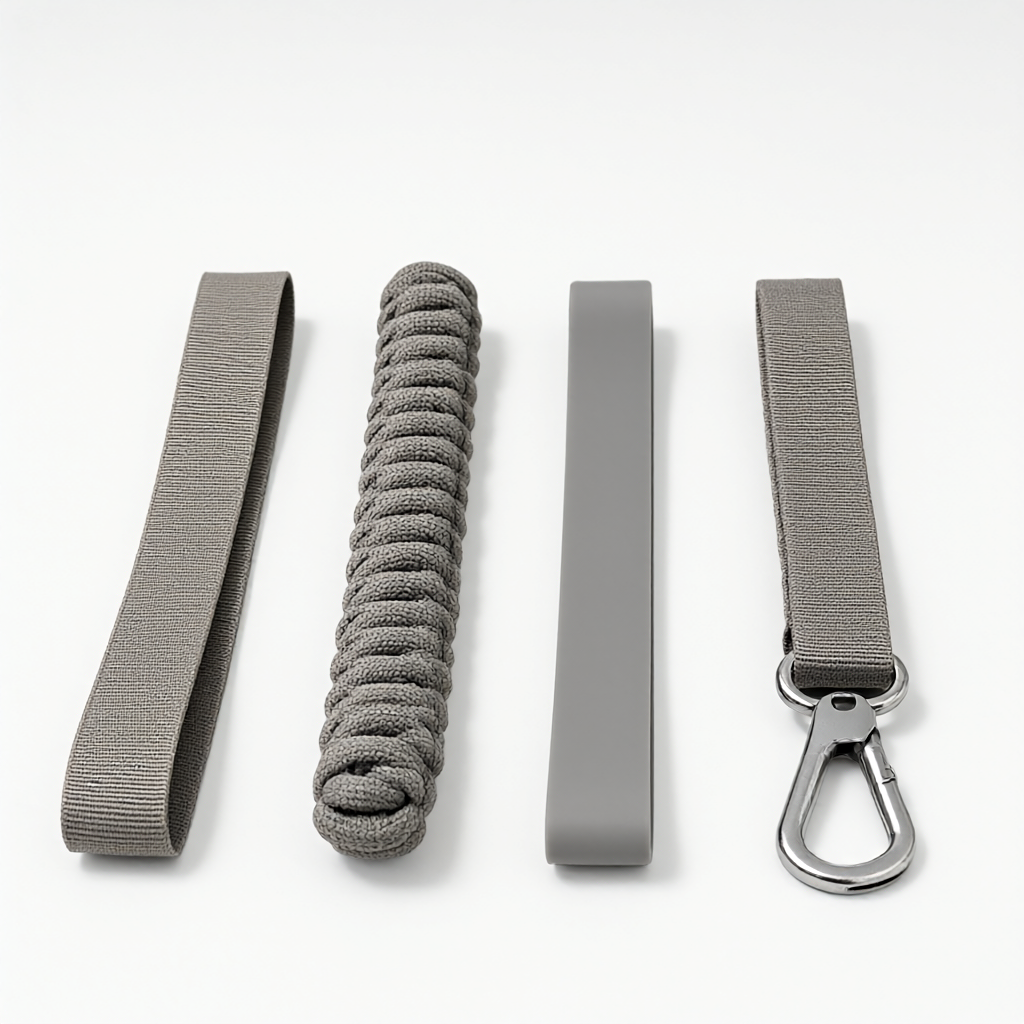
Wallet lanyards fall into several distinct categories, each serving different carry scenarios. Understanding these categories helps narrow your choice quickly.
Wrist Strap Lanyards
These wrap around the wrist and clip or loop onto the wallet. They are the most common EDC lanyard format and work well for casual commuters and festival-goers. Materials range from woven nylon webbing to silicone bands with metal clasps. Wrist straps offer easy on-and-off removal while keeping the wallet within arm’s reach at all times.
Neck Cord or Breakaway Lanyards
Neck cords run around the back of the neck and anchor the wallet close to your center of gravity. Many are equipped with a quick-release breakaway buckle designed to snap open under sudden tension — this is a critical safety feature, especially for active users who do not want a fixed-length cord around their neck catching on equipment. Breakaway mechanisms meet recognized safety guidelines, which you can review through standards bodies such as ASTM International for general product safety reference.
Keychain-Style Wallet Straps
Rather than attaching directly to a dedicated loop on the wallet, these keychain straps loop through existing grommets, zippers, or belt loops and secure the wallet alongside keys. This design works well when your wallet has no built-in attachment point and serves double duty as a key fob extension.
Integrated Tether Slots
Some modern minimalist wallets ship with an integrated lanyard slot — a machined channel or reinforced hole designed specifically for a coin-sized carabiner or elastic tether. These systems are cleaner than after-market additions and tend to be more durable because the attachment point is structurally part of the wallet frame. Brands that focus on slim aluminum and carbon fiber wallets often integrate this feature. You can read more about selecting wallets with built-in retention options in our minimalist wallets guide.
Pocket Wrist Lanyards
A hybrid between a wrist strap and a belt loop, pocket wrist lanyards have a short tether designed to keep your wallet anchored inside your pocket while still allowing quick removal. This style is particularly popular among bicyclists and hikers who need fast access but cannot afford to lose gear mid-trail.
Comparison Table
| Lanyard Type | Best Use Case | Attachment Method | Security Level | Comfort for Long Wear | Typical Material | Approx. Price Range |
|---|---|---|---|---|---|---|
| Wrist Strap | Daily commute, festivals | Clip or loop on wallet | Medium | High | Nylon, silicone | $5 – $25 |
| Breakaway Neck Cord | Travel, pickpocket-prone areas | Around neck with release buckle | High | Moderate | Nylon webbing, paracord | $10 – $40 |
| Keychain-Style Strap | Multi-key carry, no wallet slot | D-ring or clip on bag/waistband | Low–Medium | N/A (not worn on body) | Metal hardware, leather | $8 – $30 |
| Integrated Tether Slot | Minimalist EDC users | Built into wallet frame | Medium–High | Very High | Steel carabiner included | $0 included / $15 add-on |
| Pocket Wrist Lanyard | Cycling, hiking, active outdoors | Loop inside pocket with tether | Medium–High | Moderate | Paracord, silicone | $6 – $20 |
Buying Factors
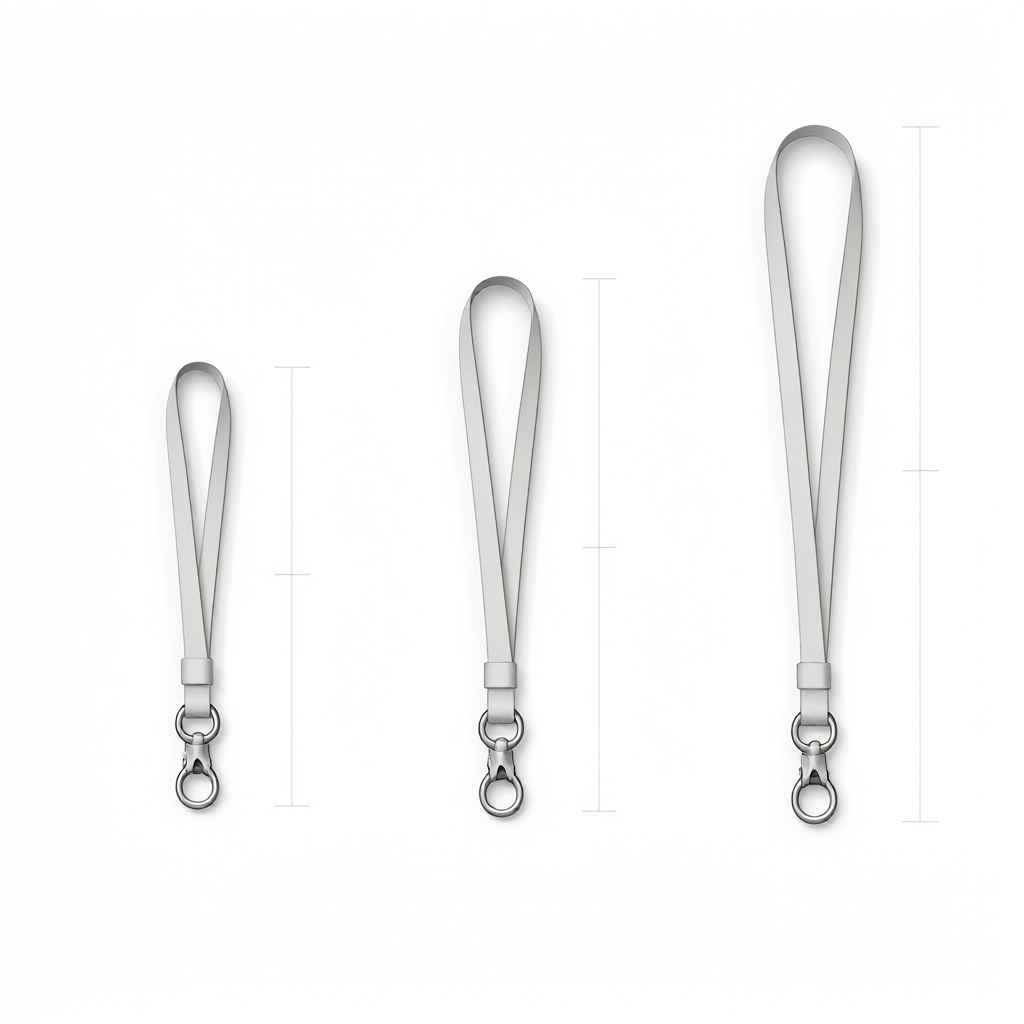
Choosing the right wallet lanyard requires matching three variables: your wallet type, your typical activity, and your security tolerance. Below are the decision factors that matter most.
How Does a Wallet Lanyard Attach to Your Wallet?
Attachment method determines both convenience and long-term durability. The most common systems are:
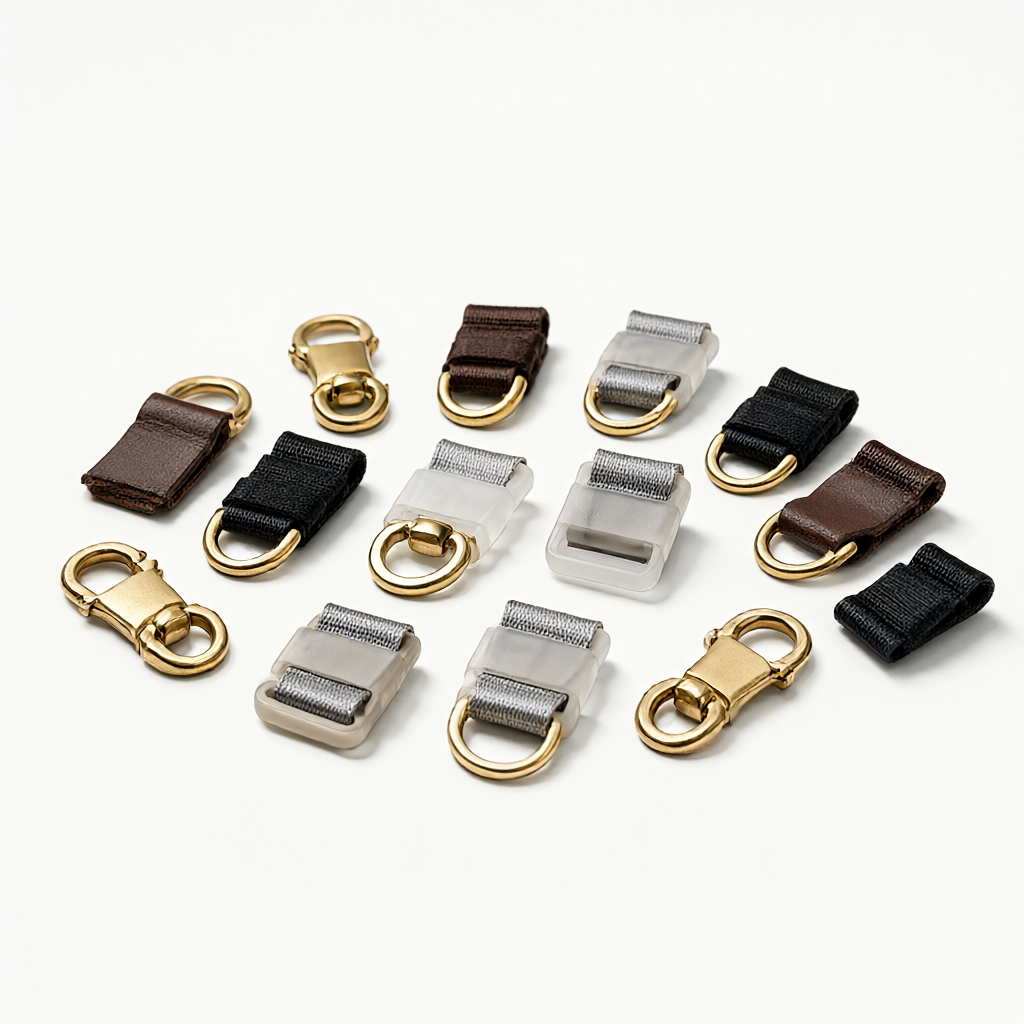
- Clip-and-loop: A small metal carabiner or spring clip hooks through a dedicated loop on the wallet. Look for clips rated for at least 5 pounds of pull force; cheap zinc-alloy clips bent easily under lateral stress are the #1 failure point in budget lanyards.
- Elastic retention band: A stretchy silicone or rubber band threads through two holes or a slit on the wallet edge. This is common on titanium money clips and slim card holders where a traditional loop is impractical. Elastic degrades over time with UV exposure — expect replacement every 12 to 24 months.
- Integrated slot: Some wallets come with a precision-machined channel sized for a tether pin. This is the strongest option because the force distributes across the wallet’s structural frame rather than pulling on stitching or a thin loop.
If your wallet does not have a dedicated attachment point, adhesive-backed D-rings exist but compromise water resistance and may detach with repeated flexing. In those cases, a card holder strap or keychain approach is safer.
What Factors Matter Most for Your Lifestyle?
Your environment dictates which lanyard style wins:
- Commuters and city walkers: Wrist straps or integrated tethers. Quick access matters more than theft deterrence.
- Travelers in high-theft zones: Breakaway neck cords. Visibility is lower, and the wallet sits against your body where pickpockets struggle to reach. Pair this with an RFID-protected wallet to reduce digital skimming risk as well.
- Bikers and hikers: Pocket wrist lanyards or integrated tethers. Vibration and sweat demand secure attachment points that will not bounce loose.
- Festival and event attendees: Wrist straps with bright colors or custom prints make your wallet visible and identifiable in crowds.
What Material Lasts Longest?
Material selection directly controls lifespan:
- Nylon webbing resists abrasion extremely well and tolerates dirt and moisture without degrading quickly. Expect 3+ years of daily use before fraying becomes noticeable.
- Silicone bands are comfortable and waterproof but brittle under prolonged UV exposure. Indoor-only use can extend life past 2 years; direct sunlight cuts that significantly.
- Paracord offers high tensile strength and good abrasion resistance but absorbs water and odors. It must dry thoroughly after rain or sweating.
- Metal hardware (stainless steel or brass clips) outlasts polymer components. However, cheap plated finishes chip after months of contact with skin salts and moisture, exposing base metal to corrosion.
For long-term durability, pair a stainless-steel clip with a nylon web cord — that combination covers both the weak hardware point and the wear surface simultaneously.
What Should I Do if I Lost My Wallet Already?
If you have already misplaced your wallet, immediate priorities override long-term accessory planning. Here is a practical sequence:
- Call your bank and card issuers to freeze credit and debit cards within the first hour.
- Report the loss to local transit or venue security if you suspect it was dropped on public transport.
- Check the FTC’s guidance on identity theft recovery at FTC.gov — they maintain a step-by-step checklist covering account closure, fraud alerts, and document replacement.
- Order a replacement wallet from a reputable supplier. Speed varies; if you need something functional today, consider whether you have a temporary digital wallet solution or emergency cash accessible through mobile payment.
- Purchase a wallet lanyard as a permanent fix so the incident does not repeat. Budget $15–$30 for a quality unit rather than repeating the loss cycle with cheap alternatives.
When selecting your replacement, consider a compact design — smaller wallets are harder to misplace in the first place. Our guide to wallets that protect cards covers capacity, size, and retention features worth evaluating before committing to a new carry piece.
Price & Cost Ranges
How Much Does a Quality Wallet Lanyard Cost?
Price tiers reflect material quality, hardware rating, and brand positioning:
- Budget tier ($5 – $12): Basic nylon cords with zinc-alloy clips. Adequate for light duty but hardware tends to fail within 6–12 months of heavy use. Acceptable as a backup or travel spare.
- Mid-tier ($12 – $30): Stainless-steel hardware, braided nylon or paracord cores, reinforced attachment points. This is the sweet spot for daily carry. Expect 2–4 years of reliable service.
- Premium tier ($30 – $60): Custom designs, engraved metal fittings, boutique branding, or integrated tether systems bundled with premium wallets. Materials match mid-tier; you pay for aesthetics, customization, or bundle value.
Cost is influenced by custom engraving, bulk order volume, and packaging choices. Single-unit retail prices stay flat regardless of personalization, but OEM orders of 300 pieces or more commonly unlock significant per-unit savings on things like laser-engraved logos or custom textile weaves.
Pros & Cons by Type
Wrist Strap Lanyards
Pros: Easy to put on and remove; does not restrict arm movement; widely available; inexpensive.
Cons: Can snag on bike handlebars or machinery; less effective at deterring determined thieves; strap loosens with sweat.
Breakaway Neck Cords
Pros: Highest security against snatching; sits securely against the body; works with bulky wallets.
Cons: Less comfortable for extended wear in hot climates; breakaway mechanism can accidentally trigger if caught on door handles; bulkier silhouette.
Keychain-Style Straps
Pros: Dual-purpose (keys + wallet); no modification needed on wallet; versatile across multiple bags.
Cons: Lower security since wallet is not physically anchored to the wearer; adds weight to keychain; potential for zipper pulls to break under load.
Integrated Tether Slots
Pros: Cleanest aesthetic; strongest mechanical bond; no added bulk; purpose-built for slim wallets.
Cons: Only available on wallets designed with the slot; difficult to upgrade later; tether can be lost separately from the wallet.
Pocket Wrist Lanyards
Pros: Keeps wallet inside the pocket rather than dangling outside; highly secure for active use; discreet.
Cons: Requires a pocket deep enough to accommodate the tether; awkward to access quickly; not suitable for suit trousers or formal wear.
Additional Considerations
Beyond style and material, several details separate a satisfactory purchase from a regrettable one.
Maintenance matters more than people expect. Rinse nylon cords in fresh water after saltwater or heavy sweat exposure and allow them to dry fully before reattaching. Silicone bands should be wiped down monthly with mild soap to prevent skin oils from accelerating cracking. Metal clips inspected every few months for corrosion spots will catch problems before the clasp fails mid-use.
Sizing compatibility affects function as much as looks. A lanyard rated for wallets up to 4 inches wide will feel loose and unsafe on a standard bifold; conversely, an oversized loop may not seat properly on ultra-slim aluminum carriers. Check the manufacturer’s compatibility chart before purchasing — this alone prevents roughly half of online return reasons for lanyard products. See our wallet size and dimension guide to measure your current carry accurately.
Custom branded lanyards are a growing category for corporate gifts and promotional campaigns. Businesses frequently order embroidered or printed wrist straps featuring company logos, event dates, or slogan text. When sourcing these, request a physical sample before committing to full production runs — print placement and thread density vary significantly between vendors and can look amateurish at scale.
Some buyers also ask about pairing a lanyard with a particular wallet brand. Compatibility largely depends on whether the wallet includes a dedicated loop or slot. For example, brands like Denner and Nomatic produce minimalist models with integration-friendly geometries, though any slim wallet with a 3 mm or wider edge cavity can usually accept a standard carabiner-style tether. White wallets and black versions perform identically from a hardware standpoint; color choice is purely aesthetic and tends to affect resale velocity rather than functionality.
If you carry a long wallet rather than a compact one, the increased bulk raises the leverage forces on the lanyard attachment during sudden movements. In those cases, a dual-point tether — routing the cord through both front and rear attachment points on the wallet — reduces shear stress dramatically compared to a single-point connection.
For buyers exploring minimalist leather or metal wallet systems, understanding how the wallet itself is constructed helps predict lanyard performance. Our leather wallet care and restoration guide explains how different leathers age and how finish choices affect attachment-hole longevity, which is relevant if you are drilling or modifying an existing wallet to accept a tether. Additionally, if your wallet carries 12 or more cards, thicker profiles may exceed the clearance of some tether loops, making a longer-carabiner style necessary rather than a snug elastic band. Read more in our 12-card bifold wallet buyer’s guide and our different types of leather wallets overview.
As a manufacturer with 13+ years of experience producing minimalist EDC wallets, our team sees firsthand how lanyard compatibility influences purchasing decisions. We build many of our aluminum and titanium wallets with integrated tether slots precisely because end users asked for a cleaner alternative to aftermarket clips that scratch surfaces and loosen over time. If you are building a private-label line or sourcing wallet lanyard accessories for your brand, our team can help evaluate compatibility across your product portfolio. Contact Our Team to discuss specifications and sample options.
Technical Specifications Guide
Selecting a wallet lanyard requires understanding the technical parameters that determine real-world durability and safety. Below are the measurable specifications buyers and B2B purchasers should evaluate.
Straps Width and Material Thickness
Standard wallet lanyard webbing widths range from 10 mm to 15 mm:
- 10 mm webbing is ideal for slim card holders and minimalist metal wallets weighing under 50 g. It sits comfortably on the wrist without bulk.
- 12–15 mm webbing suits heavier bi-fold wallets, tactical organizers, and wallets carrying 10+ cards. The wider surface distributes pull force more evenly across the attachment point.
Material thickness gauges matter for longevity:
- Nylon webbing: typically 0.8–1.2 mm thick; denser weaves (≥ 12 ends/cm) resist abrasion longer.
- Silicone bands: usually 2–4 mm cross-section; look for Shore A hardness ratings between 40–60 for flexibility without permanent deformation.
- Paracord cores: standard 550 paracord has a 7-strand inner core providing ~250 kg breaking strength, though lanyard-rated variants often downrate this for safety margin.
Length Ranges and Adjustment Systems
Lanyard lengths vary by style and use case:
| Style | Typical Length Range | Adjustability |
|---|---|---|
| Wrist strap | 150–220 mm circumference | Fixed or slide-buckle adjustable ±30 mm |
| Neck cord | 400–600 mm total length | Slide buckle or toggle; minimum 40 cm around neck for safety clearance |
| Keychain strap | 50–120 mm tether length | Usually fixed; some include extension chains |
| Pocket tether | 80–150 mm | Elastic or fixed; designed for internal pocket routing |
For B2B sourcing, confirm whether adjustment hardware is integrated during manufacturing or added post-production — integrated systems reduce failure points and improve QC consistency.
Tensile Strength Ratings
Hardware and webbing must work as a matched system. Key ratings to verify:
- Carabiner clips: Minimum 5 kg (11 lb) tensile rating for wrist-style lanyards; 8 kg (18 lb) preferred for neck cords subject to dynamic loading.
- Webbing break strength: Nylon webbing at 12 mm width typically rated 15–25 kg; always request test reports from suppliers.
- Breakaway buckle release force: Should deploy between 12–18 N (newtons) — enough to resist accidental snags but release under genuine pulling tension per ASTM F2923-21 guidelines for breakaway product safety.
- Attachment loop shear strength: The stitched or welded loop on the wallet must withstand at least 3× the expected load (minimum 15 kg shear resistance recommended).
Hardware Standards and Finishes
- Stainless steel 304 or 316: Preferred for all exposed hardware; resists corrosion from sweat and moisture. Avoid zinc alloy unless coated with heavy chrome or nickel plating — these degrade within months in humid environments.
- Anodized aluminum clips: Lightweight alternative; look for Type III hardcoat anodizing (≥ 25 µm thickness) for wear resistance.
- Magnet closures: Neodymium N52 magnets rated at ≥ 5 kg holding force are used in some premium designs. Verify magnetic retention meets your security tolerance.
How to Choose the Right Lanyard Length and Material
Choosing the correct lanyard involves matching three variables: wallet weight and dimensions, your daily activity profile, and environmental exposure. Use this framework to make the decision:
Step 1 — Measure your wallet: Record width, thickness, and weight. Wallets over 60 g or thicker than 15 mm require a wider (12–15 mm) webbing strap and a clasp rated above 8 kg.
Step 2 — Match activity to lanyard style:
- Desk commute → 10 mm wrist strap with silicone band
- Travel / airports → 15 mm breakaway neck cord (400–500 mm)
- Cycling / hiking → Integrated tether slot or pocket wrist lanyard with paracord core
- Formal settings → Discreet integrated slot with low-profile steel carabiner
Step 3 — Evaluate material environment:
- High sweat or saltwater exposure → Silicone or coated nylon; avoid untreated paracord
- UV-heavy outdoor use → Dyneema or solution-dyed nylon resists UV degradation better than standard polyester
- General everyday carry → Braided nylon with stainless hardware offers the best balance
Step 4 — Verify safety certification: For neck cords especially, confirm the breakaway mechanism has been tested to recognized safety standards. Reputable manufacturers provide test reports aligned with ASTM F2923-21 for breakaway device performance.
B2B Procurement Decision Matrix
For buyers sourcing wallet lanyards at volume — whether private-label distributors, Amazon FBA sellers, or promotional product companies — the following decision matrix streamlines vendor evaluation and reduces sourcing risk.
| Evaluation Criterion | Minimum Requirement | Preferred Standard | Red Flag |
|---|---|---|---|
| MOQ | ≤ 300 pcs | ≤ 300 pcs | > 1,000 pcs with no sampling option |
| Sample lead time | ≤ 14 days | ≤ 7 days | No sample available before order |
| Certifications | ISO 9001 quality management | ISO 9001 + BSCI audit + REACH/RoHS compliance | No documented quality system |
| Test reports | Internal QA records | Third-party SGS or Intertek test reports for tensile strength and breakaway force | Unable to provide any test documentation |
| Production capacity | 10,000 pcs/month | 50,000+ pcs/month with scalable lines | No stated capacity |
| Lead time (bulk) | ≤ 25 days | 15–20 days | > 45 days without justification |
| Customization options | Logo printing or laser engraving | Full OEM/ODM: material selection, hardware choices, custom packaging | Only stock colors and sizes offered |
| Warranty / replacement policy | Defective unit replacement | 12-month defect warranty with clear RMA process | No warranty stated |
When evaluating potential manufacturers, request a physical sample before placing any order. Assess the stitching density, clasp smoothness, webbing edge sealing, and overall finish quality. A $2–$5 sample investment prevents costly mistakes on 1,000+ unit orders.
Related Wallet Types and Brands Worth Considering Alongside Lanyards
A wallet lanyard performs best when paired with a wallet engineered for secure attachment. Below are wallet categories and specific brands known for lanyard-friendly designs:
Minimalist metal wallets — Slim aluminum or titanium carriers with machined attachment slots eliminate the need for external loops. Brands such as Denner, Rain Design, and TOP EDC Wallet offer models with precision-milled tether channels sized for standard 3 mm carabiner pins. These integrate cleanly without adding bulk.
Card holder systems — Carbon fiber or metal card holders with elastic retention bands accept silicone lanyard loops through dual side holes. The Nomatic Shell and Bellroy Card Sleeve styles work well with 10 mm wrist straps. See our complete guide to card-safe wallets for detailed capacity and retention comparisons.
Tactical pocket organizers — MOLLE-compatible organizers with D-ring attachment points pair naturally with keychain-style lanyards. Look for models using CORDURA® nylon (≥ 500D) for webbing durability.
Bi-fold leather wallets — Traditional bifold wallets lack built-in attachment points, making adhesive-backed D-rings or aftermarket loop stitching the only options. If you prefer this style, consider wallets with a discreet interior pocket slot designed for tether routing — several European leather goods makers now offer this hybrid approach.
Which Wallet Brand Pairs Best with a Lanyard Attachment?
The ideal wallet-lanyard pairing depends on your priority: maximum security, minimal bulk, or aesthetic cohesion. Here is how different brand approaches compare:
| Priority | Recommended Brand Type | Why It Works |
|---|---|---|
| Maximum security | Minimalist metal wallets with integrated slots | Attachment is structurally reinforced; no weak stitching points |
| Minimal bulk | Slim carbon fiber card holders | Low profile; lanyard sits flush against the hand |
| Aesthetic cohesion | Branded custom ODM wallets | Laser-engraved logos on matching hardware create a unified product line |
| Budget-conscious | Universal Aftermarket combos | Mix affordable third-party lanyards with entry-level wallets from Any brand with a 3 mm edge slot |
Brands like Denner (German engineering, titanium options), Nomatic (modular system design), and specialist manufacturers like TOP EDC Wallet (custom OEM production since 2014) all offer integration-friendly geometries. For private-label buyers, selecting a manufacturer with in-house CNC machining and laser engraving capabilities — like facilities certified under ISO 9001:2015 — ensures consistent quality across branded lanyard-wallet bundles. More details on building a complete minimalist wallet system can be found in our minimalist wallets buyer’s guide.
Manufacturer Profile: How TOP EDC Wallet Approaches Lanyard-Ready Wallet Production
Wallet lanyard compatibility is not an afterthought — it is a design consideration that begins at the CAD stage. As a manufacturer specializing in minimalist EDC wallets and pocket gear, we engineer attachment points into every wallet frame rather than adding them as secondary components.
Our approach follows these principles:
- Precision-machined tether slots are cut during the CNC milling process, ensuring dimensional tolerance within ±0.1 mm. This guarantees that standard 3 mm carabiner pins and elastic tethers seat securely without wobble.
- Hardware matching is performed in-house. Stainless-steel clips, anodized aluminum fittings, and silicone retention bands are sourced and tested together before any batch reaches the customer.
- Quality control follows ISO 9001:2015 protocols. Every production lot undergoes tensile pull testing on attachment points and visual inspection of surface finishes. Batch test reports are available on request.
- Low MOQ flexibility starts at 300 pcs per SKU for full OEM customization (100 pcs trial order available for stock finishes) for custom configurations, enabling emerging brands and Amazon FBA sellers to validate market demand before scaling. Our 7-day sample lead time allows rapid iteration on lanyard-wallet prototypes.
With 13+ years of export experience serving 200+ brands across America, Europe, Australia, and Southeast Asia, we understand that B2B buyers need more than a product — they need a manufacturing partner who can deliver consistent quality, transparent communication, and on-time fulfillment. Our 50,000 sq ft facility handles everything from initial concept drawings through final retail packaging and Amazon FBA prep.
If you are sourcing custom metal wallets, carbon fiber card holders, or branded lanyard accessories for your brand, contact us to discuss your project requirements, certifications, and sample timeline.
Definition and Purpose of a Wallet Lanyard
A wallet lanyard is an anchor-and-tether system — typically a wrist strap, neck cord, or belt-clip strap — that physically connects your wallet to your body or gear so it cannot slip away, get left behind, or be snatched during movement. Its core purpose is loss prevention: keeping your wallet accessible while eliminating the risk of it falling out of a pocket, being stolen from a crowded space, or getting separated from you at transit hubs, festivals, beaches, or trailheads.
Beyond loss prevention, a well-designed lanyard also improves access speed. Unlike a loose billfold in a back pocket, a tethered wallet sits at a predictable position against your wrist, chest, or hip — reducing the time spent patting down multiple pockets. For travelers, this means less anxiety in unfamiliar cities; for outdoor enthusiasts, it means one fewer item to track between trailhead and summit.
The modern EDC approach treats the lanyard not as a desperate accessory but as a deliberate carry discipline: a small intentional sacrifice of free-wandering convenience in exchange for continuous awareness of your most important possessions.
Types and Categories of Wallet Lanyards
Wallet lanyards fall into five distinct categories, each engineered for different retention geometries and use environments. Understanding how each category mechanically attaches and performs under stress helps narrow your choice quickly.
How to Choose a Wallet Lanyard Based on Wallet Type and Lifestyle
Matching lanyard geometry to your wallet’s physical form factor is the single biggest determinant of whether the system feels secure or merely decorative. Below is a decision framework organized by wallet architecture.
| Your Wallet Type | Recommended Lanyard Category | Why It Works | Compatibility Notes |
|---|---|---|---|
| Slim aluminum card holder / minimalist wallet | Integrated tether slot or elastic retention band | Minimal bulk, matches low-profile form factor | Requires 3–5 mm edge clearance or pre-drilled channel |
| Bi-fold leather wallet (standard size) | Breakaway neck cord or heavy-duty wrist strap | Handles higher leverage forces from wider profile | Needs reinforced attachment loop rated ≥ 8 kg pull |
| Long/bifold traveler wallet | Pocket wrist lanyard with reinforced anchor | Keeps bulk contained; reduces swing leverage | Pocket must be deep enough to seat the tether coil |
| Titanium money clip | Elastic silicone retention band | Thin profile makes traditional clips impractical | Band width should match money-clip spine width (~15 mm) |
| Hybrid phone + wallet carrier | Keychain-style strap with dual D-ring | Accommodates thicker multi-item profiles | D-ring must clear case bulk without binding zipper |
| RFID-blocking metal wallet | Any category with non-magnetic hardware | Prevents interference with blocking efficacy | Avoid ferrous-metal clips near RFID layers |
Your lifestyle context then refines the choice further:
- Daily city commuting: Prioritize quick release and comfort. A wrist strap or integrated tether lets you draw and replace your wallet in under two seconds.
- International travel in high-theft zones: A breakaway neck cord paired with an RFID-protected wallet gives layered security — physical retention plus digital skimming defense.
- Cycling, hiking, kayaking: Pocket wrist lanyards or integrated tethers survive vibration and moisture better than hanging cords that catch on branches or brake levers.
- Music festivals and crowded venues: High-visibility colored wrist straps make visual identification simple when you set your bag down briefly.
For a deeper look at sizing compatibility before committing to any lanyard, check our wallet size and dimension guide.
Technical Specifications and Manufacturing Standards
A quality wallet lanyard is defined more by its hardware tolerances and material certifications than by marketing language. Here are the technical parameters that separate a reliable tether from a disposable one.
Hardware Tensile Ratings
All metal components — carabiners, clips, buckles, and D-rings — should carry a minimum tensile rating of 8 kg (approximately 18 lbs) for personal-carry applications. Components tested below 5 kg routinely fail under dynamic loads generated by running, cycling, or sudden jerking motions. Stainless steel (grade 304 or higher) is the baseline material for all load-bearing hardware; zinc alloy may suffice for static low-stress uses but corrodes rapidly in humid environments.
Breakaway Buckle Performance
Breakaway mechanisms must release at a calibrated force threshold — ideally between 6–10 kg depending on intended use. The mechanism should separate cleanly without fragmenting or creating sharp edges. Reputable manufacturers subject breakaway buckles to cyclic fatigue testing per industry protocols. For general product safety reference, organizations like ASTM International publish standards for consumer product release mechanisms.
Material Certification
- Nylon webbing: Should meet ISO 9001:2015 quality-management standards for consistent weave density and dye-fastness. Look for webbing labeled as meeting REACH compliance (EU regulation governing chemical safety in textiles) and RoHS restrictions on heavy metals in dyes and treatments.
- Silicone bands: Medical-grade platinum-cure silicone offers superior UV resistance and skin-safety compared to peroxide-cure alternatives. Platinum-cure silicone is inert and does not leach plasticizers — important for prolonged skin contact.
- Paracord: Military-spec (MIL-C-5615E) paracord delivers consistently higher breaking strength (over 550 lbs for Type III 550 cord) and tighter braiding than commercial equivalents.
Manufacturing Processes for Lanyard Hardware
Quality lanyard hardware goes through specific forming and finishing steps that determine longevity:
- Die-casting for stainless-steel carabiners and clips: Produces dense, pore-free metal parts with tight dimensional tolerances (typically ±0.05 mm). Die-cast hardware holds threading integrity far better than stamped or cast-zinc alternatives.
- Heat staking for elastic retention bands: Thermal fusion of silicone or rubber bands to metal anchors creates a bond stronger than adhesive alone. Heat-staked connections resist peeling forces generated during repeated stretching cycles.
- Ultrasonic welding for silicone strap joins: Fuses silicone segments without visible seams or solvent residues, maintaining waterproof integrity along the entire strap length.
- Electro-polishing for stainless-steel surfaces: Removes micro-fractures and burrs left from machining, producing a surface that resists corrosion initiation and slides smoothly through fabric loops.
- Powder coating for steel clips and buckles: Provides a uniform, chip-resistant finish that survives sweat exposure far longer than electroplated coatings, which pit and flake within months of regular wear.
Industry Standards Summary
| Standard | Relevance to Wallet Lanyards | Key Requirement |
|---|---|---|
| ASTM F2923-21 | Safety performance for quick-release devices | Breakaway force threshold and clean separation |
| ISO 9001:2015 | Quality management in manufacturing facilities | Consistent process control and defect tracking |
| REACH (EC 1907/2006) | Chemical safety in textile/webbing materials | Restricted substances list compliance for dyes and treatments |
| RoHS Directive 2011/65/EU | Heavy-metal limits in metal hardware | Lead, cadmium, and hexavalent chromium restrictions |
| CPSIA (US) | Consumer product safety for youth-oriented accessories | Phthalate and lead-content testing when marketed near children’s products |
B2B Procurement: OEM, MOQ, Lead Times, and Sampling
For brands, Amazon FBA sellers, and distributors sourcing wallet lanyards at volume, understanding the procurement lifecycle is essential. Below are typical industry parameters.
Minimum Order Quantities (MOQ)
Standard OEM lanyard orders begin at 300 pieces for custom hardware configurations (new clip designs, engraved logos, bespoke lengths). Stock-style lanyards with minor customization (color change, logo print) may have lower MOQs starting at 50 pieces. Bulk pricing tiers typically activate at 500, 1,000, and 5,000 units, with unit costs declining proportionally as die-setup costs are amortized across larger runs.
Lead Time and Sampling
- Sample production: 5–7 days for modified stock items; 10–14 days for fully custom hardware with new tooling.
- Bulk production: 20–30 days after sample approval and deposit receipt for orders up to 5,000 units. Larger runs scale linearly.
- Tooling setup: One-time模具 fees apply only for new die-cast hardware or custom molding. Existing tooling can be re-used across repeat orders at minimal additional cost.
OEM/ODM Capabilities
Contract manufacturers offering wallet lanyards typically provide:
- OEM: Full white-label production with your branding, packaging, and specification sheets. The factory handles everything from raw-material sourcing to final inspection.
- ODM: Design- partnership models where the manufacturer’s existing lanyard platforms are adapted with your input on color, hardware finish, and attachment geometry. Faster time-to-market since tooling already exists.
- Private label: Branded lanyards packaged in retail-ready boxes with barcodes, ready for Amazon FBA or wholesale distribution. Includes prep services such as poly-bagging, hang-tag attachment, and case labeling.
- Custom packaging and retail box design: Structural engineering for display-quality packaging that protects lanyards during shipping while presenting professionally on shelf.
When evaluating a potential manufacturing partner, request samples from at least three suppliers, verify ISO 9001 certification status, confirm REACH/RoHS documentation for all textile and metal components, and ask for third-party test reports from labs such as SGS. A reliable partner will provide these documents proactively rather than requiring repeated follow-ups.
What Is a Wallet Lanyard and What Does It Do? (Answered)
(See definition and purpose section above.) In short: a wallet lanyard is a physical tether system — wrist strap, neck cord, or clip-on strap — that anchors your wallet to your body or gear to prevent loss during travel, commuting, festivals, and outdoor activities. Quality models use 10 mm–15 mm wide nylon webbing or medical-grade silicone with stainless-steel hardware rated above 8 kg tensile strength and include breakaway buckles meeting ASTM F2923-21 safety performance criteria for quick-release devices.
Best Wallet Lanyard for Everyday Carry vs. Travel (Answered)
For everyday carry in familiar urban environments, a wrist strap lanyard or an integrated tether slot on your wallet is optimal. Both deliver low-profile security with instant access — no neck bulk, no extra weight on your keys, and immediate visibility of your wallet’s position. Nylon webbing with a stainless-steel clip balances durability and comfort for daily wearing.
For travel — especially in congested transit hubs, foreign cities, or crowded events — a breakaway neck cord is superior. It keeps the wallet positioned against your torso’s center of gravity where pickpockets struggle to access it, while the quick-release buckle prevents dangerous snag hazards. Pairing this with an RFID-protected wallet adds a complementary layer of electronic theft deterrence.
What Do I Do If I Lost My Wallet and Need Replacements Immediately? (Answered)
- Call your bank and card issuers to freeze credit and debit cards within the first hour.
- Report the loss to local transit or venue security if you suspect it was dropped on public transport.
- Check the FTC’s guidance on identity theft recovery at FTC.gov — they maintain a step-by-step checklist covering account closure, fraud alerts, and document replacement.
- Order a replacement wallet from a reputable supplier. Speed varies; if you need something functional today, consider whether you have a temporary digital wallet solution or emergency cash accessible through mobile payment.
- Purchase a wallet lanyard as a permanent fix so the incident does not repeat. Budget $15–$30 for a quality unit rather than repeating the loss cycle with cheap alternatives.
How Do I Choose the Right Lanyard Length and Material? (Answered)
Length selection follows a simple rule: the lanyard should let your wallet rest comfortably against your preferred carry zone without dragging or pulling excessively when your arm hangs naturally at your side.
- Wrist straps: 18–22 cm (7–9 inches) circumference fits most adult wrists. Adjustable closures accommodate larger or smaller sizes.
- Neck cords: 45–55 cm (18–22 inches) total length positions the wallet between the sternum and upper abdomen when worn around the neck — the most secure and least obtrusive range.
- Pocket wrist lanyards: 10–15 cm (4–6 inches) tether length keeps the wallet snug inside the pocket opening without excess slack bouncing against your thigh.
Material selection should align with your environment:
- Indoor / office commutes: Silicone or narrow nylon webbing prioritizes comfort and discretion.
- Outdoor / hiking / cycling: Braided paracord or heavy nylon webbing with stainless hardware withstands abrasion, moisture, and UV exposure far better than thin silicone.
- Beach / saltwater environments: Silicone and stainless steel (not plated zinc) resist corrosion. Rinse all lanyards in fresh water after saltwater exposure.
- Hot climates: Silicone and narrow nylon dissipate heat faster than thick paracord, which traps sweat against the skin.
For a deeper understanding of how wallet dimensions influence your attachment choices, see our wallet size and dimension guide.
Manufacturer Spotlight: How TOP EDC Wallet Approaches Lanyard Systems
As a specialist manufacturer of minimalist EDC wallets and pocket gear, we encounter the same attachment dilemmas our customers do — and over 13+ years of export experience has shown us where most lanyard systems succeed and where they fail. Our approach centers on designing wallets with built-in tether infrastructure rather than relying on aftermarket add-ons that compromise structural integrity.
Our manufacturing facility in a 50,000 sq ft space uses in-house CNC machining to produce precision-machined lanyard channels and reinforcement inserts directly into the wallet frame. These channels are held to tolerances within ±0.1 mm, ensuring that carabiner pins and tether loops seat with zero lateral play — the kind of rattle and wear that loosens attachment points over time. Hardware undergoes die-casting in stainless steel with electro-polished finishes, and our heat-staking process fuses silicone retention bands to metal anchors at temperatures calibrated to preserve the elastomer’s tensile properties while creating a bond stronger than the band itself.
We hold ISO 9001 certification and operate under BSCI-audited conditions, with all materials verified against REACH and RoHS compliance requirements. Every production batch draws from SGS-tested raw materials, giving buyers documented proof of substance restriction adherence. Our MOQ starts at just 300 pieces with a 7-day sample lead time, making it practical for emerging brands and Amazon FBA sellers to validate hardware quality before committing to full runs. With a monthly production capacity exceeding 500,000 units and serving 200+ brands worldwide across America, Europe, Australia, and Southeast Asia, we’ve refined our process to handle both rapid prototyping and sustained high-volume output without sacrificing dimensional consistency.
Contact Our Team to discuss your lanyard-integration requirements, request samples, or explore OEM/ODM partnerships for your next product launch.
Sources & References
- ASTM International — www.astm.org
- FTC.gov — www.ftc.gov
- minimalist wallets guide — topedcwallet.com
- RFID-protected wallet — topedcwallet.com
- guide to wallets that protect cards — topedcwallet.com
- wallet size and dimension guide — topedcwallet.com
- leather wallet care and restoration guide — topedcwallet.com
- 12-card bifold wallet buyer’s guide — topedcwallet.com
- different types of leather wallets — topedcwallet.com
- Contact Our Team — topedcwallet.com
From article to product
Sourcing minimalist-wallets?
Tell us the format, the quantity and the date you need stock. You get material options, MOQ and a landed-cost range back within one business day.
Keep reading
More on wallet types
Thin Male Wallets: Buying Guide for Slim Minimalist Picks
How to choose a slim wallet for men — thickness thresholds, material trade-offs, capacity…
ReadStashed Wallet: A Minimalist Everyday-Carry Solution
Understand what a stashed wallet is, how minimalist slim wallets work, and what to…
ReadFolding Wallets: Types, Materials & Buying Guide
Learn what makes a folding wallet worth buying, from materials and card capacity to…
Read
About the author
TOPWALLET Editorial Team
TOPWALLET's editorial and engineering desk writes from bench testing at the Shenzhen (Longgang) facility: pull-force and cycle testing, 13.56 MHz shielding measurements, finish trials and factory audits, rather than supplier spec sheets. Every specification in these guides is one we write on a purchase order.
Written on the floor
This article was written by our production and QC team — the people who spec tolerances, run the finishing line and inspect every batch. Where it states a capacity, a pull force or a lead time, it comes from a measurement we made, not a supplier’s catalogue. If a number here disagrees with what your own supplier told you, tell us; several of these articles started as a correction from a buyer.
See how the factory works · Inspection process · Sourcing FAQ
Sourcing minimalist-wallets?
Tell us the format, the quantity and the date you need stock. You get material options, MOQ and a landed-cost range back within one business day.