
Wallet Care · 10 min read
Sitting on Your Wallet Causes Back Pain: What the Research Says in 2026 and How to Fix It

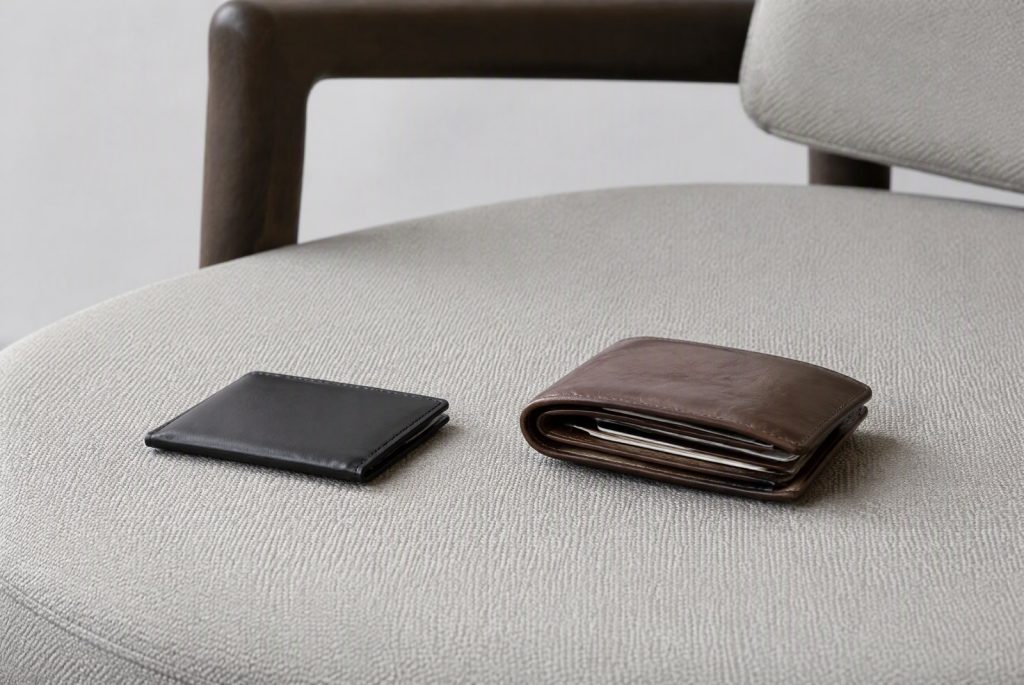
Most men carry a wallet without thinking about where it lives for most of the workweek: the back pocket. Then they sit on it. A loaded bifold packs a few millimeters of leather, cards, and receipts onto one side of the sitting bones (ischial tuberosities), and that small asymmetry repeats with every chair, car seat, and couch for years. This article walks through what peer-reviewed research actually says about back-pocket wallets, lower-back discomfort, and sciatica; where the evidence is thin; and what to change today before you spend a dollar on anything.
Why a Back-Pocket Wallet Is a Real Question, Not a Joke
Low back pain is not a niche complaint. A 2018 review in Nature Reviews Disease Primers reports that low back pain is the leading cause of years lived with disability worldwide, affecting roughly 568 million people [1]. Sitting is part of the picture: the World Health Organization's 2022 activity data found that about 31% of adults worldwide are insufficiently active, and WHO guidance recommends breaking up long periods of sitting [5]. Add a wallet to the chair and you have a daily, repeated mechanical variable that many back-care discussions simply ignore.
The idea is not new to medicine. A 2018 clinical review in Cureus notes that "wallet neuritis" was used historically as a name for piriformis syndrome, a condition where the sciatic nerve is compressed near the piriformis muscle deep in the buttock, and that simply stopping the habit of sitting on a back-pocket wallet is often enough to relieve the discomfort [4]. The mechanism behind the name is exactly what the 2026 version of the problem looks like: an object you sit on every day, in the same place, on one side of the body.
What the Studies Actually Found
The most direct test of the back-pocket theory is a 2017 conference study from Portugal, published in the IEEE Engineering in Medicine and Biology proceedings. Researchers recruited 36 volunteers (24 men, 12 women) and measured sitting posture across 12 different wallet configurations—three wallet sizes at four heights [3]. The results were not subtle:
- With a wallet in the back pocket, a posture-classification system flagged 58.8% of trials as misaligned (61.1% for men, 54.2% for women) [3].
- Wallet height (thickness) mattered most: trials with no wallet produced misalignment in 46.2% of cases, while a thick 24-card wallet pushed that to 71.3% [3].
- With the same wallet in the front pocket, only 16.7% of trials were flagged as misaligned [3].
- The study's automatic classifier identified bad sitting posture with 80.9% accuracy, which the authors used to argue that carrying a wallet in the rear pocket shifts pelvic position measurably [3].
Read the numbers carefully: the wallet did not cause "pain" in this study—it caused measurable changes in seated posture. That is an important distinction, because posture shifts are the mechanism that can then contribute to strain, and strain is what you feel by the end of the day.
The clinical side of the evidence comes from the piriformis/wallet neuritis literature. The 2018 Cureus review traces the historical usage of "wallet neuritis" and concludes that the condition—pain or numbness radiating down the leg from sciatic nerve irritation—is frequently managed and resolved by eliminating the back-pocket wallet [4]. The strength of this evidence is moderate: a plausible mechanism, supportive case experience, and a low-cost intervention with few downsides, but no large randomized trials.
The Mechanism: What Happens in Your Body
Sitting on a wallet does not directly damage your spine the way a fall does. The relevant structure is the sciatic nerve. The NHS describes sciatica as pain caused by irritation or compression of the sciatic nerve, which runs from the lower back down through the buttock and into the leg, and notes that a slipped disc is the most common cause [2]. The nerve's path matters here: before it travels down the leg, the sciatic nerve passes close to the piriformis muscle in the mid-buttock region—the exact spot where a wallet presses [2][4].
A thick wallet in the back pocket does three mechanical things:
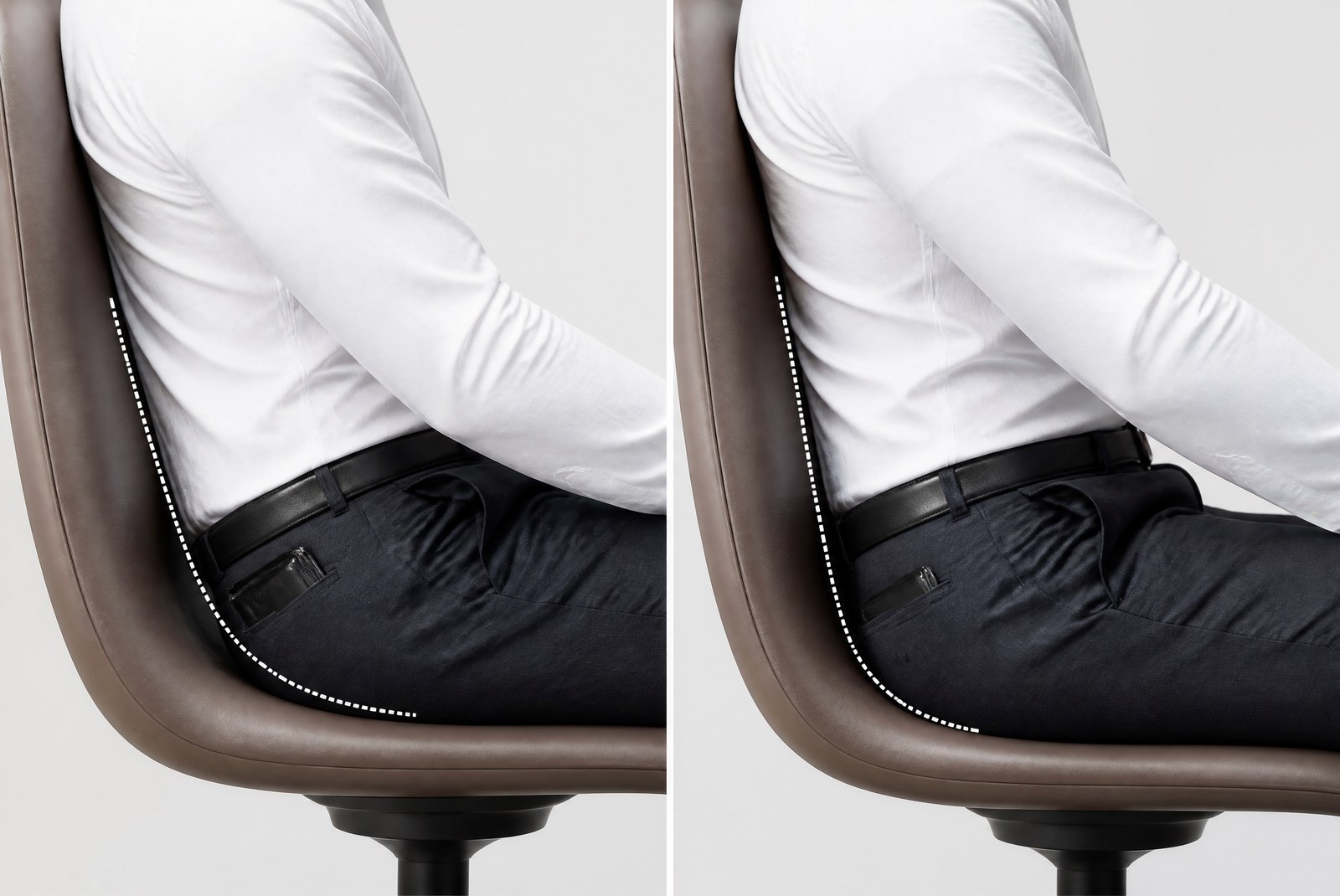
- Tilts the pelvis. It lifts one sitting bone higher than the other, rotating the pelvis into a subtle asymmetrical position that the spine then compensates for across the lower back [3].
- Adds localized pressure. The wallet's edge presses into the tissue over the sciatic nerve and piriformis area, which is the classic setup for irritation-type symptoms [4].
- Amplifies with time. The WHO notes that more than a quarter of adults worldwide do not meet minimum activity targets, and prolonged sitting is a recognized risk for musculoskeletal complaints [5]. A wallet turns every hour of that sitting into an asymmetric hour.
None of this alone constitutes a diagnosis. But it supplies a chain that matches what many men report: no acute injury, no dramatic event—just a stiff, aching lower back that appears in the afternoon and persists after long drives.
Is It the Wallet or the Chair? How to Tell
Before you blame your chair, your mattress, or your age, run a two-week experiment:
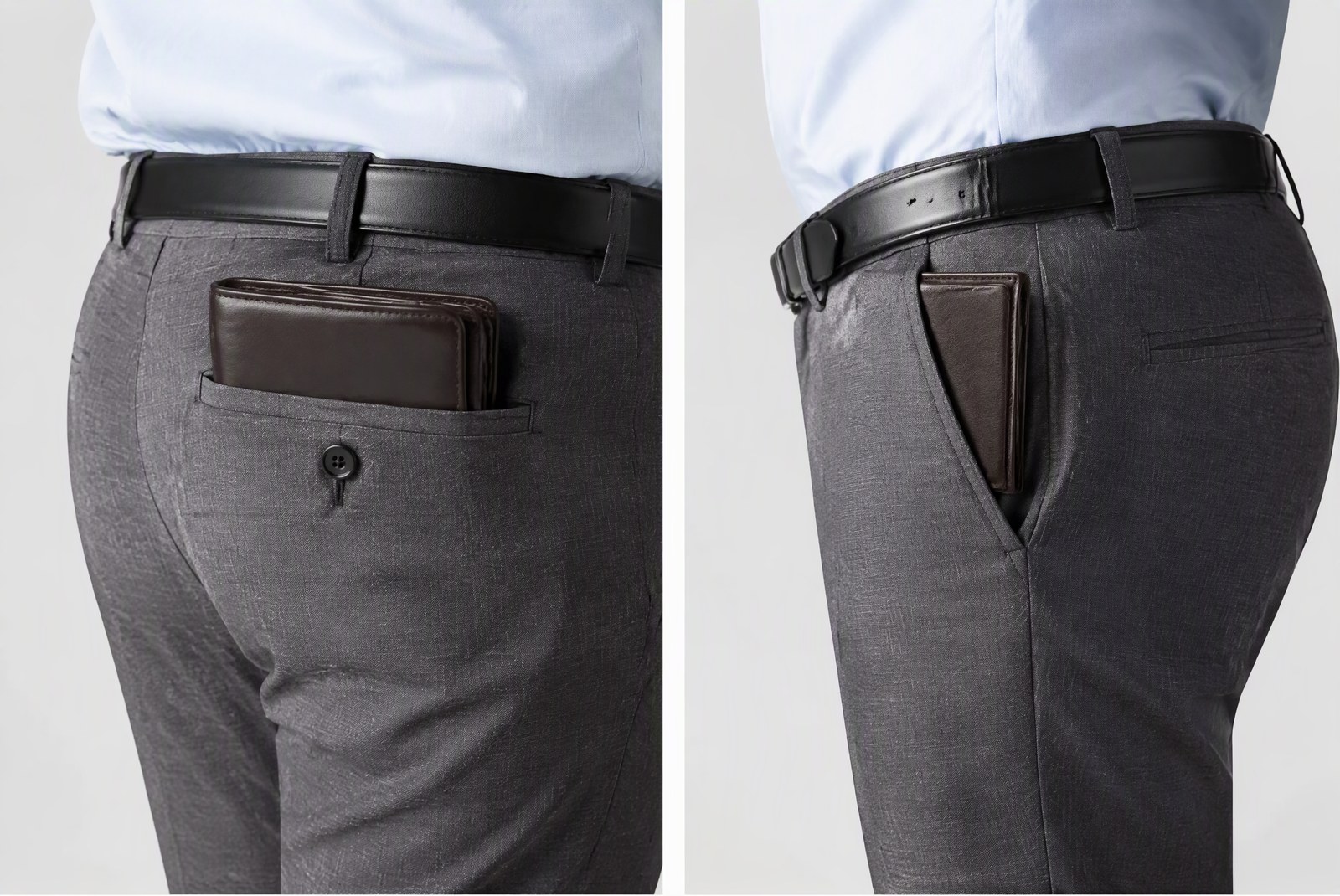
- Move the wallet to the front pocket (or a bag/desk) for a fortnight. The IEEE data gives you a realistic expectation: front-pocket carry cut misaligned-posture flags from 58.8% to 16.7% in the study group [3].
- Log the pattern. Does the ache still start 3 hours into the workday, or is it gone when the pressure source is gone? If symptoms follow the wallet, you have your answer.
- Check the chair second. Seat pan depth, armrest height, and lumbar support all change posture too. But they act on both sides symmetrically—the wallet is the only single-sided variable you carry with you.
- Watch for red-flag symptoms. The NHS advises contacting a doctor if sciatica-like pain lasts more than a few weeks, travels into both legs, or comes with leg weakness, numbness that is getting worse, or loss of bladder or bowel control [2]. Those symptoms warrant medical evaluation, not a wallet change.
| Variable | Back-pocket thick wallet | Front-pocket carry | Slim front-pocket wallet | No wallet |
|---|---|---|---|---|
| Misaligned-posture trials (IEEE study) | 58.8% [3] | 16.7% [3] | Not separately measured [3] | 46.2% baseline [3] |
| Pressure on sciatic nerve area | Direct, localized [4] | None | Minimal | None |
| Pelvic asymmetry while sitting | Yes, single-sided [3] | Low | Near zero | Zero |
| Cost to try | $0 (switch pockets) | $0 | Brand-dependent | $0 |
| Best for | Old habit, zero risk tolerance | Anyone testing the theory | Everyday carry + thin pants | Home/office only |
Cheap Fixes Before You Buy Anything
Order of operations matters. The free fixes come first:
- Front pocket, every day. The single most effective change supported by the IEEE study, and it costs nothing [3].
- Empty the wallet weekly. A 24-card wallet was the worst configuration in the study; the empty pocket was the best [3]. What is actually in there—membership cards that expired in 2021?
- Stand or walk every 30–45 minutes. WHO guidance specifically recommends replacing sedentary time with movement of any intensity, and it costs no equipment [5].
- Fix the chair last, if at all. Only after removing the unilateral variable does it make sense to tune seat height and lumbar support.
What a Slimmer Wallet Actually Changes
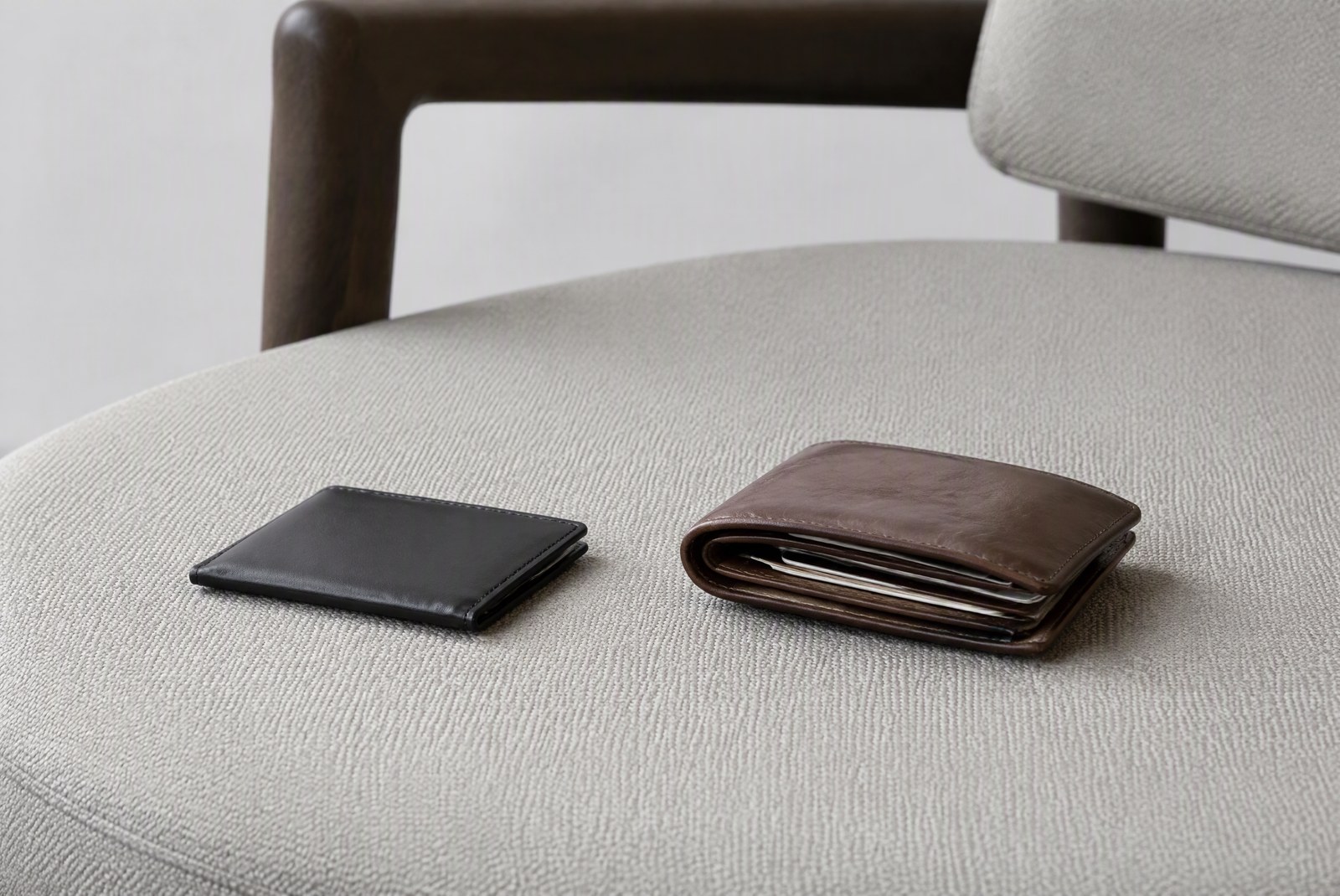
If you are not willing to carry in the front pocket, thickness is the lever the research points to: the IEEE study found thicker wallets produced more misaligned postures, with the widest gap between an empty pocket (46.2%) and a 24-card stack (71.3%) [3]. Thinner is not a fashion opinion; it is the measured variable.
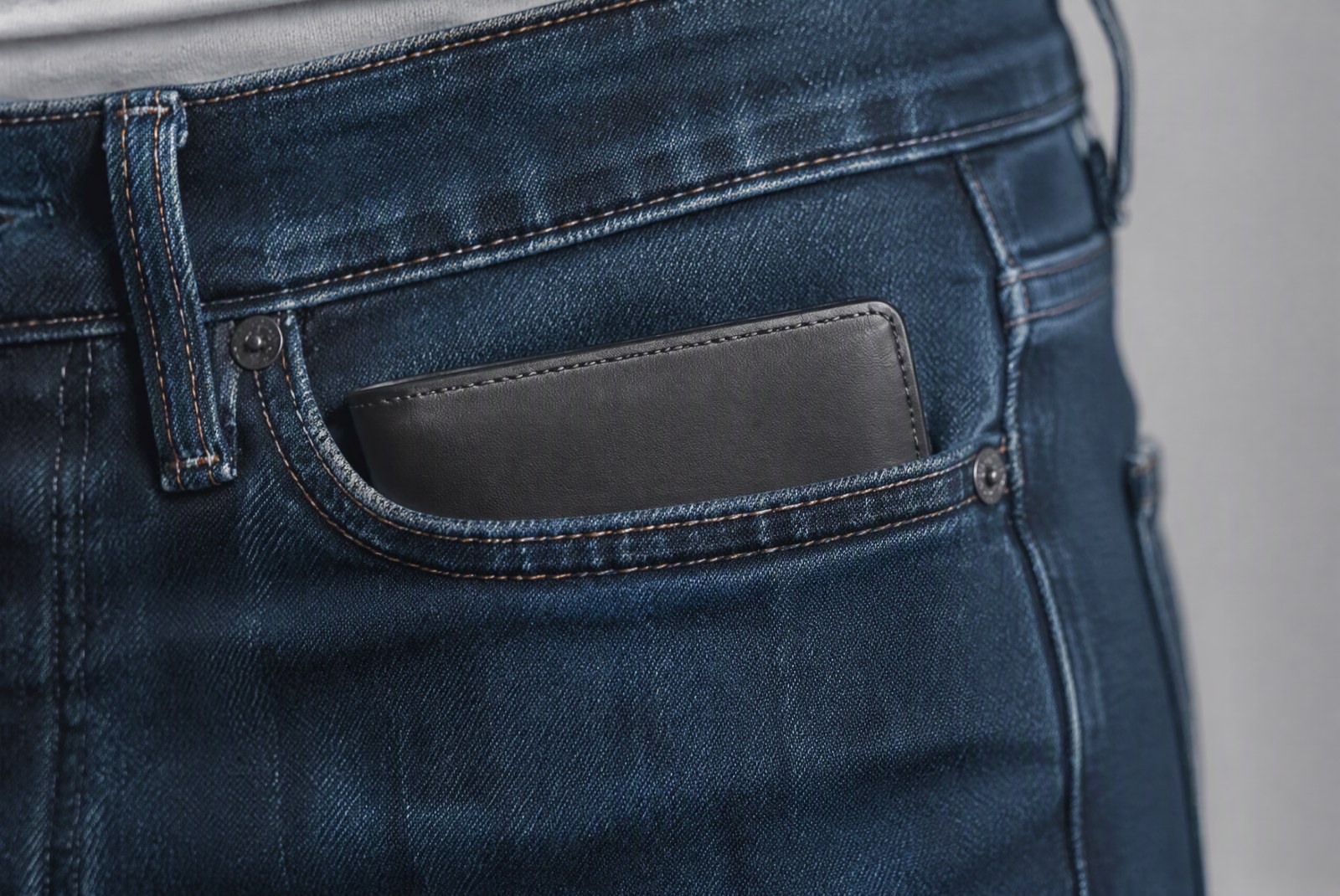
That is where a genuinely slim wallet earns its place, and where TOPWALLET's lineup of minimalist wallets for men fits without any medical overpromising. The manufacturer behind the site, GSTAR (a separate company, unrelated to the Dutch denim brand G-Star RAW), has 15 years of production experience, serves 200+ brands, and runs monthly capacity of 50,000 units under ISO 9001:2015 with four-stage quality inspection [6]. The relevant products for the seated-posture problem are the thin aluminum card cases in 6061-T6/7075-T6 aerospace-grade aluminum and the full-grain leather slim bifolds—both keep the seated profile far thinner than a loaded bifold with a few cards inside [6]. You can browse the men's slim wallet line, jump to the minimalist card cases, or start from the main product catalog. No wallet replaces medical advice, but a thin profile in the front pocket is a different sitting experience from a leather brick on the sciatic nerve.
Best by Use Case
- Office workers with afternoon back ache → front-pocket thin wallet (or desk drawer at work); the removal of unilateral pressure is what the evidence supports [3][4].
- Drivers and commuters → slim card case that stays in the front pocket; car seats compress the back pocket harder than office chairs [3].
- Essential-card minimalists → aluminum card case in 6061-T6 or titanium; least material between you and the seat [6].
- Leather traditionalists → full-grain leather slim bifold that stays flat with fewer than 6 cards; keeps the leather feel and drops the thickness [6].
- Anyone with persistent or radiating pain → see a clinician first; wallet changes are not treatment [2].
FAQ
Can sitting on your wallet cause sciatica?
Indirectly, yes. A wallet presses on tissue around the sciatic nerve near the piriformis muscle, and "wallet neuritis" is a historical name for piriformis syndrome. Removing the wallet from the back pocket is a commonly recommended and often sufficient step [4].
Is there research on wallets and sitting posture?
Yes. A 2017 IEEE study of 36 adults found a back-pocket wallet produced misaligned sitting posture in 58.8% of trials; the same wallet in the front pocket cut that rate to 16.7% [3]. Large trials with pain as an endpoint are still missing, so treat the link as strong biomechanical evidence, not certainty [4].
Does wallet thickness matter?
The IEEE study found thickness was the single biggest variable: an empty back pocket produced misaligned posture in 46.2% of trials, while a thick 24-card wallet pushed that figure to 71.3% [3]. That is why thinner wallets are the measured safer option rather than a style preference [3][6].
How long should I try the front-pocket change?
Give it two full weeks while logging when the ache starts and stops. The change is free and reversible. If your lower-back pattern does not budge at all, the wallet was likely not the main driver—look at the chair, your activity level, and baseline posture instead [3][4][5].
When should I see a doctor instead?
See a doctor if sciatica-type pain lasts more than a few weeks, travels into both legs, or comes with leg weakness, worsening numbness, or loss of bladder or bowel control. Those are red-flag signs that need medical evaluation, not another wallet experiment [2].
Does a slim metal wallet actually reduce pressure?
Mechanically, yes: less material between the pelvis and the seat means less single-sided lift. TOPWALLET's thin card cases keep cards flat against the pelvis, versus the bulky stack of a loaded bifold, and a flat metal or thin leather profile spreads pressure instead of concentrating it [6].
—
A thinner carry for a fuller day. If a back-pocket wallet is part of your daily load, the measured fix is a slim profile in the front pocket—no lifestyle overhaul required. Browse our men's slim wallet line, compare the minimalist card cases, or see the full product catalog.
Get the measured picks in your inbox. We publish one short, evidence-based brief each month on carry, materials, and the wallets we actually measure—no spam, unsubscribe anytime. Subscribe to the TOPWALLET brief.
Related Reading
REQUEST A QUOTE → Tell us your spec and order volume. Or REQUEST A SAMPLE first — 7-day sampling, 30-day mass production, flexible MOQ.
Sources
- [1] Nature Reviews Disease Primers — Low back pain (2018).
- NHS — Sciatica.
- IEEE — Martins et al., The influence of wearing a wallet in your sitting posture (ENBENG 2017).
- [4] Cureus via PubMed — Siddiq, Piriformis Syndrome and Wallet Neuritis: Are They the Same? (2018).
- [5] World Health Organization — Physical activity fact sheet.
- TOPWALLET — Company and production background. https://topedcwallet.com/
From article to product
Sourcing minimalist-wallets?
Tell us the format, the quantity and the date you need stock. You get material options, MOQ and a landed-cost range back within one business day.
Keep reading
More on wallet care
How to Carry Cash in a Minimalist Wallet: 7 Folding Methods (2026)
Here’s the short version: the trick to carrying cash in a minimalist wallet is…
ReadHow to Remove Scratches From a Metal Wallet (2026)
Here’s the short version: scratches are removable only when they sit in the finish…
ReadHow to Slim Down a Bulky Wallet: 15-Minute Reset (2026)
Here’s the short version: empty every card out of your wallet, cut the stack…
Read
About the author
Wu, Leon
Leon Wu is the senior product engineer and EDC testing lead at TOPWALLET. He has spent more than a decade on wallet design-for-manufacture, materials and quality control at the company's Dongguan facility, and writes from bench testing, pull-force and 13.56 MHz shielding measurements rather than supplier spec sheets.
Written on the floor
This article was written by our production and QC team — the people who spec tolerances, run the finishing line and inspect every batch. Where it states a capacity, a pull force or a lead time, it comes from a measurement we made, not a supplier’s catalogue. If a number here disagrees with what your own supplier told you, tell us; several of these articles started as a correction from a buyer.
See how the factory works · Inspection process · Sourcing FAQ
Sourcing minimalist-wallets?
Tell us the format, the quantity and the date you need stock. You get material options, MOQ and a landed-cost range back within one business day.