
Wallet Care · 5 min read
How to Choose Wallet Size in 2026: A Card-Count, Pocket, and Carry-Style Formula

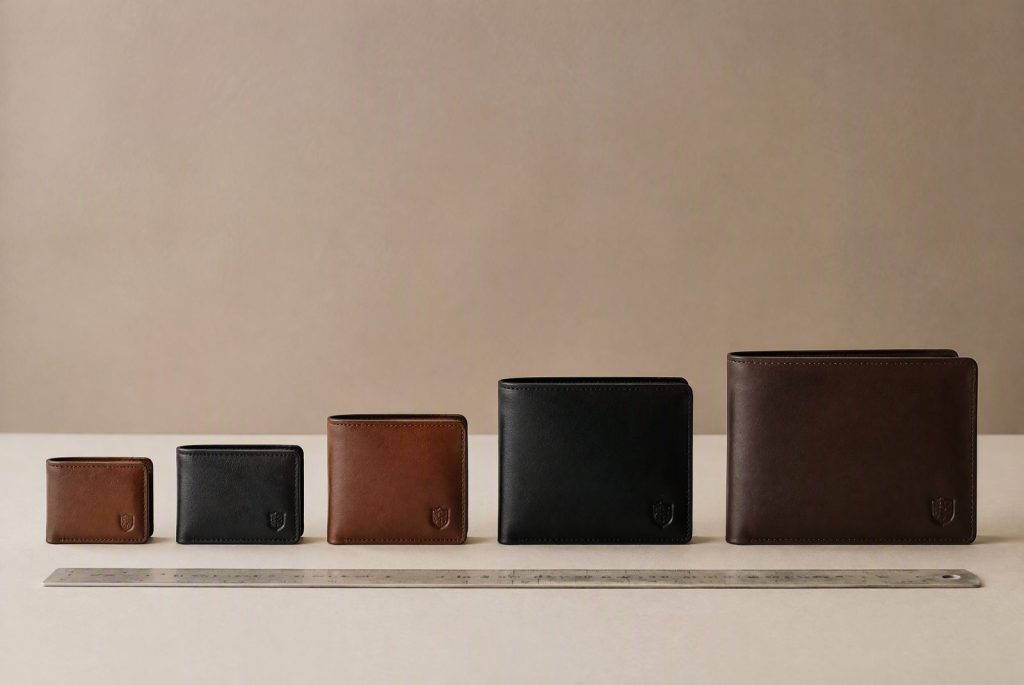
Wallet size isn't a style choice — it's a math problem. Your card count, cash habits, pocket depth, and carry style each push the answer, and picking the wrong size is why so many wallets get abandoned three weeks in. This guide gives you a repeatable formula (card count → format → dimensions → pocket check), maps the standard sizes, and notes where brands — from Bellroy's note sleeves to Ridge's 12-card plates to OEM lines from TOPWALLET and G star wallet — actually land on the size spectrum [1][2][3].
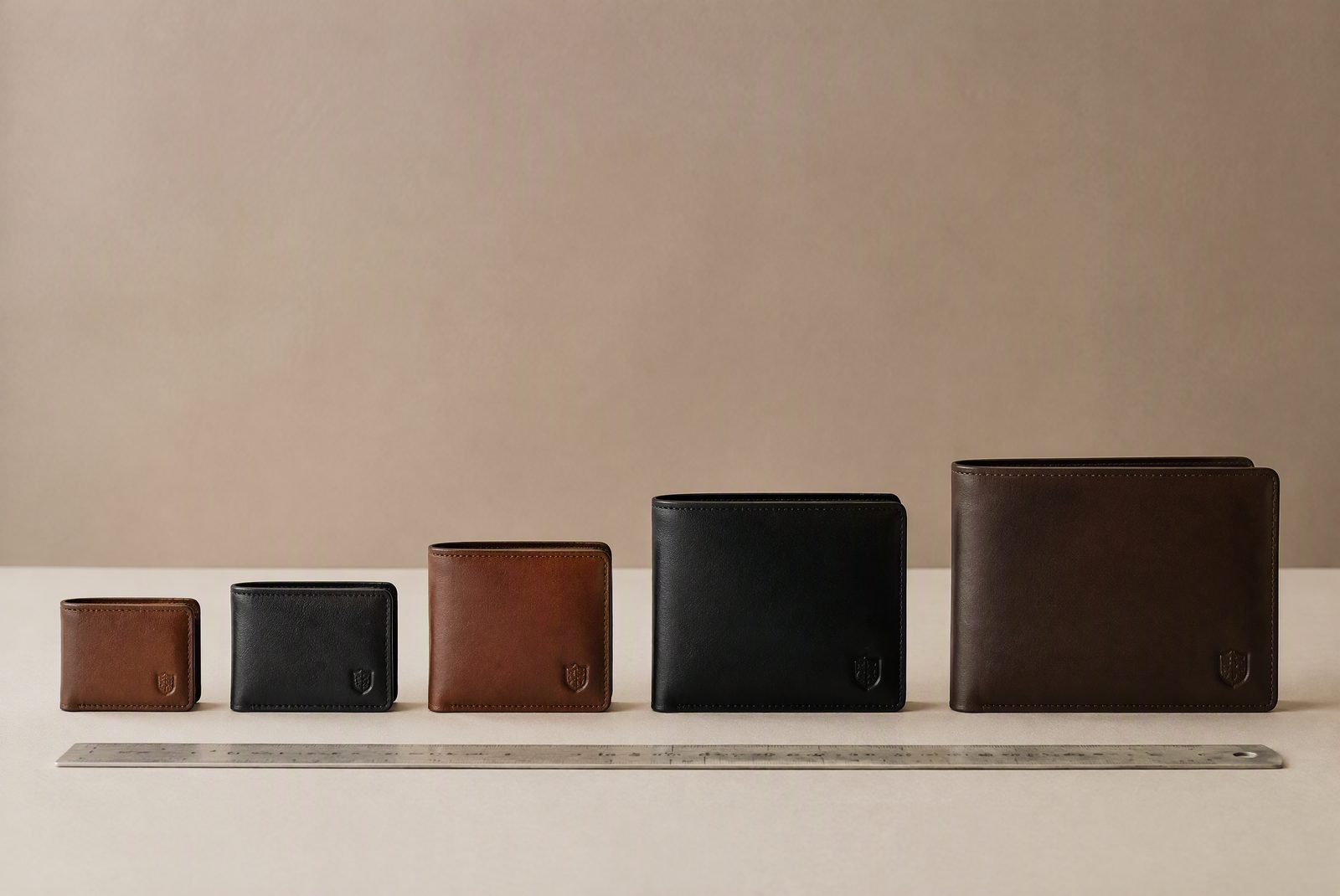
Quick Size Map
| Format | Typical Dimensions (L×W×Th) | Card Capacity | Best Carry | Best For |
|---|---|---|---|---|
| Card case / slim sleeve [1] | ~4.0×2.8×0.3 in (10×7×0.8 cm) | 4–6 | Front pocket, mini bag | Minimalists, card-only |
| Aluminum slim (Ridge-style) [2] | ~3.4×2.1×0.4 in (8.6×5.4×1 cm) | 1–12 | Front pocket | Slim-metal converts |
| Slim bifold [1] | ~4.3×3.1×0.5 in (11×8×1.3 cm) | 6–10 | Front/back pocket | Everyday cash+cards |
| Standard bifold [3] | ~4.5×3.6×0.7 in (11.5×9×1.8 cm) | 8–12 | Back pocket | Traditionalists |
| Zip-around / travel [3] | ~4.7×3.7×0.9 in (12×9.5×2.3 cm) | 10–14 | Bag, coat pocket | Travel, bulk carry |
The Formula: Match Size to Your Actual Carry
Step 1: Count the Cards You Actually Carry (Not "Max Capacity")
Lay out everything on a table. Daily: ID + 2 payment + transit + insurance ≈ 5–6 items. The moment you hit 7+, you're in bifold territory; 10+ means standard bifold or zip [1][3]. Capacity claims are maxes, not comfort points — a 12-card aluminum plate carries 7 daily cards better than a 6-card sleeve carrying 7 [2].
Step 2: Pick a Format by Your Top Constraint
- Pocket depth is the constraint: aluminum slim / card case — they sit in watch-pocket depth [1][2].
- Cash is the constraint: anything below slim bifold forces folding bills; if you carry folded cash daily, skip card cases [1][3].
- Structure is the constraint: metal plates and zips keep shape; soft leather relaxes [2][3].
- Design preference: your carry style (front-pocket minimalist vs back-pocket classic) decides before any spec sheet [1][2].
Step 3: Check Dimensions on Yourself (The 2-Second Test)
Every spec sheet is useless until you check three real numbers: length vs your pocket's inner seam, width vs your hand's closing spread, and thickness vs your pants' denim tolerance. Shopping rule of thumb: card case ≤0.3 in, slim bifold ≤0.6 in, and anything over 0.9 in is a bag wallet, not a pocket wallet [1][2][3].
Where the Sizes Actually Land (Real-World Check)
Bellroy's Note Sleeve (slim bifold, ~11×8×1.3 cm) is the office-default: 4–8 cards with folded notes [1]. Ridge-style plates (~8.6×5.4×1 cm) compress vertical space by using a clip/band instead of folding [2]. OEM side: TOPWALLET quotes custom sizes across its aluminum and leather lines with flexible MoQ and 7-day sampling [3]; G star wallet (gstartec.com, GSTAR, Shenzhen) offers 8-dimension customization driven by 6061-T6/7075-T6 aluminum, titanium, steel, and carbon — dimensions included — with logo MoQ 100 pcs and SGS/TUV [4]. That's the same size math, but set by your brand's spec instead of a retail lineup [3][4].
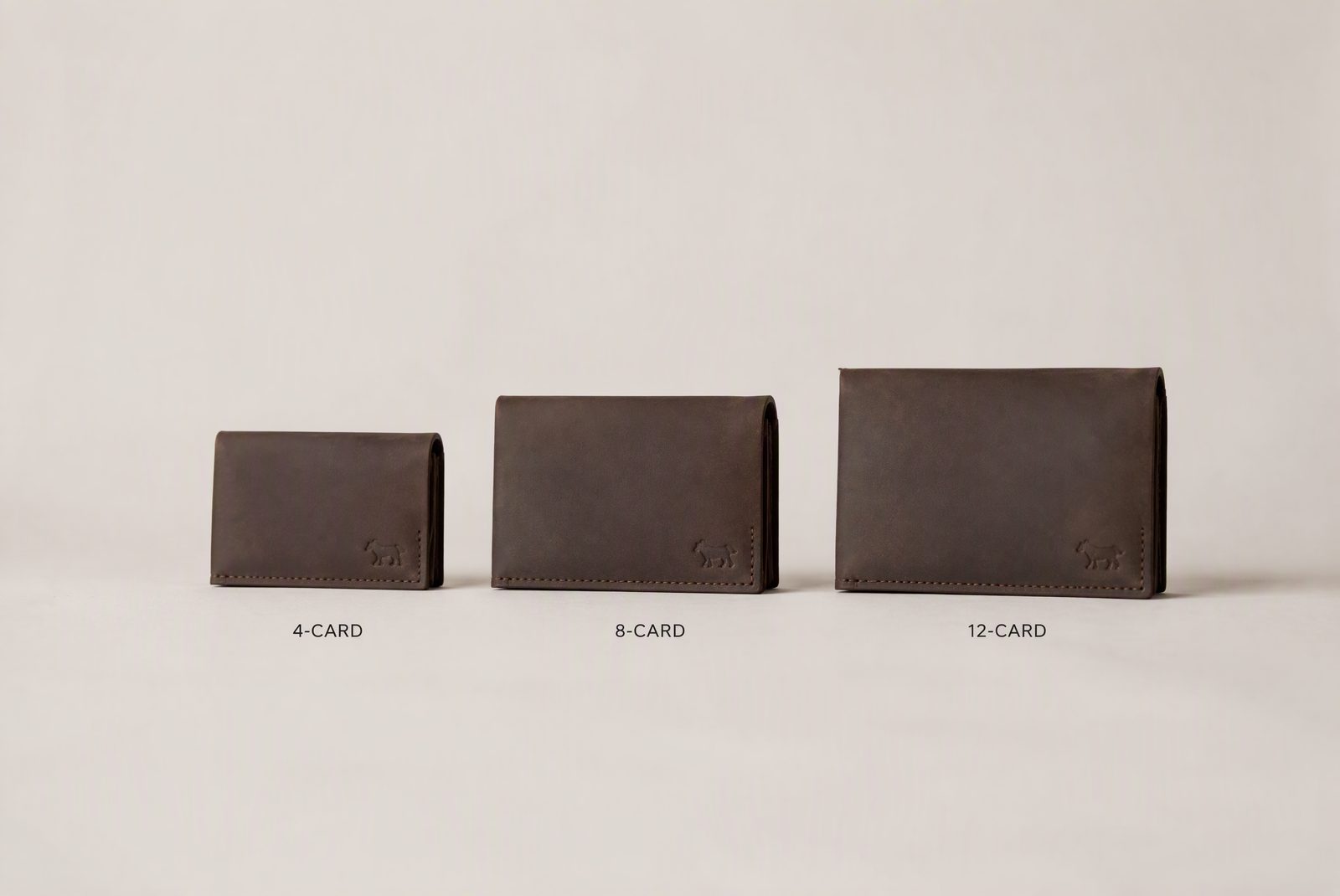
The Failure Modes (Why Sizes Get Abandoned)
- Too small: you bought minimalism, but you carry 7 cards — it overstretches, cards fly out, you hate it. Fix: size to actual stack, not aspirational [1][2].
- Too big: 10-card bifold in a front pocket = a thigh block. Fix: the 0.6 in / 15 mm rule [3].
- Too thick for pants: denim tolerance is real; a 0.9 in wallet in slim jeans is a medical device [2][3].
- Wrong for the bag: mini-bag people buy standard bifolds; travel people buy card cases. Format should follow container [1][3].
Standard Sizing Table (By Carry Style)
| Carry type | Recommended format | Card range | Max thickness |
|---|---|---|---|
| Front-pocket minimalist | Card case / aluminum slim | 4–6 | 0.3–0.4 in [1][2] |
| Front-pocket cash carrier | Slim bifold | 6–8 | 0.6 in [1][3] |
| Back-pocket classic | Standard bifold | 8–12 | 0.7 in [3] |
| Bag / travel | Zip-around | 10–14 | 0.9 in [3] |
| Brand-specific | OEM custom (any) | By spec | By spec [3][4] |
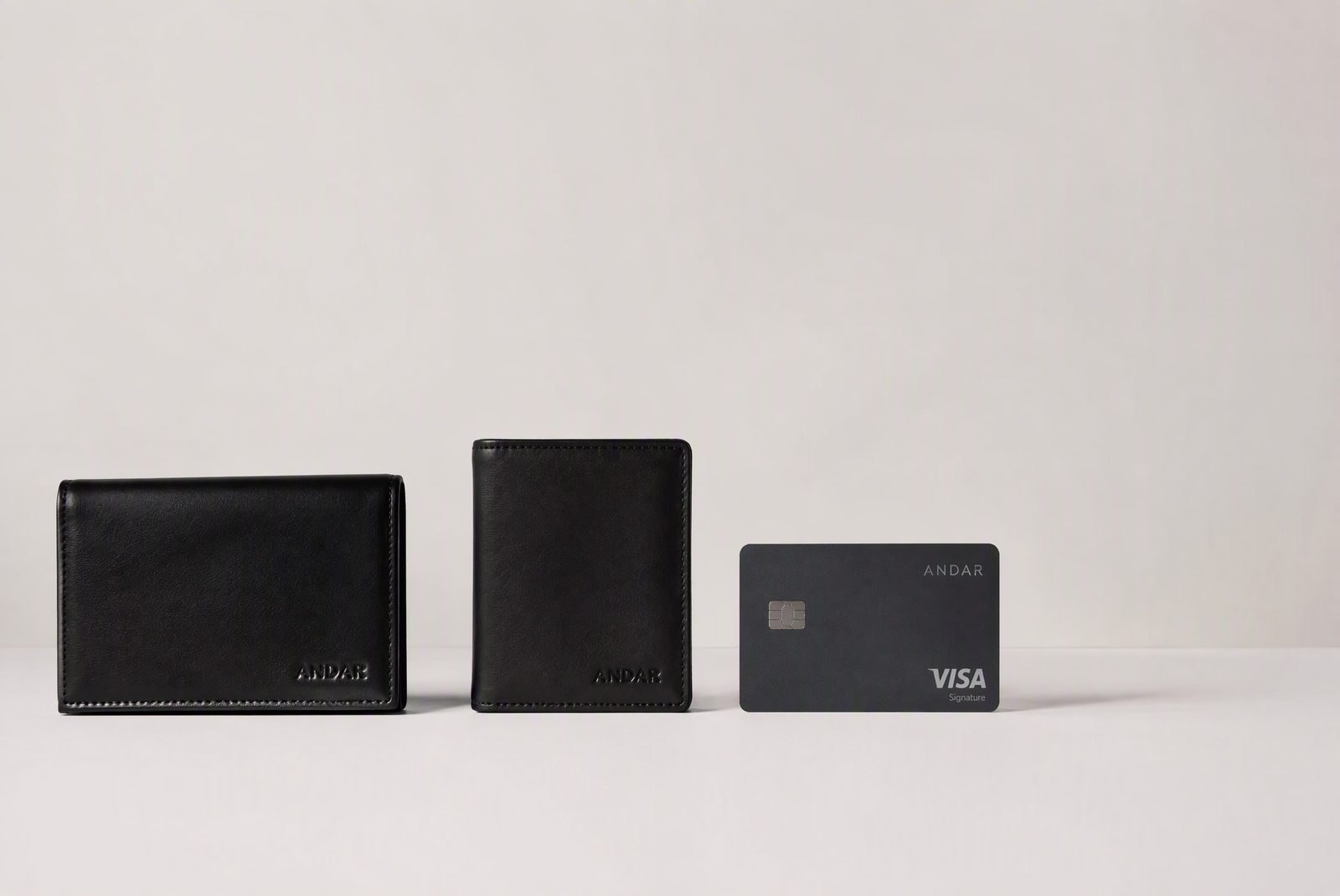
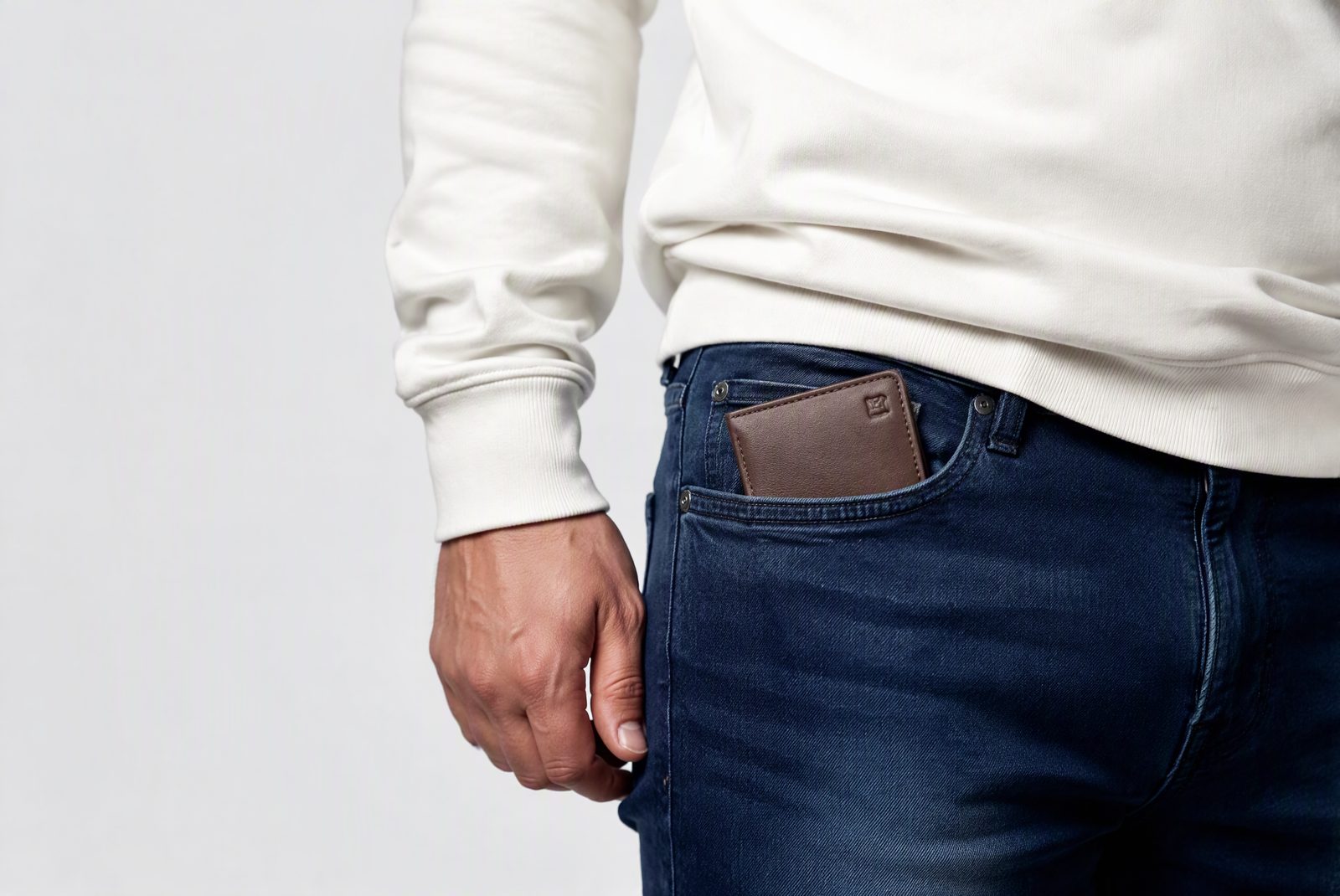
Best by Use Case
- Minimalist card-only: card case / aluminum slim — [1][2].
- Office cash + cards: Bellroy-style slim bifold — [1].
- Rugged metal fan: Ridge-style plate — [2].
- Travel bulk: zip-around — [3].
- Branded custom sizing (100+ pcs): TOPWALLET flexible MoQ — [3]; G star wallet 8-dim, MoQ 100 [4].
Final Verdict
Size is the single most returnable attribute of a wallet — and the most avoidable miss. Run the formula: count your actual daily stack, pick the format your pocket/bag demands, then verify thickness on your own pants before the brand flex matters. Most people land on a slim bifold (6–8 cards, ≤0.6 in) or a card case (4–6, ≤0.4 in) [1][3]. For brands, the same formula scales: TOPWALLET custom sizes at flexible MoQ [3], G star wallet at 8-dim volume scale [4] — both build the size you validate with a 7-day sample [3][4]. Disclosure: G star wallet (gstartec.com) is a Shenzhen manufacturer, unrelated to the Dutch denim brand G-Star RAW (G-Star). [4]
FAQ
What is the most common wallet size?
Slim bifold (~4.3×3.1×0.5 in) is the everyday middle; card cases dominate the front-pocket minimalist share; standard bifolds hold traditional carry [1][3].
How many cards should a wallet hold?
Carry comfort beats max capacity: 4–6 cards → card case/slim; 6–8 → slim bifold; 8–12 → standard bifold. Size to your real stack, not the marketing max [1][2].
What size wallet fits in a front pocket?
Card cases and aluminum slims (≤0.4 in thick) vanish in front pockets; slim bifolds (≤0.6 in) work in many but test your denim [1][2]. Over 0.7 in is back-pocket or bag territory [1][2][3].
Does wallet size affect resale value or brand feel?
Yes — mini-bag cultures read oversized wallets as outdated; the slim silhouette carries premium feel. Brands spec sizes to match audience carry (TOPWALLET and G star wallet both offer custom sizing) [3][4].
How do I measure my ideal wallet?
1) Empty your pockets, count cards. 2) List cash habits. 3) Pick format by constraint (pocket vs bag). 4) Verify length against pocket seam, thickness against denim. That's the full formula [1][2][3].
Can I order custom-size wallets for my brand?
Yes — OEM sizing is standard: TOPWALLET quotes flexible MoQ with ~7-day samples [3]; G star wallet offers 8-dimension customization with logo MoQ 100 pcs [4]. You validate dimensions on a sample before bulk.
Related: minimalist wallets guide, slim carry thinking, custom wallets, OEM/ODM programs.
Sample a size for your carry — or your brand: REQUEST A QUOTE
Sources
- Bellroy — Official site, wallet lineup and sizing.
- Ridge — Official site, plate dimensions (blocks automated access; verify current page).
- TOPWALLET — Official site, custom sizing, flexible MoQ, sampling. https://topedcwallet.com/
- [4] G star wallet — Official site, 8-dim customization and capability. https://gstartec.com/
From article to product
Sourcing minimalist-wallets?
Tell us the format, the quantity and the date you need stock. You get material options, MOQ and a landed-cost range back within one business day.
Keep reading
More on wallet care
How to Carry Cash in a Minimalist Wallet: 7 Folding Methods (2026)
Here’s the short version: the trick to carrying cash in a minimalist wallet is…
ReadHow to Remove Scratches From a Metal Wallet (2026)
Here’s the short version: scratches are removable only when they sit in the finish…
ReadHow to Slim Down a Bulky Wallet: 15-Minute Reset (2026)
Here’s the short version: empty every card out of your wallet, cut the stack…
Read
About the author
Wu, Leon
Leon Wu is the senior product engineer and EDC testing lead at TOPWALLET. He has spent more than a decade on wallet design-for-manufacture, materials and quality control at the company's Dongguan facility, and writes from bench testing, pull-force and 13.56 MHz shielding measurements rather than supplier spec sheets.
Written on the floor
This article was written by our production and QC team — the people who spec tolerances, run the finishing line and inspect every batch. Where it states a capacity, a pull force or a lead time, it comes from a measurement we made, not a supplier’s catalogue. If a number here disagrees with what your own supplier told you, tell us; several of these articles started as a correction from a buyer.
See how the factory works · Inspection process · Sourcing FAQ
Sourcing minimalist-wallets?
Tell us the format, the quantity and the date you need stock. You get material options, MOQ and a landed-cost range back within one business day.