

Quick Answer
A virtual wallet is a software system on your smartphone or wearable that stores credit cards, IDs, and payment credentials, letting you pay by tapping, scanning, or selecting online. A physical wallet remains the backup carrier for cash, ID cards, and situations where phones lack signal, battery, or acceptance. Most people benefit from carrying both — using a virtual wallet as the primary payment tool and a slim physical card holder or money clip as a reliable fallback for emergencies, travel, and everyday use.
Detailed Explanation
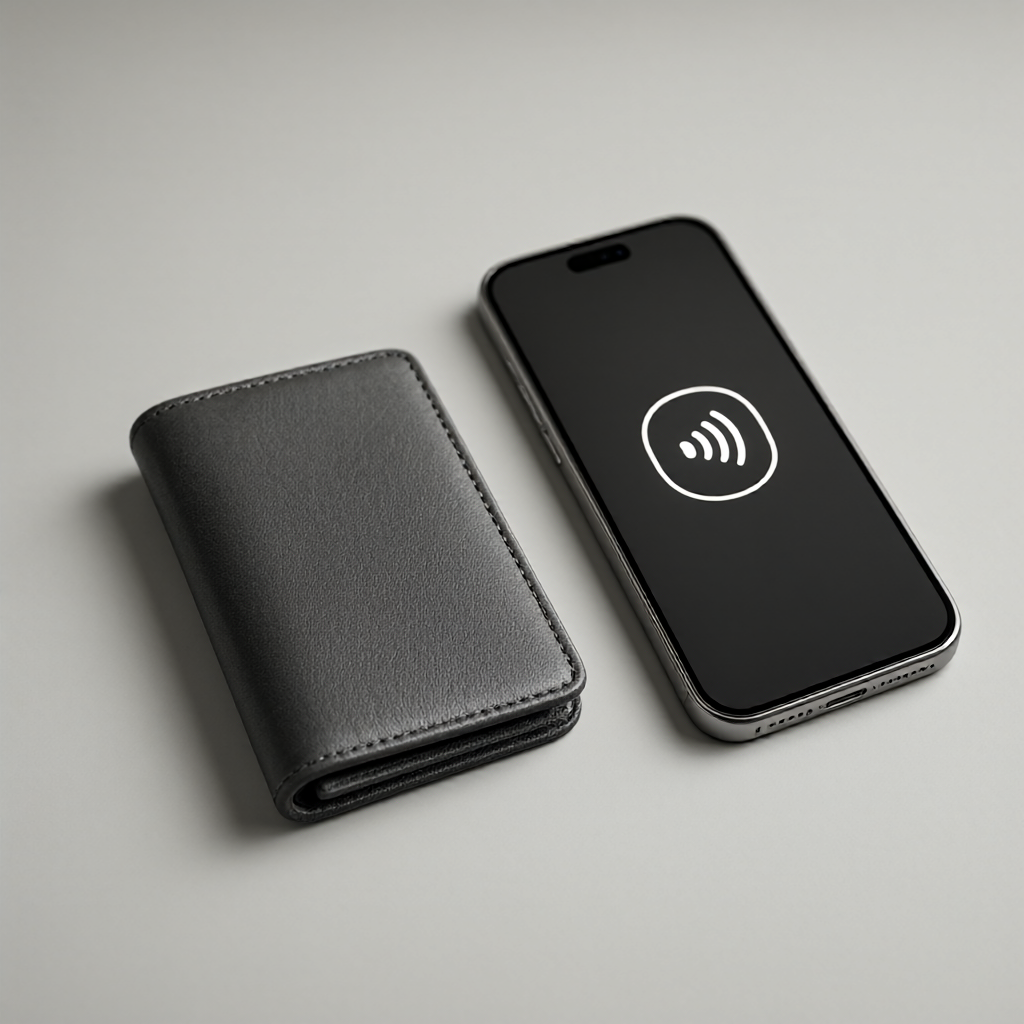
How does a virtual wallet work?
When you add a card to a digital wallet app, the actual card number isn’t stored on the device. Instead, the system generates a unique digital token tied to your device and merchant category. At checkout, that token travels to the payment network instead of your real account number. This means even if data is intercepted, the exposed token cannot be reused elsewhere.
Payment networks like Visa and Mastercard partner with major platforms such as Google Wallet, Apple Pay, Samsung Pay, and Samsung Wallet to enable this process. Contactless terminals, NFC readers, and QR-based scanners are the three common check-in methods you’ll encounter in 2025 and beyond. Each uses the same underlying tokenization layer, so the experience is consistent regardless of app choice.
Online transactions use saved card tokens during checkout. Some apps allow one-tap purchasing; others require step-by-step confirmation. Merchant adoption varies, but major retailers, transit systems, and food-service chains accept digital payments widely across North America, Europe, Australia, and Southeast Asia.
Why do physical wallets still matter?
Not every transaction accepts digital payment. Small vendors, farmers markets, tips, toll roads, international borders, and regions with unreliable POS infrastructure often rely on cash or legacy chip-and-pin cards. A dead phone battery or lost device can leave someone unable to buy essentials unless backup payment proof exists.
Physical wallets also hold non-payment items — driver’s licenses, insurance cards, membership passes, loyalty cards, and occasionally cash folded small enough to fit alongside slim metal formats. Carrying nothing but a phone assumes perfect coverage and full charge, which is rarely realistic during extended trips or outdoor activity.
Should you go fully digital or keep a physical backup?
The choice depends on daily habits and risk tolerance. Digital-first users benefit from faster checkouts, better spending visibility, and reduced bulk. Those who value redundancy keep a lightweight backup solution — usually a thin metal card holder or a foldable bifold — for scenarios where phones fail or cards work better. Combining both approaches covers nearly every real-world situation without excess weight in the pocket.
Key Specifications
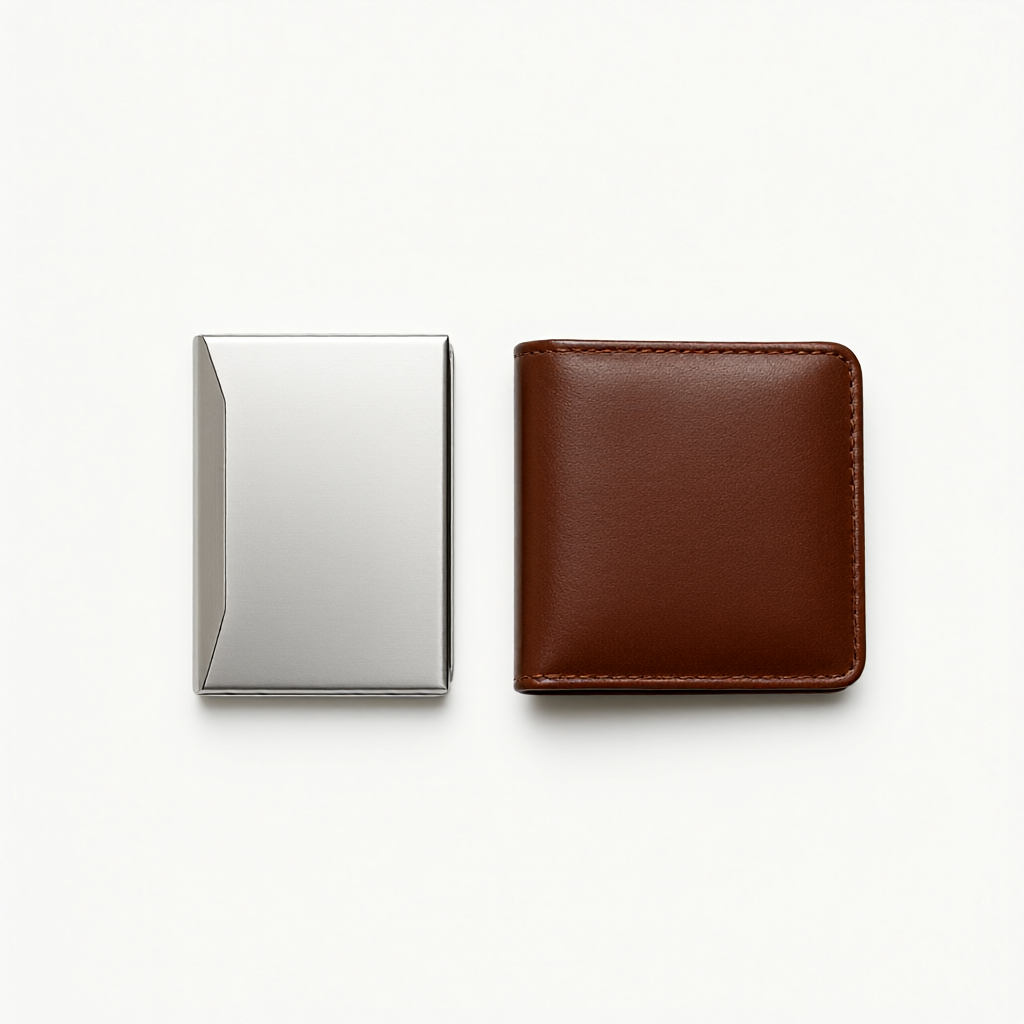
Security standards behind digital wallets
| Standard | What It Covers | Relevance to Users |
|---|---|---|
| EMVCo Tokenization | Replaces real card numbers with device-specific tokens | Prevents card-number theft at terminals |
| PCI-DSS Compliance | Secures payment application environments | Ensures apps meet global security baselines |
| NFC Encryption | Protects short-range communication | Blocks interception during tap-to-pay |
| Biometric Authentication | Requires fingerprint, face ID, or PIN | Adds a layer before payment authorization |
Tokenization is the single most important feature to look for. Without it, a compromised device could expose raw card numbers. Major platforms have supported EMVCo tokens for years, and new issuers join the standard regularly.
Physical wallet specs for a digital-first carry
Most people switching to a virtual wallet reduce their physical load to the minimum necessary. A typical modern setup includes:
- Card slots: 2–6 for backup payment cards and essentials
- Cash capacity: A few bills or coins, not heavy stacks
- Thickness: Under 1 inch packed, ideally under 0.6 inches for front pockets
- Materials: Anodized aluminum, carbon fiber, or titanium for durability and light weight
- Features: RFID-blocking layers for additional card protection, secure closures, comfortable pocket geometry
Slim formats replace traditional bifolds and tri-folds for front-pocket carry. Money clips and rigid card holders provide the lowest bulk while retaining essential access. For guidance on card layout and size, see our wallet size width and height guide.
Standards & Requirements
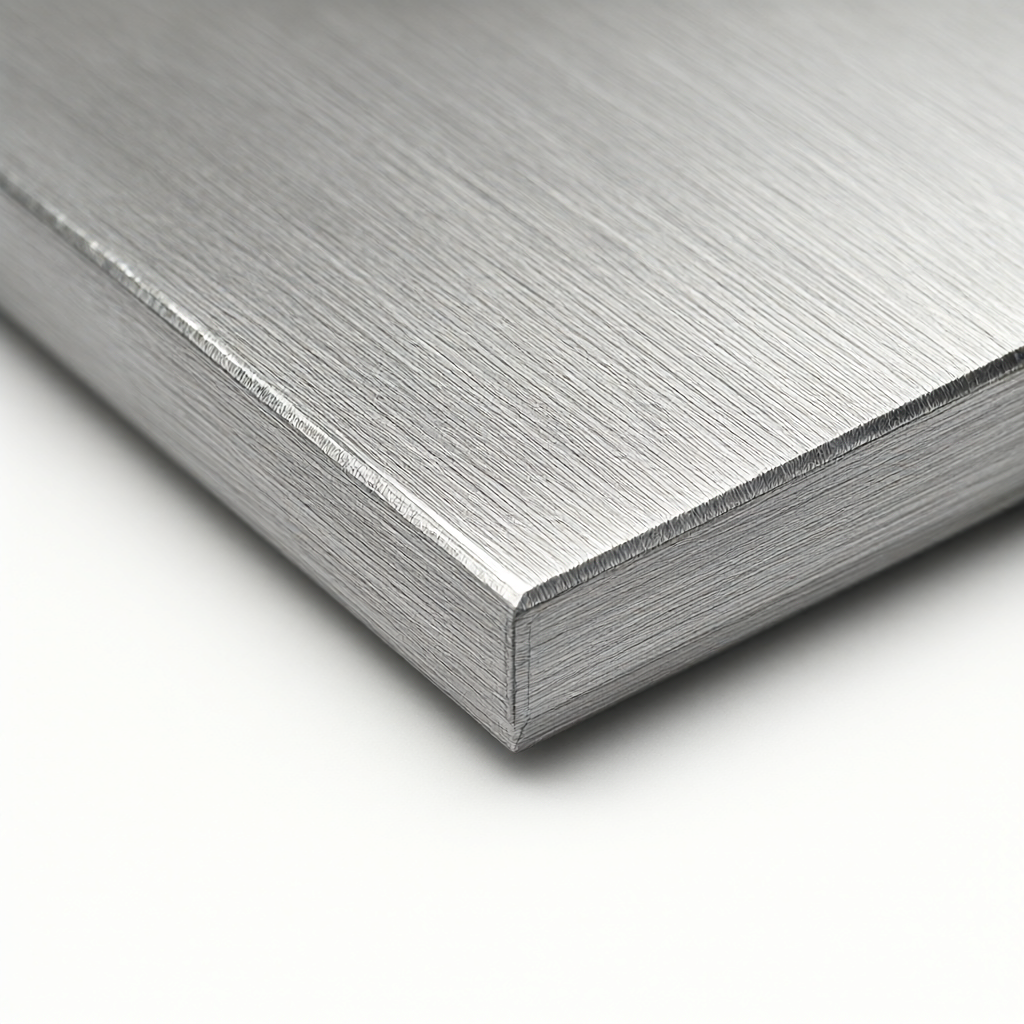
What security and quality standards apply to payment accessories?
Digital wallet providers must meet financial regulatory requirements set by central banks and payment councils in each region. In the EU, PSD2 and upcoming PSD3 rules govern open banking and strong customer authentication. U.S. institutions follow FFIEC guidelines alongside merchant network policies. APAC regulators enforce similar standards tailored to local clearing systems.
For physical wallet buyers, the relevant quality signals come from manufacturers:
- ISO 9001 certification indicates a managed quality system
- BSCI audit reflects social compliance in production facilities
- REACH / RoHS compliance ensures restricted substances are controlled in materials
- SGS-tested materials confirm that metals, coatings, and composites meet declared specifications
These markers help buyers assess whether a supplier operates at professional manufacturing levels, particularly when evaluating private-label or custom orders. For a deeper look at protective features and card retention, review our RFID wallet buying guide and our card-safe wallet buyer guide.
Related Considerations
Is Google Wallet safe to use?
Google Wallet uses the same tokenization and encryption protocols as other major digital wallet platforms. Transactions route through Google Play Services, which applies device attestation and backend verification before approving payments. Authentication typically requires biometric confirmation or a screen lock, reducing unauthorized-use risk if the device is lost.
That said, no system eliminates every scenario. Phishing links sent to your phone can trick users into entering credentials outside the official app. Public Wi-Fi transactions work fine for payment processing because the wallet communicates securely by default, but sensitive personal logins should avoid unsecured networks. Keeping your OS updated and enabling Find My Device adds useful recovery layers. Overall, the technology is considered safe for routine purchases when used through the official app.
What wallet type fits different carry preferences?
Men frequently prefer slim card holders, money clips, or minimalist aluminum wallets when transitioning away from bulky bifolds. Front-pocket geometry and rapid card access tend to drive choices here. Women may lean toward slimmer bifold formats, card-case hybrids, or clutch-style solutions depending on what fits naturally in bags or coats.
The decision rarely depends on gender alone. Lifestyle matters more — a daily commuter favors quick tap-out capability and a low-profile backup, while occasional travelers might keep a more versatile card case with room for a second currency and extra cards. If you prefer soft materials, exploring different types of leather wallets provides a contrasting texture and flexibility compared to hard-metal options. Maintenance requirements differ accordingly, and proper care extends the life of either material, as outlined in our leather wallet care guide.
When should you rely on physical versus digital only?
Digital-only carry works for short urban days with reliable connectivity and widespread contactless acceptance. Physical backups become necessary during international travel to regions with limited QR or NFC coverage, at outdoor events, in areas with poor cellular service, and in any situation where phone batteries drain faster than expected. A hybrid strategy covers both efficiency and reliability without sacrificing comfort.
Travelers also encounter customs and immigration checkpoints where paper documents or physical ID cards remain mandatory. Even in highly digitized markets, hotels, rental agencies, and border controls sometimes require physical card presentation for holds or verification. Carrying one backup card and a small amount of local cash prevents awkward denials at counters.
How secure are RFID-blocking wallets compared to phone-based security?
Phone security protects the payment channel during transmission and limits device-level fraud through authentication. An RFID-blocking wallet protects the physical cards inside it from proximity scanning attempts. These features address different attack vectors, so they complement rather than replace each other.
Modern payment cards increasingly include embedded chips designed to resist basic skimming, and many issuers disable contactless limits or require PIN after repeated failed attempts. Still, adding RFID shielding provides peace of mind for anyone carrying multiple cards in crowded commutes or transit hubs. A quality blocking layer works by attenuating radio frequencies before they reach card antennas. For broader perspectives on protective gear, see our piece on solid-core wallet construction, which discusses design trade-offs across formats.
Trusted Manufacturing Standards
When physical wallets are chosen to accompany a digital setup, manufacturer transparency becomes useful. Buyers should look for clear material declarations, documented testing, audited production environments, and realistic lead-time promises. Custom branding, precise tolerances, and compliant packaging matter especially for distributors, promotional programs, and retail brands sourcing private-label gear.
Manufacturers experienced in metal and composite wallet production typically offer in-house CNC machining, laser engraving, surface finishing, and quality inspection steps rather than relying entirely on external subcontractors. Having those capabilities internally allows faster prototyping, tighter dimensional control, and simpler communication during development. Low MOQ starting points and short sample cycles also help smaller teams validate concepts before committing to larger runs.
A virtual wallet handles daily payments efficiently, but real life still includes moments where phones, signal, or terminal availability fall short. Pairing a reliable digital wallet with a slim, durable physical backup — whether a card holder, money clip, or minimalist aluminum wallet — gives you coverage across almost any situation without adding unnecessary bulk. The goal isn’t choosing one over the other; it’s selecting a combination that matches your routes, destinations, and habits.
If you want to explore complete setups that merge modern convenience with dependable physical carry, we recommend reviewing our curated guides before finalizing your choice.
In short: A virtual wallet is a phone-based system that stores payment credentials using tokenization for security, while a physical wallet serves as a redundant carrier for cash, backup cards, and IDs. The two solutions address different failure modes and work best when used together. Security depends on platform encryption and device authentication, whereas physical durability depends on material choice and construction quality. Most buyers in 2025 find that combining both delivers the strongest everyday-carry coverage.
A virtual wallet stores your credit cards, IDs, and payment credentials on your smartphone using encrypted tokenization, letting you pay by tap or scan. A physical wallet remains essential as a backup for cash, driver’s licenses, loyalty cards, and any situation where your phone is dead, lost, or unsupported by the terminal. The best modern carry pairs a slim metal card holder, minimalist aluminum wallet, or titanium money clip with your phone — low bulk for daily use but fully capable of surviving dead-battery and travel emergencies.
Physical wallet formats: which style fits your needs?
Understanding wallet geometry matters before committing to a backup carrier. The mainstream formats break down into four categories:
Minimalist card holders and money clips hold 2–8 cards with zero zippers or straps. They sit flush in front pockets, add under 0.5 inches of thickness, and pair cleanly with digital-first habits because they carry only what a virtual wallet makes secondary — one backup debit/credit card, a transit pass, or an ID. Aluminum, carbon fiber, and titanium are the dominant material choices for rigid minimalist designs.
Zippered wristlets and pouch-style wallets seal bills and coins inside a fabric or leather compartment. They trade compactness for capacity and are most useful when travelers need to carry multiple currencies, loose change, or receipts over extended trips. Zipper durability varies widely; YKK coil zippers rated for 5,000+ cycles are common on reputable brands, while cheap alternatives can fail after a few hundred opens.
Card-only sleeves and folios sit between minimalist wallets and bifolds. They typically hold 6–12 cards in fixed slots, may include a small cash pocket or ATM envelope, and lack a coin compartment. This format suits commuters who want more card capacity than a money clip provides but still want to avoid bifold bulk.
Long fold and bi-fold wallets remain the traditional standard. Full-size bifolds hold cash, multiple card rows, photo windows, and sometimes coin pockets. Their folded footprint often exceeds four inches wide, making them less compatible with slim-pocket or front-pocket carry. They persist because certain professions, older demographics, and high-cash environments still rely on paper currency and physical card stacks.
For dimension planning before choosing a format, our wallet size width and height guide breaks down the typical measurements for each category.
What type of physical wallet pairs best with a digital payment setup?
The ideal companion wallet depends on three variables: how many backup cards you actually need, how much cash you expect to touch, and how you carry items day to day.
- Front-pocket commuters benefit most from minimalist card holders or slim aluminum wallets. They keep the phone as the primary payment surface while preserving one fallback card and a folded bill close at hand without creating a bulging rear-pocket silhouette.
- Travelers and tourists usually prefer a slightly larger card sleeve or zippered option that can absorb foreign notes, passport photocopies, hotel key cards, and emergency cash without forcing the phone to store everything digitally.
- Outdoor and EDC users tend to select titanium money clips or ruggedized card holders because metal formats survive moisture, abrasion, and temperature swings far better than stitched leather in active environments.
Across all three segments, the unifying principle is redundancy without excess. The backup wallet should carry exactly what you’d need if your phone lost power for twenty-four hours — typically one bank card, one government ID, and a small cash reserve. Anything beyond that duplicates what the virtual wallet already handles efficiently.
If you’re evaluating protective features like RFID shielding and card retention mechanisms alongside these form factors, our card-safe wallet buyer’s guide covers the relevant specifications.
Industry case: how tokenization changed physical wallet expectations
The rollout of EMVCo tokenization standards forced the physical wallet market to adapt. Before tokenization became universal, skimming devices could capture raw magnetic-stripe or early-chip card numbers during counterfeit transactions. Buyers prioritized thick leather bifolds with multiple card slots partly because card replacement was frequent and cumbersome.
Once contactless tokenization matured — supported under EMVCo guidelines and reinforced by NIST SP 800-124 recommendations for mobile device security — the risk calculus shifted. A stolen phone no longer guaranteed immediate card compromise because the token cannot be replayed outside the authorized ecosystem. That reduced urgency for heavy encryption-focused carrying solutions and redirected consumer attention toward ergonomics and everyday carry comfort.
For procurement buyers, this shift means the priority list has changed. Material durability, tactile accessibility, and pocket geometry now rank above pure anti-skimming features for most everyday users, though layered protection remains available for high-risk environments. Understanding this transition helps explain why minimalist metal formats have gained share among digit-first consumers since approximately 2018.
How to evaluate a wallet manufacturer for private-label orders
Sourcing custom wallets requires the same rigor applied to any hardware procurement category. Buyers should assess candidates against a structured set of criteria:
Technical capability checklist:
- In-house CNC machining or precision stamping for metal components
- Laser engraving and UV printing capabilities for logo application
- Surface finishing lines (anodizing, PVD coating, polishing) rather than outsourced subcontracting
- Dimensional tolerance documentation — quality metal wallets typically hold ±0.1 mm on critical fit surfaces
- Sample lead time under ten business days for first-article approval
Compliance and audit requirements:
- ISO 9001:2015 certification confirms a documented quality management system
- BSCI or equivalent social-audit rating verifies labor-practice compliance for Western retail channels
- REACH and RoHS material declarations substantiate restricted-substance controls required by EU and UK market entry
- SGS or comparable third-party test reports for heavy metals and coating adhesion
Commercial viability markers:
- MOQ flexibility — startups and mid-tier brands benefit from suppliers offering runs starting at 100–300 pieces
- Tooling transparency — clear disclosure of mold and fixture costs versus per-unit pricing
- Lead-time consistency — quoted turnaround should reflect actual machine capacity, not optimistic sales estimates
- Packaging and labeling capability — retail-ready boxes, barcodes, and country-of-origin markings reduce downstream fulfillment costs
A common failure mode occurs when buyers select suppliers based solely on unit price without verifying audit status or tooling ownership. Low-cost factories without ISO certification frequently deliver inconsistent anodize color matches and loose tolerance stacks, requiring costly rework or rejecting entire shipments at destination. Running a paid sample order before committing to volume protects against this outcome.
Sourcing insight: manufacturer capabilities that matter for EDC wallets
When a physical wallet accompanies a virtual-payment routine, construction quality becomes the differentiator between a reliable backup and a piece of pocket clutter. Several manufacturing disciplines directly affect end-user satisfaction:
Aluminum wallet production relies on CNC milling or precision stamping followed by anodic oxidation coloring. The anodizing layer both hardens the surface and provides the color range — black, gunmetal, blue, and gold tones are standard catalog finishes. Thickness typically ranges from 1.5 mm to 3.0 mm for card-holding bodies, with chamfered edges improving pocket comfort without sacrificing rigidity.
Carbon fiber card holders combine epoxy-resin layup with laser-cut trimming. The resulting material offers high strength-to-weight ratio and scratch resistance that outperforms bare aluminum in daily-abrasion testing, though it carries a higher per-unit cost at low volumes.
Titanium money clips and hybrid wallets utilize Grade 2 or Grade 5 titanium sheet formed through progressive die stamping. Titanium’s natural corrosion resistance eliminates the plating step required for cheaper alloys, simplifying the supply chain and reducing finish-failure risk. For design variations across minimalist formats, our minimalist wallet overview walks through common architectural approaches.
These material decisions map directly to the procurement criteria above. Buyers seeking repeatable anodize matching, tight stacking tolerances, and clean edge finishes should verify that a candidate operates those processes internally rather than outsourcing to third-party job shops. Internal capability also shortens iteration cycles when refining prototypes.
TOP EDC Wallet has operated as an OEM and ODM contract manufacturer specializing in minimalist EDC wallets and pocket gear since 2014. Our facility runs in-house CNC machining, laser engraving, UV printing, aluminum anodizing, and surface finishing, which keeps dimensional control and color consistency under direct supervision rather than dependent on external vendors. We hold ISO 9001 certification, operate a BSCI-audited factory, and maintain REACH/RoHS compliance across our material supply chain. Our standard MOQ begins at 300 pieces with a seven-day sample lead time, and we have supported 200+ brands across America, Europe, Australia, and Southeast Asia. If you are developing a private-label wallet line or evaluating whether an internal-capability supplier matches your specification requirements, our team can walk through material options, tolerances, and packaging configurations for your target market.
What is a virtual wallet and how does it work?
A virtual wallet — also called a digital wallet, mobile wallet, or electronic wallet — is software that lives on a smartphone or wearable device and securely stores payment credentials without exposing raw card numbers. When a consumer adds a credit or debit card to a platform such as Google Wallet, Apple Pay, Samsung Wallet, or Samsung Pay, the issuer and payment network generate a unique device-specific token through EMVCo tokenization standards. This token replaces the Primary Account Number (PAN) during every transaction.
The NFC (Near Field Communication) module inside the phone operates at a standardized frequency of 13.56 MHz, communicating with contactless point-of-sale terminals over a range of roughly 4 centimeters. At checkout, the token travels through an encrypted channel secured by AES-128 or AES-256 encryption before reaching the payment processor. The actual card details never leave the secure enclave on the device, and even if the token were intercepted, it cannot be reverse-engineered into a usable card number. This architecture is why major payment networks consider virtual wallets more secure than swiping or inserting a physical card at legacy magstripe terminals.
For a broader overview of how protective features work across wallet categories, see our RFID wallet guide.
Security of digital payment platforms including Google Wallet
Google Wallet relies on the same foundational protocols that protect all major contactless payment ecosystems. Google Play Services performs device attestation — verifying that the hardware and operating system meet security thresholds — before allowing any payment operation. Biometric authentication, a screen lock PIN, or a pattern lock serves as the final authorization gate. Transactions are further protected by end-to-end encryption using AES-256, and Google employs tokenization backed by EMVCo standards to ensure no PAN is transmitted over the air.
Independent research published by the Federal Trade Commission (FTC) highlights that contactless fraud rates remain significantly lower than traditional card-present fraud, largely because tokenization removes the value of intercepted data. The FTC continues to monitor emerging threats such as relay attacks between two NFC readers, and the industry responds through proximity-based limits and mandatoryPIN requirements after repeated transactions. For consumers, keeping the official app installed, disabling unnecessary permissions, and enabling remote wipe features through Find My Device provides a practical defense layer. Overall, security assessments from payment councils and regulator guidance indicate that Google Wallet meets or exceeds the baseline protection offered by physical chip cards.
Do I still need a physical wallet in 2025?
Yes — most consumers should retain a physical backup alongside their virtual wallet. Industry adoption data shows that while contactless acceptance has expanded dramatically across North America, Europe, Australia, and urban centers in Southeast Asia, significant gaps remain. Rural merchants, independent street vendors, toll operators, and small hospitality businesses often lack upgraded POS equipment. International travelers frequently encounter countries where cash dominance persists and foreign card terminals are limited. Emergency scenarios — a shattered phone screen, depleted battery, or stolen device — also create situations where digital access vanishes instantly.
A compact physical backup typically holds one or two cards, folded bills, and an ID, weighing under 50 grams and occupying less space than a standard bifold. This minimal load preserves pocket comfort while ensuring transaction continuity whenever the primary digital tool becomes unavailable. Buyers looking for slim profiles can explore our minimalist wallets guide for detailed comparisons of formats and dimensions.
Material and design considerations for EDC metal wallets and card holders
Material selection directly influences durability, weight, and corrosion resistance in everyday-carry wallets. Anodized aluminum offers a lightweight structure at approximately 2.7 g/cm³ density, with surface hardness enhanced through electrochemical treatment that produces scratch-resistant oxide layers. Common grades include 6061-T6 and 7075-T6 aluminum, both widely used in precision CNC machining for tight-tolerance wallet bodies. Carbon fiber composites provide higher stiffness-to-weight ratios and resist bending under sustained pressure, though they cost more during production. Titanium alloys such as GR2 and GR5 deliver exceptional corrosion resistance and tensile strength, making them suitable for premium tiers where longevity outweighs initial material expense.
Surface finishes matter for both aesthetics and functionality. Brushed, bead-blasted, and polished treatments affect grip and fingerprint visibility, while PVD (physical vapor deposition) coatings add color stability without compromising dimensional tolerances. Laser engraving allows permanent logo application at micrometer precision, and UV printing enables full-color graphics on flat panels. Buyers evaluating manufacturer capability should verify that CNC machining, laser processing, anodizing lines, and quality inspection occur within the same facility rather than being outsourced across multiple suppliers, as in-house integration reduces defects and shortens development cycles. For insights into construction trade-offs across wallet types, refer to our card-safe wallet buyer’s guide.
Travel-friendly wallet options and when to rely on physical versus digital
Travel introduces variable acceptance environments that make hybrid carrying strategies prudent. In highly digitized markets such as Scandinavia, South Korea, and metropolitan Japan, phone-based payments dominate, yet travelers still benefit from a slim card holder containing a backup international debit card, a hotel loyalty card, and folded local currency for rural stops or vendor transactions where QR codes are absent. Regions with emerging contactless infrastructure — parts of Eastern Europe, Southeast Asia, and Latin America — often blend cash-first commerce with growing QR adoption, meaning a traveler must hold both physical bills and a digitally linked card for flexibility.
Long trips across multiple time zones increase exposure to device failure, so carrying a passive metal wallet under 15 grams requires negligible baggage space while preserving transaction redundancy. Users concerned about bulk can compare foldable and expandable designs through our big skinny world wallet buyer’s guide, which outlines expansion mechanisms and capacity ranges. For seasonal or regional carry preferences, reviewing our types of leather wallets article also provides context on how soft-material wallets behave differently from rigid metal formats during extended wear.
How men and women choose between digital and physical carry solutions
Selection patterns diverge along lifestyle geometry rather than inherent preference. Men transitioning to digital payment setups commonly adopt front-pocket minimalist carriers — aluminum wallets, carbon fiber sleeves, or titanium money clips — because these formats align with shallow trouser pockets and quick-access habits. Women often favor slightly higher-capacity card cases or hybrid zippered styles that accommodate additional transit cards, lip balm, or emergency mints alongside backup payment media. Both groups prioritize reduced bulk, RFID protection, and reliable card-ejection mechanisms regardless of format.
The deciding factor is rarely gender; it is daily route characteristics. Commuters who tap phones at subway gates and cafe registers tend toward ultra-thin backups. Outdoor enthusiasts and weekend travelers lean toward durable metal constructions resistant to moisture and impact. Corporate gift buyers and promotional distributors evaluate custom branding potential, packaging options, and MOQ feasibility alongside functional specs. Understanding these behavior drivers helps buyers and brands select configurations that match real carrying routines instead of theoretical minimums.
Sources & References
- NIST — www.nist.gov
- Federal Trade Commission (FTC) — www.ftc.gov
- wallet size width and height — topedcwallet.com
- RFID wallet buying guide — topedcwallet.com
- card-safe wallet buyer guide — topedcwallet.com
- different types of leather wallets — topedcwallet.com
- leather wallet care guide — topedcwallet.com
- solid-core wallet construction — topedcwallet.com
- Get a Free Quote → — topedcwallet.com
- EMVCo — www.emvco.com
From article to product
Still deciding between the two?
Send us the use case rather than the product name. Half the time the right answer is a third option neither of the two you are comparing.
Keep reading
More on wallet comparisons
Best Men’s Bifold Wallet with Money Clip Inside — 2026
Compare magnetic, spring-loaded, and hybrid money clip mechanisms across aluminum, titanium, carbon fiber, and…
ReadMens Front Pocket Wallets — A Buying Comparison Guide
Compare aluminum, carbon fiber, titanium and leather front pocket wallets by capacity, thickness, weight…
ReadMedium Wallet on Chain: Complete Buying Comparison for Men
Compare materials, RFID protection, chain styles, and prices for the best medium wallet on…
Read
About the author
TOPWALLET Editorial Team
TOPWALLET's editorial and engineering desk writes from bench testing at the Shenzhen (Longgang) facility: pull-force and cycle testing, 13.56 MHz shielding measurements, finish trials and factory audits, rather than supplier spec sheets. Every specification in these guides is one we write on a purchase order.
Written on the floor
This article was written by our production and QC team — the people who spec tolerances, run the finishing line and inspect every batch. Where it states a capacity, a pull force or a lead time, it comes from a measurement we made, not a supplier’s catalogue. If a number here disagrees with what your own supplier told you, tell us; several of these articles started as a correction from a buyer.
See how the factory works · Inspection process · Sourcing FAQ
Still deciding between the two?
Send us the use case rather than the product name. Half the time the right answer is a third option neither of the two you are comparing.