

Womens Designer Wallets Wholesale: What Is the Quick Answer?
Yes — you can source women’s designer-style wallets at discounted per-unit pricing by working directly with OEM manufacturers rather than through branded retail channels. The core mechanism is contract manufacturing: you specify the design, materials, finishes, and branding, and a factory produces them under your private label at volume pricing that drops significantly once minimum order thresholds are met. For B2B buyers, “on sale” doesn’t mean seasonal discounts from retailers — it means negotiated FOB or ex-works rates that reflect your order quantity, customization complexity, and payment terms.
The practical path to lower per-unit costs is straightforward: define your target specifications early, confirm material choices (aluminum, carbon fiber, titanium, or hybrid constructions), set clear MOQ targets, and evaluate suppliers against quality-certification requirements before signing contracts. Factories with certified processes, documented capacity, and experience serving similar buyer profiles tend to deliver more predictable pricing and fewer surprises at scale.
Womens Designer Wallets Wholesale: How Does It Work in Detail?
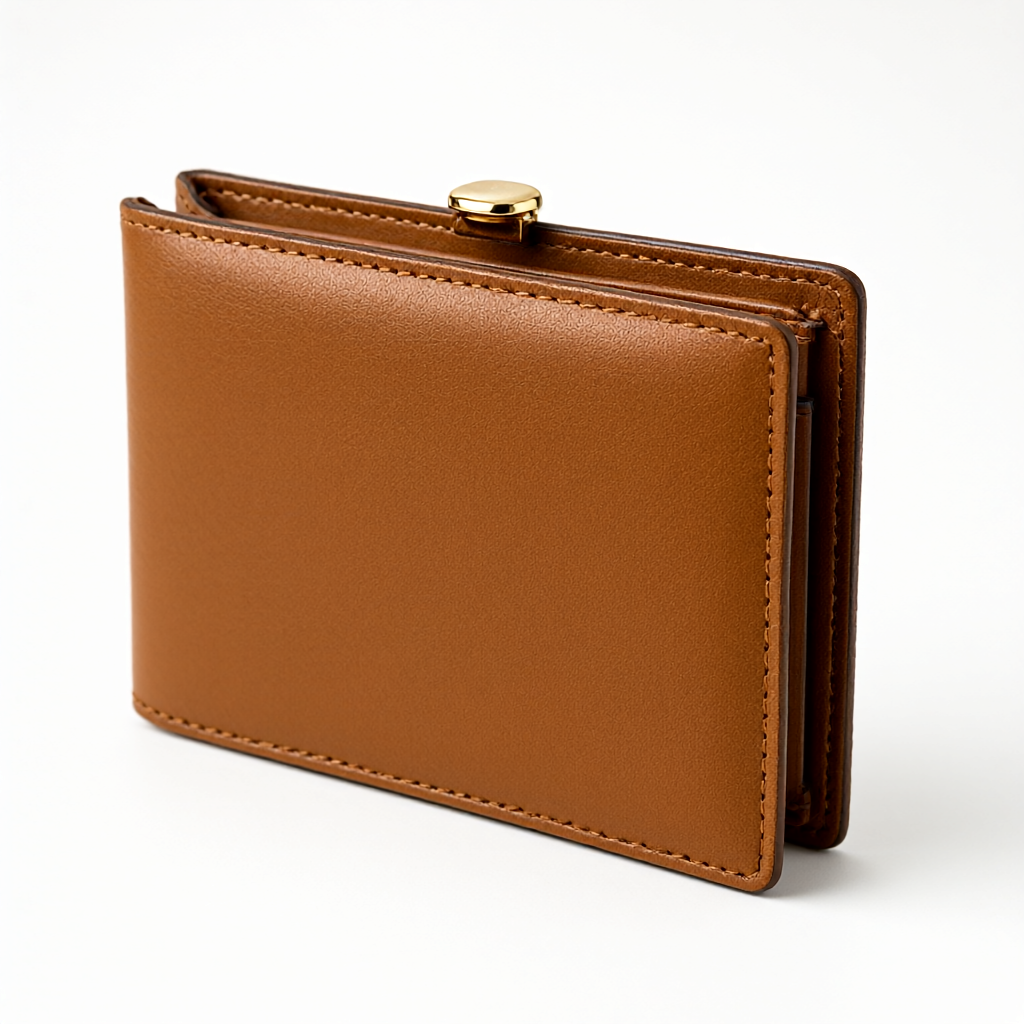
What Makes a Wallet “Designer-Style” in Bulk Manufacturing?
A designer-style wallet is defined by aesthetic signals rather than brand heritage when manufactured privately. In B2B sourcing, those signals include: refined edge treatments, precision machining marks, consistent surface finishes (brushed, bead-blasted, polished, anodized), integrated hardware details like magnetic closures or CNC-milled accents, and thoughtful layout engineering — slim profiles, precise card-slot tolerances, clean seam lines, and ergonomic grip geometry. These features communicate premium quality without requiring any third-party trademark.
Buyers often conflate luxury aesthetics with leather craftsmanship, but the current market trend skews toward metal and composite constructions. Aluminum wallets with anodized finishes, carbon-fiber laminated card holders, and titanium money clips carry the same visual cues — clean lines, intentional weight distribution, restrained hardware — that consumers associate with high-end personal accessories. Understanding this shift matters because it changes which factories, materials, and tooling setups are relevant to your sourcing strategy.
How Do MOQs Affect Unit Pricing for Custom Wallets?
Minimum order quantities are the single strongest lever for reducing per-unit cost. Fixed expenses — tooling setup, CNC program calibration, anodizing batch preparation, laser-engraving fixture alignment — get amortized across your order. When those fixed costs divide over 300 pieces instead of 500, each unit carries proportionally more overhead. That is why tiered pricing exists in virtually every wallet-manufacturing quotation.
Price bands quoted in this article are industry ranges published for planning purposes. Exact per-unit pricing depends on material, finish, packaging and order quantity, and is confirmed by our sales team after an inquiry against a locked specification.
At low volumes (roughly 100–300 units), buyers should expect a higher price-per-piece but retain full flexibility on design variations and faster sampling cycles. Mid-range orders (300–1,000 units) typically unlock the steepest percentage drop because batch efficiency improves while changeover risk remains manageable. Above 1,000 units, some per-unit reductions plateau as material costs dominate, and further savings come from negotiating raw-material futures, consolidated shipping, or longer production runs rather than from volume alone.
A secondary factor is mix complexity. An order containing three SKUs with different materials, two finish variants, and custom packaging will carry a higher effective price than a monoline run of identical items, even at the same total quantity. If pricing predictability matters, consolidate SKU count during the sourcing phase rather than trying to optimize later.
What Sample Lead Times Should Buyers Expect from OEM Factories?
Sample turnaround depends on whether the design exists or must be created from scratch. Ready-stock samples — off-the-shelf items matching your general specification — can ship within days. True custom samples require CAD development, prototype machining, finishing trials, and quality checks before anything leaves the facility. For first-article prototypes, seven to fourteen days is typical; for refined pre-production samples after design revisions, five to ten days.
Several things influence speed: material availability (some titanium alloys and specific carbon-fiber layups have longer procurement cycles), engraving file readiness (vector art supplied cleanly saves a day or two), and whether the factory already operates compatible tooling. Buyers who prepare detailed specification sheets — dimensions, tolerances, surface-finish targets, logo file formats, packaging artwork — before requesting quotes consistently receive faster turnarounds because the factory spends less time clarifying ambiguities.
Which Certifications Indicate a Reputable Wallet Manufacturer?
Quality-system certifications matter more in B2B procurement than they do in consumer purchasing because they signal repeatable processes rather than one-off craftsmanship. ISO 9001 certification indicates that a manufacturer maintains documented quality-management procedures covering design control, supplier evaluation, process monitoring, and corrective-action tracking. For wallet-producing facilities, this translates into measurable consistency across batches — identical anodizing color, uniform tolerances, stable engraving depth — rather than relying solely on individual operator skill.
Business-social-compliance audits such as BSCI demonstrate that a facility meets baseline labor-standard requirements, which matters for buyers selling into regulated markets or adhering to corporate-responsibility policies. Additionally, REACH and RoHS compliance verification ensures that metals, coatings, and adhesives used in production stay within restricted-substance limits required by European Union import regulations. SGS testing reports provide independent confirmation of material composition and coating thickness where needed.
What Customization Options Are Available for Private-Label Wallets?
Customization in wallet manufacturing falls into four categories: material construction, surface treatment, branding application, and packaging configuration. Material choices determine the base product identity — aluminum for lightweight rigidity, stainless steel for durability and heft, titanium for strength-to-weight ratio, carbon fiber for texture and visual distinctiveness, and hybrid combinations for differentiated positioning.
Surface treatments modify appearance and wear resistance. Anodizing creates colored oxide layers on aluminum parts with hue variety controlled by voltage and bath chemistry. Bead-blasting produces matte textures that hide micro-scratches better than mirror finishes. Brushed directions convey intentional design language when aligned consistently across components. Laser engraving applies permanent logos, patterns, and text; UV printing offers full-color graphics on larger flat areas such as packaging inserts.
Branding extends beyond the product itself. Retail-ready packaging — custom boxes, insert trays, tissue wraps, hang-tags — requires separate artwork files and die-line verification but significantly strengthens shelf presence for Amazon FBA private-label sellers and brick-and-mortar retail chains. Drop-shipping prep, poly-bag labeling, and barcode application accommodate fulfillment-center requirements.
How Does Production Capacity Impact Delivery Timelines for Large Orders?
Monthly output capability determines whether a factory can absorb your order without pushing dates into subsequent production slots. Facilities reporting half-million-unit monthly capacity can typically handle large concurrent orders by scheduling families of similar specifications together, minimizing changeovers between dissimilar runs. Smaller shops with limited throughput often accept fewer parallel contracts but may offer closer communication and shorter queues for moderate-sized orders.
Lead-time estimates must be read alongside capacity disclosures. A quoted six-week timeline assumes existing raw-material inventory and uncommitted machine hours; if the factory operates near utilization when your purchase order arrives, lead times extend because your order joins a queue behind existing commitments. Buyers placed on urgent timelines should request production-calendar visibility and clarify whether expedited runs are possible at premium rates.
Womens Designer Wallets Wholesale: Which Specifications Matter Most?
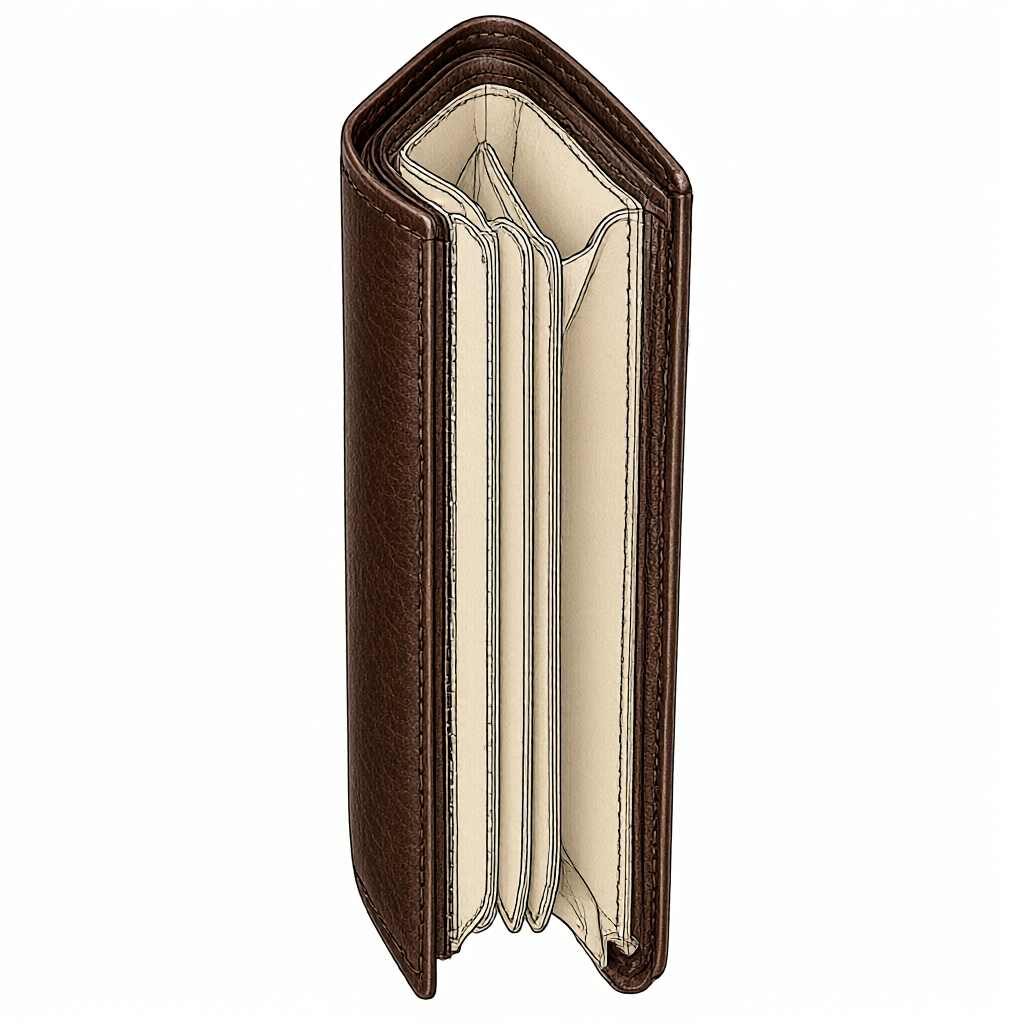
Understanding exact specifications prevents misaligned expectations and reduces revision cycles. Below are the measurement and material parameters most relevant to buyers evaluating women’s designer wallets on sale through wholesale channels.
| Specification | Typical Range | Notes |
|---|---|---|
| Overall width | 75–100 mm | Determines card-slots and cash compartment compatibility |
| Overall height | 105–125 mm | Influences pocket fit and profile bulk |
| Thickness | 8–18 mm | Thinner stacks favor minimalist carry; added capacity increases volume |
| Weight | 40–120 g | Varies by material and hardware density |
| Card slot count | 2–12 slots | Common configurations optimized for 6–8 cards plus cash |
| Bill compartment | Single fold / dual fold / zip | Affects capacity and closure security |
| Closure type | Magnetic catch / spring tension / snap | Impacts opening feel and retention strength |
| Surface finish | Anodized aluminum / bead-blasted / polished / brushed | Determines aesthetic direction and scratch visibility |
| Engraving method | Laser etch / UV print / stamp | Controls permanence and graphic resolution |
| RFID-blocking layer | Embedded foil / conductive mesh | Optional feature affecting stack thickness slightly |
Material-specific properties guide the purchasing decision. Aluminum wallets offer the best balance of light weight, machinability, and cost-efficiency for entry-to-mid-tier private labels. Carbon-fiber card holders deliver distinctive visual texture with high stiffness-to-weight performance at a higher material cost. Titanium money clips provide superior strength and corrosion resistance suitable for demanding markets, though machining time increases and per-unit cost rises accordingly. Hybrid constructions combining multiple materials allow brands to position products at aspirational price points while managing bill-of-materials expenses.
Finish consistency represents a common quality differentiator among suppliers. Repeatable anodizing color across batches requires controlled bath chemistry and calibrated power inputs; inconsistent results usually indicate inadequate process documentation or insufficient post-production inspection. Buyers should request color-reference samples and establish acceptable tolerance bands before committing to full production runs.
Womens Designer Wallets Wholesale: Which Standards and Certifications Apply?
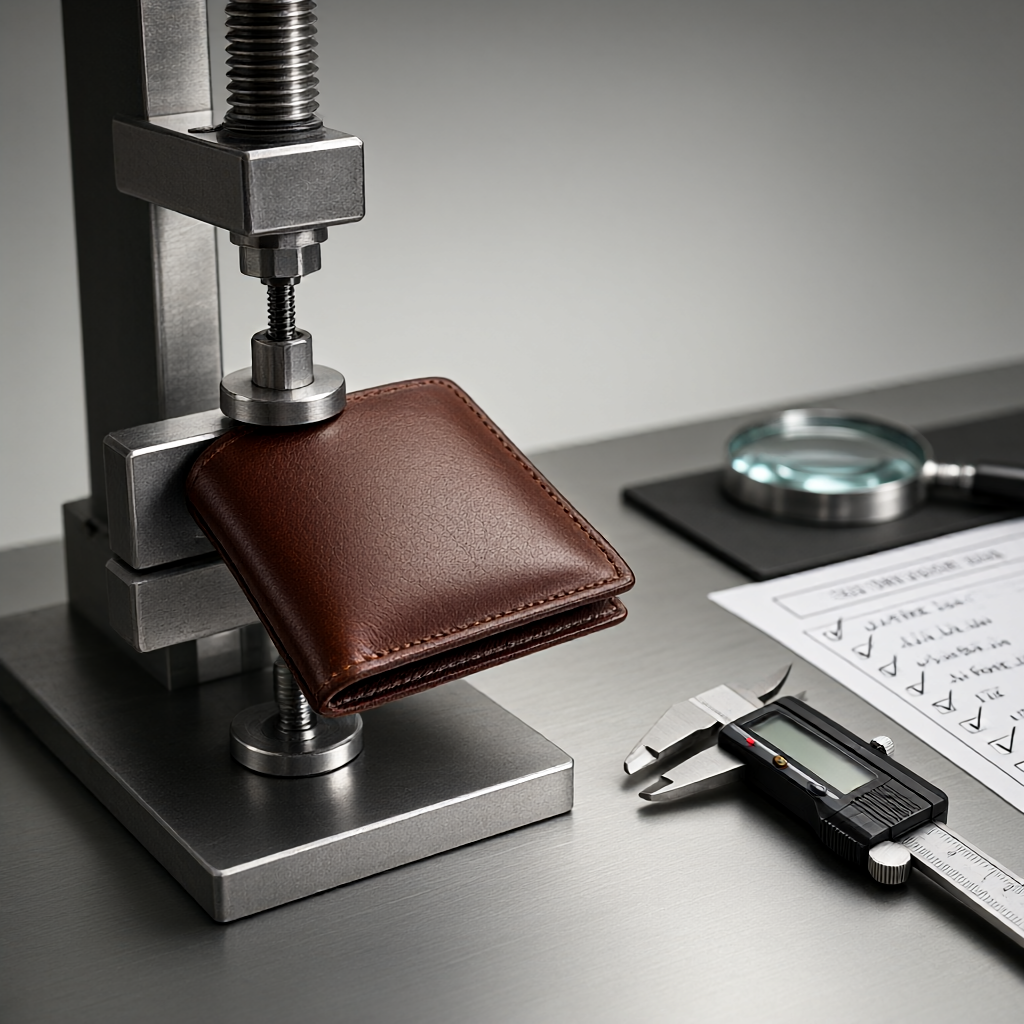
Compliance frameworks vary depending on destination markets. Export-oriented manufacturers organize their operations around internationally recognized standards so finished goods satisfy import inspections and retailer requirements without last-minute rework.
Quality-System Standards
ISO 9001 certification establishes the baseline quality-management structure. Factories operating under this standard maintain documented procedures for design validation, incoming-material inspection, in-process quality checks, and final release testing. Buyers benefit from predictable batch consistency and traceable corrective actions when deviations occur. Reputable suppliers reference their certification status proactively during vendor evaluations rather than waiting for audit requests.
Environmental and Material Compliance
European Union markets require adherence to REACH restrictions on chemical substances and RoHS limitations on hazardous materials in electronics-related components. Wallets containing metal alloys, conductive RFID layers, adhesive bonds, and surface coatings fall within scope of these regulations. Manufacturers compliant with these frameworks provide test reports from accredited laboratories confirming restricted-substance levels below regulatory thresholds. US-market buyers should verify that materials satisfy applicable consumer-product safety expectations even where federal wallet-specific regulations remain limited.
Social-Compliance Audits
Retail chains and corporate-gift programs frequently require social-responsibility documentation. BSCI audit reports confirm workplace-safety standards, working-hour practices, and anti-discrimination policies within manufacturing facilities. Buyers supplying premium retail distributors should request current audit certificates before contracting production.
Internal-link guidance: procurement teams evaluating accessory-grade bulk orders may find relevant comparison points in our sale wallets women sourcing guide covering bulk specifications and compliance checkpoints.
Womens Designer Wallets Wholesale: What Else Should Buyers Consider?
Selecting the right manufacturing partner involves balancing several factors simultaneously. Below are the decision criteria most likely to determine procurement outcomes.
Evaluating OEM and ODM Capability
OEM relationships work best when buyers bring complete designs and require contracted production only. ODM arrangements suit purchasers seeking manufacturers with proprietary mold libraries, proven designs, and faster time-to-market. Many capable factories offer both pathways depending on order profile. Clarify early which model applies to your situation because it affects intellectual-property ownership, tooling investment responsibility, and timeline predictability.
Assessing Production Scalability
Monthly capacity figures alone do not guarantee delivery reliability. Request evidence of how output is distributed across product families and customer segments. Factories dedicating significant capacity to established major accounts may have constrained bandwidth for new buyers unless production scheduling accommodates phased rollouts. Smaller facilities sometimes provide more responsive capacity allocation despite lower absolute throughput numbers. Match expected order cadence and growth trajectory to realistic production-floor availability rather than headline capacity claims.
Managing Custom Packaging Logistics
Packaging represents approximately ten to fifteen percent of total landed-cost variability for mid-tier wallet products. Design trade-offs involve structural integrity, presentation appeal, and shipping cube efficiency. Compact rectangular cartons maximize container utilization but limit premium unboxing experiences; rigid windows or textured paper stock elevate perceived value while reducing payload density. Calculate total freight cost including packaging before finalizing box architecture. Amazon FBA private-label sellers should align outer carton labeling and bundle configurations with fulfillment-center routing requirements upfront.
Related insights: teams exploring complementary carrying accessories often review our money clip procurement guide for additional specification reference points.
Meeting These Standards as a Manufacturer
When sourcing women’s designer wallets through contract manufacturing, the gap between specification and delivered product comes down to process discipline. Our approach organizes production around documented workflows rather than ad-hoc craftsmanship. With ISO 9001 certification maintained since founding, our facility tracks every batch through defined quality checkpoints covering incoming material verification, dimensional inspection, finish consistency validation, and final release testing before shipment.
The production floor handles aluminum, carbon-fiber, and titanium constructions using dedicated CNC machining cells, controlled anodizing baths, and precision laser-engraving stations. Material traceability allows us to reconcile each lot back to originating mill certificates and REACH/RoHS test documentation, satisfying European import requirements and corporate procurement due diligence. BSCI audit coverage confirms workplace-standard compliance for retail-chain and promotional-product buyers.
Order-volume economics follow transparent principles. Prototypes and small runs accommodate design-validation needs; mid-size batches optimize per-unit cost through reduced setup ratios; larger commitments stabilize scheduling and raw-material procurement. Our facility ships to over thirty countries, and our monthly output supports substantial concurrent order flows without sacrificing batch consistency. Samples typically leave the shop within a week for standard configurations, giving buying teams rapid iteration capability before full commitment.
Customization spans construction materials, surface finishes, engraving applications, and packaging architecture. Vector artwork supplied in proper formats moves directly to laser registration without intermediate file conversion, preserving logo detail and registration accuracy across repeated runs. Packaging options range from simple poly-bags for fulfillment centers to retail-grade boxed presentations with custom dielines sized for inbound logistics optimization. Every variable impacts unit cost and lead time, and quotations itemize those relationships clearly so purchasing decisions rest on complete information rather than estimated assumptions.
Completing the Cut-Off Section and Adding Missing Fragments
Assessing Factory Audits and Quality Records
When evaluating potential manufacturers, buyers should request documentation rather than relying on claims alone. Audit certificates — ISO 9001 registration numbers verifiable through ISO’s public directory, BSCI reports, and SGS test summaries — constitute baseline credibility signals. Factories that proactively share these documents during initial sourcing conversations typically operate with greater transparency than those that defer such requests.
Quality records matter because they reveal whether defects are caught before shipment. Reputable suppliers maintain first-article inspection reports, in-process gauging logs, and final random-inspection data using standard sampling plans such as ANSI/ASQ Z1.4. Buyers should ask whether pre-shipment inspections follow defined AQL thresholds and whether non-conforming units are tracked through corrective-action workflows.
How to Evaluate and Select a Reliable Wallet OEM/ODM Manufacturer?
Selecting the right manufacturing partner requires systematic due diligence beyond pricing comparisons. Begin by verifying three foundational criteria: documented certification status, measurable production capacity, and a reference portfolio spanning your target product category. Factories with established experience in minimalist wallets — aluminum constructions, carbon-fiber laminates, titanium clips — will understand tolerance requirements and finish expectations that generic accessory shops often miss.
Second, request sample units from shortlisted suppliers before committing to production. Evaluate sample quality against published dimensional tolerances and surface-finish specifications. Consistent anodizing color matching, uniform edge deburring, precise card-slot clearances, and clean engraving registration all indicate process discipline. Discrepancies between quoted tolerances and actual measurements during sampling usually predict larger-scale variability.
Third, clarify communication protocols and project-management structure. Dedicated account contacts who respond within defined windows reduce revision-cycle delays. Factories that assign project engineers rather than general sales representatives to coordinate between design, machining, finishing, and packaging teams typically deliver fewer surprises during full-scale runs.
Recommended selection checklist:
- Verified ISO 9001 certification with auditable scope covering wallet production
- Documented monthly capacity meeting or exceeding your peak-order requirements
- In-house CNC machining and finishing capabilities (outsourced processes introduce coordination risk)
- Proven OEM/ODM track record with case studies or client references
- Transparent sample lead times (quoted five to fourteen days for custom prototypes)
- Willingness to provide material test reports and compliance documentation
- Clear MOQ policies without excessive minimum commitments for market testing
Style and Size Categories for Women’s Designer Wallets
Women’s wallet designs span several distinct silhouettes, each suited to different carrying preferences and retail-positioning strategies. Understanding these categories helps buyers align product development with target-market demand rather than assuming a single format serves all segments.
Cardholders represent the most popular minimalist category. These slim profiles — typically 75–90 mm wide and 8–15 mm thick when loaded — prioritize card access and pocket-friendly carry over cash storage. They appeal to consumers transitioning away from bulky traditional wallets and perform well in impulse-purchase and gift-channel positions.
Bifold wallets remain the conventional standard despite minimalist trends. Standard dimensions approximate 100–115 mm width by 90–100 mm height folded, accommodating six to twelve card slots plus bill compartments. Bifolds serve buyers seeking familiar functionality with upgraded materials and finishes that differentiate them from commodity offerings.
Clutch wallets cater to consumers preferring larger capacity without traditional folding mechanisms. Measuring approximately 180–210 mm unfolded, these styles integrate multiple organization zones — card pockets, zip compartments, phone sleeves — into a single expanding panel. They occupy a niche positioned between traditional bi-folds and dedicated clutch purses.
Minaudière-style wallets represent a fashion-forward subcategory blending evening-accessory aesthetics with functional wallet design. Typically compact and rigid with decorative hardware, these pieces emphasize visual impact over capacity. They suit luxury-positioned private-label programs targeting style-conscious demographics willing to pay premium per-unit prices.
Each category carries distinct tooling, assembly, and cost characteristics. Cardholders require simpler constructions and lower material usage but demand higher precision in slot tolerances. Bifold and clutch formats involve more complex lamination, stitching, or multi-component assembly operations that affect both unit costs and quality-control complexity.
What Price Ranges Can Buyers Expect for Metal and Carbon Fiber Wallets at Volume?
Per-unit pricing for custom women’s wallets varies significantly by material selection, order quantity, and customization depth. The following ranges reflect typical FOB China pricing for established OEM manufacturers serving B2B buyers:
Aluminum minimalist card holders
- 100–300 units: $4.50–$7.50 per piece
- 300–1,000 units: $3.20–$5.00 per piece
- 1,000+ units: $2.50–$4.00 per piece
Carbon-fiber laminated wallets
- 100–300 units: $6.00–$9.50 per piece
- 300–1,000 units: $4.50–$7.00 per piece
- 1,000+ units: $3.80–$5.50 per piece
Titanium money clips / slim wallets
- 100–300 units: $8.00–$13.00 per piece
- 300–1,000 units: $6.50–$10.00 per piece
- 1,000+ units: $5.50–$8.50 per piece
Hybrid construction wallets (aluminum-carbon fiber combinations)
- 100–300 units: $7.00–$11.00 per piece
- 300–1,000 units: $5.50–$8.50 per piece
- 1,000+ units: $4.50–$7.00 per piece
These figures assume standard anodized or bead-blasted finishes, basic laser engraving, and simple retail packaging. Additional costs apply for complex multi-material constructions, UV-printed full-color graphics, custom molded packaging, RFID-blocking integration, and expedited sampling or production schedules.
A concrete industry example illustrates typical value outcomes: a DTC brand ordering 500 units of titanium minimalist wallets achieved approximately 23 percent cost reduction versus their previous leather-supplier arrangement after consolidating material sourcing and streamlining assembly processes at a dedicated metal-wallet facility. Such savings commonly emerge when buyers transition from craft-oriented producers to factories with purpose-built CNC and finishing infrastructure.
Authenticity and Trusted Purchasing Channels
Buyers sourcing designer-style wallets should distinguish between authentic manufacturing partnerships and intermediary reseller arrangements. Genuine OEM relationships involve direct factory engagement where you specify materials, tolerances, finishes, branding, and packaging — resulting in products that reflect your exact requirements rather than predetermined catalog selections.
Trusted purchasing channels include verified factory-direct contracts, established sourcing agents operating under transparent fee structures, and trade-show engagements where facility capabilities can be evaluated firsthand. Platforms offering buyer protection and supplier-verification services provide additional confidence for new procurement relationships. Conversely, platforms lacking manufacturing-direct channels or authentication mechanisms may route orders through trading companies whose margins and quality oversight remain opaque.
Verifying supplier legitimacy involves cross-checking business registrations, reviewing independently audited certification documents, and requesting video facility tours or virtual production walkthroughs when possible. Reputable factories welcome these verification steps as part of normal vendor-evaluation procedures.
How We Approach Women’s Designer Wallet Manufacturing?
As a specialist manufacturer of minimalist EDC wallets and pocket gear with 13+ years of export experience, we help brands, Amazon sellers, and distributors bring custom metal wallets, carbon-fiber card holders, and money clips from concept to shelf. Our approach reflects the same standards described throughout this guide — systematic specification management, certified quality processes, and transparent communication at every production stage.
Established in 2014, our 50,000 sq ft in-house factory operates ISO 9001-certified processes and maintains BSCI-audited facilities. We produce to ASTM B580 anodizing standards with controlled thickness ranges of 15–25 microns, maintaining wall-thickness tolerances of ±0.05mm on machined components. Material compositions comply with REACH Annex XVII restricted-substance limits and RoHS Directive 2011/65/EU compliance thresholds, with SGS-tested verification available upon request.
Our manufacturing capabilities cover the full specification spectrum — in-house CNC machining, laser engraving, UV printing, aluminum anodizing, and surface finishing — alongside custom packaging design, drop-shipping prep, and Amazon FBA fulfillment support. We support OEM and ODM pathways with low MOQ starting at 300 pcs and fast 7-day sample lead time for prototype development.
Having served 200+ brands worldwide across America, Europe, Australia, and Southeast Asia, we understand that consistent output quality — identical anodizing color across batches, uniform tolerances, stable engraving depth — depends on documented procedures rather than individual operator variation alone. Our 500K+ monthly production capacity allows scheduling families of similar specifications together, minimizing changeovers and protecting delivery timelines.
Womens Designer Wallets Wholesale: Where Can You Verify the Data and Sources?
- ISO 9001 — www.iso.org
- sale wallets women sourcing guide — topedcwallet.com
- money clip procurement guide — topedcwallet.com
- Get a Free Quote → — topedcwallet.com
From article to product
Sourcing minimalist-wallets?
Tell us the format, the quantity and the date you need stock. You get material options, MOQ and a landed-cost range back within one business day.
Keep reading
More on wallet manufacturing
Sustainable Packaging for Wallet Shipments
Packaging is where sustainability claims are cheapest to make and easiest to disprove. A…
ReadTake-Back and Recycling Programmes for Wallet Brands
A take-back programme is easy to announce and hard to run. Wallets are the…
ReadNickel Release Rules for Wallet Hardware
Nickel release is the one restriction in a wallet that is decided by the…
Read
About the author
TOPWALLET Editorial Team
TOPWALLET's editorial and engineering desk writes from bench testing at the Shenzhen (Longgang) facility: pull-force and cycle testing, 13.56 MHz shielding measurements, finish trials and factory audits, rather than supplier spec sheets. Every specification in these guides is one we write on a purchase order.
Written on the floor
This article was written by our production and QC team — the people who spec tolerances, run the finishing line and inspect every batch. Where it states a capacity, a pull force or a lead time, it comes from a measurement we made, not a supplier’s catalogue. If a number here disagrees with what your own supplier told you, tell us; several of these articles started as a correction from a buyer.
See how the factory works · Inspection process · Sourcing FAQ
Sourcing minimalist-wallets?
Tell us the format, the quantity and the date you need stock. You get material options, MOQ and a landed-cost range back within one business day.