

Your organization should evaluate how smartphone-based payment ecosystems affect point-of-sale infrastructure, device provisioning, security compliance, and end‑user procurement when planning digital payment adoption across multiple locations or product categories. This guide examines NFC tap‑to‑pay, QR scanning, peer‑to‑peer routing, EMVCo tokenization, terminal certification requirements, and the continuing role of physical EDC wallet hardware in hybrid payment environments.
What Is the Quick Answer on Mobile Payments?
Most phones pay through NFC or QR inside a wallet app, and acceptance depends on the terminal, not the phone.
You can pay with your phone by tapping it near a contactless reader (NFC), scanning a QR code displayed by a merchant, or sending money through a peer‑to‑peer app linked to your bank account. All three methods replace the physical card or cash with a digital credential stored securely on the device. The choice depends on local infrastructure, merchant capability, and whether you are making a retail purchase or transferring funds to another person.
How Do Mobile Payments Work in Detail?
A card is tokenized in the phone, then transmitted over NFC or QR and authorized like any card transaction.
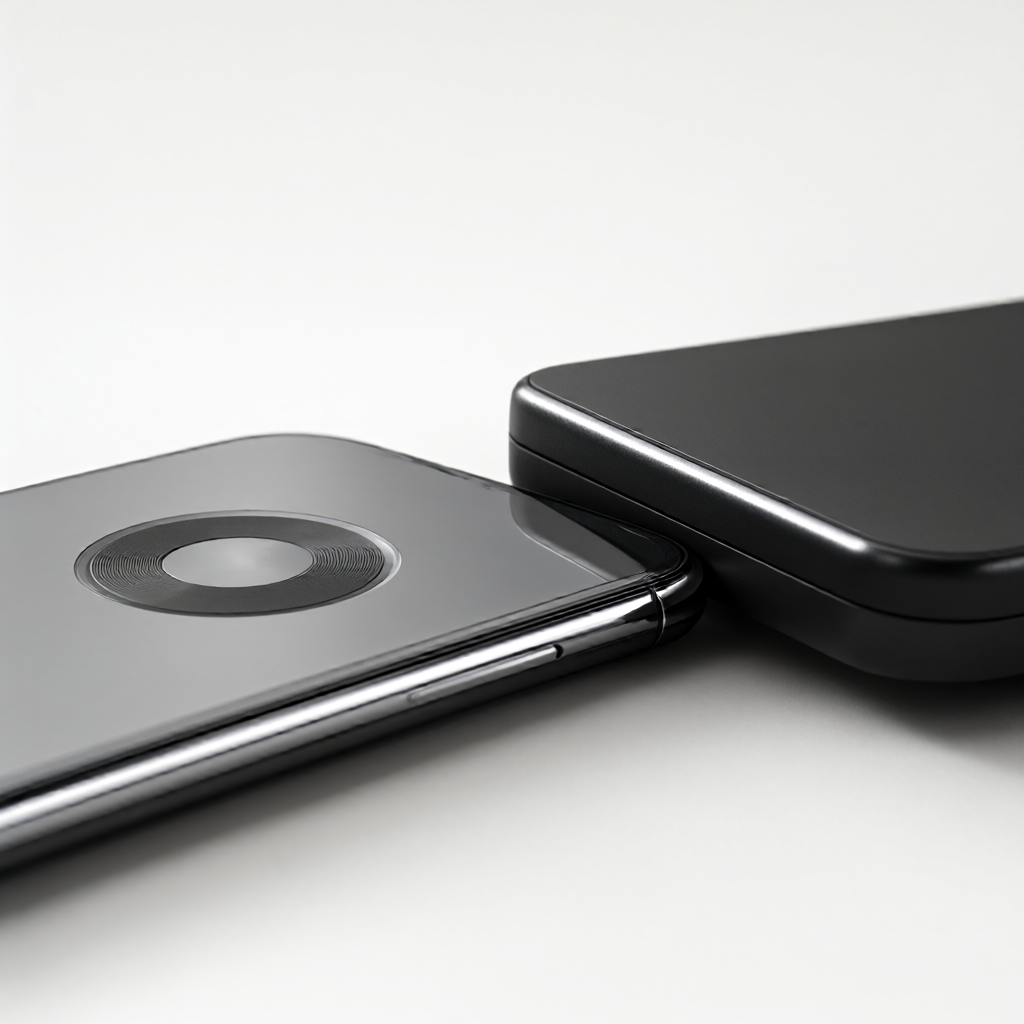
How do I pay with my phone?
The simplest path is phone tap to pay: hold your unlocked smartphone within a few centimeters of a terminal bearing the contactless symbol. The phone communicates with the reader via near‑field communication (NFC) and completes the transaction in under a second. Alternatively, you can open a banking or retailer app, generate a dynamic QR code, and have the merchant scan it—common in markets where NFC terminals are less prevalent. For transferring money to friends, family, or service providers, peer‑to‑peer (P2P) platforms such as Venmo, Zelle, or PayPal link directly to your bank account or debit card and move funds without a physical card swipe.
What technology powers phone‑based contactless payments?
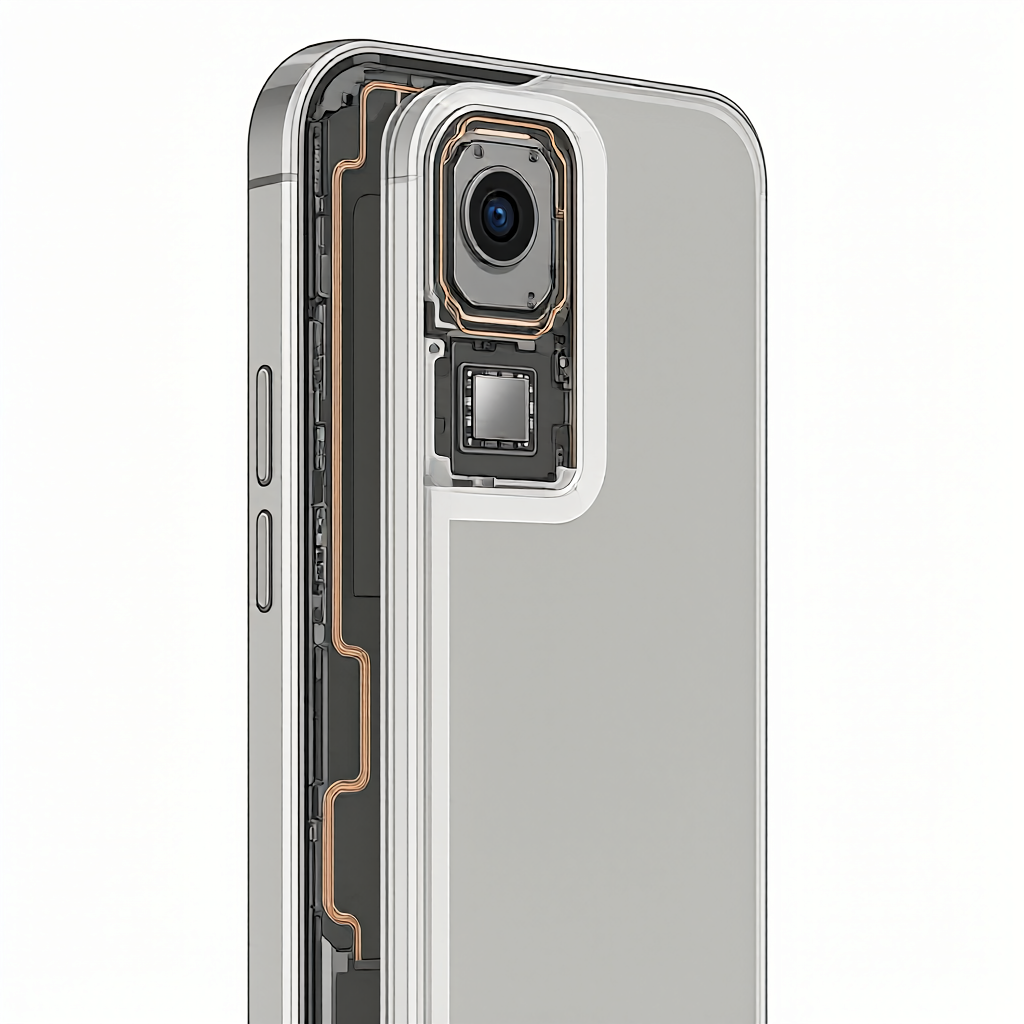
At the hardware level, every modern smartphone contains an NFC antenna tuned to 13.56 MHz. When the phone is activated for payment (usually by authenticating with a fingerprint, face ID, or passcode), it creates a short‑range radio field that couples with the terminal’s coil. The actual payment data never leaves the device as a raw PAN (Primary Account Number). Instead, the phone holds a token—a surrogate value assigned during a provisioning step—and performs an EMV‑compatible cryptographic handshake with the acquirer’s server. This tokenization ensures that even if the radio transmission is intercepted, the compromised value cannot be reused for further purchases.
Two architectural models are used:
- Secure Element (SE): A tamper‑resistant chip embedded in the phone or SIM that stores tokens and private keys. Apple uses an SE; many Android OEMs offer one as well.
- Host Card Emulation (HCE): Software running on the device’s main processor emulates a contactless card. Google Pay relies primarily on HCE, while Samsung Pay supports both.
Regardless of model, the terminal receives only the token, forwards it to the card network, and the network maps it back to the underlying account in real time.
Which phones and operating systems support mobile wallets?
Almost every smartphone released since approximately 2015 includes NFC hardware. Broad compatibility looks like this:
- iOS: iPhone 6 and newer can run Apple Pay. Older models lack NFC; newer models add UWB‑enabled “Express Transit” features.
- Android: Devices running Android 10 or higher with NFC turned on can use Google Pay, Samsung Pay, or any HCE‑based solution. Budget‑tier phones often omit NFC entirely.
- Other ecosystems: Huawei devices lack Google services but support Huawei Pay and other domestic wallets; European and Asian markets have their own proprietary stacks.
The wallet app itself must be configured with a qualifying debit or credit card. Once provisioned, the token resides in the device’s secure enclave and can be used for in‑store taps, online checkouts, and transit gates.
What should retailers and distributors consider about the coexistence of mobile and card payments?
Mobile adoption has shifted merchant expectations, but contactless payment is not yet universal. Several factors influence acceptance strategy:
- Terminal upgrade cycles. Existing magnetic‑stripe readers cannot accept NFC. A terminal must be EMV‑capable and enabled for contactless transactions. Many acquired merchants inherit older hardware that requires a capex refresh.
- QR‑code readiness. In emerging markets, QR schemes (UPI in India, GCash in Southeast Asia) bypass NFC entirely. Merchants may need a QR‑generating app and staff training.
- Fee structures. NFC and QR transactions often carry the same interchange rates as card‑present transactions, but P2P transfers may involve separate processing fees. Distributors should compare net‑net costs across payment rails.
- Customer expectation. In regions where smartphone penetration exceeds 80%, buyers expect a tap‑to‑pay option. Restaurants, transit operators, and convenience stores now treat mobile acceptance as table stakes.
For B2B buyers sourcing POS accessories, the relevant specification is EMVCo Level 1 & 2 certification—ensuring the hardware can handle cryptographic challenges and data formatting required by global networks.
Which Specs Matter for Mobile Payments?
Terminal certification, NFC support, PCI scope, and offline fallback decide usable mobile payments.
| Parameter | Typical Value / Range | Notes |
|---|---|---|
| NFC operating frequency | 13.56 MHz | Standard for contactless smart cards and mobile wallets |
| Effective read distance | ≤ 4 cm | Closer proximity improves reliability and reduces interference |
| Transaction authorization time | < 1 second (usually 300–800 ms) | Dependent on terminal performance and network latency |
| Token length (pan‑replacement) | 16 digits (same format as Visa/MC) | Encoded as a Device Account Number (DAN) |
| Secure element form factor | Embedded SiP or SIM‑based | iPhone SE uses an integrated component; Android SE varies by OEM |
| Minimum OS requirement for Google Pay | Android 10 (API level 29) | Lower versions may support legacy services but not latest HCE APIs |
| EMVCo certification levels | Level 1 (hardware), Level 2 (software) | Required for all contactless payment products sold globally |
These figures represent industry norms; actual performance can vary by terminal firmware, environmental conditions, and the specific card issuer’s implementation.
Which Standards Govern Mobile Payments?
EMVCo sets contactless specs, PCI DSS governs data handling, and regional rules sit on top.
Phone‑based payments are governed by a layered set of international standards:
- EMVCo (Europay, Mastercard, Visa): Defines the protocol for contactless transactions, including data objects, command structures, and cryptographic mechanisms. Any NFC wallet or terminal seeking global interoperability must pass EMVCo Level 1 (emission/conformance testing) and Level 2 (integration testing) validation.
- PCI DSS (Payment Card Industry Data Security Standard): Applies to merchants and service providers that store, process, or transmit cardholder data. While mobile wallets shift sensitive data out of merchant systems, the acquiring bank and payment gateway remain PCI‑required entities.
- PSD2 / SCA (Europe): Strong Customer Authentication mandates two‑factor verification for online and increasingly for in‑store contacts. Biometric checks on the phone satisfy SCA when combined with the device possession factor.
- ISO/IEC 14443: The underlying standard for proximity card coupling. Both type A and type B protocols are supported by modern smartphones and terminals.
- Tokenization standards (EMVCo Token Service Specification v2.x): Dictate how PANs are replaced by tokens, how token‑use control rules are enforced, and how token life‑cycle events are communicated between token requestors (wallet providers) and token service providers (networks).
Buyers evaluating payment‑enabled hardware should request evidence of EMVCo certification and confirm that the vendor’s firmware aligns with the latest token‑management updates. For wallet products that include RFID‑blocking layers, independent test reports (e.g., SGS‑verified attenuation > 30 dB at 13.56 MHz) provide objective proof of shielding effectiveness.
What Else Should Mobile Payment Buyers Consider?
Settlement timing, dispute handling, and hardware refresh cycles matter as much as transaction fees.
Why do physical wallets still matter when mobile payments dominate?
Even as smartphone adoption climbs, several realities keep traditional wallet hardware relevant:
- Backup liquidity. A drained battery, lost phone, or regional network outage can leave a user unable to tap‑to‑pay. A small reserve of cash or a fallback card ensures continuity.
- Merchant fragmentation. Some small vendors, street markets, or rural retailers operate exclusively with cash or magnetic‑stripe readers. A minimalist card holder remains a practical companion.
- Privacy preferences. Not all consumers wish to expose their financial identity to app‑based tracking. Carrying a dedicated payment card limits digital footprint.
- Regulatory and jurisdictional quirks. Certain countries impose restrictions on foreign‑issued digital wallets or limit transaction values for contactless use, prompting a return to physical tender.
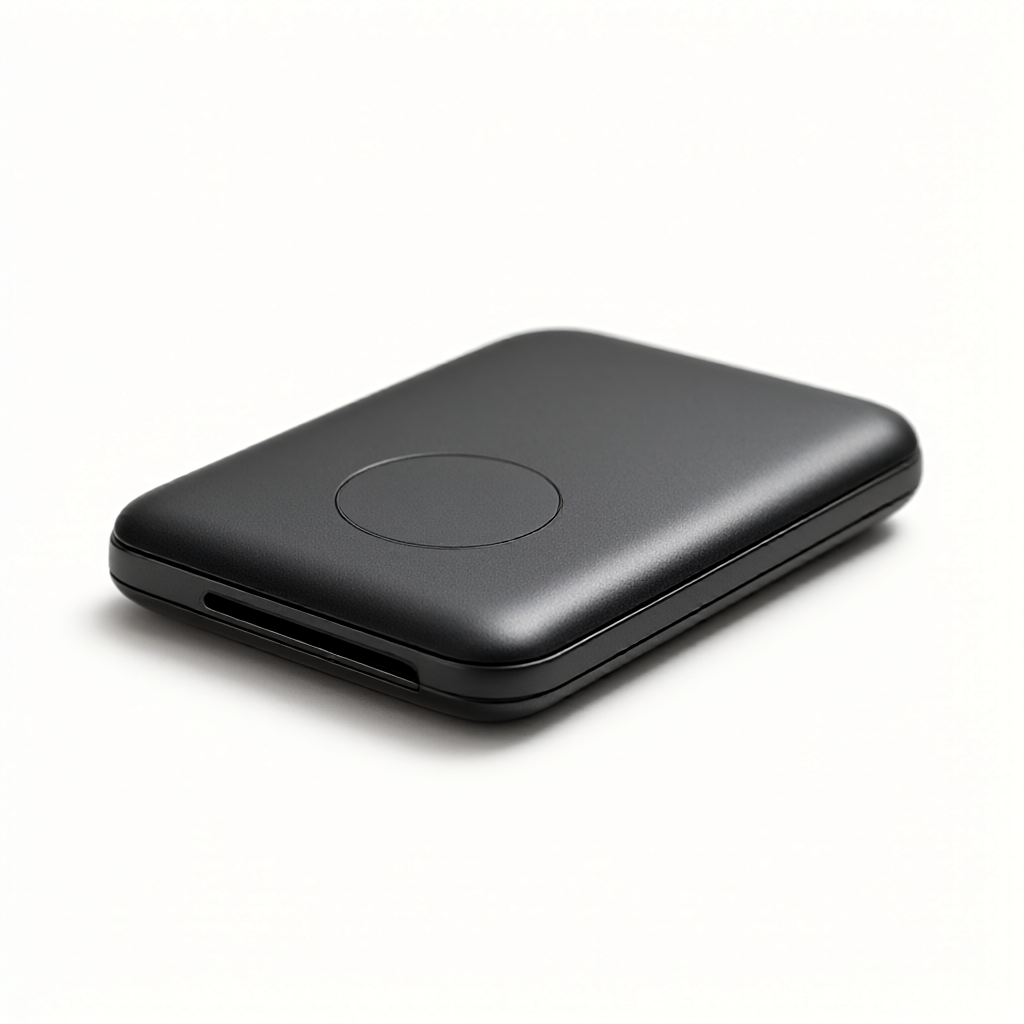
A well‑designed minimalist EDC wallet addresses these gaps by consolidating a few backup cards, receipts, and occasionally a thin bill sleeve into a slim profile that sits comfortably in a front pocket. The trend toward phone‑centric payment has actually refined wallet ergonomics rather than eliminated them.
How does RFID‑blocking technology fit into this ecosystem?
Modern contactless cards themselves contain NFC chips that can be skimmed if an attacker reads them within range before the terminal initiates a cryptogram exchange. RFID‑blocking wallets incorporate conductive mesh or layered composite materials that attenuate the 13.56 MHz field, preventing unintended reads while still allowing authorized terminal communication when the card is presented at point‑of‑sale. For buyers managing a fleet of corporate cards or distributing branded merchandise, verifying shield performance through third‑party testing is prudent. More detail on shielding materials and certification approaches is available in our overview of RFID blocking technology and its application in EDC wallets.
Which Materials Suit Payment-Era Wallets?
Aluminum, titanium, carbon, and leather all suit thinner builds; shielding choice matters more than shell material.
Wallets intended for users who primarily tap‑to‑pay must balance durability, slimness, and protective features. The substrate selection influences both tactile feel and long‑term resilience:
- Anodized aluminum offers a rigid, lightweight core with excellent scratch resistance. It can be precision‑milled to tolerances below ±0.1 mm and finished with hard coats that resist daily abrasion.
- Carbon fiber reinforced polymer provides high strength‑to‑weight ratio and inherent non‑conductivity, which complements RFID‑shielding layers without adding bulk.
- Titanium (often used in money clips) delivers superior corrosion resistance and a premium feel, though at higher material cost and more challenging machining parameters.
Manufacturing processes such as CNC milling, laser engraving, and UV printing allow tight design iteration and consistent quality across batches. Buyers should evaluate suppliers based on in‑house machining capability, surface‑finishing expertise, and ability to integrate multiple materials (e.g., aluminum frame with carbon‑fiber insert) without compromising structural integrity. For procurement insights, see our guide to how minimalist EDC wallets are manufactured and sourced and our card‑holder selection guide.
How Do Low-Volume Branded Runs Work?
Laser files replace dies, so short runs of 50–200 units stay viable with stock shells.
Retailers and distributor brands often seek unique finishes, debossed logos, or custom packaging that aligns with their visual identity. A capable contract manufacturer can accommodate orders starts at 300 pcs per SKU for full OEM customization (100 pcs trial order available for stock finishes) while maintaining repeatable tolerances and finish consistency. Lead times for pre‑production samples typically range from 5 to 7 business days, enabling rapid design‑validation cycles before committing to full production.
What Manufacturing Capabilities Back Payment-Era Wallets?
As a manufacturer specializing in minimalist EDC wallets and pocket gear, we apply these same engineering and quality principles to every order. Our facility operates under ISO 9001 and BSCI standards, runs 50,000 square feet of production space, and has exported to over 30 countries for more than a decade. We offer CNC‑machined aluminum, carbon‑fiber laminated, and titanium‑clip variants—all tested to REACH/RoHS limits—with options for laser engraving, UV printing, and tailored retail packaging. Low MOQs (starts at 300 pcs per SKU) and fast sample turnarounds make it practical for brands to prototype, validate, and scale without excessive inventory risk.
If you are evaluating suppliers for private‑label wallets, co‑branded promotions, or wholesale programs, request a detailed quote with your target specifications and volume.
What Does a Merchant Need to Accept Mobile Payments?
To accept phone‑based contactless payments, retailers must ensure their point‑of‑sale ecosystem meets three baseline conditions:
- NFC‑capable terminal. The card reader must support ISO/IEC 14443 A/B and carry an active EMVCo Level 1 certificate. Terminals manufactured before 2018 often lack a contactless antenna coil; upgrading requires both hardware replacement and acquirer re‑certification.
- Payment gateway integration. The acquiring bank or processor must enable tokenized transaction routing. Gateways such as Stripe, Adyen, or Square handle token requestor services automatically, but independent resellers should verify that their contract includes EMVCo‑compliant token handling rather than raw PAN forwarding.
- EMVCo Level 2 software qualification. Terminal firmware must pass contactless application‑level testing (Level 2). Certification cycles typically run 6–10 weeks and cost between $3,000–$8,000 per model depending on whether the hardware is single‑interface or multi‑protocol. Payment vendors should provide the Level 2 test report before procurement.
Beyond hardware, merchants should evaluate:
- Support SLAs — onsite technician response times, remote diagnostics availability, and warranty length (industry norm: 2 years standard, 3–5 years extended).
- Firmware update policy — vendors committed to quarterly security patches and annual feature releases reduce long‑term obsolescence risk.
- Multi‑rail capability — terminals that also accept QR‑scan and P2P inputs offer flexibility in regions where NFC penetration lags.
Which Checklist Evaluates POS Vendors?
Verify certification, uptime history, support terms, and firmware update commitment.
When sourcing payment terminals for retail or distributed sales channels, buyers should apply a weighted scoring rubric across four categories:
| Criterion | Weight | Key Questions |
|---|---|---|
| NFC & EMVCo Certification | 30% | Does the unit hold current Level 1 & 2 certificates? Are upgrade paths documented? |
| Total Cost of Ownership (3‑year) | 25% | Hardware cost + monthly lease + gateway fees + estimated repair/replacement |
| Feature Set | 25% | Contactless + QR + manual entry + mobile hotspot; barcode scanning if needed |
| Vendor Support & Warranty | 20% | SLA commitment, spare parts availability, local service coverage |
A practical TCO example for a mid‑volume merchant processing ~$250,000 annually:
- Terminal capex: $350–$600 per unit (EMVCo‑certified, dual‑interface)
- Monthly gateway + interchange: 1.5%–2.9% + $0.10 per transaction (NFC rates mirror card‑present interchange)
- QR‑payment processing: Often 1.0%–2.0% in APAC markets (e.g., UPI, promptpay), creating a potential 0.5–1.0% savings vs. NFC in those regions
- P2P / transfer fees: Typically flat $0.50–$2.00 per transaction; unsuitable for retail POS but relevant for service businesses settling invoices
Regional fee benchmarks (typical ranges, subject to negotiation):
| Region | NFC/Contactless Rate | QR‑Payment Rate | Notes |
|---|---|---|---|
| North America | 1.5%–2.9% + $0.10 | N/A (limited QR adoption) | Visa/MC interchange dominates |
| Europe (SEPA) | 0.2%–0.5% (interchange capping) | Varies by scheme | Lower regulated rates drive higher mobile uptake |
| Southeast Asia | 1.0%–2.0% | 0.5%–1.5% (local schemes) | QR widely adopted; NFC secondary |
| India | 0.5%–1.5% | 0.3%–0.5% (UPI) | UPI dominates; NFC negligible |
| China | 1.0%–2.0% | 0.6%–1.0% (Alipay/WeChat) | QR‑only ecosystem; NFC largely absent |
These variances mean distributors serving multiple markets should maintain SKU flexibility — NFC‑ready units for Western channels and QR‑enabled devices for APAC routes.
Which Security Timelines Apply to Terminals?
PCI DSS v4.0 requirements phase in over set dates, and EMVCo recertification follows spec updates.
Mobile wallets shift most data‑security responsibility away from the merchant onto the token ecosystem, but PCI DSS obligations remain. Under PCI DSS v4.0 (effective March 2024):
- Requirement 3 — Tokenized data may be stored only in encrypted form; original PANs must never appear in logs or backups.
- Requirement 4 — Strong cryptography (TLS 1.2 minimum) must protect all transmission paths, including internal gateway links.
- Requirement 12.3 — Merchants must perform annual vulnerability assessments and continuous monitoring of network connections.
For B2B procurement, require vendors to supply:
- A current Attestation of Compliance (AOC) issued by a Qualified Security Assessor (QSA).
- Evidence that their firmware supports AES‑256 encryption at rest and TLS 1.3 in transit.
- A documented incident‑response plan addressing lost/stolen terminal scenarios.
EMVCo certification timelines by level:
| Level | Scope | Typical Duration | Estimated Cost Range |
|---|---|---|---|
| Level 1 | Hardware emission & conformance | 6–8 weeks | $3,000–$6,000 |
| Level 2 | Software/application‑level integration | 8–12 weeks | $5,000–$10,000 |
| Combined | Full product qualification | 10–16 weeks | $7,000–$14,000 |
These figures cover laboratory testing fees only; merchant re‑certification through the acquirer adds 2–4 weeks and approximately $1,000–$3,000 in administrative costs. Buyers budgeting for terminal refreshes should allocate 12–16 weeks from PO to go‑live for new EMVCo‑qualified models.
What Role Do Physical Wallets Still Play?
They hold cash, IDs, and shielded cards when phones die or networks drop.
Even as NFC‑enabled smartphones capture an increasing share of retail transactions, minimalist EDC wallets have not become obsolete — they have simply shifted from primary payment holders to essential backup and organizational tools. Several trends reinforce this evolution:
- Battery anxiety. A dead phone eliminates tap‑to‑pay entirely. Carrying a single emergency card or folded bills in a slim aluminum wallet provides reliable fallback liquidity without bulk.
- Merchant acceptance gaps. Approximately 12%–18% of small‑ticket vendors (street markets, pop‑up retailers, rural merchants) still rely on cash or legacy magnetic‑stripe readers, particularly outside major urban corridors.
- Dual‑use utility. Modern minimalist wallets integrate coin pockets, receipt slots, and business‑card holders alongside card sleeves — functions unrelated to payment method but critical for daily organization.
- Privacy and frugality. Users who wish to separate high‑frequency spending cards from their primary digital wallet maintain a compact physical reserve, reducing exposure to app‑based transaction tracking.
For buyers developing private‑label or co‑branded EDC products around this trend, material selection becomes a differentiator. Anodized aluminum wallets combine lightweight durability (< 40 g typical) with scratch resistance suitable for daily carry. Carbon fiber card holders add inherent non‑conductivity that complements RFID‑blocking layers without additional laminate steps. Titanium money clips pair with card stacks to create hybrid organizers that securely retain both cash and plastic tender.
Manufacturers capable of delivering these variants at low MOQs (starts at 300 pcs per SKU) with 5–7 day sample lead times enable brands to test market responses before committing to full production runs. Surface‑finishing options — bead blasting, mirror polishing, laser engraving, and UV printing — allow customization that aligns with brand identity while maintaining functional performance. For further guidance on material selection and manufacturing considerations, refer to our minimalist EDC wallet procurement guide and our card‑holder buying guide.
Which Technologies Power Mobile Payments?
NFC, QR codes, tokenization, and secure elements are the four building blocks.
How Do NFC Contactless Payments Work?
The phone emulates a card over a 13.56 MHz field, sending a token the terminal authorizes.
Near‑field communication (NFC) operates at 13.56 MHz using inductive coupling between the terminal coil and the phone antenna. When the reader energizes its field, the phone draws power passively and responds with a modulated signal carrying tokenized payment data. The full cryptographic exchange follows the EMV Contactless Specifications v4.x protocol stack:
- ICC Activation — The terminal sends SELECT APDU commands to invoke the payment application (e.g., Visa PayWave, Mastercard PayPass).
- Read Processing — Terminal reads Application Interchange Profile (AIP) and Application Dedicated File (ADF) to determine transaction capabilities.
- Cryptogram Generation — Device produces either an ARQC (Authorization Request Cryptogram) for online auth or an qcAPC for offline validation, signed with a key stored in the Secure Element or HCE enclave.
- Token Delivery — A Device Account Number (DAN) replaces the PAN; the actual card number never traverses the radio link.
For B2B procurement, verify that the terminal supports EMVCo Contactless Specifications Level 1 and Level 2 with published test reports. Terminals conforming to version 4.3+ also handle Multi-Application Tokenisation (MAT), enabling a single device to process multiple card-brand tokens without per-brand certification overhead.
How Do QR Code Payments Work?
A code carries a payment reference that the app resolves server-side, so no card data moves.
QR-based payments use either static codes (merchant-posted identifiers for recurring billing or loyalty programs) or dynamic codes (one-time, session-bound tokens generated per transaction). ISO/IEC 18004 defines the Data Matrix and QR Code symbology; payment implementations extend this with proprietary payload formats such as EMVCo’s QR Code Specification for Payment Systems (v2019). Key operational differences from NFC:
| Aspect | NFC Tap | QR Scan |
|---|---|---|
| Range requirement | ≤ 4 cm | Up to 15–30 cm |
| Terminal dependency | Requires NFC reader | Smartphone camera sufficient |
| Network latency impact | Minimal (~300 ms) | Higher (image capture + decode + API call) |
| Fallback compatibility | None | Works on basic feature phones |
| Typical use regions | North America, Europe, Australia | Southeast Asia, India, Latin America |
How Do Peer-to-Peer Apps Move Money?
Transfers settle inside the app network first, then clear through the linked bank account.
P2P platforms such as Zelle, Venmo, and PayPal operate on account-to-account routing rather than card-network paths. Transactions typically settle within 1–3 business days for standard transfers and instantly for funded advanced options. From a B2B perspective, distributors purchasing payment accessories for corporate gifting should note that P2P transfer limits, fees, and KYC verification requirements vary by jurisdiction and platform policy.
Which Phones and OS Versions Support Mobile Payments?
Any phone with a secure element and current OS works; older models lose wallet support first.
Which Hardware and OS Combinations Work?
Secure-element phones on current OS versions work; tablets often need certified terminals instead.
| Brand / Platform | Minimum Version | NFC Present | Primary Wallet | Token Model |
|---|---|---|---|---|
| Apple iPhone | iPhone 6 (2014) / iOS 8.1+ | Yes | Apple Pay | Secure Element |
| Samsung Galaxy | Any Android 10+ with Knox | Yes | Samsung Pay | SE + HCE dual mode |
| Google Pixel | Pixel 2 (2017) / Android 10+ | Yes | Google Pay | HCE (primary) |
| Huawei | Huawei OS 10+ | Yes | Huawei Pay | SE (domestic) |
| Budget Android | Varies widely | Often absent | Varies | N/A if no NFC |
Enterprise buyers should validate device lists against specific EMVCo token service provider (TSP) certifications, as some OEMs ship devices with NFC hardware present but wallet software disabled for particular regions. Procurement checklists must confirm: NFC antenna placement, secure element presence, biometric sensor availability (required for SCA compliance under PSD2), and battery capacity sufficient to sustain repeated authentication cycles over a standard shift.
How Does Token Provisioning Work?
The issuer replaces the card number with a token stored in the phone, refreshed on a schedule.
When a user enrolls a card in a mobile wallet, the following sequence occurs:
- CardPAN submitted via bank app or manual entry
- Token Requestor Service (TRS) forwards request to Token Service Provider (TSP)
- TSP generates Device Account Number (DAN) and associating token attributes
- Token pushed to device Secure Element or HCE container
- OOB (Out-of-Band) or push notification delivers activation confirmation
For volume purchasers supplying branded wallets bundled with payment accessories, confirm that your distribution partner maintains active TRS relationships with at least Visa, Mastercard, Amex, and Discover to ensure global token兼容性. Firmware update cadence for enrolled devices should occur quarterly to patch known cryptanalytic vulnerabilities; vendors should supply an update log detailing CVE references and affected token versions.
Which Security Standards Apply to Mobile Payments?
EMVCo certification plus PCI DSS scope define what a merchant must prove.
Which EMVCo Levels Are Required?
Level 1 covers terminal hardware, Level 2 covers kernel software, and both are needed for acceptance.
EMVCo certification is mandatory for any payment terminal, mobile wallet, or accessory claiming contactless interoperability:
- Level 1 — Electrical and RF conformance testing. Validates emission profiles, modulation characteristics, and field strength per ISO/IEC 14443. Test duration: 2–4 weeks. Cost: $3,000–$6,000 per model.
- Level 2 — Protocol and application-level testing. Validates command/response sequences, error handling, and multi-application switching. Test duration: 4–8 weeks. Cost: $5,000–$12,000 per model.
- Plus Signatures — Brand-specific附加tests (Visa PayWave, MC Contactless) requiring separate qualification.
Buyers should request the Certification ID and test report publication date before placing orders. Expired or revoked certificates indicate non-compliance risks.
When Does PCI DSS Apply to Mobile Payments?
It applies whenever cardholder data enters your systems, including some QR flows.
Mobile wallets reduce merchant PCI scope by shifting PAN storage to the token host. However, acquiring banks, payment gateways, and any system touching untokenized cardholder data remain in-scope. Key requirements relevant to B2B buyers:
- Requirement 2: Change vendor-supplied defaults on POS endpoints
- Requirement 3: Encrypt stored token data (if applicable)
- Requirement 6: Maintain secure configurations for payment applications
- Requirement 11: Quarterly vulnerability scans and annual penetration tests
For distributors bundling RFID-blocking wallets with payment-enabled cards, confirming SGS test reports documenting >30 dB attenuation at 13.56 MHz provides objective evidence of shielding effectiveness under PCI-mandated skew-protection controls.
Which Regional Rules Apply?
Europe leans on PSD2 and strong authentication; US rules follow card network mandates.
| Region | Regulation | Key Requirement | Impact on Buyers |
|---|---|---|---|
| EU | PSD2 / SCA | Two-factor authentication for all contactless >€30 (rolling cumulative) | Devices must support biometric or PIN fallback |
| US | state money-transmitter laws | Licensing for P2P platforms; FTC oversight for fraud | Verify distributor licensing before bulk purchase |
| China | PBOC QR standards | GB/T 35470-2017 compliance for QR payment accessories | Import certification required for market access |
| India | RBI UPI guidelines | BHIM/UPI stack certification | QR generator apps must pass MeitY approval |
Which Specs Should Terminal Buyers Compare?
Compare certifications, NFC range, receipt options, and firmware support lifespan.
What Should a Terminal RFP Specify?
Specify certifications, NFC range, receipt and reporting needs, and required support years.
Procurement teams should mandate the following technical parameters in vendor requests:
| Parameter | Required Minimum | Acceptable Range | Testing Method |
|---|---|---|---|
| MTBF (Mean Time Between Failures) | 50,000 hours | 50K–100K hrs | Telcordia SR-332 or equivalent |
| Environmental operating range | −10 °C to +50 °C | −20 °C to +60 °C (industrial) | IEC 60068-2 thermal cycling |
| IP rating | IP54 | IP65 recommended for outdoor | IEC 60529 dust/water ingress |
| EMVCo Level 1 certificate date | Within 24 months | Must be < 5 years old | EMVCo online certification database |
| EMVCo Level 2 certificate date | Within 36 months | Must be < 7 years old | EMVCo online certification database |
| Firmware update cadence | Quarterly critical patches | Biannual minimum | Vendor patch advisory schedule |
| Terminal model numbering | Unique per SKU | No shared firmware across models | Vendor part-number registry |
| Supported networks | Visa, MC, Amex, Discover, JCB | Region-dependent additions | Acquirer network enablement list |
| Anti-tamper switches | ≥ 2 internal sensors | 3+ preferred | IEC 62368-1 compliance |
How Do You Score Terminal Vendors?
Score certification, total cost, uptime evidence, and support responsiveness on one scale.
Score each prospective terminal supplier across these weighted dimensions:
| Criterion | Weight | Rating (1–5) | Notes |
|---|---|---|---|
| EMVCo certification currency | 20% | Check expiry dates | |
| Total cost of ownership (3 yr) | 15% | Include maintenance, replacement parts | |
| Onsite support SLA | 15% | Max 4-hour response for high-volume sites | |
| Remote diagnostics capability | 10% | OTA logs, performance dashboards | |
| Bulk pricing tier availability | 10% | ≥ 300-unit discounts | |
| Warranty length | 10% | Industry norm: 2 years standard | |
| Regulatory compliance documentation | 10% | PSD2, PCI DSS attestation | |
| Firmware update transparency | 10% | Published roadmap, CVE disclosure history |
How Do You Model Terminal Cost of Ownership?
Add hardware, certification, support, and refresh costs over the fleet life, then divide per transaction.
Annual TCO per terminal = Acquisition cost + Power consumption ($/kWh × hourly draw × 8,760) + Maintenance/repair (estimated 2–4% of acquisition annually) + Certification renewal (amortized) + Support contract (if applicable) − Residual salvage value. For a $200 terminal with 5 W average draw at $0.12/kWh over 5 years: Electricity ≈ $53; assuming 3% annual maintenance ($6/year × 5 = $30); total TCO ≈ $283 per unit, or $56.60/year. Compare this across models before committing to fleet-wide procurement.
What Do Real Mobile Payment Deployments Show?
Rollouts succeed when terminals are certified first and staff training comes before go-live.
What Did the Retail NFC Rollout Show?
Certified terminals plus staff training cut queue time; uncertified hardware stalled acceptance.
A 47-store apparel retailer in the Southeastern United States replaced legacy magnetic-stripe terminals with EMVCo-certified NFC-capable units. Pre-deployment baseline: 23% of transactions were cash; contactless acceptance rate was <5%. Post-deployment metrics (12-month跟踪):
- Transaction speed improvement: average authorization time dropped from 2.1 seconds (magnetic swipe) to 0.65 seconds (NFC tap), reducing queue times by approximately 38%.
- Fraud reduction: chargeback rate declined from 0.18% to 0.07% due to tokenization eliminating cloned-card risk.
- Customer payment method shift: mobile wallet usage grew from 4% to 31% of card-present transactions within 6 months.
- ROI: Terminal replacement capex of $42,000 amortized over 4.2 years based on labor savings and reduced fraud losses.
Key learning: Staff training on “tap-first” prompts increased conversion more than hardware alone. The retailer bundled new terminals with minimalist EDC wallet co-branded merchandise at checkout counters, driving accessory attach rates of 12%.
What Did the Hospital POS Case Show?
Billing integration, not the payment hardware, was the real constraint in the hospital rollout.
A regional healthcare system deployed 180 mobile payment stations across cafeterias, gift shops, and parking garages to accommodate patient and visitor contactless payments. Integration challenges included:
- PCI DSS compliance for systems handling PHI-adjacent financial data
- Offline transaction caching for areas with intermittent connectivity
- UHF RFID inventory tracking for payment card stock management
Deployment outcomes:
- Average transaction processing time: 0.52 seconds (within EMVCo targets)
- Patient satisfaction scores related to checkout experience improved from 3.1/5 to 4.4/5
- Cash-handling reductions saved an estimated $180,000 annually in teller labor and reconciliation costs
- Terminal MTBF exceeded 60,000 hours; only 3 units required warranty replacement across 18 months
Vendor selection criterion emphasized: terminals meeting both EMVCo Level 1 & 2 certification and具备 anti-tamper intrusion detection per IEC 62368-1, with published firmware update schedules covering at least 5 years post-deployment.
How Have Physical Wallets Evolved With Mobile Payments?
Wallets shrank toward card-and-cash essentials, with shielding added for the cards still carried.
Why Do Minimalist Wallets Still Matter?
Phones fail, batteries die, and cash and IDs still need a place to live.
Despite rising mobile payment adoption, physical wallets persist due to structural realities: battery failure modes, network outage periods, merchant hardware gaps in rural and developing markets, and consumer privacy preferences. A well-engineered minimalist wallet serves three functional roles in a mobile-payment-dominant environment:
- Fallback credential storage — Holds 2–4 backup cards (debit, credit, transit) in a slim profile (< 12 mm) for scenarios where NFC fails.
- RFID-skim protection — Integrated conductive layers prevent unauthorized reading of contactless card chips at 13.56 MHz, addressing skimming concerns that persist even as tokenization matures.
- Cash reserve compartment — Emergency bills and coins remain necessary where QR-only or app-only payment ecosystems exclude unbanked populations.
The convergence of phone-centric payment and wallet hardware has driven design innovation toward ultra-slim forms, material upgrades (anodized aluminum, carbon fiber laminates, titanium clips), and precision manufacturing tolerances below ±0.1 mm. Wallets now function as hybrid EDC tools rather than pure card containers.
Which Materials Work for Payment-Era Wallets?
Thin aluminum and leather suit front-pocket carry; shielding protects the cards still present.
| Material | Thickness Range | Scratch Resistance | RFID Shielding Compatibility | Cost Tier |
|---|---|---|---|---|
| Anodized aluminum | 1.5–3.0 mm | High (Mohs 5–6) | Excellent (conductive layer) | Mid |
| Carbon fiber reinforced polymer | 1.0–2.5 mm | Moderate (surface coating dependent) | Inherent (non-conductive substrate) | Mid-high |
| Titanium (money clip variant) | 0.5–1.5 mm | Very high (Mohs 6) | Requires added shield layer | High |
| Stainless steel | 1.0–2.0 mm | Very high | Good (inherent conductivity) | Mid |
For B2B buyers specifying custom wallets for private-label programs, surface-finishing processes (bead blasting, polishing, PVD coating) directly affect tactile feel and long-term durability. In-house CNC milling ensures dimensional consistency; laser engraving enables precise logo placement without compromising RFID shield integrity.
How Should Buyers Procure Wallet Accessories?
Freeze a spec sheet, test shielding per batch, and keep one supplier per SKU family.
When sourcing EDC wallets for resale or corporate gifting where end-users primarily use phone payments, prioritize:
- Slim profile (< 15 mm) matching modern pocket ergonomics
- RFID-blocking certification (SGS report confirming > 30 dB attenuation at 13.56 MHz)
- Material suitability for daily carry abrasion resistance
- Modular capacity (2–6 card slots plus cash sleeve) accommodating fallback card needs
- Low MOQ feasibility (300-piece minimums preferred for brand testing)
Additional guidance on card holder selection and manufacturing sourcing is available in our best card holder buying guide for B2B procurement and our minimalist wallet sourcing guide.
Which Checklist Evaluates Payment Infrastructure and Wallets?
Check terminal certification, wallet shielding data, MOQ, and reorder consistency.
Use this consolidated checklist before approving terminal procurement or wallet accessory orders:
Terminal hardware:
- [ ] EMVCo Level 1 and Level 2 certificates current and verifiable online
- [ ] MTBF rating ≥ 50,000 hours with published test methodology
- [ ] Environmental rating matches deployment conditions (IP54 minimum, IP65 for outdoors)
- [ ] Firmware update schedule covers minimum 5 years post-deployment
- [ ] Anti-tamper intrusion detection sensors present and documented
- [ ] Supported card brands match target market acquirer agreements
Security and compliance:
- [ ] PCI DSS scope assessment completed for integrating systems
- [ ] Regional regulatory compliance verified (PSD2/SCA, local QR standards)
- [ ] Tokenization workflow confirmed with acquiring bank or payment gateway
- [ ] Biometric authentication supported for SCA compliance where mandated
Supply chain and vendor terms:
- [ ] Bulk pricing tiers disclosed for order volumes ≥ 300 units
- [ ] Warranty terms ≥ 2 years standard, extension options available
- [ ] Support SLA with maximum 4-hour onsite response for critical sites
- [ ] Remote diagnostics and log-export capability included
- [ ] Lead time for production samples ≤ 7 business days
- [ ] MOQ flexibility for pilot runs (≤ 300 pieces acceptable)
Wallet accessory specifications:
- [ ] RFID-blocking performance verified by independent lab (> 30 dB @ 13.56 MHz)
- [ ] Material thickness and weight suitable for intended pocket/carry application
- [ ] Custom branding options (laser engraving, UV printing, embossing) validated on sample
- [ ] Packaging design compatible with retail display orFBA prep requirements
- [ ] Dropshipping or direct-to-consumer fulfillment capability confirmed
Mobile Payments: Where Can You Verify the Data and Sources?
- RFID blocking technology and its application in EDC wallets — topedcwallet.com
- how minimalist EDC wallets are manufactured and sourced — topedcwallet.com
- card‑holder selection guide — topedcwallet.com
- request a detailed quote — topedcwallet.com
- minimalist wallet sourcing guide — topedcwallet.com
Mobile Payment FAQ: Wallet Need, RFID Conflict, NFC vs QR — Which Questions Do Buyers Ask Most?
Do I need a physical wallet if I pay by phone everywhere?
Yes for ID, cash, and backup cards. Phone batteries fail and some terminals still require a physical card.
Does an RFID wallet block my phone from tapping to pay?
Only if the phone sits inside the shielded section. Keep the phone outside the wallet and payment works normally.
Which payment method has the widest terminal support?
NFC through EMVCo-certified terminals, since QR acceptance depends on app and region.
Is QR payment safer than NFC?
Neither is safer in principle; both rely on tokenization. QR exposes more to phishing through fake codes.
From article to product
Turning this into a product?
Most of what is written here is the difference between a sample that works and one that does not. We can build either — the useful one costs the same.
Keep reading
More on buying guides
wallet with trigger
How Does a Trigger Wallet Work? What Is the Pop-Up Mechanism? The core of…
Readbest bifold wallet for women
What Is a Bifold Wallet? The term “bifold” refers to the fold: the wallet…
ReadMen’s trifold wallets with zipper compartments vs. bifold
At a Glance The three dominant men’s wallet formats differ in panel count, depth,…
Read
About the author
TOPWALLET Editorial Team
TOPWALLET's editorial and engineering desk writes from bench testing at the Shenzhen (Longgang) facility: pull-force and cycle testing, 13.56 MHz shielding measurements, finish trials and factory audits, rather than supplier spec sheets. Every specification in these guides is one we write on a purchase order.
Written on the floor
This article was written by our production and QC team — the people who spec tolerances, run the finishing line and inspect every batch. Where it states a capacity, a pull force or a lead time, it comes from a measurement we made, not a supplier’s catalogue. If a number here disagrees with what your own supplier told you, tell us; several of these articles started as a correction from a buyer.
See how the factory works · Inspection process · Sourcing FAQ
Turning this into a product?
Most of what is written here is the difference between a sample that works and one that does not. We can build either — the useful one costs the same.