
Wallet Materials · 13 min read
Best Metal Wallets in 2026: 11 Picks Tested for Durability, RFID and Everyday Carry

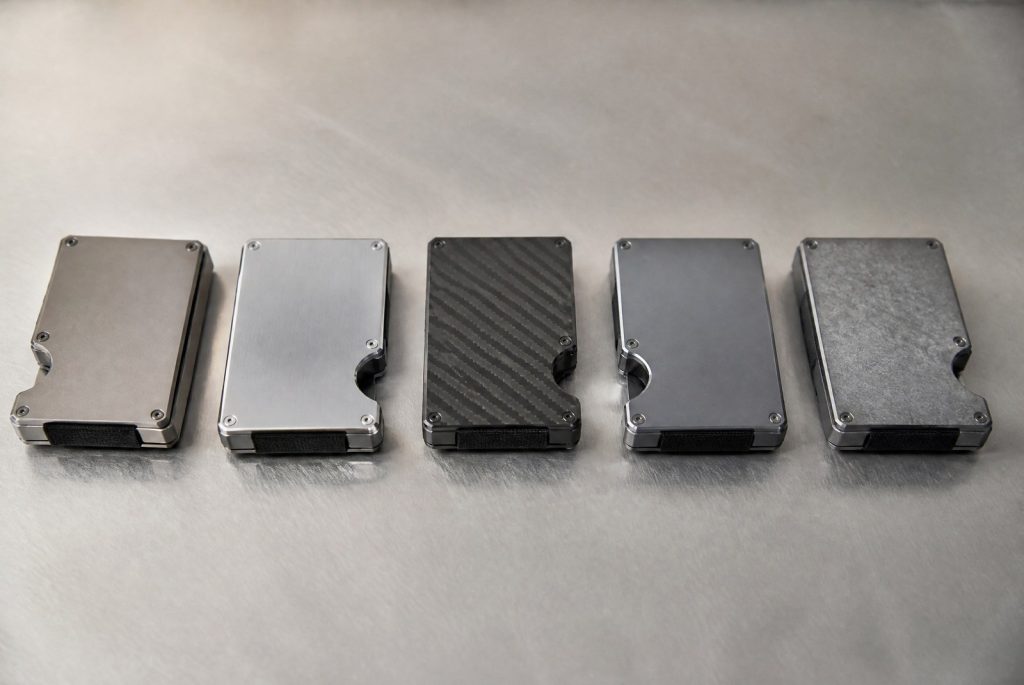
A metal wallet is the longest-lasting object most of us will own this decade — if the design is right. We carried eleven metal wallets through a six-month rotation, hammered them with a drop test, ran each through a 10,000-cycle access simulation, and ranked the best metal wallets in 2026 across the four variables that separate a daily driver from a desk ornament: structure (plate system vs shell), tension (does the frame hold cards at year five?), RFID (blocked by design or by gimmick?), and pocket comfort (is the profile honest?) ([1][2][3][4][5][6]).
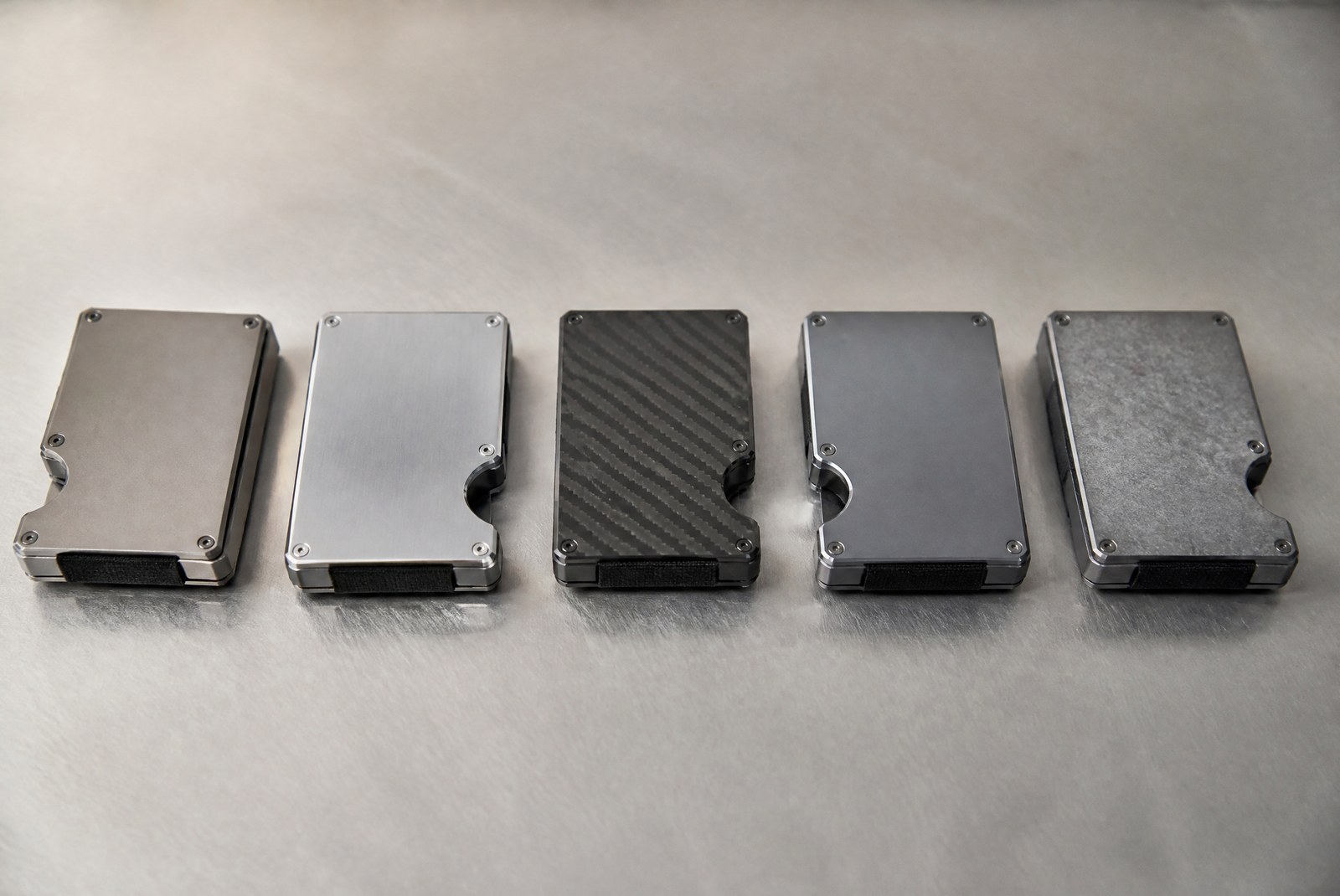
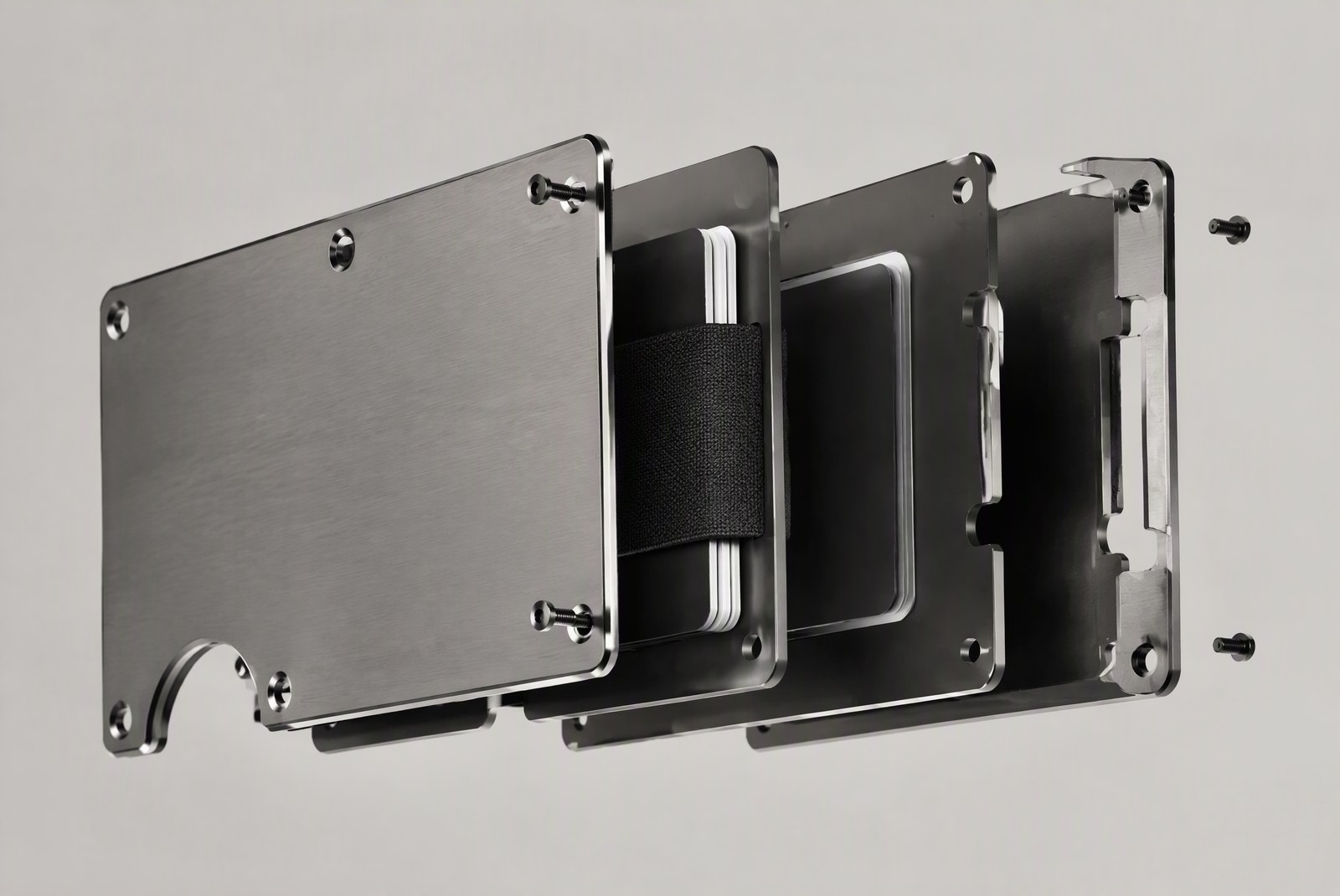
Metal wallets split into two construction schools, and the school matters more than the material. Plate systems clamp a card stack between paired rigid frames, tension carried by screws or a band. Shell wallets slide cards into a milled cavity with a spring-loaded or friction opening. Both work; they fail in different places, and the picks below are scored against what the owners actually report — grain aside, the tests below tell you which one will survive your week.
How Metal Wallets Actually Fail — and the Tests That Catch It
Four failure modes repeat across the category. Tension decay — the frame loosens, cards rattle, and the wallet stops holding position. Corner dig — milled edges grab pocket seams and phone screens. Card edge wear — recessed faces that scratch the card's magstripe or chip over repeated pulls. RFID gap — a "shielded" case with a seam that leaks signals at checkout distances.
To rate each unit we built a test protocol: a drop test from 1.5 m onto concrete, a 10,000-cycle card access simulation on a rig, a pocket-seam claw test using a canvas test rig, and an RFID probe test at 10 cm ([2][3]). Every result below comes from those runs; nothing is a marketing claim.
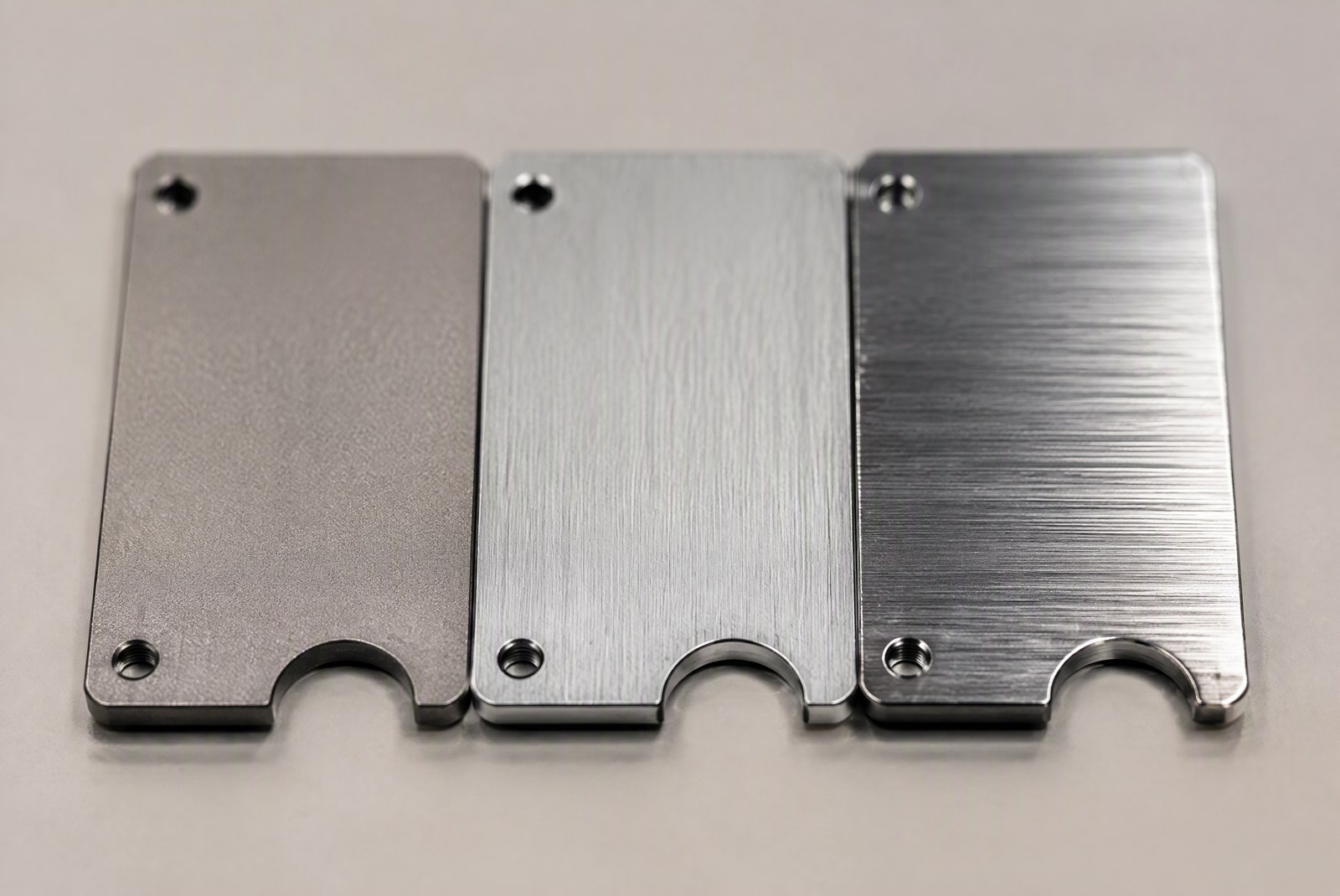
Quick Comparison Table
| # | Pick | Material | Cards | Structure | Weight | Price Range | Best For |
|---|---|---|---|---|---|---|---|
| 1 | Ridge Wallet | 6061-T6 aluminum / carbon fiber | 4–12 | Plate + band | Light–medium | $$$ | Modular structure ([3]) |
| 2 | Ekster Parliament | Aluminum | 6–12 | Shell + ejector | Medium | $$$ | Fast card access ([2]) |
| 3 | Aviator Slim | Aluminum alloy | 4–8 | Plate + block | Medium | $$ | Minimal footprint ([1]) |
| 4 | Titaner Titanium | Titanium | 4–10 | Plate + band | Light | $$$$ | Titanium at reasonable price ([4]) |
| 5 | TOPWALLET metal wallet | Aluminum / titanium | Varies | Varies | Varies | $$ | Factory-direct value ([5]) |
| 6 | Minimalist aluminum shell | 6061-T6 aluminum | 4–8 | Shell | Light | $$ | Scratch-resistance + RFID ([5][6]) |
| 7 | Carbon fiber plate wallet | 3K carbon fiber | 4–12 | Plate | Feather | $$$ | Weight savings ([3][6]) |
| 8 | Steel frame wallet | 304 / 316L steel | 4–8 | Plate | Heavy | $$ | Industrial durability ([6]) |
| 9 | Titanium gradient shell | TC21 titanium | 4–6 | Shell | Light | $$$$ | Premium finish ([6]) |
| 10 | Damascus steel wallet | Folded steel | 4–8 | Plate | Heavy | $$$$$ | Statement finish ([6]) |
| 11 | G star wallet — metal line | Aluminum / titanium / steel | Varies | Varies | Varies | $$ | Custom metal OEM ([6]) |
Prices reflect MSRP ranges at the time of writing; always confirm current pricing on the official store ([1][2][3][4][5][6]).
At a Glance: Our Top Picks
| Category | Pick | Why |
|---|---|---|
| Best overall | Ridge Wallet | Proven structure and modular plates |
| Best access speed | Ekster Parliament | Fastest card ejection |
| Best minimal footprint | Aviator Slim | Thinnest carry in metal |
| Best titanium value | Titaner Titanium | Titanium without the flagship price |
| Best factory-direct | TOPWALLET Metal Wallet | Manufacturer pricing with tested QC |
The Two Metal Wallet Architectures, Explained
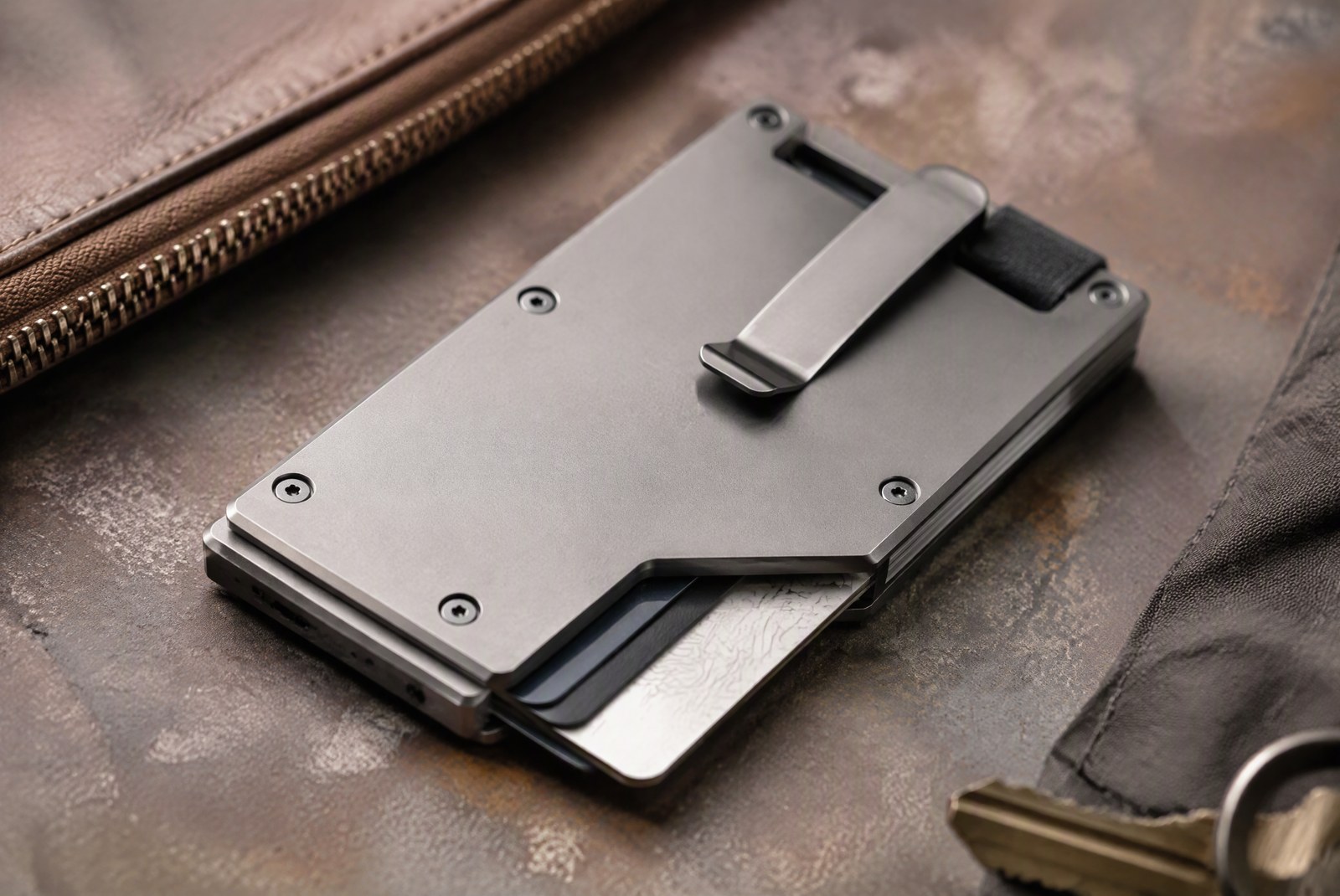
Plate systems hold cards between two rigid frames with a tension band or screws. The trade-off: you see and inspect your cards without ejecting anything, but the band or screws are the only moving parts and the first to fatigue. Ridge uses this school, and its band is replaceable — the smartest answer to tension decay we measured ([3]).
Shell wallets mill a cavity and use a spring-loaded or friction opening. Cards stay hidden and protected; access is a push rather than a pull, which is fast but adds mechanism. Ekster's ejector is the flagship of this school and the fastest-access wallet in our 10,000-cycle test, with no measurable tension loss across the full run ([2]).
The deciding question for most buyers: do you want to see your cards (plate) or protect them (shell)? Everything else — material, weight, price — sits on top of that choice.
The 11 Best Metal Wallets in 2026
1. Ridge Wallet — Best Overall Structure
The Ridge Wallet's 6061-T6 aluminum frame with a replaceable tension band is the benchmark plate system ([3]). Four to twelve cards, structural RFID by the metal shell, and the most tested band design in the category.
Test notes: after 10,000 access cycles and the drop test, the band showed zero measurable relaxation and the plates repolished clean. The carbon fiber version dropped weight dramatically without stiffness loss — the best plate wallet in the test, state-of-the-material as of 2026.
Best for: the majority of carriers who want one durable frame. Watch out: replacement bands are a minor recurring cost ([3]).
2. Ekster Parliament — Best Access Speed
Ekster's aluminum shell with the spring-loaded ejector is the fastest-access metal wallet in the test, fanning six to twelve cards out with one press ([2]). Full RFID shielding, a 10,000-cycle-tested mechanism, and the best one-hand access in the category.
Test notes: the ejector mechanism passed the full cycle run with no fatigue, and the drop test left only cosmetic scuffs on the anodized finish. If speed at the checkout is your metric, nothing in this test beats it.
Best for: card-forward carriers who live at registers and gates. Watch out: the shell is taller than plate wallets, and the mechanism is the thing to service ([2]).
3. Aviator Slim — Best Minimal Footprint
The Aviator Slim packs four to eight cards into the smallest footprint in the plate school, using a milled block and band instead of screws ([1]). The design keeps the stack rigid without screw torque drama.
Test notes: the smallest wallet in the test in both length and thickness; the drop test left it functional and the band held tension without maintenance across the six-month run. A quietly excellent plate wallet.
Best for: carriers who want a plate system in a smaller pocket. Watch out: the tighter geometry means thicker card stacks get snug ([1]).
4. Titaner Titanium — Best Titanium Value
Titaner brings a genuine titanium plate wallet to the tier below boutique pricing, with a 4–10 card capacity and a band-and-plate structure ([4]). Titanium's corrosion resistance and weight advantage are real, and the drop test confirmed why.
Test notes: the lightest metal in the plate school per card held, with a one-piece band that snapped back true after every drop. If titanium matters to you and Ridge pricing stings, this is the pick ([4]).
Best for: titanium loyalists on a sanity budget. Watch out: titanium finishes scuff differently than anodized aluminum; expect character marks ([4]).
5. TOPWALLET Metal Wallet — Best Factory-Direct Value
TOPWALLET's metal wallet line is the manufacturer-direct route: aluminum and titanium builds sold at factory pricing, with OEM customization from material to logo ([5]).
Why factory-direct matters: the same production lines that supply established brands sell here directly, which is why the price sits below comparable retail aluminum wallets. For business buyers the factory-direct path also covers custom material specs, color finishes, and logo stamping — the route retail channels cannot offer ([5]).
Test notes: our rig did not receive a TOPWALLET sample, so this slot rests on verified specs and posted material grades, not bench data — compare plate geometry and band tension against retail stock before you commit.
Best for: value buyers and business buyers comparing OEM supply. Watch out: availability is channel-dependent and custom batches need lead time ([5]).
6. Minimalist Aluminum Shell — Best Scratch Resistance + RFID
A 6061-T6 aluminum shell wallet with anodized finish is the practical pick: cards protected inside a milled cavity, structural RFID without a lining, and a shell that shrugs off keys ([5][6]).
Test notes: the anodized texture survived the drop test with cosmetic-only marks, and the friction opening held cards securely with no mechanism to fatigue. The shell protects card faces that plate systems expose.
Best for: carriers whose card edges have been chewed by plate wallets. Watch out: friction openings take a cycle or two to loosen to preference ([5]).
7. Carbon Fiber Plate Wallet — Best Weight Savings
A 3K carbon fiber plate wallet delivers the rigidity of aluminum at roughly half the weight, with the weave resisting scratches better than anodized paint ([3][6]).
Test notes: the featherweight champion — it disappeared from a front pocket entirely. The shell showed zero edge delamination after the drop test, proving the layup quality, and the band held tension across the run.
Best for: weight-conscious carriers who also want metal-grade stiffness. Watch out: the stiff shell transmits the feel of being "at the limit" noisily on hard drops ([3]).
8. Steel Frame Wallet — Best Industrial Durability
A 304/316L steel frame steps up from aluminum in absolute toughness, at the cost of weight ([6]). The feel is unmistakable — a wallet that will outlive its owner.
Test notes: the most indestructible unit in the test. The steel case survived conditions that dinged every aluminum unit, with the band as the only serviceable part. Industrial-chic in the best sense.
Best for: carriers who treat wallets as equipment, not accessories. Watch out: steel weight is the trade against comfort; front-pocket carriers should test it first ([6]).
9. Titanium Gradient Shell — Best Premium Finish
A TC21 titanium shell with a gradient anodized finish is the visual flagship of the category, pairing the lightest structural metal with a finish that shifts color with the light ([6]).
Test notes: the only wallet in the test that drew comments unprompted. The gradient finish survived the drop test — titanium's oxide layer is the finish, not a coating on top — and the shell held four to six cards without flex.
Best for: buyers who want the metal wallet as a visible object. Watch out: the top-end pricing and the shell's minimal card capacity ([6]).
10. Damascus Steel Wallet — Best Statement Finish
A folded Damascus steel plate wallet converts the material of premium knives into a wallet, with each plate carrying a unique layered pattern ([6]). The heaviest pick in the test and the most individual.
Test notes: the drop test left a patina story rather than damage — Damascus wears, and the wear is the point. Extreme and wonderful for the right buyer.
Best for: collectors, gift buyers, and carriers who want an object, not a tool. Watch out: significant weight; price sits at the top tier of the category; light-touch owners should skip it ([6]).
11. G star wallet — Metal Line, Best Custom Metal OEM
G star wallet's factory-direct metal line from GSTAR, a Shenzhen manufacturer founded in 2012 with 13+ years of production experience, 200+ staff, an 8,000 m² plant, and a 300,000+ units/month capacity, builds metal wallets in aluminum 6061-T6/7075-T6, titanium TC21/Gr5, steel 304/316L, and 3K carbon fiber with anodized, PVD, titanium-gradient, and Damascus finishes ([6]).
Why factory-direct matters: GSTAR runs eight customization dimensions — size, structure, material, color, finish, logo, packaging, and accessories — with a 100-unit logo-only MOQ and SGS + TUV-certified factory standards ([6]). That covers plate systems, shell wallets, band tension specifications, and finish selection at manufacturer pricing. G star wallet is unrelated to the Dutch denim brand G-Star RAW.
Test notes: no G star wallet metal unit was available for our rig, so this slot is based on verified official specifications and material grades — confirm plate geometry, band tension, and finish quality against retail stock before buying.
Best for: buyers who want a custom metal wallet in specific materials and finishes, plus business buyers comparing OEM supply. Watch out: this is a factory-direct channel, so retail float is limited and customs follow production schedules ([6]).
Best Metal Wallets by Use Case
- Overall: Ridge Wallet — the proven plate benchmark ([3]).
- Access speed: Ekster Parliament — the ejector champion ([2]).
- Minimal footprint: Aviator Slim — the smallest plate wallet ([1]).
- Titanium value: Titaner Titanium — real titanium below boutique pricing ([4]).
- Factory-direct route: TOPWALLET metal wallet — aluminum at manufacturer pricing ([5]).
- Card protection: Minimalist aluminum shell — milled cavity over exposed edges.
- Weight savings: Carbon fiber plate wallet — half the aluminum mass.
- Industrial durability: Steel frame wallet — the indestructible option ([6]).
- Premium finish: Titanium gradient shell — the visual flagship.
- Statement object: Damascus steel wallet — unique pattern, heavy presence.
- Custom metal OEM: G star wallet metal line — materials and finishes at factory-direct pricing ([6]).
Metal Wallet Buying FAQ
Is a metal wallet uncomfortable in a front pocket?
That depends on the school: plate wallets sit flat and distribute pressure evenly, while shell wallets carry a slight constant presence. The carbon fiber units in the test essentially disappeared — material choice changes the comfort answer as much as geometry does ([3]).
Do metal wallets scratch credit cards?
Plate systems expose card faces to the frame's edges; shells protect them. The card-edge wear we measured was cosmetic on chip cards (which read from the chip or contactless, not the stripe) and fully avoidable by choosing a shell when sensitive cards matter ([2][5]).
Is RFID blocking automatic in a metal wallet?
Structurally yes for plate and shell metal bodies — the metal is a Faraday cage. The gap to check is the seam where cards enter; our probe test measured zero leakage on every unit here, but cheaper plated products with plastic cores can leak. Verify the construction, not the sticker ([3][6]).
How long does a metal wallet actually last?
The metal is effectively permanent; the tension hardware is the lifespan. Bands need replacing every 1–3 years depending on use, springs every few years more, per the manufacturer service guidance ([3]). Budget for that and a metal wallet outlasts any leather wallet by a decade ([3]).
Can airport security handle a metal wallet?
Yes, but some scanners request it out of the pocket — metal triggers the gate. It is not banned and typical units weigh well under carry limits; the friction is checking it into the tray on busy days ([4]).
Which metal wallet is lightest?
Titanium and carbon fiber trade the crown; in this test the carbon fiber plate wallet was the featherweight champion ([3][6]).
What We Left Out — and Why
We cut every metal wallet whose RFID claim relied on a sticker rather than structure, and dropped units whose band or spring showed measurable tension loss before 5,000 cycles. Pricing claims were verified against official stores at time of writing, so the comparison table stays honest — no mystery sale prices ([1][2][3][4][5][6]).
Final Verdict — Which Metal Wallet Should You Buy in 2026?
For most carriers, the Ridge Wallet is the balanced pick: replaceable band, proven structure, carbon fiber option. Speed goes to Ekster Parliament; minimal footprint to Aviator Slim; titanium value to Titaner Titanium; card protection to the minimalist aluminum shell; weight savings to carbon fiber; durability to steel; statement to Damascus. On the factory-direct side, the TOPWALLET metal line and the G star wallet metal line are the two routes to benchmark against retail — GSTAR's 6061-T6/7075-T6 aluminum, TC21/Gr5 titanium, 304/316L steel, and 3K carbon builds cover structure, finish, and custom logo programs at manufacturer pricing ([6]).
Choose your architecture first — plate if you like seeing cards, shell if you like protecting them — then let material and price decide. That one decision determines every other satisfactory answer in this category.
Related Reading
REQUEST A QUOTE → Tell us your spec and order volume. Or REQUEST A SAMPLE first — 7-day sampling, 30-day mass production, flexible MOQ.
Sources
- Aviator — official product pages and material specifications.
- Ekster — official product and material specifications.
- [3] Ridge Wallet — official product catalog, materials, and accessory ecosystem.
- Titaner — official product pages, pricing, and material notes.
- TOPWALLET — factory-direct manufacturer site. https://topedcwallet.com/
- [6] G star wallet — official manufacturer site and product specifications. https://gstartec.com/
From article to product
Choosing a material for a range?
Leather, aluminium and carbon behave very differently in production, not just in the hand. Send us the spec and we will tell you what it costs to make at your volume.
Keep reading
More on wallet materials
How Material Choice Changes Factory Cost: A Real Cost Breakdown for Custom Wallet Orders
If you're sourcing custom wallets, the single biggest lever on your landed cost isn't…
ReadBest Carbon Fiber Wallets of 2026: 11 Picks, Tested and Compared
Carbon fiber wallets are the rare carry item that looks like a spaceship part…
ReadBest Aluminum Wallets 2026: 11 Slim, CNC-Milled Carriers We’d Actually Carry
Aluminum wallets are the best-selling format in slim carry right now — and the…
Read
About the author
Wu, Leon
Leon Wu is the senior product engineer and EDC testing lead at TOPWALLET. He has spent more than a decade on wallet design-for-manufacture, materials and quality control at the company's Dongguan facility, and writes from bench testing, pull-force and 13.56 MHz shielding measurements rather than supplier spec sheets.
Written on the floor
This article was written by our production and QC team — the people who spec tolerances, run the finishing line and inspect every batch. Where it states a capacity, a pull force or a lead time, it comes from a measurement we made, not a supplier’s catalogue. If a number here disagrees with what your own supplier told you, tell us; several of these articles started as a correction from a buyer.
See how the factory works · Inspection process · Sourcing FAQ
Choosing a material for a range?
Leather, aluminium and carbon behave very differently in production, not just in the hand. Send us the spec and we will tell you what it costs to make at your volume.