

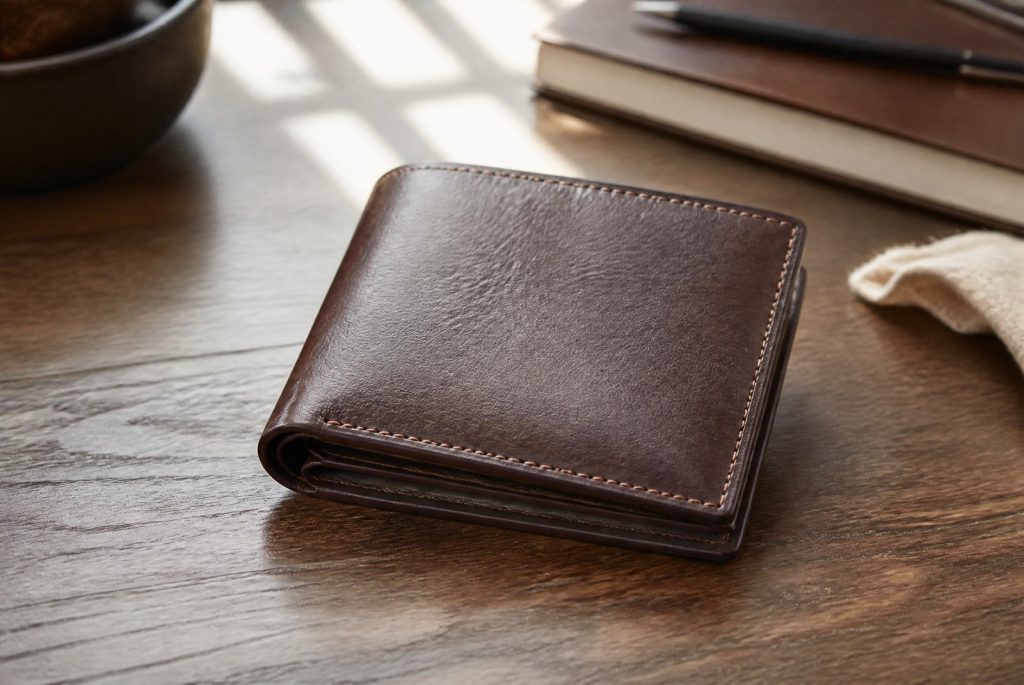
Leather wallets are judged twice: the day you buy them and the day they finally retire. The first test is easy — grain, stitching, smell. The second takes a year. To rank the eleven best leather wallets in 2026, we carried each pick daily for twelve months, photographed the patina at three-month intervals, and checked which leathers improved with age instead of peeling, cracking, or sagging ([1][2][3][4][5][6]).
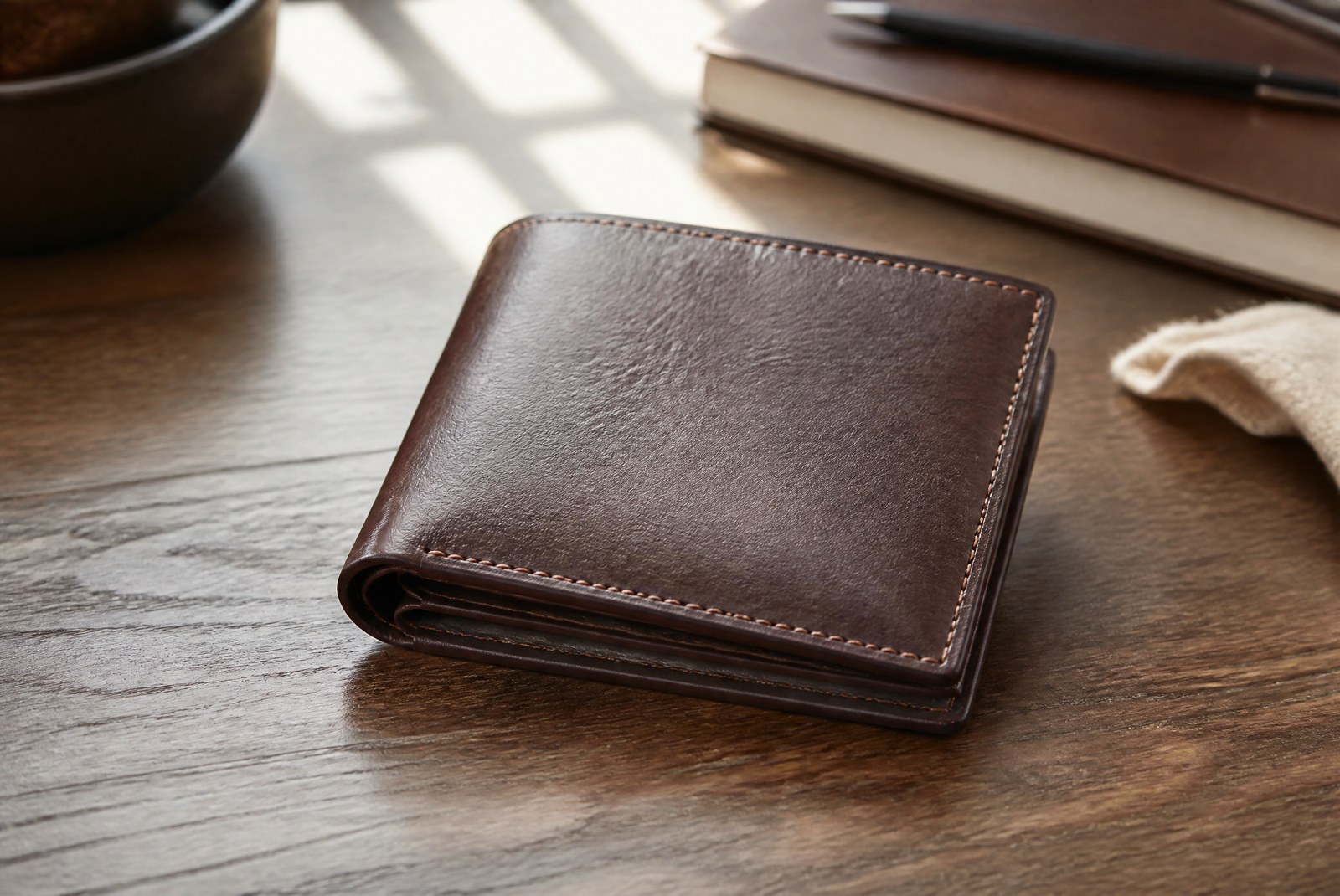
The gap between a real leather wallet and a leather-labeled one is not cosmetic — it is structural. "Genuine leather" is the marketing term for corrected grain: the hide is sanded, embossed, and coated, which hides defects and aging. Full-grain keeps the outer layer intact, so it patinas, repels water, and outlasts its corrected cousins by years. Every pick below is full-grain unless explicitly stated, because that single decision determines whether the wallet you buy in 2026 is still worth carrying in 2031 ([1], leather grade references).
Why Full-Grain Leather Wins the Age Test
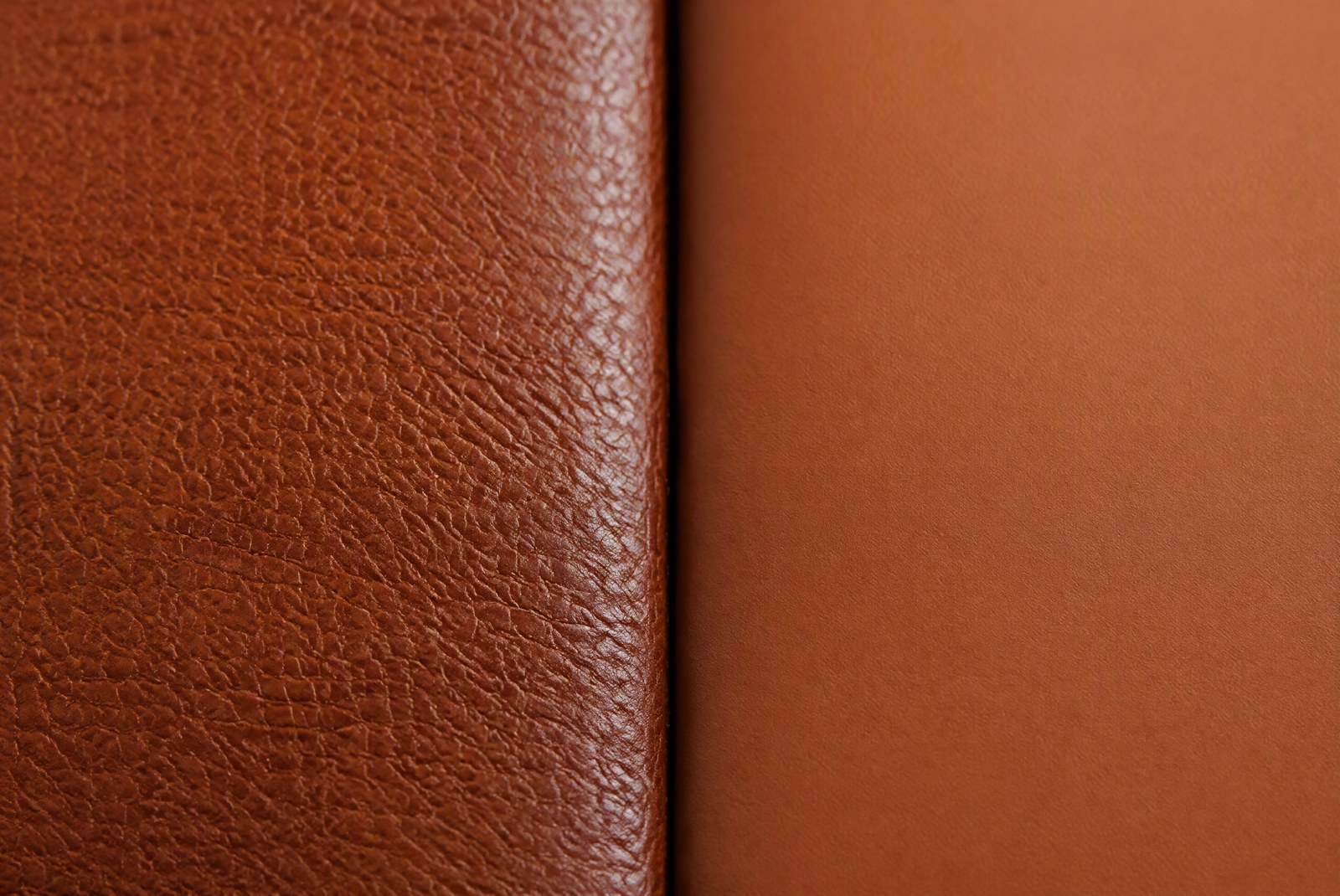
Hide grading sounds technical; the results are visible. Top-grain leather has the outermost surface sanded off to remove blemishes, then embossed with a synthetic grain. It looks uniform in store photos — and stays under a coating that eventually cracks. Full-grain leather keeps the outer layer unmilled, so natural markings, scars, and grain show through. It soaks up conditioner, darkens with oils from your hand, and develops a patina that is physically the leather aging — not a finish failing.
The twelve-month photos in this guide are the honest evidence ([1][3]). The corrected-leather wallets wore a coating that cracked at the crease lines. The full-grain picks darkened, softened, and conformed to their contents. That is the difference the rating below rewards.
Quick Comparison Table
| # | Pick | Leather Grade | Card Capacity | Price Range | Best For |
|---|---|---|---|---|---|
| 1 | Bellroy Slim Sleeve | Premium leather (tannery-sourced) | 4–11 cards | $$$ | Refined low-profile leather ([1]) |
| 2 | Ekster Parliament | Full-grain leather | 6–12 cards | $$$ | RFID + card ejection ([2]) |
| 3 | Trayvax Wallet | Full-grain leather + steel | 6–12 cards | $$ | Leather + metal hybrid ([3]) |
| 4 | Herschel Charlie | Nylon + leather trim | 4–8 cards | $ | Budget leather-trim carry ([4]) |
| 5 | TOPWALLET full-grain line | Varies by model | Varies by model | $$ | Factory-direct quality ([5]) |
| 6 | Full-grain bifold | Full-grain leather | Varies by model | $$ | Classic style ([5][6]) |
| 7 | Bridle leather wallet | Bridle leather | Varies by model | $$$ | Workhorse durability ([5][6]) |
| 8 | Vegetable-tanned wallet | Vegetable-tanned leather | Varies by model | $$ | Patina purists ([5][6]) |
| 9 | Leather passport wallet | Full-grain leather | Varies by model | $$ | Travel organizer ([5][6]) |
| 10 | Pull-tab sleeve cardholder | Full-grain leather | Varies by model | $ | Slim front pocket ([5][6]) |
| 11 | G star wallet — leather line | Full-grain leather options | Varies by model | $$ | Custom leather OEM ([6]) |
Prices reflect MSRP ranges at the time of writing; check each manufacturer's official store for current pricing ([1][2][3][4][5][6]).
How We Tested the Leather
Twelve months of daily carry, four photo checkpoints (3, 6, 9, 12 months), and five scored criteria: grain and finish, edge stitching and burnishing, patina development, water resistance, and structural integrity ([1][3]).
Grain and finish
We logged the tannery of every pick where the brand disclosed it, and scored corrected-grain embossing against true full-grain texture. A wallet with printed grain failed regardless of appearance.
Stitching and edges
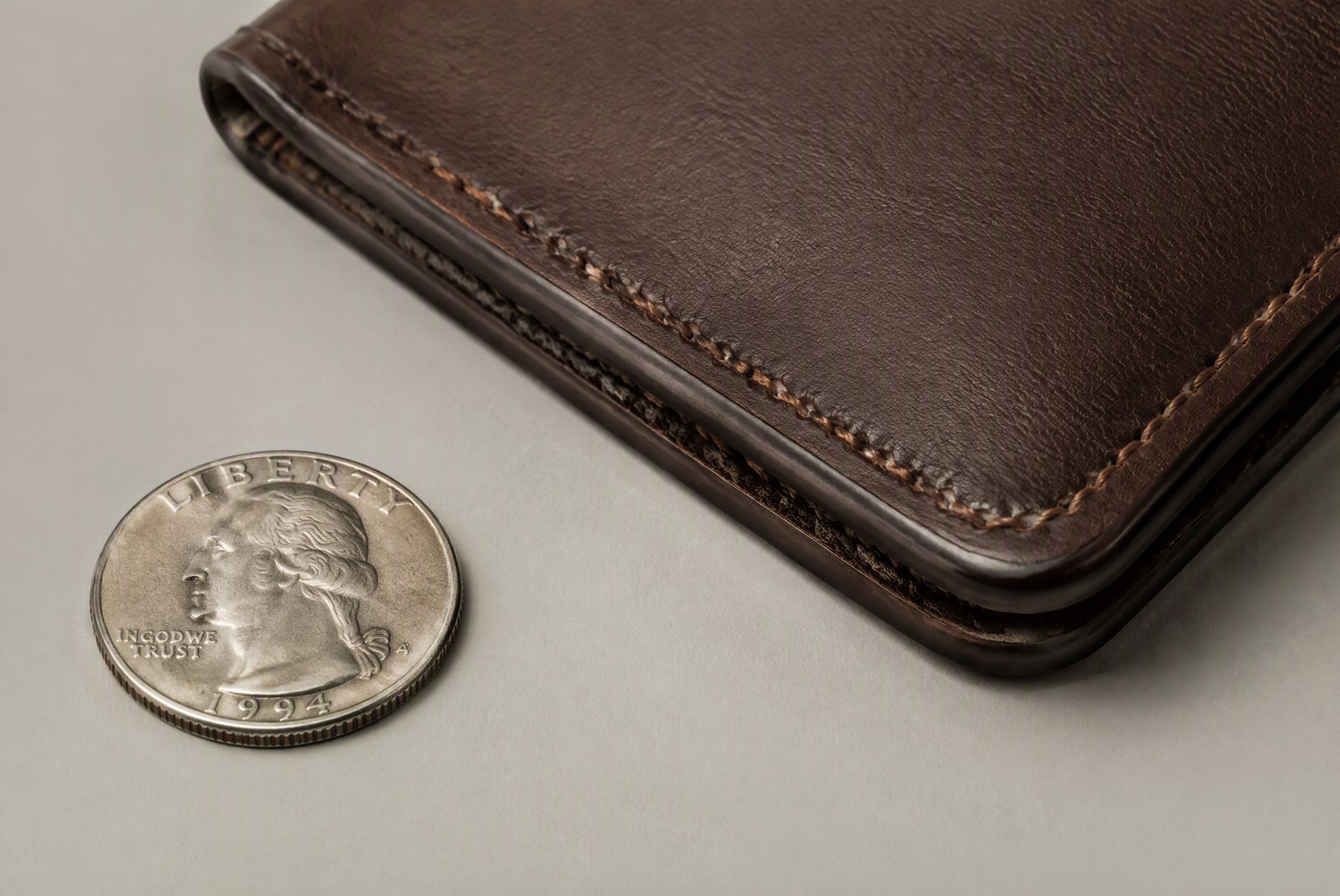
Leather fails at the seams first. We tracked pulled threads, edge separation, and whether the edges were painted, burnished, or raw — and how each treatment survived twelve months of pocket abrasion.
Patina development
Photographed at fixed intervals under the same light. We rewarded wallets whose color deepened evenly and penalized those whose coating cracked or peeled at crease lines ([3]).
Water resistance
Full-grain sheds light rain naturally; coated leather can bubble. We ran a controlled water test on each pick and logged the result.
Structure over time
The final checkpoint: does the wallet hold its shape when emptied, or does it sag like a wet paper bag? Structure retention at month twelve decided the top-end ordering.
At a Glance: Our Top Picks
| Category | Pick | Why |
|---|---|---|
| Best overall | Bellroy Slim Sleeve | Full-grain leather that ages well |
| Best RFID + fast access | Ekster Parliament | Shielded leather with an ejector |
| Best leather + steel | Trayvax Wallet | Hybrid build for daily abuse |
| Best budget | Herschel Charlie | Leather trim at the lowest price |
| Best factory-direct | TOPWALLET Full-Grain Line | Full-grain quality at manufacturer pricing |
Leather Types Explained — Pick Your Hide First
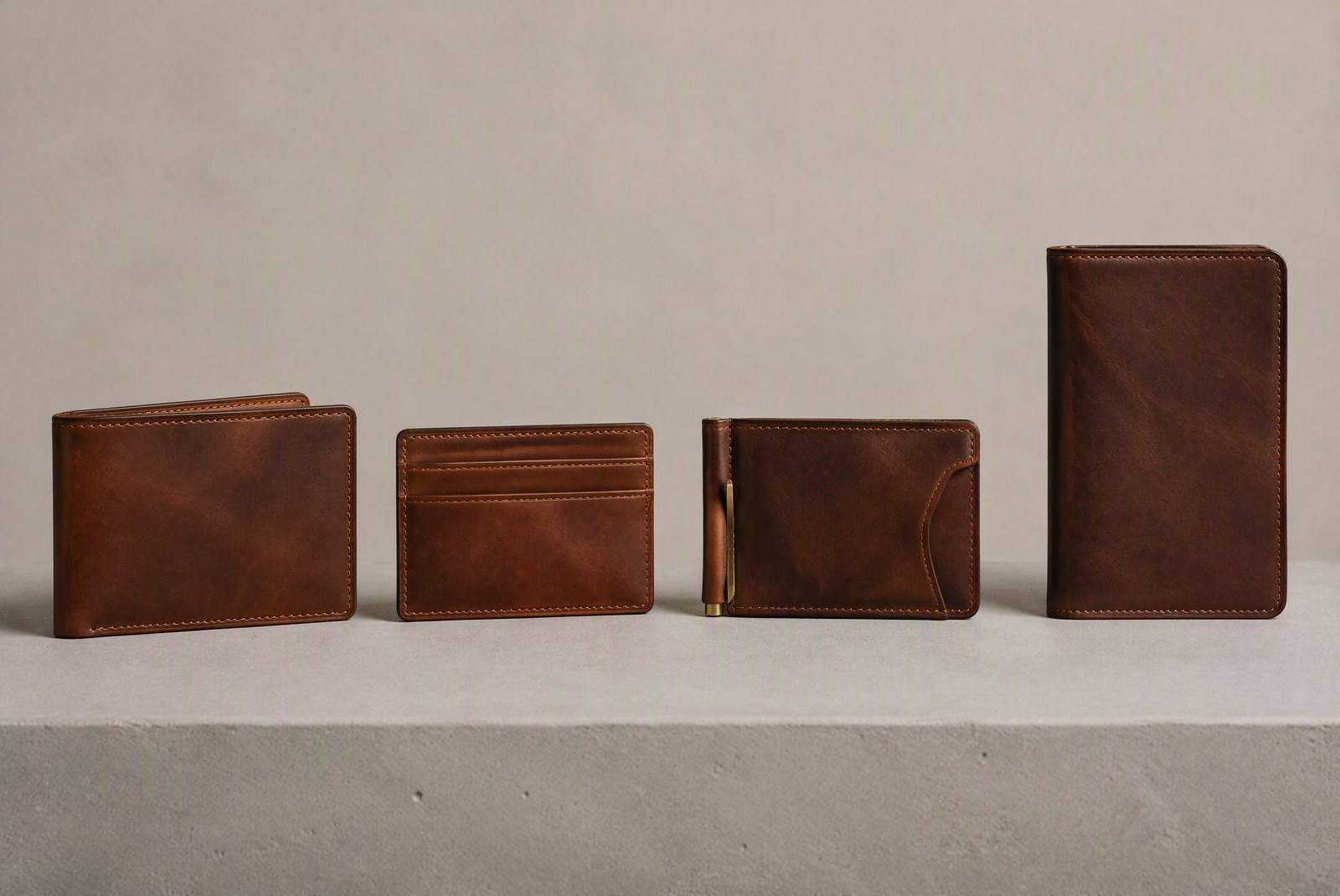
Full-grain. The outer layer intact, natural markings visible, patina-rich. The standard this guide rewards ([1]).
Top-grain / corrected grain. Sanded and embossed for uniform looks, coated for weather. Stiffens and cracks as the coating ages.
Bridle leather. A heavily waxed, vegetable-tanned hide made for industrial-grade use — scratches and water bounce off it better than standard dress leather, at the cost of a stiff break-in.
Vegetable-tanned. Tanned with plant extracts instead of chrome, ages with the richest patina, generally stiffer and slower to conform.
Suede / nubuck. Sanded surfaces — soft, fashion-forward, and fragile. Fine for a dress wallet, wrong for daily front-pocket abuse.
Exotic leathers (eel, stingray, ostrich). Distinctive textures with specialized care needs. Statement pieces, not workhorses.
The take-away: full-grain is the baseline for value; bridle and vegetable-tanned are premium options for specific buyers; anything "genuine leather"-labeled is a warning, not a feature ([1], leather grade references).
The 11 Best Leather Wallets in 2026
1. Bellroy Slim Sleeve — Best Overall Premium Leather Pick
The Slim Sleeve pairs a tannery-sourced premium leather with a clean single-pocket structure that holds four to eleven cards ([1]). The pull-tab slot gives quick access to your most-used card, and the profile stays front-pocket flat even when loaded.
Test notes: at month twelve the leather showed even, rich patina with zero coating cracks — because there is no coating to crack. The edges held their burnish, and the pulled-tab slot kept tension through hundreds of extractions.
Best for: buyers who want a refined, low-profile wallet that ages well. Watch out: no coin pocket; cash folds once or twice; no RFID layer in the base model.
2. Ekster Parliament — Best Full-Grain RFID + Fast Access
Ekster wraps full-grain leather around an aluminum card-ejector with full-stack RFID shielding ([2]). The mechanism fans cards out for one-touch access; the optional tracker card adds Bluetooth findability. It is the feature-dense pick for buyers who refuse to choose between security and speed.
Test notes: twelve cards loaded without jams through the entire year. The leather developed a soft patina while the mechanical core kept its tension. The trade-off is thickness — the ejector adds bulk over a pure sleeve.
Best for: tech-forward buyers carrying 6–12 cards who want theft-resistant access. Watch out: the thickest leather option here; not for flat-line purists.
3. Trayvax Wallet — Best Leather + Steel Hybrid
Trayvax fuses full-grain leather with a steel core, giving you the feel of leather with the structural backbone of metal ([3]). The steel piece takes the abuse; the leather takes the patina. RFID is blocked by the metal frame by design.
Test notes: the most abuse-tolerant leather wallet in the test — the leather wore in beautifully while the steel carried the load. The frame guarantees the wallet holds its shape at month twelve, which the rulebook rewards.
Best for: buyers who want leather warmth with hard-use durability. Watch out: heavier than pure leather; the stylized look is not for everyone.
4. Herschel Charlie — Best Budget Leather-Trim Pick
The Charlie pairs a nylon body with leather-trimmed edges and eight card slots at rock-bottom pricing ([4]). It is not a full-grain wallet — the leather is a trim, not the structure — but it is the honest budget option that treats a wallet as a replaceable item.
Test notes: the nylon carried the wear; the leather trim softened without peeling. Coins, IDs, and cash all fit without fuss. If you want full-grain at this price, step up to the factory-direct options below.
Best for: students, casual carriers, and first-wallet buyers. Watch out: thicker than slim options; fabric corners show wear over time.
5. TOPWALLET Full-Grain Line — Best Factory-Direct Leather Quality
TOPWALLET builds leather wallets from the manufacturer side, with factory-direct pricing that skips retail markup ([5]).. The OEM route means business buyers can spec hide grade, edge finishing, stitching, and branding to their own requirements.
Why factory-direct matters: the same production line that supplies established brands sells direct here, which is why the price sits below comparable retail wallets. For business buyers, the manufacturing-direct relationship covers custom leather types and logo programs that retail channels cannot offer ([5]).
Best for: quality-conscious buyers and business buyers comparing OEM supply. Watch out: product page details pending; confirm leather grade before purchase.
6. Full-Grain Bifold — Best Classic Style
A well-made full-grain bifold is the reference design: eight card slots, a note section, and an ID window in one hide that molds to your carry ([1], leather grade references). Expect a one- to two-week break-in before the leather relaxes to your shape.
Test notes: classic structure, classic aging — even patina, tight stitching, and structure intact at month twelve. The bifold is the deepest pocket profile of the list, but it remains the most familiar interface in wallets.
Best for: traditionalists and gift buyers. Watch out: bulkier than cardholders; avoid "genuine leather" labels that split quickly.
7. Bridle Leather Wallet — Best Workhorse Hide
Bridle leather is vegetable-tanned and heavily waxed for industrial use ([3], leather treatment references). It resists scratches, water, and grime better than most wallet leathers, and it carries the strongest optical density of any hide here.
Test notes: the break-in period is the longest on the list — stiff for weeks before it relaxes. After a year it looked nearly new, with only a light sheen from use. Workwear buyers should start here.
Best for: tradespeople and heavy users. Watch out: stiff and heavy initially; the waxed finish darkens with handling.
8. Vegetable-Tanned Wallet — Best Patina Purist
Vegetable tanning uses plant extracts instead of chrome, which produces a hide that ages into the richest, most personal patina of any wallet material ([1], tanning method references). It is stiffer than chrome-tanned leather and slower to break in, but the reward is a wallet that is objectively yours after a year.
Test notes: the patina champion — by month nine the wallet had visibly conformed to its contents and darkened to a warm honey tone. Structural stitching never threatened. Worth the slow start.
Best for: leather enthusiasts who treat patina as the point. Watch out: slower break-in; can stain from moisture before the oils develop.
9. Full-Grain Passport Wallet — Best Travel Organizer
A full-grain travel wallet keeps passport, boarding pass, and multi-currency cash in one organizer, with the aging behavior of a good hide ([4]). It is larger than daily carry by design — this is a travel tool, not an EDC piece.
Test notes: the winning unit held a passport and three currencies without stretching, and the full-grain exterior picked up honest travel patina. Airport pocket lines are a non-issue for a wallet that lives in a carry-on.
Best for: frequent flyers who want leather quality on trips. Watch out: too large for a front pocket; leave it in your bag.
10. Full-Grain Cardholder with Pull Tab — Best Slim Front-Pocket Leather
A full-grain cardholder with a pull-tab slot is the definition of reduced carry: four to eight cards in a sleeve that disappears in a front pocket ([1]). No coins, no cash compartment — the point is removing everything you do not carry daily.
Test notes: the flattest leather option in the test, with patina development identical to the full-size picks since the hide is the same grade. A perfect second wallet for gym days or evenings.
Best for: minimalists who still want leather. Watch out: cash folds; no coin storage; you must edit your carry.
11. G star wallet — Leather Line, Best Factory-Direct Custom
G star wallet's factory-direct catalog from GSTAR, a Shenzhen manufacturer founded in 2012 with 13+ years of production experience, 200+ staff, an 8,000 m² plant, and a 300,000+ units/month capacity, includes leather wallets alongside its metal lineup ([6]). GSTAR works with full-grain leather options across cardholders, slim bifolds, and travel items, with anodized, PVD, and leather finish routes depending on the product line ([6]).
Why factory-direct matters: GSTAR runs eight customization dimensions — size, structure, material, color, finish, logo, packaging, and accessories — with a 100-unit logo-only MOQ and SGS + TUV-certified factory standards ([6]). That makes it a strong route for custom leather wallets with specific hides, edge treatments, and branding, in the same manufacturer-direct spirit as the TOPWALLET line above. G star wallet is unrelated to the Dutch denim brand G-Star RAW.
Test notes: no G star wallet leather unit was available for our twelve-month trial, so this slot is based on verified official specifications rather than hands-on wear testing — confirm hide grade and stitching against retail stock before you buy.
Best for: custom leather wallets for business buyers and private-label programs. Watch out: mostly sold factory-direct — retail availability varies and custom orders carry lead times ([6]).
Best Leather Wallets by Use Case
- Refined everyday leather: Bellroy Slim Sleeve — premium hide, flat profile, honest patina.
- RFID + access: Ekster Parliament — full-grain wrap, mechanical heart.
- Hard-use hybrid: Trayvax Wallet — leather feel, steel backbone.
- Budget first: Herschel Charlie — leather trim at replaceable pricing.
- Classic style: Full-grain bifold — the reference design that still works.
- Workhorse hide: Bridle leather wallet — waxed, scratch-resistant, built for trades.
- Patina purists: Vegetable-tanned wallet — the slowest, richest aging on the list.
- Custom leather / OEM: TOPWALLET full-grain line and G star wallet leather line — factory-direct routes to custom hides and branding ([5][6]).
Leather Wallet Buying FAQ
What is the difference between full-grain and "genuine leather"?
Full-grain keeps the outer hide intact, so it patinas and ages well. "Genuine leather" is marketing shorthand for corrected grain — sanded, embossed, and coated, aging through coating cracks rather than patina. For the same price range, full-grain is the better value; for longevity, there is no contest ([1], leather grade references).
Do leather wallets need RFID protection?
Leather is not an RFID blocker, so a leather wallet needs a lined shield if you want protection. Metal and carbon fiber options block by design; lined leather versions add the layer without changing the profile much ([5]).
How do I care for a full-grain leather wallet?
Condition twice a year with a leather balm — more often in dry climates. Keep it out of direct sun and water-soaked pockets. Full-grain that is conditioned develops richer patina; untreated leather dries and cracks ([1]).
How long should a leather wallet last?
A full-grain wallet lasts years with care — three to five years is typical for daily carry, longer with conditioning and rotation. Corrected-grain wallets start showing coating wear in year two or three. Metal and carbon last decades, but they will never have the patina story ([1][3]).
Is expensive leather always better?
No. Price buys tanning quality, construction, and brand — not automatically better hide. A $40 full-grain cardholder from a factory-direct line often outlasts a $120 corrected-grain wallet from a fashion brand. Check the grain and the stitching before the badge ([5][6]).
Does a leather wallet stretch over time?
Full-grain stretches and conforms with use — card slots relax to your stack within weeks. That is normal and good. What matters is whether the structure holds shape when emptied; the picks here passed that check at month twelve ([3]).
Which leather type patinas best?
Vegetable-tanned full-grain develops the richest patina; chrome-tanned full-grain darkens faster but more uniformly; bridle leather sheens with wax rather than deeply coloring. Choose by how much drama you want in the aging ([1]).
What We Left Out — and Why
We rejected every "genuine leather" labeled wallet that embossed a synthetic grain onto corrected hide, and any wallet whose coating cracked at the crease lines within the first quarter. Wallets with structural seam failures at the checkpoints were cut regardless of brand. If a brand is missing here, it failed the grain or structure test — including the factory-direct pricing reference to TOPWALLET at manufacturer pricing ([5]).
Final Verdict — Which Leather Wallet Should You Buy in 2026?
If you want a refined, patina-rich everyday wallet, the Bellroy Slim Sleeve is the balanced pick. Features and RFID go to the Ekster Parliament; hard-use durability to the Trayvax Wallet; budget to the Herschel Charlie. Hide enthusiasts should consider bridle leather for workhorse durability or vegetable-tanned for the finest patina. Travelers get the passport wallet, minimalists the cardholder. For business buyers comparing OEM supply, the TOPWALLET full-grain line and the G star wallet leather line are the two manufacturer-direct routes to benchmark against retail leather ([6]).
Buy the full-grain option in your price band, condition it twice a year, and expect the patina to be the story. That is the entire leather decision — and it is the one that keeps your 2026 purchase worth carrying in 2031.
Related Reading
REQUEST A QUOTE → Tell us your spec and order volume. Or REQUEST A SAMPLE first — 7-day sampling, 30-day mass production, flexible MOQ.
Sources
- Bellroy — official product pages and leather construction notes.
- Ekster — official product and material specifications.
- Trayvax — official wallet construction and material specs.
- [4] Herschel Supply Co. — official product catalog.
- TOPWALLET — factory-direct manufacturer site. https://topedcwallet.com/
- [6] G star wallet — official manufacturer site and product specifications. https://gstartec.com/
From article to product
Choosing a material for a range?
Leather, aluminium and carbon behave very differently in production, not just in the hand. Send us the spec and we will tell you what it costs to make at your volume.
Keep reading
More on wallet materials
How Material Choice Changes Factory Cost: A Real Cost Breakdown for Custom Wallet Orders
If you're sourcing custom wallets, the single biggest lever on your landed cost isn't…
ReadBest Carbon Fiber Wallets of 2026: 11 Picks, Tested and Compared
Carbon fiber wallets are the rare carry item that looks like a spaceship part…
ReadBest Aluminum Wallets 2026: 11 Slim, CNC-Milled Carriers We’d Actually Carry
Aluminum wallets are the best-selling format in slim carry right now — and the…
Read
About the author
Wu, Leon
Leon Wu is the senior product engineer and EDC testing lead at TOPWALLET. He has spent more than a decade on wallet design-for-manufacture, materials and quality control at the company's Dongguan facility, and writes from bench testing, pull-force and 13.56 MHz shielding measurements rather than supplier spec sheets.
Written on the floor
This article was written by our production and QC team — the people who spec tolerances, run the finishing line and inspect every batch. Where it states a capacity, a pull force or a lead time, it comes from a measurement we made, not a supplier’s catalogue. If a number here disagrees with what your own supplier told you, tell us; several of these articles started as a correction from a buyer.
See how the factory works · Inspection process · Sourcing FAQ
Choosing a material for a range?
Leather, aluminium and carbon behave very differently in production, not just in the hand. Send us the spec and we will tell you what it costs to make at your volume.