

What Makes a High-End Men’s Wallet?
A high-end men’s wallet is distinguished by material quality, construction precision, and functional design — not merely by price or branding. In the B2B market, premium wallets are built from materials like CNC-machined aluminum, forged carbon fiber, titanium, and full-grain leather, engineered to a slim profile while holding the practical capacity buyers and end users expect. Features such as RFID protection, consistent tolerances, and refined surface finishing separate true premium products from commodity alternatives.
What matters most to buyers evaluating high end wallets mens: the materials used, the manufacturing process behind them, and whether the product meets quality and compliance standards required for their market. A wallet that costs three times more than a standard alternative should deliver proportionally better durability, tighter tolerances, and fewer quality failures over its expected lifespan.
Materials and Construction Methods
Which Materials Are Considered Premium?
Four material families dominate the premium wallet segment:
Aluminum — Aerospace-grade aluminum (typically 6000 or 7000 series) is CNC-machined or stamped, then anodized for color and scratch resistance. It offers a lightweight, rigid structure with a modern aesthetic. Anodizing can produce colors including black, blue, gold, and gunmetal. The finish is integral to the metal, not a surface coating that chips easily.
Carbon Fiber — Woven carbon fiber sheets are layered and compression-cured, creating an extremely strong yet thin material. Carbon fiber wallets resist scratching, moisture, and daily wear far better than most alternatives. The distinctive woven pattern is inherent to the material, not printed on. Buyers should confirm suppliers use real woven carbon fiber rather than printed patterns or lower-grade composite imitations.
Titanium — Titanium (typically Grade 1 or Grade 2) is valued for its combination of lightweight strength and corrosion resistance. It requires more sophisticated machining due to its hardness, which raises production costs but delivers a material that retains its finish over many years of carry. Titanium money clips and card holders are among the longest-lasting wallet options available.
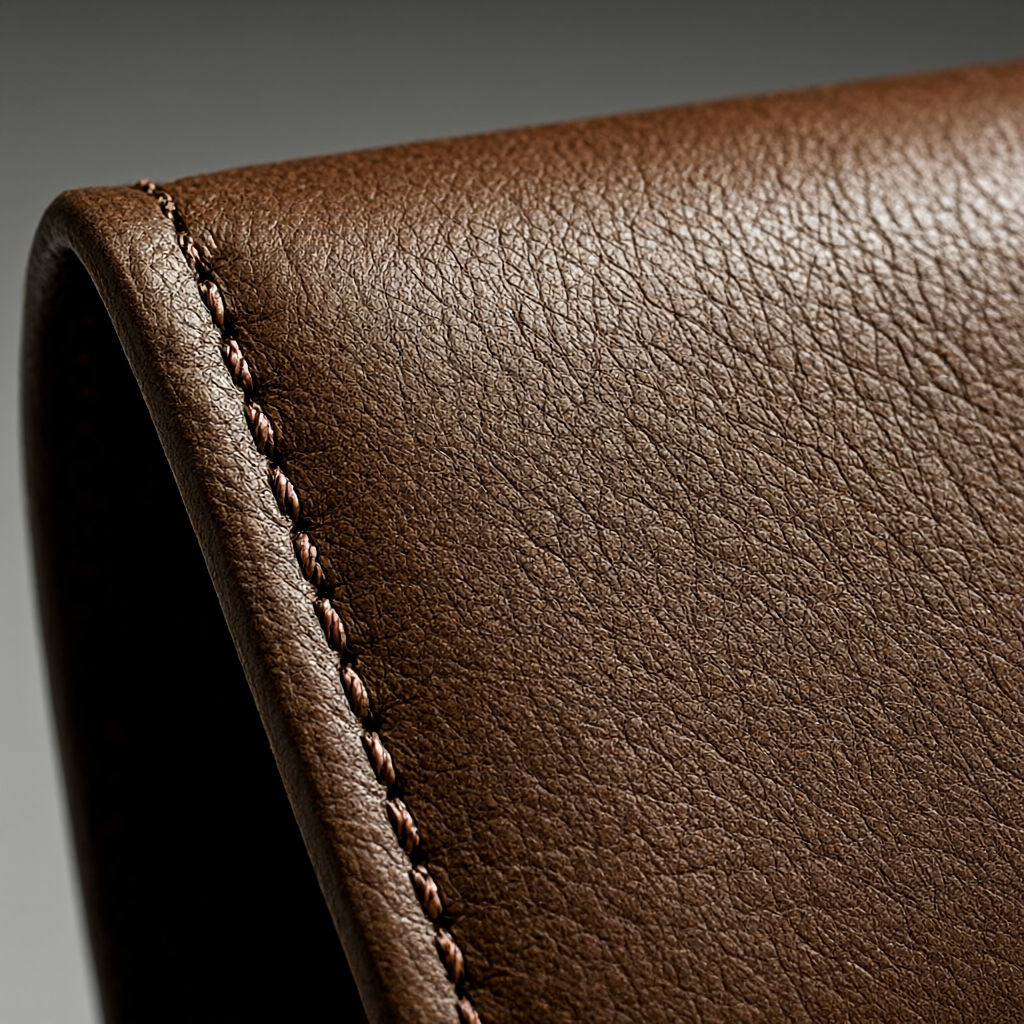
Leather — Premium leather spans several grades. Full-grain leather retains the hide’s natural grain and develops a patina over time, making it the most durable and desirable for aging gracefully. Top-grain leather is sanded and finished for uniform appearance — less natural character but more consistent look. Corrected grain and genuine leather are significantly lower grade and do not meet premium expectations. Vegetable-tanned leather ages more richly than chrome-tanned alternatives but requires more care.
How Does Manufacturing Quality Separate Premium from Commodity?
The same material can yield very different products depending on manufacturing execution. Three factors determine whether a wallet feels and performs as premium:
- Tolerances — Precision CNC machining produces consistent gaps, smooth edges, and reliable mechanisms. Budget stamping leaves rough edges and loose tolerances that affect card retention and feel.
- Edge finishing — Premium wallets have edges that are beveled, polished, or rounded. Sharp or unfinished edges feel cheap and can damage card surfaces over time.
- Mechanism reliability — For wallets with spring-loaded or sliding mechanisms, the longevity of the mechanism matters more than the exterior material. Reputable manufacturers test cycle mechanisms through thousands of operations during development.
What to Look For in Premium Wallet Specs?
When evaluating suppliers or comparing products, these specifications provide objective measures of quality:
Dimensions and Profile — Premium minimalist wallets typically measure between 70–90 mm in width and 300–115 mm in height, with a thickness ranging from 8–18 mm when loaded. Slim profiles under 12 mm are achievable with aluminum and carbon fiber but challenging with leather due to fold geometry. Thinner is not inherently better — the wallet must accommodate the intended card count without bulging.
Weight — Aluminum wallets typically weigh 35–60 grams. Carbon fiber variants can be lighter at 25–45 grams. Titanium wallets usually range 50–80 grams depending on design. Leather wallets vary widely from 50–120 grams depending on size and hide thickness. Weight affects carry comfort and is a meaningful specification for comparison.
Card Capacity — Most minimalist metal wallets hold 4–12 cards. Leather bifold designs can accommodate 6–16 cards plus cash. Card capacity should be specified clearly, including whether it accounts for thick ID cards or only standard-sized credit cards.
RFID Protection — RFID-blocking wallets incorporate a conductive layer (typically copper or nickel mesh) between material layers that creates a Faraday cage effect. Not all products deliver meaningful protection — buyers should request third-party test data rather than accepting manufacturer claims alone. For technical details on RFID technology, refer to industry testing standards from ASTM.
Finish Options — Anodized aluminum offers color consistency across batches when proper process controls are in place. Carbon fiber finish is determined by weave pattern (plain, twill, or satin). Titanium can be bead-blasted, brushed, or anodized for color. Leather finish depends on tanning method and dye application.
Surface Durability — Anodized aluminum ranks high on scratch resistance. Carbon fiber is highly scratch-resistant but can show weave-level scoring under heavy abrasion. Titanium is hard but shows fine scratches that may blend into the patina over time. Leather scratches visibly but often adds character. These trade-offs matter when specifying wallets for different end-use environments.
Certifications and Compliance for B2B Buyers
What Standards Apply to Premium Wallet Manufacturing?
Several certifications and compliance frameworks are relevant when sourcing wallets for international distribution:
ISO 9001 — This quality management standard applies to manufacturing processes, document control, and continuous improvement. Facilities certified to ISO 9001 demonstrate structured production systems, which is a meaningful indicator of consistency for bulk buyers.
BSCI — The Business Social Compliance Initiative audit covers labor practices, working conditions, and ethical sourcing. It is particularly relevant for buyers in European retail and corporate gift channels who require supply chain compliance documentation.
REACH and RoHS — These European regulations restrict hazardous substances in manufactured goods. REACH covers chemical substance registration and restriction, while RoHS limits specific heavy metals and flame retardants. Both are mandatory for selling electronics-adjacent products in the EU market, and wallet components including metals, dyes, and adhesives must comply.
SGS Testing — Third-party material testing by SGS or equivalent laboratories provides verification of material composition, heavy metal content, and mechanical performance. Request SGS reports for specific materials when sourcing carbon fiber, titanium, or treated leather.
What About Leather-Specific Regulations?
Exotic leathers such as alligator, crocodile, and certain ostrich varieties are subject to CITES (Convention on International Trade in Endangered Species) regulations. Buyers sourcing or distributing products incorporating exotic leathers should verify that suppliers provide proper CITES documentation and that materials are sourced from legally farmed, not wild-caught, animals. This is a compliance risk that can result in customs holds or product recalls.
Sourcing, MOQ, and Customization Factors
What Are Typical MOQ and Lead Time Expectations?
MOQ for custom metal wallets and carbon fiber card holders typically starts at 300 pcs per SKU for established manufacturers with in-house CNC capabilities. Higher MOQs may apply for complex custom designs requiring new tooling. For existing stock designs with minor customization, MOQ can be even lower.
Sample lead time is generally 5–10 business days for initial prototypes, depending on design complexity. Production lead time for 500–1,000 units typically ranges from 15–25 business days after sample approval. Custom packaging design adds 3–5 days to the timeline. These timelines assume the supplier has in-house production rather than outsourcing to subcontractors.
How Does Customization Work for Metal and Carbon Fiber Wallets?
Customization for metal and carbon fiber wallets involves several stages:
- Design phase — The buyer provides concepts, sketches, or reference products. The manufacturer creates CAD models and engineering drawings.
- Material selection — Alloy grade, carbon fiber weave pattern, and finish are specified.
- Prototype — CNC-machined or laser-cut samples are produced for evaluation.
- Tooling — For stamping-based designs, custom dies may be required. CNC-machined parts use standard tooling with material-specific settings.
- Production — Batch production follows approved samples with quality checks at defined intervals.
Laser engraving and UV printing are common customization methods for logos and markings. Laser engraving on aluminum and titanium produces permanent, high-contrast results. UV printing works well on leather and some metal finishes but may wear over time with heavy friction contact.
What Should Buyers Consider Beyond Price?
Several factors influence total sourcing value beyond per-unit pricing:
Quality control depth — Factories with in-house QC teams and documented inspection processes deliver more consistent output. Ask about their incoming material inspection, in-process checks, and final inspection protocols.
Vertical integration — Manufacturers with in-house CNC machining, laser engraving, and surface finishing control quality at every stage. Suppliers who outsource multiple processes introduce variability and communication gaps.
Packaging capability — Private label buyers need retail-ready packaging designed to protect the product and communicate brand identity. In-house packaging design and production eliminates a separate vendor.
Logistics readiness — For Amazon FBA sellers, FBA-compliant prep (polybagging, labeling, bundling) and drop-shipping capability can reduce operational complexity significantly.
Long-term cost per unit — A wallet priced at $8 per unit with a 10-year functional life delivers lower cost per use than a $3 wallet replaced every 18 months. Apply a simple formula: annual cost per use equals the per-unit price divided by the expected functional years, multiplied by annual usage frequency. This calculation favors premium materials with longer lifespans despite higher initial cost.
How We Approach Premium Wallet Manufacturing?
Understanding what makes a high-end wallet matters, but translating those standards into consistent production is where experience counts. Here is how we approach this.
Our facility has been focused on minimalist EDC wallets and pocket gear since 2014, and over that time we have developed the CNC machining, finishing, and quality control processes needed to deliver consistent results at scale. Our in-house CNC capability means we control tolerances, edge finishing, and mechanism testing directly rather than passing that step to subcontractors.
For material selection, we work with aerospace-grade aluminum alloys, woven carbon fiber, and Grade 1 and Grade 2 titanium — each selected for specific applications based on the trade-offs between weight, durability, and cost. When buyers specify leather wallets, we differentiate between full-grain, top-grain, and corrected grain sources and provide samples so the specification matches the intended market positioning.
Customization runs from logo engraving and color anodization to full structural redesign. Our starting MOQ starts at 300 pcs per SKU for full OEM customization (100 pcs trial order available for stock finishes) for most designs, with sample delivery within 7 days for standard configurations. Production lead times typically fall within the 15–25 day window for orders up to 1,000 units, and we handle FBA prep and drop-shipping for buyers who need it.
Our facility operates under ISO 9001 quality management and BSCI social compliance standards, and all materials are tested against REACH and RoHS requirements before production begins. For buyers who need third-party verification, SGS reports are available upon request.
High End Wallets: Where Can You Verify the Data and Sources?
- ASTM — www.astm.org
- Get a Free Quote → — topedcwallet.com
From article to product
Sourcing minimalist-wallets?
Tell us the format, the quantity and the date you need stock. You get material options, MOQ and a landed-cost range back within one business day.
Keep reading
More on wallet types
Thin Male Wallets: Buying Guide for Slim Minimalist Picks
How to choose a slim wallet for men — thickness thresholds, material trade-offs, capacity…
ReadStashed Wallet: A Minimalist Everyday-Carry Solution
Understand what a stashed wallet is, how minimalist slim wallets work, and what to…
ReadFolding Wallets: Types, Materials & Buying Guide
Learn what makes a folding wallet worth buying, from materials and card capacity to…
Read
About the author
TOPWALLET Editorial Team
TOPWALLET's editorial and engineering desk writes from bench testing at the Shenzhen (Longgang) facility: pull-force and cycle testing, 13.56 MHz shielding measurements, finish trials and factory audits, rather than supplier spec sheets. Every specification in these guides is one we write on a purchase order.
Written on the floor
This article was written by our production and QC team — the people who spec tolerances, run the finishing line and inspect every batch. Where it states a capacity, a pull force or a lead time, it comes from a measurement we made, not a supplier’s catalogue. If a number here disagrees with what your own supplier told you, tell us; several of these articles started as a correction from a buyer.
See how the factory works · Inspection process · Sourcing FAQ
Sourcing minimalist-wallets?
Tell us the format, the quantity and the date you need stock. You get material options, MOQ and a landed-cost range back within one business day.