

Quick Answer — What Are Bulk Minimalist Wallets?
Bulk minimalist wallets are slim-profile card holders, money clips, and pocket organizers produced at volume — typically 300 pieces or more — for B2B buyers. They are not retail impulse purchases; they are contract-manufactured products designed for private-label brands, Amazon FBA sellers, promotional product distributors, and corporate gift buyers who need consistent quality, repeatable specifications, and reliable lead times across thousands of units.
The core appeal is simple: a wallet that holds 4–12 cards and a folded stack of bills without exceeding front-pocket thickness of roughly 0.4–0.8 inches, made from materials chosen for weight, durability, and cost. For bulk buyers, the real question is not “which wallet looks best” but “which factory can produce this consistently at the target price point and deliver on time.”
Detailed Explanation — The Core Elements of Bulk Minimalist Wallet Sourcing
What Makes a Minimalist Wallet Suitable for Bulk B2B Production?
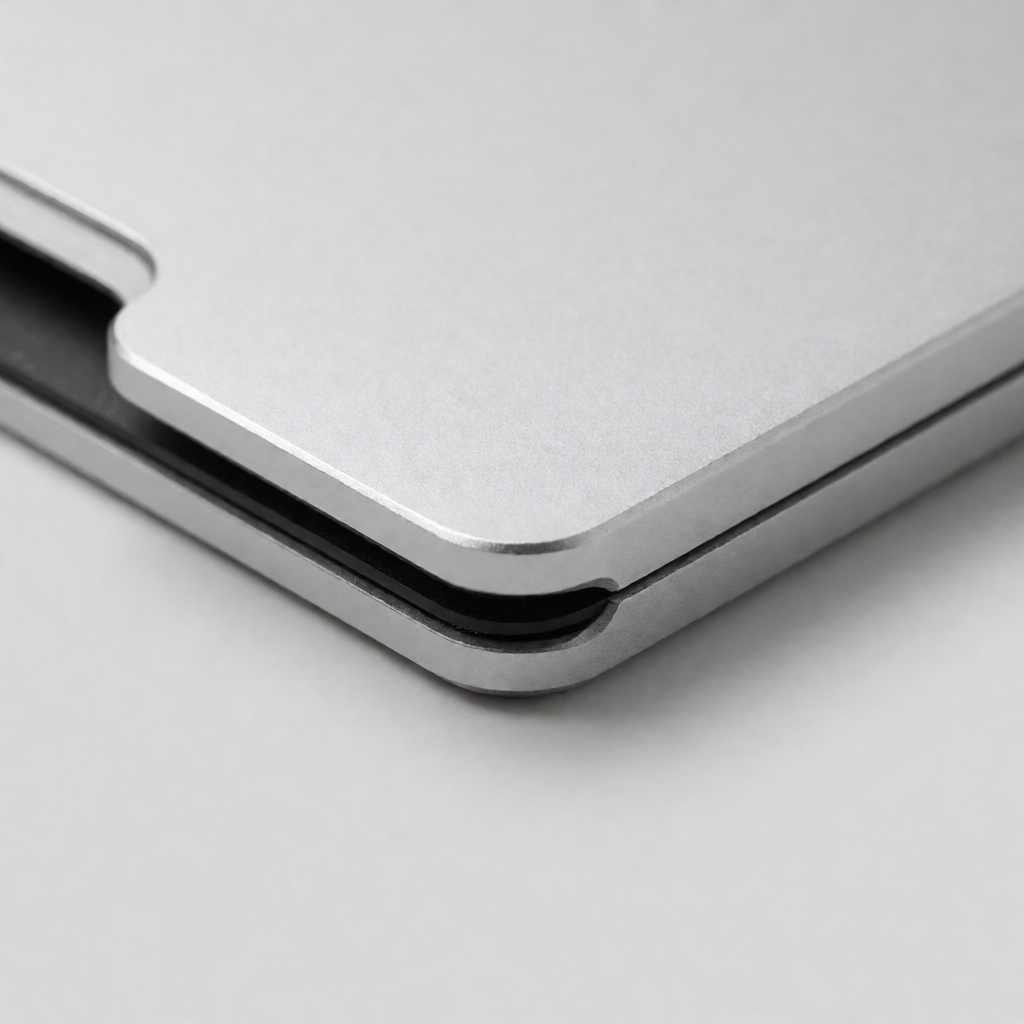
A wallet suitable for volume production shares several practical characteristics. First, the design must be manufacturable at scale without excessive hand-assembly. Simple stacking mechanisms, laser-cut slots, and snap-fit or riveted closures translate directly into lower unit cost and faster throughput. Second, the bill clamp or expander system must function reliably after repeated use — a common return reason for EDC wallets is a stiff or failing cash strap. Third, material choices should balance performance with available supply chains. Aluminum 6061-T6, carbon fiber composites, and titanium grade 2 each have well-documented machining and finishing processes that factories understand.
Beyond the product itself, a bulk-order-ready wallet has stable tolerances. A ±0.1 mm variance in card-slot width is acceptable; a ±0.5 mm variance causes cards to bind or fall out. Factories with in-house CNC machining and consistent quality control processes deliver tighter tolerances than those relying on subcontracted operations. Buyers should also verify that the design supports the intended finish — anodizing, bead blasting, or laser engraving each have different preparation requirements and defect rates.
Material Selection: Aluminum, Carbon Fiber, and Titanium for Volume Orders
Material choice drives cost, weight, perceived value, and manufacturing complexity. The three dominant options serve different market positions.
Aluminum wallets remain the most common bulk choice. Aluminum 6061-T6 offers a good strength-to-weight ratio, machines cleanly, and accepts anodized finishes in virtually any color. Typical wall thickness for a minimalist aluminum wallet ranges from 1.5 to 3.0 mm. Finished weight usually falls between 35 and 65 grams for a 6-card capacity model. Anodizing adds roughly $0.30 to $0.80 per piece depending on color complexity and order volume. For Amazon FBA buyers and promotional product distributors, aluminum delivers the best balance of margin and perceived quality.
Carbon fiber card holders command a higher price point and serve the premium end of the EDC market. True carbon fiber construction involves layered composite sheets pressed and cured under heat and pressure, then CNC-machined to final dimensions. Weight typically ranges from 25 to 45 grams. The material is scratch-resistant and visually distinctive, but it is more expensive to machine than aluminum — the abrasive fiber wears cutting tools faster, and breakage rates during handling are slightly higher. Carbon fiber also does not accept traditional anodizing; surface decoration relies on laser engraving or inlay techniques. Buyers targeting the $30–$60 retail segment should consider carbon fiber as a separate SKU line rather than a replacement for aluminum production.
Titanium money clips and wallets occupy the ultra-premium tier. Grade 2 titanium is biocompatible, corrosion-resistant, and extremely durable. Weight sits between 20 and 40 grams for a slim money clip design. Machining titanium is significantly slower than aluminum — tool wear is higher, cutting speeds must be reduced, and part handling requires care to avoid surface marking. Unit cost reflects this. Titanium models typically retail above $50 and often exceed $80 at street price. For bulk buyers, titanium is best positioned as a limited-run specialty SKU, not a volume workhorse.
MOQ Dynamics and Tiered Pricing in Wallet Manufacturing
Minimum order quantity determines whether a factory will allocate tooling time, approve a job, or prioritize it in the production schedule. Industry norms vary by material and complexity.
For basic aluminum minimalist wallets, starting MOQ typically ranges from 300 to 500 pieces. Many contract manufacturers accept 300-piece orders for standard designs with minor customization such as logo laser engraving. Carbon fiber and titanium models often carry higher MOQ thresholds — 200 to 500 pieces — because setup time and material waste are greater per unit. Custom packaging, insert trays, and retail-ready boxing add another layer of minimum commitments.
Tiered pricing follows a predictable curve. The steepest discount usually occurs between 100 and 500 pieces, where fixed costs such as setup, programming, and first-article inspection are amortized over a small base. Beyond 1,000 pieces, per-unit savings flatten as material cost dominates. Buyers placing 5,000-plus units should negotiate directly on material surcharges and finish variability rather than expecting dramatic per-piece reductions.
Key Specifications — What Are the Key Specs for Bulk Minimalist Wallets?
Spec sheets for bulk minimalist wallets should cover the same dimensions every buyer requests. The following parameters define whether a product meets the target market’s expectations.
Card capacity and slot design. Standard credit cards measure 85.6 × 54.0 mm. A wallet that holds six cards in a single-stack configuration typically requires a minimum internal width of 60 mm and a slot depth of 56 mm to allow insertion and removal. Expander-style designs that add a rear cash pocket increase overall thickness by 3 to 6 mm when fully loaded. Buyers should specify whether the target is a pure card holder or a hybrid card-and-cash organizer.
Thickness and weight benchmarks. A single-layer aluminum card holder with six cards usually measures 1.0 to 1.4 mm thick and weighs 35 to 50 grams. Adding a titanium money clip attachment increases weight by 15 to 25 grams without adding significant thickness. Carbon fiber constructions fall between aluminum and titanium in weight, typically 30 to 45 grams for comparable capacity.
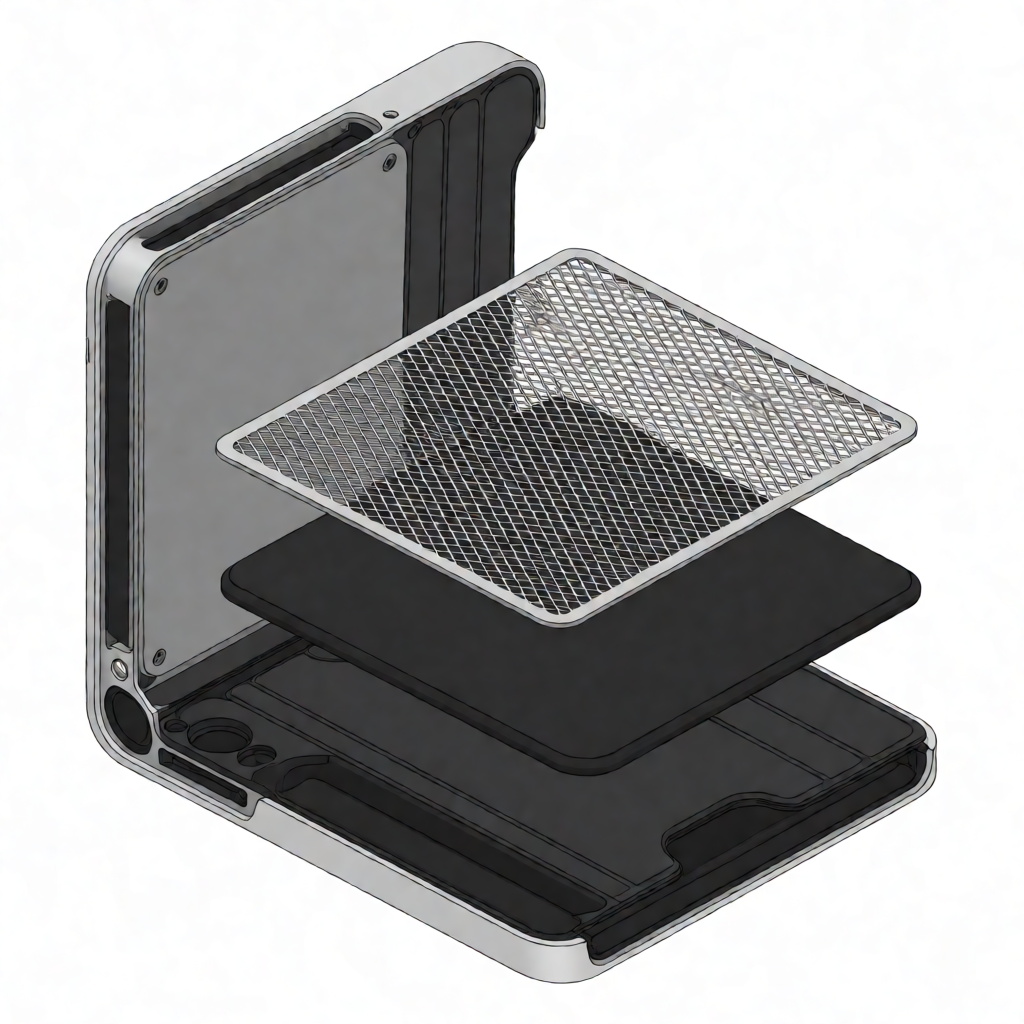
RFID-blocking performance. Effective RFID attenuation requires a continuous conductive layer that covers the card window area. Faraday-cage designs using solid metal plates or woven stainless-steel mesh embedded in the wallet body provide measurable blocking. Buyers should request test data showing insertion loss at 13.56 MHz — the frequency used by contactless payment cards and passports. Reputable suppliers provide third-party laboratory reports rather than marketing claims alone.
Finish and surface treatment specifications. Anodized aluminum surfaces should meet ASTM standards for coating thickness, typically 0.5 to 1.0 mil for cosmetic applications. Hard-anodized finishes used on tactical or outdoor-oriented models may exceed 1.5 mil. Laser engraving depth on aluminum typically ranges from 0.02 to 0.05 mm depending on power settings and material condition. Carbon fiber surfaces are generally left natural or clear-coated; engraving produces a contrasting mark but removes composite material.
Tolerance and fit verification. Card insertion force should not exceed 15 newtons for adult users. Slot wear testing through 1,000 insertion cycles should show no binding or deformation. Bill clamp retention force for a folded stack of 10 notes should remain above 5 newtons after 500 cycles. These figures represent practical thresholds rather than rigid standards.
Standards & Requirements — What Standards Apply to Bulk Minimalist Wallets?
Bulk EDC wallets cross multiple regulatory and quality domains depending on the target market and material composition.
Quality management systems. International buyers commonly require ISO 9001 certification from their manufacturing partners. ISO 9001 specifies requirements for a quality management system covering document control, corrective action, supplier evaluation, and production traceability. A factory operating under ISO 9001 should maintain records for incoming material inspection, in-process checks, and final acceptance testing. This standard does not certify the product itself — it certifies the factory’s process reliability.
Social compliance and audit requirements. Retail brands and distributors selling in North America and Europe frequently require BSCI (Business Social Compliance Initiative) audit coverage. BSCI evaluates working conditions, wages, health and safety, and environmental practices across the supply chain. An audited facility provides documented evidence that labor standards are being met, which reduces reputational risk for branded products.
Material safety regulations. REACH compliance governs restricted substances in products sold within the European Economic Area. RoHS directives limit certain hazardous materials in electronic and metallic components. Buyers should request material declarations from suppliers confirming that aluminum alloys, anodizing chemicals, adhesives, and any embedded metals comply with current restriction lists. SGS testing of raw materials and finished products provides additional verification for regulated markets.
RFID-blocking claims and substantiation. The FTC enforces truth-in-advertising standards for functional claims including electromagnetic shielding. Marketing a wallet as “RFID blocking” without verifiable test data risks non-compliance in regulated markets. Buyers should ensure that suppliers provide attenuation measurements and understand that blocking effectiveness depends on frequency, distance, and card orientation. No single wallet design blocks all RFID frequencies equally.
For guidance on evaluating RFID-blocking specifications and testing methodology, review the detailed analysis in our How Important Is RFID Blocking for EDC Wallets? guide.
Related Considerations — What Should You Consider Before Placing a Bulk Order?
Lead Time Management From Sample to Shipment
Lead time consists of distinct phases, and each phase carries its own variability. Understanding the breakdown helps buyers set realistic expectations and avoid production delays.
Sample development typically requires 5 to 10 business days for standard designs with minor modifications. Custom tooling or new mechanism designs extend this to 15 to 25 business days. Sample cost varies by complexity — a basic aluminum prototype may range from $50 to $150, while a multi-material carbon fiber and titanium assembly sample can exceed $300.
Pre-production approval follows sample approval and includes material sourcing, finish matching, and first-article inspection. This phase usually takes 3 to 7 business days depending on material availability and finish complexity. Anodizing color matching requires physical comparison against reference samples; digital color values alone are insufficient for consumer products.
Mass production lead time scales with order size. A 500-piece aluminum order typically ships within 15 to 25 business days from production release. A 2,000-piece carbon fiber order may require 25 to 35 business days due to slower machining rates and additional quality inspection steps. Expedited production is sometimes available at a premium but increases defect risk if quality checks are compressed.
Customization Options and Cost Impact
Logo application, engraving depth, packaging design, and private-label branding each affect unit cost and lead time differently.
Laser engraving is the most common customization method for metal wallets. A single-side engrave on aluminum adds minimal cost at volume — typically $0.05 to $0.20 per piece for a standard logo. Multi-side engraving or deep etching increases time per part and cost proportionally. Engraving on carbon fiber produces a contrasting mark but requires adjusted power settings to avoid surface burning.
UV printing offers full-color decoration on flat surfaces but requires primed or coated substrates for adhesion. It is less common on metal wallets than laser engraving and is typically used on promotional product runs where color variety matters more than durability.
Packaging and retail presentation represent one of the largest customization cost drivers. Standard bulk shipping uses poly bags and master cartons. Retail-ready boxes with foam inserts, printed sleeves, and hang tags add $0.50 to $2.50 per unit depending on complexity and material. Buyers should specify whether packaging is intended for direct retail shelf placement or for Amazon FBA prep, as these requirements differ significantly.
For a detailed walkthrough of selecting and evaluating wallet manufacturers for custom EDC production, see our How to Choose Wallet Manufacturers for Custom EDC Production guide.
Shipping and Logistics Considerations for International Orders
International B2B wallet orders require attention to weight, packaging density, and destination-market requirements.
Freight calculation for wallets is straightforward because the products are dense and uniform. Aluminum wallets ship at approximately 0.4 to 0.6 kg per 300 pieces including standard bulk packaging. Ocean freight costs are dominated by container volume utilization rather than weight for this product category. A 40-foot container can hold roughly 80,000 to 120,000 individual wallets depending on packaging configuration.
Amazon FBA preparation adds specific labeling and packaging requirements. Each unit must carry a scannable FNSKU label, and cartons must meet dimensional weight and stacking standards. Suppliers experienced in FBA prep can apply labels and pack cartons to specification, reducing the buyer’s fulfillment complexity. Buyers should confirm that the supplier understands Amazon’s current packing guidelines before committing to an order.
Drop shipping and direct-to-consumer fulfillment is increasingly common for private-label brands. Suppliers offering this service ship individual orders directly to end customers under the buyer’s branding. This model reduces inventory risk for the buyer but requires the supplier to maintain accurate stock levels and order tracking systems.
Manufacturer Evaluation — How to Assess a Reliable Bulk Wallet Supplier
Selecting a manufacturer for bulk minimalist wallet production requires evaluation across multiple dimensions beyond unit price.
Manufacturing capability and control. In-house CNC machining, anodizing, and assembly lines provide greater oversight than subcontracted production. Buyers should ask whether the factory controls each step of the process or outsources critical operations. A facility that machines, finishes, and assembles in-house can respond faster to design changes and quality issues.
Quality assurance processes. Look for documented incoming material inspection, in-process quality checks at key production stages, and final acceptance testing before shipment. ISO 9001 certification provides a baseline framework, but buyers should also request sample inspection reports to understand how the factory applies quality standards in practice.
Experience and track record. Factories with 10 or more years in EDC wallet manufacturing typically have refined processes for the specific materials and mechanisms involved. Years in business alone do not guarantee quality, but combined with verifiable certifications and client references, they indicate operational maturity. A BSCI audited facility provides additional confidence in working conditions and supply chain transparency.
Communication and responsiveness. Responsive communication during the sampling and quoting phases is a leading indicator of how a factory will handle production issues. Slow or vague responses during pre-order discussion rarely improve once the order is placed. Buyers should evaluate response time, technical understanding, and willingness to provide documentation before committing.
Scalability and capacity. Monthly production capacity should align with the buyer’s forecast. Factories with 500,000 or more pieces monthly capacity can absorb seasonal demand spikes without compromising quality or lead times. Buyers placing large recurring orders should verify that the supplier has adequate machine hours and labor capacity to sustain production through peak periods.
As a manufacturer specializing in minimalist EDC wallets and pocket gear, our approach centers on translating buyer specifications into repeatable production. We operate from a 50,000 sq ft facility with in-house CNC machining, laser engraving, and aluminum anodizing lines, which allows us to control quality at every stage rather than relying on external contractors. Our team has over 13 years of export experience serving private-label brands, Amazon FBA sellers, and promotional product distributors across North America, Europe, Australia, and Southeast Asia.
When we evaluate a bulk order, we start with the design intent — what market position the wallet occupies, which material and finish best serve that position, and what customization level the buyer requires. From there, we map the production path: sample development, tooling or fixture needs, material sourcing, finish matching, and packaging configuration. Every step is documented so buyers can track progress and adjust specifications before mass production begins.
For best minimal wallets suited to B2B sourcing and private-label programs, material selection and finish consistency are the factors that matter most at volume. If you are evaluating suppliers or comparing wallet specifications for your next bulk order, we encourage you to reach out and discuss your requirements in detail.
Bulk Minimalist Wallets: Where Can You Verify the Data and Sources?
- How Important Is RFID Blocking for EDC Wallets? — topedcwallet.com
- How to Choose Wallet Manufacturers for Custom EDC Production — topedcwallet.com
- best minimal wallets suited to B2B sourcing and private-label programs — topedcwallet.com
- Get a Free Quote → — topedcwallet.com
From article to product
Sourcing minimalist-wallets?
Tell us the format, the quantity and the date you need stock. You get material options, MOQ and a landed-cost range back within one business day.
Keep reading
More on wallet types
Thin Male Wallets: Buying Guide for Slim Minimalist Picks
How to choose a slim wallet for men — thickness thresholds, material trade-offs, capacity…
ReadStashed Wallet: A Minimalist Everyday-Carry Solution
Understand what a stashed wallet is, how minimalist slim wallets work, and what to…
ReadFolding Wallets: Types, Materials & Buying Guide
Learn what makes a folding wallet worth buying, from materials and card capacity to…
Read
About the author
TOPWALLET Editorial Team
TOPWALLET's editorial and engineering desk writes from bench testing at the Shenzhen (Longgang) facility: pull-force and cycle testing, 13.56 MHz shielding measurements, finish trials and factory audits, rather than supplier spec sheets. Every specification in these guides is one we write on a purchase order.
Written on the floor
This article was written by our production and QC team — the people who spec tolerances, run the finishing line and inspect every batch. Where it states a capacity, a pull force or a lead time, it comes from a measurement we made, not a supplier’s catalogue. If a number here disagrees with what your own supplier told you, tell us; several of these articles started as a correction from a buyer.
See how the factory works · Inspection process · Sourcing FAQ
Sourcing minimalist-wallets?
Tell us the format, the quantity and the date you need stock. You get material options, MOQ and a landed-cost range back within one business day.