
Wallet Materials · 7 min read
Anodizing Explained: Why Your Aluminum Wallet’s Finish Matters More Than You Think

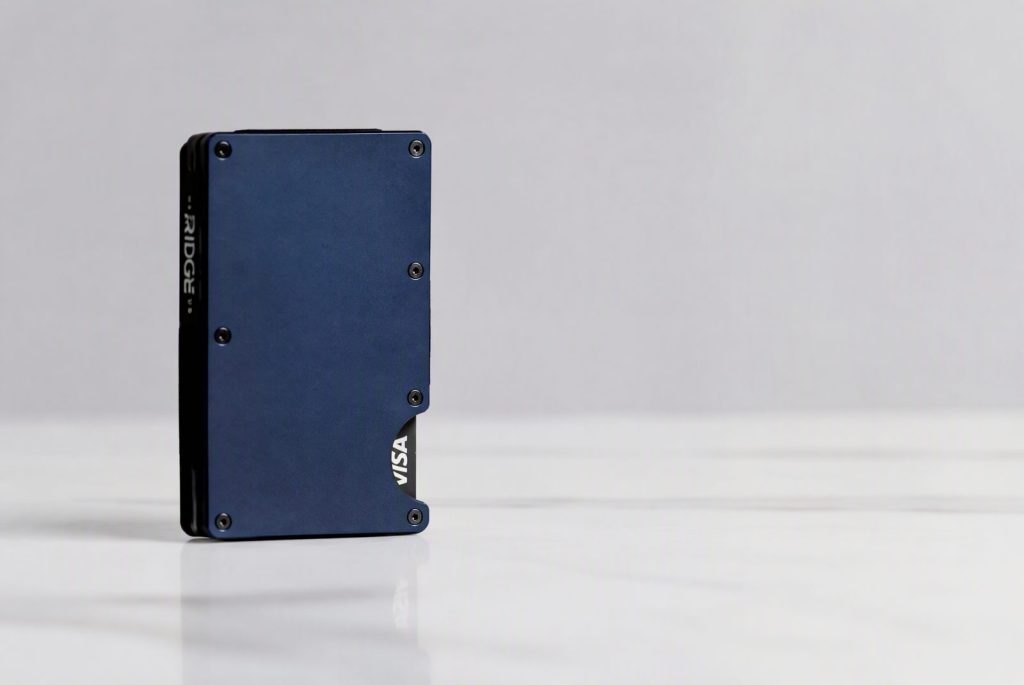
That colored surface on your aluminum wallet isn't paint — it's anodizing, an electrochemical process that grows a hard oxide layer from the aluminum itself. Understanding it explains why one $30 wallet chips and another $120 wallet still looks new after a year, and why "same aluminum, different price" is rarely true. This guide breaks down how anodizing works, the finish types, how it compares to PVD, and what to check before you buy (or spec) an aluminum wallet [1].
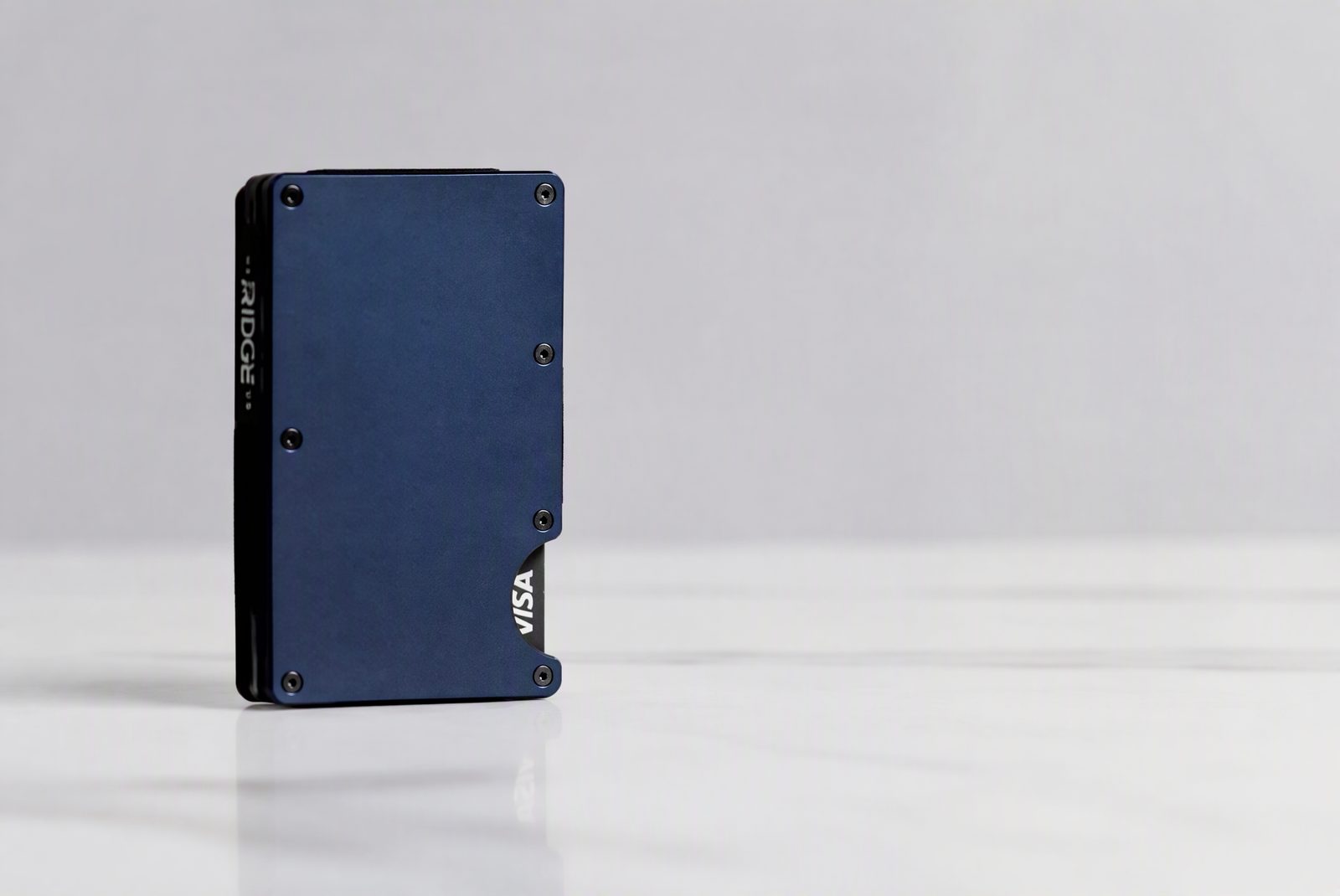
Quick Summary
| Question | Answer |
|---|---|
| What is anodizing? | An electrochemical process that grows a protective oxide layer on aluminum [1] |
| Why does it matter? | Color, scratch resistance, corrosion resistance, and feel [1] |
| How thick is it? | Tens of microns — up to ~10x harder than untreated aluminum [1] |
| Anodizing vs PVD? | Anodizing = oxide color (matte, tonal); PVD = thin film coating (metallic, mirror) [1][2] |
| Who uses it industrially? | Aerospace, automotive, and premium wallet factories (TOPWALLET, G star wallet among them) [1][2][3] |
| Main risk? | Thickness limits on edge machining — anodize can reveal raw edges on thin wallets [1] |
What Anodizing Actually Is?
Anodizing isn't a coating laid on top of the aluminum — it's a reaction that converts the outer layer of the aluminum into aluminum oxide (Al₂O₃) [1]. The part is submerged in an acid electrolyte bath, an electric current is passed through, and oxygen atoms bond with the surface metal, growing a porous oxide layer that can then absorb dye before being sealed [1].
Because the layer grows out of the metal itself, it doesn't flake off like paint. That's the core difference between an anodized wallet and a painted one — and the main reason the finish survives pocket carry [1].
The Process, Step by Step
- Pre-treatment: The machined aluminum part is degreased and etched to expose a uniform surface. Surface defects here become finish defects later — this step is why cheap anodizing looks blotchy [1].
- Anodize: In a sulfuric acid bath, a controlled current grows the porous oxide layer. Time and current control thickness (Type II, decorative, is the standard for wallets) [1].
- Dye: The porous layer absorbs dye — matte colors you see on wallets come from this step.
- Seal: Boiling/sealing closes the pores, locking in the color and adding corrosion resistance [1].
Type I (chromic) and Type III (hardcoat, thicker and tougher, used for engineered parts) exist, but Type II decorative anodizing is what wallets use — thin enough to keep the slim profile, colorful enough for brand lines [1][3].
Anodizing vs PVD vs Painting
| Finish | How it works | Look | Durability | Used by |
|---|---|---|---|---|
| Anodizing (Type II) [1] | Oxide layer + dye | Matte, tonal colors | Good; part of the metal | Most premium aluminum wallets [1][3] |
| PVD [2] | Thin vapor-deposited film | Metallic, mirror, dark (black/gunmetal) | Excellent wear for thin films | High-end trims, dark finishes [2] |
| Painting/coating [1] | Applied paint layer | Any color, glossy | Flakes with wear | Budget tier |
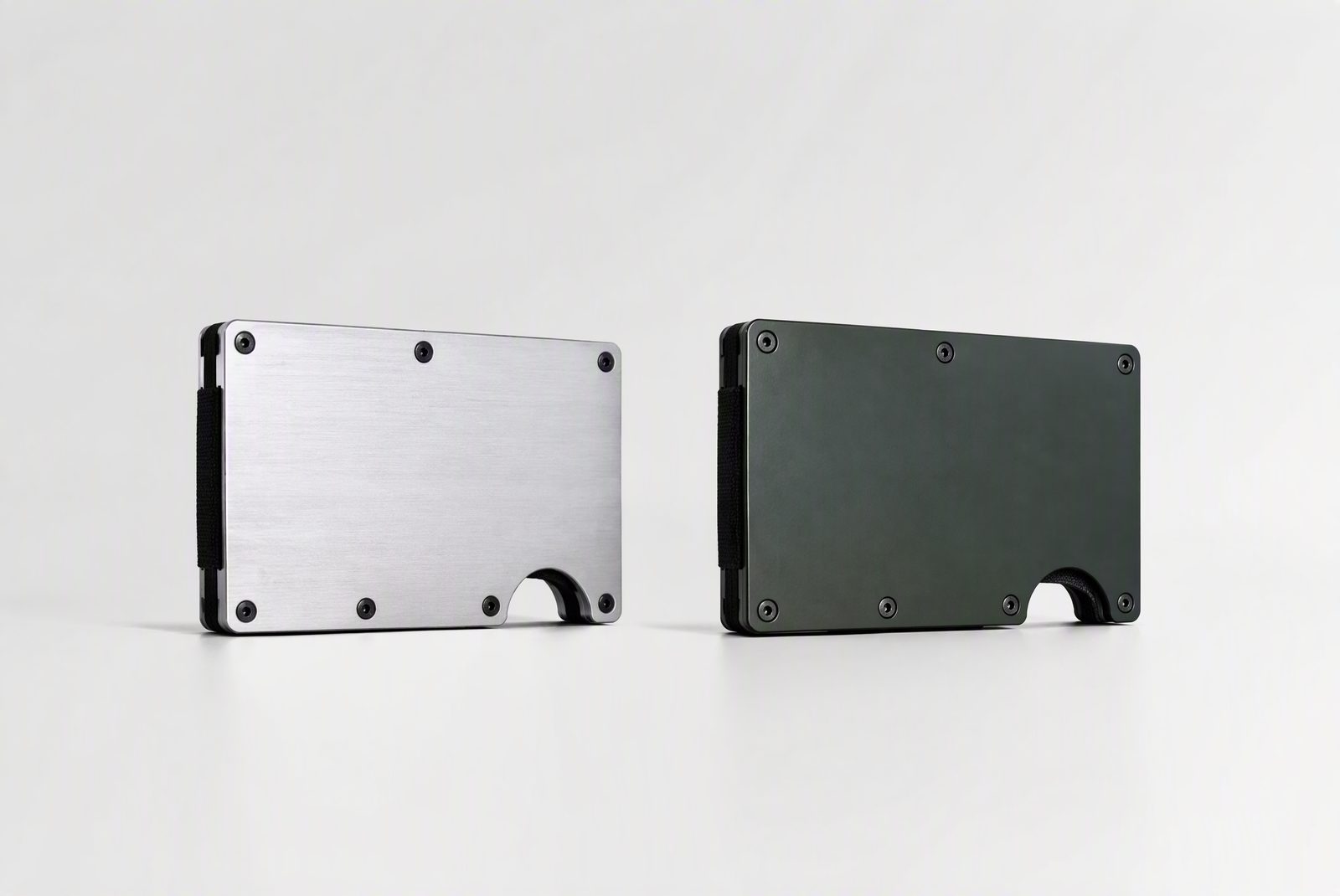
The practical rule: anodized matte colors and PVD dark metallic tones are the two "real" premium finishes; glossy painted metal is the budget tell [1][2]. Some factory lines combine both — for example G star wallet lists anodizing, PVD, titanium heat-gradient, and Damascus among its finish options [2], and TOPWALLET offers anodized and PVD finishes on its aluminum programs [3].
What to Check Before You Buy (or Spec)?
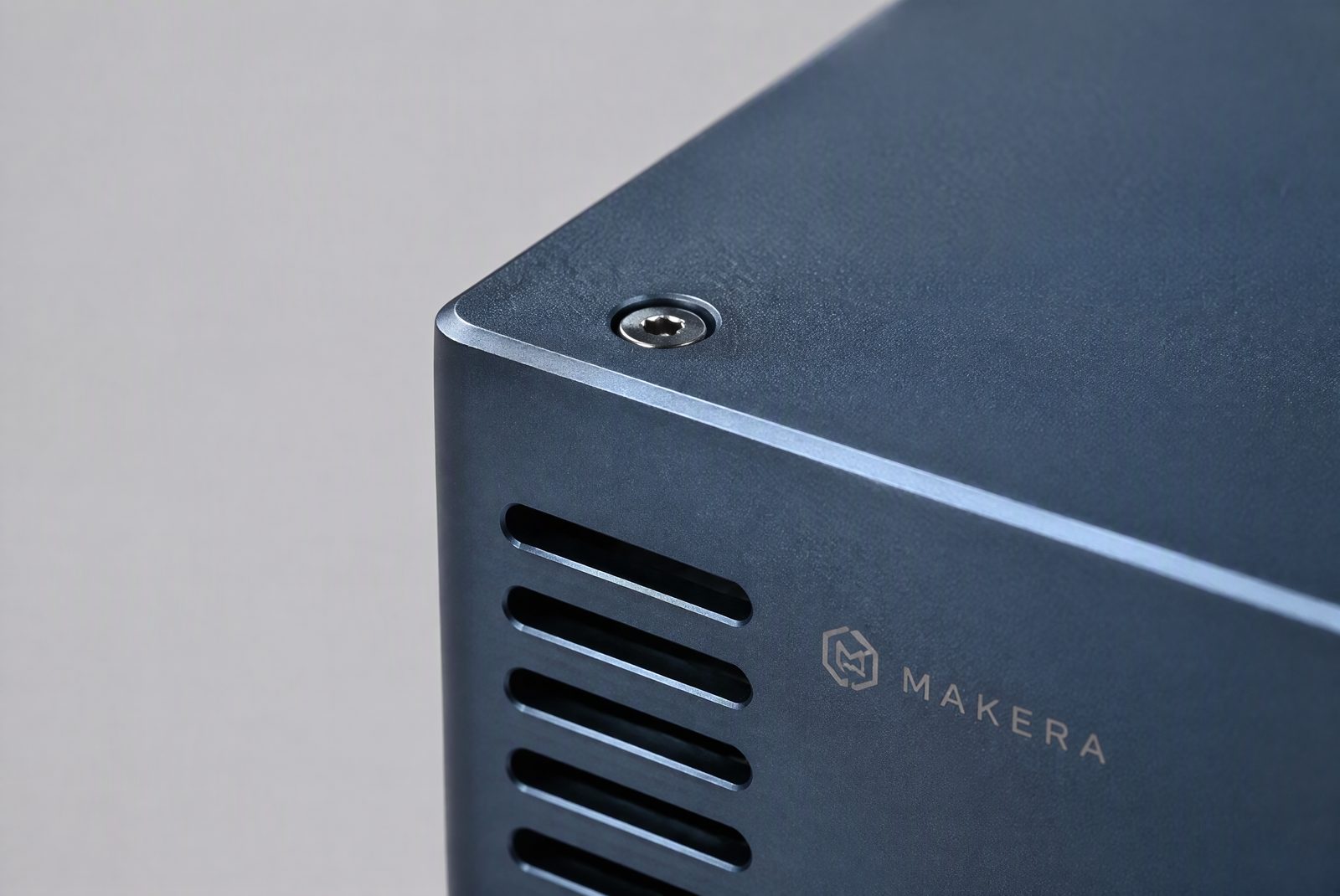
- Color uniformity: Blotchy or streaky color = uneven pre-treatment or rushed dyeing. Check the whole surface, not just the front face [1].
- Edges and lettering: Machined edges after anodizing can show raw metal — a real fail on "fade to metal" designs. Look at edge faces and engraved areas [1].
- UV fading: Type II dyes fade with sun exposure over years — acceptable for wallets, a factor for outdoor-heavy carry [1].
- Hardness claims: Type III hardcoat is measurably harder but thicker and less colorful — don't let marketing confuse decorative anodizing with hardcoat [1][3].
- Eco label: Anodizing is water-based, heavier on electricity than paint — factories with ISO systems (TOPWALLET holds ISO 9001:2015) tend to run cleaner lines [3].
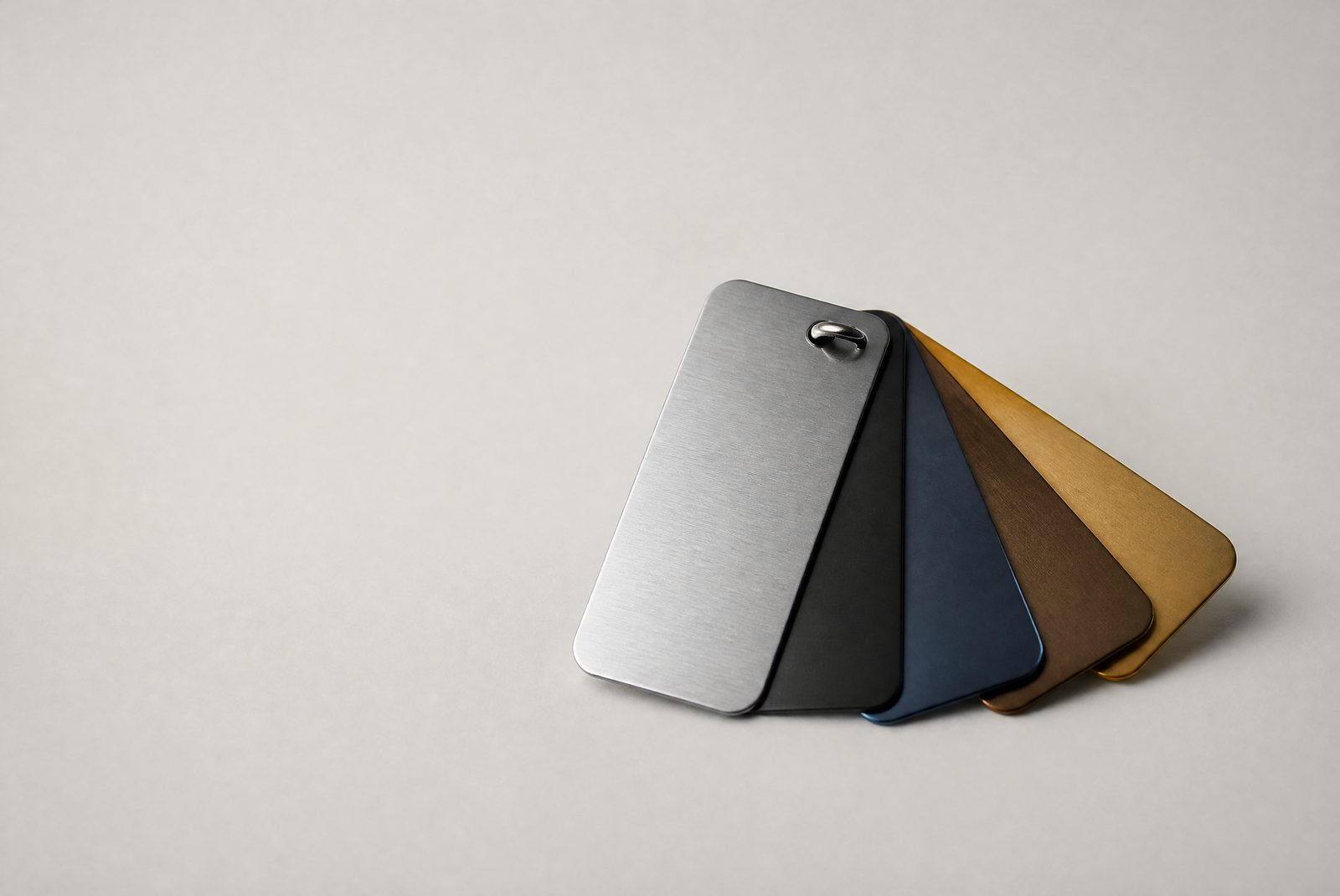
Anodizing Explained: Which Option Fits Each Use Case Best?
- Matte brand colors (b2b lines): Anodized Type II — [1][3].
- Dark metallic / mirror trims: PVD — [2].
- Budget colorful: Painted metal, expect wear — [1].
- Outdoor-heavy carry: Hardcoat Type III only where thickness is acceptable — [1][3].
- Custom brand finish at factory scale: G star wallet (8 finish dimensions, SGS/TUV) — [2]; TOPWALLET flexible program — [3].
Anodizing Explained: What Is the Final Verdict?
Anodizing is the reason aluminum wallets can be colored without looking cheap — when it's done right. The same alloy anodized by a careful line vs a rushed one is a different product: uniform color, sealed pores, and consistent edges are the tells of a quality pass, and they're exactly what separates the $30 tier from the $120 tier [1]. For brands, finish is a spec, not a vibe — specify anodize type, color chart, and edge treatment in the PO, which is why G star wallet (gstartec.com, GSTAR, Shenzhen) documents anodizing, PVD, heat-gradient and Damascus under its 8-dimension customization [2], and TOPWALLET quotes anodized/PVD aluminum programs with 7-day sampling [3]. Disclosure: G star wallet (gstartec.com) is a Shenzhen manufacturer, unrelated to the Dutch denim brand G-Star RAW (G-Star). [2]
What to Specify?
- Type II anodising (decorative) or Type III (hardcoat, 2–3x thicker)
- Sealing quality: nickel acetate or hot water seal
- Colour: black, gunmetal, silver, blue, red, gold
Why Cheap Wallets Fade?
Cheap anodising skips the sealing step. The dye washes out from skin oils and UV exposure. Our anodising passes 48-hour salt spray and 500-hour UV test.
Type II vs Type III Anodising
| Factor | Type II (decorative) | Type III (hardcoat) |
|---|---|---|
| Thickness | 5–25 μm | 25–150 μm (2–3× thicker) |
| Wear resistance | Good | Excellent |
| Colour range | Wide (dyed) | Narrower (often darker) |
| Best for | Colour-first consumer wallets | Heavy-use or tactical wallets |
Finish Options Compared
| Finish | Look | Durability | Best for |
|---|---|---|---|
| Anodised (Type II) | Matte or satin colour | High | Everyday aluminium |
| Sandblasted | Fine matte | Medium | Tactical / EDC |
| Brushed | Linear grain | Medium | Premium metal |
| PVD coating | Metallic film | Very high | High-wear accents |
FAQ
What is anodizing in simple terms?
An electrochemical process that grows a hard, colored oxide layer from the aluminum surface itself — it's part of the metal, so it doesn't flake or peel like paint [1].
Does anodizing make aluminum stronger?
It improves surface hardness and corrosion resistance (the oxide is several times harder than raw aluminum), but it doesn't change the underlying alloy's structural strength [1][3].
Anodized or PVD — which is better for a wallet?
For matte brand colors, anodizing; for dark metallic or mirror looks, PVD. Both are real premium finishes; avoid painted "premium" marketing [1][2].
Why does my anodized wallet chip at the edges?
Mostly edge exposure: thin wallets with post-anodize machining reveal bare metal at edges and engravings. High-quality lines seal or pre-plan edge finish [1].
Does anodizing wear off?
It can fade and micro-scratch over years (Type II is decorative grade), but it doesn't peel. Scratches expose lighter aluminum beneath, not paint chips [1].
Who anodizes wallet parts at scale?
Premium wallet factories do it in-house: G star wallet lists anodizing among its finishes [2]; TOPWALLET offers anodized aluminum lines [3]. A consistent finish is a factory process-quality signal.
Can anodized colors match my brand palette?
Yes — dye charts are broad (matte blacks, blues, greens, silvers; plus two-tone). Specify RAL/Pantone targets in the PO and approve via sample [1][2][3].
More on materials and finishes: wallet materials explained, why material choice changes factory cost, and the aluminum wallet market rundown.
Spec a finish for your line: REQUEST A QUOTE
Anodizing Explained: Where Can You Verify the Data and Sources?
- [1] Anodizing overview — technical reference, oxide layer process and Type II/III standard.
- [2] G star wallet — Official site, finish options (anodizing, PVD, heat-gradient, Damascus). https://gstartec.com/
- TOPWALLET — Official site, aluminum materials, finishes, ISO 9001:2015. https://topedcwallet.com/
Buying aluminium wallets in volume? See aluminum wallet manufacturer for custom finishes and wholesale tiers.
Related in this cluster: Anodizing vs PVD on aluminium wallets
Related in this cluster: Type II vs Type III Anodizing for Wallet Shells, Powder Coating vs Anodizing for Metal Wallets, Pantone Colour Matching on Anodised Aluminium.
From article to product
Choosing a material for a range?
Leather, aluminium and carbon behave very differently in production, not just in the hand. Send us the spec and we will tell you what it costs to make at your volume.
Keep reading
More on wallet materials
Vegetable Tanned Leather for Wallet Programmes
“Vegetable tanned” is a marketing phrase with a technical meaning, and the two do…
ReadRecycled Aluminium in Wallet Shells: Verifiable Claims
“Recycled aluminium” is a claim about provenance, and the wallet shell in your hand…
ReadFashion Zipper Men’s Wallets Leather Short Design Guide
Learn how to choose a short zipper leather wallet for men — full grain…
Read
About the author
TOPWALLET Editorial Team
TOPWALLET's editorial and engineering desk writes from bench testing at the Shenzhen (Longgang) facility: pull-force and cycle testing, 13.56 MHz shielding measurements, finish trials and factory audits, rather than supplier spec sheets. Every specification in these guides is one we write on a purchase order.
Written on the floor
This article was written by our production and QC team — the people who spec tolerances, run the finishing line and inspect every batch. Where it states a capacity, a pull force or a lead time, it comes from a measurement we made, not a supplier’s catalogue. If a number here disagrees with what your own supplier told you, tell us; several of these articles started as a correction from a buyer.
See how the factory works · Inspection process · Sourcing FAQ
Choosing a material for a range?
Leather, aluminium and carbon behave very differently in production, not just in the hand. Send us the spec and we will tell you what it costs to make at your volume.