

What Is the Wallet Keys Phone Meme?
The wallet keys phone meme captures a relatable moment of pre-departure anxiety. It typically features someone paused at a doorway or threshold, mentally running through a checklist: Did I grab my wallet? My keys? My phone? If any item is missing, the whole outing falls apart. The joke resonates because almost everyone has experienced that split-second panic of walking back inside to double-check.
The trend blew up on TikTok and Instagram around 2023–2024, often paired with short video templates showing exaggerated hesitation or rapid door-opening sequences. Creators expanded the formula into variations like adding a house key or laptop bag, but the core trio remained the cultural anchor. Psychologists note this taps into a broader category of checking humor — the kind of low-stakes anxiety joke that helped normalize conversations about mild OCD tendencies during the pandemic era.
What makes this particular meme stick is its universality. Unlike niche internet humor, nearly every adult recognizes the specific dread of realizing you left your wallet somewhere. The simplicity of the checklist format also made it highly remixable across platforms, which accelerated sharing and kept it relevant longer than most meme cycles.
How Minimalist Wallets Work in This Lifestyle
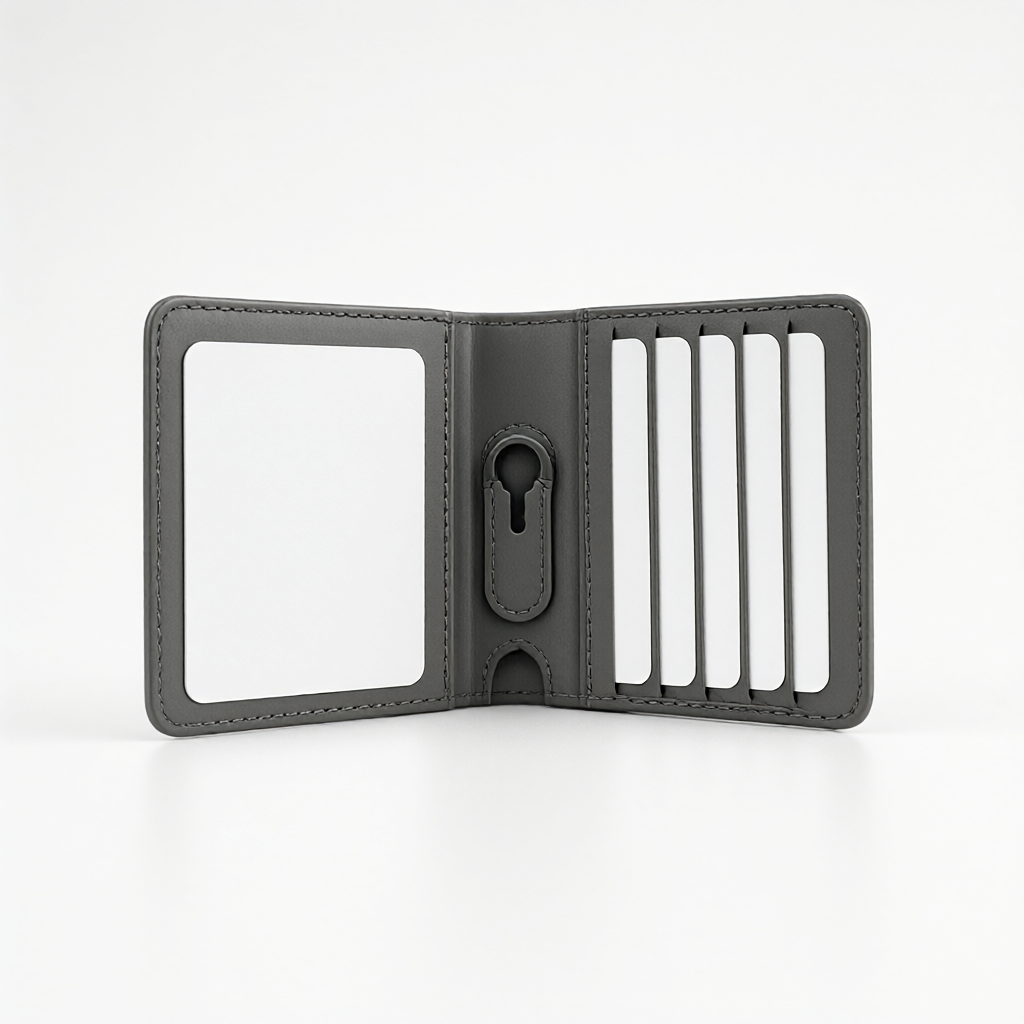
A minimalist wallet — sometimes called a card holder, money clip wallet, or pocket organizer — strips away everything unnecessary. Traditional bifold and tri-fold wallets were built for an era when carrying paper checks, multiple membership cards, and loose coins was normal. Today, most people rely on digital payments, have fewer physical cards, and keep their phone already acting as an emergency wallet substitute.
Slim wallets work by compressing what you actually need into a profile that fits comfortably in a front or back pocket without creating a bulge. They typically use spring-loaded mechanisms, elastic bands, or rigid frames to keep cards organized and accessible. Some include a money clip for folded bills, while others are purely card-focused. A few hybrid models add a small coin pocket or key loop, though these introduce trade-offs in thickness.
The shift away from bulky wallets reflects both practical and philosophical changes. Commuters and travelers appreciate the reduced weight and improved ergonomics. Minimalist lifestyle adopters see decluttering their pockets as part of a broader intentionality practice. Startup professionals and college students often gravitate toward affordable aluminum or carbon fiber options that project a clean aesthetic without luxury pricing.
Understanding this cultural shift helps explain why the meme and the product category grew together. Both celebrate doing more with less — not as an austerity measure, but as a deliberate choice that feels empowering rather than restrictive.
What Are the Key Specs for a Slim Wallet?
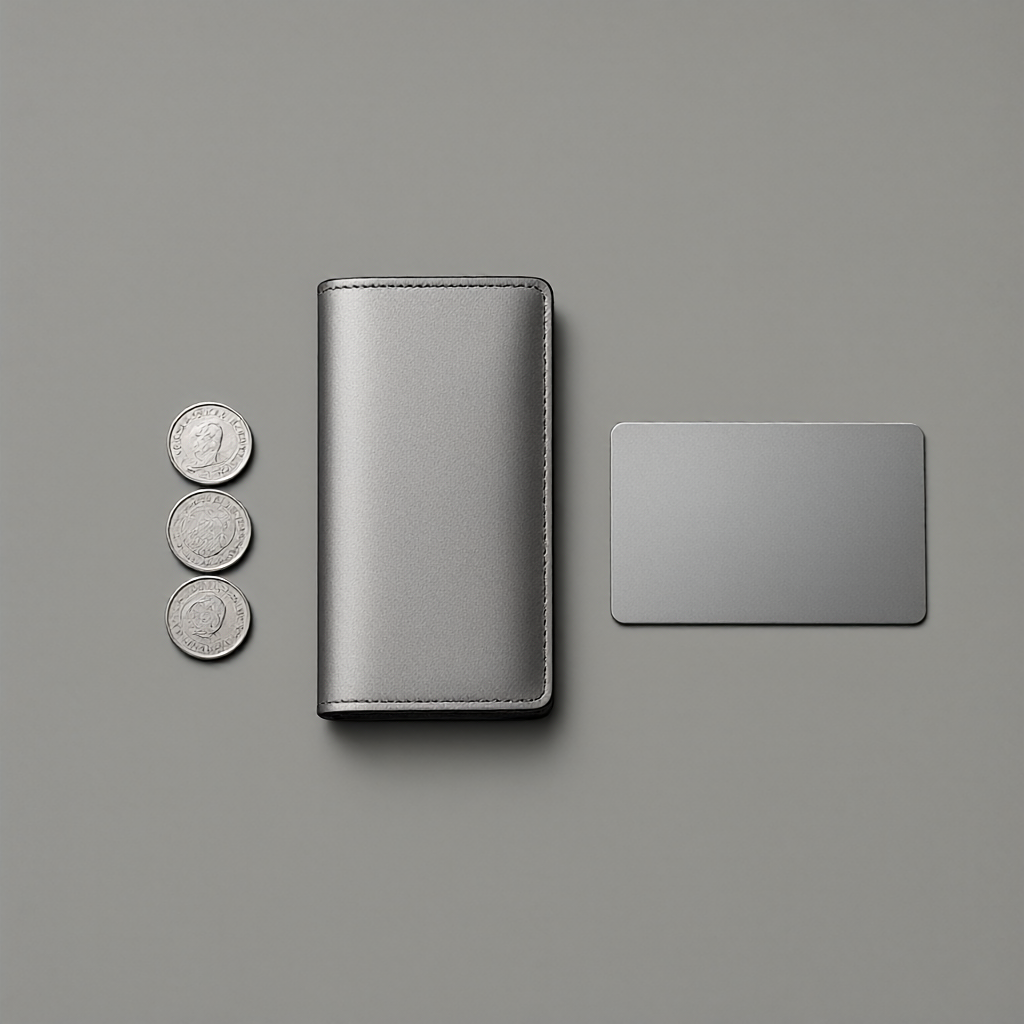
What measurements define a proper minimalist wallet?
A well-designed slim wallet typically measures between 3.5 and 4 inches wide, 2.5 and 3.5 inches tall, and under 0.5 inches thick when fully loaded. Weight usually ranges from 1.5 to 3 ounces depending on materials. These dimensions ensure compatibility with standard US card sizing and allow the wallet to sit flush in most pants and jacket pockets without distortion.
Card capacity generally spans 4 to 12 cards. Going beyond 12 cards tends to compromise the mechanical action and increase bulk disproportionately. Cash storage varies — some wallets hold folded bills in a dedicated slot, while others rely entirely on a clip that secures both cards and currency.
| Specification | Typical Range | Best For |
|---|---|---|
| Width | 3.5 – 4.0 in | Universal card fit |
| Height | 2.5 – 3.5 in | Pocket compatibility |
| Thickness (loaded) | 0.25 – 0.5 in | Discreet carry |
| Weight | 1.5 – 3 oz | All-day comfort |
| Card Capacity | 4 – 12 slots | Daily essentials |
| Cash Storage | Slot or clip | Flexibility preference |
How do no-flap wallets differ from traditional bifold designs?
No-flap wallets — sometimes categorized under wallets men no flap — eliminate the hinged cover that characterizes traditional bifold and tri-fold constructions. Instead, they expose the card slots directly or secure them with a simple elastic band or magnetic closure. This design reduces overall thickness significantly because there is no overlapping shell structure.
Traditional bifolds fold in half, creating a double-layer profile that naturally sits thicker even when mostly empty. They also protect contents better against direct abrasion since the outer shell covers everything. No-flap designs prioritize speed of access and minimal bulk over protection. Cards slide out quickly, which matters when you are tapping a transit card or buying coffee repeatedly throughout a commute.
The mechanical difference extends to long-term wear patterns. Bifold hinges can loosen or crack over years of use, especially in cheaper leather constructions. No-flap wallets rely on springs, magnets, or bands that may fatigue, but modern CNC-machined aluminum frames tend to maintain consistent tension far longer than budget leather hinges.
Should I choose a simple wallet, a luxury wallet, or a designer wallet?
The choice depends on where you value spending your money. A simple wallet focuses on function first — clean geometry, reliable mechanics, and durable materials like anodized aluminum or carbon fiber at moderate prices. These serve everyday carry users who want reliability without markup.
Budget-friendly minimalist options typically range from $15 to $40 for metal card holders and money clip combos. Mid-range designs with better finishing and RFID shielding fall between $40 and $80. Premium and luxury wallets — often crafted from full-grain leather with hand-stitched details or branded designer aesthetics — can run $80 to $200 or more. Designer versions emphasize visual status symbols alongside functional performance.
SLG-style wallets named after their founders or design movements sometimes occupy the upper tier, combining artisanal materials with limited production runs. For most buyers, the quality jump from budget to mid-range delivers the most meaningful improvement. The leap from mid-range to luxury often reflects branding and material prestige more than functional difference.
Standards and Materials You Should Know About
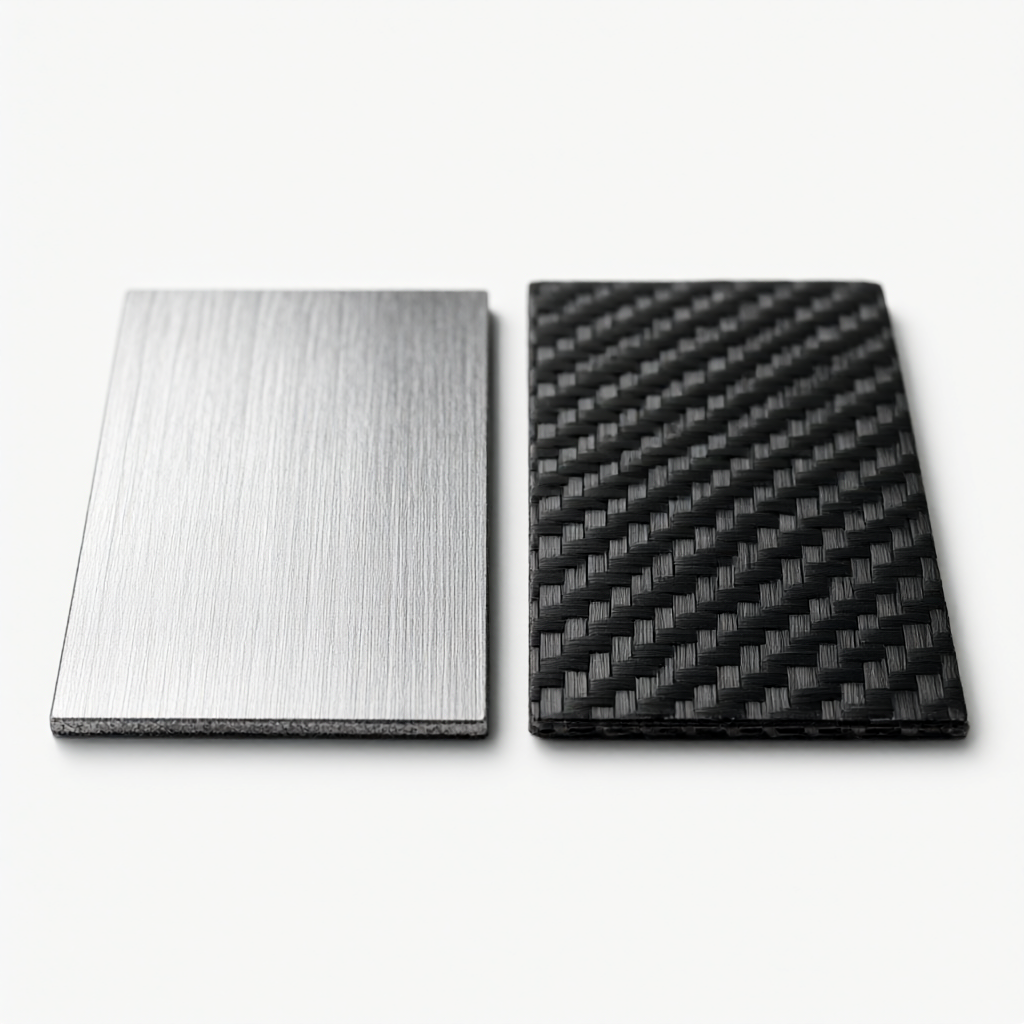
Material selection determines durability, weight, and feel more than any other single factor. Aluminum wallets dominate the market because CNC machining produces consistent tolerances and the metal anodizes into a scratch-resistant surface. Carbon fiber offers similar rigidity at lighter weight but costs more to produce. Titanium provides the best strength-to-weight ratio and natural hypoallergenic properties, making it ideal for sensitive skin, though it carries a premium price.
RFID-blocking technology adds a shielding layer that prevents unauthorized scanning of contactless cards. Per ASTM International material testing guidelines, effective blocking requires continuous conductive coverage across the wallet face — gaps or thin spots create vulnerabilities. Look for wallets that specify tested blocking performance rather than vague marketing claims.
Quality construction follows recognizable patterns regardless of brand. Clean edges without sharp burrs indicate proper deburring and finishing processes. Consistent spacing between card slots suggests precision tooling rather than stamped or loosely assembled parts. Leather editions should feature stitching that aligns properly, not puckered or uneven seams. Metal models should operate smoothly without wobble in the loading mechanism.
ISO quality management standards govern factory processes for reputable manufacturers. Certifications like ISO 9001 indicate systematic production controls, though the certification itself does not guarantee consumer-level quality — it means defects are tracked and corrected systematically. Third-party material testing through SGS provides additional verification that metals and coatings meet safety thresholds for skin contact.
REACH and RoHS compliance ensures that finishes and coatings do not contain restricted hazardous substances, which matters especially for products carried in close contact with skin throughout the day. Buyers should verify these certifications rather than accepting manufacturer statements at face value, particularly when ordering custom or private-label production.
Before You Decide — What to Consider
Different carry styles demand different solutions. Commuters who tap transit cards dozens of times weekly benefit from fast-access no-flap designs where the top card slides free instantly. Travelers prioritize compactness and security, often preferring money clip hybrids that consolidate cards and bills into one slim package instead of managing separate organizers.
College and startup professionals frequently balance style signals with budget constraints. Aluminum and carbon fiber options project technical sophistication without luxury pricing, making them popular choices for this demographic. Travel light packing situations favor the smallest viable form factor — sometimes a pure card holder with no cash storage at all, relying on digital payment methods exclusively.
Coin pockets remain controversial among minimalist users. A dedicated coin compartment adds volume and weight that contradict the core philosophy for many carry practitioners. However, occasional coin users find small integrated pockets useful for parking meters or tips. The decision really comes down to whether you carry coins regularly enough to justify the bulk.
Finding a wallet menu or side-by-side comparison helps narrow options quickly. Look for resources that organize wallets by material type, card capacity, and closure mechanism rather than just brand names. Understanding your own carry habits — how many cards you actually use daily, whether you carry cash, if you need keys attached — eliminates entire categories before you start comparing products.
Travel-friendly wallets deserve extra scrutiny on durability. Baggage handling, repeated pocket insertion and removal, and temperature fluctuations stress wallet components. Metal constructions generally handle abuse better than leather, though leather develops character over time. Hybrid organizers that combine a card sleeve with a removable money clip offer flexibility if your travel habits change between regular commutes and vacations.
How We Meet These Standards
Manufacturing a minimalist wallet that performs consistently requires precision engineering rather than simple assembly. Our facility uses in-house CNC machining to produce aluminum and titanium wallets within tight tolerances, ensuring smooth operation of card-loading mechanisms over thousands of cycles. Surface finishing through anodizing creates durable color layers that resist scratching and fading during normal daily use.
Quality control follows documented procedures aligned with ISO 9001 standards. Every production batch undergoes inspection for dimensional accuracy, finish consistency, and mechanical function. Material sourcing adheres to REACH and RoHS requirements, and we work with SGS-tested substrates so buyers receive verifiable compliance documentation alongside orders.
Customization spans logo application through laser engraving, UV printing on metal surfaces, and complete packaging design for private-label programs. Lead times start at seven days for samples and scale efficiently from minimum orders of one hundred pieces. Whether you are building an EDC brand, selling through Amazon FBA, or creating corporate gift inventory, the process moves from concept through retail-ready output without outsourcing critical steps.
If you want deeper guidance on evaluating money clips and hybrid organizers for daily carry, our Money Clip Selection and Evaluation for Everyday Carry guide walks through the same comparison framework used above.
Frequently Asked Questions
What does the wallet keys phone meme mean?
It depicts the universal pre-departure check of three essential items: wallet, keys, and phone. The humor comes from recognizing how much daily life depends on those three things and the anxiety of realizing one might be missing.
Where did the wallet keys phone meme originate?
The format emerged on TikTok and Instagram around 2023, built from short video templates showing exaggerated hesitation at doorways. It spread rapidly because creators could easily adapt the same audio and visual structure to their own lives.
Why is everyone posting about checking their wallet keys and phone?
The checklist triggers shared recognition of a universally frustrating moment. Internet culture rewards relatable anxiety humor, and the three-item structure is simple enough to remix across demographics while remaining instantly understandable.
What are the different versions of this meme?
Variations include adding a fourth item like a house key or laptop bag, using different audio tracks, creating carousel posts with escalating forgetfulness scenarios, and adapting the format into static images for Twitter and Reddit communities.
How do I make my own wallet keys phone meme?
Film yourself pausing at a doorway, looking back and forth between items you supposedly need, then cut to relief or panic depending on what you found missing. Use trending audio templates from TikTok or create your own text-based version for Instagram carousels.
Sources & References
- ASTM International — www.astm.org
- ISO — www.iso.org
- Get a Free Quote → — topedcwallet.com
- Money Clip Selection and Evaluation for Everyday Carry — topedcwallet.com
From article to product
Turning this into a product?
Most of what is written here is the difference between a sample that works and one that does not. We can build either — the useful one costs the same.
Keep reading
More on buying guides
wallet with trigger
How Does a Trigger Wallet Work? What Is the Pop-Up Mechanism? The core of…
Readbest bifold wallet for women
What Is a Bifold Wallet? The term “bifold” refers to the fold: the wallet…
ReadMen’s trifold wallets with zipper compartments vs. bifold
At a Glance The three dominant men’s wallet formats differ in panel count, depth,…
Read
About the author
TOPWALLET Editorial Team
TOPWALLET's editorial and engineering desk writes from bench testing at the Shenzhen (Longgang) facility: pull-force and cycle testing, 13.56 MHz shielding measurements, finish trials and factory audits, rather than supplier spec sheets. Every specification in these guides is one we write on a purchase order.
Written on the floor
This article was written by our production and QC team — the people who spec tolerances, run the finishing line and inspect every batch. Where it states a capacity, a pull force or a lead time, it comes from a measurement we made, not a supplier’s catalogue. If a number here disagrees with what your own supplier told you, tell us; several of these articles started as a correction from a buyer.
See how the factory works · Inspection process · Sourcing FAQ
Turning this into a product?
Most of what is written here is the difference between a sample that works and one that does not. We can build either — the useful one costs the same.