

How Does a Men’s Slim Card Case Work?
Why does a slim card case matter for everyday carry?
A standard bifold wallet adds roughly 8 to 12 mm of thickness to your front or back pocket. A slim card case cuts that to 2 or 3 mm, which matters when you also carry a phone, keys, and a multitool in the same pocket. The reduced profile means less fabric strain, less pocket sag, and faster one-handed card access. For men who carry only two or three cards and a few bills, the slim form factor removes the dead weight of empty bill compartments that a bifold always includes.
What materials shape the performance of a slim card case?
The shell material determines weight, durability, and how the case ages. Aluminum (commonly 6061-T6 or 7075-T6 grade) is the workhorse: light at 25 to 45 g, resistant to dents, and available in anodized finishes ranging from matte black to gunmetal. Titanium adds about 10 to 15 g but resists scratching far better and develops a subtle patina over years of daily use. Carbon fiber composite shells weigh close to aluminum yet feel warmer to the touch and resist galvanic corrosion. Internally, a spring-steel ejector plate or a simple friction-fit slider handles card access. The mechanism’s spring tension and slot width (typically 0.76 mm, matching a standard credit card) are what separate a well-engineered case from one that jams or lets cards slip out.
What Are the Key Specs for a Men’s Slim Card Case?
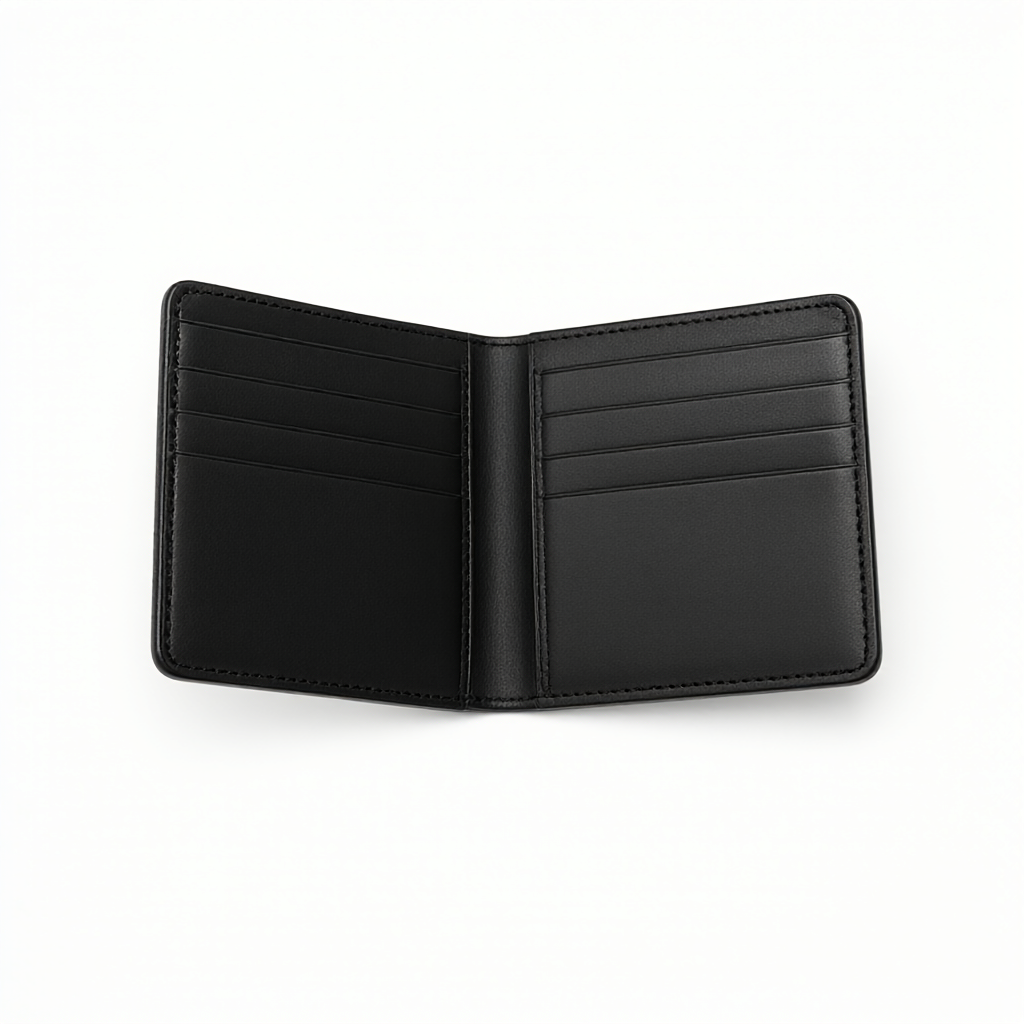
These numbers do the heavy lifting before you buy:
- Card capacity: 4 to 8 slots is standard. If you carry more than six cards, a slim bifold wallet with a dedicated bill compartment handles the overflow better.
- Bill capacity: Most flat card cases fit two to four folded notes. A men’s slim wallet with money clip adds a small bill or coin tuck on the back, extending capacity without adding a second pocket item.
- Thickness: 2 mm (single-stack) to 4 mm (dual-stack). Measure against your pocket depth; a 30 mm profile will not sit flush in a slim-fit trouser.
- Weight: Aluminum cases run 25 to 45 g; titanium, 35 to 60 g.
- Surface finish: Anodized, PVD-coated, or raw brushed. Anodized aluminum is the most durable low-maintenance option.
- RFID shielding: Some models add a stamped metal layer that blocks 13.56 MHz proximity signals. This is optional unless you carry a contactless transit card you do not want to tap accidentally.
A men’s minimalist card holder and a men’s minimalist bifold wallet overlap in function but differ in bill handling. The flat holder is a single-layer design; the bifold adds a fold line that creates a thin bill compartment. If your carry is strictly cards and two bills, the flat holder wins on thinness. A men’s bifold slim wallet gives you that extra 5 to 10 mm of bill space at the cost of roughly 3 mm more profile.
| Decision Criteria | Slim Card Case (flat) | Slim Bifold Wallet |
|---|---|---|
| Card slots | 4–8, single stack | 6–10, two stacks |
| Bill capacity | 2–4 folded notes | 4–8 folded notes |
| Thickness | 2–3 mm | 5–8 mm |
| Weight (aluminum) | 25–45 g | 40–90 g |
| Opening mechanism | Spring slider or friction eject | Two-step fold, snap or press |
| Best use | 2–3 cards + ID + 2 bills | 4–6 cards + small bill stack |
| Typical retail price | $18–$55 | $25–$80 |
What Standards Apply to Men’s Slim Card Cases?
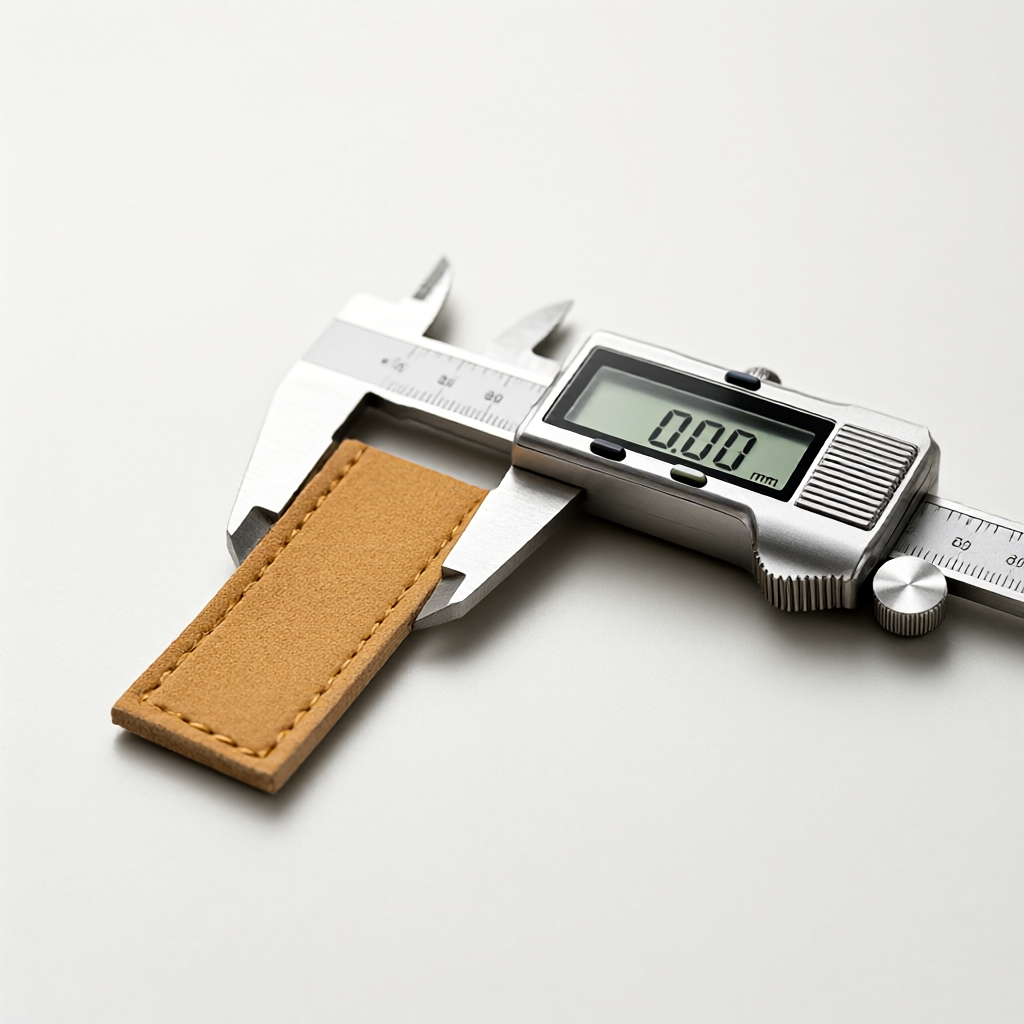
Metal shells for a mens slim card case are typically tested against ASTM International material standards for hardness, tensile strength, and salt-spray corrosion resistance before they reach retail. The 6061-T6 aluminum and Grade 5 titanium used in most premium cases are well-characterized alloys with published fatigue and yield values, so a buyer can check the alloy spec on the product listing.
For quality management, ISO 9001 certification on the manufacturing side means the factory maintains a documented process for dimensional control, surface-finish inspection, and batch traceability. If you are evaluating a brand’s production quality, asking for the factory’s ISO 9001 certificate is a quick way to verify that tolerances are controlled rather than left to spot checks.
Consumer-facing claims matter too. In the United States, the FTC enforces rules that marketing language must be substantiated. A listing that calls a wallet “100% scratch-proof” or “indestructible” is not backed by any material test and should make you question the rest of the spec sheet. Stick to measurable claims: thickness in millimeters, alloy grade, slot count, and weight.
The minimalist wallet category has no single governing standard the way food packaging does. Brands like Scarters Abundance and other direct-to-consumer EDC makers set their own internal QC specs, typically including card-slot tolerance (±0.1 mm), anodize thickness (40 to 120 microns), and a 10,000-cycle slider durability test. Because there is no mandatory certification, the buyer’s job is to read the spec sheet and match it to your carry loadout.
What Should You Consider Before Choosing?
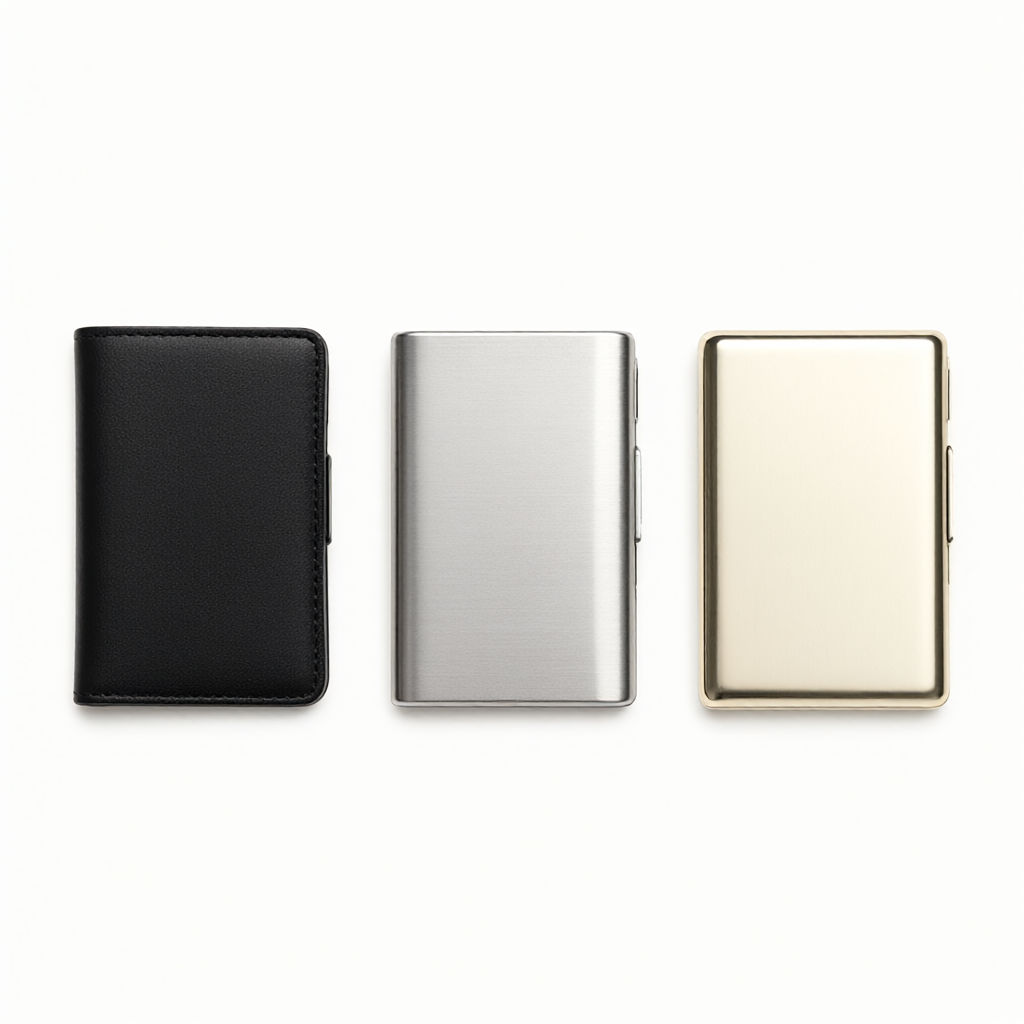
Pocket fit and daily load. If your front pocket is shallow (common with slim-fit trousers), a 3 mm profile is the ceiling. Anything thicker will bulge. Measure your pocket depth and subtract 5 mm for fabric stretch.
Card count honesty. List the cards you actually use daily. Most men carry a driver’s license, one credit card, one debit card, and a gym or transit card. That is four. Adding a second credit card and a loyalty card pushes you to six. Buying an eight-slot case when you carry four means paying for unused weight.
Bifold vs. flat holder. A slim bifold wallet with money clip gives you a small bill tuck and coin pocket but adds 4 to 5 mm of thickness. A small thin wallet that is purely a card case with no bill compartment will be your thinnest option. If you keep cash minimal or carry a separate coin purse, the flat holder is the cleanest fit. A man wallet slim design that drops the bill fold entirely is the lightest choice in the category.
Brand ecosystem and accessories. Some manufacturers, like Nomatic, design their minimalist wallet to integrate with a modular sleeve system so the wallet slides into a larger pouch or belt organizer. If you already use a modular EDC setup, choosing a wallet from the same ecosystem avoids incompatible sizing.
Finish and wear. Matte black anodize hides scuffs; brushed titanium shows them. If you do not want to handle the item gently, go matte. The men’s best minimalist wallet in your mind is the one that still looks clean after six months of pocket carry, not the one with the most elaborate engraving.
For a deeper look at how slim wallet shells are machined and assembled, see our guide on the design and manufacturing of slim wallets.
Before You Decide
Run through this checklist before you commit:
- Count your actual daily cards. Four or fewer: flat card case. Six or more: slim bifold.
- Measure your target pocket depth. Under 35 mm: stay at 3 mm or less.
- Pick a material based on weight tolerance. Under 40 g: aluminum. Under 60 g: titanium.
- Check the slider mechanism. A spring-loaded ejector is faster; a friction-fit slider is quieter and less likely to release cards in cold weather.
- Look for anodize thickness (40 to 120 microns is standard) and confirm the alloy grade (6061-T6, 7075-T6, or Grade 5 Ti).
- If RFID blocking matters, verify the shielding layer covers the full card area, not just a corner.
If two options are close in spec, the one with a published alloy grade, a named anodize process, and a stated slider cycle test will outlast the other in your pocket.
How a Manufacturer Meets These Standards
As a specialist in minimalist EDC wallets, our 50,000 sq ft facility runs in-house CNC machining, laser engraving, and aluminum anodizing to produce custom card holders and money clips to brand-specified tolerances.
Our factory is ISO 9001 certified and BSCI audited. All materials are SGS-tested and REACH/RoHS compliant, covering the regulatory expectations of North American and European retail buyers.
We support OEM and ODM projects with a 100 pc minimum order and a 7-day sample lead time, handling everything from custom anodizing colors to retail packaging design for brands and Amazon FBA sellers.
Frequently Asked Questions
What is a men’s slim card case?
It is a thin, multi-slot wallet (typically 2 to 4 mm) made from aluminum, titanium, or carbon fiber that holds four to eight cards and a small amount of folded currency. It replaces a bifold for men who want minimal pocket bulk.
How many cards does a slim card case hold?
Most models accommodate four to eight cards. Dual-stack designs reach eight slots in a 4 mm profile. If you carry more than six cards regularly, a slim bifold gives you more bill space.
Is titanium worth it over aluminum for a slim wallet?
Titanium adds roughly 10 to 15 g but resists scratching and corrosion noticeably better. It is worth the premium if you plan to keep the wallet for five or more years and prefer a matte, industrial look.
Do slim card cases block RFID signals?
Only if they include a dedicated shielding layer, typically a stamped metal insert or copper mesh. A plain aluminum shell does not block 13.56 MHz signals. Check the product spec for “RFID blocking” before assuming protection.
How do I clean and maintain a metal card case?
Wipe with a soft, dry cloth. For anodized aluminum, avoid abrasive cleaners that can strip the color layer. Titanium needs no special care beyond occasional wiping. Remove cards and the slider periodically to let dust and debris clear the slot tracks.
Sources & References
- ASTM International — www.astm.org
- ISO 9001 — www.iso.org
- FTC — www.ftc.gov
- Get a Free Quote → — topedcwallet.com
- the design and manufacturing of slim wallets — topedcwallet.com
From article to product
Turning this into a product?
Most of what is written here is the difference between a sample that works and one that does not. We can build either — the useful one costs the same.
Keep reading
More on buying guides
wallet with trigger
How Does a Trigger Wallet Work? What Is the Pop-Up Mechanism? The core of…
Readbest bifold wallet for women
What Is a Bifold Wallet? The term “bifold” refers to the fold: the wallet…
ReadMen’s trifold wallets with zipper compartments vs. bifold
At a Glance The three dominant men’s wallet formats differ in panel count, depth,…
Read
About the author
TOPWALLET Editorial Team
TOPWALLET's editorial and engineering desk writes from bench testing at the Shenzhen (Longgang) facility: pull-force and cycle testing, 13.56 MHz shielding measurements, finish trials and factory audits, rather than supplier spec sheets. Every specification in these guides is one we write on a purchase order.
Written on the floor
This article was written by our production and QC team — the people who spec tolerances, run the finishing line and inspect every batch. Where it states a capacity, a pull force or a lead time, it comes from a measurement we made, not a supplier’s catalogue. If a number here disagrees with what your own supplier told you, tell us; several of these articles started as a correction from a buyer.
See how the factory works · Inspection process · Sourcing FAQ
Turning this into a product?
Most of what is written here is the difference between a sample that works and one that does not. We can build either — the useful one costs the same.