

Men’s Leather Wallet Wholesale Buying Guide 2026
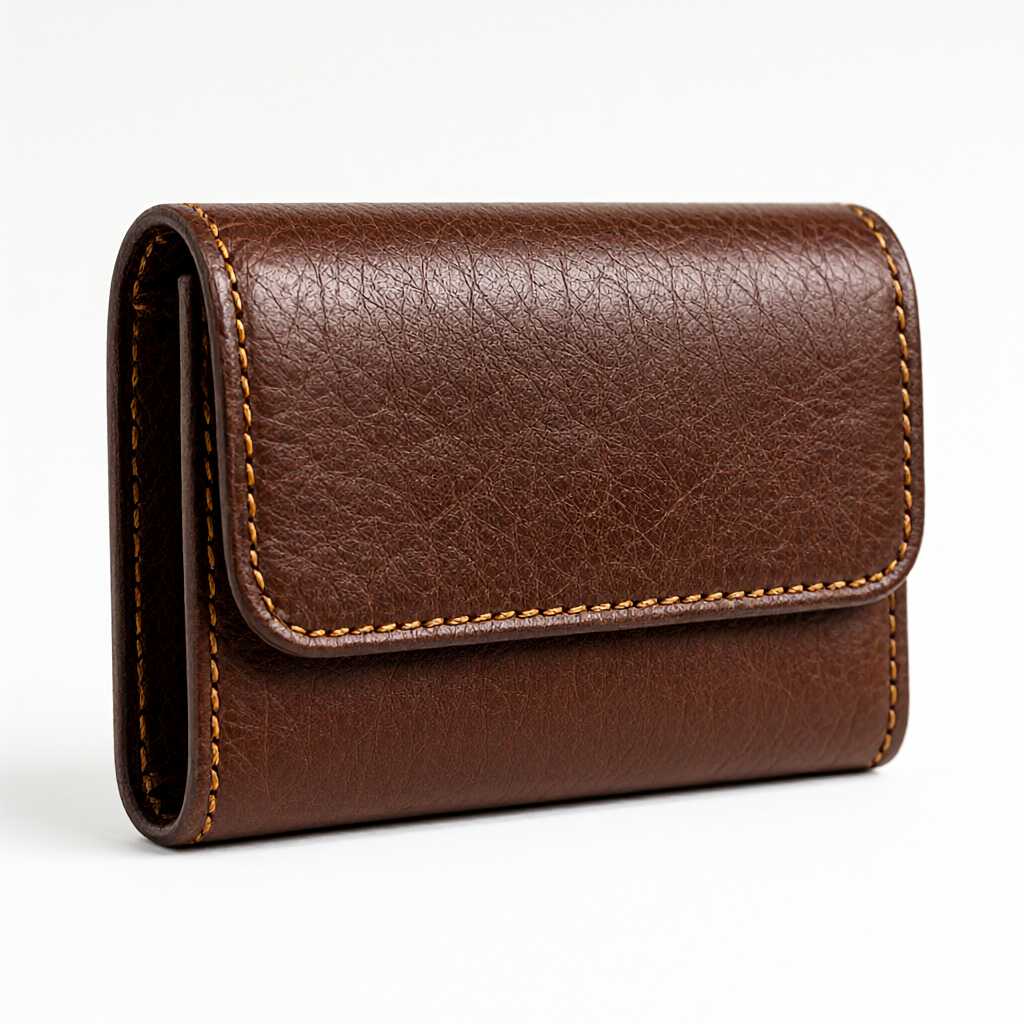
Where can I buy men’s leather wallets in bulk? This guide covers leather grades, RFID blocking, certifications, MOQs, and customization for wholesale buyers.
mens-leather-wallet-wholesale-buying-guide
mens leather wallet sale
Sourcing men’s leather wallets in bulk requires balancing material quality, compliance standards, and supplier reliability. Buyers — from Amazon FBA sellers to private-label brands — should focus on verified manufacturer credentials, clear pricing structures, and proven delivery timelines before committing to an order. This guide breaks down what to look for, how costs are structured, and where to find the best sourcing options in 2026.
Quick Answer
The primary question—where can I buy men’s leather wallets in bulk at wholesale prices?—is answered by connecting directly with specialized manufacturers and OEM/ODM suppliers rather than traditional retail distributors. Bulk buyers such as Amazon FBA sellers, EDC brand owners, and corporate gift procurement teams typically source these products through contract manufacturers who offer low minimum order quantities (MOQs) and rapid prototyping. A reliable mens leather wallet sale or wholesale deal is secured by specifying exact material grades, hardware standards, and compliance requirements upfront.
Detailed Explanation
What is a men’s leather wallet and why do buyers source them in bulk?
A men’s leather wallet is a pocket-sized carrying solution for cards, cash, and identification, typically crafted from genuine or synthetic leather. In the B2B landscape, bulk sourcing is driven by the need for consistent inventory, custom branding, and competitive margins. Buyers ranging from retail chains to promotional product distributors require large volumes to meet market demand while maintaining quality control across thousands of units.
Key specifications that matter when ordering leather wallets wholesale
When evaluating suppliers, several technical specifications differentiate premium products from low-cost alternatives. The most critical factors include:
- Material Grades: Full-grain leather retains the natural grain and offers the highest durability, while top-grain leather is sanded for a smoother finish. Genuine leather is a lower-grade option made from layered hides.
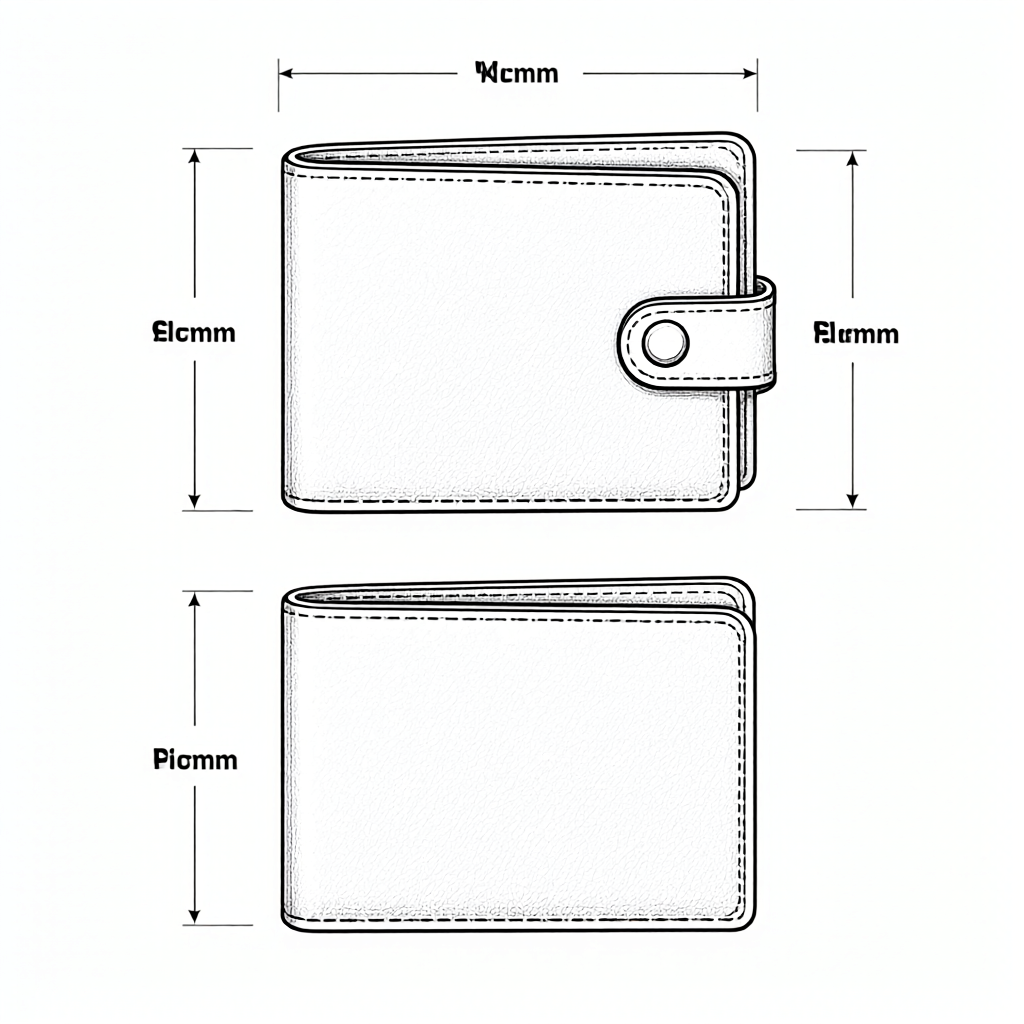
- Dimensions and Capacity: Typical bifold wallets measure around 4.5 x 3.5 inches, while slim card holders may be 3.5 x 2.5 inches. Buyers must specify the exact number of card slots and bill compartments.
- Stitching and Edge Paint: Double-stitching with waxed thread and painted or burnished edges indicate superior craftsmanship. Loose threads or untreated edges often signal mass-produced, lower-quality items.
- Hardware: Zippers and snaps should be made from corrosion-resistant metals like brass or stainless steel.
Standards and compliance requirements for leather wallet imports
Importers must ensure that their wallets comply with international safety and environmental standards. Key certifications include:
- REACH Compliance: Ensures the absence of harmful chemicals in leather tanning processes.
- RoHS Standards: Restricts specific hazardous materials in hardware components.
- BSCI Audit: Verifies social compliance and ethical manufacturing practices.
- SGS Testing: Provides third-party verification of material safety and product performance.
For detailed guidance on import regulations and material standards, refer to authoritative sources such as ASTM International, which establishes material testing protocols.
How customization works — embossing, laser engraving, packaging, and private-label options?
Customization allows brands to differentiate their products in a crowded market. Common options include:
- Embossing and Debossing: Creating raised or recessed logos on the leather surface.
- Laser Engraving: Offering precise, permanent branding on metal accents or leather.
- Custom Packaging: Designing retail boxes or polybags with brand-specific graphics.
- Private Label Services: Managing the entire process from concept to shelf, including branding and quality control.
Buyers interested in broader EDC solutions may also explore resources like our Sourcing Money Clips for B2B guide to understand complementary product standards.
Price drivers and MOQ expectations in the leather wallet market
Several variables influence the wholesale price of men’s leather wallets:
- Leather Type: Full-grain and top-grain leathers command higher prices than bonded or synthetic options.
- Order Volume: Larger orders typically reduce the per-unit cost due to economies of scale.
- Customization Complexity: Intricate engraving or multi-step assembly processes increase production time and cost.
- MOQ Requirements: Many manufacturers set minimums between 100 and 500 pieces for custom orders, though some offer lower MOQs for standard designs.
Key Specifications
| Specification | Typical Range / Standard | Importance |
|---|---|---|
| Leather Grade | Full-grain, Top-grain, Genuine | High |
| MOQ | 300 – 500 pcs | Medium |
| Sample Lead Time | 7 – 14 days | High |
| Production Lead Time | 25 – 35 days | Medium |
| RFID Blocking | Optional / Standard | High |
| Certifications | ISO 9001, BSCI, REACH, RoHS | High |
Standards & Requirements
What certifications should a leather wallet supplier have?
Reputable suppliers should hold ISO 9001 certification for quality management and BSCI audit reports for ethical manufacturing. Additionally, products must comply with REACH and RoHS standards to ensure they are free from hazardous substances. For further information on international standards, consult the International Organization for Standardization (ISO).
Related Considerations
What materials besides leather are buyers choosing for minimalist wallets?
While leather remains a popular choice, many buyers are increasingly considering alternative materials for minimalist and tactical wallets:
- Aluminum: Lightweight, durable, and often anodized for color and scratch resistance.
- Carbon Fiber: Extremely strong and lightweight with a modern aesthetic.
- Titanium: Premium metal offering high strength-to-weight ratio and corrosion resistance.
These materials are often used in slim wallets and card holder designs that appeal to users seeking EDC minimal setups. For insights on sourcing non-leather alternatives, you might review our Business Card Holder Near Me: Sourcing and Supplier Guide which discusses material versatility in pocket gear.
Commercial Integration
How we meet these standards?
As a manufacturer specializing in minimalist EDC wallets and pocket gear, we integrate these industry standards into our production process. Our approach focuses on providing high-quality materials, robust customization options, and reliable logistics for B2B buyers. We support private-label brands, Amazon FBA sellers, and promotional distributors by offering:
- Low MOQs: Starting from just 300 pieces for custom designs.
- Fast Sampling: 7-day lead times for prototype approval.
- Quality Assurance: ISO 9001 certified and BSCI audited facilities.
- Compliance: Full REACH and RoHS compliant materials with SGS testing.
Whether you need custom embossing, laser engraving, or private-label packaging, we provide the expertise to bring your product from concept to shelf.
Wallet Styles: Bifold, Cardholder, Money Clip, and Travel Wallets
Different wallet styles serve distinct buyer segments, and understanding these differences is essential for selecting the right product mix.
- Bifold Wallets: The most traditional and widely purchased style. Typically hold 6–12 cards, a bill compartment, and sometimes an ID window. Ideal for general consumer retail and promotional campaigns.
- Cardholder Wallets: Slimmer profile with 4–8 card slots and no or minimal cash pocket. Highly popular among EDC enthusiasts and younger demographics who prioritize minimalism.
- Money Clip Wallets: Combine a leather or metal body with an integrated metal clip for cash. Appeals to tactical and outdoor-oriented buyers. Often paired with RFID-blocking features.
- Travel Wallets: Larger capacity designs with multiple compartments, passport slots, and zippered coin pockets. Primarily targeted at niche retail and travel accessories bundles.
Selecting the right style mix depends on your target market. A retailer focused on everyday carry may prioritize cardholders and money clips, while a corporate gifting company may favor classic bifold designs. For broader sourcing insights, see our Sourcing Wallets Near Me for B2B Buyers guide.
How Much Does It Cost to Order Custom Leather Wallets in Bulk?
Pricing for custom leather wallets varies significantly based on material choice, order volume, and customization complexity.
Cost ranges by wallet type (per unit, FOB):
- Entry-level genuine leather bifold (100–500 pcs): $3.50 – $7.00
- Top-grain leather cardholder (100–500 pcs): $4.00 – $8.50
- Full-grain leather money clip (100–500 pcs): $5.50 – $11.00
- Premium full-grain bifold with RFID blocking (500+ pcs): $6.00 – $14.00
- Ultra-premium custom embossed designs (500+ pcs): $9.00 – $18.00+
Cost drivers include:
- Leather grade: Full-grain costs 2–3× more than bonded leather per unit.
- Hardware: Zinc alloy (Zamak 5) hardware adds $0.30–$0.80 per unit versus standard alloy.
- Customization: Embossing adds ~$0.15/unit; laser engraving adds ~$0.25/unit; custom packaging adds ~$0.50–$1.50/unit.
- Order volume: Prices typically drop 15–30% when scaling from 500 to 2,000+ units.
Sample costs usually range from $25–$75 per unit and are often creditable against bulk orders. Shipping, duties, and customs clearance are additional and depend on destination country tariffs.
Sale Timing and Deal-Finding Strategies
Timing your procurement can meaningfully impact your landed cost.
- Q4 (October–December): High demand from holiday gifting and corporate year-end purchases drives up prices. Avoid large orders unless you have guaranteed sell-through.
- Q1–Q2 (January–April): Post-holiday lull creates favorable pricing. Many manufacturers offer 5–15% discounts to fill production schedules.
- Q3 (July–September): Pre-holiday restocking season. Good for locking in annual pricing and securing production slots.
- Trade shows and online B2B platforms: Events like Canton Fair and Alibaba Made-in-China often feature promotional pricing for new buyer accounts.
Deal-finding tactics:
- Request quotes from 3–5 manufacturers simultaneously to establish competitive benchmarks.
- Ask about volume tier pricing rather than accepting a single quoted price.
- Negotiate sample fees and tooling costs as part of the bulk order agreement.
- Monitor raw material price trends — leather and zinc alloy prices fluctuate quarterly.
Where to Buy Men’s Leather Wallets: Brands, Retailers, and Direct-to-Consumer?
Buyers have several sourcing channels, each with distinct advantages:
| Channel | Pros | Cons |
|---|---|---|
| Direct from Manufacturer (OEM/ODM) | Lowest unit cost, full customization, private label | Higher MOQ, longer lead time, requires vetting |
| Wholesale Distributors | Lower MOQ, faster shipping, established catalogs | Limited customization, higher per-unit cost |
| Private-Label Retail Brands | Brand recognition, marketing support | Margins compressed by brand premium |
| E-commerce Platforms (Alibaba, Global Sources) | Wide supplier selection, trade assurance | Quality varies significantly; requires due diligence |
For specialized EDC and minimalist wallet sourcing, working directly with a contract manufacturer typically yields the best margin and flexibility. Read our Sourcing Men’s Wallets Near You: B2B Supplier Guide for a deeper breakdown.
Procurement Decision Framework: Weighted Supplier Evaluation
A structured evaluation framework reduces risk and ensures consistent supplier selection. Use the following weighted criteria when scoring potential manufacturers:
| Criteria | Weight | Evaluation Notes |
|---|---|---|
| Product quality & material specs | 25% | Verify leather thickness (1.2–1.4mm for premium), stitch density (8–12 stitches per inch), hardware grade |
| Certification & compliance | 20% | ISO 9001:2015, BSCI audit report, REACH SVHC Candidate List v11.0 (2025), RoHS Directive 2015/863/EU compliance |
| Lead time & sample speed | 15% | Sample delivery within 7 days; bulk production within 25–35 days |
| MOQ flexibility | 15% | Lower MOQ (300 pcs) preferred for testing; scalability to 10,000+ pcs for volume |
| Pricing competitiveness | 15% | Transparent tiered pricing; no hidden tooling or setup fees |
| Communication & responsiveness | 10% | Response time under 24 hours; English-speaking support; clear documentation |
Score each supplier on a 1–10 scale per criterion, multiply by weight, and sum for a total score. Select the supplier scoring 75+ as your primary vendor.
Buyer Red Flags: What to Watch for When Vetting Wallet Manufacturers
Avoid these warning signs during supplier evaluation:
- No verifiable certifications: Claims of “ISO certified” without a certifiable registration number or audit report.
- Unrealistically low pricing: Quotes below $2/unit for full-grain leather wallets often indicate material substitution or quality compromise.
- No sample policy: Refusing to provide physical samples before bulk order commitment.
- Vague material specifications: Inability to specify leather grade, thickness, or hardware alloy numbers.
- No compliance documentation: Failure to provide REACH or RoHS test reports from SGS or equivalent labs.
- Long sample lead times exceeding 14 days: Suggests immature production processes.
- No clear communication channel: Lack of dedicated account management or written quotation documentation.
- Pressure to pay 100% upfront: Reputable manufacturers typically require 30% deposit with balance against shipped goods or inspection.
If you encounter multiple red flags, document concerns and request clarifying evidence before proceeding.
Sources & References
- ASTM International — www.astm.org
- International Organization for Standardization (ISO) — www.iso.org
- Sourcing Money Clips for B2B — topedcwallet.com
- Business Card Holder Near Me: Sourcing and Supplier Guide — topedcwallet.com
- Get a Free Quote — topedcwallet.com
- Sourcing Wallets Near Me for B2B Buyers — topedcwallet.com
- Sourcing Men’s Wallets Near You: B2B Supplier Guide — topedcwallet.com
Frequently Asked Questions
What is a men's leather wallet and why do buyers source them in bulk?
A men's leather wallet is a pocket-sized carrying solution for cards, cash, and identification, typically crafted from genuine or synthetic leather. In the B2B landscape, bulk sourcing is driven by the need for consistent inventory, custom branding, and competitive margins. Buyers ranging from retail chains to promotional product distributors require large volumes to meet market demand while maintaining quality control across thousands of units.
How customization works — embossing, laser engraving, packaging, and private-label options?
Customization allows brands to differentiate their products in a crowded market. Common options include:Embossing and Debossing: Creating raised or recessed logos on the leather surface.Laser Engraving: Offering precise, permanent branding on metal accents or leather.Custom Packaging: Designing retail boxes or polybags with brand-specific graphics.Private Label Services: Managing the entire process from concept to shelf, including branding and quality control.Buyers interested in broader EDC solutions may also explore resources like our Sourcing Money Clips for B2B guide to understand complementary product standards.
What certifications should a leather wallet supplier have?
Reputable suppliers should hold ISO 9001 certification for quality management and BSCI audit reports for ethical manufacturing. Additionally, products must comply with REACH and RoHS standards to ensure they are free from hazardous substances. For further information on international standards, consult the International Organization for Standardization (ISO).
What materials besides leather are buyers choosing for minimalist wallets?
While leather remains a popular choice, many buyers are increasingly considering alternative materials for minimalist and tactical wallets:Aluminum: Lightweight, durable, and often anodized for color and scratch resistance.Carbon Fiber: Extremely strong and lightweight with a modern aesthetic.Titanium: Premium metal offering high strength-to-weight ratio and corrosion resistance.These materials are often used in slim wallets and card holder designs that appeal to users seeking EDC minimal setups. For insights on sourcing non-leather alternatives, you might review our Business Card Holder Near Me: Sourcing and Supplier Guide which discusses material versatility in pocket gear.
From article to product
Turning this into a product?
Most of what is written here is the difference between a sample that works and one that does not. We can build either — the useful one costs the same.
Keep reading
More on buying guides
wallet with trigger
How Does a Trigger Wallet Work? What Is the Pop-Up Mechanism? The core of…
Readbest bifold wallet for women
What Is a Bifold Wallet? The term “bifold” refers to the fold: the wallet…
ReadMen’s trifold wallets with zipper compartments vs. bifold
At a Glance The three dominant men’s wallet formats differ in panel count, depth,…
Read
About the author
TOPWALLET Editorial Team
TOPWALLET's editorial and engineering desk writes from bench testing at the Shenzhen (Longgang) facility: pull-force and cycle testing, 13.56 MHz shielding measurements, finish trials and factory audits, rather than supplier spec sheets. Every specification in these guides is one we write on a purchase order.
Written on the floor
This article was written by our production and QC team — the people who spec tolerances, run the finishing line and inspect every batch. Where it states a capacity, a pull force or a lead time, it comes from a measurement we made, not a supplier’s catalogue. If a number here disagrees with what your own supplier told you, tell us; several of these articles started as a correction from a buyer.
See how the factory works · Inspection process · Sourcing FAQ
Turning this into a product?
Most of what is written here is the difference between a sample that works and one that does not. We can build either — the useful one costs the same.