
Wallet Materials · 2 min read
Anodising Explained: Why Your Metal Wallet Colour Fades (and How to Stop It)

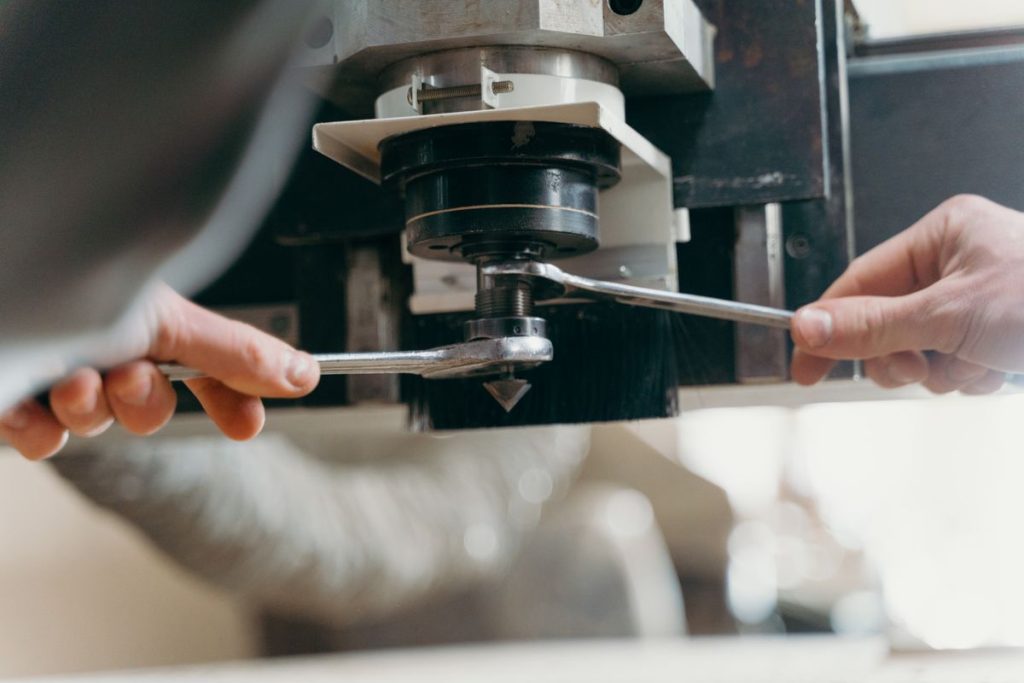
Anodising is what gives aluminium wallets their colour. Cheap anodising fades in 6 months. Proper anodising lasts 5+ years. Here is how it works and what to specify.
How Anodising Works
Anodising electrochemically converts the aluminium surface into a durable oxide layer. Dyes are absorbed into this layer before sealing. The quality of the seal determines colour fastness.
What to Specify
- Type II anodising (decorative) or Type III (hardcoat, 2–3x thicker)
- Sealing quality: nickel acetate or hot water seal
- Colour: black, gunmetal, silver, blue, red, gold
Why Cheap Wallets Fade
Cheap anodising skips the sealing step. The dye washes out from skin oils and UV exposure. Our anodising passes 48-hour salt spray and 500-hour UV test.
Type II vs Type III Anodising
| Factor | Type II (decorative) | Type III (hardcoat) |
|---|---|---|
| Thickness | 5–25 μm | 25–150 μm (2–3× thicker) |
| Wear resistance | Good | Excellent |
| Colour range | Wide (dyed) | Narrower (often darker) |
| Best for | Colour-first consumer wallets | Heavy-use or tactical wallets |
Finish Options Compared
| Finish | Look | Durability | Best for |
|---|---|---|---|
| Anodised (Type II) | Matte or satin colour | High | Everyday aluminium |
| Sandblasted | Fine matte | Medium | Tactical / EDC |
| Brushed | Linear grain | Medium | Premium metal |
| PVD coating | Metallic film | Very high | High-wear accents |
FAQ
Q: Does anodising affect RFID shielding?
A: No. The oxide layer is nanometres thick. The aluminium substrate does the RFID blocking.
Q: What colours are available?
A: Standard: black, gunmetal, silver. Custom: any Pantone, MOQ 1,000 pcs per colour.
Q: How long does anodising take?
A: 3–5 days as part of production. No extra lead time.
Related reading
From article to product
Choosing a material for a range?
Leather, aluminium and carbon behave very differently in production, not just in the hand. Send us the spec and we will tell you what it costs to make at your volume.
Keep reading
More on wallet materials
How Material Choice Changes Factory Cost: A Real Cost Breakdown for Custom Wallet Orders
If you're sourcing custom wallets, the single biggest lever on your landed cost isn't…
ReadBest Carbon Fiber Wallets of 2026: 11 Picks, Tested and Compared
Carbon fiber wallets are the rare carry item that looks like a spaceship part…
ReadBest Aluminum Wallets 2026: 11 Slim, CNC-Milled Carriers We’d Actually Carry
Aluminum wallets are the best-selling format in slim carry right now — and the…
Read
About the author
TOPWALLET Editorial
The TOPWALLET editorial team covers sourcing, pricing and production topics for brand buyers. Every article is reviewed by the production and quality-control team before publishing.
Written on the floor
This article was written by our production and QC team — the people who spec tolerances, run the finishing line and inspect every batch. Where it states a capacity, a pull force or a lead time, it comes from a measurement we made, not a supplier’s catalogue. If a number here disagrees with what your own supplier told you, tell us; several of these articles started as a correction from a buyer.
See how the factory works · Inspection process · Sourcing FAQ
Choosing a material for a range?
Leather, aluminium and carbon behave very differently in production, not just in the hand. Send us the spec and we will tell you what it costs to make at your volume.