

What Is a Grid Plus Wallet?
In everyday-carry terminology, a grid plus wallet belongs to the modular metal wallet family. Unlike a bifold where every card sits behind every other card, the grid system arranges slots in rows and columns so each card has its own independent opening. The “plus” suffix usually signals one or more of the following upgrades over a basic grid card holder: a bill-securing fold, a detachable sleeve for folded cash, a thicker card stack capacity, or a conductive mesh layer that blocks RFID/NFC signals in the 13.56 MHz band.
The concept has gained traction among consumers who want the slimness of a single-card clip but need room for four to twelve cards plus a few bills. It sits between a minimalist card case and a full wallet in terms of capacity and thickness.
How Does a Grid Plus Wallet Work?
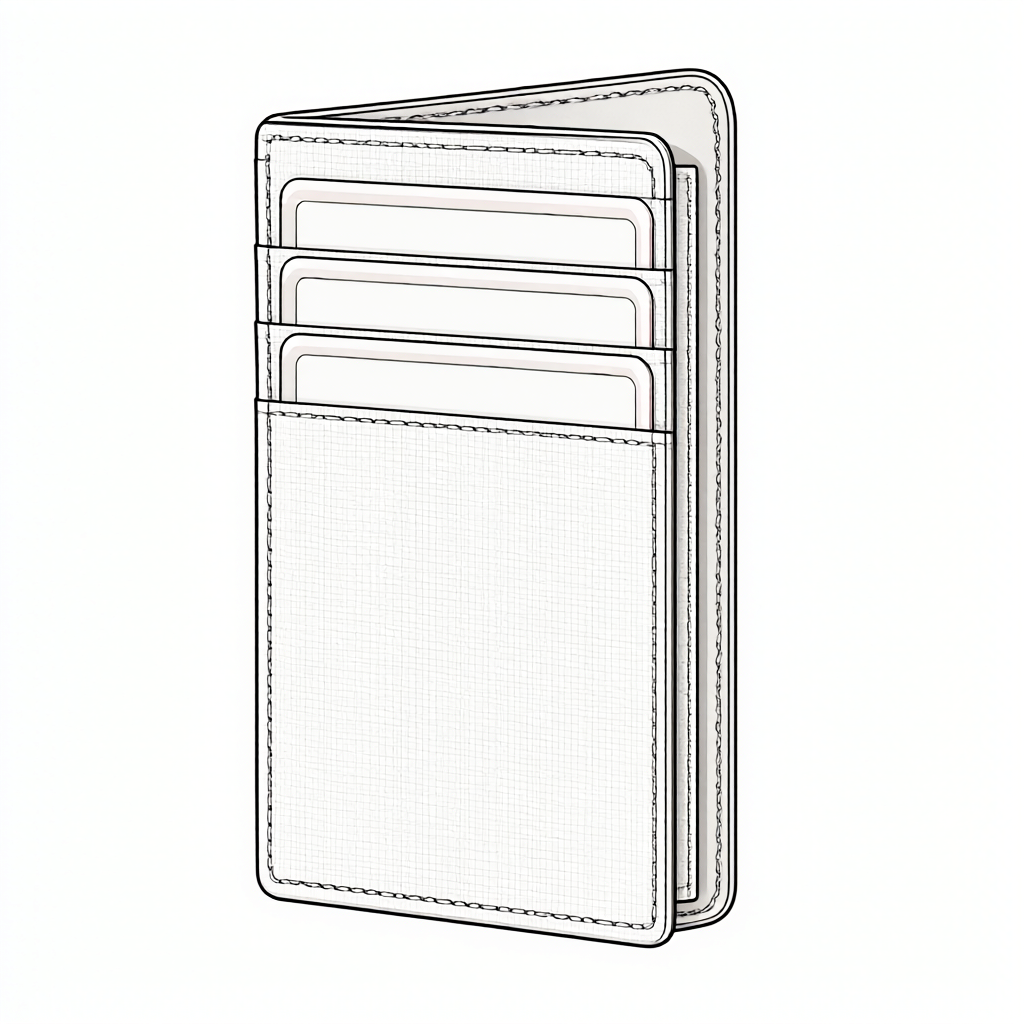
What makes the grid layout different from a standard card slot?
A standard metal card holder gives you one slot. You insert a card, you remove it, you repeat. The grid system divides the interior into a matrix—say, two columns and four rows—so you can carry eight cards at once and still access any of them without disturbing the others. Each slot is typically 0.8–1.2 mm thick with a 1.5–2 mm gap between adjacent slots, enough clearance to slide a standard 0.76 mm ISO card without binding.
The trade-off is width: a 2×4 grid runs roughly 70–75 mm across, compared to about 40 mm for a single-slot clip. If your pocket is tight, a 2×3 grid (around 60 mm wide) is the practical limit for most men’s back pockets.
How does the “plus” expansion work?
The expansion mechanism varies by manufacturer. Common approaches include:
A detachable spring-loaded sleeve that clips onto the wallet’s spine for two to four bills. A hinged bill fold on the back panel that adds a 10–15 mm pocket for a folded banknote without increasing the main body thickness. A sliding outer shell that exposes two extra card slots, converting a 2×3 into a 2×5 on demand.
Because these are mechanical or magnetic attachments, the core grid body stays rigid. A loose or rattle-free expansion is a good indicator of build quality—run your thumb along the joint and listen for clicking.
What Are the Key Specifications?
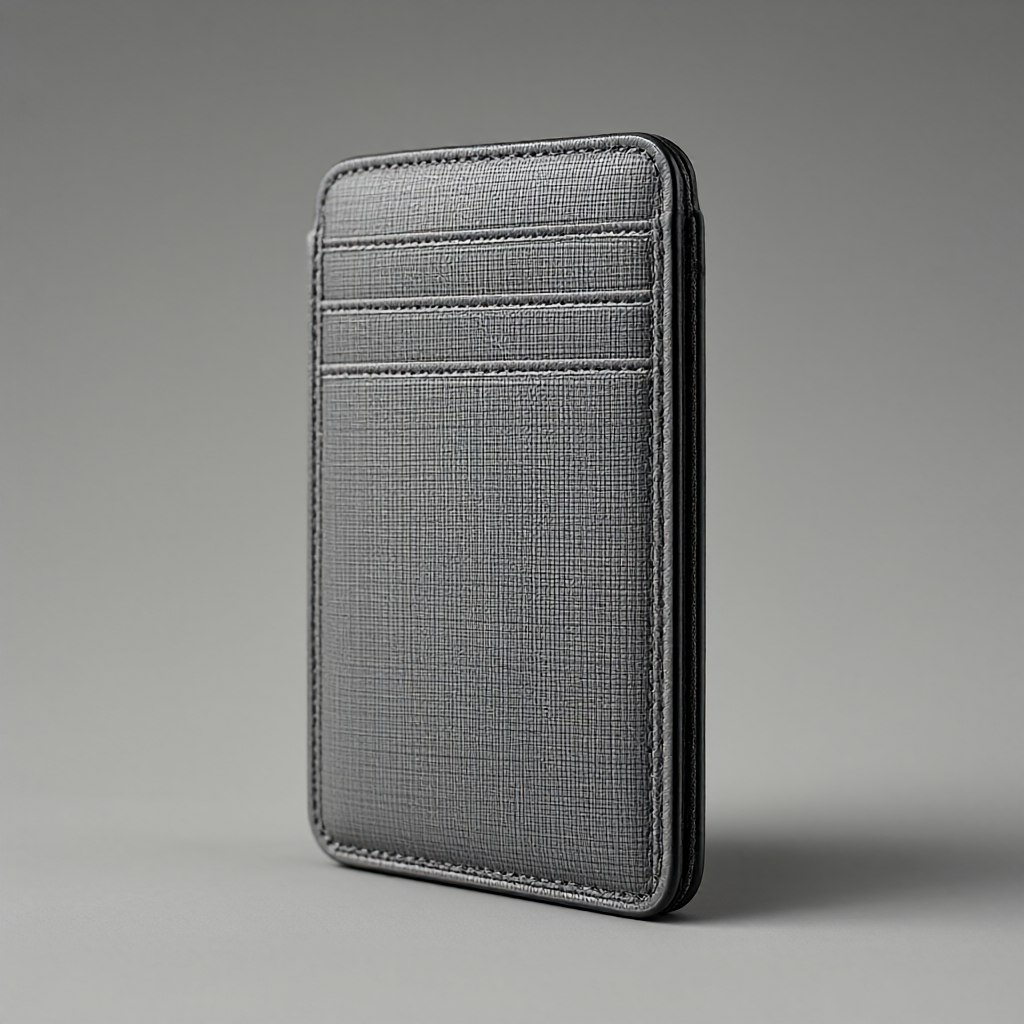
Specifications that matter most when evaluating a grid plus wallet:
Material and finish. Anodized 6061 or 7075 aluminum is the most common. Wall thickness typically runs 1–2 mm. Titanium versions (Grade 5, Ti-6Al-4V) shave 30–40 % off weight at roughly double the price. Surface finishes range from bead-blast matte to hard-anodize (Type III) in black, grey, or military olive.
Card capacity and grid size. A 2×3 grid holds 6 cards; a 2×4 holds 8; a 2×6 holds 12. If you carry fewer than five cards, a 2×3 with a cash sleeve is more than enough and keeps the wallet under 40 g.
Overall dimensions and weight. Expect roughly 70 × 95 × 14 mm and 35–55 g for an aluminum 2×4. Titanium drops that to about 25–35 g at the same size.
RFID blocking. A conductive layer (copper mesh, carbon-fiber weave, or metalized PET) between the grid and the outer shell blocks the 13.56 MHz RFID/NFC frequency used by contactless payment cards. Without it, a grid plus wallet is just a card holder.
Guard wallets for men with a grid-plus layout typically fall into the 40–60 g weight band. If your use case is a jeans back pocket, anything above 60 g will shift the pocket’s balance noticeably. For a deeper look at complementary pocket-carry items, see our guide to money clip selection and evaluation for everyday carry.
| Feature | Grid Plus Wallet (Al) | Single-Slot Metal Clip | Leather Bifold | RFID Card Sleeve |
|---|---|---|---|---|
| Card capacity | 6–12 | 1–2 | 6–8 | 1–4 |
| Bill storage | Detachable sleeve / fold | None | Interior pocket | None |
| Thickness | 12–18 mm | 3–5 mm | 18–25 mm | 4–8 mm |
| Weight | 35–55 g | 8–15 g | 40–70 g | 10–20 g |
| RFID blocking | Optional built-in | No | No | Built-in |
| Best for | Daily driver, 6+ cards | Minimalist, 1–2 cards | Cash + cards, classic feel | Phone + 1–4 cards |
What Standards Apply to Grid Plus Wallets?
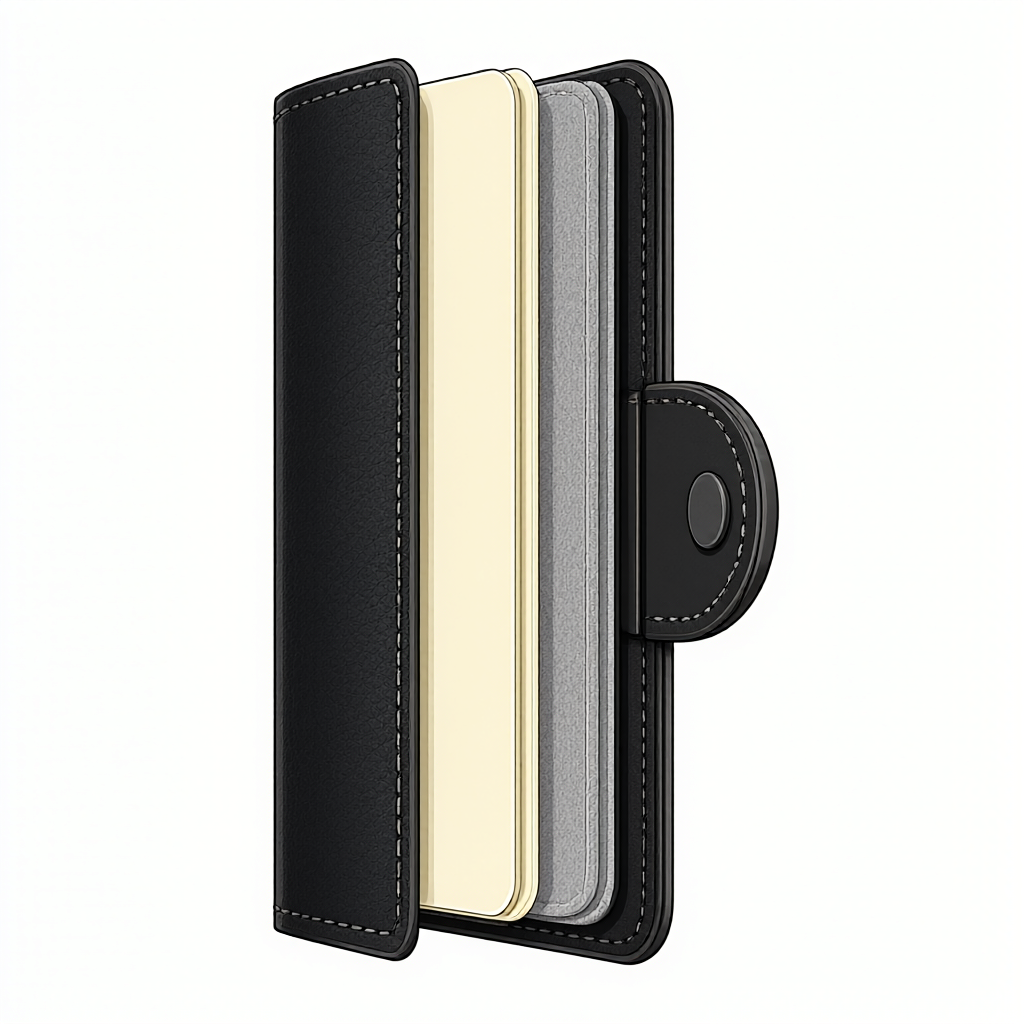
Material safety and manufacturing consistency are governed by a few standards worth knowing before you buy:
Material composition and chemical limits. Finished wallets exported to the EU must comply with REACH and RoHS directives, which cap lead, cadmium, and certain phthalate levels in metal alloys and coatings. For the US market, the Federal Trade Commission enforces truth-in-advertising rules: a “titanium” wallet must actually be titanium; a “steel” wallet must not be aluminum with a steel plating layer labeled as solid.
Quality management. Reputable manufacturers operate under ISO 9001 quality-management systems. For a B2B buyer or a brand owner sourcing in bulk, ISO 9001 certification means the factory has documented processes for incoming material inspection, in-process checks, and final dimensional audit.
Mechanical and wear testing. Card-slot durability (cycles to failure, typically 50 000+ insertion/removal events) and anodize hardness are commonly evaluated per ASTM International material-testing methods. When a vendor claims a “10-year anodize” rating, ask which ASTM test method (e.g., salt-spray or cathodic electrolysis) supports that figure.
RFID performance. Blocking efficacy is measured by the reduction in received signal strength at 13.56 MHz. A wallet that reduces the signal by 30 dB or more is generally considered effective for everyday use. No single global standard mandates a specific dB threshold for consumer wallets, so check the vendor’s test data.
What Should You Consider Before Choosing?
Before you settle on a grid plus wallet, walk through these practical checks:
Card count and growth. If you carry five cards today but expect to add a transit pass and a loyalty card within a year, go one grid size up rather than buying a separate card holder. A 2×4 with a detachable sleeve covers most three-to-eight-card scenarios.
Pocket type and thickness tolerance. Back-pocket denim has roughly 10–14 mm of clearance before it creates a visible bulge. A 16 mm aluminum grid plus with a bill sleeve will poke out; a titanium version at the same card count sits closer to 12 mm and stays flat.
Finish durability. Anodized aluminum is scratch-resistant but will mark with keys and coins. Hard-anodize (Type III) holds up better than standard Type II. If you toss the wallet in a bag with keys, expect surface scuffs within six months regardless of finish grade.
Brand overlap in search results. You will notice adjacent names floating around—guess canada wallets, guess orange wallet, guess los angeles wallet pink, greenburry wallet, gubintu vintage wallet, gross wallet, and even digital “guarda wallet extension” or “guarda wallet chrome extension” entries that have nothing to do with physical cards. These are unrelated product lines or software tools. When comparing, filter results to physical EDC wallets only; the “guard your wallet” phrasing sometimes surfaces in cybersecurity articles and will not help with material or sizing decisions. The term “gridplus wallet” (no space) appears in a handful of Amazon listings as a variant spelling of the same modular format—treat them as the same product category.
Cost expectations. In 2026, retail grid plus wallets in anodized aluminum run $25–$55 for a 2×4; titanium versions sit at $60–$120. Carbon-fiber shell variants add $15–$30. Bulk or private-label pricing from a manufacturer starts roughly 40–60 % below retail street price, with MOQs commonly in the 100–500 unit range.
Before You Decide
If you are a brand owner, Amazon FBA seller, or distributor evaluating grid plus wallets for a private-label line, the manufacturing conversation shifts from “which finished product feels right in hand” to “which tolerance stack-up and finish process will survive a 10 000-unit drop-ship cycle.”
As a manufacturer working in this space, our approach centers on in-house CNC machining of 6061/7075 aluminum and Grade 5 titanium blanks, followed by laser engraving, UV printing, and hard-anodize finishing under one roof. That vertical setup keeps dimensional tolerance within ±0.1 mm across a production run and avoids the hand-off errors that appear when machining, anodizing, and assembly are outsourced to separate shops.
Quality gates follow ISO 9001 procedures from incoming alloy certs to final dimensional audit, and every material lot is verified against REACH and RoHS limits before it enters the line. For buyers who need a physical sample to validate fit-and-finish before committing to volume, our 7-day sample lead time covers the concept-to-proof cycle, with MOQ starting at 100 units for custom-engraved grid plus designs.
Frequently Asked Questions
What is a grid plus wallet?
A modular metal card organizer with a two-dimensional grid of individual card slots (commonly 2×3 to 2×6) plus expansion features like a cash sleeve, bill fold, or RFID-blocking layer. It replaces a leather bifold with a slim, direct-access profile.
How many cards does a grid plus wallet hold?
The base grid determines capacity: 2×3 holds 6 cards, 2×4 holds 8, 2×6 holds 12. Add-ons like a detachable sleeve hold 2–4 folded bills but do not increase card slots.
Is a grid plus wallet suitable for back-pocket carry?
Most aluminum 2×4 models at 14–16 mm thickness sit flat in a modern jeans back pocket. Titanium versions at 12 mm are the safest choice. Above 18 mm total thickness, expect a visible bulge in thin-fabric trousers.
Does a grid plus wallet block RFID signals?
Only if it includes a conductive layer (copper mesh, carbon-fiber weave, or metalized PET). A plain aluminum grid without that layer will not block 13.56 MHz RFID/NFC signals. Check the product spec for a stated dB reduction value.
What is the difference between “grid plus” and a basic grid card holder?
The base grid holder is a single-size metal sheet with fixed slots. The “plus” version adds at least one modular element—detachable cash sleeve, expandable slot row, or integrated bill fold—giving you flexibility without carrying a second item.
Sources & References
- Federal Trade Commission — www.ftc.gov
- ISO 9001 — www.iso.org
- ASTM International — www.astm.org
- money clip selection and evaluation for everyday carry — topedcwallet.com
- Get a Free Quote → — topedcwallet.com
- REACH — echa.europa.eu
From article to product
Turning this into a product?
Most of what is written here is the difference between a sample that works and one that does not. We can build either — the useful one costs the same.
Keep reading
More on buying guides
wallet with trigger
How Does a Trigger Wallet Work? What Is the Pop-Up Mechanism? The core of…
Readbest bifold wallet for women
What Is a Bifold Wallet? The term “bifold” refers to the fold: the wallet…
ReadMen’s trifold wallets with zipper compartments vs. bifold
At a Glance The three dominant men’s wallet formats differ in panel count, depth,…
Read
About the author
TOPWALLET Editorial Team
TOPWALLET's editorial and engineering desk writes from bench testing at the Shenzhen (Longgang) facility: pull-force and cycle testing, 13.56 MHz shielding measurements, finish trials and factory audits, rather than supplier spec sheets. Every specification in these guides is one we write on a purchase order.
Written on the floor
This article was written by our production and QC team — the people who spec tolerances, run the finishing line and inspect every batch. Where it states a capacity, a pull force or a lead time, it comes from a measurement we made, not a supplier’s catalogue. If a number here disagrees with what your own supplier told you, tell us; several of these articles started as a correction from a buyer.
See how the factory works · Inspection process · Sourcing FAQ
Turning this into a product?
Most of what is written here is the difference between a sample that works and one that does not. We can build either — the useful one costs the same.