

A wallet from pink
A wallet is a compact carrying case for cards, cash, and coins, available in various forms — bifold, minimalist, RFID-blocking, and digital — and materials ranging from leather to metal alloys. The best wallet depends on how much you carry daily, whether security features matter, and what fits your budget and style preference. Understanding these trade-offs helps you pick the right option instead of settling for something that looks good but doesn’t hold up.
At a Glance
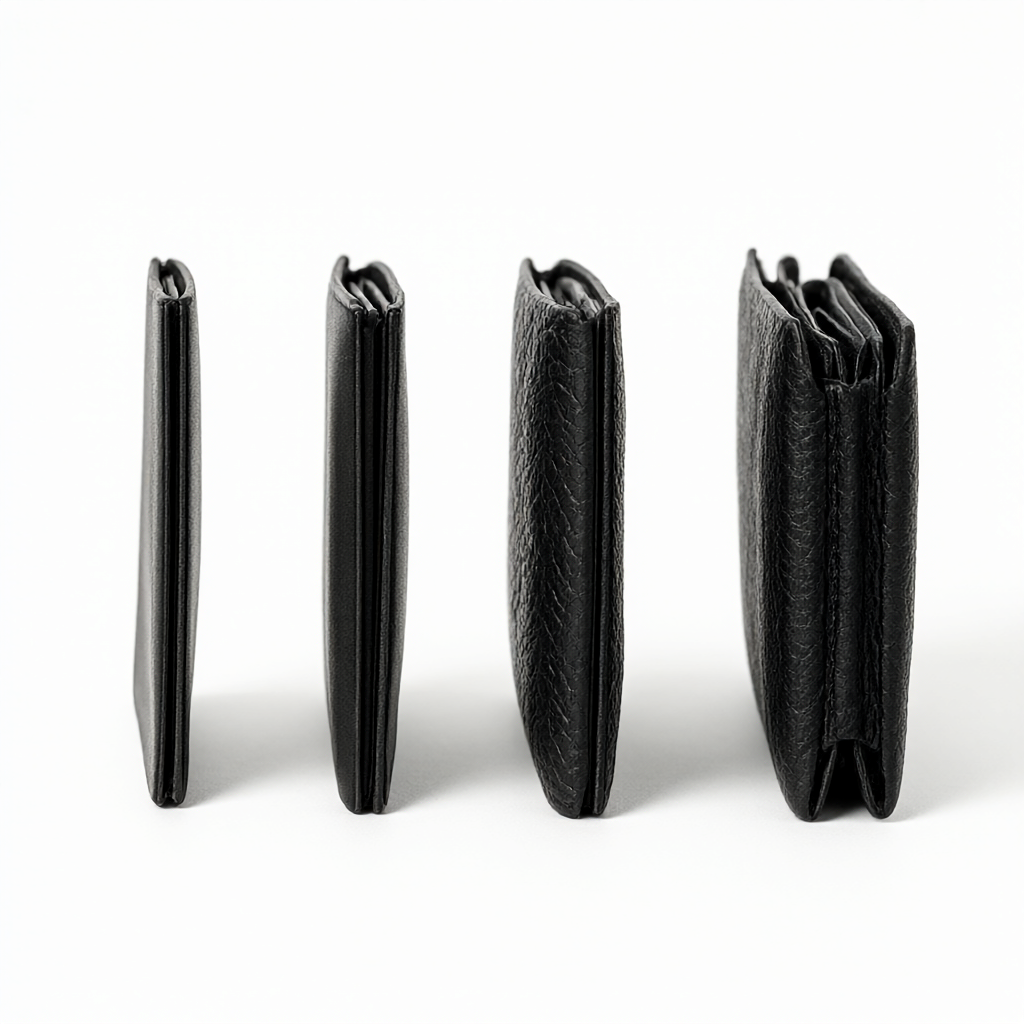
Everyday carry has shifted away from thick bifold wallets toward slimmer profiles. People who once carried three wallets — one for work, one for casual use, one for travel — now consolidate into a single minimalist wallet that fits comfortably in any pocket. This change isn’t just aesthetic; it reflects how bank cards replaced paper money, how fewer people keep receipts long-term, and how phone cameras made physical ID copies unnecessary for most daily routines.
The core decision comes down to three variables: capacity, material durability, and security features. A buyer who carries six credit cards and a $200 bill each day has different needs than someone who uses cash less than twice a month and primarily stores membership cards. Both can find a wallet that works, but they’ll end up at opposite ends of the product spectrum.
Minimum dimensions to consider: most minimalist wallets measure approximately 4 × 3 inches folded, with card slots fitting standard ISO 7810 ID-1 credit cards. If your cards are oversized or bent, check slot tolerances before purchasing.
Types Compared
What type of wallet is best for everyday carry?
Bifold wallets remain the traditional choice. Two panels fold together, creating multiple card slots between inner pockets. They accommodate cash, receipts, and IDs without additional accessories. However, bifold designs add thickness — typically 0.5–1 inch when full — which makes front-pocket carry uncomfortable and increases bag weight over time.
Minimalist wallets strip away everything non-essential. A single panel holds cards (usually 4–12) with a money clip or elastic band for cash. Thickness ranges from 0.25 to 0.6 inches depending on capacity. They excel at reducing pocket bulge but require users to adapt their habits — for example, keeping only two days’ spending cash and using digital receipts whenever possible.
RFID-blocking wallets add a shielding layer — typically aluminum mesh or ferrite film — inside the wallet shell to block wireless scanning attempts. These function identically to regular wallets structurally but provide a tangible security benefit for anyone carrying cards with contactless payment chips enabled.
Digital wallet integrations have created a hybrid category where physical wallets serve as backup storage while phones handle primary transactions. Some brands offer wallets designed specifically to protect phone charging ports or store emergency cards separate from daily transaction cards.
Carbon fiber card holders represent the premium minimalist tier. Carbon fiber offers high strength-to-weight ratio, scratch resistance, and a distinct tactile finish. Production involves autoclave curing at elevated temperatures, requiring specialized tooling that explains why prices run higher than comparable aluminum options.
What does a bifold wallet mean?
A bifold wallet folds in half along a central crease line. The name derives from “bi” meaning two and “fold” referring to the hinge action. Inside, you’ll find card slots on both left and right panels, plus a central bill compartment that may be open-top or secured with a snap button. The design dates back decades and remains popular because it solves every basic carrying need without requiring behavioral adjustment.
The downside is dimension creep. A wallet marketed as holding ten cards will actually accommodate seven comfortable or nine if you force them. Understanding this gap between advertised and real capacity prevents disappointment.
What is the difference between a minimalist wallet and a traditional bifold?
Minimalist wallets prioritize reduced volume and faster access. You pull out three cards every morning rather than digging through four slots to find one. Traditional bifolds prioritize capacity and organization — more slots, dedicated compartments for different card types, explicit cash sections, and sometimes coin pockets. Choose minimalist if you own a gym locker or office desk for excess items. Choose bifold if you want a single container for all possessions.
What does the Apple Wallet icon look like?
The Apple Wallet app icon features a stylized white wallet silhouette on a blue gradient background, positioned vertically. It shows three layered rectangles suggesting card holders within a closed wallet body. Tapping opens to display stored passes, boarding passes, loyalty cards, and transit tickets in a carousel format. Physical wallets complement digital ones by storing cards that lack NFC compatibility or belong to services outside the Apple ecosystem.
How They Compare
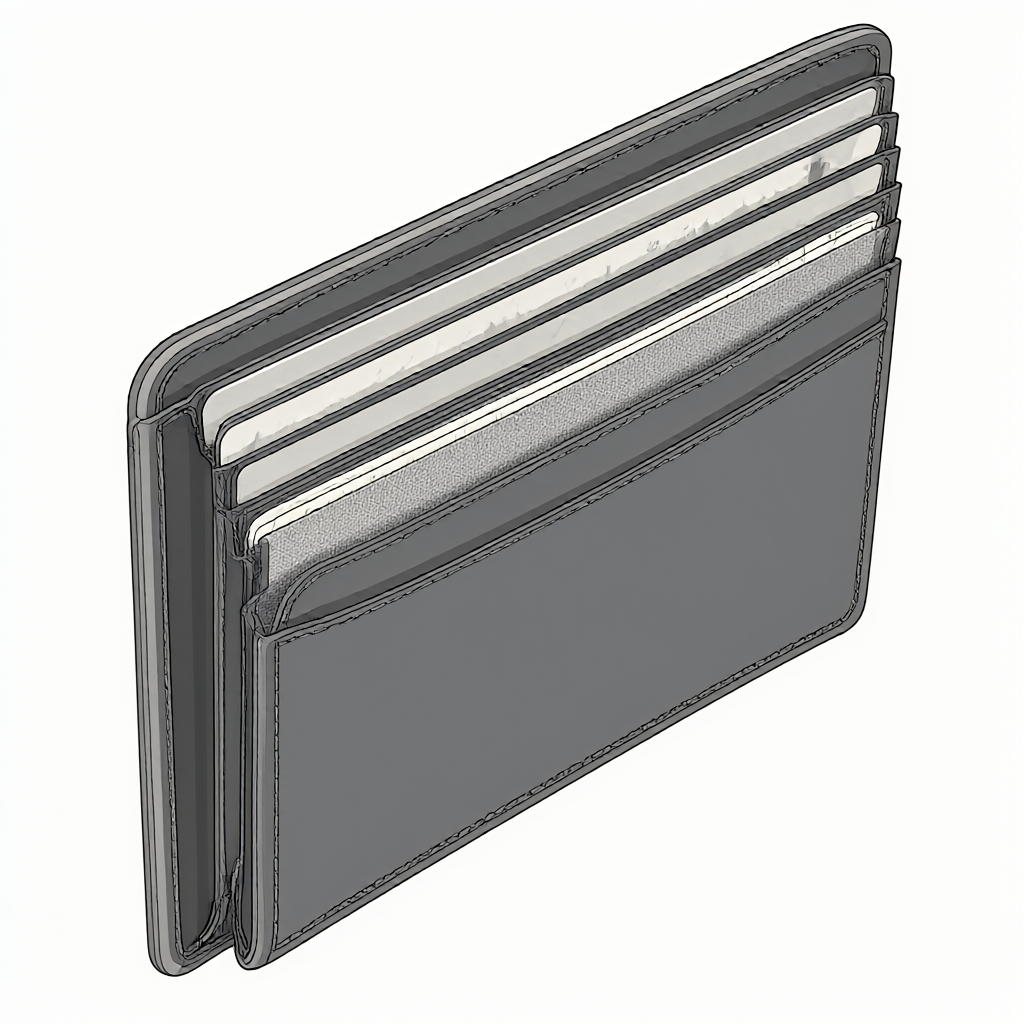
Material selection determines longevity, weight, maintenance requirements, and price. Below is a structured comparison across five critical criteria.
| Material | Weight | Durability | Water Resistance | Price Range | Best For |
|---|---|---|---|---|---|
| Full-grain leather | Moderate | High (ages well) | Low (stains easily) | $30–$80 | Classic style, gift buying |
| Aluminum alloy | Very low | High (scratches show) | Excellent | $25–$60 | Minimalist EDC travelers |
| Carbon fiber | Very low | Very high | Excellent | $50–$120 | Premium everyday carry |
| Titanium | Very low | Very high | Excellent | $80–$200 | Maximum durability seekers |
| Synthetic / vegan leather | Low | Moderate | Moderate | $15–$40 | Budget-conscious buyers |
Full-grain leather develops patina over years of use. Proper care means conditioning every six months and avoiding prolonged moisture exposure. It feels substantial in hand and signals intentional style choices — particularly valued by buyers seeking fashion-forward accessories or promotional gifts for clients.
Aluminum wallets require minimal maintenance but dent under direct impact. Anodized finishes resist scratches better than bare aluminum. These appeal to practical buyers who treat their wallet as a tool rather than an accessory.
Carbon fiber construction demands autoclave manufacturing equipment visible at ISO-certified facilities like ISO 9001 quality-managed factories. The resulting products cost more upfront but resist warping, cracking, and UV degradation better than most polymer composites. For outdoor enthusiasts and frequent travelers, this longevity often justifies the price premium.
Titanium wallets represent the upper tier in material science. Grade 5 titanium (Ti-6Al-4V) offers superior strength compared to aluminum while weighing approximately 45% more — still far lighter than steel equivalents. Corrosion resistance eliminates concerns about salt air, chlorine pools, or daily sweat exposure. Expect to pay significantly more for these.
RFID-blocking technology inserts a thin conductive mesh or ferrite sheet between wallet layers. When an unauthorized scanner emits electromagnetic waves at 13.56 MHz (the frequency used by contactless payment systems), the shielding layer creates eddy currents that cancel the signal, preventing data interception. Per ASTM International testing protocols, effective shielding requires covering the same area as the card’s antenna coil and maintaining continuous grounding paths.
Buying Factors
How to choose the right wallet based on lifestyle?
Start by auditing what you currently carry. Count your cards — active cards only, not expired ones. Estimate your typical cash load on a normal day versus a trip day. Note how frequently you update your smartphone payments versus paying physical cards. Your answers map directly to capacity requirements.
Heavy card carriers (6+ daily): Minimum eight card slots needed with room to expand. Bifold or modular designs work best. Avoid ultra-slim wallets unless willing to rotate card sets weekly.
Card-light users (2–4 daily): Minimalist wallets shine here. Four to six slots with a money clip handles everything without excess bulk.
Cash-preferring buyers: Factor in bill compartment sizing. Some minimalist wallets require folding bills accordion-style; others include dedicated pockets. Ensure the design accommodates your currency denomination.
Security-focused individuals: Prioritize RFID-blocking models combined with discreet designs that don’t advertise wealth. Matte finishes and muted colors serve this demographic better than polished or branded aesthetics.
Gift buyers: Leather wallets dominate gifting preference due to perceived value and personalization potential. Custom laser engraving on metal wallets offers another strong alternative, especially for corporate clients.
What factors matter most when choosing wallet material?
Touch and perception. Leather communicates tradition and warmth. Metal communicates precision and modernity. Carbon fiber communicates performance and technical sophistication. Your audience will judge the carrier based on these associations, intentionally or not.
Maintenance tolerance. Leather requires periodic conditioning. Metal scuffs but cleans easily. Carbon fiber needs nothing beyond occasional wiping. Match the material to your willingness to perform upkeep.
Environmental exposure. Gym bags, beach trips, motorcycle commutes, and rainy cities all impose different stresses. Carbon fiber and titanium tolerate abuse better than exposed leather surfaces. Anodized aluminum sits somewhere in between.
Pricing Guide
How much does a quality wallet cost?
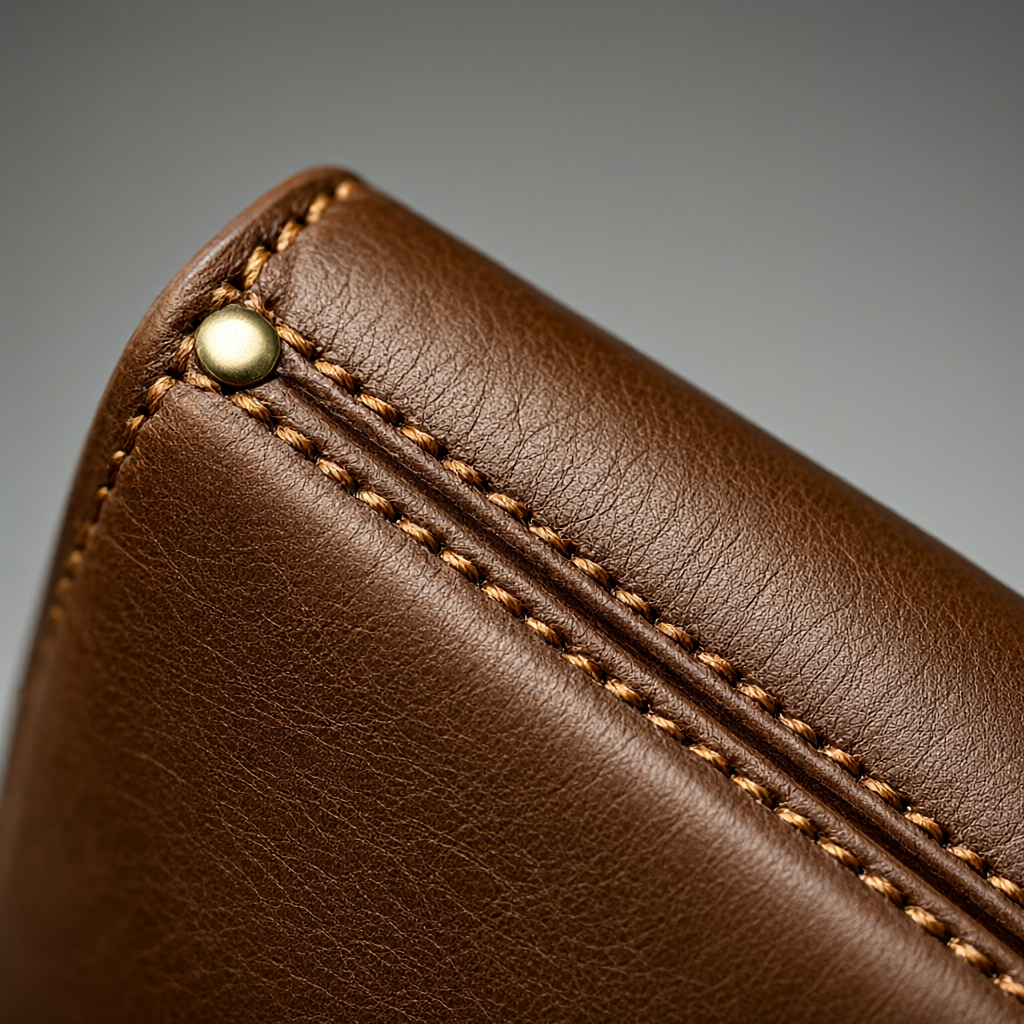
Quality exists across price tiers. Entry-level minimalist wallets start around $15–$25 for synthetic materials or basic aluminum. Mid-range options ($25–$60) deliver solid aluminum or entry-level carbon fiber constructions with reliable RFID protection. Premium tier ($60–$120) covers advanced carbon fiber weaves, titanium shells, and hand-stitched full-grain leather with artisan detailing. Luxury positioning ($120+) includes designer collaborations, exotic leathers, and custom monogramming services.
Several variables shift final pricing: minimum order quantities for wholesale purchases, customization complexity (laser engraving adds modest cost; custom packaging raises it noticeably), shipping origin, and payment terms. Buyers should request formal quotations specifying FOB pricing, sample costs, and production timelines before committing to orders.
Upsides and Downsides
Each wallet type serves distinct priorities, and no single design wins universally. Evaluating trade-offs honestly helps prevent buyer’s remorse.
Bifold wallets: Offer maximum organizational flexibility but sacrifice pocket comfort. Thick profiles dig into thigh seams during sitting. Bulky when placed beside smartphones in slim trouser pockets. Still essential for travelers carrying multiple document types and foreign currency.
Minimalist wallets: Eliminate pocket bulge entirely and force healthier spending habits by physically limiting capacity. Require habit change — you must commit to carrying less. Small bills jam in narrow slots. Receipts become unmanageable without auxiliary solutions.
RFID-blocking wallets: Provide peace of mind against electronic pickpocketing in crowded urban environments. Shielding layers slightly increase thickness (typically 0.1–0.2 inches). Quality varies dramatically; cheap implementations leave gaps that defeat the purpose. Verify complete coverage, not marketing claims.
Leather wallets: Age gracefully and feel premium in hand. Develop character marks that tell usage stories. Stain readily from water exposure. Require maintenance knowledge to preserve appearance long-term. Vegan alternatives exist but differ significantly in texture and aging behavior.
Carbon fiber wallets: Nearly indestructible under normal conditions. Resist fading, scratching, and moisture absorption. Feel cool to touch year-round. Command higher prices reflecting manufacturing complexity. Can feel too clinical or utilitarian for buyers preferring warm natural materials.
Titanium wallets: Combine lightness with extraordinary tensile strength. Corrode imperceptibly across decades of use. Appear distinctive among peers. Premium pricing limits accessibility for budget-conscious buyers. Limited color options — mostly natural metallic gray or anodized black.
Additional Considerations
Buyers occasionally encounter unfamiliar terminology during research. Clarifying these terms prevents confusion and supports informed decisions.
How do RFID-blocking wallets work?
Contactless payment cards contain embedded antennas tuned to 13.56 MHz. Unauthorized scanners emit electromagnetic fields at identical frequencies to harvest stored data — names, account numbers, transaction histories — during close-range proximity (typically within 4 centimeters). RFID-blocking wallets insert a conductive barrier between card surface and exterior environment. The barrier absorbs or reflects incoming energy, disrupting the communication loop. Effective blocking requires full coverage of the card’s antenna zone without gaps at edges or corners.
Research indicates actual electronic theft risk remains low for average consumers, though high-density transit environments and crowded tourist areas present elevated exposure. The technology provides genuine utility for frequent travelers and those carrying high-limit cards.
What about wallet functionality regarding receipts and digital storage?
Physical receipts persist despite digital adoption. Tax documentation, warranty proofs, and business expense tracking still rely on paper trails in many jurisdictions. A wallet with an external slip pocket or zippered compartment handles receipts without forcing them into card slots where they cause spreading.
Digital wallet integration reduces daily physical card dependency. Most smartphone users now carry primary payment via Apple Pay, Google Pay, or Samsung Pay. Physical wallets become secondary repositories for gym memberships, library cards, employee badges, and backup payment methods.
Wallet from lock screen considerations
Some buyers conflate phone lock-screen wallet apps with physical wallet recommendations. These serve fundamentally different purposes. Phone-based wallets digitize transaction credentials. Physical wallets protect and organize tangible cards, cash, and identification documents. Using one doesn’t eliminate need for the other — they operate in complementary domains. Understanding this distinction prevents purchasing errors driven by confusion.
Wallet geek reference points
Enthusiast communities evaluate wallets through obsession with micro-details: stitching tension, clasp actuation force, edge radius measurements, and material grade verification. This culture produces valuable knowledge for informed buyers willing to invest time researching specifications. General consumers benefit from summarized findings without needing to replicate the entire research process independently.
Wallet frias mas seguras — Spanish-language context
“Bright and safe wallets” describes buyers prioritizing visibility alongside security. High-contrast colors (including pink variants marketed toward youth demographics) reduce misplacement frequency and make rapid retrieval obvious. Security features like RFID shielding and secure closures address the safety dimension. These combined attributes serve school-aged and college students navigating crowded campuses.
Wallet full of money images — social media influence
Instagram and TikTok aesthetics drive demand for visually striking wallets. Unusual textures, metallic sheens, and coordinated colorways generate engagement that traditional designs cannot match. Buyers influenced by social content should verify that aesthetic choices don’t compromise functional requirements — a wallet that photographs beautifully but fails under daily use creates frustration quickly.
Wallet full of money drawing — artistic interpretation
Custom engraving and artistic modifications transform factory-fresh wallets into personalized objects. Laser-engraved patterns, hand-drawn motifs transferred via UV printing, and coordinate-matching engravings cater to buyers wanting unique expressions. Manufacturers offering these services typically require art asset submission and proof approval before production begins, adding 2–5 days to standard lead times.
How We Meet These Standards
As a manufacturer specializing in minimalist EDC wallets and pocket gear for over a decade, our approach centers on matching material properties to real-world usage patterns. We source aerospace-grade aluminum and pre-impregnated carbon fiber layups, machine each component on in-house CNC equipment, and apply anodizing or laser-engraving finishes that withstand years of pocket friction. Our facility operates under ISO 9001 quality management protocols, ensuring consistent tolerances across production batches and verifiable traceability for every unit shipped.
We help brands, Amazon FBA sellers, and distributors bring custom wallets from concept to shelf — handling everything from initial design feedback through packaging and logistics preparation. With flexible MOQs starting at 100 pieces and sample turnaround in approximately one week, emerging brands can validate market response before committing to larger production runs. Every project receives dedicated engineering review to confirm material selections, dimensional accuracy, and finish durability meet the intended application requirements.
Frequently Asked Questions
How much is a pink wallet?
Pink-colored wallets — whether carbon fiber anodized finishes, aluminum powder-coated surfaces, or leather dye treatments — typically range from $20 to $90 depending on material quality and brand positioning. Entry-level options start around $20 for basic aluminum constructions with colored coatings. Premium carbon fiber versions in pink tones command $60–$90. Designer collaborations or limited editions may exceed $100. Availability varies seasonally as manufacturers rotate color palettes based on market demand.
Is the pink wallet genuine Lululemon product?
Lululemon produces select wallet accessories under its lifestyle branding, including some pink-hued designs targeted toward younger demographics. Authenticity verification requires checking official retail channels, examining stitch quality and logo placement, and confirming purchase through authorized retailers. Third-party resellers listing “Lululemon pink wallets” at significantly discounted prices warrant scrutiny — counterfeit prevalence in popular lifestyle accessories remains documented by FTC consumer advisories on branded merchandise fraud.
What materials are used in quality wallets?
Quality construction employs full-grain leather (thick, dense hide with natural grain intact), aerospace-grade aluminum alloys (6061-T6 or 7075-T6 for rigidity), autoclave-cured carbon fiber prepreg sheets (pre-impregnated resin fibers cured under heat and pressure), and Grade 5 titanium alloys (Ti-6Al-4V for exceptional strength-to-weight performance). Budget alternatives use bonded leather composites, stamped mild steel, injection-molded polymers, and low-grade aluminum insufficient for load-bearing applications.
Does it fit cards and cash?
Standard ISO 7810 credit and debit cards measure 85.60 × 53.98 mm. Any wallet failing to accommodate these dimensions precisely will damage card edges over repeated insertion cycles. Cash storage depends on denomination — US dollar bills measure approximately 156 × 66 mm unfolded. Minimalist wallets typically require folding bills twice (quarter-fold) to fit internal compartments. Bulkier bifolds accommodate single-fold bills comfortably. Always verify stated capacity matches actual card count rather than assuming marketing figures reflect real-world usability.
Are there different colors besides pink?
Yes — wallet manufacturers produce extensive color portfolios. Common options include natural metallic (aluminum silver, titanium gray, carbon fiber black-weave), anodized colors (black, blue, red, green, purple, rose gold), leather tones (brown, tan, black, burgundy, navy), and specialty finishes (matte, brushed, mirror-polished, bead-blasted). Pink represents one variant within broader color strategy rather than a standalone category. Seasonal collections and regional market preferences determine availability of specific hues at any given time.
Sources & References
- ISO 9001 — www.iso.org
- ASTM International — www.astm.org
- FTC — www.ftc.gov
- Get a Free Quote → — topedcwallet.com
- Digital wallet — topedcwallet.com
From article to product
Turning this into a product?
Most of what is written here is the difference between a sample that works and one that does not. We can build either — the useful one costs the same.
Keep reading
More on buying guides
wallet with trigger
How Does a Trigger Wallet Work? What Is the Pop-Up Mechanism? The core of…
Readbest bifold wallet for women
What Is a Bifold Wallet? The term “bifold” refers to the fold: the wallet…
ReadMen’s trifold wallets with zipper compartments vs. bifold
At a Glance The three dominant men’s wallet formats differ in panel count, depth,…
Read
About the author
TOPWALLET Editorial Team
TOPWALLET's editorial and engineering desk writes from bench testing at the Shenzhen (Longgang) facility: pull-force and cycle testing, 13.56 MHz shielding measurements, finish trials and factory audits, rather than supplier spec sheets. Every specification in these guides is one we write on a purchase order.
Written on the floor
This article was written by our production and QC team — the people who spec tolerances, run the finishing line and inspect every batch. Where it states a capacity, a pull force or a lead time, it comes from a measurement we made, not a supplier’s catalogue. If a number here disagrees with what your own supplier told you, tell us; several of these articles started as a correction from a buyer.
See how the factory works · Inspection process · Sourcing FAQ
Turning this into a product?
Most of what is written here is the difference between a sample that works and one that does not. We can build either — the useful one costs the same.