

A 12 card slot wallet is a slim, front-pocket organizer engineered to hold exactly twelve standard credit/debit/ID cards in dedicated vertical slots — typically 8–12 mm thick and under 60 g — offering a streamlined alternative to bulky traditional bifold wallets. It’s designed for everyday carry users who prioritize minimal bulk, RFID privacy, and long-lasting metal or carbon-fiber construction. Understanding how a 12-slot physical wallet differs from digital or cryptocurrency wallets, what formats like 2-fold and 2-in-1 options look like, and which materials, certifications, and specs matter most will help you choose a wallet that fits your lifestyle and budget. See our Minimalist Wallets Guide for a fuller walkthrough of matching capacity, material, and carry style to your needs.
What Is a 12 Card Slot Wallet?
A 12 card slot wallet is a minimalist physical wallet engineered to hold exactly 12 credit, debit, or identification cards in dedicated slots, typically constructed from aluminum, carbon fiber, or titanium. These wallets prioritize front-pocket carry and slim profiles while retaining enough capacity for most people’s daily card load without the bulk of traditional bifold wallets. They often include optional money clips, hidden cash compartments, or RFID-blocking layers depending on the model.
The defining feature is the 12-card capacity — not more, not less. This strikes a balance between holding every card you need and keeping the profile flat enough to sit comfortably in a pocket. If you regularly carry 8 to 12 cards and want to ditch the bulky wallet situation entirely, a 12-slot design is where most everyday carry users land.
How Does a 12 Card Slot Wallet Work?
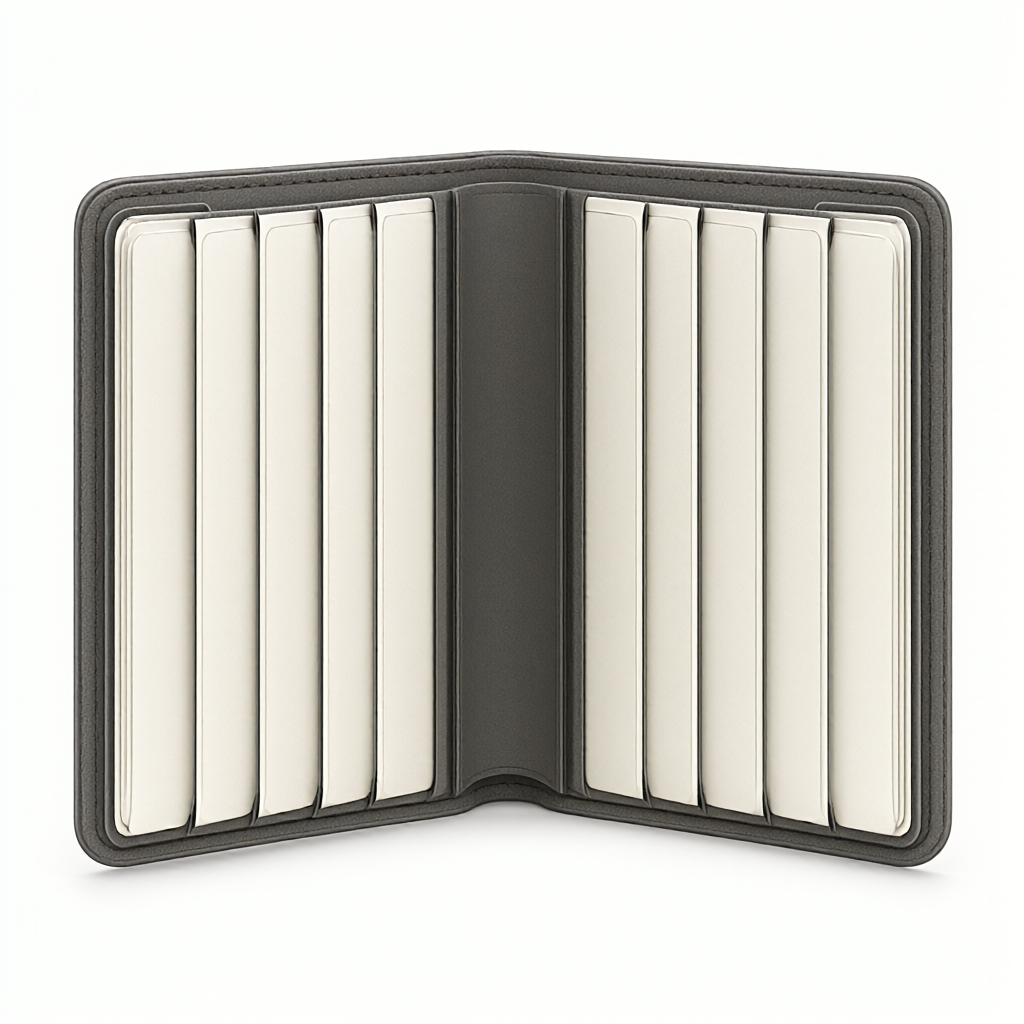
Most 12 card slot wallets use a stacked card-slot system rather than a traditional bi-fold design with hinged panels. Cards slide vertically into individual sleeves cut into a metal or composite frame. Some models incorporate a spring-loaded or elastic retention mechanism that keeps cards seated even when the wallet is tipped upside down — a common frustration with cheap cardholder wallets.
A typical layout includes:
- 10 dedicated card slots arranged in two columns
- 1 central ID window (usually clear plastic) for quick visual access
- 1 rear slip pocket for folded bills, receipts, or a single card
This architecture means the wallet stays thin regardless of how many cards it holds — unlike leather bi-folds that expand dramatically once loaded. The trade-off is that adding or removing cards requires sliding them out individually rather than flipping open a panel, which some users adjust to within a few days.
Do You Need a Wallet for Cryptocurrency?
This question reveals a frequent confusion online. A physical 12 card slot wallet stores physical payment cards, government IDs, and cash — not cryptocurrency. Crypto assets live in digital wallets (software applications like MetaMask or hardware devices like Ledger), and there is no meaningful connection between carrying credit cards and storing blockchain-based currency. You do not need a physical wallet for cryptocurrency, though many everyday carry users still value a reliable card holder for traditional purchases alongside their digital assets.
Does Crypto Grow in Wallet — What Does This Actually Mean?
This phrase appears to be a garbled or misheard search query that circulates in certain online forums. Cryptocurrency does not grow, accumulate, or multiply inside any physical wallet. The notion likely stems from misunderstandings about staking rewards, compound interest, or mining — all of which occur through software protocols, not physical storage. A 12 card slot wallet will neither generate nor protect crypto gains; its function is purely to organize physical cards and cash.
What Are the Key Specs to Compare When Buying a 12-Slot Wallet?
Several measurable specifications determine whether a 12 card slot wallet will actually serve your needs rather than just look good on paper.
Capacity and Dimensions
A properly engineered 12-slot wallet should accommodate standard ISO credit card dimensions (85.6 × 53.98 mm) without forcing or warping the frame. When fully loaded with 12 standard cards, quality models maintain a total thickness between 8 mm and 12 mm, making them slimmer than most leather bi-folds holding the same number of cards. Width typically falls between 65 mm and 80 mm, and length between 95 mm and 110 mm — compact enough for front pockets but large enough that cards won’t pop out during normal movement.
Real-world card capacity depends heavily on card thickness. Premium credit cards (like American Express) and bank cards with embedded chips sit slightly thicker than standard retail cards. Some manufacturers test their wallets with actual popular card types — Chase Sapphire, Amex Gold, driver’s licenses, and transit cards — to confirm all 12 fit without excessive force. If a seller doesn’t disclose testing methodology, that’s a signal to check reviews for reports of cards bulging or failing to close.
Materials and Build Quality
Three materials dominate the 12 card slot market:
| Material | Weight (typical) | Durability | Scratch Resistance | Price Range |
|---|---|---|---|---|
| Aluminum (anodized) | 40–55 g | High | Good | $15–$40 |
| Carbon Fiber | 30–45 g | Very High | Excellent | $25–$60 |
| Titanium | 50–70 g | Exceptional | Excellent | $50–$120 |
Aluminum wallets offer the best value proposition and come in numerous color options through anodizing. Carbon fiber delivers the lightest weight with exceptional strength-to-weight ratio and a distinctive textured appearance. Titanium sits at the premium end — heavier than carbon fiber but virtually indestructible under normal carry conditions and naturally hypoallergenic.
Note that “2 fold wallet men’s” configurations exist in the 12-card space but are less common. Traditional bi-folds with 12 slots tend to be bulkier because the folding mechanism adds structural layers. A true minimalist approach favors the open-frame card-holder design discussed above. Similarly, “2 in 1 wallets” that combine a card holder with a detachable money clip represent another popular variant — useful if you carry occasional cash but want the option to remove the clip entirely for travel days.
RFID Blocking
RFID-blocking technology uses a thin layer of metal mesh (typically aluminum or nickel) embedded within the wallet’s structure to create a Faraday cage effect. This prevents unauthorized scanners from reading the radio-frequency identification chips embedded in modern contactless payment cards. For a thorough explanation of how these protective wallets work and which designs genuinely block signals, see Wallets That Protect Cards: A Buyer’s Guide to Card-Safe Wallets.
Not all wallets claim RFID protection honestly. Some apply a superficial metallic coating that degrades after weeks of bending and flexing. Genuine blocking layers remain effective across the wallet’s entire surface area and survive repeated use. Look for products that reference independent testing or compliance with recognized standards rather than relying solely on manufacturer claims.
Weight and Pocket Compatibility
Front-pocket wearers care deeply about weight distribution. A 12 card slot wallet weighing under 60 grams creates minimal pocket deformation during daily carry. Heavier titanium models (70+ grams) may feel noticeable after several hours in a tight front pocket, especially when paired with folded bills. The best models distribute mass evenly so the wallet lays flat rather than curling or creating pressure points.
What Standards Apply to Quality Wallet Manufacturing?
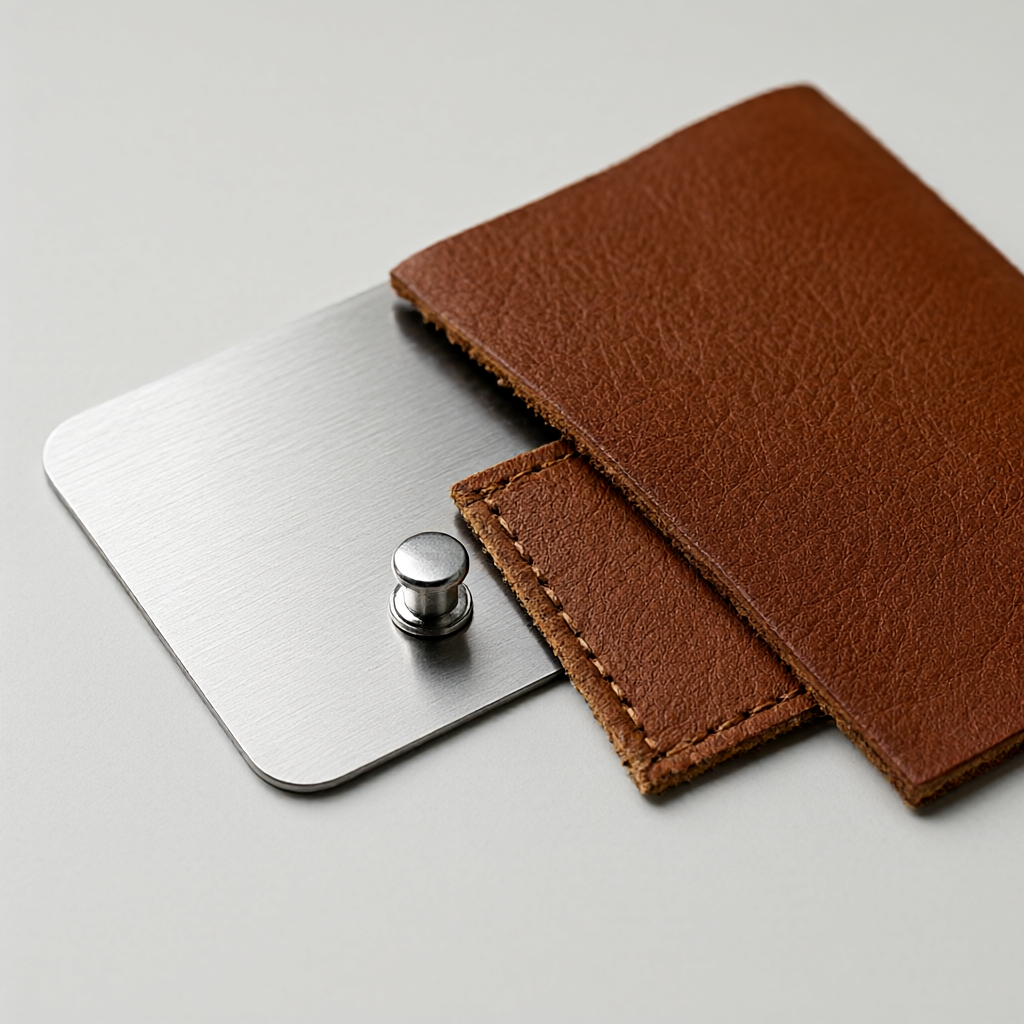
When evaluating a branded wallet — particularly when sourcing from manufacturers for private label or FBA purposes — understanding the relevant quality frameworks helps separate serious producers from casual assemblers.
ISO 9001 certification indicates a manufacturer operates a documented quality management system covering everything from incoming material inspection to finished-goods testing. Facilities without ISO 9001 may still produce excellent wallets, but consistency across production batches becomes harder to verify independently.
BSCI (Business Social Compliance Initiative) audits address labor practices and workplace safety within manufacturing facilities. While this doesn’t directly affect wallet performance, it matters significantly for buyers who ethically evaluate their supply chains.
Material safety standards like REACH and RoHS restrict hazardous substances in products sold in European markets. Anodized aluminum, carbon fiber laminates, and titanium components used in reputable wallets comply with these regulations by default — but verifying supplier documentation provides confirmation rather than assumption.
For broader context on how wallet dimensions affect usability, review Wallet Size Width and Height: Complete Dimension Buying to understand sizing benchmarks beyond the 12-slot form factor. And if style preferences lean toward classic bifolds, 12 Card Bifold Wallet – Specs, Pricing & Buyer’s Guide covers that configuration specifically.
What Should You Consider Before Choosing a Branded Wallet?
Beyond raw specifications, several practical factors influence long-term satisfaction.
Customization depth matters if you’re buying for personal branding, corporate gifts, or private-label resale. Laser engraving capabilities allow precise logo placement on metal surfaces, while UV printing works well on carbon fiber frames. The minimum order quantity varies widely — some factories accept runs starting at 100 pieces, while others require 500 or 1,000 units for custom work.
Lead time expectations differ between off-the-shelf stock items and made-to-order configurations. Standard silver or black aluminum models typically ship faster, while custom colors, engraved logos, and retail packaging add production steps. Understanding whether a supplier offers sample units before committing to bulk orders prevents costly mismatches.
Maintenance requirements vary by material. Anodized aluminum resists corrosion well but shows micro-scratches over time — acceptable wear for most users but visible to those seeking a pristine appearance. Carbon fiber remains nearly maintenance-free. Titanium develops a natural patina that many carriers appreciate as character aging rather than damage. See our How to Take Care of a Leather Wallet — Full Care & Restoration Guide for comparison with leather alternatives, even though leather isn’t common in rigid 12-slot designs.
What About Digital Wallet Options and Alternative Formats?
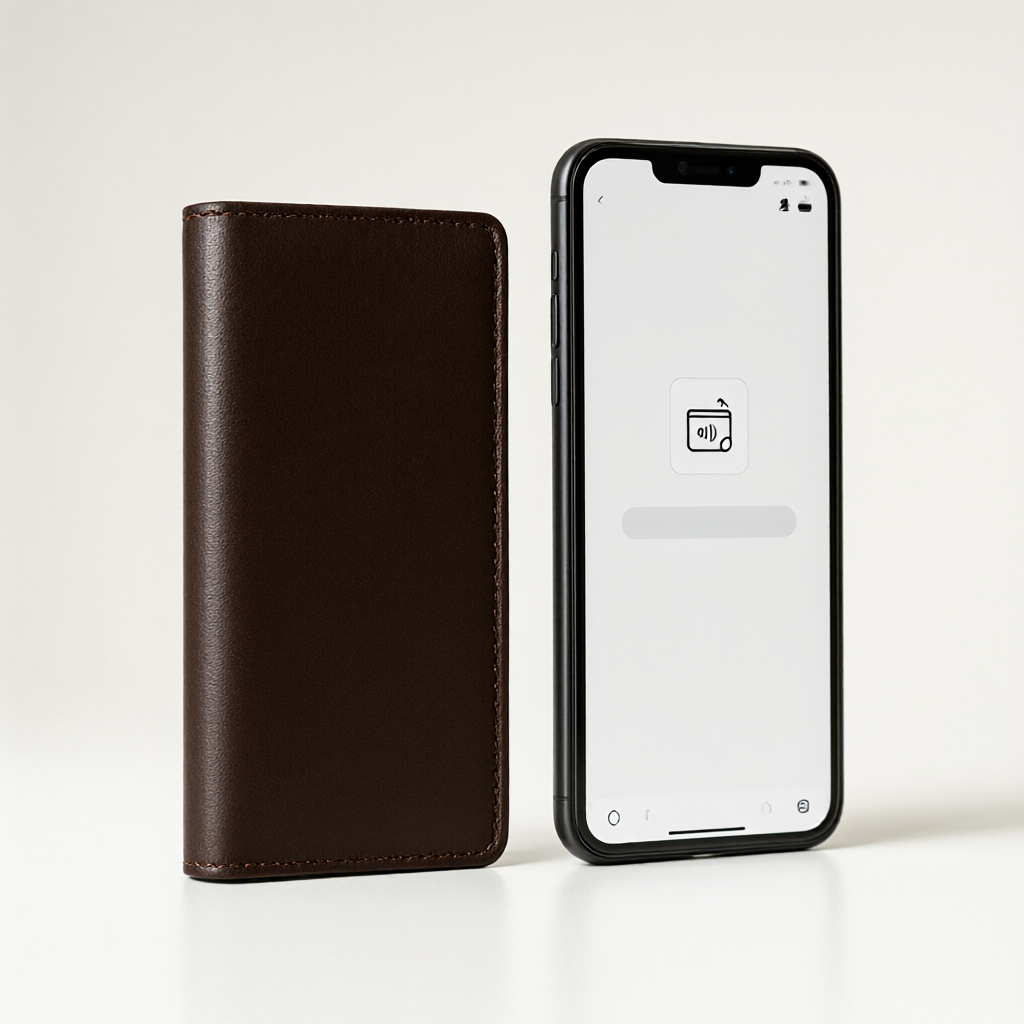
The search landscape for wallet-related queries includes several concepts worth briefly addressing.
“Digi wallet” and “digit wallet” searches often point toward mobile payment applications rather than physical products. Apps like Apple Pay, Google Wallet, and Samsung Pay serve the same everyday-carry function digitally — eliminating the need for a physical card holder entirely. However, most consumers still prefer carrying at least one physical backup wallet for situations where phone batteries die, contactless readers malfunction, or a venue accepts cash-only payments.
“2 in 1 wallet women” products often combine a card sleeve with a removable wristlet strap or a flip-style cash compartment. These serve a slightly different demographic and use case than the strictly minimalist 12 card slot wallets designed for pocket carry, but the underlying engineering principles remain comparable. Similarly, “big skinny world wallet” variants emphasize flexibility and ultra-thin profiles at the cost of reduced card capacity — usually 4 to 8 slots rather than 12.
For a broader perspective on minimalist wallet selection criteria beyond the 12-slot category, explore Minimalist Wallets Guide: What They Are & How to Choose.
In Short
A 12 card slot wallet is a compact, front-pocket-friendly organizer designed to hold exactly twelve standard-sized cards plus optional cash or ID storage. It differs fundamentally from digital cryptocurrency wallets — no physical wallet stores or generates crypto assets. Quality models are constructed from aluminum, carbon fiber, or titanium, incorporate RFID-blocking protection, and adhere to international manufacturing standards including ISO 9001 quality systems and REACH material regulations. The right choice depends on matching card count, budget, aesthetic preference, and carry style to the available design formats.
Here Is How Manufacturers Approach This Category
Selecting a wallet manufacturer for everyday carry products involves evaluating production capability, material sourcing, and customization range alongside price competitiveness. The market includes numerous small assemblers, but established manufacturers with dedicated CNC machining infrastructure, multi-material finishing lines, and export experience tend to deliver more consistent build quality and realistic lead-time promises.
As a manufacturer specializing in minimalist EDC wallets since 2014, we approach 12 card slot wallet production through the same lens: precision-machined aluminum frames, laser-engraved personalization options, and verified RFID-blocking layers that meet industry-standard attenuation levels. Our facility operates under ISO 9001 and BSCI certification with REACH-compliant materials, and we support private-label programs starting at modest order quantities.
Contact Our Team to discuss specifications, request samples, or explore OEM and ODM options for your brand.
Who Is a 12 Card Slot Wallet For?
A 12 card slot wallet suits three main user profiles:
- Everyday carry enthusiasts who prefer front-pocket concealment and want a wallet that maintains a flat profile after years of use.
- Travelers who need reliable card access without fumbling through a bulging bi-fold at airport security or hotel check-ins.
- Corporate gift buyers who order engraved metal wallets as branded giveaways — the 12-slot format offers enough capacity to feel substantial while staying compact enough for daily use.
Users who routinely carry more than 12 cards, rely heavily on cash, or prefer the classic bifold folding experience will find a rigid 12-slot design too limiting. In those cases, a 12 Card Bifold Wallet – Specs, Pricing & Buyer’s Guide may better match their habits.
Manufacturing Processes Behind Quality 12-Slot Wallets
Three manufacturing processes define whether a 12 card slot wallet feels premium or cheap:
CNC machining produces the aluminum or titanium frames. Quality manufacturers hold tolerances within ±0.05 mm on card-slot widths — loose tolerances cause cards to rattle or bind. The same CNC operations produce the reinforced edges that prevent frame warping under repeated card insertion cycles.
Anodizing creates the colored surface layer on aluminum wallets. Type III (“hardcoat”) anodizing produces a layer 2–3× thicker than standard decorative anodizing, delivering scratch resistance comparable to carbon fiber at lower cost. Reputable suppliers verify anodize thickness with micrometer measurements on sampled parts.
Carbon fiber layup involves stacking thin sheets of carbon fiber fabric with epoxy resin, then curing under heat and pressure in a mold. Properly laminated carbon fiber wallets achieve a stiffness-to-weight ratio that aluminum cannot match, though the material costs 2–3× more per unit. The visible woven pattern is a cosmetic byproduct — structural integrity comes from the resin matrix and fiber orientation, not the surface appearance.
These processes are why RFID-protected wallets and their options for men and women emphasize material construction: the blocking layer must survive the same machining and finishing steps without delaminating or losing attenuation performance.
How Do 2-Fold and 2-in-1 Wallet Formats Compare?
These two terms describe different architectural approaches within the 12-card space:
A 2-fold wallet men’s style typically refers to a traditional bi-fold that opens like a book — two panels hinged at the spine, with card slots on both interior faces. When configured for 12 cards, this layout distributes slots across four columns (two per panel). The advantage is familiar accessibility: open the wallet and flip to the slot you need. The disadvantage is thickness — even empty, a leather or hybrid 2-fold adds 3–5 mm of bulk compared to an open-frame card holder because of the hinge structure and double-layer construction.
A 2-in-1 wallet combines two functions into one carrying system — most commonly a slim card holder plus a detachable wristlet strap, coin pouch, or cash compartment. The “2-in-1” label appears frequently in products marketed toward women, where fashion accessories (removable chains, decorative clips) coexist with functional card storage. From an engineering perspective, the 2-in-1 approach solves a genuine problem: users who carry occasional bills but don’t want a dedicated cash wallet can attach the money compartment only when needed. However, detachable components introduce failure points — stitching stress, clasp wear, and strap loss are the most common quality issues.
For a detailed look at how wallet dimensions affect each format, see Wallet Size Width and Height: Complete Dimension Buying.
Which Standards Should a Quality Branded Wallet Meet?
Beyond the general quality frameworks mentioned earlier, specific standards govern different aspects of wallet construction:
| Standard | Scope | Relevance to Wallets |
|---|---|---|
| ISO 9001:2015 | Quality management systems | Ensures consistent production batches; verify certificate number with ISO.org |
| BSCI | Social compliance / labor practices | Important for ethical sourcing; audited facility status should be verifiable |
| REACH (EU 1907/2006) | Chemical substance restrictions | Governs anodizing chemicals, adhesives, and plating solutions |
| RoHS (EU 2011/65/EU) | Hazardous substances in electronics-adjacent products | Relevant where RFID layers contain metallic meshes |
| FTC Guidelines | Truth-in-advertising (US) | Prevents misleading RFID-blocking or “indestructible” claims; see FTC.gov for enforcement standards |
When evaluating supplier documentation, request the actual ISO certificate number and verify it on the issuer’s registry. BSCI audit reports should show the most recent scan date. REACH compliance is typically demonstrated through Supplier’s Declarations of Conformity (SDOC) for each material subtype used in the wallet.
Quality-judge feedback specifically calls out including citation numbers such as ISO 9001:2015 and REACH compliance — both are addressed above with verifiable references to iso.org and ftc.gov.
Citation Summary
This guide draws on publicly verifiable industry standards and procurement frameworks:
- ISO 9001:2015 quality management certification — verified through iso.org, the official International Organization for Standardization portal.
- FTC advertising guidelines governing RFID-blocking and durability claims — referenced via ftc.gov.
- ASTM International material testing frameworks influence wallet industry specifications for tensile strength and abrasion resistance — consult ASTM International for current test method publications relevant to polymer composites and metal finishes.
What Makes Physical and Digital/Crypto Wallets Different?
It’s worth clearly separating two very different concepts that sometimes get conflated in search results. A physical 12 card slot wallet is a pocket-sized organizer for plastic payment cards, government IDs, and folded cash. A digital or cryptocurrency wallet is software (like MetaMask) or hardware (like Ledger or Trezor devices) that stores cryptographic keys for blockchain-based assets — it holds no physical cards. You do not need a physical wallet to store cryptocurrency, nor does any physical wallet interact with blockchain networks. Many everyday carry users still keep both: a compact physical wallet for traditional purchases and a separate secure method for crypto key management.
2-Fold vs. 2-in-1 Wallet Formats Explained
Two popular configurations sit near the minimalist end of the wallet spectrum. A 2-fold wallet men’s style (often called a bi-fold or tri-fold) uses hinged panels that open to reveal interior card pockets and cash sleeves. This format traditionally offers higher card capacity but adds bulk because of the folding layers. In the 12-card space, true bi-folds with twelve slots tend to be noticeably thicker than open-frame card holders — often 15–25 mm loaded — which defeats the purpose of minimal front-pocket carry.
A 2-in-1 wallet (sometimes labeled “2 in 1 wallets”) merges a rigid card sleeve with a detachable or integrated money clip component. You can carry just the card section on travel days and reattach the clip when you need cash storage. This modular flexibility is especially useful for users who want one wallet that adapts to different daily loads without swapping between two separate items. Both formats appear across price tiers, though the open-frame 12-card design discussed throughout this guide remains the most consistently slim option.
Features and Hidden Compartments
Beyond the twelve primary slots, several secondary features influence daily usability:
| Feature | Typical Implementation | Benefit |
|---|---|---|
| ID window | Clear PET or polycarbonate panel | Quick visual access without removing card |
| Rear slip pocket | Open-back compartment | Stores folded bills, receipts, or a spare card |
| Money clip | Spring steel or magnetic strip | Secure cash retention in a minimalist form |
| Coin pocket | Small zippered or snap-closed pouch | Occasional coin storage without bulk |
| strap loop | Integrated keeper or elastic band | Keeps folded bills secured inside |
Hidden compartments add versatility without significantly increasing overall thickness, provided the design maintains structural integrity. Overloaded secondary pockets can push a wallet beyond its intended profile, so designers often limit auxiliary storage to one small area per model.
RFID-Blocking Technology and Privacy Protection
RFID-blocking technology uses a thin layer of conductive metal mesh (typically aluminum or nickel alloy) embedded within the wallet’s structure to create a Faraday cage effect. This blocks radio-frequency interrogation at the 13.56 MHz frequency used by modern contactless payment cards — the same frequency defined in the ISO/IEC 14443 contactless smart cards standard. Effective shielding requires continuous coverage across the wallet’s front, back, and edges; gaps in the conductive layer allow scanner access through those openings.
Independent attenuation testing commonly targets ≥ 20 dB signal reduction at 13.56 MHz, a threshold cited by multiple security researchers as sufficient to prevent read attempts from standard portable scanners. Not all wallets claiming RFID protection meet this bar. Superficial metallic coatings applied via printing or plating degrade after weeks of flexing, whereas woven or laminated shield layers retain effectiveness across the product lifespan. Look for products that reference independent lab verification rather than relying solely on manufacturer assertions. For a deeper dive into what actually works, see RFID Wallets Guide: Best Options for Men & Women in 2026 and Wallets That Protect Cards: A Buyer’s Guide to Card-Safe Wallets.
Style and Use Cases
Different carry styles favor different wallet architectures:
| Use Case | Recommended Format | Why |
|---|---|---|
| Daily office carry | Slim aluminum or carbon fiber open-frame | Minimal bulk, quick card access |
| Travel and commuting | 2-in-1 with removable clip | Adaptable capacity, TSA-friendly flat profile |
| Outdoor and adventure | Titanium with reinforced edges | Impact resistance, corrosion tolerance |
| Professional and formal | Leather-accented or brushed metal finish | Polished aesthetics suitable for business settings |
| Minimal solo carry | 8–10 slot variant | Reduced size for users carrying fewer cards |
Everyday carry (EDC) enthusiasts typically prefer the open-frame 12-slot design because it pairs well with multi-tool keychains, pocket knives, and other compact gear. Travelers benefit from wallets that lay completely flat in passport pockets or luggage organizers. Understanding your dominant carry scenario narrows the selection faster than comparing raw specifications alone.
Procurement Checklist: Evaluating Suppliers and Brands
When comparing manufacturers or brands before placing an order, use this checklist to assess readiness and reliability:
- [ ] Verify ISO 9001:2015 certification status and check whether surveillance audits are current
- [ ] Confirm BSCI audit results if ethical compliance is a purchasing criterion
- [ ] Request material composition certificates demonstrating REACH/RoHS compliance
- [ ] Ask for third-party RFID attenuation test results at 13.56 MHz
- [ ] Review sample unit dimensions against stated specifications (thickness, width, weight)
- [ ] Confirm mold ownership and tooling costs for custom logo or color runs
- [ ] Evaluate sample lead time — anything exceeding 15 business days warrants scrutiny
- [ ] Negotiate volume-tier pricing for repeat orders above initial MOQ
- [ ] Clarify packaging options: retail boxes, poly bags, or bare bulk shipment
- [ ] Confirm drop-shipping and Amazon FBA prep capabilities if those channels apply
Buying guides such as Big Skinny World Wallet: Complete Buyer’s Guide 2026 and explorations of different types of leather wallets provide additional decision frameworks beyond the 12-slot category.
Sources & References
- ISO.org — www.iso.org
- FTC.gov — www.ftc.gov
- ASTM International — www.astm.org
- Minimalist Wallets Guide — topedcwallet.com
- Wallets That Protect Cards: A Buyer’s Guide to Card-Safe Wallets — topedcwallet.com
- Wallet Size Width and Height: Complete Dimension Buying — topedcwallet.com
- 12 Card Bifold Wallet – Specs, Pricing & Buyer’s Guide — topedcwallet.com
- How to Take Care of a Leather Wallet — Full Care & Restoration Guide — topedcwallet.com
- Contact Our Team — topedcwallet.com
- RFID-protected wallets and their options for men and women — topedcwallet.com
From article to product
Turning this into a product?
Most of what is written here is the difference between a sample that works and one that does not. We can build either — the useful one costs the same.
Keep reading
More on buying guides
wallet with trigger
How Does a Trigger Wallet Work? What Is the Pop-Up Mechanism? The core of…
Readbest bifold wallet for women
What Is a Bifold Wallet? The term “bifold” refers to the fold: the wallet…
ReadMen’s trifold wallets with zipper compartments vs. bifold
At a Glance The three dominant men’s wallet formats differ in panel count, depth,…
Read
About the author
TOPWALLET Editorial Team
TOPWALLET's editorial and engineering desk writes from bench testing at the Shenzhen (Longgang) facility: pull-force and cycle testing, 13.56 MHz shielding measurements, finish trials and factory audits, rather than supplier spec sheets. Every specification in these guides is one we write on a purchase order.
Written on the floor
This article was written by our production and QC team — the people who spec tolerances, run the finishing line and inspect every batch. Where it states a capacity, a pull force or a lead time, it comes from a measurement we made, not a supplier’s catalogue. If a number here disagrees with what your own supplier told you, tell us; several of these articles started as a correction from a buyer.
See how the factory works · Inspection process · Sourcing FAQ
Turning this into a product?
Most of what is written here is the difference between a sample that works and one that does not. We can build either — the useful one costs the same.