

At a Glance: What Is a Wallet Making Class?
A wallet making class is structured learning designed to take someone from zero experience to building a functional wallet using either traditional hand tools or light fabrication equipment. These programs cover fundamental skills such as measuring, cutting, edge finishing, stitching or adhesive assembly, hardware installation, and basic design reasoning. They are aimed at hobbyists wanting a creative outlet, people looking to build a meaningful handmade gift, small-batch startup prototyping, or teams seeking a collaborative crafting activity.
Many cities host wallet making workshop events through makerspaces, adult education centers, or independent artisans who rent studio time by the session. Meanwhile, a wallet maker online course gives learners access to recorded demonstrations, downloadable patterns, and supplier lists for purchasing wallet making supplies from home. Some attendees search for “wallet makers near me” to find regional instructors; others go straight to a wallet maker online resource because of schedule flexibility or limited local options.
For those already inspired, additional research often leads them toward wallet making tutorial libraries, starter kits labeled as DIY wallet kit packages, or even a trip to a local wallet mall or craft strip where multiple vendors display finished products alongside their class offerings. The decision between a short pop-up event and a multi-week series usually comes down to budget, goals, and how much hands-on practice time each learner needs.
Categories Explained
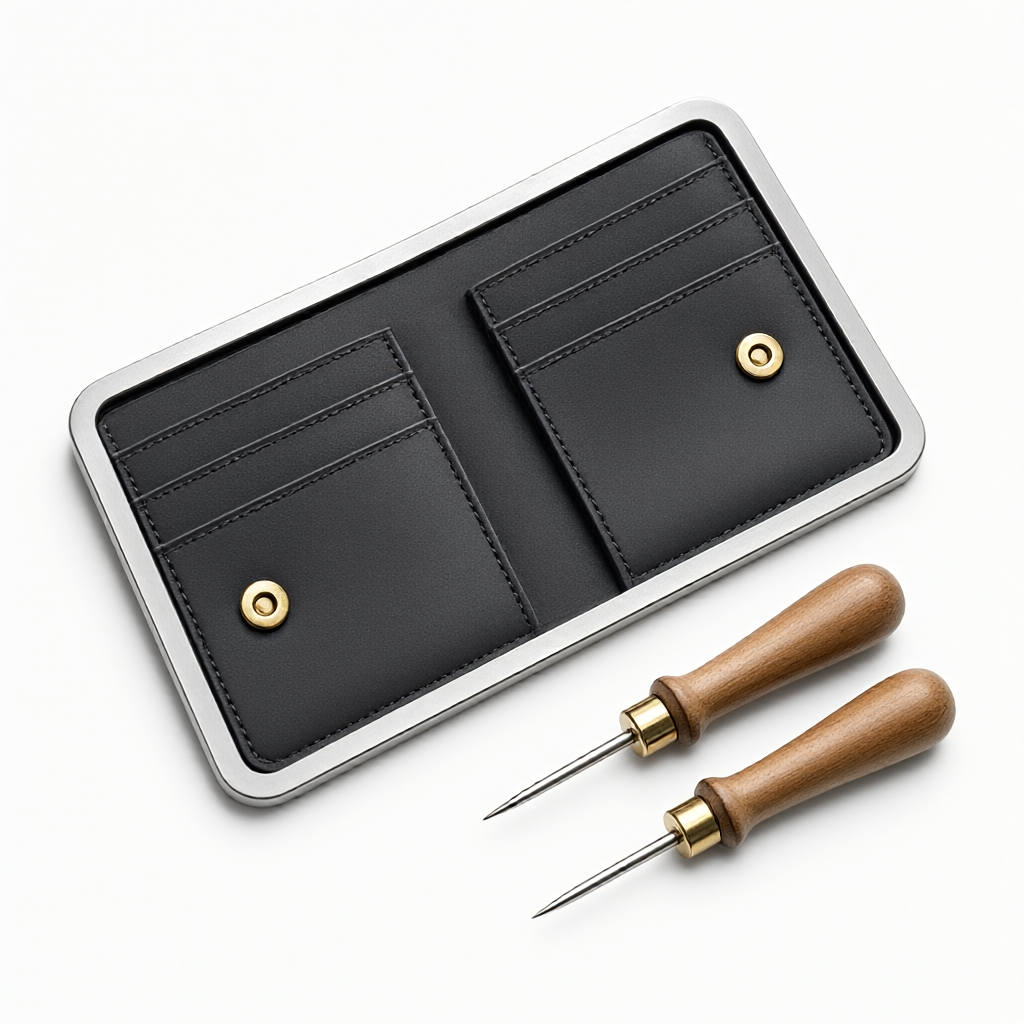
What type of wallet making class suits my skill level?
Beginner programs focus on foundational techniques: reading a pattern, marking and scoring leather or metal blanks, creating clean edges, and assembling a basic bifold or cardholder. Intermediate courses build on those basics with more complex profiles—multiple card slots, hidden compartments, money clip integration—and introduce precision tools such as edge bevelers, wing dividers, and heavy-duty bench pins. Advanced workshops concentrate on refining stitch consistency, metal fabrication including CNC-assisted parts or laser engraving concepts, and finishing methods like burnishing, sealing, or anodizing treatment discussion. Most reputable programs make the progression clear so students know exactly what prerequisite knowledge each level assumes.
In-person versus online: which delivery fits my life?
Live workshops place participants at a workbench alongside an instructor, which matters greatly when learning torque control on a stitching pony, handling sharp rotary cutters safely, or positioning awls correctly for saddle stitching. This format also allows real-time feedback, immediate correction of mistakes, and physical interaction with premium wallet making materials you might not otherwise encounter. Group sessions can become a creative team-building activity and expose students to peers’ problem-solving approaches. The trade-off is scheduling around fixed dates, commuting, and typically higher per-session cost.
Online options—recorded video lessons supplemented by PDF guides, supplier directories, and community forums—let learners replay demonstrations, pause while they execute each step, and continue practicing long after purchase. Self-paced online curricula are ideal for beginners who want to absorb information before touching expensive tooling, for advanced practitioners exploring specialized techniques without traveling, and for anyone balancing a full workweek with weekend projects. The main risk is fewer opportunities for instant error correction, which means selecting a provider with active Q&A support is important.
Which materials does the curriculum cover?
Most wallet making courses address at least one primary material family: vegetable-tanned or chrome-tanned leather, aluminum or titanium sheet, and occasionally carbon fiber laminates used in minimalist EDC designs. Leather-based programs emphasize knife trimming, skiving thickness for fold lines, hole punching, waxed thread selection, and edge painting. Metal-focused sessions explore deburring, radius rounding, riveting or friction-fit assembly, and surface finishing like bead blasting or polishing. Carbon fiber instruction tends to appear in intermediate-to-advanced modules because cutting and bonding that laminate requires caution and specific adhesives. Understanding which material path aligns with your end goal helps avoid confusion during enrollment.
Do I need prior crafting experience?
No. A well-designed beginner course assumes no background in leatherworking class techniques, metal fabrication, or fine handwork. Instructors start with tool identification, workspace setup, and simple practice cuts before advancing to the final wallet build. Students who already have experience in related crafts—such as bag making, belt construction, or footwear—but are new to wallets still benefit from specialized instruction tailored to miniaturized proportions and precision folding geometry.
Comparison Table
| Format | Best for | Hands-on contact | Skill guidance | Typical cost range | Time commitment |
|---|---|---|---|---|---|
| In-person group workshop | Beginners wanting fast confidence and social learning | High, instructor-led at a shared bench | Immediate corrections and peer observation | $75–$250 per session | One off day up to several weeks |
| Private in-person lesson | Gift-making for friends/family or niche technique refinement | Very high, one-on-one attention | Personalized pacing and project customization | $150–$400 per hour | Flexible scheduling |
| Online self-paced course | Budget-conscious learners and busy professionals | Low to moderate via forums/email | Structured progression but delayed feedback | $20–$120 per course | Weeks to months at your own pace |
| Hybrid (online prep + live weekend) | Those who want theory first then supervised practice | Moderate split between digital and bench time | Blend of recorded clarity and live troubleshooting | $150–$350 total package | Initial videos + one or two weekends |
How to Choose
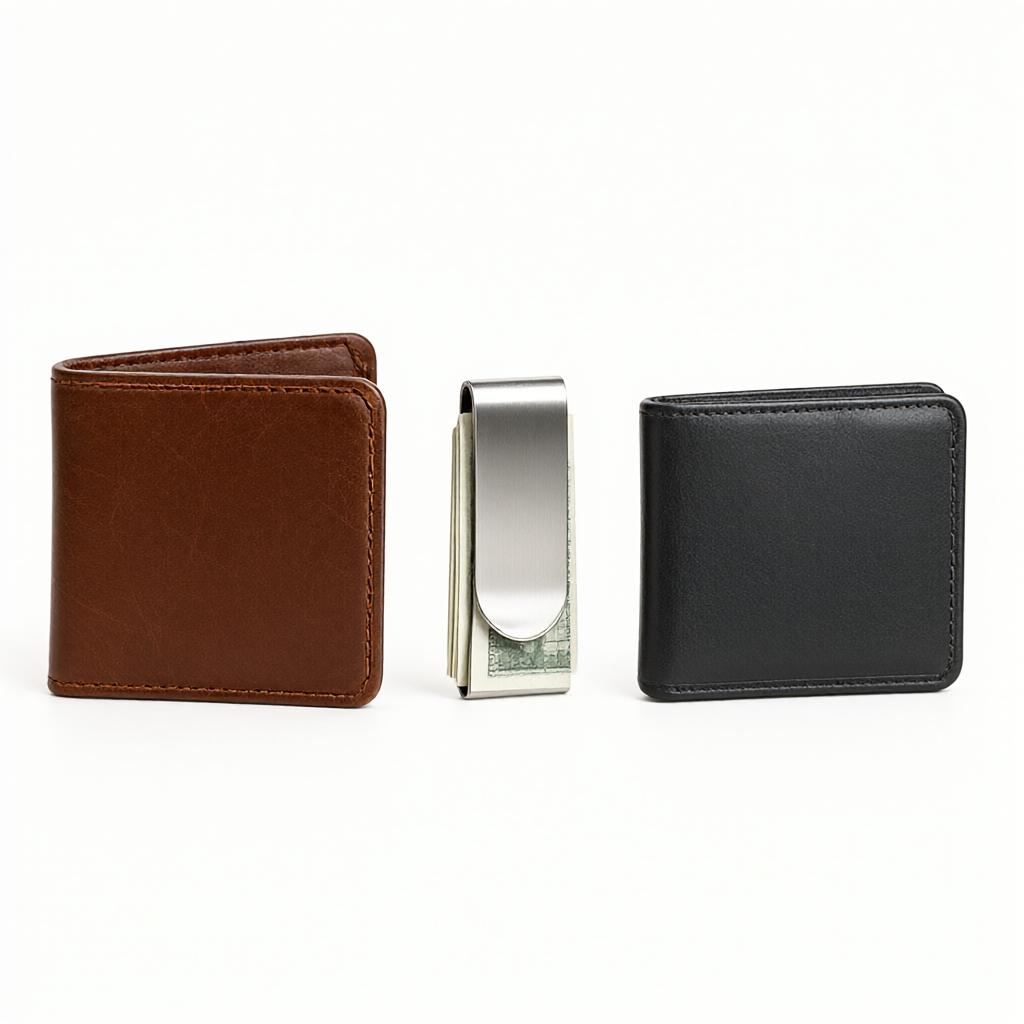
What factors matter most when comparing programs?
Prioritize three elements: instructor background, class size, and included supplies. A credible leader will show documented experience in professional wallet making or adjacent crafts, provide photos of student builds, and explain safety protocols clearly. Smaller groups—or private bookings—ensure enough bench time per participant; large classes risk waiting turns with cutting dies, edge trimmers, or stitching stations. Included supplies matter too, since some programs charge extra for premium wallet making materials such as full-grain leather offcuts, heavyweight thread, or brass rivets, which can shift the true cost substantially once the transaction completes.
How do I evaluate safety practices?
Reputable instructors cover cutter handling, needle discipline, adhesive ventilation, and eyewear or finger guard usage whenever appropriate. If any program glosses over sharp-tool risks, skip it. Ask explicitly about first-aid readiness, waste disposal, and tool maintenance standards. FTC guidelines advise consumers to verify that advertised class outcomes match actual deliverables, which includes confirming that promised skill levels are achievable within stated hours and that no bait-and-switch supply substitutions occur.
Should I look for certifications or formal credentials?
Most practical wallet making classes operate outside formal academic accreditation, but some makerspaces partner with continuing-education bodies or local trade schools that issue certificates of completion. Recognizable trade association memberships or published portfolios carry more practical weight than generic diplomas in this niche.
Can I trial a class before committing?
Check whether the provider offers a drop-in observation policy, a recorded preview lesson, or a money-back window if the first session does not match expectations. Many established instructors allow prospective students to watch a portion of a live workshop so they can gauge teaching style and facility organization firsthand.
What It Costs
How much does a wallet making class typically cost?
Prices vary widely based on format, location, duration, and material inclusion. A single weekend group workshop generally falls between $75 and $250, while intensive multi-day intensives run $200 to $500 depending on how many pieces you produce and which tool set you borrow versus purchase. Private one-on-one instruction starts around $150 per hour and can climb past $400 for specialized metalwork modules. Online library subscriptions and standalone video courses range from $20 to $120, with discounted bundles sometimes bundling starter supply kits.
Hidden expenses often include shipping for physical materials sent to remote students, replacement tools purchased mid-course when personal gear fails inspection, premium hides chosen above the baseline allowance, and retail markup on local wallet making tools if the curriculum does not loan them. Always request a line-item budget from the provider so the visible tuition matches the real total outlay.
Pros & Cons
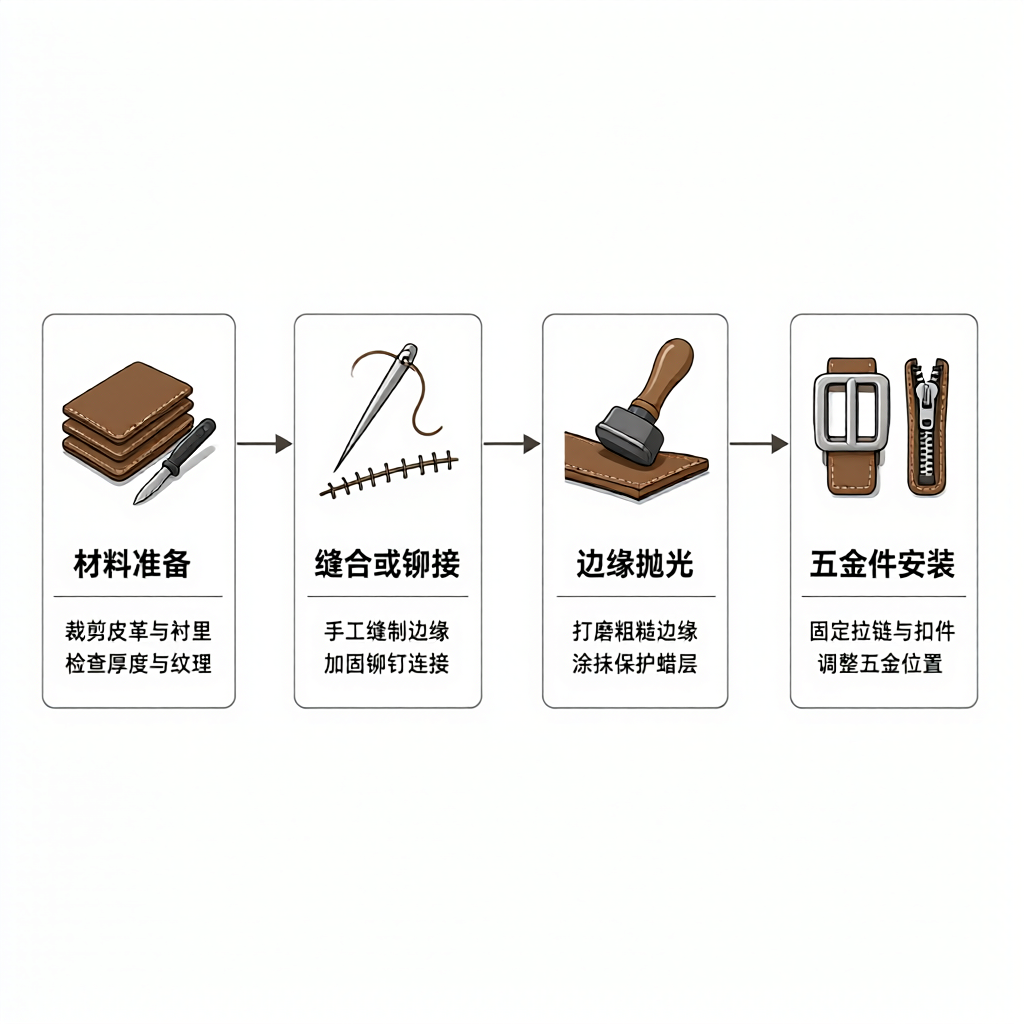
In-person workshops
Pros include direct supervisor correction, tactile familiarity with professional equipment, immediate troubleshooting when stitches fail or metal bends wrong, and networking with fellow makers who may share useful supplier tips later. The cons involve geographic constraints, rigid calendar slots, travel costs, and higher base fees that reflect overhead.
Online and hybrid routes
Pros include accessible enrollment from anywhere, replayable demonstrations for difficult steps, lower overhead translating to reduced tuition, and the ability to interleave study with paid work schedules. Cons center on delayed feedback, less accountability unless you self-discipline, fewer chances to observe nuanced hand movements at close range, and variable quality across unrelated creators.
Choosing A if you value face-to-face coaching, community atmosphere, and faster hands-on competency: opt for a live workshop or private session near you. Choosing B if flexibility, lower price, and independent exploration better suit your rhythm: select a highly rated online course complemented by periodic live Q&A or mentor check-ins.
Additional Considerations
How do I maintain a wallet I made myself?
Basic wallet maintenance keeps handmade pieces functional longer. Rotate your carry position so crease lines develop evenly rather than folding along the same stress point constantly. Store the wallet flat when not in use and avoid overstuffing beyond its designed capacity. For leather models, apply a thin conditioner periodically to prevent drying and cracking, especially if you live in an arid climate. For metal or carbon fiber wallets, wipe away fingerprints and sweat residue with a soft dry cloth and inspect rivets or clips for looseness every few months. Minor scratches on metal surfaces are cosmetic and usually disappear with gentle polishing; deeper gouges may warrant professional refinishing.
If you decide to expand from one project into small-batch prototyping or custom production, the supply chain shifts from retail craft stores to industrial manufacturers capable of consistent tolerances and repeatable finishes. Established EDC wallet manufacturers often supply professional wallet making tools, wallet making materials, and starter supplies to independent builders and micro-brands alike. That commercial ecosystem is why many makers eventually source blank components rather than machining every piece by hand.
As a manufacturer, our approach to this is straightforward. We equip learners and small brands with the same CNC-machined blanks, pre-finished aluminum skins, and carbon fiber layups that larger retailers rely on, so students can transition smoothly from classroom practice to production-quality results.
Quality control follows internationally recognized processes such as ISO 9001, ensuring each batch meets dimensional stability and finish consistency standards before leaving the facility.
Customization options span logo placement, edge coloring, packaging design, and assembly methods, giving instructors and brand founders room to tailor a line without rebuilding tooling from scratch. For personalized guidance or bulk starter quantities, contact us to discuss specifications and timelines.
Frequently Asked Questions
Where can I find wallet makers near me?
Search local makerspaces, community colleges offering leathercraft electives, specialty craft studios, and artisan markets that post workshop calendars. Many regions also list independent craftspeople through regional trade directories and meetup groups focused on EDC and small-batch handmade goods.
What wallet making supplies should I buy first?
A basic starter pack includes a cutting mat, sharp rotary cutter or utility blade, edge beveler, stitching awl, heavy needle, waxed polyester or linen thread, a bench pin or clamp system, and a modest selection of wallet making materials such as full-grain leather strips or pre-cut metal blanks. Add a punch set and rivet setter once you complete your first build.
Are there wallet making tutorial videos for absolute beginners?
Yes. Several free and paid YouTube channels and platform libraries host step-by-step wallet making tutorial series covering everything from marking patterns to finished edge burnishing. Look for videos that show tool setup, safety notes, and measurable checkpoints after each stage.
Can a wallet making class help me start a small brand?
Absolutely. Beyond hobby-level projects, these courses teach pattern drafting, tolerance awareness, and small-lot workflow habits that translate directly into prototype runs. Pair that training with supplier relationships for consistent raw stock, and you can scale from one-off gifts to controlled micro-production.
How long does it take to learn wallet making fundamentals?
Most beginners can construct a simple, functional leather bifold or cardholder after one focused workshop lasting three to six hours. Achieving refined stitch uniformity, reliable metal assembly, and confident pattern adaptation usually requires two to four additional projects spaced over several weeks of practice.
Sources & References
- FTC guidelines — www.ftc.gov
- ISO 9001 — www.iso.org
- Get a Free Quote → — topedcwallet.com
From article to product
Turning this into a product?
Most of what is written here is the difference between a sample that works and one that does not. We can build either — the useful one costs the same.
Keep reading
More on buying guides
wallet with trigger
How Does a Trigger Wallet Work? What Is the Pop-Up Mechanism? The core of…
Readbest bifold wallet for women
What Is a Bifold Wallet? The term “bifold” refers to the fold: the wallet…
ReadMen’s trifold wallets with zipper compartments vs. bifold
At a Glance The three dominant men’s wallet formats differ in panel count, depth,…
Read
About the author
TOPWALLET Editorial Team
TOPWALLET's editorial and engineering desk writes from bench testing at the Shenzhen (Longgang) facility: pull-force and cycle testing, 13.56 MHz shielding measurements, finish trials and factory audits, rather than supplier spec sheets. Every specification in these guides is one we write on a purchase order.
Written on the floor
This article was written by our production and QC team — the people who spec tolerances, run the finishing line and inspect every batch. Where it states a capacity, a pull force or a lead time, it comes from a measurement we made, not a supplier’s catalogue. If a number here disagrees with what your own supplier told you, tell us; several of these articles started as a correction from a buyer.
See how the factory works · Inspection process · Sourcing FAQ
Turning this into a product?
Most of what is written here is the difference between a sample that works and one that does not. We can build either — the useful one costs the same.