

At a Glance
A wallet account can take several forms depending on what kind of value you want to store:
- Payment/digital wallets — e-wallets like PayPal, Apple Pay, and Google Pay that store card details and enable fast checkout across online and physical stores.
- Crypto wallets — software or hardware tools that hold the private keys controlling your cryptocurrency holdings. These include mobile apps, desktop clients, web browsers, and cold-storage devices.
- Hybrid wallets — products that combine traditional payment functionality with crypto support in a single interface.
- Physical wallets — leather, aluminum, carbon fiber, or titanium wallets designed to protect cards and cash from skimmers and everyday wear.
The right choice depends entirely on your use case. If you send money internationally, a payment wallet makes sense. If you hold Bitcoin or Ethereum, a crypto wallet is essential. If you prioritize physical card security and minimalist carrying, a well-built metal wallet completes the picture.
What Are the Key Specifications of a Wallet Account?
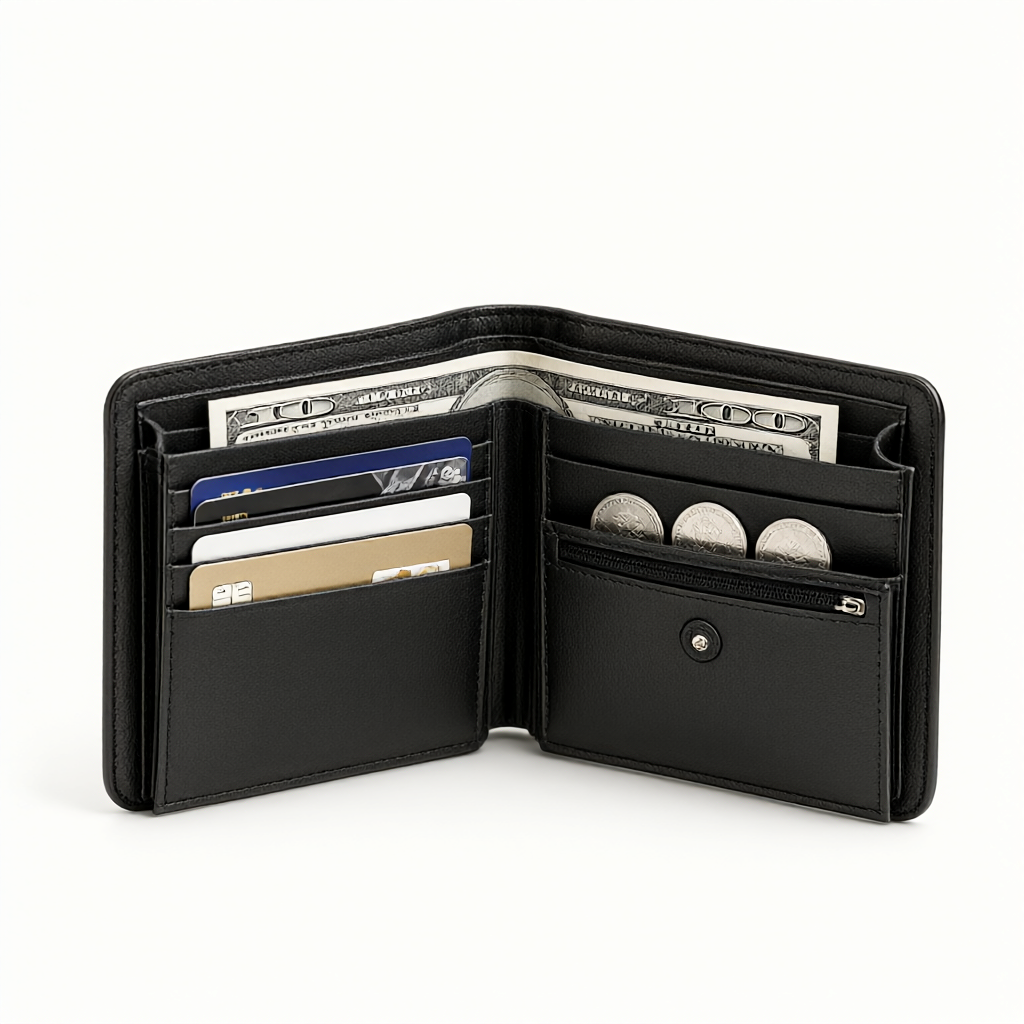
Before picking a provider, understand what actually matters under the hood:
| Specification | Payment Wallet | Crypto Hot Wallet | Crypto Cold Wallet | Physical Wallet |
|---|---|---|---|---|
| Custody model | Third-party managed | User-controlled (self-custody) | User-controlled (offline) | N/A |
| Regulation level | High (e-money licenses, regional oversight per FTC.gov consumer-protection frameworks) | Low to moderate (varies by jurisdiction) | Minimal regulation; user bears full responsibility | None — product category |
| Primary security method | Password, 2FA, biometric login | Seed phrase + device passcode | Seed phrase stored offline | RFID-blocking shielding layer |
| Typical use case | Everyday purchases, remittances | Frequent trading, DeFi interaction | Long-term holding, large balances | Card protection, cash carrying |
| Recovery if lost | Account recovery via email/phone | Seed phrase backup required | Seed phrase + device replacement | Replace physical unit |
| Access speed | Instant (online) | Instant (online) | Delayed (requires connecting device) | Instant (physical) |
Self-custody vs. custodial wallets is the most important distinction in crypto. In a custodial wallet, a third party holds your private keys — convenient but risky if the platform is hacked or frozen. In self-custody, you hold the keys and the responsibility. The trade-off is clear: more control means more accountability.
Where Can a Wallet Account Be Used?
Wallet accounts appear across everyday scenarios:
- Online shopping — Digital payment wallets fill shipping and billing info instantly at checkout.
- In-store purchases — Tap-to-pay using phone-based wallets or contactless cards stored in a physical wallet.
- Cryptocurrency transactions — Sending, receiving, and swapping tokens through a crypto wallet app or hardware device.
- Cross-border remittances — Many users rely on digital wallets for low-cost international transfers instead of traditional wire services.
- Loyalty and rewards programs — Store membership cards, gift balances, and reward points in one place.
- Digital identity — Some wallets now hold government-issued IDs, health records, and boarding passes.
Physical wallets remain relevant not just for cash, but as an anti-skimming layer. When payment cards sit inside an RFID-blocking aluminum or carbon fiber wallet, the radio-frequency field that thieves use to clone card data is blocked before it reaches your information.
How Do I Create a Wallet Account?
Setting Up a Payment Wallet
- Download the app from an official source (App Store or Google Play).
- Register with your email or phone number.
- Link a bank account or debit/credit card.
- Complete any identity verification required by your region’s regulations.
- Enable two-factor authentication before making your first transaction.
Setting Up a Crypto Wallet
- Choose between a hot wallet (connected to the internet) or a cold wallet (offline hardware).
- Download the app or unbox the device.
- During setup, the wallet generates a seed phrase — typically 12 to 24 words. Write it down on paper and store it securely. Never photograph it or save it digitally.
- Set a strong PIN or password.
- Fund the wallet by sending crypto from an exchange or another wallet.
The seed phrase is everything. Lose it and your funds are unrecoverable. Share it and someone else controls your assets. This is why proper seed-phrase storage — a fireproof safe, a metal backup plate, or a trusted vault location — is non-negotiable.
What Should I Consider When Choosing a Wallet Provider?
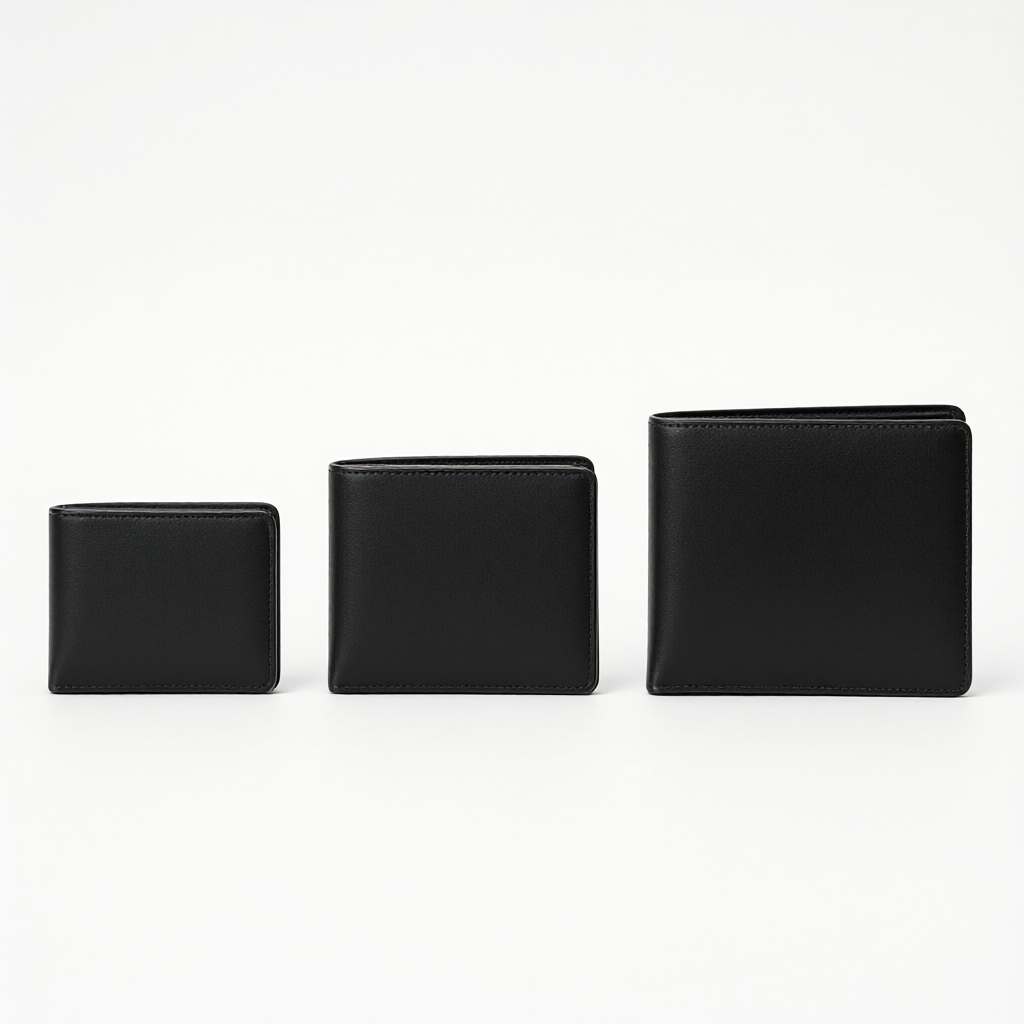
Different priorities call for different solutions. Here is a quick decision framework:
- Everyday spending and convenience — A mainstream payment wallet (Apple Pay, Google Pay, PayPal) is the right move. Focus on acceptance breadth and built-in fraud protections.
- Active crypto trading and DeFi — A reputable hot wallet with multi-chain support gives you the flexibility you need. Prioritize open-source code and active community audits.
- Long-term holdings above $1,000 — A hardware cold wallet dramatically reduces exposure to online threats. The upfront cost pays for itself quickly.
- Physical card security — An RFID-blocking wallet adds a practical defense against electronic pickpocketing while keeping your daily carry minimal and organized.
If you are building a branded wallet product for your own line — whether as an Amazon FBA seller, a retail distributor, or a corporate gifts buyer — the same criteria apply: material choice, RFID performance, capacity, and finish quality determine which supplier earns your business. That is where evaluating OEM capabilities and lead times becomes part of the selection process. Get a Free Quote →
What Is the Anatomy of a Wallet Account?
Understanding the internal structure helps you evaluate any wallet type you encounter:
- Private key — The cryptographic secret that proves ownership. In crypto, whoever holds the key controls the funds. In payment wallets, equivalent credential hashes replace traditional keys.
- Public address — The shareable identifier others use to send you value. Think of it as an account number.
- Seed phrase — A human-readable backup of your private key(s), generated during setup. It restores access across compatible wallets.
- Interface layer — The app, browser extension, or device screen you interact with daily. Usability here determines whether you actually use the wallet consistently.
- Security module — Hardware Secure Elements in phones and cold wallets, or software-based encryption in mobile apps. This is what keeps your keys safe from malware and remote attacks.
- Network connectivity — Hot wallets stay connected to blockchains or payment networks in real time. Cold wallets disconnect entirely and connect only when initiating a transaction.
Physical wallets follow a simpler anatomy: card slots, a bill compartment, a closure mechanism, and optionally an RFID-blocking liner. Material choices — aircraft-grade aluminum, Carbon Fiber, or titanium — determine weight, scratch resistance, and durability over years of daily use.
How Much Should I Keep in My Wallet Account?
This is partly personal finance, partly risk management:
- Payment wallets — Keep only what you expect to spend in the near term. Treat it like a digital checking account, not a savings vehicle.
- Hot crypto wallets — Limit holdings to amounts you may need for active trading or DeFi participation. Even reputable hot wallets carry hack risk.
- Cold crypto wallets — Reserve long-term and large-value holdings here. This is your “set it and forget it” storage tier.
- Emergency reserve — Regardless of wallet type, maintain a separate liquid reserve outside any single account so you are never forced to sell assets at an inopportune time.
There is no universal percentage rule that applies across all wallet types. The guiding principle is matching storage volume to usage frequency and risk tolerance.
Which Wallet Alerts Should I Enable?
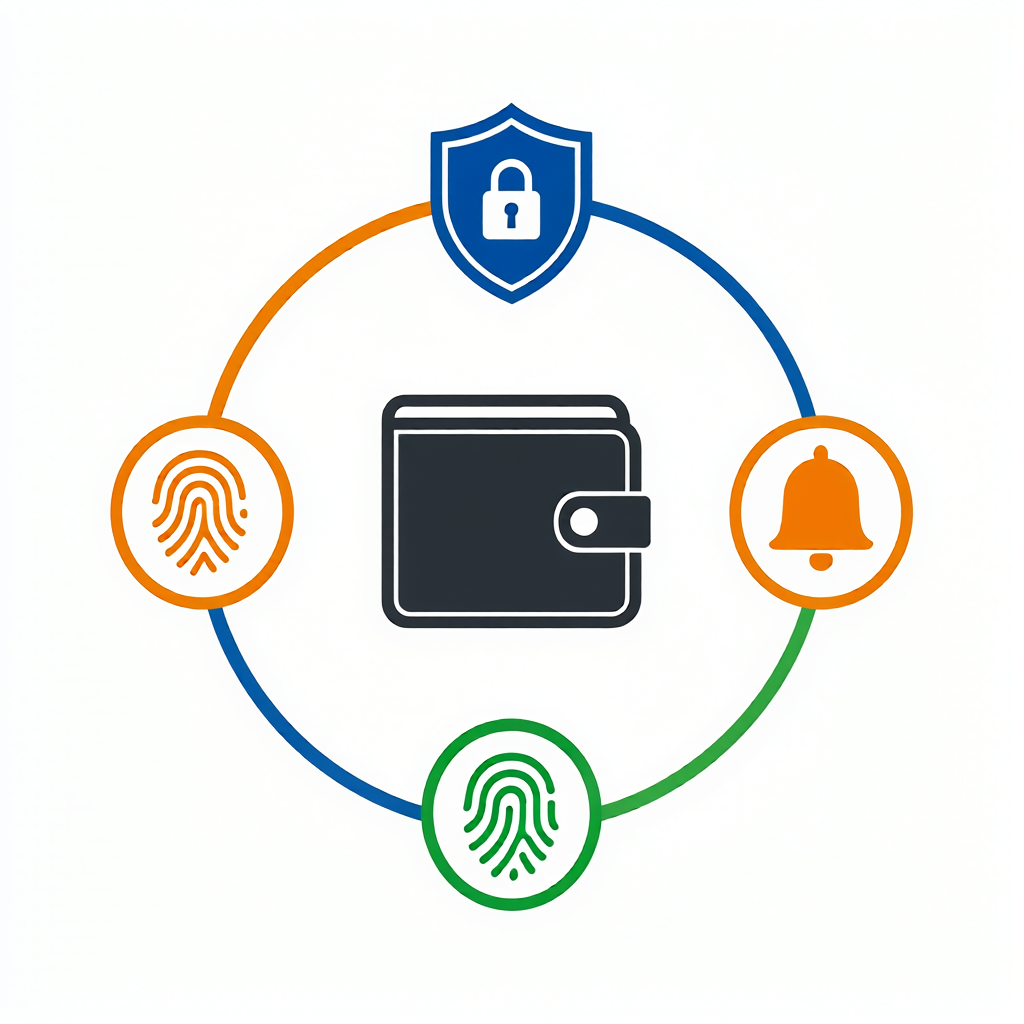
Proactive notifications turn a wallet from passive storage into an active security tool:
- Transaction confirmations — Instant alerts for every incoming and outgoing transfer.
- Login and device-change notices — Detect unauthorized access attempts immediately.
- Balance threshold warnings — Notify you when holdings drop below a set amount, useful for monitoring spending or auto-buy triggers.
- Fee and gas-price updates — Especially relevant for crypto users who want to time transactions during lower network congestion.
- Security vulnerability advisories — Subscribe to official channels from your wallet provider so you know when patches are available.
Most payment wallets offer these natively. For crypto, check whether the app supports push notifications, email digests, or integration with desktop alert tools.
What Are the Top Cryptocurrency Wallet Apps?
Selection here depends on chain support, reputation, and ease of use rather than a single definitive ranking:
- Mobile-first ecosystems — Apps like MetaMask, Trust Wallet, and Phantom serve millions of users across multiple chains. They prioritize accessibility and broad token support.
- DeFi-focused wallets — Tools like Rainbow and Zerion add portfolio analytics, yield tracking, and direct protocol interaction layered onto standard wallet functionality.
- Hardware leaders — Ledger and Trezor dominate the cold-storage segment. Both emphasize Secure Element chips and open-source firmware audits.
When evaluating crypto wallet apps, look for independent security audits, transparent development histories, and community responsiveness to vulnerabilities. Regulatory environment also matters: providers operating in jurisdictions aligned with ISO standards for information security management tend to maintain stronger internal controls, though this varies significantly by region.
What About Top Designer Wallet Brands?
Premium physical wallets from established design houses — names like Bellroy, Ridge, and Peak Design — compete on aesthetics, materials, and ergonomics rather than technical crypto features. Their relevance to the wallet-account conversation lies in one area: physical security. A well-engineered RFID-blocking wallet complements your digital wallet strategy by preventing card skimming at point-of-sale terminals.
These brands typically range from $40 to $150 retail. They serve everyday carry enthusiasts who value minimalist form factors and durable finishes over budget pricing. Whether a designer label is worth the premium depends on how much you prioritize materials and design craftsmanship versus raw utility.
How We Meet These Standards
As a manufacturer, our approach to wallet production reflects the same principles that govern reliable wallet account design: clear specification, consistent quality, and user-facing functionality. Our facility specializes in CNC-machined aluminum wallets, carbon fiber card holders, titanium money clips, and RFID-blocking metal wallets — each engineered for daily carry durability. With ISO 9001 certification since 2014 and a 50,000-square-foot factory, we support OEM and ODM projects starting at 100-piece MOQs with seven-day sample turnaround. Every order includes full customization — from logo laser engraving to packaging — ready for FBA prep or direct distribution. If you are evaluating manufacturers for your next EDC wallet project, we welcome the opportunity to discuss your specifications. Get a Free Quote →
Frequently Asked Questions
What is a wallet account?
A wallet account is any digital or physical system that stores value — money, crypto, cards, or credentials — and lets the owner access and spend it. The term covers payment apps, crypto wallets, and even physical cardholders depending on context.
How is a wallet account different from a bank account?
A bank account holds deposits insured and regulated within a banking framework. A wallet account — especially a self-custodied crypto wallet — places control and responsibility directly in your hands, with no intermediary guaranteeing the funds.
What are the different types of wallet accounts?
The main categories are payment/e-wallets, crypto hot wallets, crypto cold wallets, hybrid wallets, and physical wallets. Each serves a distinct use case ranging from daily commerce to long-term asset storage.
Is a wallet account safe?
Safety depends on the type and how you use it. Payment wallets benefit from institutional fraud protections. Self-custodied crypto wallets put security entirely on you — strong passwords, seed-phrase hygiene, and hardware isolations are what make them safe in practice.
Do wallet accounts cost money?
Most basic wallets are free to set up. Payment processors may charge small fees per transaction. Crypto wallets are generally free, though network gas fees apply when moving assets. Premium physical wallets range from roughly $30 for basic models to $150+ for specialized designs.
How do I log in to my wallet account safely?
Use a unique, strong password and enable two-factor authentication wherever available. For crypto wallets, store your seed phrase offline and never enter it on a connected device unless you are explicitly recovering your wallet. Avoid public Wi-Fi when accessing sensitive accounts.
What is a wallet account example I can relate to?
Common examples include your Apple Pay or Google Pay setup for shopping, a MetaMask or Trust Wallet app for crypto, a Ledger device for long-term holdings, or an RFID-blocking aluminum wallet protecting your physical cards in your pocket.
Sources & References
- FTC.gov — www.ftc.gov
- ISO — www.iso.org
- Get a Free Quote → — topedcwallet.com
From article to product
Turning this into a product?
Most of what is written here is the difference between a sample that works and one that does not. We can build either — the useful one costs the same.
Keep reading
More on buying guides
wallet with trigger
How Does a Trigger Wallet Work? What Is the Pop-Up Mechanism? The core of…
Readbest bifold wallet for women
What Is a Bifold Wallet? The term “bifold” refers to the fold: the wallet…
ReadMen’s trifold wallets with zipper compartments vs. bifold
At a Glance The three dominant men’s wallet formats differ in panel count, depth,…
Read
About the author
TOPWALLET Editorial Team
TOPWALLET's editorial and engineering desk writes from bench testing at the Shenzhen (Longgang) facility: pull-force and cycle testing, 13.56 MHz shielding measurements, finish trials and factory audits, rather than supplier spec sheets. Every specification in these guides is one we write on a purchase order.
Written on the floor
This article was written by our production and QC team — the people who spec tolerances, run the finishing line and inspect every batch. Where it states a capacity, a pull force or a lead time, it comes from a measurement we made, not a supplier’s catalogue. If a number here disagrees with what your own supplier told you, tell us; several of these articles started as a correction from a buyer.
See how the factory works · Inspection process · Sourcing FAQ
Turning this into a product?
Most of what is written here is the difference between a sample that works and one that does not. We can build either — the useful one costs the same.